Reviewed · KILIMANJARO CLIMBS
Kilimanjaro Machame Route 6 Days
Six days to Kilimanjaro. Machame route brings you from rainforest up toward Uhuru Peak. It is a classic 6-day plan (five nights) built to help you acclimatize across changing altitude zones, and it covers about 62 km from gate to gate.
I like the way this trip packages comfort and safety together. Warm water for washing daily and clean, purified drinking water make the day-to-day routine feel less brutal, especially after long hikes.
One real consideration is the mountain itself. Day 3 can run 8 to 9 hours, and the final push takes you to 5,895 meters, so you need solid hiking fitness and good pacing more than just enthusiasm.
In This Review
- Quick Takes for Kilimanjaro Machame 6 Days
- Value and Logistics: What You Pay For on the Machame Route
- Safety Kit and the Team You Want on Summit Day
- Machame Route Zones: How the Mountain Changes From Day to Day
- Day 1 to Day 3: Machame Gate, Rainforest Lungs, and the Long Middle Day
- Day 4 to Day 6: Karanga, Barafu, Summit Effort, Then a Rainforest Descent
- Meals, Washing, and Camp Comfort That Makes a Difference
- Moshi Start and Finish: Hotel Nights and the Human Scale of the Trip
- How Much Fitness Do You Actually Need?
- What I’d Watch for Before You Commit
- Should You Book Kilimanjaro Brothers for Machame 6 Days?
- FAQ
- How long is the Kilimanjaro Machame Route on this 6-day plan?
- What are the key altitudes on the Machame 6-day route?
- Are meals and drinks included while trekking?
- Does this tour include safety and emergency equipment?
- Do I get hotel accommodation before and after the climb?
- Is pickup offered from Moshi?
- What is not included in the price?
Quick Takes for Kilimanjaro Machame 6 Days
- Safety equipment is serious, including emergency oxygen tanks, a Gamow Bag (hyperbaric chamber), and a pulse-oximeter for oxygen level checks.
- Communication is planned, with VHF handheld radios carried on each trek, plus rescue fees on the mountain.
- Meals and shelter are fully handled, with all mountain meals included and waterproof tents plus cold-weather sleeping mats.
- You get real guide support, and people highlight summit-day help from guides such as Mawra and Samson.
- Porters reduce your load, including a porter to carry your day-pack during the summit attempt.
Value and Logistics: What You Pay For on the Machame Route
The price is $2,326.61 per person, and what matters is what you are buying. This is not just the hiking. You are also paying for full mountain operations: guides, porters, cooking, tents, daily meals, and the back-up systems that can matter a lot at altitude.
The package includes two nights of classic standard hotel accommodations in Moshi, one before and one after the climb, with bed and breakfast. On the mountain, it shifts to full board, so you have breakfast, lunch, and dinner while trekking. It also includes arrival and departure transfers and all transportation in the destination area.
From a value standpoint, I think the standout inclusions are the altitude safety pieces and the “you do less” comfort items. Emergency oxygen tanks, a Gamow Bag, and a pulse-oximeter are not typical add-ons, and they change how the climb feels if things start going sideways. Add daily warm water for washing and you get a surprising morale boost on day after day in cold air.
What is not included is also worth knowing. Tips, the Tanzania visa on arrival, and personal expenses like laundry and drinks are extra. If you are budgeting, plan for those upfront so the final bill does not sneak up on you.
More Kilimanjaro climbs:
- Kilimanjaro climb by Lemosho Route (7-day)
★ 5.0 · 651 reviews - Kilimanjaro climb, Machame Route (7-day)
★ 5.0 · 262 reviews - Kilimanjaro Climbing Lemosho Route 8 Days.
★ 5.0 · 186 reviews
Safety Kit and the Team You Want on Summit Day
Kilimanjaro is high altitude trekking, not a casual hike, and this route is managed with that in mind. The included emergency gear list is practical: emergency oxygen tanks, Gamow Bag (hyperbaric chamber), and pulse-oximeter monitoring. There are also VHF handheld radios carried on each trek, so guides can coordinate quickly.
This is the kind of support that helps you relax enough to keep a steady pace. On a mountain like Kilimanjaro, panic makes symptoms worse, and good communication helps keep everyone on track.
I also like that the guides are experienced and professional and speak English. In the feedback I saw, people singled out summit-day support, calling it more than professional. Names that came up included Mawra and Samson, along with strong praise for the porters and the cook.
There is a porter to carry your day-pack during the summit attempt. That is not just convenience. It reduces the weight you are working against when your body is already under stress.
Machame Route Zones: How the Mountain Changes From Day to Day
The Machame route is designed to take you through multiple altitude zones, and that affects what you wear, how you sleep, and how your body feels. Your climb starts at Machame Gate around 1,640 meters, then rises quickly into rainforest before shifting upward.
You will move through:
- Rain forest early on
- Low alpine zone on the way toward Shira Camp Two
- A transition from low alpine to high alpine as you reach Barranco
- High alpine as you approach Karanga Valley and then Barafu
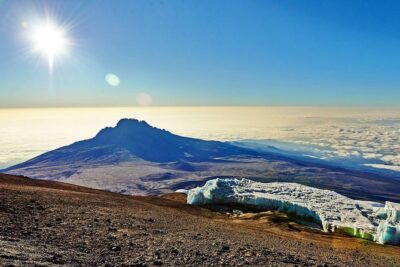
- Glacial zone territory as you climb toward Uhuru Peak
- Rain forest again on the descent to Mweka Gate
You are also covered by the trip’s rhythm. Each day comes with a target hiking window and a distance, so you know what you are signing up for. Total trekking is about 62 km across five nights.
Altitude does not hit on a schedule, but the zone changes help explain why conditions shift fast. Colder air can sap energy. Wind and low visibility can make slow pacing feel even slower. Your best strategy is to let the plan set the tempo and resist the urge to “make up time” when you feel shaky.
Day 1 to Day 3: Machame Gate, Rainforest Lungs, and the Long Middle Day
Day 1 starts at Machame Gate at 1,640 meters, then you hike about 11 km to Machame Camp or Machame hut at 2,850 meters. Expect roughly 5 to 6 hours, and the zone is rainforest. This day is about getting used to moving uphill while you still feel mostly fine.
The practical benefit of day 1 is that you get a realistic start without jumping too fast into the highest camps. If you treat this day like a warm-up instead of a race, the rest of the route tends to feel more manageable.
Day 2 climbs from Machame Camp to Shira Camp Two at 3,810 meters. It is shorter in distance, about 5 km, and still takes around 5 to 6 hours. The time stays similar because altitude slows everything down. This is your first stronger lesson that “flat” effort becomes heavier.
Day 3 is the long one. You go from Shira Camp Two to Barranco Camp, covering about 10 km in 8 to 9 hours. The zone shifts from low alpine to high alpine. This is where you feel the mountain tightening around you, and why pacing matters so much on this route.
One way to handle day 3 is simple: keep your breathing calm and take frequent short pauses. You are not trying to grind. You are trying to arrive still thinking clearly.
A few more Moshi trips to compare
- Safari Serengeti And Ngorongoro
★ 5.0 · 288 reviews - Climbing Kilimanjaro – Machame Route
★ 5.0 · 170 reviews - Climbing Kilimanjaro through 7 days Machame Route
★ 5.0 · 151 reviews - Kilimanjaro climb, Lemosho Route (8-day)
★ 5.0 · 148 reviews
Day 4 to Day 6: Karanga, Barafu, Summit Effort, Then a Rainforest Descent
Day 4 is a bit tricky because it includes both climbing steps and a higher final camp move. You start by hiking from Barranco Camp to Karanga Valley Camp at about 3,995 meters, then continue to Barafu at around 4,673 meters. The hiking hours listed are 4 to 5, and distance is around 4 km, so the effort is shorter on paper but bigger in altitude.
This day often feels like a gear shift. You might be moving fewer kilometers, but every meter upwards can feel demanding. It is a good day to conserve energy and focus on hydration.
Day 5 is the summit day segment: you climb to Uhuru Peak at 5,895 meters, then descend to Mweka Camp at 10,000 feet. Hiking time is about 4 to 6 hours, with distance listed around 12 km. You will feel the glacial zone influence along the way, and the summit is the moment where everything you did earlier pays off.
The included support matters here. Oxygen-related tools, the pulse-oximeter, and summit-day porter support for your day-pack can make a real difference in how you manage the hardest hours.
Day 6 is your payoff and your reset. You descend from Mweka Camp to Mweka Gate at about 1,640 meters, with a 3 to 4 hour walk and about 10 km. The zone is rainforest again, which is a weirdly comforting contrast after cold air near the summit.
After the walk, there is a transfer to the hotel for your summit certificate and a celebration party. You also get an overnight stay at your previous hotel, so you do not end the experience and immediately scatter into travel chaos.
Meals, Washing, and Camp Comfort That Makes a Difference
The biggest mistake people make on Kilimanjaro is thinking camp is optional. It is not. You are rebuilding between hikes, and this trip tries to make that rebuilding realistic.
All meals on the mountain are included: breakfast, lunch, and dinner each day, with large portions of fresh, healthy, nutritious foods. You also get warm water for washing every day. That small comfort sounds minor until you are wet, cold, and tired and still need to function.
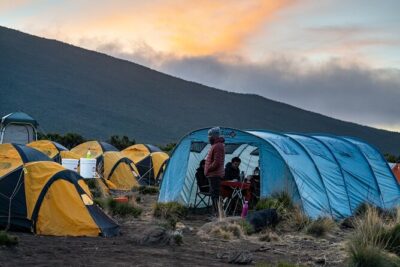
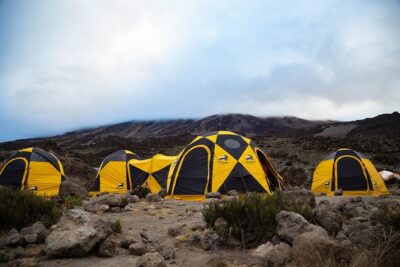
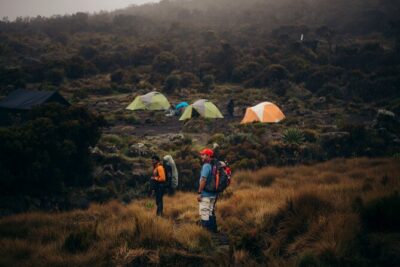
On the equipment side, you get waterproof tents for climbing, mess tents, crew tents, and cold-weather sleeping mats. You also have aluminum dining tables and large aluminum chairs with backs and armrests for meals. That means fewer squats and cold benches and more actual downtime where you can eat and drink calmly.
There is also a portable personal flash toilet. That is a practical inclusion that can reduce stress on tough days.
Finally, drinking water is covered with clean, purified water. Hydration helps on altitude days, and not having to worry about water logistics frees your brain for the important stuff.
Moshi Start and Finish: Hotel Nights and the Human Scale of the Trip
This climb is run out of Moshi, Tanzania, and you get hotel time before and after the trek. That is valuable because it keeps your body in a normal routine before the mountain, and it gives you recovery time after.
You also get arrival and departure transfers and all transportation in the destination location. That helps if you want the trip to feel organized rather than “figure it out as you go.”
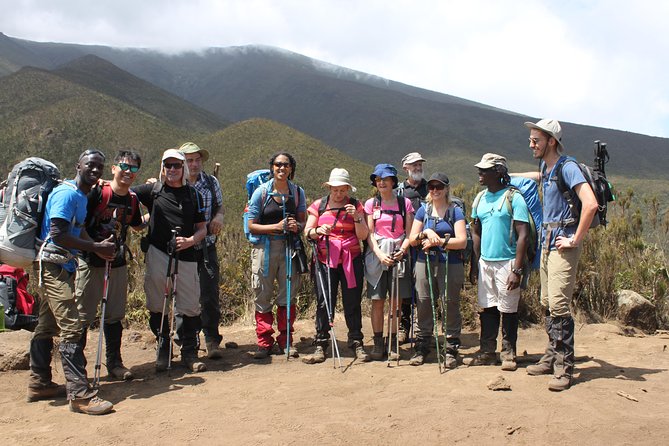
The experience is private, meaning only your group participates. You do not have the stress of being one person among many unrelated hikers. For some people, that matters a lot for pacing, communication, and morale.
The Moshi side also includes bed and breakfast for two nights. So you can shower, refuel, and sort gear before the climb without living out of a backpack.
How Much Fitness Do You Actually Need?
This Machame plan is designed for people who are physically fit with some hiking experience, but it is also a route that first-time trekkers can complete. That matches what you would expect from a 6-day schedule that includes acclimatization over changing zones.
The numbers help you judge the workload. Day 1 is about 11 km for 5 to 6 hours. Day 2 is shorter in distance at about 5 km but still 5 to 6 hours. Day 3 is demanding at 8 to 9 hours over 10 km. Day 4 is shorter at 4 km for 4 to 5 hours, but it goes to higher camps. Day 5 is both hard and high, then day 6 gives you a long but lower-altitude walk.
In plain terms: if you can handle sustained hiking for 4 to 6 hours and you train for endurance, you are in the right neighborhood. If you struggle with steep climbs or you get winded fast, you might find day 3 and the summit day segment more punishing than you expected.
Also remember, altitude is the boss here. Your body can feel different every hour. Slow and steady wins, and good guide support helps you stick to that plan.
What I’d Watch for Before You Commit
You should go in with full clarity about what is included and what you handle yourself.
Included:
- Professional English-speaking guides
- Experienced operations team with porters and cook
- Emergency oxygen tanks, Gamow Bag, and pulse-oximeter
- VHF radios and rescue fees on the mountain
- Full meals while trekking
- Hotel nights before and after the climb
Not included:
- Tips
- Tanzania visa on arrival
- Personal expenses and optional add-ons
The other watch-out is the mountain schedule. The route includes one very long day, 8 to 9 hours on day 3, plus the summit push to Uhuru Peak at 5,895 meters. Even with support, your pace and health habits matter.
Weather can also play a role. This experience requires good weather, and if it is canceled due to poor weather, you are offered a different date or a full refund.
Should You Book Kilimanjaro Brothers for Machame 6 Days?
If you want a well-run Kilimanjaro trek that takes safety and comfort seriously, I think this is a strong fit. The included gear list is the big reason: emergency oxygen tanks, a Gamow Bag, pulse-oximeter monitoring, and VHF radios are not there to impress you, they are there because altitude risk is real.
I also like the human support element that comes through in the guide names mentioned, Mawra and Samson, plus strong praise for summit-day guidance and the cook and porter team. Add in the porter who carries your day-pack during the summit attempt, and you get less physical burden when your body is least forgiving.
Book it if:
- You have a moderate fitness base and can hike for long hours
- You want full-service camp operations, not a DIY slog
- You value safety gear and organized communication
Rethink it if:
- You are not comfortable with a long hiking day and very high altitude
- You are trying to keep costs ultra-low, since tips and visa are extra
If your goal is to climb Machame in six days with strong support and a smoother camp experience, this plan is worth serious consideration.
FAQ
How long is the Kilimanjaro Machame Route on this 6-day plan?
The trek runs for about 6 days, covering about five nights on the mountain. Total hiking distance is listed as about 62 km (37 miles).
What are the key altitudes on the Machame 6-day route?
The climb starts at Machame Gate around 1,640 meters and reaches Machame Camp near 2,850 meters. You then go up to Shira Camp Two at about 3,810 meters, Barranco Camp, Karanga Valley Camp at 3,995 meters, Barafu at about 4,673 meters, Uhuru Peak at 5,895 meters, and then descend to Mweka Camp around 10,000 feet and Mweka Gate at about 1,640 meters.
Are meals and drinks included while trekking?
Yes. All meals while on the mountain are included, with breakfast, lunch, and dinner each day. Clean, purified drinking water is also included.
Does this tour include safety and emergency equipment?
Yes. The included items list emergency oxygen tanks, a Gamow Bag (hyperbaric chamber), VHF handheld radios, and a pulse-oximeter for oxygen level measurement. Rescue fees on the mountain are also included.
Do I get hotel accommodation before and after the climb?
Yes. The trip includes 2 nights classic standard hotel accommodations, one before and one after the trek, with bed and breakfast.
Is pickup offered from Moshi?
The tour includes arrival and departure transfers, and pickup is offered.
What is not included in the price?
Tips are not included, and the Tanzania visa on arrival is also not included. Personal expenses like laundry and beverages are extra, along with any optional tours after your climb.
Just posted around Moshi
- machame route★ 5.0 · 16 reviews
- Wildlife Extravaganza: Manyara, Tarangire & Ngorongoro in 3 Days★ 5.0 · 3 reviews
- Mt Kilimanjaro 6 days Marangu route hike★ 5.0 · 3 reviews
- Kilimanjaro Climbing Umbwe Route★ 5.0 · 3 reviews
- 3 Days Private E-Bike Tour in West Kilimanjaro★ 5.0 · 3 reviews
- West Kilimanjaro cycling Adventures★ 4.5 · 8 reviews
- Kilimanjaro Climb • Marangu Route ~ 9 Day★ 5.0 · 4 reviews
- Private Cycle to Kilimanjaro Bike Park Safari★ 5.0 · 6 reviews
Kilimanjaro Climbs, compared.
8-Day Small-group Lemosho Kilimanjaro Summit Trekking
Read our review →
5 Days Best of Tanzania Luxury Safari Northern Circuit
Read our review →
Climbing Kilimanjaro through 7 days Machame Route
Read our review →