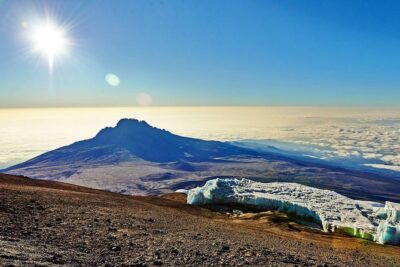
Reviewed · KILIMANJARO CLIMBS
Kilimanjaro Lemosho Route
Kilimanjaro starts with quiet forest trails. This 8-day private Lemosho Route (up to 5 people) is designed to pace you with classic altitude days, then push hard on summit night. I especially like the way the route builds acclimatization step-by-step, and how the support team handles camp setup and meals so you can focus on your breathing. The main drawback is simple: you will be hiking for long hours at altitude, and summit night starts very late, so you need a steady head and moderate fitness to do this well.
The trip begins around Moshi, with a transfer to Lemosho’s gate area and a smooth start for a mountain this serious. You’re not just buying a route, you’re buying a system, with guides, porters, and a chef working together from campsite to campsite. The logistics are tight, and when something goes wrong on Kilimanjaro, the team’s communication matters.
If you want an end-to-end climb where someone else takes charge of the heavy lifting, tents, and daily rhythm, this is a solid fit. Just know the mountain itself still calls the shots, because weather can change timing and how long you stay on the summit.
In This Review
- Key Things I’d Plan Around on the Lemosho Route
- From Springlands to Mti Mkubwa Camp, You Start With Work That Feels Fair
- Shira Camps and Kibo Views: How Days 2 and 3 Keep Altitude From Running You Over
- Lava Tower to Barranco: The Day Your Legs Learn to Work at 4,000 M
- Barranco Wall Into Karanga Valley: A Steep Step, Then a Breather
- The Barafu to Stella Point Push, Then Uhuru Peak: Summit Night Is a Whole Different Sport
- Food, Porters, and Guides: Why the “Crew” Is the Real Difference Maker
- Day 8 Down to Mweka Gate, Then Back to Springlands for a Hot Lunch
- Price and Logistics: $2,890 Per Group Makes Sense If You Want Private Control
- Who This 8-Day Lemosho Trek Is Best For
- Should You Book This Lemosho Route?
- FAQ
- How many days is the Kilimanjaro Lemosho Route?
- What is the price?
- Is pickup included?
- Is this a private tour?
- What is the meeting point and start time?
- Are admission tickets included?
- What kind of fitness level do I need?
- What happens on summit night?
- Is lunch provided?
- Can I get a full refund if I cancel?
Key Things I’d Plan Around on the Lemosho Route
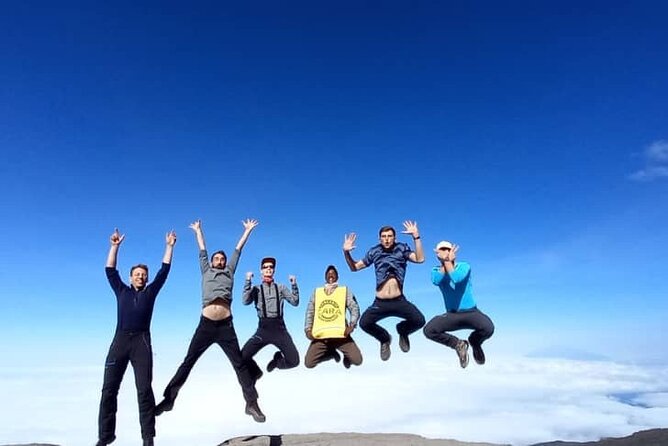
- Private group up to 5 people: you get your own team setup and a more controlled pace.
- Forest to moorland to scree: you’ll see big changes in what the mountain is made of as you climb.
- Acclimatization days are built in: shorter moves on high days help you keep going.
- Chef + porters at every camp: tents go up and meals show up, even when you’re tired.
- Summit night is long and cold: the push goes from Stella Point to Uhuru Peak, then down fast.
From Springlands to Mti Mkubwa Camp, You Start With Work That Feels Fair
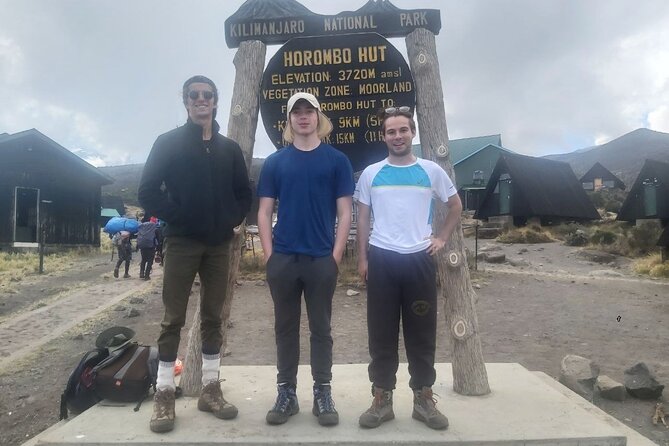
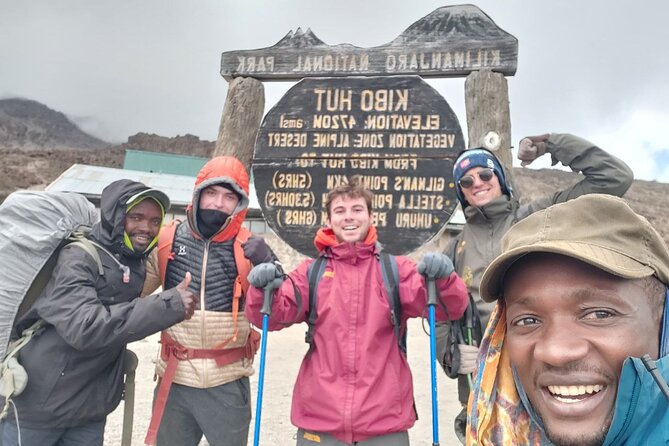
Day 1 is all about getting into the rhythm without burning yourself out. After breakfast, you get picked up and transferred about 1.5 hours to Lemosho Park Gate (listed around 2,100 m). At Londorossi Gate you’ll complete registration, then start hiking along forest trails toward Mti Mkubwa Campsite around 2,750 m.
You’re hiking about 7 km for roughly 5 hours, which is a decent warm-up on a mountain like Kilimanjaro. The altitude change from roughly 2,200 m to 2,780 m is real, but the pace here is meant to keep you moving while you adjust. In plain terms, this is your day to learn how your body reacts to higher air, not your day to prove you’re tough.
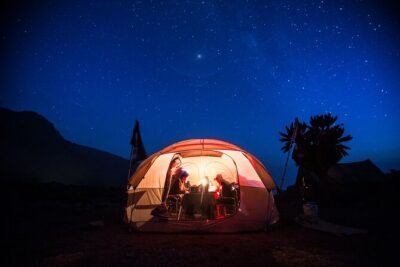
When you reach camp, porters set up the tents and the chef prepares lunch. That little detail matters more than it sounds. After a first day like this, you want to arrive and exhale, not spend extra energy on chores. You’ll also get a guide briefing for the next day, so you can sleep knowing what to expect.
More Kilimanjaro climbs:
- Kilimanjaro climb by Lemosho Route (7-day)
★ 5.0 · 651 reviews - Kilimanjaro climb, Machame Route (7-day)
★ 5.0 · 262 reviews - Kilimanjaro Climbing Lemosho Route 8 Days.
★ 5.0 · 186 reviews
Shira Camps and Kibo Views: How Days 2 and 3 Keep Altitude From Running You Over
Day 2 is a longer move, but it still follows an acclimatization logic. You go from Mti Mkubwa Camp to Shira Camp 2. Altitude rises from about 2,780 m to around 3,840 m, and your hiking distance is roughly 12 km for about 6 to 7 hours.
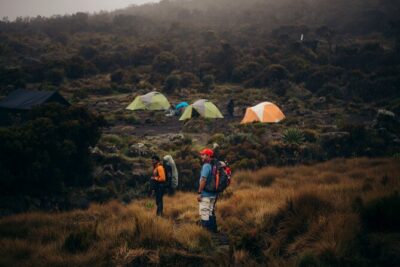
The route is described as moving through moorlands with views of Kibo Volcano. This is the part of the climb where you start feeling the “high, wide, and thin” effect. You’ll be working harder for each breath, and those Kibo views can be a real payoff when your legs feel heavy.
Day 2 includes a hot lunch at Shira Camp 1, then you continue on to Shira Camp 2. Camp setup happens after arrival, so again, you’re not stuck doing the camp work. Your guide also briefs you for Day 3.
Day 3 is one of the quieter days on paper, which is the point. You wake early, have breakfast, then do a short hike from Shira 1 to Shira 2. The altitude range listed is about 3,500 m to 3,840 m, with about 5 km and 3 to 4 hours of walking (noted as typically 5 to 6 hours total for the move).
This day is relatively easier, letting you enjoy the views while your body gets time to adapt. It’s also where you learn a key Kilimanjaro rule: progress is not only about distance, it’s about staying functional as the altitude climbs.
Lava Tower to Barranco: The Day Your Legs Learn to Work at 4,000 M
Day 4 is where things start to feel more demanding. You’ll go from around 3,840 m to about 3,960 m, with an 11 km hike and 7 to 8 hours listed. The big feature is the climb to Lava Tower at 4,630 m.
The terrain shifts to a semi-desert, rocky landscape, then you tackle a scree path during the ascent. The day is built like this: you hike for about 5 hours, take lunch, then push upward again before descending around 680 m to Barranco campsite.
That descent part is a huge practical win. It’s noted as giving stunning photo opportunities of the Western Breach. More importantly, descending after a hard climb helps you lock in acclimatization, instead of just topping out and collapsing.
You’ll also get a memorable sunset at Barranco and dinner at camp. Sunset at altitude can be dramatic, and it’s a good moment to mentally reset before the next day.
Barranco Wall Into Karanga Valley: A Steep Step, Then a Breather
Day 5 mixes effort and payoff. You start at about 3,960 m and climb into the Barranco Wall (described as steep but rewarding), then descend into the Karanga Valley. The route is listed at 5 km and about 5 hours for hiking.
After lunch at Karanga campsite, there’s an acclimatization hike toward Barafu Camp. The plan is to ascend about 200 m, then return to Karanga. That kind of “up a little, back down” move can make a big difference later when you’re trying to summit.
If you’re wondering why they keep adding these smaller hikes, here’s the practical answer: it helps your body keep learning how to function at higher elevations. And it also teaches you the mental pacing you’ll need for summit night, where you mostly climb through exhaustion.
A few more Moshi trips to compare
- Safari Serengeti And Ngorongoro
★ 5.0 · 288 reviews - Climbing Kilimanjaro – Machame Route
★ 5.0 · 170 reviews - Climbing Kilimanjaro through 7 days Machame Route
★ 5.0 · 151 reviews - Kilimanjaro climb, Lemosho Route (8-day)
★ 5.0 · 148 reviews
The Barafu to Stella Point Push, Then Uhuru Peak: Summit Night Is a Whole Different Sport
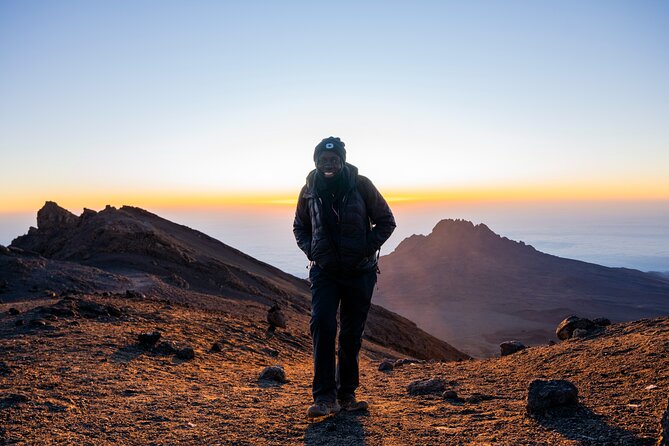
Day 6 is your setup day for summit. You move from about 4,035 m up to around 4,640 m at Barafu, hiking about 5 km for roughly 5 hours. It’s not just distance. The trail is described as varied, including rocky sections and gradual slopes, with the emphasis on acclimatization so altitude issues don’t derail you.
At Barafu, porters handle camp setup, and the chef prepares lunch. After that, you rest until dinner. The guide briefs you about the summit attempt in the evening, including the route, challenges, safety measures, and preparations.
Then comes the most important line of advice in the whole trip: rest well. Summit night is scheduled to begin late, so your body needs what sleep you can grab.
Day 7 is where you see how strong your team planning is, because the timing is strict. You rise around 11:30 PM, after tea and biscuits. Then you climb northwest through scree toward Stella Point on the crater rim.
You’ll hike about 6 hours to Stella Point at around 5,685 m. This is described as often the most mentally and physically challenging part of the climb. From Stella Point, weather permitting, you’re rewarded with sunrise.
After a brief rest, you tackle the snow-covered ascent for about 2 hours to Uhuru Peak. Time at the summit depends on conditions, and the plan is not to linger too long due to cold and fatigue. Then you descend back toward Barafu for about a short rest, and continue on to Mweka Camp for dinner and overnight.
Yes, it’s long. Day 7 is listed as 15+ hours total, including hiking and descending. For most people, this is the day that decides whether you love Kilimanjaro forever or just say you survived it.
Food, Porters, and Guides: Why the “Crew” Is the Real Difference Maker
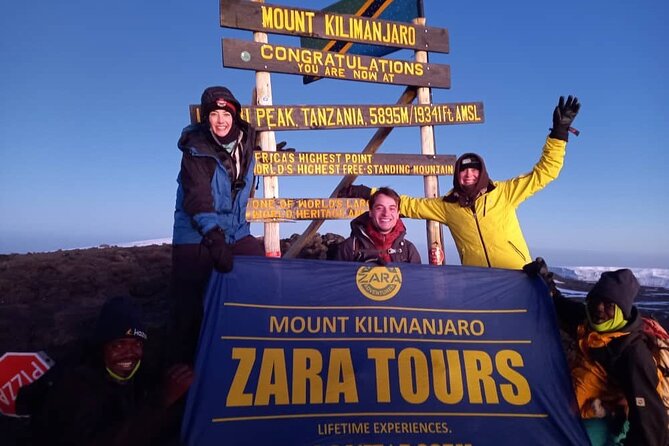
One thing that keeps coming up in the positive experiences is the support system. You’re paying for more than a route on paper. You’re getting porters who carry gear, pitch tents, and handle camp setup so you can keep moving. You’re also getting a chef who prepares food daily, including fresh, hot meals, not just survival snacks.
People often focus on summit photos, but I care about the boring parts that make the summit possible: getting enough sleep, staying hydrated, and not wasting energy on camp chores. Here, porters set up tents at camp after you arrive, and the guide handles briefings and pacing.
Guide leadership is also repeatedly highlighted. Names you might encounter include Festo, Nechi Teti (with Emmanuel as assistant in at least one experience), Captain G, John, Lema, and booking support from Zayina. The consistent theme is professionalism and calm guidance, especially during high-stress moments.
You’ll also see how much people appreciate a team that makes you feel safe. Some experiences explicitly mention feeling safe and taken care of, which is exactly what you want when you’re climbing through darkness and cold.
One small but honest consideration: Kilimanjaro is shared by many groups, and at least one experience noted seeing trash on the mountain. You can’t control other climbers, but you can help by carrying out what you can and following any waste rules your team provides.
Day 8 Down to Mweka Gate, Then Back to Springlands for a Hot Lunch
Day 8 is recovery with a hard landing strip. You descend from Mweka Camp toward Mweka Gate (altitude listed from about 3,090 m down to 1,650 m). Hiking distance is about 10 km, with 4 to 5 hours of descending.
Once you reach Mweka Gate, you’re driven back to Springlands Hotel, where a hot lunch and a refreshing shower are part of the plan. That shower matters. You’ll remember it.
Tipping is encouraged at the end, and the team provides special envelopes at the hotel. If you’ve never tipped a mountain crew before, set aside cash ahead of time so you’re not scrambling.
There’s also a nice extension option. After rest, you can meet the safari coordinator at the hotel to discuss safari options. If you want to add wildlife after the mountain, this is a convenient way to keep momentum.
Price and Logistics: $2,890 Per Group Makes Sense If You Want Private Control
This trek is priced at $2,890 per group, up to 5 people. That’s not the cheapest way to climb Kilimanjaro, but it’s also not meant for budget-only travelers. Here’s the value logic.
First, you’re getting a private tour/activity, meaning only your group participates. On a physically intense trip like Kilimanjaro, having your own team dynamic can help with pacing, decision-making, and comfort. Second, pickup is offered, and you’ll receive a mobile ticket. Third, admission tickets are listed as included during the trek days.
The price feels more reasonable when you think about the full support ecosystem required for an 8-day climb: guides for planning and safety, porters for carrying and camp setup, and a chef for meals. You’re paying for the coordination that makes a high-altitude itinerary work.
What the price does not tell you is what you personally need to bring, or how weather will affect summit timing. Kilimanjaro can be slow on summit day, and your outcome depends on conditions and how your body responds. So think of the cost as buying structure, not buying certainty.
Who This 8-Day Lemosho Trek Is Best For
This one fits best if you:
- Want a classic acclimatization-focused climbing schedule.
- Prefer a private group of up to 5 instead of a mixed group.
- Appreciate strong logistics, with camp setup and meal support.
- Can handle very early nights, including the 11:30 PM summit start.
It may not be the best fit if you:
- Want a short, low-stress mountain outing. This is not that.
- Don’t handle cold and long days well.
- Struggle with altitude, even with acclimatization days.
Should You Book This Lemosho Route?
Yes, I’d recommend booking this if you want a well-run, crew-supported Kilimanjaro attempt and you’re ready for the real deal: a long summit push, cold weather risk, and serious walking days. The itinerary shows a clear acclimatization rhythm, and the repeated praise for guides like Festo, Nechi Teti, and others points to competent leadership when it matters.
Before you commit, do two reality checks. First, be honest about your fitness and your ability to hike at altitude for multiple days. Second, think about your summit-night mindset. This schedule expects you to wake around 11:30 PM and climb for many hours, so your sleep habits and emotional steadiness matter.
If you can handle that, this is the kind of Kilimanjaro experience that turns into a story you tell for years, not just a checkbox.
FAQ
How many days is the Kilimanjaro Lemosho Route?
The trek is listed as 8 days approximately.
What is the price?
The price is $2,890.00 per group, up to 5.
Is pickup included?
Yes, pickup is offered.
Is this a private tour?
Yes. It is a private tour/activity, and only your group participates.
What is the meeting point and start time?
The meeting point is Kilimanjaro Airport, Kilimanjaro National Park, Tanzania, with a start time listed as 12:00 am.
Are admission tickets included?
Admission tickets are listed as included during the trekking days.
What kind of fitness level do I need?
The tour says travelers should have a moderate physical fitness level.
What happens on summit night?
You rise around 11:30 PM, climb to Stella Point on the crater rim for sunrise if weather permits, then continue to Uhuru Peak, with timing at the summit depending on conditions, before descending to Mweka.
Is lunch provided?
Yes. Meals are part of the plan, and lunch is described as prepared by the chef on multiple days, including Day 1 and Day 8 (hot lunch at the end).
Can I get a full refund if I cancel?
The policy says free cancellation is available, and you can cancel up to 24 hours in advance for a full refund. If you cancel less than 24 hours before, the amount paid is not refunded.
Just posted around Moshi
- machame route★ 5.0 · 16 reviews
- Kilimanjaro Climbing Umbwe Route★ 5.0 · 3 reviews
- Wildlife Extravaganza: Manyara, Tarangire & Ngorongoro in 3 Days★ 5.0 · 3 reviews
- Mt Kilimanjaro 6 days Marangu route hike★ 5.0 · 3 reviews
- 3 Days Private E-Bike Tour in West Kilimanjaro★ 5.0 · 3 reviews
- West Kilimanjaro cycling Adventures★ 4.5 · 8 reviews
- Kilimanjaro Climb • Marangu Route ~ 9 Day★ 5.0 · 4 reviews
- Private Cycle to Kilimanjaro Bike Park Safari★ 5.0 · 6 reviews
Kilimanjaro Climbs, compared.
8-Day Small-group Lemosho Kilimanjaro Summit Trekking
Read our review →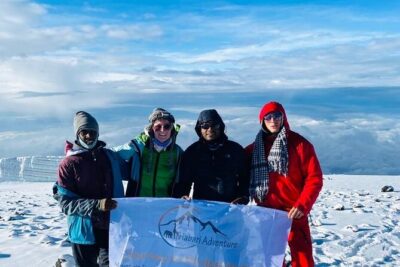
5 Days Best of Tanzania Luxury Safari Northern Circuit
Read our review →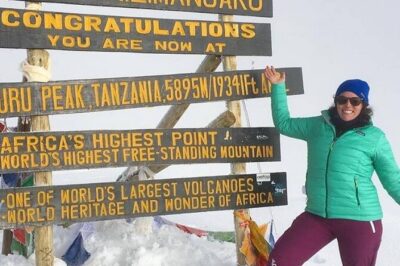
Climbing Kilimanjaro through 7 days Machame Route
Read our review →