Reviewed · KILIMANJARO CLIMBS
Kilimanjaro Lemosho Route 7 Days
Seven days, one big mountain challenge. I like the quieter start on the Lemosho route, and I really value the focused climb toward Uhuru Peak.
You’re hiking and camping, but the trip is wrapped in practical support, from purified drinking water to safety gear that gets used in real mountain emergencies.
One possible drawback: this is still Kilimanjaro. You need solid motivation for long days at altitude, and the operator notes the climb depends on good weather.
You’ll also get real rhythm, hotel time at the beginning and end, and a safety setup that includes VHF handheld radios carried on the trek. It’s a private experience, meaning it’s just your group.
In This Review
- Key Points You’ll Care About Most
- Why the Lemosho 7-Day Route Works When You Want Fewer Crowds
- Moshi, Hotel Nights, and the Plan for Getting Ready
- Day by Day Kilimanjaro Lemosho: What Each Stretch Feels Like
- Day 1: Londorossi Park Gate to Mti Mkubwa Camp
- Day 2: Mti Mkubwa to Shira Camp 1 and Shira Camp 2
- Day 3: Shira Camp 2 to Barranco Camp
- Day 4: Barranco to Karanga Valley Camp
- Day 5: Karanga Valley to Barafu Camp
- Day 6: Barafu to Uhuru Peak, then Down to Mweka Camp
- Day 7: Mweka Gate Descent, Certificate, and Summit Party
- Safety on Kilimanjaro: The Stuff That Changes the Odds
- Camping Comfort: Warm Wash Water and LED Lights You’ll Actually Notice
- Food and Water: Fuel That Helps You Keep Moving
- Porters, Guides, and the Human Side of the Trek
- Price and Value: What $2,669.88 Really Covers
- Who Should Book This 7-Day Private Lemosho Climb
- Should You Book This Kilimanjaro Lemosho 7-Day Tour?
- FAQ
- Is pickup included for the Kilimanjaro Lemosho 7-day tour?
- Is this a private Kilimanjaro climb?
- What safety and emergency equipment is included on the mountain?
- Are meals and drinking water included?
- What is not included in the tour price?
- How does cancellation work if weather is bad?
Key Points You’ll Care About Most
- Quieter first two days on Lemosho helps you start calmer before the higher camps
- Safety gear that goes beyond basics, including emergency oxygen, a Gamow bag, and a pulse oximeter
- Warm washing water and purified drinking water every day, plus daily camp comfort items
- Camping support that feels organized, with waterproof tents, sleeping mats, LED lights, and a flash toilet system
- A summit day built around structure, with a guide team and a porter carrying your day-pack during the summit push
- Hotel nights before and after for recovery, certificate pickup, and a summit party ceremony
Why the Lemosho 7-Day Route Works When You Want Fewer Crowds
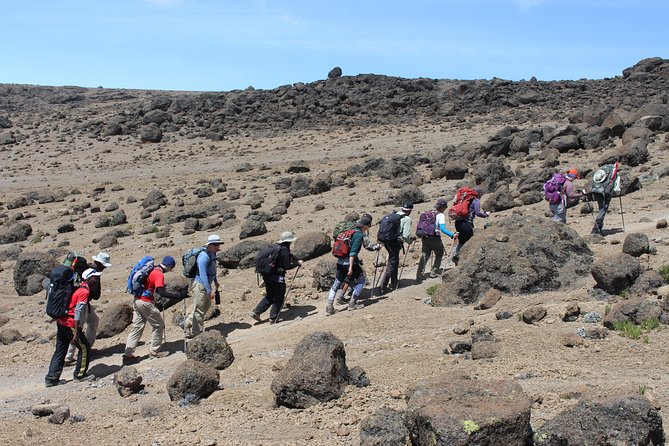
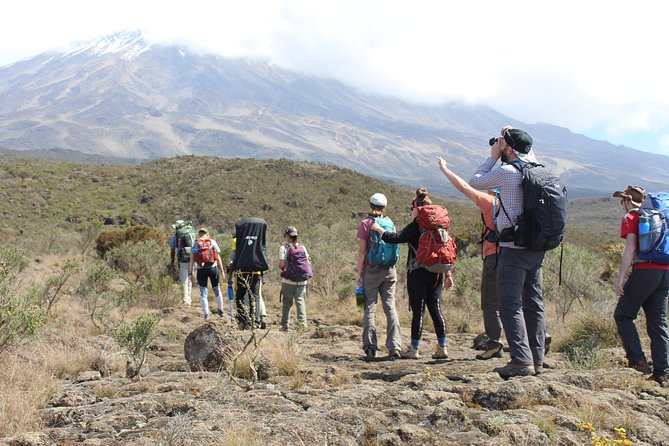
The Lemosho route is one of those approaches that feels like it was designed for sanity. You start lower, move up steadily, and you spend your first stretch before the busier sections of the mountain season ramp up. That matters, because the mental side of Kilimanjaro is real. Fewer people early means less noise, fewer stop-and-go photo delays, and more space to manage your pace.
I also like how the route threads classic Kilimanjaro camp stops into a natural progression. You hit Shira, Barranco, Karanga Valley, Barafu, then the summit push, then Mweka. When you can name the next milestone, it helps you break the mountain into manageable chunks instead of one endless wall.
The other thing I appreciate is that the plan includes a clear “base camp to summit to descent” arc. You’re not guessing what comes next. Even better, there’s camping infrastructure and daily camp logistics built into the package, so you’re not left trying to solve problems with no staff when you’re tired.
More Kilimanjaro climbs:
- Kilimanjaro climb by Lemosho Route (7-day)
★ 5.0 · 651 reviews - Kilimanjaro climb, Machame Route (7-day)
★ 5.0 · 262 reviews - Kilimanjaro Climbing Lemosho Route 8 Days.
★ 5.0 · 186 reviews
Moshi, Hotel Nights, and the Plan for Getting Ready
This climb starts in Moshi, Tanzania. The itinerary includes arrival and departure transfers, and pickup is offered. That alone is a big deal because you do not want your first hours in Tanzania to turn into paperwork and taxi math while you are already thinking about altitude.
You also get hotel time both before and after the trek. The package includes two nights at classic standard hotels and two nights at comfort hotels, all in a bed and breakfast format. Translation: you’ll have a chance to sleep in a real bed, wash properly, and do laundry-like recovery before you swap to sleeping bags and camp routines.
After you finish the trek, you transfer back to your previous hotel for your certificate and a summit party ceremony. If you’ve ever climbed something huge, you know that small “wrap-up moment” matters. It’s the chance to absorb what happened without immediately jumping into the next travel task.
Day by Day Kilimanjaro Lemosho: What Each Stretch Feels Like
Kilimanjaro is altitude plus time on your feet. This route is paced with a series of camp moves that gradually raise your sleeping altitude, which is how you give your body a better chance to adjust.
Below is what you should expect, with the specific camp-to-camp structure and what to watch for.
Day 1: Londorossi Park Gate to Mti Mkubwa Camp
You drive to Londorossi Park Gate at about 2,385 meters, then hike to Mti Mkubwa Camp at about 2,700 meters. The hike is roughly 3 to 4 hours for about 8 km.
This is your warm-up day. The altitude is higher than sea level but not yet at the harsh numbers. You’ll feel the mountain on your breath, not on your legs. Go slow. Let the staff set the rhythm, and resist the urge to “start strong” like it’s a weekend trail.
A few more Moshi trips to compare
- Safari Serengeti And Ngorongoro
★ 5.0 · 288 reviews - Climbing Kilimanjaro – Machame Route
★ 5.0 · 170 reviews - Climbing Kilimanjaro through 7 days Machame Route
★ 5.0 · 151 reviews - Kilimanjaro climb, Lemosho Route (8-day)
★ 5.0 · 148 reviews
Day 2: Mti Mkubwa to Shira Camp 1 and Shira Camp 2
Today is longer, because you stage through Shira. You hike from Mti Mkubwa Camp to Shira Camp 1 around 3,500 meters for about 5 to 6 hours over roughly 6 km. Then you continue to Shira Camp 2 around 3,840 meters, another 3 to 4 hours over about 8 km.
This is where the scenery shifts and the air feels thinner. You might notice how small movements take more effort. If you get even mildly nauseous, don’t push through it. Tell your guide, because symptoms early can turn into problems later if ignored.
This day also matters for pacing. You’re not just trekking for distance. You’re training your body to accept slower effort and keep breathing steady.
Day 3: Shira Camp 2 to Barranco Camp
You climb to Barranco Camp at about 3,950 meters. Expect about 6 to 7 hours over around 8 km.
Barranco is known for its character on Kilimanjaro, and this day often feels like a mental test. The altitude is higher, so it’s not only the hike. It’s also the effort to keep your head calm. Short breaks help, but avoid staying stopped long enough that you cool down.
Day 4: Barranco to Karanga Valley Camp
Today’s hike goes to Karanga Valley Camp at about 3,995 meters. It’s around 4 to 5 hours and roughly 5 km.
This is a more manageable day on paper. In real life, it can be a relief to get a shorter route and a steadier breathing rhythm. Still, treat it as part of the bigger plan. You want your energy available for the approach to the summit window.
Day 5: Karanga Valley to Barafu Camp
You move to Barafu Camp at about 4,550 meters. The hike is around 4 to 5 hours for about 4 km.
This is shorter distance, but altitude makes every meter count. Barafu is where many hikers begin feeling that summit day is coming fast. Use this time to keep your routine tight, eat your food, drink what you can, and keep your core warm. Camp temperatures can drop quickly as you climb.
Day 6: Barafu to Uhuru Peak, then Down to Mweka Camp
Day 6 is the big one. You climb to Uhuru Peak at about 5,895 meters, with a hike time around 7 to 8 hours for about 5 km. Then you descend through Barafu for a short rest and continue down to Mweka Camp at about 3,060 meters, another 4 to 5 hours for roughly 12 km.
Summit days are not about speed. They’re about consistency. Your porter carries your day-pack during the summit attempt, which helps you conserve energy when you are already working hard just to breathe.
Also, plan for emotions. Even if you have trained, the summit push can feel like a wall and then suddenly like a victory. After the peak, the descent can still be tough on your knees. Hydration and careful foot placement matter.
Day 7: Mweka Gate Descent, Certificate, and Summit Party
You descend to Mweka Gate at about 4,600 meters. The hike is around 4 to 5 hours over about 4 km. After you reach the gate, you transfer to your previous hotel for certificate pickup and a summit party ceremony.
You may feel relief quickly, and you may also feel leg fatigue. Both are normal. This final day is short on paper, but you’ll appreciate the staff support and the chance to stop and take it in once you’re done.
Safety on Kilimanjaro: The Stuff That Changes the Odds
Kilimanjaro can be dramatic, even when you do everything right. That’s why I like that this climb includes multiple layers of safety tools.
Here’s what’s included on the mountain:
- Emergency oxygen tanks
- VHF handheld radios, carried on each trek for easy communication
- Gamow bag, a hyperbaric chamber
- Pulse-oximeter to measure oxygen level
- Rescue fees on mountain
That combination matters because it addresses both typical issues and emergencies. Oxygen helps when altitude sickness hits. A pulse oximeter gives the guide team extra information beyond how you feel. Radios matter for fast coordination, and the Gamow bag can be a critical backup when someone needs urgent support.
The key is not to treat this as a safety guarantee. It’s still your job to report symptoms early and follow your guides’ pacing. But having this equipment in the plan means you are not walking into risk with only hope.
Camping Comfort: Warm Wash Water and LED Lights You’ll Actually Notice
Some Kilimanjaro trips treat camping like an afterthought. This one treats it like part of the product.
You get:
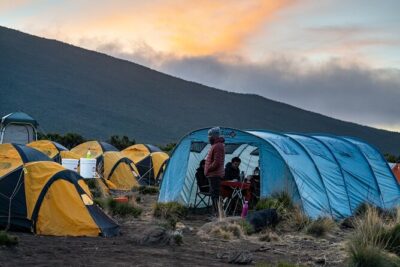
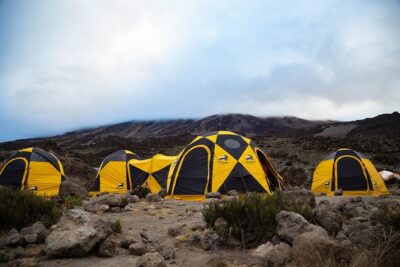
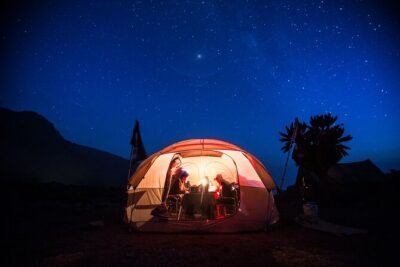
- Waterproof tents and sleeping mats
- High powered solar LED lights
- Warm washing water every day
- A flash toilet plus toilet tents
- Aluminum dining tables and large aluminum chairs with backs and armrests
That last bit sounds small, but it’s a real morale booster. When you are tired, having a chair that doesn’t feel like a folding stool from a storage closet makes a difference. Meals feel like meals instead of just fuel.
I also love the warm washing water. On summit and high camp nights, even a small wash helps you feel human again. And it’s included every day, not just at the start.
Food and Water: Fuel That Helps You Keep Moving
On Kilimanjaro, food is not a snack. It’s your fuel. This plan includes all meals while on the mountain, plus purified drinking water and daily warm washing water.
You get fresh, healthy, and nutritious meals daily, and the portions are described as large. Breakfast, lunch, and dinner are included across the trek days.
One detail I found especially useful: dietary needs can be accommodated. Past experience with this operator included vegetarian meals, and the team has offered vegan and special options for food allergies, plus Halal and Kosher.
If you have a specific dietary requirement, don’t wait until you’re already on the mountain. Ask ahead and bring clarity on what you can and cannot eat. Staff can handle a lot, but it’s easier when expectations are set early.
Porters, Guides, and the Human Side of the Trek
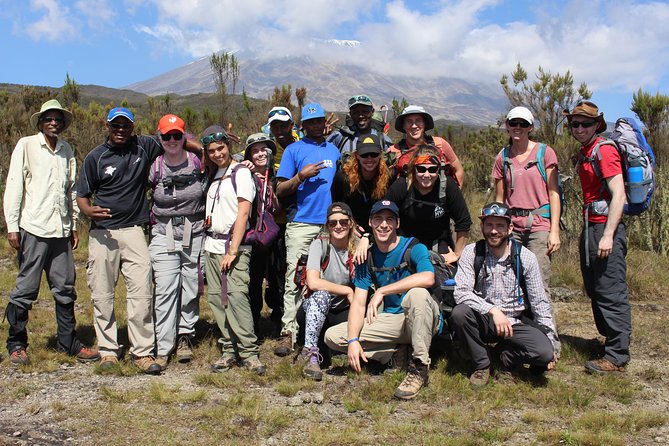
You are not doing Kilimanjaro alone. You are hiking with a team that handles navigation, camp setup, and emergency response.
This package includes experienced professional English-speaking mountain guides. It also includes a porter for your day-pack during the summit attempt, so you can focus on moving.
The operator also states ethical treatment of porters. That’s not just a feel-good line. On Kilimanjaro, porter conditions and management affect safety and team stability. When porters are treated fairly, the whole system runs better.
In earlier trip accounts tied to this style of operation, guide names like Joseph, Ibi, Eli, Paul, and Martin showed up, along with team support from coordinators such as George and Benjamin. I can’t promise you’ll get the exact same people, but it gives you an idea of the kind of mixed guide team you may meet, including strong communication and pacing emphasis.
Price and Value: What $2,669.88 Really Covers
At $2,669.88 per person, this is not a budget trek. But it’s also not a bare-bones “good luck” climb.
What you’re getting for the price includes a lot of cost centers that many cheaper trips quietly shift to you:
- Park entrance fees and government tax included
- All meals while on the mountain
- Purified drinking water and warm washing water
- Camping gear, tents, sleeping mats, solar LED lights
- Safety and rescue components: oxygen tanks, Gamow bag, pulse oximeter, VHF radios
- Rescue fees on the mountain
- Experienced professional English-speaking guides
- Transfers in Tanzania, plus hotel nights before and after
- Mobile ticket
What’s not included:
- Tips
- Tanzania visa on arrival
- Personal expenses like laundry, phone calls, and beverages
- Optional tours after your climb
Here’s how I would think about value. If you plan to summit successfully, you’re paying for risk management, nutrition, logistics, and camp support. Those things are expensive to run well, and they are the difference between a stressful climb and one where you can focus on your breath and your steps.
Also, the trip is private, meaning it’s for your group only. Your per-person price stays about this level, but it can become easier to justify if you are splitting cost with friends or a small party. The operator also mentions group discounts as a possibility, so it can work out better with the right group.
Who Should Book This 7-Day Private Lemosho Climb
This tour is a good match if:
- You want the Lemosho route and especially the quieter early start
- You’re comfortable with multi-day hiking and camping at altitude
- You have a moderate physical fitness level, since the plan includes long summit-day effort and a steep altitude profile
- You want real safety support, including oxygen, radios, and emergency hyperbaric capability
It may not be a great match if:
- You’re looking for a low-effort hike. Summit day is long, and the return descent is physically demanding.
- Weather is tight on your schedule. The operator notes the experience requires good weather, and if it’s canceled due to poor conditions, you’ll be offered a different date or a full refund.
If your goal is a structured climb that takes comfort seriously, while still giving you the classic Kilimanjaro camp sequence, this fits that idea well.
Should You Book This Kilimanjaro Lemosho 7-Day Tour?
If you want a private Lemosho climb with strong safety gear, daily water and washing support, and camp comfort that helps morale, I think this is worth serious consideration. The daily meals, solar LED lighting, flash toilet setup, and the safety kit are the kind of inclusions that can quietly make the difference between struggling and coping well.
Before you book, be honest about your fitness and your tolerance for long summit-day effort. And if you have dietary restrictions, ask early so meal planning is smooth.
FAQ
Is pickup included for the Kilimanjaro Lemosho 7-day tour?
Yes. The tour offers pickup, and arrival and departure transfers are included, along with all transportation in the destination location.
Is this a private Kilimanjaro climb?
Yes. It is listed as private, meaning only your group will participate.
What safety and emergency equipment is included on the mountain?
The trip includes emergency oxygen tanks, VHF handheld radios carried on each trek, a Gamow bag (hyperbaric chamber), and a pulse oximeter. Rescue fees on the mountain are also included.
Are meals and drinking water included?
Yes. All meals while on the mountain are included, along with purified drinking water and warm washing water every day.
What is not included in the tour price?
Tips, Tanzania visa on arrival, personal expenses (like laundry and beverages), and optional tours after your climb are not included.
How does cancellation work if weather is bad?
Free cancellation is available up to 24 hours in advance for a full refund. The experience requires good weather, and if it is canceled due to poor weather, you will be offered a different date or a full refund.
Just posted around Moshi
- machame route★ 5.0 · 16 reviews
- Kilimanjaro Climbing Umbwe Route★ 5.0 · 3 reviews
- Wildlife Extravaganza: Manyara, Tarangire & Ngorongoro in 3 Days★ 5.0 · 3 reviews
- Mt Kilimanjaro 6 days Marangu route hike★ 5.0 · 3 reviews
- 3 Days Private E-Bike Tour in West Kilimanjaro★ 5.0 · 3 reviews
- West Kilimanjaro cycling Adventures★ 4.5 · 8 reviews
- Kilimanjaro Climb • Marangu Route ~ 9 Day★ 5.0 · 4 reviews
- Private Cycle to Kilimanjaro Bike Park Safari★ 5.0 · 6 reviews
Kilimanjaro Climbs, compared.
8-Day Small-group Lemosho Kilimanjaro Summit Trekking
Read our review →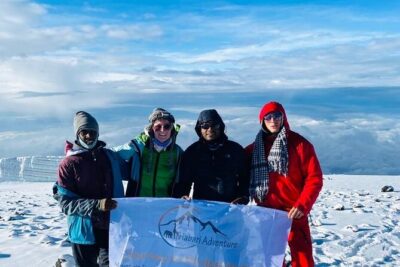
5 Days Best of Tanzania Luxury Safari Northern Circuit
Read our review →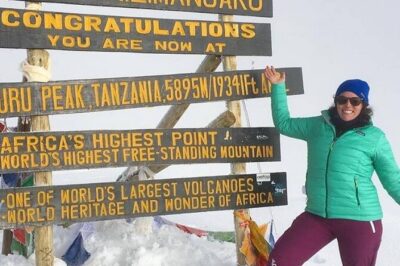
Climbing Kilimanjaro through 7 days Machame Route
Read our review →