Reviewed · KILIMANJARO CLIMBS
Kilimanjaro climb, Rongai Route (7-day)
A quieter route up Africa starts here. The Rongai route is a strong pick for quieter trekking and gentler altitude acclimatization, with big climate shifts as you aim for Uhuru Peak. If you like steady progress, clear planning, and guides who manage the mountain like a job, this trip fits.
I love the built-in safety layer: certified Wilderness First Responder guides, plus oxygen tanks and oximeters included. I also like the camp setup, with North Face VE-25 walk-in tents and a full kitchen crew that keeps meals consistent, warm, and calorie-focused.
The one drawback to think about is effort. Summit night is physically demanding, and the descent has the highest accident risk, so you must pace carefully and keep your footing sharp.
In This Review
- Key things I’d watch for on the Rongai route with Altezza
- Rongai Up Kilimanjaro: What Makes This Route Feel Different
- Moshi Arrival Day: Comfort, Pool Time, and a Real Briefing
- Nalemuru Gate to Simba Camp: Northern Forest and a Steady First Gain
- Simba Camp to Second Cave, Then a Kikilewa Acclimatization Loop
- Kikilewa Relief Day: Kibo Volcano Views and a Health Check Rhythm
- Mawenzi Tarn to Higher Terrain: Short Hikes, Second Summit Energy
- Kibo Summit Camp and the Cold Shift Before Summit Night
- Summit Night to Uhuru Peak, Then Down to Horombo: Where You Win or Risk It
- Final Descent to Marangu Gate and Your Certificate Day
- Aishi Machame Hotel and Flying Home: Rest Day Done Properly
- Price and Value: What You Are Really Paying For at $3,507
- What to Pack and How to Handle Altitude Without Heroics
- Should You Book This Altezza Rongai Climb?
Key things I’d watch for on the Rongai route with Altezza
- A route that feels calmer. Rongai is often chosen for being less crowded, which helps you move at your own pace.
- Acclimatization built into the schedule. Short, easy altitude loops show up early and repeat before higher camps.
- Safety gear is part of the package. Oxygen tanks, oximeters, medical kits, and medical check-ups are included.
- A real camp workflow. Porters, camp masters, and cooks mean you get a structured day-to-day rhythm.
- Guides closely track fitness. On summit night, the approach is guide-led and controlled, with one guide per two climbers.
- Meals and hot drinks are planned. Drinks on the mountain and dietary options (vegetarian, gluten-free, halal) help you fuel up.
Rongai Up Kilimanjaro: What Makes This Route Feel Different
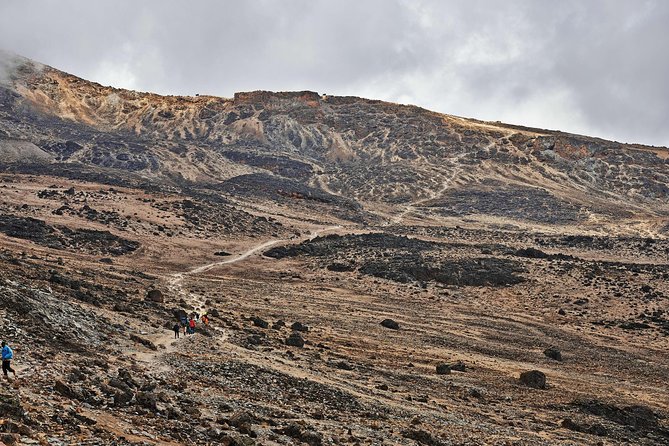
Rongai stands out because it is designed for progression, not chaos. You are moving through multiple altitude bands and weather feel changes, from cooler forest and heath zones to summit-area cold that can feel like an arctic desert. That matters because Kilimanjaro is as much about adapting to altitude as it is about walking uphill.
This itinerary also leans into a practical acclimatization pattern. You get higher, then you come down a bit the same day. That helps your body learn the altitude without wasting days or stacking risks.
You’ll also enjoy a more “guided” climb style. The crews set tents, manage gear, and keep meals timed so you are not doing logistics while you are already stressed by thin air. In the past, climbers highlighted guides like Jackson and Joseph, plus group leaders like Frank, and camp support like Leonard (often noted for helping with water). That lines up with what you want on a mountain day: less scrambling, more moving.
One more point: the Rongai route can still bring real weather. If you are signing up thinking it will be easy and dry, adjust your mindset. Rain happens, and you will be ready if you pack and follow guide instructions.
More Kilimanjaro climbs:
- Kilimanjaro climb by Lemosho Route (7-day)
★ 5.0 · 651 reviews - Kilimanjaro climb, Machame Route (7-day)
★ 5.0 · 262 reviews - Kilimanjaro Climbing Lemosho Route 8 Days.
★ 5.0 · 186 reviews
Moshi Arrival Day: Comfort, Pool Time, and a Real Briefing
Day 1 is not a “rush to the gate” day. You land at Kilimanjaro International Airport (JRO), meet an Altezza representative, and go straight to the hotel in Moshi for a restful start. Check-in starts at 2:00 PM, so you are not stuck waiting around all morning.
At the hotel, you get practical basics that make a difference on climb day: cozy rooms, hot water, polite staff, a swimming pool, and internet access. After you settle in, there is an evening briefing with managers. The point is simple, you get clarity on what to expect and how the mountain team will run things.
I like this kind of warm-up day because it reduces mistakes. You can confirm your kit, double-check your sleeping bag choice if you hired gear, and get your head right for a week of high-altitude routine.
Also note the trip includes airport transfers and ground transport, which cuts down on the most common pre-climb headaches.
Nalemuru Gate to Simba Camp: Northern Forest and a Steady First Gain
Your climb starts at the northern entrance, Nalemuru Gate (2,020 m). A head guide handles permits and search and rescue registration. Then you move into coniferous forest on Kilimanjaro’s northern slope toward Simba Camp (2,625 m).
This day is described as moderate, and it takes about 5 hours. That is important. The first day should feel controlled. You are not training for speed here, you are teaching your body how to work at altitude without spiking your effort.
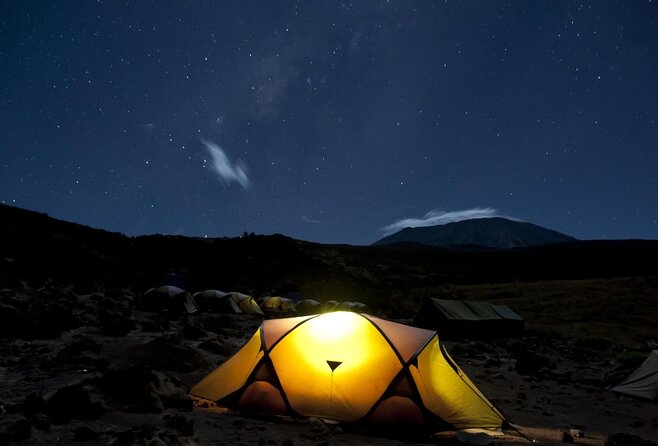
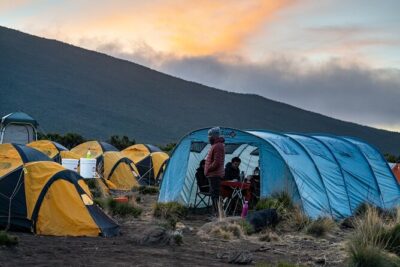
Camp setup is part of what you are paying for. The crew pitches tents, then dinner starts when it should. The experience goal is clear: arrive, rest, and sleep with less stress.
What could feel like a drawback? Forest days can be damp and slow. Even when the gradient is manageable, rain and mud can make footing less friendly. Come prepared with traction-appropriate boots and a plan for keeping essentials dry in a pack you can access.
Simba Camp to Second Cave, Then a Kikilewa Acclimatization Loop
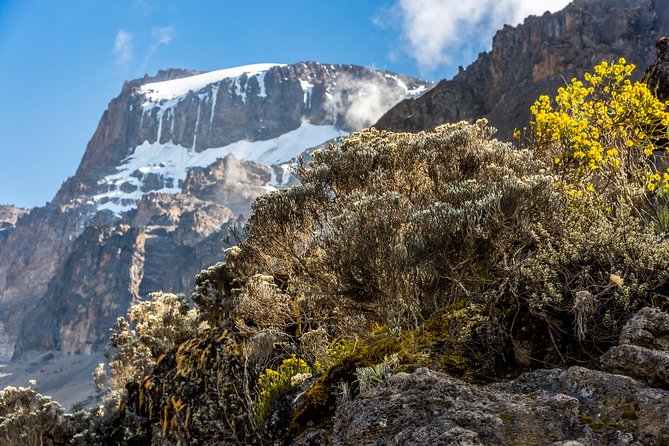
Day 3 begins early after breakfast, and you trek toward Second Cave Camp (3,480 m), about 3 hours. The route is described as rather easy, which buys you time to rest once you reach camp.
The clever part is what happens after lunch. You do an acclimatization hike toward Kikilewa Camp (3,630 m), with only about a 100-meter gain, then you hike back down to Second Cave Camp. This is a textbook move: you gain altitude, then you return to your sleeping altitude range.
I like this style because it keeps your brain calm. It tells you the plan is not just “go higher every day until you’re dead.” It is higher, adapt, return, and then keep going.
You can also use this afternoon window to adjust your routine. Pay attention to how your body responds to effort. If you get a headache, nausea, or unusual breathlessness, report it early. That’s how you avoid turning small problems into summit-week emergencies.
A few more Moshi trips to compare
- Safari Serengeti And Ngorongoro
★ 5.0 · 288 reviews - Climbing Kilimanjaro – Machame Route
★ 5.0 · 170 reviews - Climbing Kilimanjaro through 7 days Machame Route
★ 5.0 · 151 reviews - Kilimanjaro climb, Lemosho Route (8-day)
★ 5.0 · 148 reviews
Kikilewa Relief Day: Kibo Volcano Views and a Health Check Rhythm
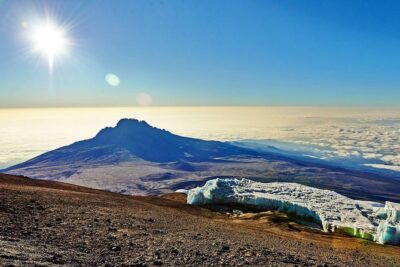
On Day 4, you trek to Kikilewa Camp (3,630 m). From there, you can see Kibo Volcano at its finest, as long as the weather cooperates. It is a relief day, and after lunch you get time to sleep.
I like relief days that are built into altitude schedules, not just “stand around and hope.” You are still at a camp that sets you up for the next push, but your body gets time to stabilize. That can mean better sleep and less physical drama later.
Evening matters on Kilimanjaro. After dinner, your guide checks each person’s health and gives instructions for tomorrow. That kind of check helps you understand what matters most for your group and your pace.
If there is a drawback here, it is mental. Relief days can make you feel like you should catch up on everything else. Do less than you want. Hydrate, eat, and protect your sleep.
Mawenzi Tarn to Higher Terrain: Short Hikes, Second Summit Energy
Day 5 takes you to Mawenzi Tarn Camp at the foot of Mawenzi Volcano. When you arrive, you have lunch, then a two-hour rest.
After that, you do a short acclimatization hike toward Mawenzi Volcano with a 200-meter gain. Then you return to the camp.
This is the kind of day that helps experienced hikers too. It is not only about reaching the next bed, it is about practicing controlled effort. You also get a change in scenery as you move around the Mawenzi area and begin shifting your mind toward the final summit arc.
When you are ready, you still need patience. On Kilimanjaro, the mountain does not care how motivated you feel. It cares how you manage altitude stress.
Kibo Summit Camp and the Cold Shift Before Summit Night
Day 6 is your long day into Kibo Summit Camp (4,700 m). The terrain changes significantly to a rocky semidesert feel, and the trek is described as not very difficult, but it is still high and thin.
The real focus here is how you behave at camp. You are aiming to sleep well, avoid strenuous activity, and drink as much as you can, because that night you will go up to Uhuru Peak.
This is also where you start feeling the mountain’s tempo. Your legs can be ready, but your cardiovascular system might not feel the same. You are moving into colder air and lower oxygen, so slow, steady effort matters more than strong effort.
Practical tip: keep your clothing system easy to manage. Layers you can pull on and off during stops help you avoid getting soaked or chilled.
Summit Night to Uhuru Peak, Then Down to Horombo: Where You Win or Risk It
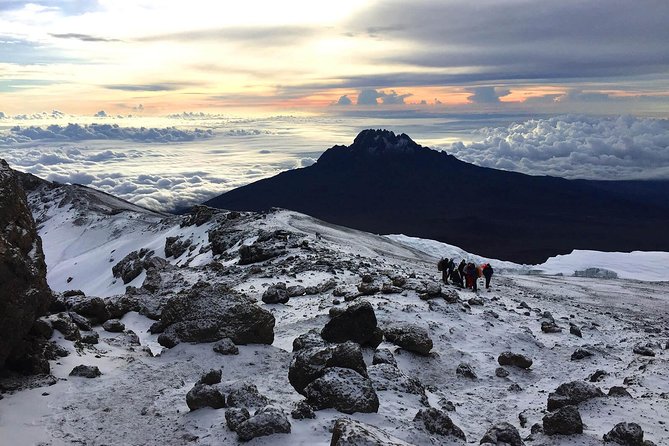
Day 7 is the big one. You depart from School Hut Camp (4,715 m) at night and push up to Uhuru Peak (5,895 m). The climb is said to strain your cardiovascular system more than your muscles because altitude takes a toll even with a moderate gradient.
This is where the guide approach shows up. One guide is assigned to every two climbers, constantly evaluating fitness over the summit section. That is a comfort feature, because it means your pace is not just your own decision-making.
Upon reaching the summit, you can undertake a walk on the nearest glacier. Then you descend to Horombo Camp (3,720 m). There is a 2-hour rest stop at Kibo Camp on the way down.
Here is the key safety reminder the trip emphasizes: most climbing accidents happen on the way down. So you keep your steps deliberate. If you rush, your body gets tired, and tired feet are when mistakes happen.
This is also a day where I think you can appreciate the positive human energy people describe from past climbs. Names like Jackson and Joseph show up often in accounts about summit-night support, including helping younger climbers through the hardest hours. That does not mean your group will be the same, but it does tell you the kind of training and care this operation values.
Final Descent to Marangu Gate and Your Certificate Day
Day 8 is your final descent to Marangu Gate (1,860 m), starting after breakfast. Once you arrive, you have a good chance to exchange impressions with your support crew. Then you receive certificates of achievement through the operator’s offices and are driven back to your hotel.
I like this structure. It gives your week a sense of closure, and it also honors the people who made the climb possible, from cooks to porters to camp masters.
If you are wondering why your body might feel surprisingly tired even after you summit, it is simple: you have been pushing altitude stress for days. Your legs might feel okay on paper, but you still need to treat the descent like part of the climb, not a victory lap.
Aishi Machame Hotel and Flying Home: Rest Day Done Properly
Day 9 is rest and airport transfer. You stay at Aishi Machame Hotel and then head to the airport. Hotel check-out is at 11:00 AM, with an option to extend your stay for an extra fee if you have an evening flight.
This matters more than you might think. You will want dry clothes, a hot shower, and proper downtime. Even if you are buzzing from the summit, sleep is how your body finishes the job.
Price and Value: What You Are Really Paying For at $3,507
$3,507 per person is not a small number. The value comes from what is already built into the plan, so you are not trying to cobble together safety, camp operations, and permits on your own.
Here is the value core you should care about:
- Transfers and ground transportation are included, from JRO pick-up and drop-off.
- Pre and post climb accommodation is included, in Moshi at Aishi Machame Hotel.
- Park fees are included.
- Camp infrastructure is included, including dining setup and sleeping pads.
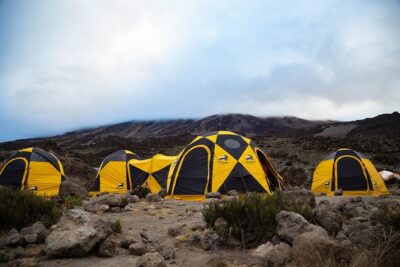
- Tents are included (North Face VE-25), with two hikers per tent for non-solo climbs.
- Meals are included, with three meals per day on the mountain and drinks like tea, coffee, juices, and soda.
- Medical support gear is included, like oxygen tanks, oximeters, medical kits, and medical check-ups.
- Human support is included: porters, camp masters, cooks, plus certified Wilderness First Responder guides.
What is not included is also part of the value equation. You pay extra yourself for visa fees, insurance, and personal hiking gear like boots and sleeping bag. Tips are also extra.
So, my practical take is this: if you want a Kilimanjaro climb where camp logistics are taken off your plate and where altitude safety equipment is actually part of the package, this price can make sense. If you are trying to go ultra-budget and already have gear, local knowledge, and a tight plan, you might spend less elsewhere. But you would be trading away some of the structure.
Also check the trip length detail. It is described as a 7-day climb, while the full schedule runs about 9 days including arrival and wrap-up hotel time.
What to Pack and How to Handle Altitude Without Heroics
You do need a moderate fitness level for this. That does not mean you can be casual. It means you need to be ready for daily hiking hours, cold night air, and altitude strain that can hit even when your muscles feel strong.
Because personal gear is not included, plan to bring:
- your hiking outfit and boots
- a sleeping bag (or hire if that is part of your plan)
- your personal altitude comfort items, like gloves, hat, and layers you can manage quickly
Even with porters carrying equipment, you still manage your own body. Here are the habits that fit this itinerary:
- Keep a steady pace. The trip explicitly advises not to hurry on day 2.
- Drink early and often, especially around Kibo Summit Camp and before summit night.
- If you feel unwell, tell your guide right away. The program includes health checks, but you have to speak up to use them.
- On summit night and descent, keep your steps careful. The itinerary stresses that accidents often happen during descent.
Finally, think about weather. Past climbers noted handling rain seasons, and that is realistic for Kilimanjaro. Your best protection is gear you know how to use and a layered clothing system that you can adjust without fuss.
Should You Book This Altezza Rongai Climb?
Book it if you want a Kilimanjaro plan that is structured, safety-minded, and easier to manage day to day. This is especially a good match if you appreciate acclimatization loops, included medical support like oxygen and oximeters, and camp crews that handle the heavy lifting in logistics.
I would hesitate if you are expecting a purely easy hike or if you are not willing to follow guide pace and descent-safety rules. Summit night is still hard, and the trip itself is clear that the way down is where you stay most alert.
If you want a climb that feels organized from the JRO hotel check-in to your final certificate day at Marangu Gate, this Altezza Rongai setup is a solid choice. Just plan your packing early, bring the right gear, and treat every high-altitude day like it is part of the same careful climb, not separate adventures.
Just posted around Moshi
- machame route★ 5.0 · 16 reviews
- Kilimanjaro Climbing Umbwe Route★ 5.0 · 3 reviews
- Wildlife Extravaganza: Manyara, Tarangire & Ngorongoro in 3 Days★ 5.0 · 3 reviews
- Mt Kilimanjaro 6 days Marangu route hike★ 5.0 · 3 reviews
- 3 Days Private E-Bike Tour in West Kilimanjaro★ 5.0 · 3 reviews
- West Kilimanjaro cycling Adventures★ 4.5 · 8 reviews
- Kilimanjaro Climb • Marangu Route ~ 9 Day★ 5.0 · 4 reviews
- Private Cycle to Kilimanjaro Bike Park Safari★ 5.0 · 6 reviews
Kilimanjaro Climbs, compared.
8-Day Small-group Lemosho Kilimanjaro Summit Trekking
Read our review →
5 Days Best of Tanzania Luxury Safari Northern Circuit
Read our review →
Climbing Kilimanjaro through 7 days Machame Route
Read our review →