Reviewed · KILIMANJARO CLIMBS
Kilimanjaro climb, Rongai Route (6-day)
Kilimanjaro is quiet on Rongai. This 6-day Rongai route experience through northern Tanzania feels more personal than the most crowded paths, and it’s run with a strong emphasis on safety and altitude support. I also like that the whole operation is camp-based, with porters carrying your gear and a dedicated team looking after comfort day after day.
The biggest consideration is that this route is described as best for regular hikers, and even with solid acclimatization planning, you still need to take the altitude seriously. If you’re not comfortable with steep, high-wind cold nights and early starts, you’ll feel it.
The good news is that you get a calm on-ramp before the climb, including airport transfers and a foothills hotel stay at the Aishi Machame Hotel. Reviews I read mention guides such as Shabane, Kelvin, Emmanuel, Professor Gerald, DJ Adam, Peter, Richard, Stanford, Innocent, Emanuel, and Godfrey, and that kind of consistency matters when you’re chasing Uhuru Peak.
In This Review
- Key points I’d bank on
- Moshi arrival day: airport transfers, hotel reset, and a real briefing
- Day 2 up Kilimanjaro: Nalemuru Gate to Simba Camp through conifer forest
- Day 3 to Kikilewa Camp: Kibo views risk and a harder physical day
- Day 4 to Mawenzi Tarn Camp: acclimatization hike with 200 m gain loop
- Day 5 to School Hut Camp: rocky semidesert, less difficulty, more altitude reality
- Day 6 summit night to Uhuru Peak and the descent to Horombo
- Day 7 exit via Marangu Gate: congrats, certificates, and a softer landing
- Day 8: Aishi Machame Hotel time and airport transfer
- Camps, tents, meals, and the stuff you don’t want to think about
- Food and drinks
- Medical support on the mountain
- Price and what makes $3,064 feel like value
- Who should book this Rongai route, and who should think twice
- Should you book Altezza for the 6-day Kilimanjaro Rongai climb?
- FAQ
- How many days is this Kilimanjaro experience from start to finish?
- Where do you start climbing and where do you exit?
- What altitude do you reach at the summit?
- Are oxygen and medical support included?
- What sleeping setup do you get on the mountain?
- What meals and drinks are included?
- What should I plan to pay for myself?
Key points I’d bank on
- Rongai’s lesser-used vibe for a more intimate feel on the mountain
- Certified Wilderness First Responder guides plus oxygen tanks, oximeters, and medical kits
- Walk-in tents and camp logistics handled for you, including group dining setup and sleeping pads
- Guides paired with climbers during the summit night to monitor stamina and mindset
- Dietary flexibility (vegetarian, vegan, lactose-free, gluten-free, halal options listed)
- A real acclimatization plan, including a hike loop near Mawenzi
Moshi arrival day: airport transfers, hotel reset, and a real briefing
Your trip starts in Moshi with an included pick-up from Kilimanjaro International Airport (JRO). After you land, you’ll transfer to the Aishi Machame Hotel area for check-in, with check-in starting at 2:00 PM. The hotel setup matters because you’re not just waiting around, you’re preparing your body and your mind.
At the hotel, you’ll find the basics that make day one feel civilized: hot water, Wi-Fi access, and a swimming pool. In the evening, there’s a briefing with the managers to make sure you’re ready for what comes next. Meeting time is listed as 9:00 AM, so plan to sleep with the kind of focus that lets you wake up without drama.
Practical tip: on this kind of trip, your stomach is part of your altitude strategy. Stick to what you know you tolerate, sip water steadily, and treat the hotel day as a warm-up, not a party.
More Kilimanjaro climbs:
- Kilimanjaro climb by Lemosho Route (7-day)
★ 5.0 · 651 reviews - Kilimanjaro climb, Machame Route (7-day)
★ 5.0 · 262 reviews - Kilimanjaro Climbing Lemosho Route 8 Days.
★ 5.0 · 186 reviews
Day 2 up Kilimanjaro: Nalemuru Gate to Simba Camp through conifer forest
The climb proper begins when your guide and mountain support crew meet you at the hotel, then you head by vehicle to Kilimanjaro National Park’s northern entrance, Nalemuru Gate (2,020 m). You’ll do permits and register with the search and rescue service, then the group starts trekking to Simba Camp (2,625 m).
This first hiking day is described as moderate, and it runs through coniferous forest on Kilimanjaro’s northern slope. That’s a good thing. When you start in forest, you often get more stable footing and a calmer temperature than the later rocky, exposed stretches.
You’re trekking in a way that’s meant to keep your pace comfortable. The goal on day two is not hero miles. It’s getting your body used to moving uphill while still saving energy for the altitude days ahead.
One drawback to keep in mind: even a moderate day feels long when you’re carrying the right mindset for altitude. The route asks you to take it easy early, and that can frustrate people who want to feel like they’re earning the summit.
Day 3 to Kikilewa Camp: Kibo views risk and a harder physical day
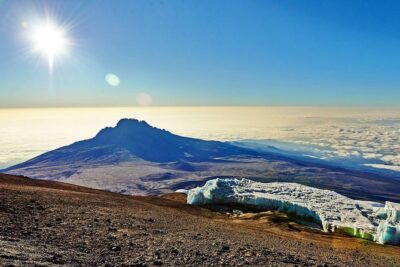
Day three starts after breakfast, leaving Simba Camp for Kikilewa Camp (3,630 m). This is the part of the itinerary that’s explicitly labeled more physically demanding than the previous day. It’s also the day when you may get to see Kibo Volcano at its finest, assuming clouds behave.
That combination matters. If day three feels tough, it’s not a sign you’re failing. It’s the route doing its job, pushing you gradually higher while still building toward acclimatization. The camp at Kikilewa is high enough that you’ll benefit from full rest once you arrive.
Practical tip: treat camp time like your job. Slow down your breathing, eat what you can, and avoid extra walking just because you feel good. At this elevation, “feeling good” can trick you into overdoing it.
Day 4 to Mawenzi Tarn Camp: acclimatization hike with 200 m gain loop
On day four, you wake early, eat breakfast, and trek to Mawenzi Tarn Camp at the foot of Mawenzi Volcano. After you reach camp, there’s lunch and a two-hour rest, then an acclimatization hike with a gentle gain of about 200 meters, followed by hiking back down to Mawenzi Tarn Camp.
The company makes this very clear: acclimatization hikes should be taken seriously because they help raise your chances of summiting and help you avoid the consequences of altitude sickness. That’s not just motivational talk, it’s part of how the plan is built. If you skip it or rush it, you disrupt the logic of the itinerary.
This is also one of the best days for appreciating how your guide thinks. A good acclimatization hike feels slow on purpose. You should feel like you’re working, not sprinting.
Small drawback: early mornings plus a hike loop means you may feel like you never fully switch off. The upside is that you’re doing something useful for your summit night, not just “checking a box.”
A few more Moshi trips to compare
- Safari Serengeti And Ngorongoro
★ 5.0 · 288 reviews - Climbing Kilimanjaro – Machame Route
★ 5.0 · 170 reviews - Climbing Kilimanjaro through 7 days Machame Route
★ 5.0 · 151 reviews - Kilimanjaro climb, Lemosho Route (8-day)
★ 5.0 · 148 reviews
Day 5 to School Hut Camp: rocky semidesert, less difficulty, more altitude reality
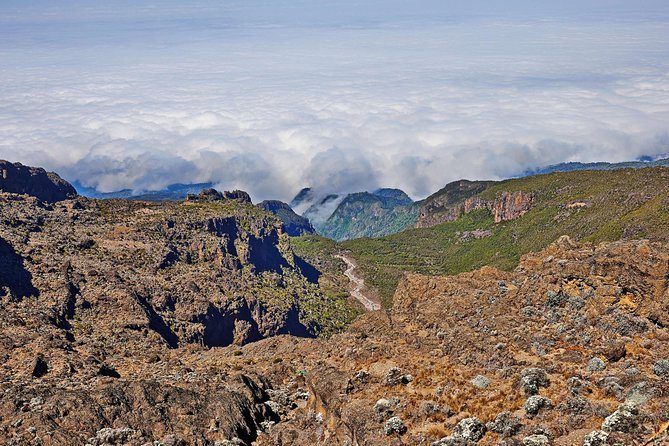
Day five treks to School Hut Camp (4,715 m). The terrain changes significantly into a rocky semidesert. The itinerary says the hike itself is not very difficult, but that’s where altitude becomes the main character.
When you reach School Hut Camp, you’re told to sleep well, avoid strenuous activity, and drink as much as you can. The big point is timing: you’ll be ascending Uhuru Peak during the night. That means your day five evening is about positioning yourself for a steady summit push, not about sightseeing.
Practical tip: if you’re someone who gets restless in camp, do something quiet. You want sleep or near-sleep, not pacing. Cold wind and thin air can turn small habits into big fatigue.
Day 6 summit night to Uhuru Peak and the descent to Horombo
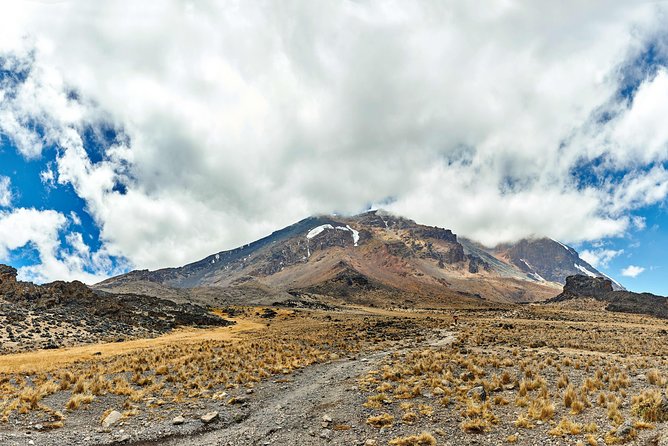
Night departure from School Hut Camp marks the start of the summit trek to Uhuru Peak (5,895 m). Physically, it’s described as moderate, but altitude is the serious problem here. That’s standard Kilimanjaro physics, but it’s useful that the plan acknowledges it.
A key support detail: for the entire trekking length to Uhuru Peak, each pair of climbers is accompanied by their own guide, who monitors stamina and mental resolve. That pair system is one of the practical reasons group hiking can work well on summit night. You’re not just left to struggle alongside strangers.
After the summit, you can descend to the nearest glacier if desired, then return to Kibo Camp for a two-hour rest. After that rest, the route continues descending to Horombo Camp (3,720 m).
This day is also where you’ll feel the difference between “summit done” and “still safe.” Descent is long, and you’ll be tired. Follow your guide’s pace and don’t try to prove anything.
If you’re chasing a personal win, keep it simple: summit, breathe, keep moving, and focus on safe steps down.
Day 7 exit via Marangu Gate: congrats, certificates, and a softer landing
After an early breakfast, the group heads to Kilimanjaro National Park’s exit: Marangu Gate (1,860 m). Post-descent, everyone gathers to congratulate you, then you can share your opinions in a guestbook. Certificates are provided in the office, and then you transfer back to the hotel.
This is a helpful part of the experience that doesn’t get enough attention. After days of altitude stress, it matters that the exit is organized and the paperwork moment happens while you still have energy and clarity. It gives you a clean emotional finish.
You’ll likely want a long shower and a slow meal. The itinerary makes that easy since you have time to unwind before your final departure.
Day 8: Aishi Machame Hotel time and airport transfer
You get rest in the Aishi Machame Hotel and then an airport transfer. Hotel check-out is listed as 11:00 AM, with an option to extend your stay for an extra fee if you have an evening flight.
This final day is where you convert the whole experience from adrenaline into memory. Take it slow. Your body might feel fine, but your legs might still need normal pacing.
Camps, tents, meals, and the stuff you don’t want to think about
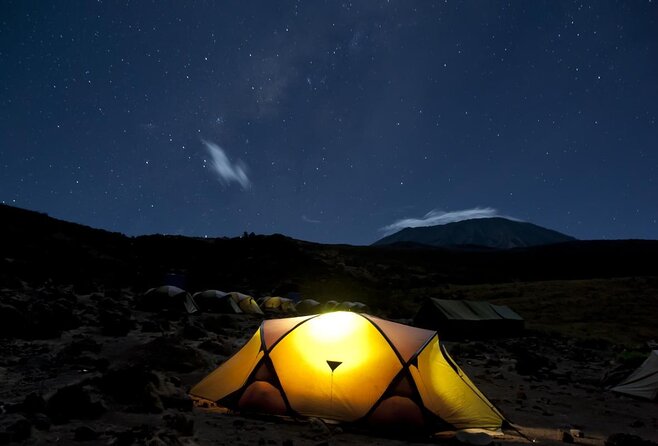
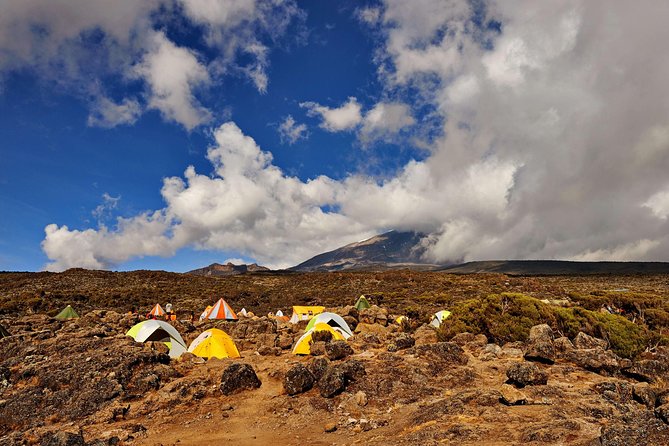
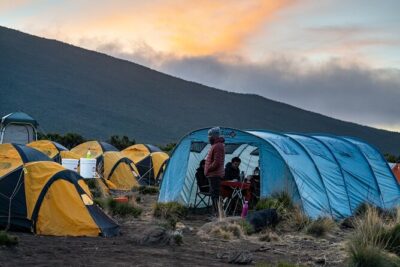
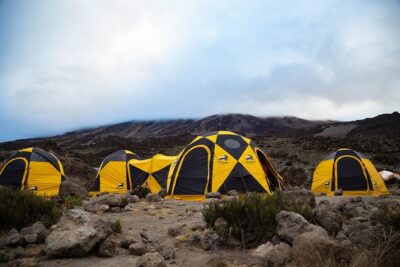
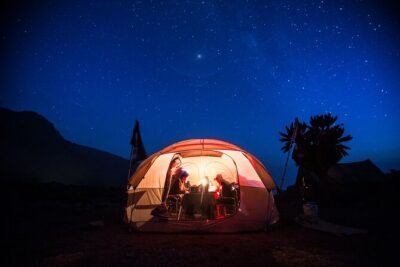
This trip leans hard on camp infrastructure, and that’s a big value driver. Overnight stays are in walk-in tents designed and customized for Kilimanjaro, with North Face VE-25 tents included. The crew setup is designed so porters carry equipment, while a kitchen team handles cooking.
On a mountain, the difference between “camp life” and “logistics hell” is huge. Here, you’ll have group equipment like a dining tent, sleeping pads, table and chairs, and dinnerware. That means you can spend your limited energy on acclimatization and pacing, not on figuring out how cold your sleeping system is.
Food and drinks
You get three meals a day on the mountain, with a choice of options for each meal. Vegetarian, vegan, lactose-free, gluten-free, halal, and other meal plans are available. Drinks on Kilimanjaro are listed too: tea, coffee, juices, soda, and more.
This is more than comfort. Regular fuel helps you deal with cold, appetite swings, and that summit-night “I feel weird but I’m still moving” stage. If you’ve had altitude trips where food was a battle, you’ll appreciate having menu options.
Medical support on the mountain
The experience includes medical check-ups, a medical kit, oxygen tanks, and oximeters. You’ll also be guided by certified Wilderness First Responder guides. That combination is reassuring because altitude problems can escalate quickly, and having monitoring tools and emergency oxygen matters.
I like that this isn’t treated as a box-check. It’s built into the plan and crew capability.
Price and what makes $3,064 feel like value
At $3,064 per person, this is not a bargain-basement Kilimanjaro option. But it can feel fair when you look at what’s included.
Included items include JRO airport pick-up and drop-off, all ground transportation, two nights at the Aishi Machame Hotel (with breakfast), tents and sleeping pads, and all Kilimanjaro National Park fees. It also includes branded group equipment, three meals per day with dietary options, and drinks on the mountain.
On top of that, you’re paying for operational staffing: certified guides, porters, camp masters, and cooks, plus oxygen and oximeters. For many people, that’s the real cost you’re buying. You’re not just buying walking days, you’re buying a system that supports safety and recovery.
What’s not included is also clear, and you should budget for it:
- Getting to Tanzania
- Visa (available at JRO, USD 50 for most nationals, USD 100 for US passport holders)
- Personal equipment like your hiking outfit, boots, and sleeping bag (hiring is available)
- Mountaineering insurance up to 6,000 m is highly recommended
- Tips for crew (optional, based on your satisfaction)
- Single accommodation at extra charge
My take: if you’d otherwise need to source camp gear, medical support, and park fees on your own, the all-in structure becomes easier to justify. If you’re a DIY planner with your gear already dialed, you might compare costs, but for most people, the included planning is part of the value.
Who should book this Rongai route, and who should think twice
This Rongai route is presented as a good match for travelers with a tough schedule and for regular hikers. If you already have high-altitude trekking experience, acclimatization may feel smoother. If you don’t have that background, you’ll still be in good hands, but you should be honest about your fitness.
You’ll likely love this climb if you want:
- A less traveled path for a more intimate feel
- A structured acclimatization plan and summit-night support
- Meals and camp logistics handled for you
- Safety tools like oximeters and oxygen tanks being part of the plan
You might reconsider if you:
- Hate early starts
- Struggle with cold nights and long uphill days
- Want a purely leisurely hike, because this is still a serious altitude climb
Also, even though it’s described as a private tour/activity where only your group participates, your hiking will still be in a team rhythm with guides and crew. If you’re expecting total solitude, plan to share the mountain with your chosen group and the operational support around you.
If special moments matter, I did see reviews mentioning meaningful accommodations, like a birthday cake carried up the mountain and support for finishing a personal bucket list goal. That suggests the team treats more than just the summit as success.
Should you book Altezza for the 6-day Kilimanjaro Rongai climb?
Yes, if you want a well-run Rongai climb with strong safety support, camp logistics taken care of, and a summit push that’s guided closely. The combination of oxygen and oximeters, certified first responder guidance, and guides monitoring stamina and mental resolve during the summit night is the kind of practical safety net I look for.
Also, consider the fit. This route is designed for regular hikers and asks you to respect acclimatization hikes. If you’re willing to pace, rest, and follow instructions, Rongai can be an excellent way to experience Kilimanjaro without feeling like you’re stuck in a traffic jam.
One last note: free cancellation is offered up to 24 hours in advance for a full refund. That gives you some breathing room while you line up your flights and insurance plan.
FAQ
How many days is this Kilimanjaro experience from start to finish?
The itinerary runs about 8 days in total, including pre-climb hotel time and post-climb hotel time. The summit trek is part of a 6-day climbing structure on Kilimanjaro.
Where do you start climbing and where do you exit?
You start at Kilimanjaro National Park’s northern entrance, Nalemuru Gate (2,020 m). You exit through Marangu Gate (1,860 m).
What altitude do you reach at the summit?
The summit point is Uhuru Peak at 5,895 m.
Are oxygen and medical support included?
Yes. The experience includes oxygen tanks and oximeters, plus medical check-ups and medical kits. Guides are certified Wilderness First Responder.
What sleeping setup do you get on the mountain?
Overnights are in walk-in tents customized for Kilimanjaro, and North Face VE-25 tents are included. Sleeping pads and other camp equipment are also included.
What meals and drinks are included?
You get three meals per day on the mountain, with options and support for dietary needs like vegetarian, vegan, lactose-free, gluten-free, and halal meal plans. Drinks on Kilimanjaro include tea, coffee, juices, soda, and more.
What should I plan to pay for myself?
You’ll need to budget for your Tanzania visa, personal hiking equipment (like boots and a sleeping bag), and mountaineering insurance that covers trekking up to 6,000 m. Tips for the crew are optional.
Just posted around Moshi
- machame route★ 5.0 · 16 reviews
- Kilimanjaro Climbing Umbwe Route★ 5.0 · 3 reviews
- Wildlife Extravaganza: Manyara, Tarangire & Ngorongoro in 3 Days★ 5.0 · 3 reviews
- Mt Kilimanjaro 6 days Marangu route hike★ 5.0 · 3 reviews
- 3 Days Private E-Bike Tour in West Kilimanjaro★ 5.0 · 3 reviews
- West Kilimanjaro cycling Adventures★ 4.5 · 8 reviews
- Kilimanjaro Climb • Marangu Route ~ 9 Day★ 5.0 · 4 reviews
- Private Cycle to Kilimanjaro Bike Park Safari★ 5.0 · 6 reviews
Kilimanjaro Climbs, compared.
8-Day Small-group Lemosho Kilimanjaro Summit Trekking
Read our review →
5 Days Best of Tanzania Luxury Safari Northern Circuit
Read our review →
Climbing Kilimanjaro through 7 days Machame Route
Read our review →