Reviewed · KILIMANJARO CLIMBS
Kilimanjaro Climb Marangu Route 6 days
Kilimanjaro is a hike with a deadline. The Marangu Route in 6 days takes you from rain forest up to alpine desert, then makes an early push to Uhuru Point in the dark. What makes this trip especially interesting is how it mixes steady climbing with a built-in recovery day at altitude, plus a team that handles the big logistics so you can focus on walking.
I like the way the route pacing is planned, especially the acclimatization break around Horombo. I also like that you get real trip support included, from filtered water and meals to hot water for wash. One drawback to think about: the summit day starts around midnight, and it can get extremely cold and windy, so you need to be mentally ready for a long, tough, uncomfortable night.
In This Review
- Key things I’d pay attention to before you go
- Marangu Route, mapped in real hiking terms
- Price and what you actually get for $2,290
- Moshi to Marangu Gate, Day 1: rain forest to Mandara Hut
- Day 2: Mandara Hut to Horombo Hut through moorland
- Day 3 acclimatization: Horombo to Mawenzi Ridge and back
- Day 4: Horombo to Kibo Hut across the Saddle
- Day 5 summit night: Kibo Hut to Uhuru Point and down to Horombo
- Day 6: Horombo Hut back to Marangu Gate through forest
- Who this trip suits best, and who should reconsider
- What to bring, based on the mountain reality here
- The crew part that people remember
- Should you book this Marangu 6-day climb?
- FAQ
- What is the duration of the Kilimanjaro climb on this route?
- Where does the climb start and end?
- Is pickup included?
- What’s included in the tour price?
- Are trekking gear and personal items included?
- Do you have an acclimatization day?
- How difficult is the summit day?
Key things I’d pay attention to before you go
- A gentle route profile, not a shortcut, with multiple altitude steps that keep you moving at a workable pace
- Acclimatization day at Horombo, with an option to go for a ridge walk to help your body adjust
- Saddle crossing on Day 4, where the high-altitude “desert” feel changes the whole experience
- Summit night push with short breaks, planned for maximum effort at the coldest, windiest hours
- Crew-first support, including fair wages for mountain staff as approved by KINAPA and a private, group-only setup
- Comfort details matter: filtered water, hot water for wash, and all fees and taxes included
Marangu Route, mapped in real hiking terms
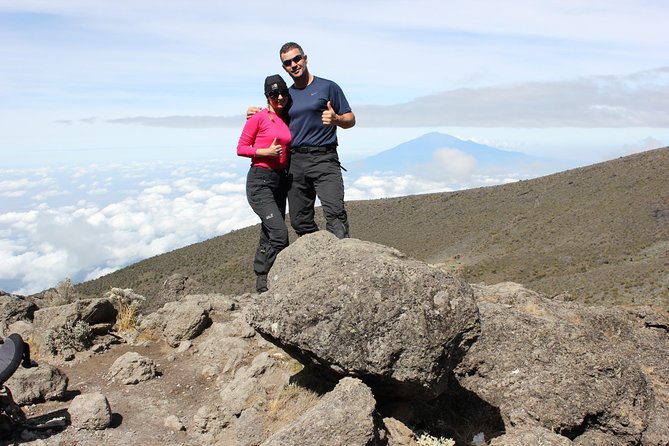
The Marangu Route is often called the classic “easy” way up Kilimanjaro, but easy does not mean light. You’re still gaining altitude fast enough that your body can get stressed, which is why this itinerary keeps you moving in stages and includes a dedicated acclimatization day.
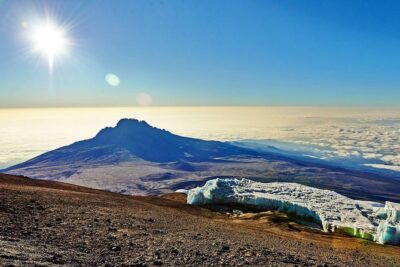
The hike starts in thick rain forest, where the air feels warm and wet and the trail stays shaded for stretches. As you climb, the vegetation changes into heath and then into a lunar-style Saddle and alpine desert zones. The physical effort stays high, but the feel changes. You’ll go from soft, enclosed forest steps to exposed high-altitude walking where cold and wind become daily characters.
The last act is the summit climb: a steep, zig-zag path up rocky scree in the early hours. The good news is that the trail can be easier when it’s frozen. The not-so-good news is that even when the footing helps, the cold and altitude do not negotiate.
More Kilimanjaro climbs:
- Kilimanjaro climb by Lemosho Route (7-day)
★ 5.0 · 651 reviews - Kilimanjaro climb, Machame Route (7-day)
★ 5.0 · 262 reviews - Kilimanjaro Climbing Lemosho Route 8 Days.
★ 5.0 · 186 reviews
Price and what you actually get for $2,290
At $2,290 per person, this is not a budget climb, but it also isn’t just paying for a route map and a porter. The value here is the package of essentials plus crew support.
What’s included:
- All fees and taxes
- Private transportation
- Filtered water throughout the trek
- Hot water for wash
- All meals listed (breakfast, lunch, dinner across the days)
- Fair wages for the mountain crew, approved by KINAPA
What’s not included:
- Visas, insurance, flights
- Personal trekking gear
- Alcohol and personal beverages
For many people, the biggest hidden cost on Kilimanjaro is what you have to organize yourself: guides and permits and food, plus the small comforts that keep you functioning. Here, the plan covers the essentials so you’re not piecing together logistics while also trying to acclimatize.
If you’re comparing value, think like this: you’re paying for a full, structured climb with meals, water, and crew staffing built in, not just “a bed at a hut.”
Moshi to Marangu Gate, Day 1: rain forest to Mandara Hut
Day 1 starts with a drive from Moshi to Kilimanjaro National Park for formalities at Marangu Gate. Then the real trail work begins, climbing about 8 km over roughly 4 to 5 hours to Mandara Hut.
This first day is about easing into altitude and rhythm. You’ll hike through tropical rain forest, and at the upper forest edge, there’s a chance to spot blue monkeys. That’s a nice reminder that Kilimanjaro isn’t only about the peak, it’s also about the living ecosystems you walk through.
Why I like Day 1 for most people: it’s not trying to exhaust you. Yes, it’s uphill, but the forest cover helps you pace yourself, drink steadily, and get comfortable with the camp routine.
Main consideration: you’ll still gain altitude quickly (from about 6,046 ft to 8,858 ft). So keep your effort controlled, even if the forest makes it feel easy at first.
Day 2: Mandara Hut to Horombo Hut through moorland
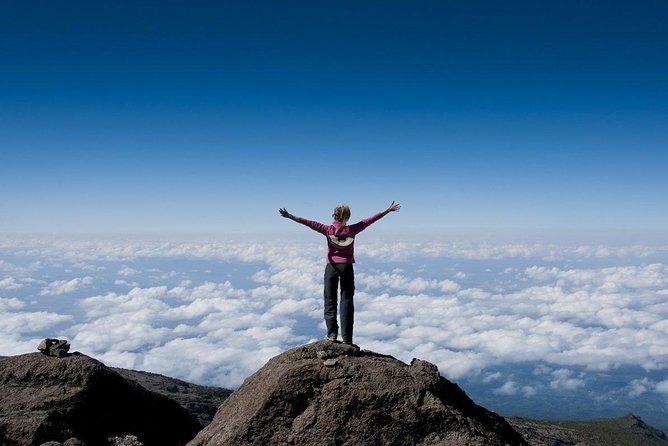
On Day 2, you hike around 12 km and plan for 6 to 8 hours, moving from Mandara Hut to Horombo Hut. The climb continues through forest, then gradually opens into high moorland.
This is where you start getting your first real glimpses of Kibo and Mawenzi, the two volcanic peaks that sit within Kilimanjaro’s larger volcanic structure. Seeing those shapes coming closer gives the trip a stronger sense of direction. It also helps you understand what you’re working toward, beyond just “the summit.”
Why Day 2 matters: you’re building stamina while your body learns the new altitude level. It’s longer than Day 1, and it sets up Day 3. If you charge too fast, you’ll feel it later.
Practical tip for this day: treat it like training for the summit night. Keep breaks short, sip water regularly, and don’t let the scenery trick you into going too hard.
A few more Moshi trips to compare
- Safari Serengeti And Ngorongoro
★ 5.0 · 288 reviews - Climbing Kilimanjaro – Machame Route
★ 5.0 · 170 reviews - Climbing Kilimanjaro through 7 days Machame Route
★ 5.0 · 151 reviews - Kilimanjaro climb, Lemosho Route (8-day)
★ 5.0 · 148 reviews
Day 3 acclimatization: Horombo to Mawenzi Ridge and back
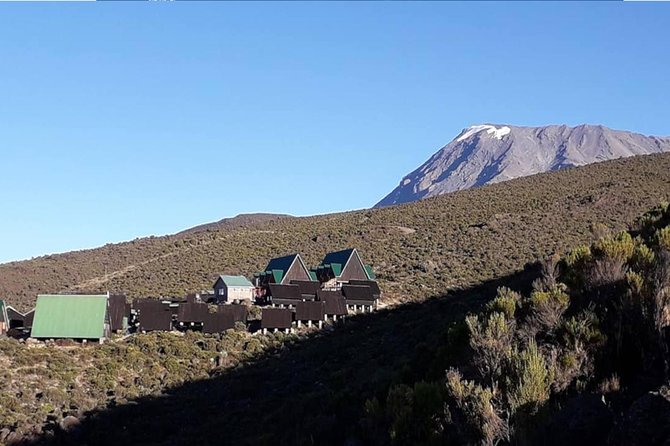
Day 3 is an extra day designed for acclimatization. You start at Horombo Hut and go up toward Mawenzi Ridge, then return to Horombo. The walk is short by Kilimanjaro standards: about 5 km (3 miles) to the ridge area for around 2 to 3 hours, and then 1 to 2 hours back.
This is the “you’re climbing, but you’re also recovering” day. The altitude still presses on you, but the goal is to let your body adjust. The ridge walk is also motivating because you get clear views of Kibo and Mawenzi.
Why this matters for comfort: summit success is often less about heroics and more about your body handling altitude stresses without breaking. An acclimatization day gives you a buffer.
Possible drawback: it’s still cold and high. So don’t assume “short hike” equals “no challenge.” Bring warm layers, and plan to move steadily, not fast.
Day 4: Horombo to Kibo Hut across the Saddle
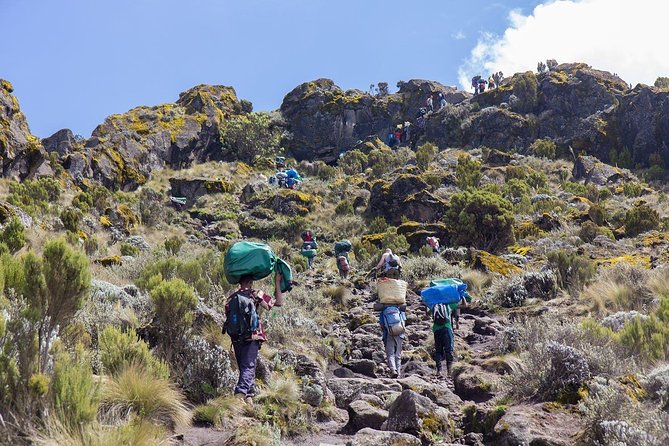
Day 4 is the transition day. You climb from Horombo Hut at about 12,205 ft up to Kibo Hut around 15,430 ft, covering roughly 10 km in about 6 to 8 hours.
Most of the emotional shift happens when you cross the Saddle, the high-altitude desert separating Kibo from Mawenzi. The ground becomes stark and exposed, and the air typically feels drier and colder. You’re walking through a zone that feels less like a forest climb and more like high-elevation desert travel.
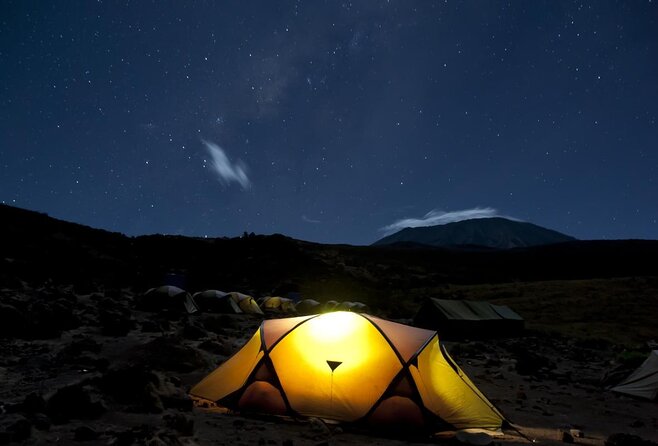
Kibo Hut sits at the bottom of the Kibo crater wall, which means the “summit wall” feeling becomes real. Once you arrive, the plan gives you rest and an early dinner to prepare for the next day’s night start.
Why I like Day 4: you’re not just getting higher, you’re getting oriented. The crater setting changes how you see the mountain, and it makes the summit strategy feel tangible.
Consideration: don’t expect warmth just because you’re inside camp routine. Nights near Kibo can be extremely cold, so you’ll want to use every warm-layer chance you get.
Day 5 summit night: Kibo Hut to Uhuru Point and down to Horombo
This is the big day, and it’s planned as such. You start the summit push around midnight. The ascent from Kibo Hut to Uhuru Peak takes about 6 to 8 hours for the uphill portion, covering roughly 6 km.
At this elevation (up to about 19,341 ft), wind and cold can be extreme. You ascend in darkness for several hours, using frequent but short breaks. That’s a practical approach. Longer stops can cool you down too much and mess with your pace.
The route climbs steep scree in zig-zags. You might be grateful when it’s frozen, because it can feel more stable than loose rock. But icy ground also means traction matters, so take your footing seriously and don’t rush.
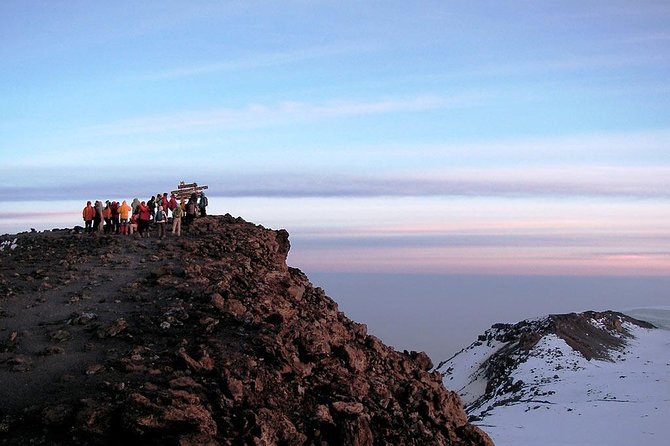
Then comes the payoff: at around Gilman’s Point (about 18,600 ft), dawn views can be spectacular as the sunrise comes over the mountain. Uhuru Point lies just above, so you get both the moment and the finish line feeling.
After the summit, you descend back to Horombo Hut, which is a long drop in distance: about 16 km and 4 to 5 hours. Even though it’s downhill, it can still be tough on legs and knees. You’ll likely feel it more than you expect.
Day 6: Horombo Hut back to Marangu Gate through forest
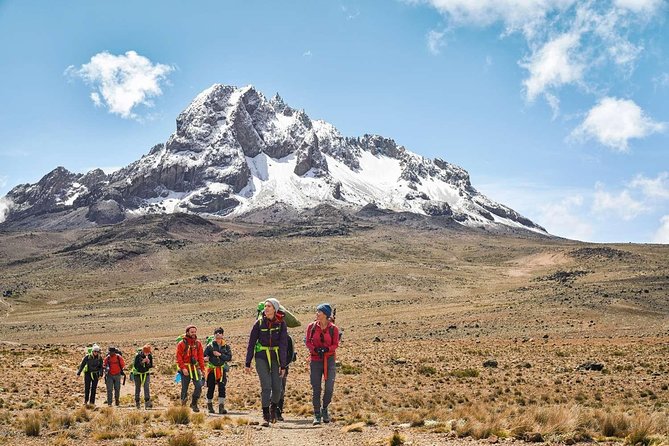
On the last day, you hike from Horombo Hut down to Marangu Gate, about 20 km (roughly 12 miles) in 5 to 7 hours. The habitat shifts back toward rain forest, which can feel like a warm release after the alpine and arctic-feeling zones.
Once you reach park headquarters at Marangu Gate, you collect summit certificates. Then a vehicle meets you and drives you back to your hotel in Moshi.
Why Day 6 is worth appreciating: you get your body back into more familiar conditions. It’s still a hike, but it’s also a decompression day where you can focus on celebration and normal conversation instead of breathing through the cold.
Who this trip suits best, and who should reconsider
This Marangu Route climb is meant for people with moderate physical fitness who are used to walking in mountain areas. The hardest part isn’t just the distance, it’s the time at altitude, the cold, and the midnight start.
It’s a good fit if you want:
- A steady, staged climb through different habitat zones
- A structured acclimatization day rather than rushing upward
- Private group-only trekking, so your pace and needs are handled directly by your team
You might reconsider if you know you struggle with early starts, strong cold exposure, or long, tiring downhill walking after the summit day.
If you’re unsure, be honest about your walking routine. Training helps your legs, but acclimatization is a separate challenge. The plan handles it with the itinerary design, not with promises.
What to bring, based on the mountain reality here
The itinerary calls out cold conditions at high altitude, including an arctic setting at the summit. It also notes the trail can be easier when scree is frozen. That combination points to the essentials you should plan around.
Since personal gear is not included, you’ll want your own:
- Warm layers for summit night and early morning
- Wind protection, because ridges can be brutal
- Headwear and gloves suitable for subfreezing temperatures
- Sturdy trekking boots with reliable traction for rocky, steep paths
Also remember that meals and filtered water are provided. That means you’re mostly focused on comfort, warmth, and safe footing. Keep your pack organized so you can adjust layers quickly when temperatures shift.
The crew part that people remember
One theme that comes through clearly is the way the team supports you like real partners, not just service staff. In the feedback you provided, Shungu is mentioned as part of the guiding team, and the tone is consistent: kind, respectful, and organized.
That matters on Kilimanjaro. You’re relying on people for more than directions. You need the routine, the timing, the team rhythm, and the calm oversight when you’re cold, tired, or unsure.
This tour also states it includes fair wages for mountain crew as approved by KINAPA, which is another signal that the operation is designed to support the people doing the work.
Should you book this Marangu 6-day climb?
If you want a classic Kilimanjaro experience with a realistic acclimatization plan and an operation that focuses on comfort basics like filtered water and hot water for wash, this itinerary makes a lot of sense. The Marangu route is designed for steadiness, and the schedule gives you time to adjust before the summit push.
I’d book it if:
- You’re walking fit and can handle a midnight summit start
- You prefer a structured plan with meals and essentials handled
- You want a private group setup and a team-led experience
I’d think twice if:
- Cold, wind, and darkness during the ascent are a deal breaker for you
- You’re not comfortable with steep, rocky climbing and a long downhill finish after summiting
If you’re the kind of traveler who likes doing hard things with good support, this is exactly that kind of climb.
FAQ
What is the duration of the Kilimanjaro climb on this route?
The trip runs for about 6 days, starting in Moshi and ending back at the meeting point after you return to Marangu Gate and get your certificates.
Where does the climb start and end?
The start is Moshi Urban, Tanzania, and the activity ends back at the meeting point after the drive from Marangu Gate returns you to your hotel in Moshi.
Is pickup included?
Yes. Pickup is offered, and private transportation is included as part of the experience.
What’s included in the tour price?
The price includes all fees and taxes, private transportation, filtered water throughout the trek, hot water for wash, and the listed meals (breakfast, lunch, and dinner). Fair wages for the mountain crew as approved by KINAPA are also included.
Are trekking gear and personal items included?
No. Personal trekking gear is not included, and personal expenses and beverages are not included either.
Do you have an acclimatization day?
Yes. Day 3 is an acclimatization day with an option to spend time day hiking on Mawenzi Ridge and then return to Horombo Hut.
How difficult is the summit day?
It is the most mentally and physically challenging part. You begin around midnight, climb steep scree in cold and windy conditions, reach Gilman’s Point near dawn, continue to Uhuru Peak, then descend back to Horombo Hut.
Just posted around Moshi
- machame route★ 5.0 · 16 reviews
- Kilimanjaro Climbing Umbwe Route★ 5.0 · 3 reviews
- Wildlife Extravaganza: Manyara, Tarangire & Ngorongoro in 3 Days★ 5.0 · 3 reviews
- Mt Kilimanjaro 6 days Marangu route hike★ 5.0 · 3 reviews
- 3 Days Private E-Bike Tour in West Kilimanjaro★ 5.0 · 3 reviews
- West Kilimanjaro cycling Adventures★ 4.5 · 8 reviews
- Kilimanjaro Climb • Marangu Route ~ 9 Day★ 5.0 · 4 reviews
- Private Cycle to Kilimanjaro Bike Park Safari★ 5.0 · 6 reviews
Kilimanjaro Climbs, compared.
8-Day Small-group Lemosho Kilimanjaro Summit Trekking
Read our review →
5 Days Best of Tanzania Luxury Safari Northern Circuit
Read our review →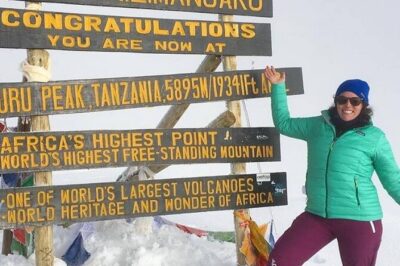
Climbing Kilimanjaro through 7 days Machame Route
Read our review →