Reviewed · KILIMANJARO CLIMBS
Kilimanjaro Climb- 8 Days Lemosho Route
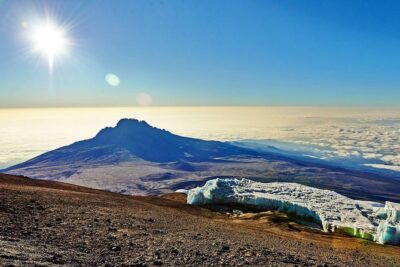
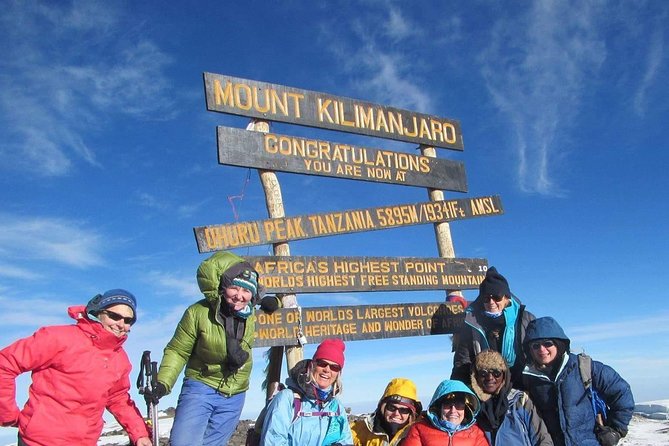
Kilimanjaro is a moving target. The 8 Days Lemosho Route keeps you walking through multiple climate zones, from heaths and alpine meadows up toward the arctic zone near Uhuru Peak, then brings you back down through rainforest. I also like that this trip is built with real, practical safety gear included on the mountain, including an emergency oxygen cylinder and an oximeter. One consideration: the price is premium, and important items like a Gamow bag, medication, and core trekking gear are not included.
You also get a calmer feel than big-chunk group tours, with a maximum of 20 travelers and an English-speaking mountain guide. If you want solid structure, clear starts (meeting time is 8:00 am), and pickup offered, this setup can be a good match.
In This Review
- Quick Takeaways: Lemosho in Plain Terms
- Why the 8-Day Lemosho Route Makes Sense
- Moshi Before You Hike: Two Nights, Bed and Breakfast
- Starting at 8:00 am: Gate Transfers and First-Mountain Logistics
- Heaths and Alpine Meadows: The Scenic Middle Days
- The Arctic Zone Near Uhuru Peak: Final Push Reality
- Descent Through Rainforest: When the Mountain Feels Different
- What’s Included on the Mountain (and Why It’s Worth Paying For)
- $2,600 Price Check: Value, Not Just Numbers
- Crew, Communication, and the Human Side of the Trip
- Who Should Book This Lemosho Climb
- Should You Book This 8-Day Lemosho Route with Sote Tours & Travel?
- FAQ
- How long is the Kilimanjaro Lemosho climb?
- Where does the trip start?
- Is pickup offered?
- How many travelers are in the group?
- What is included for the nights and meals?
- Is an English-speaking mountain guide included?
- What safety items are included on the mountain?
- Are flights and visa fees included?
- Do I need travel and medical insurance?
- Can I cancel for a full refund?
Quick Takeaways: Lemosho in Plain Terms
- Climate-zone variety all the way up and down keeps the scenery fresh, from heathlands to alpine meadows to rainforest.
- Safety tools included on the mountain: emergency oxygen cylinder and an oximeter.
- Two Moshi nights are part of the package (bed and breakfast), so you are not scrambling right before day one.
- Food and water are handled on the mountain with full board meals and drinking water included.
- Small group size, capped at 20 helps keep the trek feeling organized instead of chaotic.
- Premium route length range (6 to 8 days) gives you more time on the mountain than shorter options.
Why the 8-Day Lemosho Route Makes Sense
Lemosho is considered a premium Kilimanjaro approach because it turns the climb into a sequence of environments. The route starts on heaths, moves across alpine meadows, then pushes toward the arctic zone near Uhuru Peak. That matters because it changes what you see and how the walk feels, so you are not stuck with one kind of terrain for the entire trek.
Then comes the part many people remember most: the descent through rainforest. It is not just scenic. Going from cold, high conditions down into greener, lower zones tends to feel like a payoff, and it gives your body a different kind of challenge than the ascent.
The big tradeoff is time and cost. At $2,600 per person, you are paying for length plus the operational support that lets that length happen. And because personal gear is not included, you will also want to budget for any items you do not already own.
More Kilimanjaro climbs:
- Kilimanjaro climb by Lemosho Route (7-day)
★ 5.0 · 651 reviews - Kilimanjaro climb, Machame Route (7-day)
★ 5.0 · 262 reviews - Kilimanjaro Climbing Lemosho Route 8 Days.
★ 5.0 · 186 reviews
Moshi Before You Hike: Two Nights, Bed and Breakfast
This trip builds in 2 nights of accommodation in Moshi with bed and breakfast included. For a Kilimanjaro climb, that is not a minor detail. It gives you a place to sleep normally, handle last-minute needs, and mentally switch from travel mode to mountain mode.
Moshi is also where the trip’s “land base” starts to make sense. You have mountain-crew logistics, gate transfers, and the full board mountain meals lined up. If you are flying in the same day as your trek start, you can end up stressed and underprepared. These Moshi nights help avoid that.
Practical tip: since the meeting start time is 8:00 am, you should plan to be rested and ready to go the night before. Moshi lodging is included, but you still control your sleep, hydration, and early prep.
Starting at 8:00 am: Gate Transfers and First-Mountain Logistics
Your experience begins with an 8:00 am start time and includes Kilimanjaro gate transfers. I like that it is scheduled, because Kilimanjaro days can feel long even when the walking is steady. With gate transfers handled, you do not lose time playing “where do we meet” or “who has the permits.”
This is also where the trip’s scale shows. The program is set up for a maximum of 20 travelers, and that usually means you get enough organization for the morning flow to work. You are likely to spend time syncing with your English-speaking mountain guide, and it helps to know that the guide service is included.
One thing to consider: start days can feel rushed if you arrive late to Moshi or you do not do your gear checks. The tour provides a lot, but it does not provide personal trekking equipment like hiking boots, sleeping bags, or your clothing.
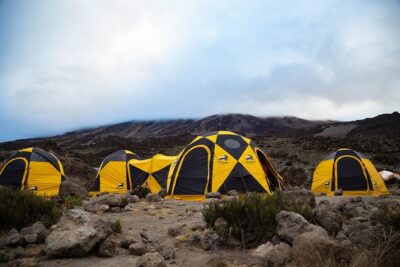
Heaths and Alpine Meadows: The Scenic Middle Days
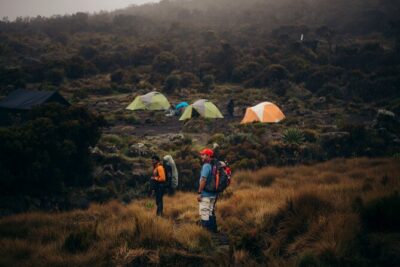
The route’s defining feature is how it strings together heaths and alpine meadows as you climb. In plain terms, you are trading monotony for change. You will see the vegetation shift, and the weather can also shift with it. That is the part that makes Lemosho feel “premium” beyond marketing.
Why this matters for you: when conditions change, your pace and your focus often change too. On a long trek, the best days are the ones that do not feel like you are repeating the same five minutes for hours. Heath to meadow progression tends to keep your brain engaged with what is around you, not only with the next step.
What you should watch for: even when scenery is great, you still need to manage cold and exertion. The route description explicitly reaches the arctic zone near Uhuru Peak, which means high, cold conditions are part of your plan. So expect layered needs, steady effort, and early preparation for the days when temperatures drop.
A few more Moshi trips to compare
- Safari Serengeti And Ngorongoro
★ 5.0 · 288 reviews - Climbing Kilimanjaro – Machame Route
★ 5.0 · 170 reviews - Climbing Kilimanjaro through 7 days Machame Route
★ 5.0 · 151 reviews - Kilimanjaro climb, Lemosho Route (8-day)
★ 5.0 · 148 reviews
The Arctic Zone Near Uhuru Peak: Final Push Reality
Near the top, the description gets very specific: an ascent to the arctic zone near Uhuru Peak. That is not “maybe it gets cold.” That is “it will be cold,” and you should treat it like a serious mountain environment.
This is also where the included safety measures become more than a checklist. This climb includes an emergency oxygen cylinder and an oximeter on the mountain. I like that these are provided, because they are the kind of tools that can matter when altitude effects hit unexpectedly. Also, oxygen and oximetry do not replace good judgment, but they do show the operator is thinking about real-world risk management.
A consideration, based on what is and is not included: a Gamow bag is not included. If you rely on that specific piece of high-altitude emergency equipment, you would need to arrange it yourself or confirm whether the company can provide an alternative. The core point is simple, know what safety tools are included, and do not assume every contingency is.
Descent Through Rainforest: When the Mountain Feels Different
After the high-zone effort, you come down through rainforest. That part of the route is valuable for two reasons.
First, it is a different kind of scenery, so your eyes get a break from cold, stark views. Second, the rainforest descent typically feels more forgiving on temperatures, which can help your mood when you are tired.
Still, descent is not automatically easy. Your legs will take a hit, and your footing matters. This is where trekking poles and good footwear choices become important, and that circles back to what the tour does not include. Hiking boots are personal equipment you need to bring.
If you tend to underestimate downhill days, plan for sore knees or tired feet and keep your pace conservative. The route gives you enough structure to finish, but you still need to manage your own body.
What’s Included on the Mountain (and Why It’s Worth Paying For)
This package includes a lot that usually adds cost later.
- Drinking water and full board meals on the mountain
That means you are not constantly rationing food or trying to improvise snacks during high-energy stretches. You should still plan your personal taste preferences, but the base nutrition is covered.
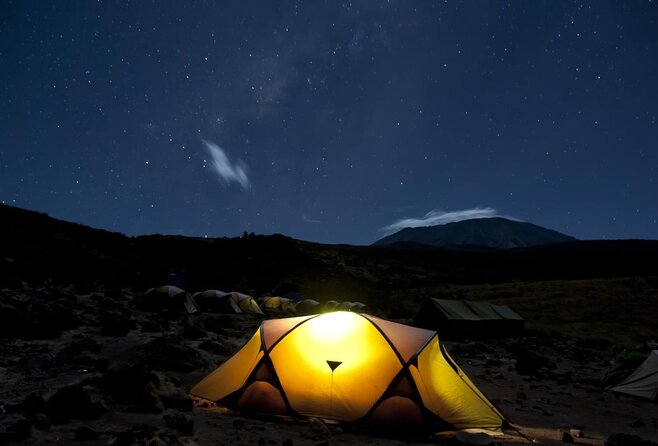
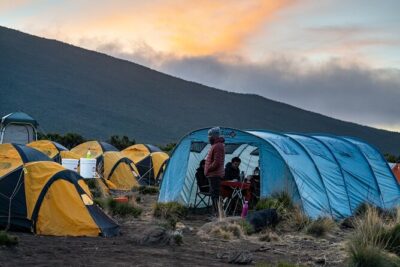
- Mountain tents and sleeping mattress
This is big value. Sleeping setup affects rest, and rest affects how you handle cold. The mattress inclusion helps reduce the “hard ground tax.”
- Emergency first-aid kit plus emergency oxygen cylinder and oximeter
Safety gear is often the line between a calm climb and a stressful scramble. Here it is included as part of the mountain operation.
- All fees and taxes, plus fair and sustainable crew salary approved by KINAPA
I always pay attention to crew pay and local approvals because it changes behavior. It is not just ethical, it often correlates with smoother operations.
Now the tradeoffs, what is not included:
- Gamow bag is not included
- Medication is not included
- Tips and gratuities are not included
- Energy food and beverages, alcoholic and soft drinks are not included
My practical advice: when you budget for this climb, add money for energy snacks you like, plus any drinks you want beyond the essentials. Even if meals are provided, you might want extra calories for your own rhythm.
$2,600 Price Check: Value, Not Just Numbers
At $2,600 per person, this is not a budget climb. But the cost is easier to justify when you map it to what you actually get.
Included value highlights:
- 2 Moshi nights with bed and breakfast
- Mountain food and water (full board meals and drinking water)
- English-speaking mountain guide
- Tents and sleeping mattress
- Oxygen cylinder and an oximeter
- All fees and taxes
- Crew salary approach approved by KINAPA
- Emergency first-aid kit
- Kilimanjaro gate transfers
So where does the money go? It largely supports people and systems, not just transportation. And for Kilimanjaro, that is exactly where you want your spend.
What will add to your bill:
- Flights
- Visa fees
- Travel and medical insurance (it is required)
- Core personal gear (sleeping bag, hiking boots, clothes)
- Medication
- Tips
- Energy food and beverages, plus any alcohol or soft drinks you want
If you already own solid cold-weather trekking gear and you have insurance lined up, this package can feel like a “pay once, worry less” plan. If you need to buy everything last minute, your real cost will climb quickly.
Crew, Communication, and the Human Side of the Trip
One of the strongest signals in the feedback around this operator is the way communication works during planning. The organizer named Kelvin is described as responsive and helpful, including quick replies and flexibility when questions come up. Another name that shows up is Joseph, connected to the greeting and arrival process.
I like that because the hardest part of planning Kilimanjaro is often not the walking. It is the decisions: gear, timing, what to expect, and how you handle questions before you leave home.
On the mountain side, you get an English-speaking mountain guide included. And your crew compensation is described as aligned with KINAPA approval. That combination tends to make the experience feel more steady, because everyone has a clear role.
Also, the max group size of 20 travelers matters. Smaller groups can mean less waiting and fewer bottlenecks at key moments like checking gear, rest stops, and moving as a team.
Who Should Book This Lemosho Climb
This climb is listed for travelers with moderate physical fitness. That tells me it is not aimed at couch-to-Kilimanjaro fitness levels, but it is also not only for elite athletes.
I think this fits best if you:
- Want the scenic variety Lemosho is known for (heaths, alpine meadows, arctic zone near Uhuru Peak, rainforest descent)
- Appreciate safety support like an oximeter and an emergency oxygen cylinder included
- Like the idea of having most logistics and meals handled, so you can focus on pacing and rest
- Want a smaller group experience (maximum 20 travelers)
It might be a mismatch if you:
- Are not ready to bring your own core gear (sleeping bag, boots, clothing)
- Expect the trip to provide everything, including a Gamow bag or personal medication
- Hate cold-weather hiking and still want to target the arctic zone near Uhuru Peak
Should You Book This 8-Day Lemosho Route with Sote Tours & Travel?
My take: if you want a premium, scenic Kilimanjaro approach and you value safety tools included in the plan, this 8 Days Lemosho Route is worth serious consideration.
I would book it if:
- You are comfortable paying a premium price for meals, tents, guides, and emergency mountain equipment
- You want the route’s climate-zone storyline, not just “get to the top”
- You plan to bring your own trekking gear and cold-weather setup
I would pause if:
- You do not have your own cold-weather gear figured out yet
- You want a Gamow bag included in the package
- You are not willing to handle insurance, medication, and tips as separate budget items
If you do book, do one simple thing: prepare your packing list early and double-check that you have your cold-weather basics. Lemosho gives you unforgettable variety, but the mountain will still demand the right equipment when you head into the arctic zone near Uhuru Peak.
FAQ
How long is the Kilimanjaro Lemosho climb?
The trip is listed as 8 days (approximately), for 7 nights.
Where does the trip start?
The experience is based in Moshi, Tanzania. The start time is 8:00 am.
Is pickup offered?
Yes, pickup is offered.
How many travelers are in the group?
The tour has a maximum of 20 travelers.
What is included for the nights and meals?
It includes 2 nights of accommodation in Moshi (bed and breakfast), plus drinking water and full board meals on the mountain.
Is an English-speaking mountain guide included?
Yes, the service of an English speaking mountain guide is included.
What safety items are included on the mountain?
The climb includes an emergency first-aid kit, an emergency oxygen cylinder, and an oximeter on the mountain.
Are flights and visa fees included?
No. Flights and visa fees are not included.
Do I need travel and medical insurance?
Yes. Travel or medical insurance is required, and you should ask for recommendation.
Can I cancel for a full refund?
Yes, free cancellation is available. You can cancel up to 24 hours in advance of the experience for a full refund, and timing is based on local time. The experience also depends on good weather, and if it is canceled due to poor weather, you will be offered a different date or a full refund. It can also be canceled if the minimum number of travelers is not met, with options to choose another date/experience or receive a full refund.
Just posted around Moshi
- machame route★ 5.0 · 16 reviews
- Mt Kilimanjaro 6 days Marangu route hike★ 5.0 · 3 reviews
- Kilimanjaro Climbing Umbwe Route★ 5.0 · 3 reviews
- Wildlife Extravaganza: Manyara, Tarangire & Ngorongoro in 3 Days★ 5.0 · 3 reviews
- 3 Days Private E-Bike Tour in West Kilimanjaro★ 5.0 · 3 reviews
- West Kilimanjaro cycling Adventures★ 4.5 · 8 reviews
- Kilimanjaro Climb • Marangu Route ~ 9 Day★ 5.0 · 4 reviews
- Private Cycle to Kilimanjaro Bike Park Safari★ 5.0 · 6 reviews
Kilimanjaro Climbs, compared.
8-Day Small-group Lemosho Kilimanjaro Summit Trekking
Read our review →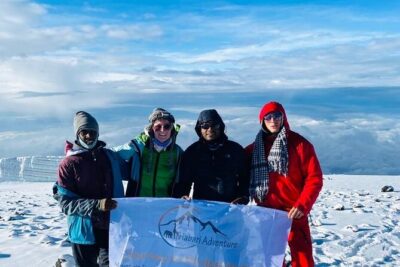
5 Days Best of Tanzania Luxury Safari Northern Circuit
Read our review →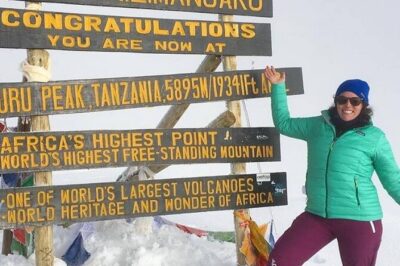
Climbing Kilimanjaro through 7 days Machame Route
Read our review →