Reviewed · KILIMANJARO CLIMBS
Kilimanjaro Climb – 8 Days Lemosho Route
Lemosho turns Kilimanjaro into a steady climb. This remote, less-used route gives you extra trekking days to settle in, starting at Londorossi Gate and working your way through forest, moorland, and high camps up toward the glaciers. I love the acclimatization-friendly pacing and the chance to spend meaningful time on the Shira Plateau before you join the classic Kilimanjaro feel.
I also like how the climb is organized as a full team operation: a head guide handles your briefing and gear check, while guides, cooks, and porters support you through every phase. The possible drawback is simple, it is not short, and you need moderate physical fitness for long trekking days and steep altitude changes, especially on summit day.
In This Review
- Key Highlights You Should Care About
- Why the Lemosho Route Works for Pacing and Acclimatization
- From Moshi to Londorossi Gate: Day 1 in the Rain Forest
- Shira Plateau Days: From Shira 1 Camp to Shira Hut
- Day 2: Shira 1 Camp, Moorland
- Day 3: Shira Hut, Another Moorland Step
- Lava Tower to Barranco Camp: The Semi-Desert Story You Came For
- Karanga Camp to Barafu Camp: Alpine Desert Pressure Before Summit Day
- Day 5: Barranco Camp to Karanga Camp
- Day 6: Karanga Camp to Barafu Camp
- Summit Day from Barafu, Then the Descent to Mweka
- Day 8: Mweka Camp to Mweka Gate and Moshi
- Camp Life, Meals, and the Crew That Makes the Trek Work
- Price and Logistics: What the $2,900 Includes, and What It Doesn’t
- Gear, Weather, and Staying Comfortable on a Route That Changes Every Day
- Who This 8-Day Private Lemosho Climb Fits Best
- Should You Book This Kilimanjaro Climb on the Lemosho Route?
- FAQ
- How long is the Kilimanjaro climb on the Lemosho route?
- Where does the Lemosho trek start and where does it end?
- What is included in the trip price?
- What is not included?
- Is this a private tour?
- What fitness level do I need?
- Can I cancel for a full refund?
Key Highlights You Should Care About
- A quieter, remote start that prioritizes time on the mountain instead of rushing
- Shira Plateau sightseeing time that makes the early days feel like more than just warm-up
- Route connection at Lava Tower with the Machame route, then a dramatic Barranco Valley sequence
- High-camp strategy with alpine desert days that set you up for the summit push
- A real team setup with guides, cook, porters, plus a head guide briefing and gear check
- Meals, water, and mountain camping gear included, so you can focus on your feet, not logistics
Why the Lemosho Route Works for Pacing and Acclimatization
If you want Kilimanjaro to feel like a climb, not a panic, Lemosho is a smart choice. The route is long by design, and that matters because your body needs time to adjust as altitude rises. With a full 8 days, you get multiple nights in different environments, which helps you regulate effort and avoid going too hard too soon.
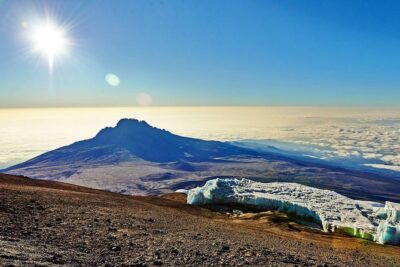
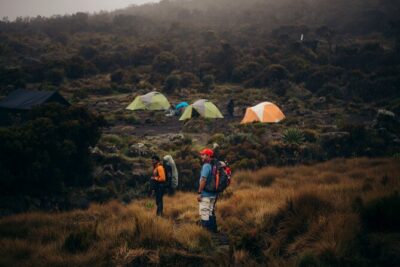
I also like the way Lemosho layers scenery. Day 1 begins in rain forest, then you transition into moorland and later semi desert and alpine desert before the glaciers area on summit day. Each shift is a clue that you are gaining altitude, but it also keeps the trek from feeling monotonous.
One more practical point: a longer route often feels mentally easier because you have fewer “wait, how far is left?” moments. You still work hard, but the rhythm is steadier.
More Kilimanjaro climbs:
- Kilimanjaro climb by Lemosho Route (7-day)
★ 5.0 · 651 reviews - Kilimanjaro climb, Machame Route (7-day)
★ 5.0 · 262 reviews - Kilimanjaro Climbing Lemosho Route 8 Days.
★ 5.0 · 186 reviews
From Moshi to Londorossi Gate: Day 1 in the Rain Forest
Your trip is based in Moshi, and the package includes transport from and to Kilimanjaro Airport to your accommodation in Moshi. You should also expect to be met after you land and transferred for an overnight stay at your hotel, then meet your guide for the start.
Day 1 looks manageable on paper: 3 hours, about 7 km, with around 360 m of altitude gain, from Londorossi Gate to Mti Mkubwa Camp. The terrain is listed as rain forest. This is a good day to treat as a warm-up for your lungs and legs. You are not chasing speed. Your goal is to get into the routine: steady steps, water breaks, and paying attention to how your body feels at higher elevation.
I find rain forest days psychologically useful too. When the world feels lush and green, it’s easier to ignore the fact that you are climbing. That can help you keep your effort controlled early.
Shira Plateau Days: From Shira 1 Camp to Shira Hut
Days 2 and 3 are where Lemosho starts doing the heavy lifting for acclimatization and scenery.
Day 2: Shira 1 Camp, Moorland
Trekking time is 6 to 7 hours over 10 km, with about 755 m of altitude gain. You go from Mti Mkubwa Camp to Shira 1 Camp, and the terrain is moorland.
This is a longer push than Day 1, and the altitude gain is bigger. So the win here is not “how fast.” The win is learning your pacing early enough that your body doesn’t feel like it’s fighting you. Moorland can also feel colder or windier than lower forest zones, so keep your clothing plan simple and functional.
A few more Moshi trips to compare
- Safari Serengeti And Ngorongoro
★ 5.0 · 288 reviews - Climbing Kilimanjaro – Machame Route
★ 5.0 · 170 reviews - Climbing Kilimanjaro through 7 days Machame Route
★ 5.0 · 151 reviews - Kilimanjaro climb, Lemosho Route (8-day)
★ 5.0 · 148 reviews
Day 3: Shira Hut, Another Moorland Step
Day 3 is shorter: 3 to 4 hours, 8 km, with roughly 305 m of altitude gain, from Shira 1 Camp to Shira Hut, again in moorland.
That mix of a bigger day followed by a moderate day is exactly what makes Lemosho feel acclimatization-friendly. You get a chance to keep moving upward without stacking too much stress in one go. Think of it as adjusting your breathing and your stride before the route begins to turn more dramatic.
Lava Tower to Barranco Camp: The Semi-Desert Story You Came For
Day 4 is where the Lemosho route becomes visually unforgettable, and also where the trek connects with the broader Kilimanjaro “system.”
You hike for 6 to 7 hours, about 10 km, but with only 50 m of altitude gain from Shira Hut to Lava Tower and then to Barranco Camp. The terrain shifts to semi desert.
Here’s what makes this day special in real-world terms:
- You meet up with the Machame route around Lava Tower, which brings a different kind of energy to your day.
- After Lava Tower, the trek includes a descent into Barranco Valley.
- Then you ascend the Great Barranco Wall.
- The route also includes traversing under the Southern Ice field.
Even though you’re not gaining much altitude on paper, this day can feel intense because the terrain shapes your legs. Downhills can be deceptively tiring, and then that wall climb demands steady effort. I recommend focusing on controlled steps and avoiding the urge to “power up” when you feel the climb kick in.
This is also a key day for mental confidence. If Day 4 goes well, you learn that the route is challenging but structured.
Karanga Camp to Barafu Camp: Alpine Desert Pressure Before Summit Day
Days 5 and 6 move you through alpine desert, the zone where air and conditions can feel harsher and where you really start preparing your body for summit day.
Day 5: Barranco Camp to Karanga Camp
You trek 3 to 4 hours, 6 km, with around 140 m of altitude gain, to Karanga Camp. The terrain is listed as alpine desert.
This is a shorter day, and that’s a good thing. It gives you time to recover a bit from Day 4’s back-and-forth terrain. It also helps you practice staying comfortable at high altitude, because you’ll be spending more time in cold or thin-air conditions as you climb.
Day 6: Karanga Camp to Barafu Camp
Day 6 is one of the big transitions. Trekking time is 2 to 4 hours, distance about 4 km, with approximately 600 m of altitude gain to Barafu Camp. Terrain remains alpine desert.
Shorter distance, higher gain, less time to settle in. That combination is what makes Day 6 feel like a gear shift. The climb can feel steeper than expected, even if it is not long. Keep your breathing steady and let your legs do what they can without sprinting the process.
Barafu is a staging camp. I treat this day as your “get ready” day, where your focus should be on sleep, hydration, and keeping your energy for what comes next.
Summit Day from Barafu, Then the Descent to Mweka
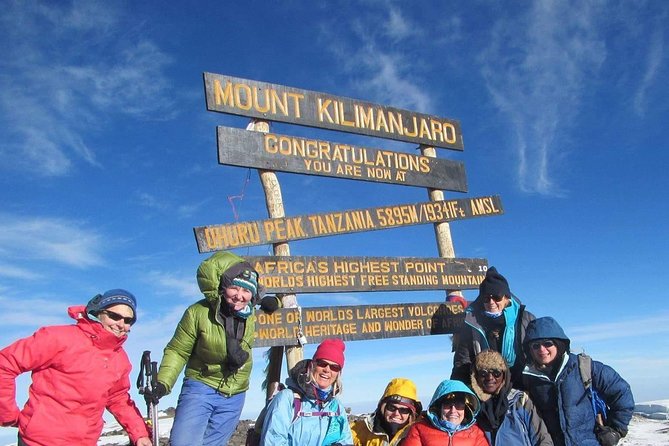
Day 7 is the summit day, and it’s the part everyone remembers. Your trekking time is 6 to 8 hours, covering about 7 km with around 1296 m of altitude gain, from Barafu Camp to the summit. Terrain is listed as glaciers.
After the summit, you descend again: 6 to 8 hours, about 12 km, with an altitude loss of roughly 2896 m.
A few practical thoughts that help in the real world:
- Summit day is not a “pace” day. It is an “effort management” day.
- When your body feels slow, you need a system, not willpower. That system is consistent steps, regular water, and staying calm about timing.
- The descent is long, so protect your knees and ankles. Shorten your stride when your legs start to go.
I also like that the plan explicitly gives a full descent day timeline, because it reinforces that the “finish” is not your summit photo. The finish is safely reaching your next camp.
Day 8: Mweka Camp to Mweka Gate and Moshi
On Day 8 you trek 4 to 5 hours, about 10 km, losing around 1360 m of altitude from Mweka Camp to Mweka Gate, and then you continue to Moshi. Terrain is listed as rain forest.
This day can feel like a victory lap, but keep your body honest. After all that altitude cycling, your legs will still be tired. The rain forest setting can make the air feel warmer and the light change quickly, so bring layers you can adjust easily.
Camp Life, Meals, and the Crew That Makes the Trek Work
The most valuable part of a Kilimanjaro climb is not the map. It’s how well the mountain day-by-day is managed.
This package includes:
- Professional mountain guides, cook, and porters
- Accommodation equipment while on the mountain
- 3 meals daily and water while on the mountain
- An emergency first-aid kit with facilities to support safety
- Fair treatment of the crew
Because meals and water are included while you are on the mountain, you don’t have to guess whether you’re under-fueling. That’s not a small thing. Energy management on altitude trips is mostly boring decisions you make early.
The other big factor is the head guide briefing and gear check before the trek starts. That helps you catch issues like missing items or poor layering choices. And the operator can help arrange equipment you may need. If you arrive without trekking gear, you are not automatically stuck.
One more thing I like: the private nature of the experience. The trip is described as private, meaning your group is treated as a unit rather than mixed into a huge crowd.
Price and Logistics: What the $2,900 Includes, and What It Doesn’t
At $2,900 per person, this is not a budget outing. But the value comes from how much the package covers that usually creates stress on Kilimanjaro.
Included items that matter:
- Transport from and to Kilimanjaro Airport and transfer to Moshi accommodation
- Park entry fees and camping fees
- Mountain sleeping setup via accommodation equipment
- Guides, cook, and porters
- 3 meals daily and water on the mountain
- Emergency first-aid support
- A head guide briefing and gear check, plus arrangement help for equipment hire if needed
What you still pay for:
- Meals at your hotel
- Travel insurance
- Personal items and tips for guides, porters, and cooks
My practical take: when you budget for a Kilimanjaro trip, do not just think about the summit. Plan for insurance, your personal gear, and tipping. If those add-ons surprise you, the climb feels more expensive than it is.
Gear, Weather, and Staying Comfortable on a Route That Changes Every Day
Even without getting fancy, you should expect shifting conditions. This route cycles through rain forest, moorland, semi desert, alpine desert, and finally the glaciers area. That means temperatures and wind can change quickly, even within a single day.
Because gear hire is something your head guide can help arrange, I’d treat this as a “do a checklist” moment:
- Confirm what you personally bring versus what you can hire
- Use the gear check to fix layering gaps
- Plan for days when you’ll be wet, then days that feel much drier and colder
Also remember the altitude gains and losses. Some days have big gains even when the distance is short. Others have long descent stretches. Comfort is not just warmth, it’s also keeping your muscles from getting angry too early.
Who This 8-Day Private Lemosho Climb Fits Best
This experience fits best if you:
- Want a slower, longer route with time to acclimatize
- Prefer a climb that feels remote and scenic rather than packed
- Are aiming for a structured expedition with a full support crew
- Have moderate physical fitness and can handle multi-hour days
It’s also a strong pick if you like having a plan. Private trekking with guides, cook, and porters means you can focus on movement and breathing instead of coordinating food, camping, and pacing on your own.
If you are someone who needs an ultra-fast itinerary, Lemosho might feel like a commitment. But if you want your chances to feel more reasonable through pacing, it’s a good match.
Should You Book This Kilimanjaro Climb on the Lemosho Route?
I’d book this Lemosho 8-day climb if you want the biggest value to come from time, not rushing. The route’s structure gives you multiple acclimatization opportunities, it includes classic Kilimanjaro drama like Lava Tower and the Barranco sequence, and the package is set up to reduce everyday friction through meals, water, camping fees, and a professional team.
I would hesitate if you only want the shortest possible itinerary, or if you are not ready for long days and serious altitude changes. Also budget for what is not included, especially travel insurance and personal costs.
FAQ
How long is the Kilimanjaro climb on the Lemosho route?
The tour is listed as 8 days (approx.).
Where does the Lemosho trek start and where does it end?
It starts at Londorossi Gate and finishes at Mweka Gate, then continues to Moshi.
What is included in the trip price?
Included items are transport between Kilimanjaro Airport and Moshi accommodation, park entry and camping fees, accommodation equipment while on the mountain, professional guides plus cook and porters, 3 meals daily and water while on the mountain, fair treatment of the crew, and an emergency first-aid kit.
What is not included?
Not included are meals at your hotel, travel insurance, personal items, and tips for guides, porters, and cook.
Is this a private tour?
Yes. It is described as private, and only your group will participate.
What fitness level do I need?
You should have a moderate physical fitness level.
Can I cancel for a full refund?
Yes. There is free cancellation, and you can cancel up to 24 hours in advance for a full refund. If it is canceled due to poor weather or because the minimum number of travelers is not met, you will be offered a different date or a full refund.
Just posted around Moshi
- machame route★ 5.0 · 16 reviews
- Kilimanjaro Climbing Umbwe Route★ 5.0 · 3 reviews
- Wildlife Extravaganza: Manyara, Tarangire & Ngorongoro in 3 Days★ 5.0 · 3 reviews
- Mt Kilimanjaro 6 days Marangu route hike★ 5.0 · 3 reviews
- 3 Days Private E-Bike Tour in West Kilimanjaro★ 5.0 · 3 reviews
- West Kilimanjaro cycling Adventures★ 4.5 · 8 reviews
- Kilimanjaro Climb • Marangu Route ~ 9 Day★ 5.0 · 4 reviews
- Private Cycle to Kilimanjaro Bike Park Safari★ 5.0 · 6 reviews
Kilimanjaro Climbs, compared.
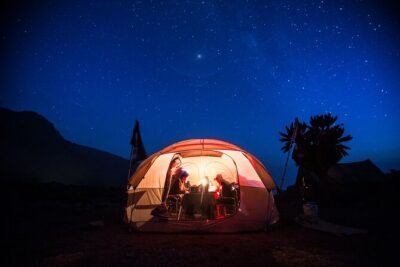
8-Day Small-group Lemosho Kilimanjaro Summit Trekking
Read our review →
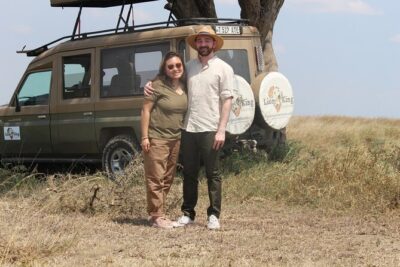
5 Days Best of Tanzania Luxury Safari Northern Circuit
Read our review →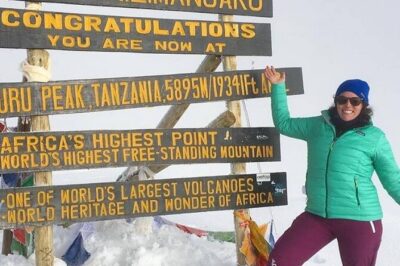
Climbing Kilimanjaro through 7 days Machame Route
Read our review →