Reviewed · KILIMANJARO CLIMBS
Kilimanjaro Climb – 6 Days Marangu Route
Six days on Kilimanjaro is fast, in the best way. This Marangu Route is built for travelers with limited time, with permanent sleep huts and a clear step-by-step climb from rainforest to desert. I like the private airport transfers and the fact that you get 3 hot meals daily on the mountain, which keeps your day-to-day energy steady.
The main consideration is that Marangu is shorter and steeper, so the summit night can feel more intense, and you also share the route with more people since it’s the same way up and down. In other words, it’s convenient, but it asks for good pacing and honest expectations.
In This Review
- Key points you should know before you go
- Why the Marangu Route feels practical when time is tight
- Day 1: Marangu Gate to Mandara Huts, rainforest legs and a steep start
- Day 2: Mandara to Horombo, moorland air and steady uphill effort
- Day 3: The Horombo acclimatization day, where you earn the summit
- Day 4: Horombo to Kibo, from moorland to the desert zone
- Summit night from Kibo to Uhuru Peak: steep, cold, and busy
- Descent to Horombo and the Marangu Gate certificate moment
- Price and value: what your $2,200 covers on Marangu
- The support team: guides, food, and that calm competence you want on summit night
- Where Marangu works best, and where you might rethink it
- Should you book the 6-day Marangu climb?
- FAQ
- How long is the Kilimanjaro climb on the Marangu Route?
- Where does the experience start?
- What nights do you sleep during the climb?
- What is the main route nickname and why is it popular?
- How is summit night described on this route?
- What meals are included?
- Is oxygen support provided?
- What does the price include?
- What is not included?
- What fitness level do I need?
Key points you should know before you go
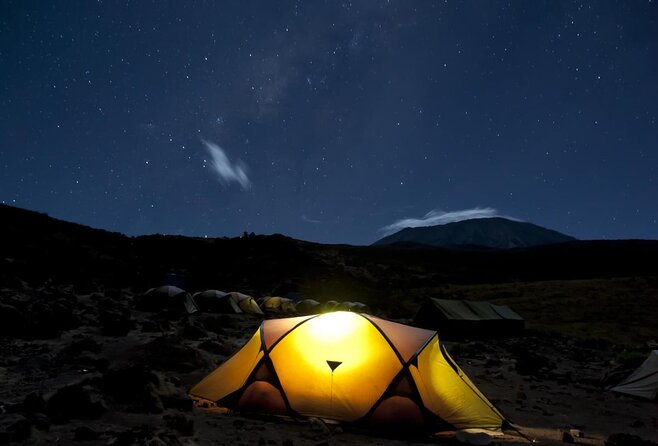
- Permanent hut sleeping on the popular Marangu Route makes this climb feel more structured than camping routes
- Oxygen tanks, ox-meter, and emergency first-aid kit are part of the support plan on the mountain
- A half day to a full day acclimatization at Horombo helps you adjust before the big push to Kibo
- Summit night from Kibo to Uhuru Peak is steep, early, and crowded compared to quieter routes
- Summit certificate at Marangu Gate gives you a clear end point and a real closure moment
Why the Marangu Route feels practical when time is tight
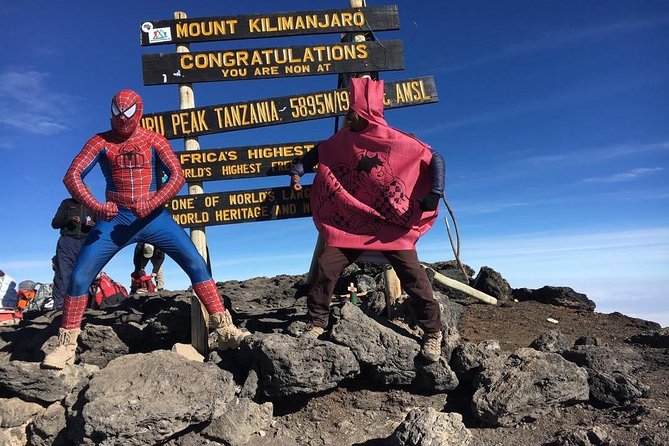
Marangu is often called the Coca-Cola route, and the nickname is basically shorthand for one thing: it’s easier to do in fewer days. The big reason is logistics. You sleep in fixed huts at camps along the way, instead of carrying tent setups or relying on full camping gear.
This matters because Kilimanjaro is not only about views. It’s about staying functional when your body is under stress. Marangu keeps the rhythm simple: walk during the day, hut at night, acclimatize once you’re already at altitude, then make the summit push.
That structure is also why this route tends to appeal to people who don’t have weeks to spend on the mountain. If you’re trying to climb in about a week total, Marangu can fit your schedule better than longer itineraries.
More Kilimanjaro climbs:
- Kilimanjaro climb by Lemosho Route (7-day)
★ 5.0 · 651 reviews - Kilimanjaro climb, Machame Route (7-day)
★ 5.0 · 262 reviews - Kilimanjaro Climbing Lemosho Route 8 Days.
★ 5.0 · 186 reviews
Day 1: Marangu Gate to Mandara Huts, rainforest legs and a steep start
Day 1 runs from Marangu Gate to Mandara Huts, about 7 km with roughly 950 m of altitude gain. Expect around 4 to 5 hours of trekking through rainforest. The forest is usually cooler and shaded, which can feel like a relief when you’re fresh.
Mandara Hut sits at about 2,750 m, and you’ll sleep there. Think of Day 1 as your “get your breathing working” day. You’re not just walking to cover distance. You’re training your legs to handle uphill effort without rushing.
A useful way to approach Day 1 is to start slower than you feel like going. When the trail gets steeper, it’s tempting to grind forward. On Kilimanjaro, that habit can backfire on later days, especially with a shorter route like this.
Day 2: Mandara to Horombo, moorland air and steady uphill effort
Day 2 continues upward to Horombo Huts. The trek is longer at about 11 km and 5 to 6 hours, with approximately 1,030 m of altitude gain. The environment shifts into moorland, and you’ll likely feel the difference quickly.
Horombo Hut is at about 3,780 m, so even if you’re moving at an easy pace, you’re still stacking altitude day after day. This is one of the moments where the Marangu plan feels “short but strong.” You are building momentum, but you’re also compressing acclimatization time compared to longer routes.
On this day, I’d focus on controlled breathing and steady steps. If you can talk in short sentences on the move, that’s usually a good sign you’re not overshooting your pace.
Day 3: The Horombo acclimatization day, where you earn the summit
Day 3 is a full day at Horombo Huts, planned as an acclimatization day. You get time to rest, plus guided short hikes to help your body adjust. The idea is simple: you breathe better at altitude after gentle exposure, not after forcing it.
This is the single biggest “buffer” built into the Marangu itinerary. If you’re going to make the shorter route work, you want to treat this day seriously. Don’t turn it into a sightseeing spree. Stay disciplined, walk lightly if you’re told to, and let your body catch up.
It’s also a day where your guide’s approach matters. In past climbs with this operator, people highlighted the way leaders and support teams anticipate needs and keep the experience organized. That kind of planning becomes extra valuable on an acclimatization day, when you’re tempted to ignore the plan and go too hard.
A few more Moshi trips to compare
- Safari Serengeti And Ngorongoro
★ 5.0 · 288 reviews - Climbing Kilimanjaro – Machame Route
★ 5.0 · 170 reviews - Climbing Kilimanjaro through 7 days Machame Route
★ 5.0 · 151 reviews - Kilimanjaro climb, Lemosho Route (8-day)
★ 5.0 · 148 reviews
Day 4: Horombo to Kibo, from moorland to the desert zone
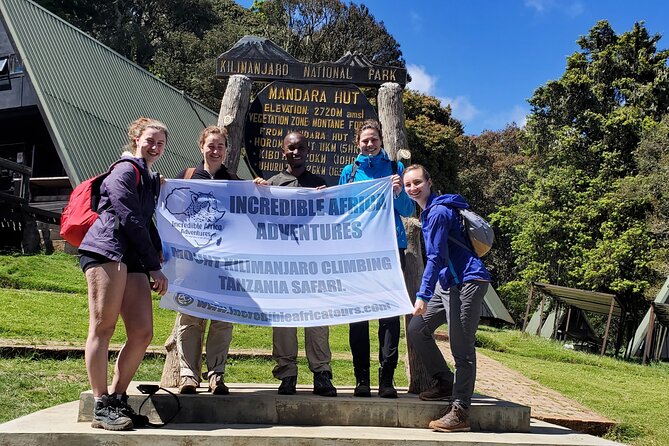
Day 4 takes you to Kibo Huts, with about 12 km and around 5 to 6 hours of trekking. Altitude gain is roughly 920 m, and the environment is described as desert.
Kibo Hut sits around 4,700 m, which means you’re now in the thinner-air zone where everything feels different. Walking the same way as earlier days often feels harder, and sleep can get more uncomfortable.
This is also the day where you should slow down any remaining “nervous energy.” People can feel anxious before the summit night, especially once you’re this high. But your best summit strategy is conserving energy and staying steady.
Your head guide should handle key steps like gear checking and setting you up with any equipment you may need. That kind of up-front organization matters because on Kilimanjaro, small problems feel huge when you’re tired and cold.
Summit night from Kibo to Uhuru Peak: steep, cold, and busy
Day 5 is the big one. You’ll trek from Kibo Huts to the summit area, described as about 7 km with roughly 1,145 m of altitude gain, then return downhill. The trek time listed is 6 to 8 hours on the ascent, followed by a descent time of 5 to 6 hours with about 2,175 m of altitude loss.
The most important thing to understand here is tone: summit night is steep and it can be crowded. Marangu uses the same route for ascent and descent, so you share parts of the path with other climbers. That can mean more foot traffic and more waiting at tight spots.
The route passes Gilman’s Point on the way to Uhuru Peak, so you get that milestone feel as you climb. It’s also where the “Roof of Africa” moment happens, with just enough time to enjoy the summit before the reality of going back down sets in.
As for support, this operator includes portable oxygen tanks and an ox-meter, plus an emergency first-aid kit. Those tools don’t guarantee success, but they signal a serious safety mindset and better monitoring if altitude starts hitting harder than expected. For summit night, that monitoring can help you make smart calls about pace and breathing.
Descent to Horombo and the Marangu Gate certificate moment
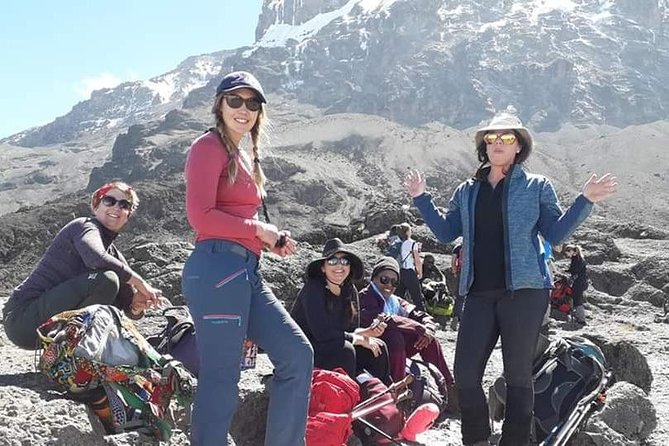
Day 6 brings you back down to Marangu Gate, with about 18 km and 5 to 7 hours of trekking. Altitude loss is listed as roughly 1,878 m.
The day ends with a rewarding touch: you receive your Kilimanjaro summit certificate at Marangu Gate. After days of effort, that little ceremony does more than check a box. It gives you a clear marker that you finished the hardest part.
Once you’re done, you’ll be transferred back to your hotel in Moshi or Arusha. That matters because the descent is tiring. Having the handoff handled lets you recover without immediately dealing with transportation chaos.
Price and value: what your $2,200 covers on Marangu
This climb costs $2,200 per person, and it’s a private experience. Here’s what stands out for value in the included plan:
- Private transport to and from Kilimanjaro Airport
- Accommodations throughout the experience
- Park fees and all taxes
- 3 hot meals daily while on the mountain
- Professional mountain guides, cook and porters
- Portable oxygen tanks, ox-meter, and emergency first-aid kit
That’s not just comfort. It’s risk reduction and energy management. When meals are handled and meals are hot, you’re less likely to under-eat when appetite drops at altitude. When transport and park fees are handled, you spend less time chasing logistics and more time preparing for the climb.
What’s not included is also important to plan for:
- Lunches, dinners, and drinks at your hotel before and after the climb
- Travel insurance
- Personal items and toiletries
- Tips for guides, porters, and cook
If you’re budgeting, treat tips as part of the real cost of the experience. The work on Kilimanjaro is not small, and porters and cooks are carrying real responsibility.
The support team: guides, food, and that calm competence you want on summit night
One theme that came through clearly is the quality of the team behind the scenes. People praised the operator’s key person, Octavian, for anticipating needs and customizing the adventure to match the group.
You’ll often see good guides described as friendly, but the practical praise here was different: guides who stay sharp, read the group, and keep things running. For example, guides named Alex, Rafael, and Manme were specifically mentioned as professional and caring, with the kind of attention that helps when altitude is changing how you feel every hour.
Food is another big deal on Kilimanjaro, and one review highlighted King and his kitchen team for keeping trekkers well fed. That matters because “well fed” on a mountain is not just taste. It supports strength and recovery.
In a fast route like Marangu, where you don’t have days to waste, that calm team energy becomes a real advantage. It’s not glamorous. It’s effective.
Where Marangu works best, and where you might rethink it
Marangu is a strong fit if you:
- Have limited time and need a 6-day plan
- Prefer hut sleeping over tent camping
- Want a clear structure with meals and support handled
- Can commit to steady pacing and sensible expectations for summit night
It may be less ideal if you:
- Want a lot of acclimatization time beyond the planned Horombo day
- Get overwhelmed by higher traffic since the route is the same up and down
- Tend to push hard when you feel good (summit success often favors restraint)
The route’s design also hints at the trade-off. Marangu is popular because it’s efficient, but it tends to have a lower summit success rate than slower routes because of the shorter acclimatization window and a steeper summit push.
If you’re someone who benefits from extra slow time, consider whether you want a longer itinerary. If you’re confident in your fitness and you follow the plan carefully, Marangu can still be a very satisfying climb.
Should you book the 6-day Marangu climb?
If your priority is a structured Kilimanjaro experience with hut comfort, hot food, and a supportive team, this Marangu option makes a lot of sense. The inclusion list is solid for people who don’t want to juggle logistics, and the oxygen monitoring and emergency kit are a reassuring layer on a steep summit night.
I’d book it when your schedule is tight and you can commit to pacing on summit night. I would rethink it if you know you need extra acclimatization time or you’re anxious about crowds on a shared route.
If you’re ready for a fast, intense climb with a clear finish at Marangu Gate, this is a practical way to climb Kilimanjaro without turning the trip into a full-time project.
FAQ
How long is the Kilimanjaro climb on the Marangu Route?
The itinerary is 6 days approximately.
Where does the experience start?
It starts at Kilimanjaro Airport. You’re met on arrival and transferred for overnight accommodation, then the climb begins in the Kilimanjaro National Park area.
What nights do you sleep during the climb?
You overnight at Mandara Hut (Day 1), Horombo Hut (Day 2), Horombo Hut again as part of the acclimatization day (Day 3), and Kibo Hut (Day 4). Day 6 starts from Horombo Huts and ends at Marangu Gate.
What is the main route nickname and why is it popular?
The Marangu Route is commonly known as the Coca Cola route because it can be done in fewer days and uses permanent sleep huts at the campsites.
How is summit night described on this route?
Summit night is steep and passes Gilman’s Point on the way to Uhuru Peak. It can also be busy because the ascent and descent routes are the same on Marangu.
What meals are included?
You get 3 hot meals daily while on the mountain. Meals at your hotel before and after the climb are not included.
Is oxygen support provided?
Yes. The included support lists portable oxygen tanks and an ox-meter, plus an emergency first-aid kit.
What does the price include?
The price includes private transport to and from Kilimanjaro Airport, accommodations, park fees and all taxes, guides, cook and porters, 3 hot meals daily, and oxygen and safety equipment.
What is not included?
Not included are lunches, dinners, and drinks at your hotel before and after the climb, travel insurance, personal items and toiletries, and tips for guides, porters, and cook.
What fitness level do I need?
You should have a strong physical fitness level to take part. The experience also requires good weather.
Just posted around Moshi
- machame route★ 5.0 · 16 reviews
- Kilimanjaro Climbing Umbwe Route★ 5.0 · 3 reviews
- Wildlife Extravaganza: Manyara, Tarangire & Ngorongoro in 3 Days★ 5.0 · 3 reviews
- Mt Kilimanjaro 6 days Marangu route hike★ 5.0 · 3 reviews
- 3 Days Private E-Bike Tour in West Kilimanjaro★ 5.0 · 3 reviews
- West Kilimanjaro cycling Adventures★ 4.5 · 8 reviews
- Kilimanjaro Climb • Marangu Route ~ 9 Day★ 5.0 · 4 reviews
- Private Cycle to Kilimanjaro Bike Park Safari★ 5.0 · 6 reviews
Kilimanjaro Climbs, compared.
8-Day Small-group Lemosho Kilimanjaro Summit Trekking
Read our review →
5 Days Best of Tanzania Luxury Safari Northern Circuit
Read our review →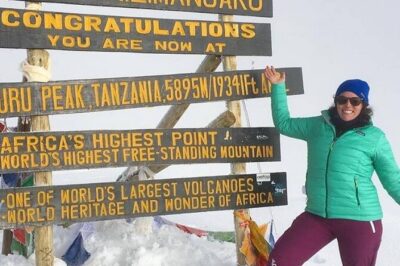
Climbing Kilimanjaro through 7 days Machame Route
Read our review →