Reviewed · KILIMANJARO CLIMBS
Kilimanjaro 360° 9 days Tour
Cycling around Kilimanjaro is real adventure math, with off-the-beaten-path MTB days that trade tarmac for dust and mud, plus real village stops with Chagga and Maasai life. The main consideration is fitness, because the route includes rocky uphill days and muddy climbs.
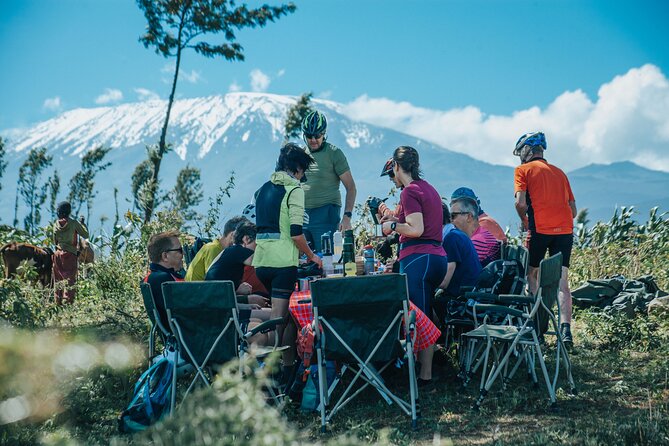
I like how this is built like a proper cycling circuit from Moshi, not just a series of photo stops. You start with setup and orientation, then spend day after day riding through farms, plains, and forest, with a supporting vehicle staying nearby. You also get your bike and helmet included, plus water and snacks to keep you moving.
The tradeoff is that you are in the saddle a lot and the scenery comes with effort. If you want a stroll, this will feel too athletic. If you want a workout with culture and big views, it’s a great match.
In This Review
- Key Highlights You Will Feel in Your Body and Camera Roll
- Moshi Setup: Where This Tour Really Starts
- Day 1 in Moshi: Orientation Beats Guesswork
- Machame Gate to Olpopongi: Farms, Plains, and a Maasai Night
- Day 3 Open Plains Cycling: The Kenya-to-Tanzania Wildlife Corridor
- Shira Plateau Day: Rocky Climb Up to a 3,700m Helipad
- Day 5 Borderlands Ride Toward the Rongai Route Entrance
- Day 6 Lake Chala: The Caldera Detour That Feels Like a Reset
- Day 7 Deep Forest Challenge to Kahawa Shambani
- Day 8 The Whole-Kili Finale: Up Toward Mweka Gate, Then Back on Tarmac
- Day 9 Departure Day: Hotel Recovery and Transfer
- Bikes, Meals, and Supporting Vehicle: Where the Value Actually Shows
- Who This Tour Fits Best, and Who Might Struggle
- The One Bike Factor: Support and Community Mindset
- Should You Book Kilimanjaro 360° for Your Next MTB Trip?
- FAQ
- Where does the tour start in Moshi?
- Do I get picked up when I arrive?
- Is the tour private?
- What cycling gear is included?
- What support is provided during the ride?
- Are meals included?
- What kind of roads will I ride on?
- What is the highest point mentioned in the itinerary?
- Where do you sleep during the tour?
- What weather conditions are required?
Key Highlights You Will Feel in Your Body and Camera Roll
- Private group focus with only your group participating, so pacing and needs can be handled day to day
- Village and community nights including a Maasai-hut stay at Olpopongi Maasai village and cottages near the Rongai area
- Wildlife corridor riding across open plains used by animals moving between Kenya and Tanzania
- Serious altitude payoff with a climb up to a helipad at 3700 meters on the Shira Plateau area
- Multiple terrain types from gravel and dirty roads to muddy forest tracks and downhill recovery stretches
Moshi Setup: Where This Tour Really Starts
Most people picture Kilimanjaro as a mountain you either trek or photograph. This one adds a different tool, a mountain bike. Your base is Moshi, and the tour begins at the One Bike shop on Mailimoja Rd. If you arrive by air, pickup can happen from Kilimanjaro airport or your arrival point, then you get transferred to your hotel.
Day 1 is partly logistical and partly emotional reset. You get info and preparations for the cycling week, then you still have time to explore Moshi or just rest. That matters because the next days are not gentle. You are building stamina while also acclimating to what the terrain will feel like.
Practical note: the meeting point is near public transportation and the shop hours run daily from 9:00 AM to 6:00 PM. If you need to pick up anything small, like extra socks or a quick item for the road, it’s easier to do than if the local office only works a couple hours a week. You’ll also get a mobile ticket, which is handy if you like fewer paper receipts.
More Kilimanjaro climbs:
- Kilimanjaro climb by Lemosho Route (7-day)
★ 5.0 · 651 reviews - Kilimanjaro climb, Machame Route (7-day)
★ 5.0 · 262 reviews - Kilimanjaro Climbing Lemosho Route 8 Days.
★ 5.0 · 186 reviews
Day 1 in Moshi: Orientation Beats Guesswork
On Day 1, the goal is simple: get ready without rushing. You get welcomed by a One Bike guide and transported to your hotel. After that, the rest of the day is yours.
What I like here is that the tour treats you like you’ll be riding hard soon. That orientation time usually means less confusion later, like knowing how the day structure works and what to expect from your route.
If you are the kind of person who thinks you can just wing your bike week, this is where you should resist that urge. Ask questions on Day 1. Confirm how the supporting vehicle system works for your group. Make sure your bike fit and helmet are comfortable, because once you’re cycling for hours, comfort becomes safety.
Machame Gate to Olpopongi: Farms, Plains, and a Maasai Night
After breakfast, you transfer to Machame gate, where your cycling route begins. The first big theme is variety: dirty and gravel roads take you through rain forests, banana and coffee plantations, and the homes of the Chagga people.
This is not just scenery. These sections help you feel the rhythm of the week. You warm up on textured roads, then gradually shift toward more open areas as you head west. Expect windy stretches with broader plains and acacia woodlands. That change is useful because it gives your legs recovery opportunities while still keeping things interesting.
Then come the people and cultural transitions. You ride through areas associated with the Maasai, which gives you a chance to understand the differences among communities in Tanzania. You also pass by Ngabobo and Tinga Tinga village, then continue along the border of the national park, where you cross paths tied to wildlife and native lands.
Night 1 is the standout social moment for many riders: you sleep in a traditional Maasai-hut at Olpopongi Maasai village. If you want a tour that feels like you’re part of the area, not just driving through it, this is the kind of night that makes it real. The drawback is basic comfort. You should assume it’s rustic compared with a normal hotel, and plan for that with a flexible mindset.
Day 3 Open Plains Cycling: The Kenya-to-Tanzania Wildlife Corridor
Day 3 shifts you into the Sinya and Ngasurai open plains. This portion is special because it functions as a wildlife corridor. Animals move between Amboseli National Park in Kenya and the Enduimet wildlife management area in Tanzania, so the route sits in a living travel lane for wildlife.
Riding “off-the-beaten-path” is the theme again here, with no tarmac. The road type matters. Gravel and earth under your tires means you’ll feel more vibration and you’ll use more muscle for steering and balance. It can also be slower than you expect, especially if you hit softer sand or uneven ground.
On a clear day, the views can be dramatic: Mount Kilimanjaro, Mount Meru, and Mt. Ol Doinyo Lengai. Even if the weather doesn’t cooperate, this day still earns its place because it’s about distance without the highway feel.
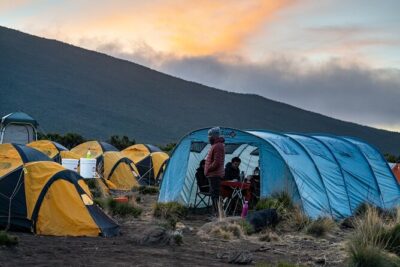
You end at Simba farm campsite, where you spend the night. Campsites like this are part of the value here, because they keep you close to the actual riding country rather than constantly relocating to new lodges.
A few more Moshi trips to compare
- Safari Serengeti And Ngorongoro
★ 5.0 · 288 reviews - Climbing Kilimanjaro – Machame Route
★ 5.0 · 170 reviews - Climbing Kilimanjaro through 7 days Machame Route
★ 5.0 · 151 reviews - Kilimanjaro climb, Lemosho Route (8-day)
★ 5.0 · 148 reviews
Shira Plateau Day: Rocky Climb Up to a 3,700m Helipad
Day 4 is the toughest day on paper, and you should treat it that way. You cycle uphill on dirty and rocky road to climb toward the Shira Plateau of Mt. Kilimanjaro, reaching a helipad at 3700 meters high.
Here’s what that means for you in real life: your breathing will be different, and your legs will feel heavier. Even if you’re fit, altitude changes pacing. The best strategy is steady effort, not speed. You don’t need to prove anything on this climb. Save your energy so you can enjoy the views and the descent.
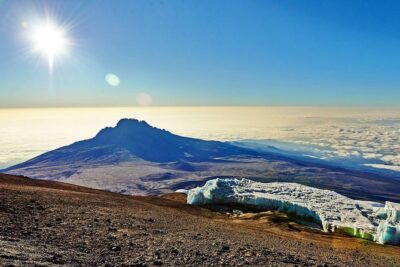
At the helipad, you get a big-picture perspective. You can see the top of Kilimanjaro and Kibo peak covered with snow on one side, and Maasai land stretching out on the other. That combination is exactly why this day exists. The climb pays off with a view that is hard to replicate from a vehicle.
After resting a bit, you enjoy a much easier ride down back to Simba farm campsite. That downhill section is not “easy” in a lazy way, but it is easier than pushing uphill. It’s a key recovery moment. Use it to reset your shoulders, loosen your grip, and let your legs breathe.
Day 5 Borderlands Ride Toward the Rongai Route Entrance
Day 5 takes you through the north-eastern side of Kilimanjaro, bordering Kenya. The ride becomes a mix of vibrant villages and farmlands, which helps break up the big natural stretches.
You finish at the entry of the Rongai trek route to Kilimanjaro in Nalemoru village. Rongai is known for being a different path than the classic routes, and this cycling version keeps that sense of variety. There’s also a conservation angle: the village sits near the Rongai forest area described as a conservation center for many tree species you can see.
Night 4 is at Snow Cap Cottages in the Rongai Village. Compared with campsite nights, cottages can feel like a welcome step up. That doesn’t remove the physical challenge of the day, but it does help you recharge before the more relaxing and then more demanding ride stretches that follow.
Day 6 Lake Chala: The Caldera Detour That Feels Like a Reset
Day 6 is a more relaxing day after a couple of tough rides. The route is a smooth downhill ride to Lake Chala, described as a unique caldera lake fed by underground springs from Mt. Kilimanjaro.
This is the kind of day you’ll appreciate if you’ve been building fatigue. Lake Chala offers a different tempo. You get time to enjoy the lake and its life: forest, plants, and birds. That also gives you a break from constant bike-focused attention, which matters for decision-making and safety. When you’re tired, it helps to regain mental clarity.
Then you sleep by the lake. In a week like this, the “by the water” nights can be surprisingly restorative, especially if your body needs a slower day to bounce back for the next forest ride.
Day 7 Deep Forest Challenge to Kahawa Shambani
Day 7 brings back the work. You cycle on dirt and sometimes muddy roads with many uphills and downhills. This is not a flat training ride. It’s a trail-and-tracks day, with traction that can change fast when conditions turn wet.
You go deep into dense forest, and the route is described as feeling its charms with rich flora and fauna. Even if you never spot a specific animal, the forest texture affects your ride: shadows, cooler air, and a different kind of road feel than open plains.
Night 6 ends at Kahawa Shambani campsite in Uru village. The campsite location is another piece of why the circuit feels continuous. You’re not just cycling from one landmark to another, you’re moving with the land.
Day 8 The Whole-Kili Finale: Up Toward Mweka Gate, Then Back on Tarmac
Day 8 is the final day of the cycling challenge. You cycle uphill toward Mweka Gate after the long ride around the whole mountain. That “whole mountain loop” phrasing matters because it explains why this day feels like an ending, not just another day. Your legs know you’re near the finish, and you’ll feel that in how you pace.
Then comes a relaxing easy ride back to Moshi via tarmac road. That switch from earth roads to tarmac is more than convenience. It’s a mental breather, and a comfort improvement for your hands and wrists after days of dirt roads.
In town, you have dinner and time to relax or experience Moshi’s nightlife if you want to. Night 8 is in your hotel. At this point, you’ll likely feel proud enough to stop and look at your legs when you walk.
Day 9 Departure Day: Hotel Recovery and Transfer
Day 9 is rest and recovery. You sleep and recover well in your hotel, then you get transfer from the hotel to the airport or another departure point from Moshi.
I like ending tours this way. It reduces the “rush out of the adventure and into travel stress” feeling. If you’ve been cycling for days, you want your last day to be about legs and logistics, not another big push.
Bikes, Meals, and Supporting Vehicle: Where the Value Actually Shows
At $2,499 per person, you’re paying for more than bike rental. This tour bundles equipment and on-route support with multi-day meals and guided riding.
Included:
- Mountain bike and helmet
- Water and snacks
- Supporting vehicle
- Lunches, breakfasts, and dinners (the exact counts listed are breakfast 8, lunch 9, dinner 7)
When you look at those items together, the value becomes clearer. A mountain bike plus helmet matters because this route includes rocky and muddy stretches. You don’t want to gamble on a random rental bike that doesn’t handle well.
The supporting vehicle is another big deal. When you’re dealing with variable traction and long days, a vehicle reduces stress around timing and emergencies, and it can help with recovery logistics. Even if you never use it, knowing it’s part of the plan changes how you push your effort.
The meals also do more than feed you. They keep your daily routine stable, especially if you’re riding hard and burning calories. You don’t want to scramble each day for food and hydration when you’re trying to keep consistent energy.
Not included:
- Insurance
- Flight tickets
- Airport or departure tax
Also note the tour requires good weather. That’s important around a mountain region where conditions can change. You can’t control weather, but you can control how you pack. Bring gear suited for wet or dusty conditions, and plan for dirt to get everywhere.
Who This Tour Fits Best, and Who Might Struggle
This is a strong-fitness kind of cycling trip. The route includes rocky climbs, muddy roads, deep forest sections, and long uphill riding toward Mweka Gate. If you are already comfortable cycling uphill for hours, you’ll likely enjoy the challenge instead of getting frustrated.
It also fits well if you like travel that mixes people and environment. You’ll ride through Chagga-associated farming areas, learn about cultural differences with Maasai regions, and spend nights in places like Olpopongi Maasai village and campsites that tie you to local life.
If you’re chasing a laid-back vacation with mostly flat riding, this won’t be the right fit. You will spend a lot of the trip working your body.
The One Bike Factor: Support and Community Mindset
One Bike’s role shows up in small ways across the experience. The tour is guided, and the team appears flexible if plans need adjustment, including the ability to coordinate ahead of time and adapt the circuit length. That matters if you have schedule constraints, or if your fitness differs from what you expected at booking time.
There’s also a community-minded angle tied to their work in Moshi. Riders have described One Bike as improving the local community through recycling awareness and bike donation. I can’t verify every detail of that from the tour schedule alone, but it gives you a reason to feel good about choosing a provider that is active locally.
Most importantly, your time with the guide team shapes how smooth the days feel. On a route like this, guidance is not a nice-to-have. It’s part of how the week stays safe and enjoyable.
Should You Book Kilimanjaro 360° for Your Next MTB Trip?
I think you should book this tour if you want a full cycling circuit around Kilimanjaro with real variety: plantations and farms, wildlife corridor plains, forest riding, cultural village nights, and a climb that reaches 3700 meters near the Shira Plateau helipad.
You should skip it if you want easy pacing, lots of downtime, or mostly smooth surfaces. Also be honest with your fitness. The tour specifically asks for strong physical fitness, and the itinerary backs that up with rocky, muddy, and uphill-heavy days.
If you’re a cyclist who likes adventure travel more than comfort travel, this is a strong value package for $2,499 per person, especially with the included bike, helmet, supporting vehicle, and all those daily meals. Plan for dirt, plan for altitude, and then plan to earn your views.
FAQ
Where does the tour start in Moshi?
It starts at One Bike Shop on Mailimoja Rd, Tanzania.
Do I get picked up when I arrive?
Yes. Pickup is offered from Kilimanjaro airport or any other arrival point, and you can also get transfer back for departure at the end of the tour.
Is the tour private?
Yes. It is listed as a private tour, and only your group will participate.
What cycling gear is included?
A mountain bike and helmet are included.
What support is provided during the ride?
A supporting vehicle is included during the tour.
Are meals included?
Yes. The included meals list covers breakfast (8), lunch (9), and dinner (7).
What kind of roads will I ride on?
Expect dirty and gravel roads, off-road sections with no tarmac, plus rocky uphill roads and sometimes muddy forest roads.
What is the highest point mentioned in the itinerary?
The tour includes a climb that reaches a helipad at 3700 meters on the Shira Plateau area.
Where do you sleep during the tour?
You sleep in a traditional Maasai-hut at Olpopongi Maasai village, at Simba farm campsite, at Snow Cap Cottages in Rongai Village, by Lake Chala, at Kahawa Shambani campsite in Uru village, and in a hotel on the final night.
What weather conditions are required?
The experience requires good weather. If it is canceled due to poor weather, you are offered a different date or a full refund.
Just posted around Moshi
- machame route★ 5.0 · 16 reviews
- Kilimanjaro Climbing Umbwe Route★ 5.0 · 3 reviews
- Wildlife Extravaganza: Manyara, Tarangire & Ngorongoro in 3 Days★ 5.0 · 3 reviews
- Mt Kilimanjaro 6 days Marangu route hike★ 5.0 · 3 reviews
- 3 Days Private E-Bike Tour in West Kilimanjaro★ 5.0 · 3 reviews
- West Kilimanjaro cycling Adventures★ 4.5 · 8 reviews
- Kilimanjaro Climb • Marangu Route ~ 9 Day★ 5.0 · 4 reviews
- Private Cycle to Kilimanjaro Bike Park Safari★ 5.0 · 6 reviews
Kilimanjaro Climbs, compared.
8-Day Small-group Lemosho Kilimanjaro Summit Trekking
Read our review →
5 Days Best of Tanzania Luxury Safari Northern Circuit
Read our review →
Climbing Kilimanjaro through 7 days Machame Route
Read our review →