Reviewed · KILIMANJARO CLIMBS
Conquer Kilimanjaro: 5-Day Marangu Route Adventure
Five days to Africa’s highest peak sounds fast. What makes this Kilimanjaro trek compelling is the Marangu Route plan from Moshi, with hut overnights and a qualified mountain team to manage the climb details.
I like that you get a hassle-free package built around the mountain itself. You’re covered for meals, accommodation, and transfers, plus daily hot water for a wash, which makes camp life feel much more human at altitude. The one drawback to weigh is the schedule, you start the summit attempt around midnight and the hiking time is long on Day 4, so you still need to show up fit and ready to move.
In This Review
- Key Points You Should Know
- What You Get for the $1,854 Price from Moshi
- Marangu Route: A Five-Day Plan for Intermediate-Plus Climbers
- Day 1, Moshi to Mandara Huts: Rainforest Start at the Gate
- Day 2, Mandara to Horombo Huts: Moorland Views and Kibo Energy
- Day 3, Horombo to Kibo Hut: Alpine Desert and a Focus on Saving Energy
- Day 4, Midnight Summit to Uhuru Peak: Gilman’s Point and the Sunrise
- Day 5, Descent to Marangu Gate and Moshi: Certificates and That Final Feeling
- Huts, Meals, and the Mountain Team That Keeps Things Moving
- Altitude Reality Check: Emergency Oxygen and the Long Summit Day
- Gearing Up: What You Bring vs. What the Team Covers
- Who This Tour Fits Best, and Who Should Rethink It
- Should You Book This 5-Day Marangu Kilimanjaro Adventure?
- FAQ
- What route does this Kilimanjaro trek follow?
- Where does the tour start and end?
- Is pickup offered?
- How is emergency oxygen handled on the trek?
- Are meals and accommodation included?
- What trekking gears are included or not included?
- What is not included in the price?
Key Points You Should Know
- Marangu Route in 5 days: a tight timeline that suits intermediate-plus climbers on limited time
- Meals and hut stays included: less budget guessing and more focus on the trek
- Emergency oxygen only: provided for emergencies, not as summit help
- Long summit day, early start: midnight push to reach Gilman’s Point and Uhuru Peak
- Mountain team support: guides, assistant guides, porters, and a cook are included in the price
- Value for Moshi logistics: airport transfers and the full set of fees are handled
What You Get for the $1,854 Price from Moshi
At $1,854 per person, this isn’t a budget bargain. It’s a “most things are handled for you” climb, and that can be worth real money when you’re adding up entry fees, guides, porter wages, meals, and transport.
Here’s what the package explicitly includes: all fees and taxes, airport transfers, a qualified mountain guide with assistant guides, porters and a cook (with their wages), emergency oxygen plus basic first aid, fresh water for drinking and hot water for a wash daily, and the meal plan (breakfast 5, lunch 5, dinner 4). That matters because Kilimanjaro costs can get messy if you have to piece together parts yourself.
You also get admissions coverage depending on the day, with ticket inclusion spelled out across the route. The practical win is that you’re not scrambling for receipts or trying to confirm what costs are covered once you’re already in Moshi and on mountain time.
More Kilimanjaro climbs:
- Kilimanjaro climb by Lemosho Route (7-day)
★ 5.0 · 651 reviews - Kilimanjaro climb, Machame Route (7-day)
★ 5.0 · 262 reviews - Kilimanjaro Climbing Lemosho Route 8 Days.
★ 5.0 · 186 reviews
Marangu Route: A Five-Day Plan for Intermediate-Plus Climbers
The biggest reason this tour works for certain hikers is the route style and pacing. The Marangu Route is designed for people who can comfortably handle several hours of uphill trekking and who accept a faster itinerary. Your days include rainforest, moorlands, and then alpine desert, so you’re not just climbing in one type of terrain.
You’ll also be spending nights at high-elevation huts: Mandara Huts, Horombo Huts, and Kibo Hut. That’s a comfort tradeoff compared with camping routes, since the logistics are more structured. It’s still physically serious, but it’s often simpler than managing everything under a tarp.
The line in the sand is time. Five days means you’re moving on schedule, and Day 4 is the longest day by far. If you want a slower acclimatization profile, this may feel ambitious, even though the itinerary is built for intermediate-plus climbers.
Day 1, Moshi to Mandara Huts: Rainforest Start at the Gate
Your climb begins with a drive to the Marangu Gate. After you register, you step into dense rainforest where you may see wildlife such as Colobus monkeys, depending on conditions.
Then comes the first uphill chunk: Mandara Huts are at 1,870m to 2,720m, about 8 km and roughly 3 to 4 hours of hiking time. It’s a shorter day on paper, but it’s still your first push while your body is getting used to the climb rhythm.
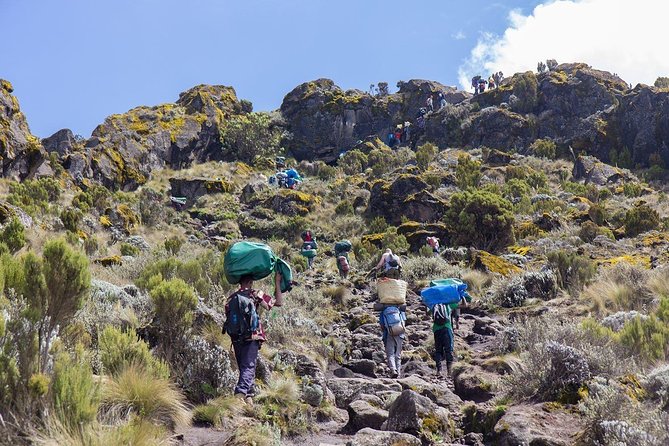
This is also where the “team does the heavy lifting” part becomes real. You’ll arrive at Mandara Hut for your first overnight stay, and the included setup means you’re focused on breathing, hydration, and keeping your effort steady rather than coordinating logistics.
Day 2, Mandara to Horombo Huts: Moorland Views and Kibo Energy
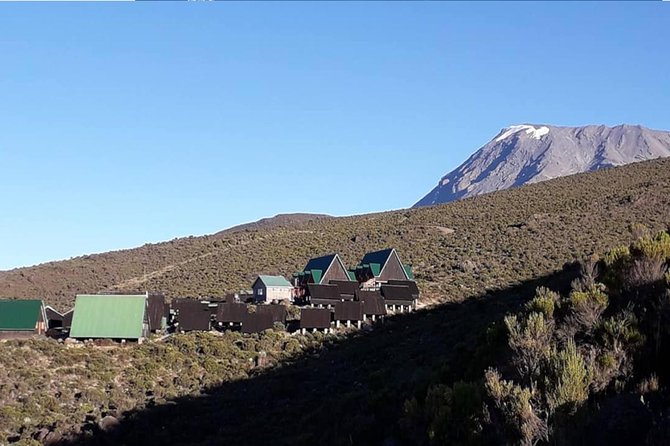
Day 2 climbs from 2,720m up to 3,720m, with about 12 km and 6 to 7 hours of hiking. The route transitions from the last rainforest stretch into rolling moorlands, and the scenery starts opening up.
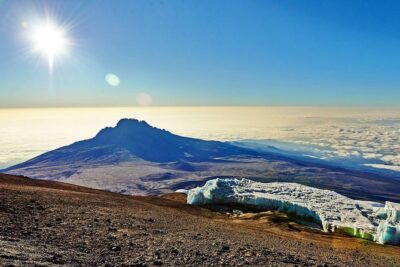
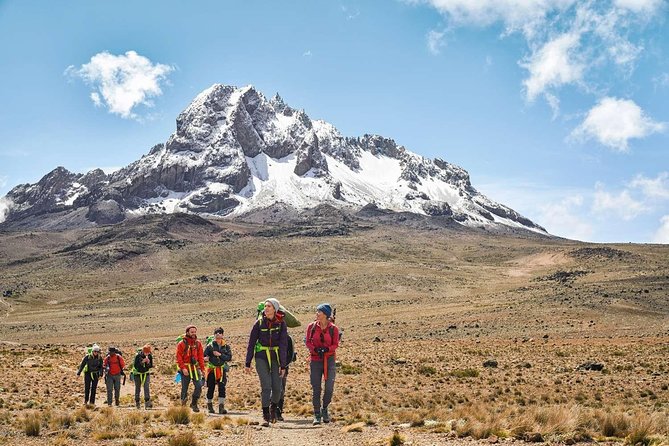
This is where the big peaks begin to show more clearly. You arrive at Horombo Huts, and the views of Kibo and Mawenzi are part of what makes this day feel like the climb is turning the corner from forest trekking into higher-altitude mountain walking.
A practical note for how to enjoy this day: keep your pace controlled even when the trail gets scenic. Long views can make you want to speed up, but you’ll have more to do later, especially on Day 3 and the summit attempt.
A few more Moshi trips to compare
- Safari Serengeti And Ngorongoro
★ 5.0 · 288 reviews - Climbing Kilimanjaro – Machame Route
★ 5.0 · 170 reviews - Climbing Kilimanjaro through 7 days Machame Route
★ 5.0 · 151 reviews - Kilimanjaro climb, Lemosho Route (8-day)
★ 5.0 · 148 reviews
Day 3, Horombo to Kibo Hut: Alpine Desert and a Focus on Saving Energy
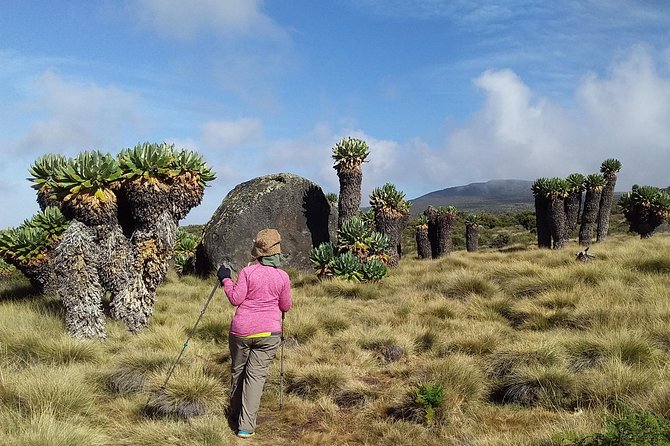
On Day 3 you go from 3,720m to 4,703m, hiking about 10 km over 5 to 6 hours. The terrain shifts again into the alpine desert zone, which feels harsher and more exposed.
This is the day you should treat as a performance test of self-control. The trail becomes more rugged, and the goal is conserving energy for the challenging ascent ahead. If you go out too hard here, you’ll feel it later when the summit day arrives.
You finish at Kibo Hut, your final stop before the summit push. Think of Kibo as both a location and a mental checkpoint, you’re now in the zone where small pacing mistakes can cost you.
Day 4, Midnight Summit to Uhuru Peak: Gilman’s Point and the Sunrise
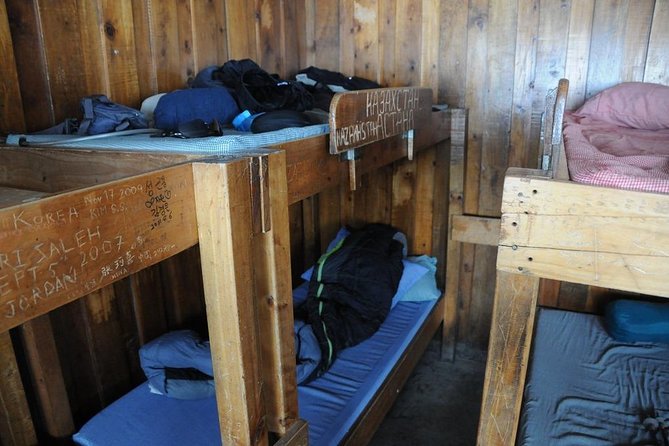
Day 4 is the heart of the Kilimanjaro experience, and also the day that demands the most planning from your body. You start your summit push around midnight and hike a total of about 16 km with 10 to 14 hours of walking time.
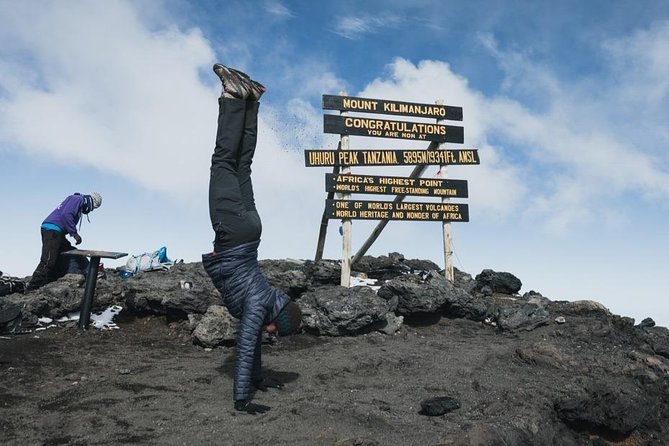
You move over scree and volcanic rock to reach Gilman’s Point (5,685m), then continue onward to Uhuru Peak, the highest point on Kilimanjaro. After that, the descent takes you back down toward Kibo Hut for a short rest, then onward to Horombo Hut again.
A key emotional payoff is timing. You’re aiming to catch the sunrise from the Roof of Africa, which is what makes the midnight start feel worth it. From a practical standpoint, you need to keep moving efficiently on tired legs, not just chase the altitude.
Also remember the nature of the itinerary: you’re not just climbing to a summit and calling it a day. You’re climbing, then descending again to regain stability and rest for Day 5.
Day 5, Descent to Marangu Gate and Moshi: Certificates and That Final Feeling
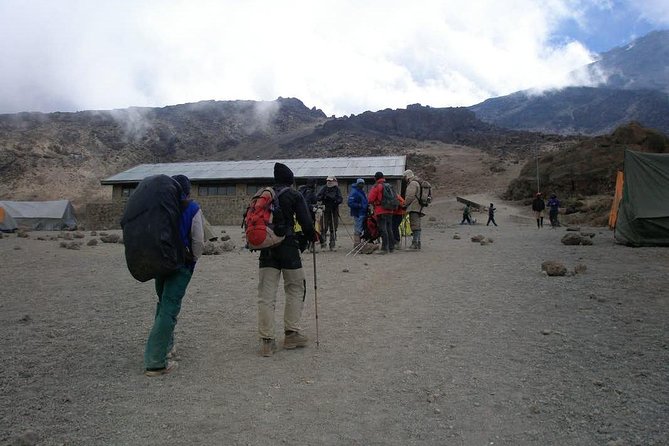
The final day is a different kind of work. You drop from 3,720m down toward Moshi, including a pass by Mandara Hut on the way down, and you continue to Marangu Gate. Your schedule lists about 20 km and 6 to 7 hours of hiking.
This descent takes you through moorlands and rainforest again, so the environment shifts back down as you walk. It’s often physically easier than the summit day, but it can be tough on knees and feet, especially after a long week.
At Marangu Gate, you receive your summit certificates, then you’re driven back to Moshi for a celebratory evening. The certificate moment is a real closure point, because it ties together every tough step you took to get there.
Huts, Meals, and the Mountain Team That Keeps Things Moving
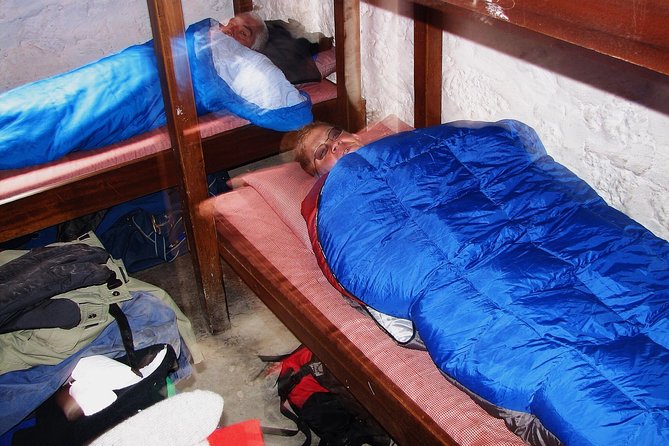
What people tend to remember on this kind of trek is not only the views, it’s how the mountain team runs the operation. The team for this tour includes a qualified mountain guide, assistant guides, porters, and a cook, and their wages are included.
From past groups, names that have appeared in guides include Frazier, JT, Jonas, Julius, Yassin, and Chris. That’s not a promise of who you’ll meet, but it gives you a sense of the staffing style, helpful and focused on keeping the climb moving.
Meal quality matters too. The cook is part of the included package, and multiple climbs with this team have been described as having excellent food even on the mountain. If you’ve ever done a hard trek where food was an afterthought, you know what a difference it makes when meals actually help you keep going.
The inclusion of hot water for a wash daily is also a big deal in real life. It won’t change the altitude, but it can change your mood, especially after cold nights at elevation.
Altitude Reality Check: Emergency Oxygen and the Long Summit Day
This itinerary is designed for intermediate-plus hikers, but altitude doesn’t care about anyone’s category. The important detail here is that the tour includes emergency oxygen and a basic first aid kit, with oxygen reserved for emergencies only, not as summit aid.
That policy matters. It means you should plan as if you cannot rely on oxygen to get you over the summit. Your success depends on pacing, hydration, and staying within your limits.
Day 4 is where you need the most discipline. Midnight starts can feel brutal, and the route is steep over scree and volcanic rock. The best way to protect your summit chances is to keep your effort even, even when you want to surge during the excitement of being close.
Gearing Up: What You Bring vs. What the Team Covers
This package covers a lot, but it does not cover your personal gear. You’ll want to bring your own personal trekking gears, and the tour notes that you may opt to rent some of it from equipment stores in Tanzania.
Also plan for the small essentials that make a huge difference on a multi-day trek. A portable toilet is optional but highly recommended, and the tour also says personal medicine and water purifying tablets are not specified as included.
So in plain terms, do your prep before you fly. If you wait until you arrive, you might find yourself negotiating prices and availability while you’re already tired from travel. Your mountain days move fast, and anything you can fix early reduces stress later.
Who This Tour Fits Best, and Who Should Rethink It
This tour fits best if you:
- want a hut-based Marangu Route climb instead of a tent-heavy camping trip
- can handle long hiking days, especially the long summit push on Day 4
- prefer a package where meals, accommodation, transfers, and mountain team wages are included
- are traveling with friends and want the possibility of group discounts
It may be less ideal if you:
- need a slower acclimatization plan and more buffer days
- want to avoid long summit-day walking time
- don’t have your own gear figured out yet, since personal trekking items are on you
This is also listed as a private activity with only your group participating. That’s a comfort boost if you want a more focused experience without getting mixed into a big random group.
Should You Book This 5-Day Marangu Kilimanjaro Adventure?
If your goal is to summit Kilimanjaro in five days without turning the trip into a logistics project, this is a strong fit. The value comes from the included parts that normally add up fast: guides and porter support, hut lodging, meals, water and hot water for washing, airport and Moshi transfers, and emergency oxygen.
I would book if you’re honest about fitness and timing. The itinerary is demanding, and the midnight summit start means you need to be ready to work through fatigue.
I would pause if you’re unsure about long days or you’re counting on oxygen or on flexible pacing. Oxygen here is emergency-only, and the climb is built around a schedule that does not wait for hesitation.
If you book, do two things right: train enough for Day 4, and get your personal gear and basics lined up so the climb stays the focus. That’s how this tour delivers the kind of memories people come to Kilimanjaro for.
FAQ
What route does this Kilimanjaro trek follow?
This is a 5-day Marangu Route adventure, trekking from Moshi up to hut stops and returning the same way.
Where does the tour start and end?
The experience starts at Moshi Urban, Tanzania and ends back at the meeting point.
Is pickup offered?
Yes, pickup is offered.
How is emergency oxygen handled on the trek?
The tour includes emergency oxygen for use in emergencies only, plus a basic first aid kit.
Are meals and accommodation included?
Yes. The package includes breakfasts (5), lunches (5), and dinners (4), along with accommodation at the mountain huts.
What trekking gears are included or not included?
The tour includes the mountain team and services, but personal trekking gear is not included. You may be able to rent some gear from equipment stores in Tanzania.
What is not included in the price?
Not included are visas and flight expenses, health and travel insurance, personal medicine, water purifying tablets, and meals, snacks, and drinks not specified. A portable toilet is optional but highly recommended.
Just posted around Moshi
- machame route★ 5.0 · 16 reviews
- Kilimanjaro Climbing Umbwe Route★ 5.0 · 3 reviews
- Wildlife Extravaganza: Manyara, Tarangire & Ngorongoro in 3 Days★ 5.0 · 3 reviews
- Mt Kilimanjaro 6 days Marangu route hike★ 5.0 · 3 reviews
- 3 Days Private E-Bike Tour in West Kilimanjaro★ 5.0 · 3 reviews
- West Kilimanjaro cycling Adventures★ 4.5 · 8 reviews
- Kilimanjaro Climb • Marangu Route ~ 9 Day★ 5.0 · 4 reviews
- Private Cycle to Kilimanjaro Bike Park Safari★ 5.0 · 6 reviews
Kilimanjaro Climbs, compared.
8-Day Small-group Lemosho Kilimanjaro Summit Trekking
Read our review →
5 Days Best of Tanzania Luxury Safari Northern Circuit
Read our review →
Climbing Kilimanjaro through 7 days Machame Route
Read our review →