Reviewed · KILIMANJARO CLIMBS
Climbing Kilimanjaro through 8 days Lemosho Route
Kilimanjaro feels bigger when it’s quieter. The 8-day Lemosho route starts on the western side, works its way toward the Shira Plateau, and gives you a long, slower climb that many people choose for better acclimatization. You also get a sense of remoteness, since this is known for lower climber traffic than some other routes.
Two things I really like about this setup are the acclimatization-friendly pace and the mix of scenery and biodiversity along the way. The route is described as smooth and gradual, and the extra time helps your body adjust as you move through different climate zones.
One possible drawback to weigh is the total cost and the packing reality: you pay $2,760 per person, and the tour lists mountain support as included, but pre and post hike accommodation in Moshi is not included (though it’s available on request). Also, this is for people with moderate physical fitness, and the long trek is not a casual stroll.
In This Review
- Key Things to Know Before You Choose This Lemosho Climb
- Western-Side Lemosho Start, Where the Mountain Feels Less Crowded
- Moshi to Londorossi Gate: The 9:00 AM Pickup Reality
- Shira Plateau and the “All Climate Zones” Climb
- Why the 8-Day Pace Improves Your Odds of Reaching Uhuru Peak
- Camp Life and Daily Meals: What Your Included Support Really Does
- The Crew System: Guides, Chef Zachariah, and the Kind of Monitoring That Helps
- Price and Value: What $2,760 Includes, and What You Still Need
- Who Should Choose This Lemosho Route, and Who Should Rethink It
- Should You Book This 8-Day Lemosho Climb With ZAFS Tours?
- FAQ
- How long is the Kilimanjaro trek on the Lemosho route?
- Where does the tour start, and what time is pickup?
- How do you get from Moshi to the mountain?
- What is included in the tour price?
- What is not included?
- Is this a group or private experience?
- Is the Lemosho route a good choice for acclimatization?
- Can I get a refund if I cancel?
Key Things to Know Before You Choose This Lemosho Climb
- Western start, fewer crowds: you begin on the mountain’s western slope and benefit from low traffic on the route.
- Shira Plateau as a turning point: you’ll reach the world-famous Shira Plateau and then climb through major climate zones.
- Longer program usually wins: the 8-day option is recommended for better acclimatization compared with shorter programs.
- Full mountain support included: tents, dining setup, crew equipment, meals, and daily hot drinks are covered.
- Crew focus shows up in the details: from guides and chef coordination to careful monitoring practices described in trip feedback.
- Private group experience: you’re doing this as a private activity, so your group stays together with your own team.
Western-Side Lemosho Start, Where the Mountain Feels Less Crowded
I like the logic of the Lemosho route because it doesn’t start with a bottleneck. Starting from the western slope helps you ease into the climb in a quieter area, and it’s known for low traffic of climbers. That matters more than people expect. When the trail is calmer, you can keep your pace steady, you take breaks when your body asks, and you waste less energy weaving around other groups.
The other big draw is the promise of biodiversity. The route is described as offering abundant wildlife sightings and a remote, less-visited feel. On Kilimanjaro, that combination can turn the trek from pure effort into attention. You’re not only counting steps to the summit, you’re also watching the living world that moves through different elevations.
Just keep your expectations grounded. Wildlife sightings are never guaranteed, and Kilimanjaro weather can change fast. But the route’s reputation for biodiversity, plus a slower schedule, creates a better chance that you’ll notice more than just your headlamp and your trekking poles.
More Kilimanjaro climbs:
- Kilimanjaro climb by Lemosho Route (7-day)
★ 5.0 · 651 reviews - Kilimanjaro climb, Machame Route (7-day)
★ 5.0 · 262 reviews - Kilimanjaro Climbing Lemosho Route 8 Days.
★ 5.0 · 186 reviews
Moshi to Londorossi Gate: The 9:00 AM Pickup Reality
The experience starts in Moshi, with pickup at Moshi Leopard Hotel, Market St, Tanzania, and a listed start time of 9:00 am. From there, you’re in for a 4-hour drive to Londorossi Gate. That transfer is part of what you’re paying for, since the tour includes private transportation.
Here’s the practical side: treat the drive day like a warm-up, not a full rest day. If you arrive late or skip breakfast, you’ll feel it later on the mountain. You’ll want to be ready to eat, hydrate, and settle into the rhythm right away.
Also, you should plan your logistics so you’re not stressed about the timing. The meeting point is near public transportation, which helps if you’re already moving around Moshi, but you still need to be on time for the 9:00 am start. Kilimanjaro does not care about your schedule.
Finally, remember that the tour notes a moderate fitness level. That doesn’t mean “easy.” It means you should already be comfortable with long days and steady walking, with pack-on hiking being part of your normal routine.
Shira Plateau and the “All Climate Zones” Climb
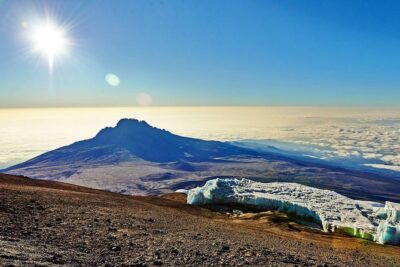
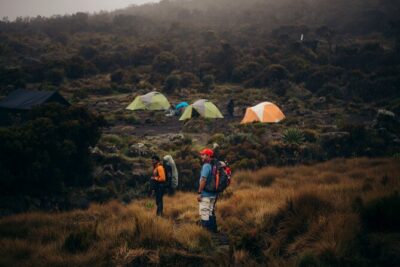
A key reason people like Lemosho is simple: it’s built around variety. The route takes you from the western slope to the Shira Plateau, and that’s where your climb starts to feel like a changing-world tour. The tour description specifically calls out moving through all climate zones, from alpine meadows to eternal ice.
What does that mean for you day to day? Expect temperatures and comfort to shift as you gain elevation. You can have morning cold, afternoon sun, and then a colder wind once you’re higher and closer to ice zones. Even if you’re a strong hiker, you still need the right layers, and you need to manage sweat. The route is described as smooth and gradual, which helps, but gradual does not mean “no discomfort.”
The Shira Plateau segment is also where the journey becomes more “mountain expedition” than “walk in the park.” The altitude and weather variability are the real characters here. This is one of the reasons Lemosho works well for acclimatization goals, since the climb is planned for a slower progression.
One more practical angle: since this route is known for lower traffic, you’re less likely to get stuck in trail congestion during key moments. If you’re sensitive to crowd energy, this route’s pacing can make a meaningful difference.
Why the 8-Day Pace Improves Your Odds of Reaching Uhuru Peak
The tour description claims the Lemosho route has the highest success rate of all routes and attributes that to the gradual ascent and longer duration. I like that logic because it matches how acclimatization actually works. Your body needs time to respond. When you shorten the schedule, you compress adaptation. When you extend it, you give yourself more days to recover, rehydrate, and adjust.
The 8-day program is also positioned as the choice you’ll want if you have the time. The information here is clear that longer programs are always recommended for better acclimatization, and that seven and eight-day programs are both available.
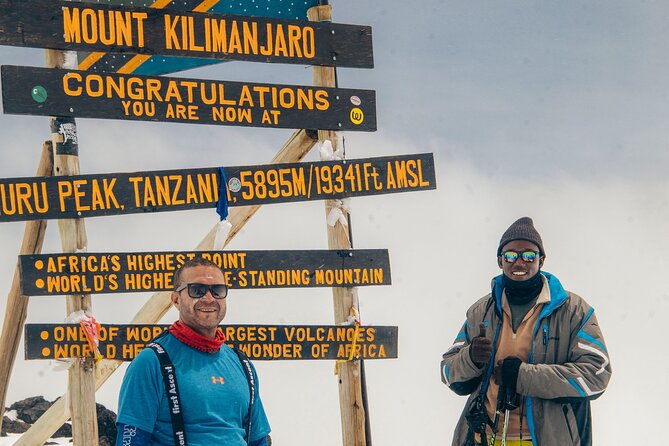
About the summit: trip feedback includes reaching Uhuru Peak, and that is the culmination most people picture when they plan Kilimanjaro. Even without a day-by-day camp list, the big idea is that this route builds up to the higher elevations gradually, rather than throwing you upward quickly.
One thing I’d flag as you plan: acclimatization success is not only about route length. It also depends on how you listen to your body. You’ll do best if you take breathing seriously, eat and drink consistently, and don’t treat the climb like a race.
A few more Moshi trips to compare
- Safari Serengeti And Ngorongoro
★ 5.0 · 288 reviews - Climbing Kilimanjaro – Machame Route
★ 5.0 · 170 reviews - Climbing Kilimanjaro through 7 days Machame Route
★ 5.0 · 151 reviews - Kilimanjaro climb, Lemosho Route (8-day)
★ 5.0 · 148 reviews
Camp Life and Daily Meals: What Your Included Support Really Does
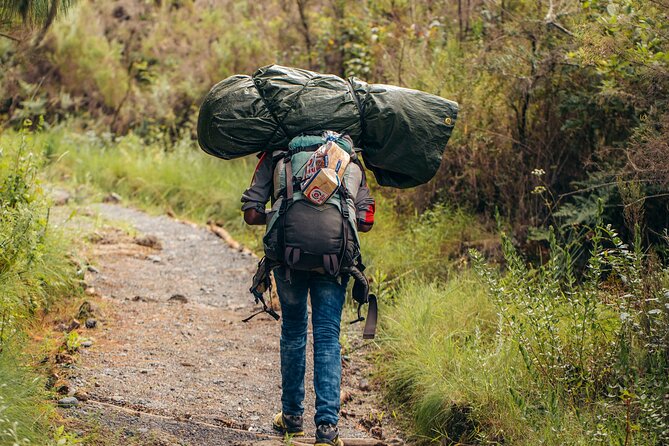
This climb is set up as a fully supported camping trek, and the “included” list is what makes it more manageable. You get camping equipment like private tents, dining tent, and tents for the crew. That means you’re not fighting logistics while also fighting elevation.
You also get daily food support:
- Breakfast daily, freshly prepared on the mountain
- Lunch daily, healthy lunch on all days on the mountain
- Dinner daily, freshly cooked by an expert chef
- Coffee and/or tea
That matters because on Kilimanjaro, energy is your currency. If your meals are inconsistent, you’ll feel it. When you’re trekking for hours, proper calories and warm drinks help with morale, recovery, and staying steady.
A detail worth calling out from trip feedback: the chef support is often praised, including stories of new recipes and vegetarian-friendly meals. Not everyone is vegetarian, but the broader point is that meal planning is not treated like an afterthought.
Drawback check: camping on Kilimanjaro can be cold, even when the day trekking feels okay. The tour includes the tents, but you still need to bring appropriate layers and sleep gear for cold mountain nights. The included gear reduces complexity, but it doesn’t remove cold weather from the equation.
The Crew System: Guides, Chef Zachariah, and the Kind of Monitoring That Helps
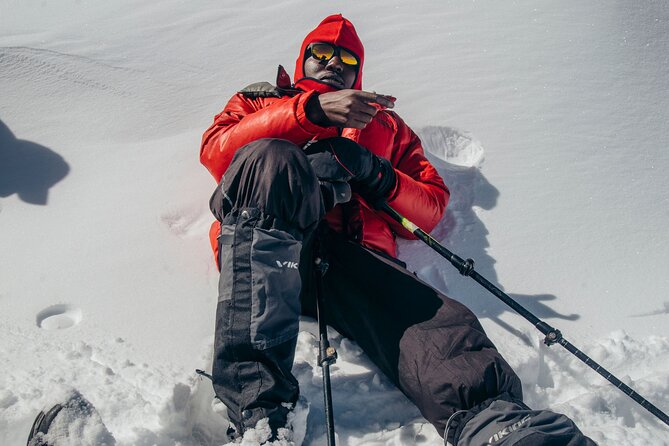
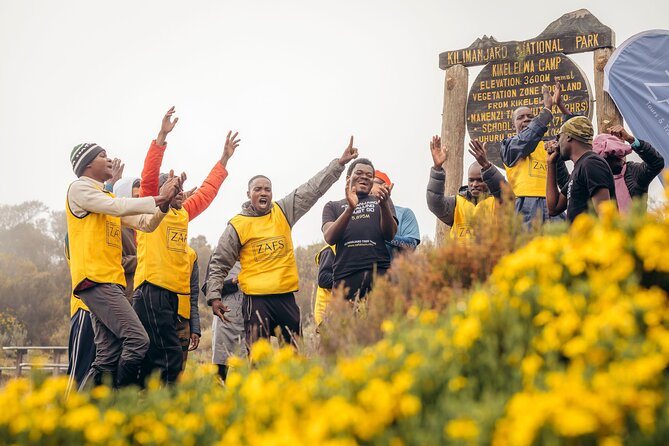
Kilimanjaro success is a team sport. This tour lists a mountain crew that includes experienced guides, a chef, a waiter, and porters. In the trip feedback, names come up again and again, and it gives you a sense of the competence behind the scenes.
Lead guides mentioned include John Jechs and Alex. Other names that show up in the feedback include Erik and Mushi. For cooking, Zachariah is credited in multiple accounts. Other support staff names include Gabriel, Obry, and Ibra (Matata).
Here’s what I think is the most practical value of this kind of crew: you get guidance that is not just “walk faster.” People describe evening briefings, monitoring progress, and even checking measurements like pulse ox readings. That’s not a luxury feature. It’s how you catch problems early, adjust your pace, and make safer decisions.
If you’re going with family or celebrating a milestone, this crew attention also shows up. One trip account highlights summiting with a son on a birthday and points out helpful flexibility when adjusting group dates so a summit window could align with a specific target.
No system is perfect. Weather can still turn. People can still get altitude symptoms. But strong crew management tends to turn the unknowns into manageable problems.
Price and Value: What $2,760 Includes, and What You Still Need
Let’s talk money in real terms. At $2,760 per person, this is not a budget hike. But the included list is heavy, and that’s where the value comes from.
Included items cover:
- Private transportation (including the transfer from Moshi to Londorossi Gate)
- All fees and taxes
- Camping setup, including tents for you and the crew
- Daily meals: breakfast, lunch, dinner, plus coffee and/or tea
- A full mountain crew with guides, chef, waiter, and porters
So you’re not only paying for a guide walk. You’re paying for an expedition infrastructure and food system that keeps you moving with less stress.
What is not included:
- Pre and post hike accommodation in Moshi (available on request)
That means you should budget for at least one night in Moshi before and after, unless you’re already staying locally. Also, you’ll want to plan your Tanzania travel expenses around the start and end back at the meeting point.
One more value note: the tour info also mentions group discounts and mobile ticket. You won’t feel that every day on the mountain, but it can lower friction when you’re locking in dates.
Who Should Choose This Lemosho Route, and Who Should Rethink It
This route fits best if you want:
- Gradual acclimatization and a longer schedule
- A climb that mixes altitude effort with wildlife and biodiversity
- A more private feel since it’s listed as a private tour/activity
It’s also a solid match if you prefer fewer crowds. Low traffic can make the days feel less chaotic and more personal.
Who might think twice:
- If you have limited time and can only do a shorter schedule, the Lemosho advantage based on acclimatization time may be harder to use. The info here clearly favors the 8-day option.
- If moderate fitness is already a stretch for you, the combination of hours on your feet plus cold nights can wear you down. This isn’t designed as an easy outing.
If you’re the type who likes planning, you’ll also appreciate the crew structure. You get daily check-ins and a clear food and tent system, which helps when you’re tired and making decisions at altitude.
Should You Book This 8-Day Lemosho Climb With ZAFS Tours?
I’d book it if your goal is a high-success, slower, western-side approach that prioritizes acclimatization and keeps the trail experience calmer. The included support is strong on paper: transport, all fees and taxes, full camping setup, and daily meals cooked on the mountain. That reduces the number of things you have to manage yourself at altitude.
I’d hesitate if you want a “do it on your own” style trip or if you’re counting on the price to cover Moshi hotel nights on either end. The tour can arrange accommodation in Moshi on request, but it is not listed as included.
One last practical tip: commit to the 8-day timing if you can. The route’s best argument is time for your body to adjust, and the itinerary is built around that.
FAQ
How long is the Kilimanjaro trek on the Lemosho route?
The experience is listed as 8 days (approx.). The operator also notes that 7-day and 8-day programs are available.
Where does the tour start, and what time is pickup?
Pickup starts in Moshi at Moshi Leopard Hotel, Market St, Tanzania, with a listed start time of 9:00 am. The activity ends back at the meeting point.
How do you get from Moshi to the mountain?
The information provided says there is a 4-hour drive from Moshi to Londorossi Gate, and private transportation is included.
What is included in the tour price?
Included features cover breakfast, lunch, dinner, and coffee and/or tea daily, plus camping equipment (including tents), private transportation, and all fees and taxes. You also get a mountain crew with experienced guides, a chef, a waiter, and porters.
What is not included?
The tour lists pre and post hike accommodation in Moshi as not included, but it is stated to be available on request.
Is this a group or private experience?
This is a private tour/activity, and only your group will participate.
Is the Lemosho route a good choice for acclimatization?
The route is described as smooth and gradual with a longer duration that supports better acclimatization and a higher chance of summiting successfully. Longer programs are recommended over shorter ones.
Can I get a refund if I cancel?
Yes. The policy states free cancellation with a full refund if you cancel at least 24 hours in advance of the experience start time. If you cancel less than 24 hours before, the amount paid is not refunded.
Just posted around Moshi
- machame route★ 5.0 · 16 reviews
- Kilimanjaro Climbing Umbwe Route★ 5.0 · 3 reviews
- Wildlife Extravaganza: Manyara, Tarangire & Ngorongoro in 3 Days★ 5.0 · 3 reviews
- Mt Kilimanjaro 6 days Marangu route hike★ 5.0 · 3 reviews
- 3 Days Private E-Bike Tour in West Kilimanjaro★ 5.0 · 3 reviews
- West Kilimanjaro cycling Adventures★ 4.5 · 8 reviews
- Kilimanjaro Climb • Marangu Route ~ 9 Day★ 5.0 · 4 reviews
- Private Cycle to Kilimanjaro Bike Park Safari★ 5.0 · 6 reviews
Kilimanjaro Climbs, compared.
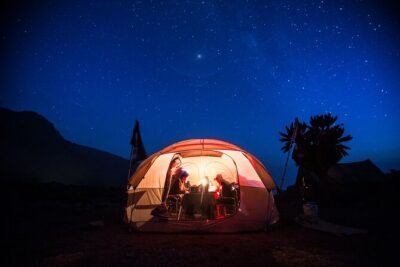
8-Day Small-group Lemosho Kilimanjaro Summit Trekking
Read our review →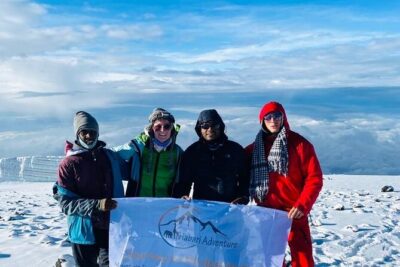
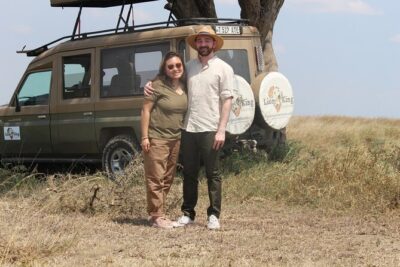
5 Days Best of Tanzania Luxury Safari Northern Circuit
Read our review →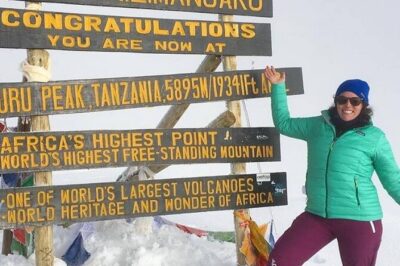
Climbing Kilimanjaro through 7 days Machame Route
Read our review →