Reviewed · KILIMANJARO CLIMBS
Climbing Kilimanjaro – Marangu Route
Kilimanjaro with hut comfort is a real treat. This Marangu Route trek is built for people who want a shot at Uhuru Peak without advanced climbing skills, and it runs with a full crew, all meals included, and a supported pace. I especially like the structure, from the rainforest start to the crater-rim summit day, and the small-group feel (max 15). One thing to know up front: accommodations are basic on the mountain, and altitude can still hit you even on the easier route.
What makes this experience practical is the pacing choices. You can hike five days, and you also have the option to stretch it to six if acclimatization needs more time. The trek also pairs mountain effort with real recovery time in Moshi, since you get two hotel nights at Springlands Hotel before and after the climb.
If you’re not an experienced hiker, go with a guide, and take the altitude seriously. If you’re expecting luxury camping, this is not that trip. You are signing up for cold mornings, mud, and a lot of walking, with the payoff of standing on Africa’s highest point.
In This Review
- Key things to know before you go on Kilimanjaro Marangu
- Why Marangu makes sense for a first serious summit attempt
- Price and value: what $2,004.11 really includes
- Getting to Moshi and the trail start without stress
- Day 1: rainforest into Mandara Huts, with Colobus monkeys in the mix
- Day 2: Horombo Huts, giant lobelias, and the altitude conversation
- Day 3: the saddle between Mawenzi and Kibo, and reading your body
- Day 4: the midnight start to Gilman’s Point and Uhuru Peak
- Day 5: descending back to the Mandara area and closing with Moshi celebrations
- What the crew support feels like, and why it matters on Kilimanjaro
- Packing smart for mud, cold nights, and hut reality
- Who should book this Marangu trek, and who should skip it
- Should you book Kilimanjaro Marangu with ZARA TOURS?
- FAQ
- How many days is the Kilimanjaro Marangu trek?
- Where does the trek start and what time does it begin?
- Is a guide included?
- Are meals included?
- What kind of accommodations are provided on the mountain?
- Does the trip include hotel nights in Moshi?
- Is mountain equipment like a sleeping bag included?
- Is airport transfer included?
- Are tips included in the price?
Key things to know before you go on Kilimanjaro Marangu
- Marangu is the easiest, shortest summit route on Kilimanjaro, but it still demands smart pacing and altitude awareness
- All meals on the mountain are included, plus boiled water, so you can focus on hiking instead of logistics
- Small groups (up to 15) mean you’ll generally get more attention when questions come up
- The summit push starts around 1 AM, so plan for cold, low visibility, and early effort
- Guides and porters are the core of the trip, with many climbers praising how supportive the crew feels
- Hut conditions vary by day, including areas with running water and at least one stretch without it
Why Marangu makes sense for a first serious summit attempt
The Marangu Route is popular because it is straightforward. You are not dealing with technical climbing, and the trekking rhythm is easier to manage if you are still building confidence on steep uphill grades. In plain terms, Marangu is about moving steadily, resting when you should, and letting acclimatization do its job.
I also like that the trip is built around community work. You’ll have guides plus cooks, waiters, and porters, and that support matters when you are tired, hungry, and trying to stay warm. In the feedback I saw, people consistently highlighted how kind and encouraging guides and porters were, including named support like Gilbert Kasaba, Charles, Living, Eddie and Felix, and Ambrose. That theme shows up for a reason: when you are moving slowly uphill for days, attitude becomes part of the trail.
The main drawback is that easier does not mean easy. You can feel altitude effects at Horombo, and if you ignore early warning signs, you make the whole plan harder. Also, expect basic mountain accommodations. One reviewer summed it up well: forget everyday comforts, keep walking, and accept simple huts as part of the bargain.
More Kilimanjaro climbs:
- Kilimanjaro climb by Lemosho Route (7-day)
★ 5.0 · 651 reviews - Kilimanjaro climb, Machame Route (7-day)
★ 5.0 · 262 reviews - Kilimanjaro Climbing Lemosho Route 8 Days.
★ 5.0 · 186 reviews
Price and value: what $2,004.11 really includes
At $2,004.11 per person, this trip is not a budget hobby. But it also is not just a leader herding you up a mountain. The package bundles a lot of the big costs that add up fast on Kilimanjaro.
Here’s what you get that helps value click into place:
- Two nights at Springlands Hotel in Moshi, before and after the trek
- National park fees, hut or camping fees, and required rescue fees
- A mountain crew, including guides plus salaries for cooks and waiters
- All meals on the mountain, with boiled water provided
- First-aid kit and pulse oximeters, plus rescue planning support
- Airport transfers (JRO) connected to the start of your program
What is not included is also clear. You will need to budget for tips, bring (or rent) key gear like sleeping bags, and plan for items of personal nature. Emergency oxygen is not included either, which matters because Kilimanjaro is still a serious altitude climb.
My take: the price feels more reasonable when you compare it to doing this independently and separately buying park access, guides, hut bookings, food support, and medical readiness. In other words, you are paying to reduce the hassle and the risk.
Getting to Moshi and the trail start without stress
The program lists Kilimanjaro Airport as a start point, with an 8:00 AM start time. In practical terms, that means you’ll be using transfers to connect the airport to the Moshi area and the next drive up to the mountain.
Once in the area, Day 1 begins with a briefing and then a drive of about 45 minutes to Marangu Gate on Kilimanjaro’s eastern side. You register with the national park and start hiking around late morning, reaching the first hut area by mid-afternoon.
This timing is helpful. You are not rushing out at dawn feeling confused. You get a briefing, you walk into the rainforest in daylight, and you can warm up gradually before the steady uphill work begins.
Also, keep in mind the trip is limited to a maximum of 15 travelers. That smaller number is one of those details that improves the feel of the journey, especially when you need guidance for pacing, hydration, or recognizing altitude symptoms.
Day 1: rainforest into Mandara Huts, with Colobus monkeys in the mix
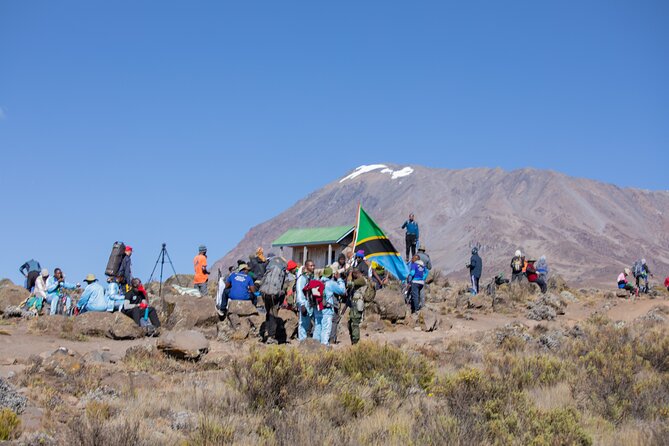
Day 1 is the “get your legs moving” day, but it still sets expectations for the whole trek. After breakfast and your guide briefing, you drive to Marangu Gate, register, and begin hiking around 10:30 AM.
The rainforest portion is alive. You can spot tall eucalyptus trees, bird life, and Colobus monkeys if you look closely. It is also often wet and muddy at this elevation, so this is where you’ll feel whether your footwear choices were smart. Bring gaiters and trekking poles if you have them, because they help you keep traction and save your knees on uneven ground.
For clothing, shorts and t-shirts might be fine for the early hike, but do not pack optimism only. Keep rain gear and warmer layers handy, because conditions can shift and nights on the mountain get colder.
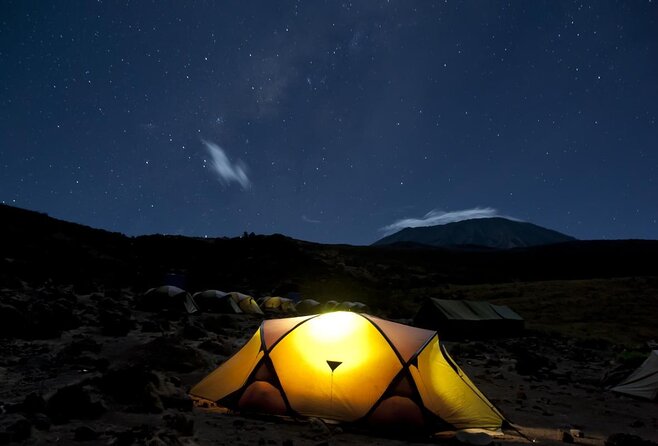
You stop for lunch mid-trail and reach Mandara Huts around 2:00 to 3:00 PM. Unpack, rest, and enjoy tea or coffee. If you want a quick change of view, there’s also a short side trip to Maundi Crater for about 15 minutes.
The good part about Day 1 is that it is scenic and not too aggressive. The watch-out is that rain and mud can make it feel harder than the altitude yet. Go slow, drink water, and treat this day like a warm-up, not a race.
A few more Moshi trips to compare
- Safari Serengeti And Ngorongoro
★ 5.0 · 288 reviews - Climbing Kilimanjaro – Machame Route
★ 5.0 · 170 reviews - Climbing Kilimanjaro through 7 days Machame Route
★ 5.0 · 151 reviews - Kilimanjaro climb, Lemosho Route (8-day)
★ 5.0 · 148 reviews
Day 2: Horombo Huts, giant lobelias, and the altitude conversation
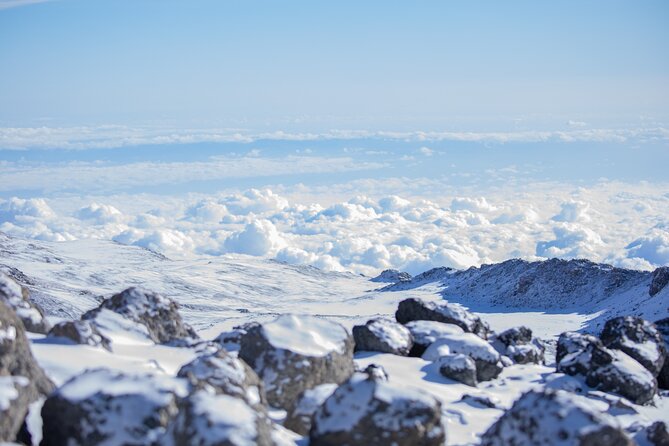
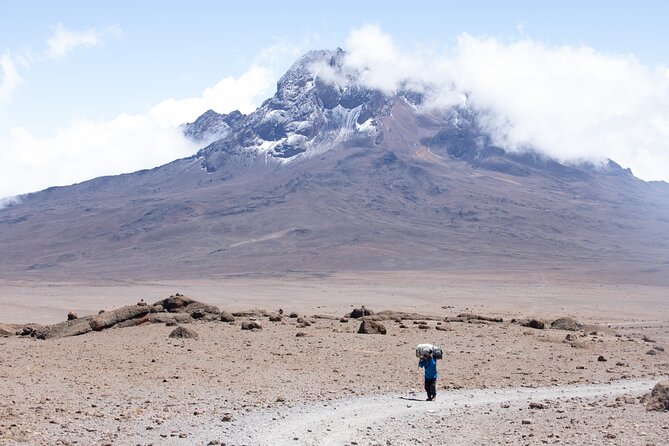
Day 2 begins with breakfast around 7:30 AM and then a camp break by about 8:30 AM. You hike through rainforest glades for a bit, then the terrain transitions into heathland with plants like giant lobelias and groundsels. As you climb, the vegetation opens up into moorlands where you see smaller shrubs.
You also get one of the classic visual rewards: on a clear day, you can enjoy views of Mawenzi during lunch. That view is more than a photo moment. It gives you a mental map of where you are headed, especially when later days start crossing saddles and heading toward Kibo.
By around 3:00 PM you arrive at Horombo Huts. The program notes that Kibo’s summit is visible from here, which can make the next steps feel real in a very motivating way.
This is also the day where altitude can start to show up. The trip gives you an important flexibility: you can choose to spend an extra day resting at Horombo, or climb to a basecamp below Kibo’s sub peak Mawenzi instead. If you feel off, this kind of built-in adjustment is valuable because it buys your body time.
A comfort detail you should know: bathrooms with running water are available at Horombo, which helps on long days when everything feels like a chore. Still, the bigger win is staying calm and taking symptoms seriously. If you push too hard because you feel fine at the time, you can pay for it later.
Day 3: the saddle between Mawenzi and Kibo, and reading your body
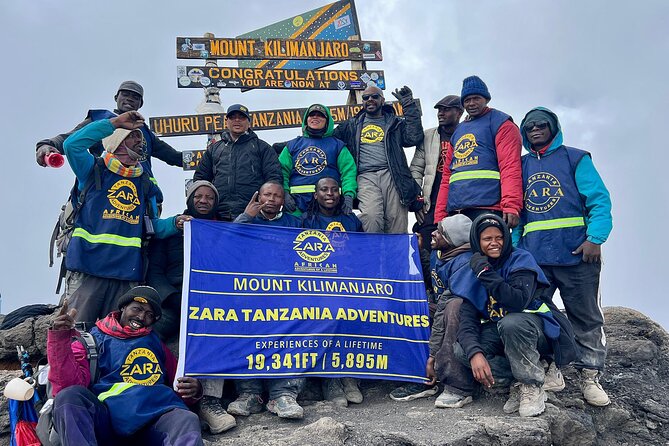
Day 3 is where the terrain starts feeling more otherworldly. After sunrise opportunities and breakfast, you climb through heathland that gradually shifts into a moonscape as you reach the saddle connecting Mawenzi and Kibo.
This day is a good place to practice your “listen to your body” skills. The route is not described as technical, but the effort is steady, and you will be paying attention to anything that feels like altitude sickness. The key is to notice early signs before they snowball.
Lunch happens somewhere on the way up, and later you cross the large saddle. This is one of those moments that helps you mentally prepare for the summit climb. You can examine the summit route up Kibo because you are close enough to see what comes next.
At the end of Day 3 you rest and prepare, since the summit is scheduled for the next day. There is no mention of running water at Kibo Huts, and that matters for planning. Even if you keep hydrated, you’ll want to be efficient with water and warm up in your layers as soon as you can.
Day 3 can feel strange, even if you are physically coping. The scenery shifts, the air can feel thinner, and you might feel a bit restless because the summit is looming. That’s normal. Use that energy for good behaviors: slow steps, steady breathing, and quick attention to how you are feeling.
Day 4: the midnight start to Gilman’s Point and Uhuru Peak
The summit day is built around an early climb. You wake at midnight with a light breakfast, then leave around 1:00 AM for the ascent so you can reach Uhuru Peak shortly after sunrise.
This is the day you earn bragging rights, but also the day you treat pace like a safety tool. The route starts with switchbacks up steep scree. Depending on conditions, you might encounter snow as you climb higher. That means footing matters, and layering matters.
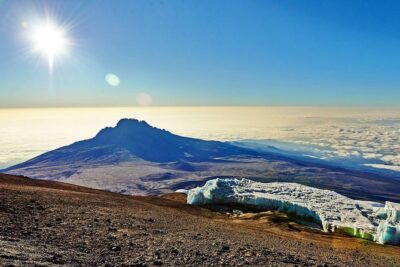
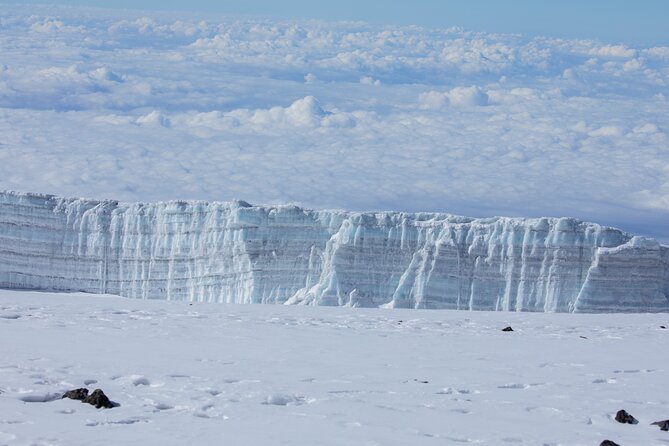
You reach Gilman’s Point on the crater rim at around 5:00 to 7:00 AM, at 5,861 m (18,640 ft). The view here is described as meeting you with the fabled crater and its icecaps. It’s one of the moments that makes all the walking feel worth it.
From there, it’s another about two hours of hiking along the crater rim near the famous snows, until you reach Uhuru Peak by around 9:00 AM. The guide notes that Uhuru Peak is Africa’s highest point, and the distance claim is basically there to emphasize the scale of what you’re doing.
After your summit photos and celebration, you do not linger. Your plan turns immediately toward the descent later in the next day, and that matters for safety and energy.
What I’d remind you here is simple: summit day is not about being tough. It is about being steady. If your breathing and head feel strange, tell your guide early. That’s why medical support and pulse oximeters are part of the setup.
Day 5: descending back to the Mandara area and closing with Moshi celebrations
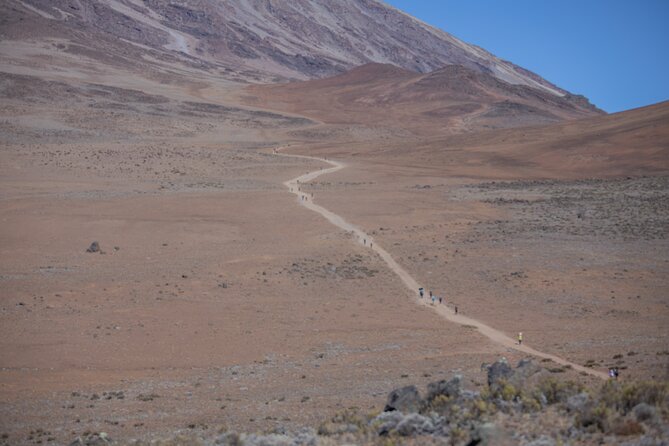
Day 5 starts with waking, packing, and descending through moorland back to Mandara Huts. You have lunch there, then continue your descent through lush forest to the park gate, typically reaching it around 2:00 to 3:00 PM.
This day is often an emotional mix. Your body knows you finished something big, but your legs still feel the earlier effort. Walking downhill is its own workout, so take your time and use poles if you have them.
Once you reach the gate, you remember the people who carried your kit. The trip explicitly reminds you to tip guides, cooks, and porters since you are leaving them at the end point. That small ritual matters because these teams do the heavy lifting for your climb to work.
A vehicle then takes you back to Springlands Hotel in Moshi. Then you can do the classic post-Kili move: shower, nap, and celebrate like you just won a very stubborn argument with gravity. If you want to keep going, the program mentions that a beach recovery trip to Zanzibar is a popular next step, and the company says it can help arrange trips and safaris around the Moshi region.
What the crew support feels like, and why it matters on Kilimanjaro
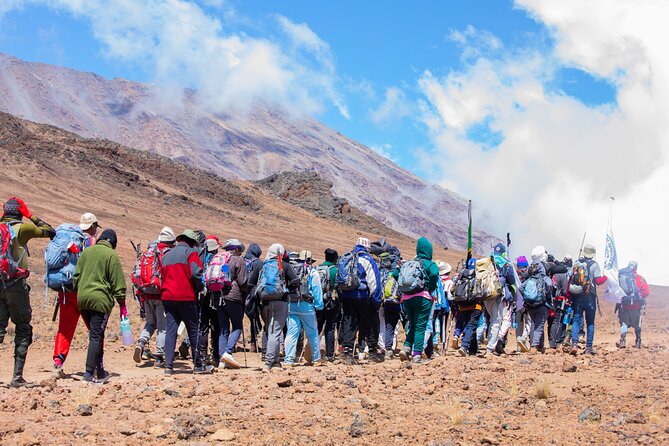
Across the feedback themes tied to this operation, the strongest praise centers on the team dynamic. People consistently mention guides and porters as patient, encouraging, and careful with timing. Named guides like Gilbert Kasaba, Charles, Living, Eddie, Felix, and Ambrose show up in the stories as a big reason climbers felt supported.
That support is not fluff. On Kilimanjaro, the hard part is not only the altitude, it is the grind. You hike for hours at a time, often with repetitive steps on steep grades. When a guide helps you keep a rhythm and recognizes symptoms early, the whole plan becomes more manageable.
Porters also get special credit for getting luggage where it belongs. Since hut days involve unpacking and repacking, that reliability makes your life easier. When someone is keeping your bag safe, you can focus on breathing, snacks, and staying warm.
If you do this trek, your crew is not background. They are your moving system.
Packing smart for mud, cold nights, and hut reality
This trip includes hut/camping fees, tents, foam sleeping pads, and cooking gear, but it does not include mountain equipment like sleeping bags. You might find rentals listed by the operator, so plan ahead for key warmth needs.
Here’s how I’d think about packing, using the reality described in the route:
- Rain and wet trail control: gaiters can help a lot early in the rainforest
- Traction and knee care: trekking poles are worth bringing or renting
- Layering: shorts and t-shirts can work in the lower hike, but warm layers matter at night
- Summit-day readiness: expect colder conditions, especially around the crater rim
- Water efficiency: boiled water is provided, but you still need to manage it day to day
Also remember the hut conditions vary. Horombo has running water bathrooms. At Kibo Huts, running water is not available. That means your morning routine and hydration planning should not rely on a constant water supply at every stop.
Finally, bring the mental tool that works best for you on long climbs. Some people count steps. Others listen to their breath. The point is to stay calm and not rush.
Who should book this Marangu trek, and who should skip it
This trek fits you if you want a guided climb up Kilimanjaro and you are at a moderate physical fitness level. The Marangu Route is ideal if you want the easiest, shortest summit route and you are not looking for advanced technical skills.
You might also like this option if you value included support. With all meals on the mountain and a full crew, it is less complicated than building your own climb.
Consider skipping it if any of these describe you:
- You want true comfort or luxury accommodations
- You want a totally solo experience without a guide
- You’re not ready to take altitude seriously and adjust pace or add a rest day if needed
If you are unsure, pay attention to how the trek gives you options. The extra day possibility at Horombo is a strong sign that this route expects you might need time to acclimatize.
Should you book Kilimanjaro Marangu with ZARA TOURS?
I’d say book it if you want the Marangu Route for its practicality: huts, a guided plan, included meals, and a structured summit push that does not pretend altitude is a detail. The cost makes sense when you account for the full support system, park fees, and crew logistics.
I would not book it on a whim. Summit day starts around 1 AM, and that means you must be ready for cold, long effort, and serious attention to how you feel. Basic mountain accommodations are part of the deal, not an optional feature.
If you’re the kind of traveler who likes clear schedules, strong crew support, and earning your view one slow step at a time, this is a solid way to attempt Kilimanjaro.
FAQ
How many days is the Kilimanjaro Marangu trek?
The experience is described as five days approximately, with the option of a sixth day depending on your preference.
Where does the trek start and what time does it begin?
The meeting point is Kilimanjaro Airport with a listed start time of 8:00 AM.
Is a guide included?
Yes. The climb is led by qualified guides and supported by a mountain crew.
Are meals included?
Yes. All meals on the mountain are included, including breakfast, lunch, and dinner. Boiled water is also provided on the mountain.
What kind of accommodations are provided on the mountain?
You’ll sleep in huts and tents, with tents and foam sleeping pads provided.
Does the trip include hotel nights in Moshi?
Yes. It includes two nights at Springlands Hotel in Moshi before and after the climb.
Is mountain equipment like a sleeping bag included?
No. Mountain equipment such as sleeping bags is not included, though some equipment may be available for rent.
Is airport transfer included?
Yes. Airport transfers (JRO to Kilimanjaro International Airports) are included.
Are tips included in the price?
No. Tips for guides, porters, cooks, and waiters are not included, and the trip encourages tipping at the end of the journey.
Just posted around Moshi
- machame route★ 5.0 · 16 reviews
- Wildlife Extravaganza: Manyara, Tarangire & Ngorongoro in 3 Days★ 5.0 · 3 reviews
- Mt Kilimanjaro 6 days Marangu route hike★ 5.0 · 3 reviews
- Kilimanjaro Climbing Umbwe Route★ 5.0 · 3 reviews
- 3 Days Private E-Bike Tour in West Kilimanjaro★ 5.0 · 3 reviews
- West Kilimanjaro cycling Adventures★ 4.5 · 8 reviews
- Kilimanjaro Climb • Marangu Route ~ 9 Day★ 5.0 · 4 reviews
- Private Cycle to Kilimanjaro Bike Park Safari★ 5.0 · 6 reviews
Kilimanjaro Climbs, compared.
8-Day Small-group Lemosho Kilimanjaro Summit Trekking
Read our review →
5 Days Best of Tanzania Luxury Safari Northern Circuit
Read our review →
Climbing Kilimanjaro through 7 days Machame Route
Read our review →