Reviewed · KILIMANJARO CLIMBS
Climb Kilimanjaro via Marangu Route 6 Days
Kilimanjaro comes with a built-in altitude test. This 6-day Marangu route from Moshi feeds you well, runs on a real mountain crew, and keeps you moving day by day with 3-season tents and double-layer sleeping mats. The drawback: the hike still gets steep and cold, and you should not underpack for the summit push.
What makes this trip feel practical is the structure. You start at Marangu Gate, sleep in hut systems like Horombo and Kibo, and you get a deliberate acclimatization day so you are not guessing your body’s limits.
In This Review
- Key things to know before you tackle the Marangu Route
- Moshi to Marangu Gate: rainforest starts and muddy trail reality
- Day 2: Mawenzi views and Horombo Huts, where altitude starts to talk
- Day 3 at Horombo Huts: the acclimatization day that makes sense
- Day 4 to Kibo Huts: steep final stretch, alpine cold, and thermos discipline
- Day 5: Uhuru Peak summit window, altitude pressure, and the fast downhill relief
- Day 6: descent through rainforest, farewell to the crew, then recovery in Arusha
- Camps, tents, mats, and meals: what’s included and why it matters
- Price and value: $1,800, and what you really get for it
- Private group pace, and what the guide team changes
- Who should choose this 6-day Marangu trek, and who should reconsider
- Should you book this Kilimanjaro Marangu route with Enjoy Kili?
- FAQ
- Where does this Kilimanjaro trek start?
- How long is the climb on this route?
- What hiking and overnight pattern should I expect?
- What is included in the price?
- Is WiFi included?
- Are tips included?
- Is the portable flush toilet included?
- What fitness level do I need?
- What is the cancellation policy?
Key things to know before you tackle the Marangu Route
- Marangu Gate to Horombo to Kibo: hut nights that make the climb feel organized, not random.
- A true acclimatization day (Day 3): it can be a lifesaver if altitude hits early.
- Cold management is part of the plan: you are advised to use a thermos to prevent freezing water before the next push.
- Meals are included every day: breakfasts, lunches, and dinners are built into the schedule so you can focus on hiking.
- Extra toilet option is pricey: a portable flush toilet is listed as an add-on, so think about your comfort expectations.
Moshi to Marangu Gate: rainforest starts and muddy trail reality
Most Kilimanjaro trips feel dramatic, but the first day is the one that teaches you how the mountain wants to be handled. You leave Moshi after breakfast and drive to the southeast entrance, the park’s Marangu Gate, where you check in and register before the climb becomes real.
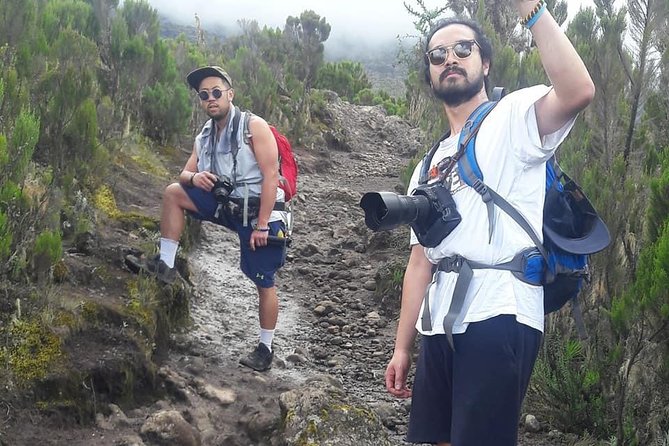
Then you hike through rainforest. You will likely see eucalyptus trees, and if you are lucky, birdlife and even Colobus monkeys with their black or white fur. The practical catch is the ground. Low altitudes can mean wet, muddy soil, so your footwear matters. Go for grippy hiking shoes or boots and bring socks you can swap if they get soaked.
This day is about building rhythm. Expect a 5-7 hour hike and a night around 8,858 ft. It is not the hardest day, but it is the day you set your pace, your hydration habits, and your mental tone for the week.
More Kilimanjaro climbs:
- Kilimanjaro climb by Lemosho Route (7-day)
★ 5.0 · 651 reviews - Kilimanjaro climb, Machame Route (7-day)
★ 5.0 · 262 reviews - Kilimanjaro Climbing Lemosho Route 8 Days.
★ 5.0 · 186 reviews
Day 2: Mawenzi views and Horombo Huts, where altitude starts to talk
Day 2 shifts from green rainforest into open air and bigger mountain views. The final stretch of woodland gives way to moorland, and as you continue you start seeing the jagged peaks of Mawenzi rising toward the sky.
This is also where altitude can start sneaking up on you. The plan explicitly notes that people often feel symptoms here, so you cannot treat this as a normal hike. You need to communicate early, even with mild signs of altitude sickness. Slow down, tell your guide, and follow what the crew advises.
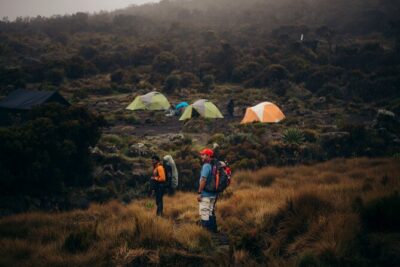
You end at Horombo Huts, where you unpack and get time to rest. You also get a view of Kibo before dinner, which is a nice mental reward after a long day. Plan on another 5-7 hours of hiking, with an overnight altitude around 12,205 ft in heath and moorland.
Day 3 at Horombo Huts: the acclimatization day that makes sense
Day 3 is the one that people either appreciate fast or regret skipping later. You stay at Horombo to acclimate, because the climb is going higher and higher. The guidance is clear: if you feel ill or unusually tired, you stay at camp and rest.
If you feel good, you can choose light movement instead of total stagnation. The schedule offers two options:
- A walk up to Mawenzi Hut to admire views of Kibo and Mawenzi.
- Or a trip to Zebra Rocks, which involves a climb of about 310 meters.
This matters for how the rest of the trip goes. A solid acclimatization day can reduce the odds of being miserable tomorrow. Even if you feel okay, the “steady pace” advice is your friend. Save big effort for the summit window.
Expect a shorter 1-2 hour walk if you choose an option, and an overnight around 14,400 ft.
Day 4 to Kibo Huts: steep final stretch, alpine cold, and thermos discipline
Day 4 is where the scenery changes fast and your body feels it. You move from heath into highlands that look parched and desolate, with volcanic rocks scattered across the path. This is one of those days where the ground itself feels like a story from the mountain’s past, and the air can feel thinner with every hour.
The key moment is the final stretch to the Kibo Huts. The route notes that it is very steep and physically challenging. This is not the day to prove toughness. It is the day to protect your energy for the night and the summit morning.
When you arrive at Kibo, you switch from “hiking mode” to “cold prep mode.” You organize equipment and warm layers for the big next day. A detail worth taking seriously is water handling. The plan suggests keeping water in a thermos to help prevent freezing. That is not just comfort, it is also practical hydration.
Then you go to bed early. You are being set up for a full night of sleep because the next trek needs your energy. Hiking time is listed at 5-7 hours, with an overnight around 15,430 ft in alpine desert.
A few more Moshi trips to compare
- Safari Serengeti And Ngorongoro
★ 5.0 · 288 reviews - Climbing Kilimanjaro – Machame Route
★ 5.0 · 170 reviews - Climbing Kilimanjaro through 7 days Machame Route
★ 5.0 · 151 reviews - Kilimanjaro climb, Lemosho Route (8-day)
★ 5.0 · 148 reviews
Day 5: Uhuru Peak summit window, altitude pressure, and the fast downhill relief
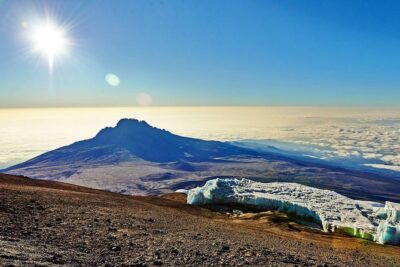
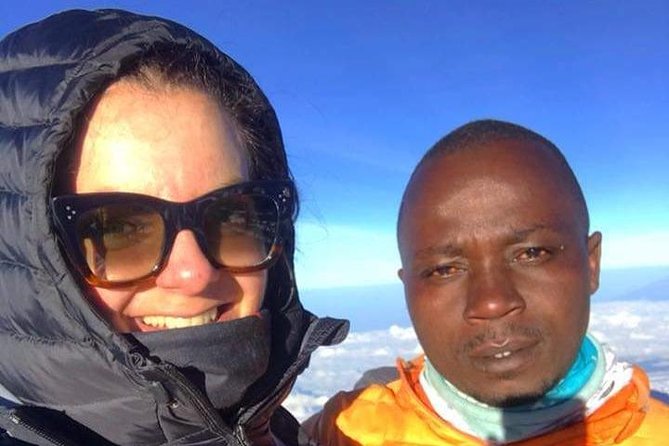
Day 5 is summit day. Depending on timing, you may even face snow on the final stretch. As you reach Uhuru Peak, the route lists the altitude at 5,895 ft and you get the usual summit moment, including photos at the Uhuru Peak sign.
After that, the second phase kicks in. The hike back down to Kibo Huts can feel strangely quick compared with how long the day has already been. Still, quick does not mean easy. Your legs will be tired, and altitude can linger even after you descend.
You stop at Kibo Huts for lunch and then continue to Horombo Huts for the night. The schedule lists the day’s hiking around 4-5 hours, with an overnight around 12,205 ft.
If you want one piece of advice that applies to everyone, it is this: treat summit day like a job. Go slow, breathe, and follow the crew’s pacing. The mountain does not reward heroics.
Day 6: descent through rainforest, farewell to the crew, then recovery in Arusha
The final day is a relief in the best way. You start the descent through rainforest toward Marangu Gate. You have lunch along the way and then say goodbye to your mountain crew.
After you leave the park, you drive back to Arusha, where the plan includes a shower and a commemorative dinner. That matters more than people expect. After days of sweat, cold nights, and careful water habits, washing up can feel like a reset button.
Hiking time is listed at 5-7 hours, so it is not a short stroll. But it is the kind of walk where you finally get to enjoy the fact that you made it all the way up.
Camps, tents, mats, and meals: what’s included and why it matters
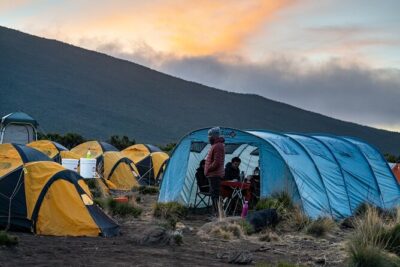
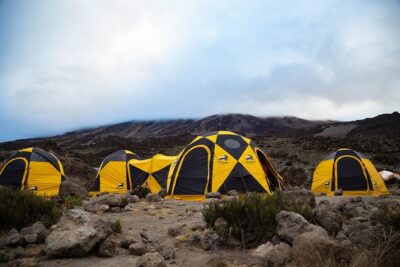
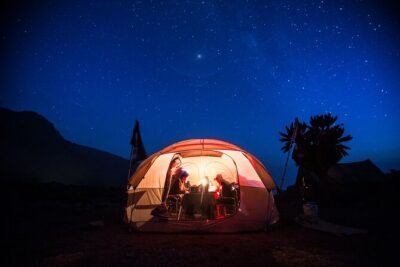
This trip is more than “a guided walk.” The included setup is built for real trekking conditions:
- 3-season mountain tents
- Double layered sleeping mats
- A full set of meals, with breakfast (5), lunch (5), and dinner (5)
Those items sound basic until you are sleeping at high altitude. Double-layer mats help when the ground is cold and your body is still adjusting. Three-season tents matter because nights on Kilimanjaro can chill fast, especially after the Kibo Huts area.
Food also deserves credit. The schedule gives you structured meals every day, which reduces the mental burden of figuring out snacks or hunting for food at the worst time. It lets you focus on staying steady and warm.
One more practical perk is WiFi on board, plus a mobile ticket and pickup offered. Those are small conveniences that can make the trip feel less chaotic before the climb.
Price and value: $1,800, and what you really get for it
At $1,800 per person, this is not a budget hike. But you are not just paying for a guide and a route. You are paying for a packaged mountain operation:
- All fees and taxes
- VAT included on tour services
- Tent and sleeping mat gear
- Meals every day
- Fair wages for the mountain crew as approved by Kilimanjaro National Park Authority
That last point matters. A fair crew setup helps the expedition run smoothly and keeps quality higher. It also aligns with what I look for in value: not just cheap logistics, but a system that can support people up high.
What is not included:
- Flights
- Tips to the mountain crew
- Items of a personal nature
- A doctor for the group
- Portable flush toilet with a toilet tent, listed as extra for US$150 per toilet plus toilet tent
My take on the toilet add-on: if you have a strong comfort requirement, it is worth budgeting. If you are fine with basic camp toilet routines, you can skip it. Just do not decide at the last second.
Private group pace, and what the guide team changes
This is listed as a private tour/activity, so it is only your group. That affects the feel of the expedition. You are not sharing timing with strangers, and your guide can respond to your pace and altitude symptoms without group dynamics pulling everyone in different directions.
The reviews also highlight the human side of the operation. You can see consistent praise for friendly, professional support, including named staff in one set of comments: guides Seleman Honguo and Allen Katunzi, chef Joachim, and company owner David. Those names come up alongside notes about smiles and flexibility.
One review notes flexibility to finish earlier than expected. That does not mean every climb will be shortened the same way, but it does suggest the team watches how you are doing, not just the calendar.
Who should choose this 6-day Marangu trek, and who should reconsider
You should strongly consider this plan if you:
- Have strong physical fitness
- Want hut-based Kilimanjaro nights instead of all-tent camping
- Like having a structured acclimatization day on the calendar
- Prefer a guided setup with meals and gear already handled
You should think twice if you:
- Get altitude sick easily and would struggle to slow down quickly if symptoms appear
- Are the kind of traveler who refuses to adjust pace for safety
- Are not prepared for cold nights after the alpine desert section
Also note the route timing. The schedule lists a start time of 12:00 am. You will likely be meeting at night for a drive and early start. Plan on sleeping less than you want on the front end, and bring a travel mindset that can handle it.
Finally, consider crowding. One overview detail points to heavy crowds on popular Kilimanjaro routes, which can reduce some of the feeling of wide-open solitude. If you dislike waiting, you may want to stay patient at hut areas and focus on your own rhythm.
Should you book this Kilimanjaro Marangu route with Enjoy Kili?
If you want a practical, hut-based Kilimanjaro plan with meals included, real trekking sleep gear, and an acclimatization day that takes altitude seriously, this sounds like a smart match. The itinerary gives you the rhythm you need, and the included setup means fewer things to worry about once you are already climbing.
I would book if you have the fitness to handle steep sections and you pack for cold, especially around the Kibo to summit window. I would hesitate if you are unsure about altitude tolerance or you hate slow pacing and early nights.
If you do book, do one thing before you go: prep your hiking shoes for mud, pack warm layers for alpine cold, and plan to speak up at the first sign that altitude is not agreeing with you. That one habit can turn a hard climb into a survivable, even memorable, achievement.
FAQ
Where does this Kilimanjaro trek start?
You start in Moshi and drive to Kilimanjaro National Park through the southeast entrance, known as Marangu Gate. You check in and register at Marangu Gate when you arrive.
How long is the climb on this route?
The tour is listed as 6 days (approx.).
What hiking and overnight pattern should I expect?
You hike daily, typically 5-7 hours on the longer days, and you overnight at hut areas along the way. The schedule includes nights around Marangu Gate start (about 8,858 ft), then Horombo Huts (about 12,205 ft), then a higher acclimatization night around 14,400 ft, followed by Kibo Huts (about 15,430 ft).
What is included in the price?
The package includes all fees and taxes (including 18% VAT on tour fees and services), 3-season mountain tents, double layered sleeping mats, dinners (5), breakfasts (5), lunches (5), and WiFi on board. It also includes fair wages for the mountain crew as approved by the Kilimanjaro National Park Authority.
Is WiFi included?
Yes. WiFi on board is included.
Are tips included?
No. Tips to the mountain crew are not included.
Is the portable flush toilet included?
No. A portable flush toilet with a toilet tent is listed as extra, at US$150 per toilet plus toilet tent.
What fitness level do I need?
The information provided says travelers should have a strong physical fitness level.
What is the cancellation policy?
Free cancellation is offered if you cancel up to 24 hours in advance for a full refund. If the experience is canceled due to poor weather, you will be offered a different date or a full refund.
Just posted around Moshi
- machame route★ 5.0 · 16 reviews
- Kilimanjaro Climbing Umbwe Route★ 5.0 · 3 reviews
- Wildlife Extravaganza: Manyara, Tarangire & Ngorongoro in 3 Days★ 5.0 · 3 reviews
- Mt Kilimanjaro 6 days Marangu route hike★ 5.0 · 3 reviews
- 3 Days Private E-Bike Tour in West Kilimanjaro★ 5.0 · 3 reviews
- West Kilimanjaro cycling Adventures★ 4.5 · 8 reviews
- Kilimanjaro Climb • Marangu Route ~ 9 Day★ 5.0 · 4 reviews
- Private Cycle to Kilimanjaro Bike Park Safari★ 5.0 · 6 reviews
Kilimanjaro Climbs, compared.
8-Day Small-group Lemosho Kilimanjaro Summit Trekking
Read our review →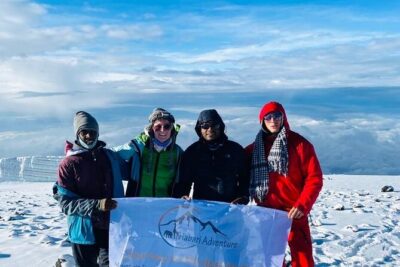
5 Days Best of Tanzania Luxury Safari Northern Circuit
Read our review →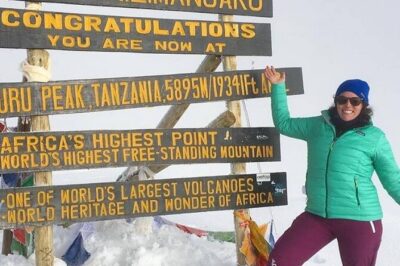
Climbing Kilimanjaro through 7 days Machame Route
Read our review →