Reviewed · KILIMANJARO CLIMBS
Climb Kilimanjaro in 8 Days via Lemosho Route
Kilimanjaro waits for you on the quiet Lemosho trail. This 8-day climb from Moshi, Tanzania mixes rainforest, Shira Plateau views, and high-altitude terrain on a route designed for slower acclimatization. I like the way it funnels you from Londorossi Gate registration into real mountain rhythm, with expert guides and porters keeping the days focused and safe.
My favorite parts are the built-in pacing and the camp setup. The trek’s gradual profile gives you more time to adapt, and the variety of habitats keeps your brain busy when your legs get tired. I also really appreciate how the team runs the camps with strong food and friendly support, including the kind of small comforts that make a long day feel manageable.
The only real drawback to plan for is the summit push. Day 7 can run long, and you start very early for sunrise near Stella Point, so you need stamina and a serious attitude toward cold, thin air.
In This Review
- Key highlights I’d circle on your checklist
- Why the Lemosho Route is built for acclimatization
- Moshi start, airport transfers, and Londorossi Gate registration
- Day 1 to Day 3: rainforest entry and Shira Plateau acclimatization
- Day 4 to Day 5: Shira crossing, Lava Tower junction, and Barranco Wall
- Day 6: alpine desert to Barafu Camp and summit preparation
- Day 7: Stella Point sunrise, Uhuru Peak, then down to Mweka Camp
- Day 8: Mweka Gate rainforest descent and your return to Moshi
- Price and what $2,500 really buys you
- What’s included in the camp setup, and what you must bring yourself
- Should you book this 8-day Lemosho Kilimanjaro climb?
- FAQ
- How long is the Kilimanjaro climb on the Lemosho route?
- What time does the experience start?
- Where does the trek start, and do you register at a gate?
- How many travelers are in a group?
- Are airport transfers included?
- Are meals included during the trek?
- What safety equipment is provided?
- What is not included in the price?
- What is the cancellation and weather situation?
Key highlights I’d circle on your checklist
- Slow, steady acclimatization across multiple altitude zones, instead of rushing upward
- Small group size (maximum 10 travelers) for a calmer experience and easier coordination
- Big team support with experienced guides, porters, and safety gear along the way
- Day 7 sunrise summit plan via Stella Point before reaching Uhuru Peak
- All meals during the climb (breakfast, lunch, dinner each day), plus clean drinking water
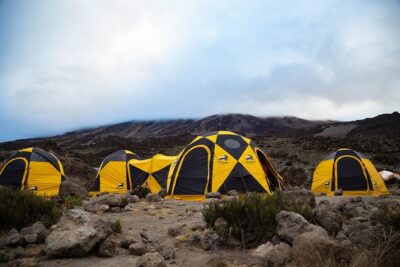
- Real mountain camps with tents and camping gear included, so you travel lighter
Why the Lemosho Route is built for acclimatization
The Lemosho Route makes a simple promise: you climb in a way that lets your body catch up. That matters on Kilimanjaro, because the mountain does not care how tough you feel on day 1. The higher you go, the more you need time for your breathing, hydration, and recovery to keep up.
You also get a smart mix of ecosystems over the week. You start in rainforest, then you work through heath zone, into the Shira Plateau area, and later shift toward alpine desert as you approach Barafu Camp. That pattern is not just pretty. It naturally spaces out exertion levels, so your day-to-day effort feels more sustainable than on shorter, faster routes.
Another reason I like this approach is the route’s emphasis on getting you to the right spots before the final summit attempt. By the time you reach the Barafu area, you are already used to being higher, sleeping at altitude, and managing the routine of camp life. That routine helps when it is time to wake up early and move fast without burning out too soon.
More Kilimanjaro climbs:
- Kilimanjaro climb by Lemosho Route (7-day)
★ 5.0 · 651 reviews - Kilimanjaro climb, Machame Route (7-day)
★ 5.0 · 262 reviews - Kilimanjaro Climbing Lemosho Route 8 Days.
★ 5.0 · 186 reviews
Moshi start, airport transfers, and Londorossi Gate registration
The trip is anchored in Moshi, Tanzania. If you are flying in, the included airport transfers take the guesswork out of getting from Kilimanjaro International Airport to the climb. That is one less stressful step, especially if you land on a day when you really do not want to fight traffic or directions.
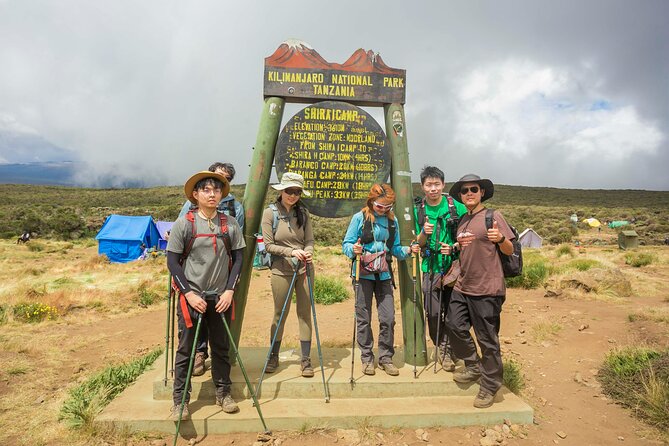
On day 1, after breakfast, you drive to Londorossi Gate for registration formalities. Then you continue to the Lemosho trailhead and start hiking into the rainforest toward Big Tree Camp. That first day has two jobs. First, it gets you moving while you are still near “normal” conditions. Second, it introduces the climb rhythm: walking uphill, breathing differently, and learning how your pack feels once you are on the trail.
Your start time is 8:00 am. Early starts are part of Kilimanjaro life, and they help keep the timing smooth, especially as the trek gets longer and more altitude-sensitive. With a maximum group size of 10 travelers, you should expect a more organized flow, with less crowding around schedules and decision points.
Day 1 to Day 3: rainforest entry and Shira Plateau acclimatization
Day 1 is all about transition. After you register at Londorossi Gate, you move from the road world into the forest, then hike about four hours to Big Tree Camp. This is a good day to settle in: check your gear, slow your pace, and focus on steady breathing. In a route like this, your early hiking style can set the tone for the rest of the week.
Day 2 continues through rainforest and gradually steepens as you enter the heath zone. You end at Shira Camp 1 after about five hours. I like that day because it feels like a true warm-up, not a sudden altitude hammer. You will still be working, but the day length and progression give you time to acclimatize while the scenery stays varied.
Day 3 is a shorter, acclimatization-friendly day. The hike goes toward the Shira Plateau, and you get views of the mountain and surrounding terrain as you climb. Plateau days are useful because they support “higher but not sprinting” living. You are not just chasing altitude for altitude’s sake. You are learning how to keep going when the air thins and the effort becomes more mental.
A practical note for these first days: the included routine of breakfast, lunch, and dinner (every day) matters more than you might think. Regular meals help you maintain energy and hydration, which is exactly what you want before you reach the more demanding sections of the trek.
Day 4 to Day 5: Shira crossing, Lava Tower junction, and Barranco Wall
Day 4 is where the route starts to feel more dramatic. You hike across the Shira Plateau toward the junction leading to the Lava Tower. Then you stop to acclimatize, and later you descend to Barranco Camp via the scenic Barranco Wall.
That combination, cross, stop, then descend, is a classic Kilimanjaro pacing tool. Crossing keeps you moving upward and helps you build altitude familiarity. The acclimatization stop supports better adjustment before you drop to sleep lower for recovery. The Barranco Wall descent is also a reminder that Kilimanjaro is not only about going up. Downhill walking can be tough on your knees, but it often helps you feel better compared to continuous steep ascent.
Day 5 starts with climbing up the Barranco Wall. The route description notes it is easier than it looks, which is reassuring, but you will still feel the effort. After that, you move through valleys and ridges to Karanga Camp. This is a great day for views, including sights tied to the southern glacier of Kibo.
I also like Day 5 because it gives you a bridge between “wild hike” and “summit prep.” By the time you reach Karanga Camp, you have already dealt with uneven terrain and camp rhythm. So when the trek turns toward the alpine desert, you will not feel like everything changed overnight.
A few more Moshi trips to compare
- Safari Serengeti And Ngorongoro
★ 5.0 · 288 reviews - Climbing Kilimanjaro – Machame Route
★ 5.0 · 170 reviews - Climbing Kilimanjaro through 7 days Machame Route
★ 5.0 · 151 reviews - Kilimanjaro climb, Lemosho Route (8-day)
★ 5.0 · 148 reviews
Day 6: alpine desert to Barafu Camp and summit preparation
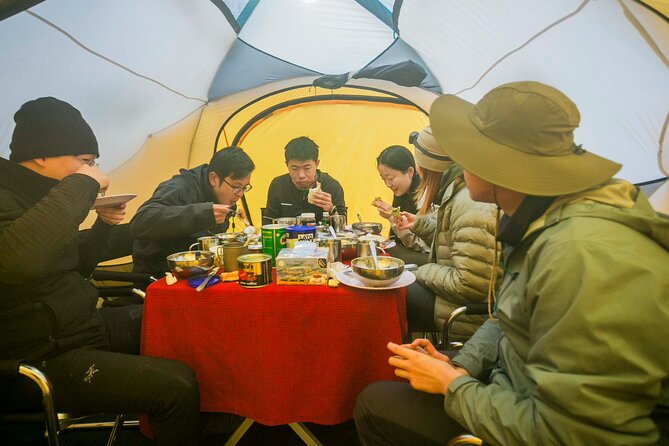
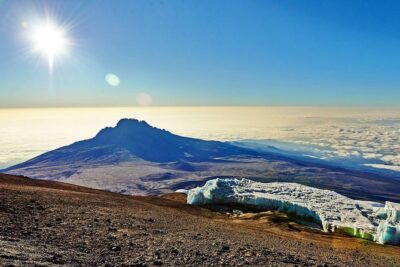
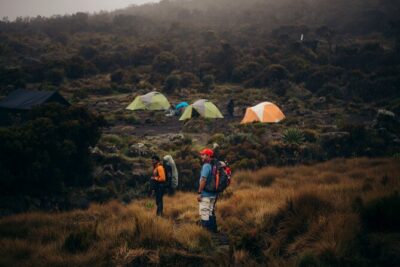
On Day 6, you shift into alpine desert terrain as you trek toward Barafu Camp. This is a shorter hiking day on paper, but it can feel serious because the environment is harsher and the altitude pressure is real. You get spectacular views of Mawenzi and the summit ridge from camp, which is one of those moments where the work starts paying visual dividends.
Rest and preparation are built into this day. That matters because Day 7 is the big one. You do not just sleep, you reset: hydrate, eat, and keep your layers ready for early morning. If you are the type who tends to procrastinate, this is your cue to stop overthinking and follow the team’s routine.
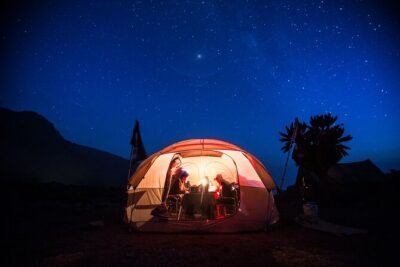
One of the most repeated themes in the feedback for this kind of trek is the way staff keep the camp functioning smoothly. Here, the trip includes camping equipment like tents and sleeping mats, plus safety items such as first aid kits and oxygen tanks. That safety net does not remove the mountain challenge, but it does add confidence when you are far from any easy help.
Day 7: Stella Point sunrise, Uhuru Peak, then down to Mweka Camp
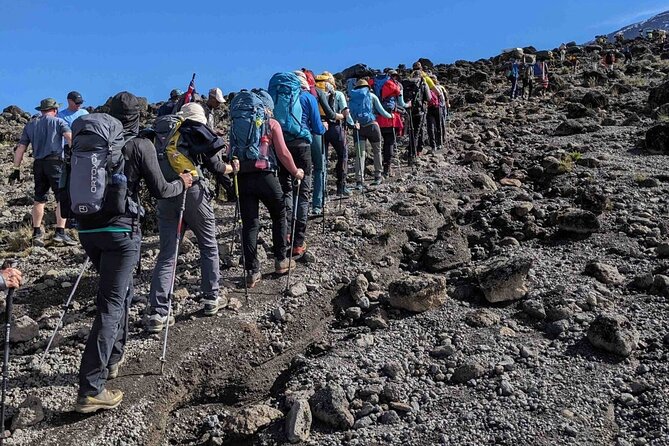
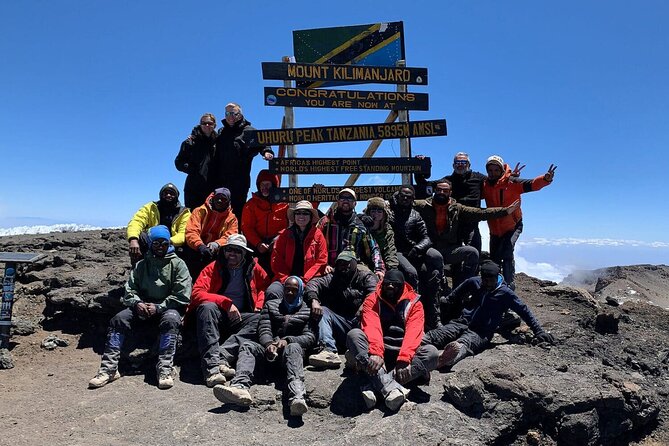
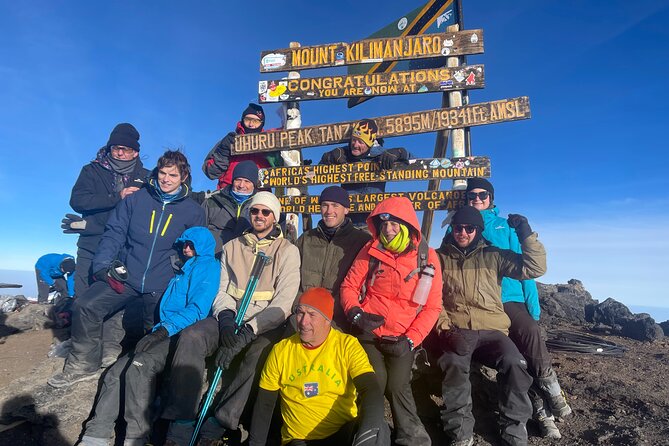
Day 7 is the summit attempt, and it starts early. You move toward Stella Point and reach it at sunrise, then continue on to Uhuru Peak, the highest point in Africa. Then you descend back to Barafu Camp for a short rest before continuing down to Mweka Camp.
This day is long. The schedule lists about 13 hours, and that feels about right for a sunrise summit plan plus the descent. The key on days like this is pacing. You want steady steps, not bursts of speed that steal your energy too early. Also, plan for temperature swings. Even without guessing exact weather, you know you will be cold at the start and busy with effort once daylight arrives.
What I appreciate about this structure is that it gives you a clear, goal-driven sequence. Stella Point at sunrise is a real milestone, not just a vague time target. Reaching Uhuru Peak after that is the culmination. The descent back to Barafu and then onward to Mweka Camp is the reward, because you are finally moving from “almost there” mode to “get your body back down to sleep” mode.
From reviews tied to this operator, I kept seeing named guides and a consistent vibe: encouragement and calm professionalism. People mention support from guides like Jackson, Efatha, Sebastian, Elissafi, and Kenny, plus teams of porters such as Innocent and Martin. That kind of teamwork matters on summit day, when your mind can start bargaining with the climb.
Day 8: Mweka Gate rainforest descent and your return to Moshi
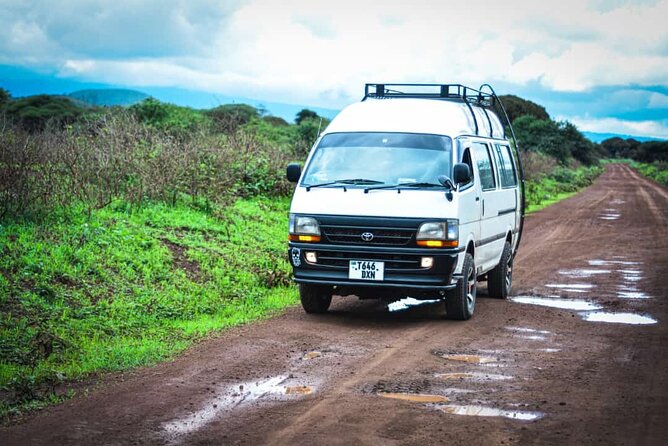
Day 8 focuses on the finish. The plan is a final descent through rainforest to Mweka Gate, then a farewell with your mountain crew. After that, you get transferred back to your hotel in Moshi, so you can actually recover like a human.
This last day is shorter than the summit day, and it is a different kind of effort. Instead of high-altitude strain and cold dawn walking, you are dealing with downhill trekking and the gradual return to lower elevation conditions. It is still work, just less dramatic.
I also like that the trip wraps with a transfer back to Moshi. You are not left to figure out transportation after you get to the gate. That matters because after a climb like this, your energy is limited, and you want rest, not logistics.
Price and what $2,500 really buys you
At $2,500 per person, this is not a casual vacation price. It is expensive, yes. But it is also built on the reality that Kilimanjaro logistics are labor-intensive. You are paying for guides and porters, park fees and permits, camp staff support, and the camping system that lets you sleep on the mountain.
The value gets clearer when you look at what is included:
- Airport transfers to and from Kilimanjaro International Airport
- Transportation to and from the trailhead
- Park fees and permits
- Accommodation in tents during the trek
- Camping equipment like tents and sleeping bags and sleeping mats
- Clean drinking water
- Safety gear, including oxygen tanks and first aid kits
- Meals every day (breakfast, lunch, dinner)
- A Kilimanjaro summit certificate
In other words, you are not just buying a guide and a route. You are buying infrastructure and feeding support for eight days. For many people, that is the difference between managing the climb confidently and scrambling to replace missing basics once you are already deep on the mountain.
Group discounts are mentioned, and the maximum group size is kept low (10 travelers). That can make the per-person cost more reasonable, especially if you are traveling as a small group and want a calmer experience.
What’s included in the camp setup, and what you must bring yourself
You get camping equipment, which is a big deal. The trip lists tents, sleeping bags, sleeping mats, and other camping gear. You also get clean drinking water during the trek, plus safety equipment like oxygen tanks and first aid kits. That combination is practical: you can focus on your own clothing and hiking comfort, rather than worrying about whether the basics are covered.
Food is also included: breakfast, lunch, and dinner for eight days. People who have climbed with similar setups often remember meals because your hunger is not optional at altitude. This operator’s feedback includes praise for delicious, well-balanced meals and the feeling that camp life runs smoothly, including small comforts like hot drinks prepared in the tent.
Your biggest personal responsibility is gear and planning. The tour does not include personal items like hiking boots, clothing, backpacks, or other gear you bring for yourself. It also does not include tips for guides and porters. If you want this to feel good instead of stressful, budget time to pick your clothing layers and footwear carefully before you leave home.
Also, remember that travel insurance is not included. The trip includes the mountain support, but it does not replace the need for medical, evacuation, and trip cancellation coverage if something goes wrong on travel day.
Should you book this 8-day Lemosho Kilimanjaro climb?
I’d book this if you want a route that spends time acclimatizing and gives you a structured summit attempt with sunrise timing at Stella Point. The Lemosho plan fits people with moderate fitness who want a real journey, not a rushed cram-session up a mountain.
I would think twice if you are easily overwhelmed by long days and early morning starts. Day 7 is a serious commitment, and the climb has a real schedule requirement, about 8:00 am start and very early summit push. Also, the experience requires good weather, and poor weather can lead to the trip being canceled with alternative dates or a refund.
If you like the idea of small group trekking, solid camp support, and a team that keeps things safe and encouraging, the Lemosho route here is a strong match.
FAQ
How long is the Kilimanjaro climb on the Lemosho route?
The trek is listed as 8 days approximately.
What time does the experience start?
The start time is 8:00 am.
Where does the trek start, and do you register at a gate?
The trip is based in Moshi. On day 1, you drive to Londorossi Gate for registration formalities before starting the trek to the trailhead.
How many travelers are in a group?
This tour has a maximum of 10 travelers.
Are airport transfers included?
Yes. Airport transfers are included to and from Kilimanjaro International Airport.
Are meals included during the trek?
Yes. Breakfast, lunch, and dinner are included for 8 days.
What safety equipment is provided?
The tour includes safety equipment such as oxygen tanks and first aid kits.
What is not included in the price?
International flights to and from Tanzania, travel insurance, personal gear (like hiking boots and clothing), tips, and any optional activities are not included.
What is the cancellation and weather situation?
You can cancel for a full refund if you cancel up to 24 hours in advance. The experience requires good weather, and if it is canceled due to poor weather, you will be offered a different date or a full refund.
Just posted around Moshi
- machame route★ 5.0 · 16 reviews
- Kilimanjaro Climbing Umbwe Route★ 5.0 · 3 reviews
- Wildlife Extravaganza: Manyara, Tarangire & Ngorongoro in 3 Days★ 5.0 · 3 reviews
- Mt Kilimanjaro 6 days Marangu route hike★ 5.0 · 3 reviews
- 3 Days Private E-Bike Tour in West Kilimanjaro★ 5.0 · 3 reviews
- West Kilimanjaro cycling Adventures★ 4.5 · 8 reviews
- Kilimanjaro Climb • Marangu Route ~ 9 Day★ 5.0 · 4 reviews
- Private Cycle to Kilimanjaro Bike Park Safari★ 5.0 · 6 reviews
Kilimanjaro Climbs, compared.
8-Day Small-group Lemosho Kilimanjaro Summit Trekking
Read our review →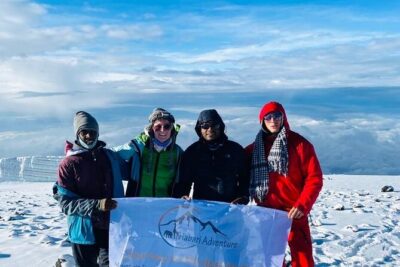
5 Days Best of Tanzania Luxury Safari Northern Circuit
Read our review →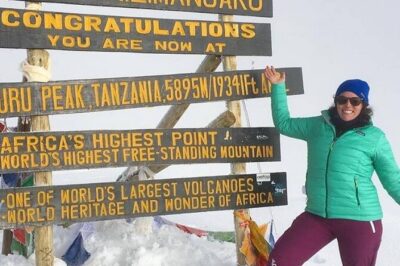
Climbing Kilimanjaro through 7 days Machame Route
Read our review →