Reviewed · KILIMANJARO CLIMBS
Climb Kilimanjaro 8-Day Lemosho Route with Stunning Scenic Views
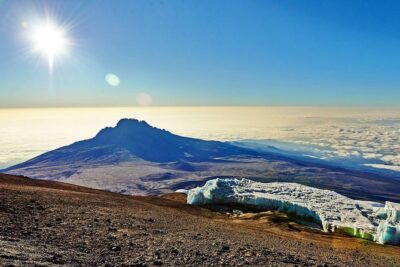
Kilimanjaro rewards slow and steady. The 8-day Lemosho route is built for that, with longer trekking days that help you adjust before summit night. You’ll move from rainforest to the Shira Plateau, then work your way toward the big-ticket views of Kibo Peak.
Two things I really like about this climb are how it uses time to support acclimatization, and how the trip is set up with full-service logistics, including guides, porters, cook, camping gear, and meals. One drawback to consider is that even on Lemosho, you still face a tough push on summit night, including the steep Barranco Wall section.
In This Review
- Key highlights of the 8-Day Lemosho Route
- Why 8 Days on Lemosho Feels More Manageable
- Price and logistics: what your $3,373.24 buys you
- Day 1 to Day 3: rainforest starts, Shira Plateau wide views
- Day 4 to Day 5: Lava Tower altitude check and the Barranco Wall day
- Day 6 to Day 7: Barafu rest and the midnight push to Uhuru Peak
- Day 8: Mweka Trail descent, certificates, and Moshi showers
- The human side: guides, porters, and food that actually helps
- Who should choose the 8-Day Lemosho route (and who might not)
- Should you book the 8-Day Lemosho with this operator?
- FAQ
- Do I need technical climbing skills on the Lemosho route?
- What time do you start the summit attempt?
- How long is the summit day?
- Is the trek food and camping gear included?
- What’s included versus not included in the price?
- Will I get a certificate when I finish?
Key highlights of the 8-Day Lemosho Route
- Longer itinerary for acclimatization: more time at height helps you manage the altitude grind
- Big scenery with smart pacing: rainforest, Shira views, Lava Tower, and Kibo glimpses
- No technical climbing required: fitness matters more than ropes or gear
- Barranco Wall payoff: a hard day that boosts your rhythm for the summit push
- Midnight summit window: aim for Uhuru Peak by sunrise, then descend the same day
- Certificates and celebrations: green for Stella Point and gold for Uhuru Peak after signing at Mweka Gate
Why 8 Days on Lemosho Feels More Manageable
If you want a Kilimanjaro route that’s gentler on your body, the Lemosho 8-day plan is one of the most sensible choices. The key idea is simple: you go slower because you have more nights to adapt to altitude. That extra time is what helps it earn a reputation for a higher success rate compared with shorter schedules.
This route also sets you up for a calmer summit build-up. You reach the summit base area in a way that lets you arrive by lunchtime, refuel with food, and rest properly before the tough part begins around midnight. That rhythm matters because summit night is not the place to be under-recovered or mentally scattered.
Still, don’t confuse easier with easy. You’ll need solid stamina, and you will climb steep terrain, especially on the Barranco Wall day, and then again during the summit effort.
More Kilimanjaro climbs:
- Kilimanjaro climb by Lemosho Route (7-day)
★ 5.0 · 651 reviews - Kilimanjaro climb, Machame Route (7-day)
★ 5.0 · 262 reviews - Kilimanjaro Climbing Lemosho Route 8 Days.
★ 5.0 · 186 reviews
Price and logistics: what your $3,373.24 buys you
Kilimanjaro is expensive, but this package is priced like a full mountain operation, not a bare-bones trek. At $3,373.24 per person, you’re paying for the mountain team, permits and park costs, and the hard-to-collect stuff that makes a hike like this actually work.
Here’s what’s included that directly protects your time and comfort:
- All fees and taxes
- Qualified guide, assistant guides, porters, and cook, including their wages
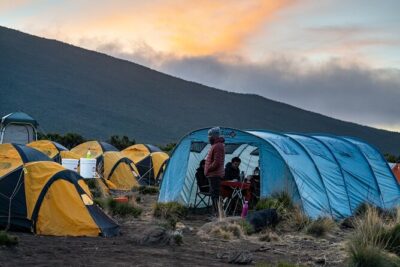
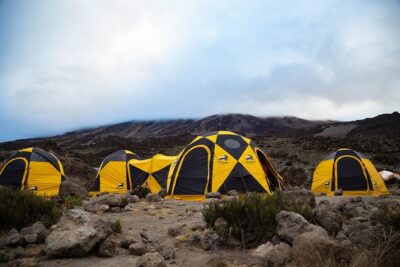
- Camping equipment like tents, camp chairs, camp tables, and sleeping mattress
- Daily fresh drinking water plus hot water for a wash each day
- Meals: 7 breakfasts, 8 lunches, and 7 dinners
- Emergency oxygen for emergencies only, plus a basic first aid kit
You also get support at the critical moments. Emergency oxygen is there for emergencies, not something you should plan your summit strategy around. And if you’re the kind of person who hates improvising, that matters, because mountain planning is half the battle.
What’s not included is also clear, so you can budget realistically:
- Visas and flights
- Travel and health insurance
- Tips or gratuities for your guide, assistants, cook(s), and porters
- Personal items and personal medicine
- Water purifying tablets (personal)
- Personal gear (you can rent gear in Moshi)
- A portable toilet is optional but highly recommended
Day 1 to Day 3: rainforest starts, Shira Plateau wide views
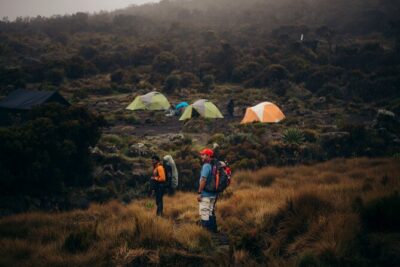
You start in Moshi and head into the mountain world the day you begin trekking. The first day moves from lower elevations into the rainforest stretch, which keeps the early climb more comfortable for many people because it is gradual and green.
Day 1: Mti Mkubwa Camp (2,100m to 2,780m)
Trekking time is about 3 to 4 hours, and you cover roughly 2100m up to 2780m. This is your warm-up at altitude, not your summit training day. You’ll register at Londorossi Gate, then trek through the rainforest and arrive at Mti Mkubwa Camp.
Why this part matters: Day 1 is where you learn how the pace feels. When the trail is softer, your body can settle into the rhythm, and you can focus on breathing and steady steps.
Day 2: Shira Camp One (2,780m to 3,500m)
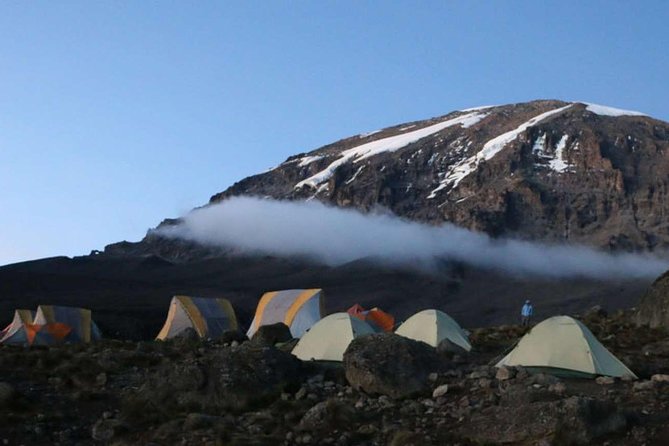
Today the trail lengthens to about 5 to 6 hours. You’ll reach the Shira Plateau and get your first real glimpse of Kibo Peak. Then you sleep at Shira 1 Camp.
Why you’ll like this: Shira is where the mountain starts to look bigger than the trail. That early Kibo glimpse can be motivating in a practical way, because it reminds you what you’re working toward.
Day 3: Shira Camp Two (3,500m to 3,850m)
This day is about 4 to 5 hours and feels like a transition across Shira, with panoramic views of Mount Meru and the surrounding area. You sleep at Shira 2 Camp.
A practical note: This is the kind of day that helps you acclimatize without demanding a brutal all-day grind. It’s also a good day for watching your energy. Save enough strength for what comes next.
Day 4 to Day 5: Lava Tower altitude check and the Barranco Wall day
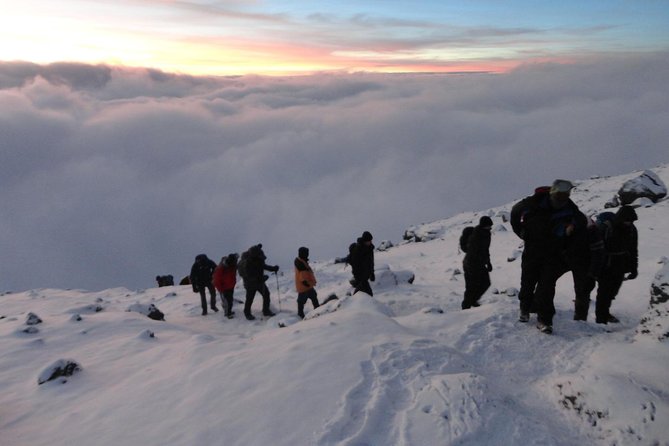
This is where the climb starts to feel like a true Kilimanjaro route. You keep moving, but the itinerary builds in acclimatization through the high point you climb today.
Day 4: Lava Tower (4,600m) to Barranco Camp (about 3,900m)
Trekking time is 6 to 7 hours, and you’ll go up to Lava Tower at 4,600m before descending to Barranco Camp, which sits under the Barranco Wall. This is an acclimatization day in action: you get height exposure, then you come down again to sleep lower.
Why Lava Tower matters: altitude adaptation often comes from repeated, controlled exposure. You’re not simply going higher and hoping for the best, you’re practicing how your body reacts at higher elevations.
Day 5: Barranco Wall to Karanga Camp (3,900m to 4,035m)
Now you tackle the Barranco Wall. Trekking time is about 4 to 5 hours, and you finish at Karanga Camp around 4,035m.
This day is challenging but rewarding. It’s the kind of hike that tests mental focus because it is steep and demanding. If you handle it well, you arrive at Karanga feeling more prepared for the summit stages.
A few more Moshi trips to compare
- Safari Serengeti And Ngorongoro
★ 5.0 · 288 reviews - Climbing Kilimanjaro – Machame Route
★ 5.0 · 170 reviews - Climbing Kilimanjaro through 7 days Machame Route
★ 5.0 · 151 reviews - Kilimanjaro climb, Lemosho Route (8-day)
★ 5.0 · 148 reviews
Day 6 to Day 7: Barafu rest and the midnight push to Uhuru Peak
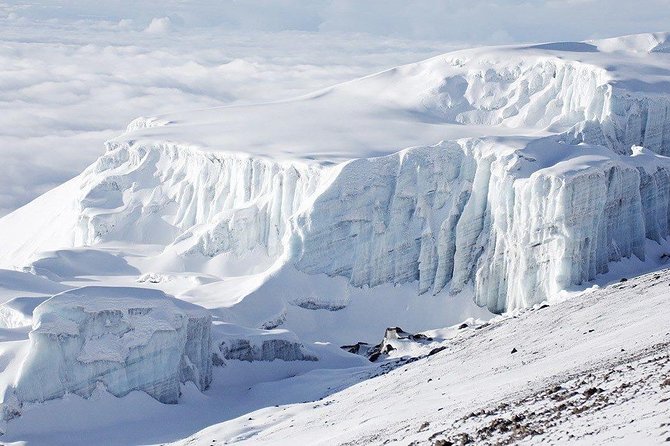
Summit night is the heart of Kilimanjaro. The advantage of the 8-day Lemosho approach is that you reach the summit zone as planned, then get the rest you need before midnight.
Day 6: Barafu Camp (4,035m to 4,673m)
You ascend to Barafu Camp in about 4 to 5 hours. This is your base for the final push. You rest, prepare, and get ready for an overnight ascent that starts around midnight.
Day 6 is not the time to be casual, even if you feel tired. You’ll want to be ready to move when the climb starts, because summit day involves long hours at altitude.
Day 7: Uhuru Peak (5,895m) by sunrise, then down to Mweka Camp (3,068m)
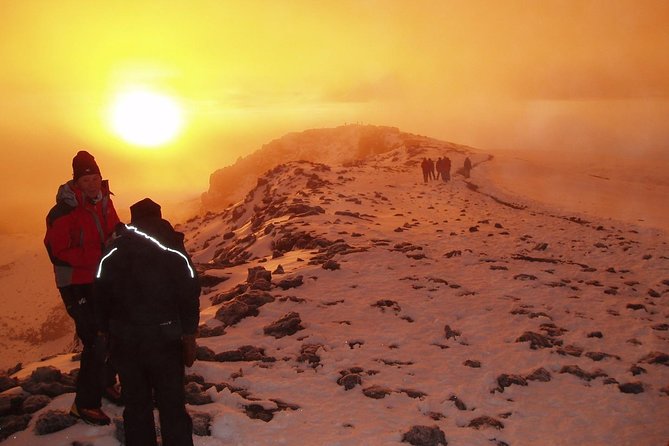
This is the long day. You start around midnight, reach Uhuru Peak (5,895m) by sunrise, and then descend all the way to Mweka Camp for sleep. Trekking time is about 12 to 14 hours.
This is also where preparation pays off. The route’s timing is designed so that you have already acclimatized better than shorter schedules. That does not remove the challenge, but it can make the difference between suffering and managing.
Day 8: Mweka Trail descent, certificates, and Moshi showers
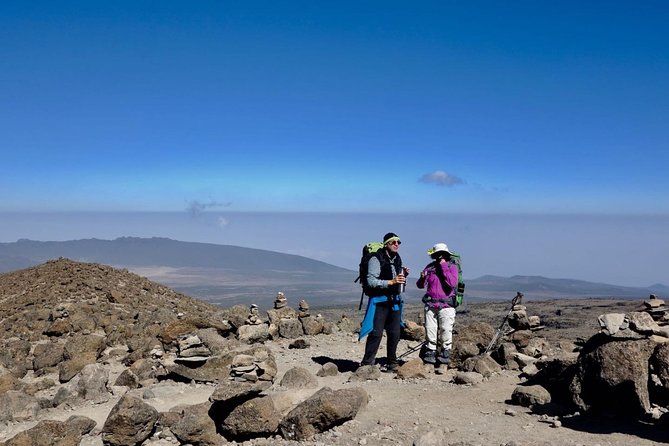
After the summit effort, Day 8 is about moving down and collecting the memories. You’ll trek along the Mweka Trail to Mweka Gate in about 3 hours, then celebrate in Moshi.
At Mweka Gate, the park requires all hikers to sign their names to receive completion certificates. If you reached Stella Point (5,685m) you get a green certificate, and if you reached Uhuru Peak (5,895m) you receive a gold certificate.
Then you’ll be served a hot lunch, and you’ll drive back to Moshi for long overdue showers and more celebration. That shower matters more than you think while you’re hiking, because you’ll be ready to come back to normal life.
The human side: guides, porters, and food that actually helps
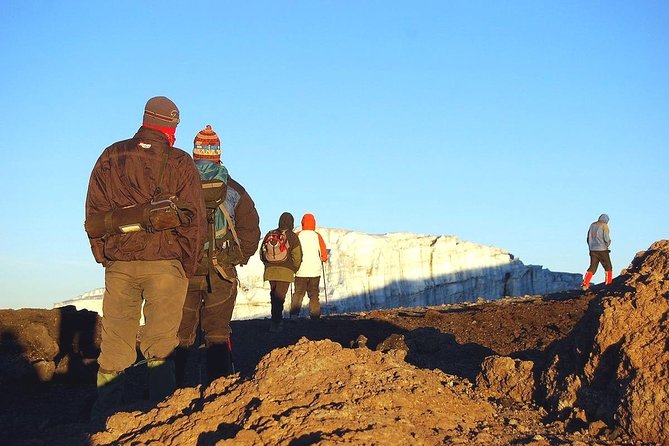
Logistics are important, but the mountain team is what makes this feel like an experience rather than just a trek.
From what’s been shared about this operator and their staff, one theme keeps showing up: teams are organized, professional, and also personal. You might work with a team lead such as Justin JT, and you may see praise for support from people like Sam and planning help from Brian. There’s also mention of office support from Lidya when arrangements needed last-minute changes.
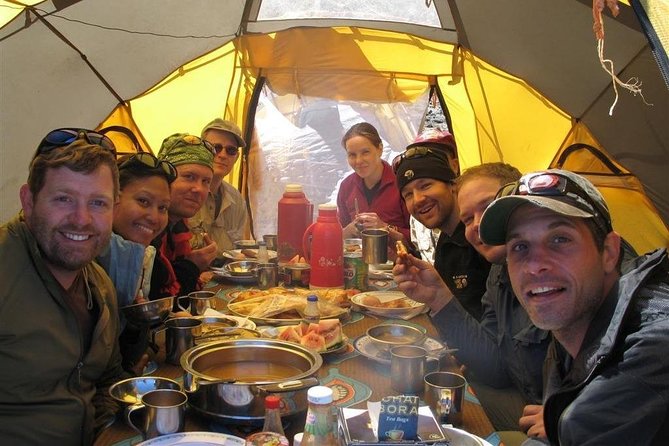
Food is another big deal on Kilimanjaro because it fuels everything. In past experiences shared with this operator, the meals were described as surprisingly good, sometimes better than a restaurant, which is exactly what you want after a long day at altitude. You’re not just eating, you’re refueling for the next day’s climb.
Finally, the porters and assistants can shape your summit experience. When altitude symptoms show up, having a team that gives encouragement and practical help matters. That’s one reason I like routes where the support structure is included end-to-end rather than something you have to piece together yourself.
Who should choose the 8-Day Lemosho route (and who might not)
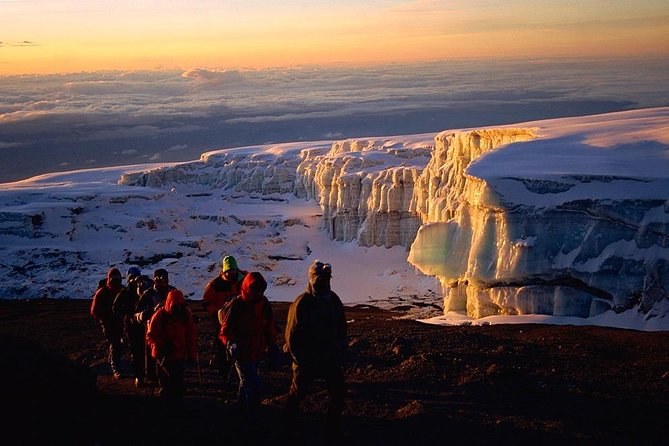
This itinerary suits you if you want a higher chance at acclimatization and you prefer a slower approach. It is considered one of the easier routes because it is longer, and it uses acclimatization-focused steps like Lava Tower. You do not need technical climbing, but you do need fitness for steep sections and long summit hours.
You’ll likely love it if:
- you want stunning scenic views without rushing the altitude timeline
- you’re okay with camping and a full trek schedule
- you want a more “quiet” feel on the mountain and time to acclimatize
You should think twice if:
- you are hoping for a light hike, because summit night is still intense
- you are not prepared for a 12 to 14 hour day on summit and descent
- you hate steep terrain, because the Barranco Wall day is real work
Should you book the 8-Day Lemosho with this operator?
I’d book this 8-day Lemosho option if your priority is a structured plan that supports acclimatization and reduces guesswork. The inclusions are strong, especially the fact that you get the mountain team, camping gear, meals, hot water for washing, and emergency oxygen for emergencies. That takes a lot of stress off your planning.
I’d hold off if you’re looking for a short summit sprint or if you want everything handled with no effort on your part. This climb still demands fitness and grit, and summit night still starts around midnight and runs into the long descent.
If you do book, come ready to follow the pace and trust the schedule. On Kilimanjaro, the smartest advantage you can bring is patience.
FAQ
Do I need technical climbing skills on the Lemosho route?
No technical climbing is required. The route does require a good level of fitness, especially for steep sections like the Barranco Wall and the long summit day.
What time do you start the summit attempt?
You start the summit attempt around midnight on summit night. You aim to reach Uhuru Peak (5,895m) by sunrise.
How long is the summit day?
Summit day is one of the longest days, with about 12 to 14 hours of trekking. It includes the ascent to Uhuru Peak and the descent down to Mweka Camp.
Is the trek food and camping gear included?
Yes. The package includes camping equipment such as tents and sleeping mattress, plus meals: 7 breakfasts, 8 lunches, and 7 dinners.
What’s included versus not included in the price?
Included items cover all fees and taxes, guides and porters with wages, camping gear, fresh drinking water, hot water for washing daily, meals, and emergency oxygen and basic first aid. Not included are visas and flights, travel and health insurance, gratuities, personal items, personal medicine, water purifying tablets, and some personal gear (which you can rent in Moshi). A portable toilet is optional but highly recommended.
Will I get a certificate when I finish?
Yes. At Mweka Gate, you sign your name to receive a certificate. Green certificates are for reaching Stella Point (5,685m), and gold certificates are for reaching Uhuru Peak (5,895m).
Just posted around Moshi
- machame route★ 5.0 · 16 reviews
- Mt Kilimanjaro 6 days Marangu route hike★ 5.0 · 3 reviews
- Kilimanjaro Climbing Umbwe Route★ 5.0 · 3 reviews
- Wildlife Extravaganza: Manyara, Tarangire & Ngorongoro in 3 Days★ 5.0 · 3 reviews
- 3 Days Private E-Bike Tour in West Kilimanjaro★ 5.0 · 3 reviews
- West Kilimanjaro cycling Adventures★ 4.5 · 8 reviews
- Kilimanjaro Climb • Marangu Route ~ 9 Day★ 5.0 · 4 reviews
- Private Cycle to Kilimanjaro Bike Park Safari★ 5.0 · 6 reviews
Kilimanjaro Climbs, compared.
8-Day Small-group Lemosho Kilimanjaro Summit Trekking
Read our review →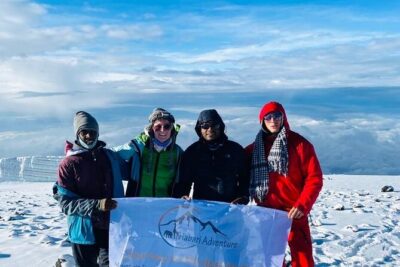
5 Days Best of Tanzania Luxury Safari Northern Circuit
Read our review →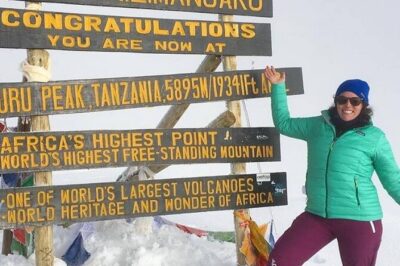
Climbing Kilimanjaro through 7 days Machame Route
Read our review →