Reviewed · KILIMANJARO CLIMBS
Best Kilimanjaro Adventures 6 Days Marangu Route Experience
Kilimanjaro is a tough date with gravity. This 6-day Marangu Route with Kilinge Adventures is interesting because it moves from rainforest to moorland to alpine desert, then ends with a cloud-forest descent. I like the hands-on team approach, and I also like that you sleep in proper A-frame huts with beds and mattresses instead of open-air camping. The one real catch to plan for is that Marangu huts can feel busy, especially during peak periods.
The trip is built around a clear rhythm: hike in daylight, sleep in huts, acclimatize with purpose, then go for the summit at night. In the summit bid, you’ll be climbing toward Uhuru Peak with the emotional payoff of reaching the roof of Africa. I also like that this company shows a track record of getting people to the top, with guidance described from names like Erick and Gewa, plus strong support staff like porters and chefs.
One more thing to know up front: this experience requires good weather, so you are not fully in control of views from the crater rim. Still, even when clouds win, the structure, staffing, and food can keep you moving steadily, day after day.
In This Review
- Key things that make this Marangu trek worth your attention
- Why the Marangu route can be the smart first Kilimanjaro plan
- Price and logistics: where the $1,000 value actually shows up
- Moshi pickup, an 8:30am start, and getting to Marangu Gate
- Day 1: Rainforest trail to Mandara Hut, plus a Maundi Crater side option
- Day 2: From Mandara into moorland toward Horombo Hut
- Day 3: The acclimatization day to Mawenzi Hut, not just a rest day
- Day 4: Toward Kibo Hut, through Saddle and the alpine desert feel
- Day 5: Midnight climb to Uhuru Peak via Gilman’s and William’s Points
- Day 6: Cloud forest descent to Marangu Gate, then back to Moshi or Arusha
- Huts, meals, water, and the team behind the climb
- What you should pack and how to train for this 6-day schedule
- Who this trek suits, and who should consider another plan
- Should you book this Kilinge Adventures Marangu Route trek?
- FAQ
- What is the duration of this Kilimanjaro trek?
- What time does the tour start?
- Is pickup from Moshi included?
- What sleeping arrangements are included?
- What meals and drinks are provided?
- What is not included in the price?
- How big are the groups?
- What happens if weather is poor?
Key things that make this Marangu trek worth your attention
- Rainforest to crater rim, on a route with hut infrastructure so you are not living in tents
- All days of meals included (breakfast, lunch, and multiple dinners) with clean, purified drinking water
- Acclimatization built into the schedule with a Mawenzi-side hiking option on Day 3
- A midnight summit attempt that starts with a longer push to Gillman’s Point
- Experienced mountain team focus in feedback, with guides named Erick, Gewa, Victor, and Stephano
- Ethical porter treatment called out in what is included, plus porter and cook salaries covered
Why the Marangu route can be the smart first Kilimanjaro plan
The Marangu Route is famous for one reason: it uses hut-style sleeping that feels more structured than the camping routes. If you worry about gear complexity, this is a big deal. You’re still hiking hard, but your nights are less chaotic.
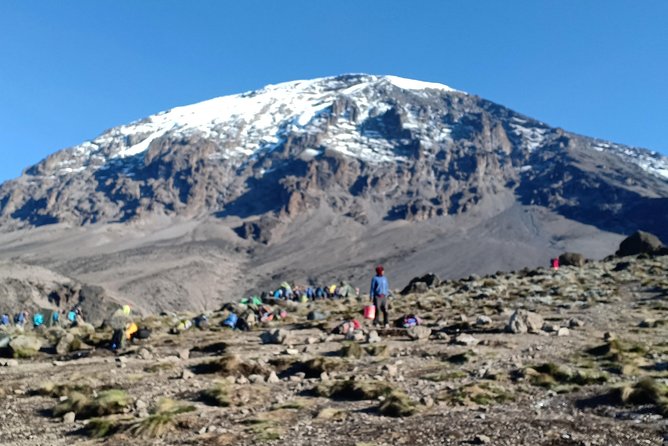
The overall feel is classic Kilimanjaro, rainforest day one, higher moorland on day two, then the colder upper zones where vegetation thins out. By the time you’re near Kibo Hut, the scenery shifts to bleak, rocky environments where the goal becomes steady effort, not sightseeing.
This is also one of the routes where you can see a lot from the trail when clouds cooperate. Clear weather can bring views toward Mawenzi and Kibo peaks, and a short hike to Maundi Crater from Mandara Hut can reward you too.
More Kilimanjaro climbs:
- Kilimanjaro climb by Lemosho Route (7-day)
★ 5.0 · 651 reviews - Kilimanjaro climb, Machame Route (7-day)
★ 5.0 · 262 reviews - Kilimanjaro Climbing Lemosho Route 8 Days.
★ 5.0 · 186 reviews
Price and logistics: where the $1,000 value actually shows up
The advertised price is $1,000 per person, and what matters is what is covered inside that number. You get all nights in huts, a professional mountain guide team, and a full set of meals: breakfast (6), lunch (6), and dinner (5). You also get clean, purified drinking water, which is not the kind of detail you want to gamble on at altitude.
The inclusion list also covers sleeping mattress, plus fair and ethical treatment of porters and salaries for guides, porters, and cooks. That translates into fewer uncertainties, because the team has the structure and support to keep logistics running.
Two things to budget for separately. Kilimanjaro national park fee and tax are not included, and tips and personal items are also not included. If you forget those, you can feel surprised at the end, even if the trek itself is great value.
Moshi pickup, an 8:30am start, and getting to Marangu Gate
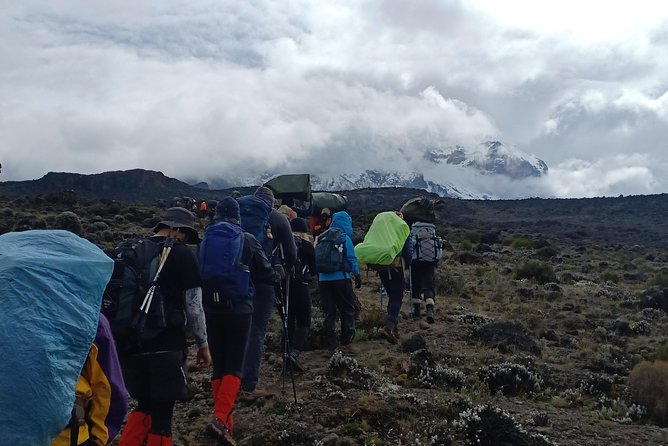
You’ll be based in Moshi, Tanzania, and pickup is offered. Start time is listed as 8:30am, and the trek begins early in the morning toward Marangu Gate. That timing helps because you want daylight hiking, especially on the first couple of days when your body is still warming up.
Marangu Gate is also where you finish on Day 6. So you can think of it as both your doorway in and your exit point at the end, with vehicles waiting to take you back to Moshi or Arusha. There are t-shirts and sodas available at the gate too, which is a small comfort after a long final descent.
The other practical detail is group size. This experience has a maximum of 100 travelers, so you should expect it to be organized, but also not a private expedition.
Day 1: Rainforest trail to Mandara Hut, plus a Maundi Crater side option
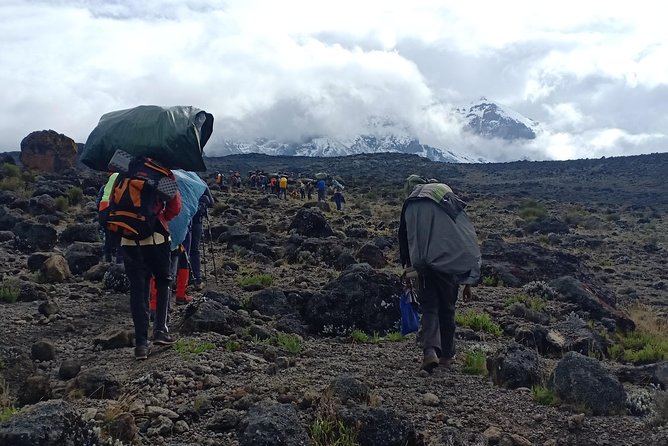
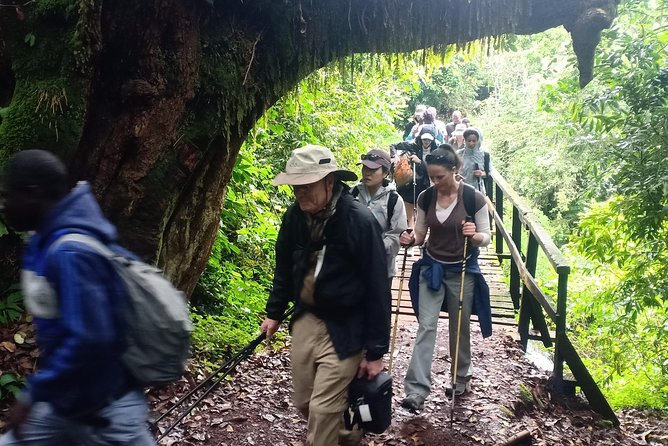
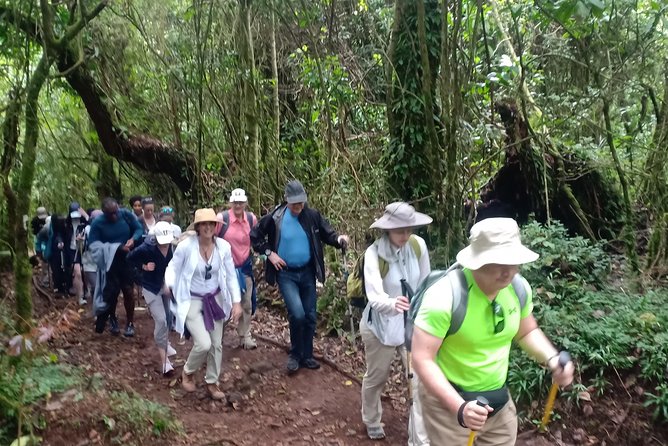
Day one starts with the move from Moshi or Arusha toward Marangu Gate, then straight onto the forest trail. Expect a narrow path through rainforest for most of the day. It’s the kind of hiking where the air feels cooler and the footing can be slick depending on conditions.
You’ll stop for lunch about halfway, then continue onward until you reach Mandara Hut. The hut setup on this route is a key comfort point. Mandara Hut is an A-frame structure with sleeping huts and a dining area, and beds come with mattresses.
On a clear day, the area can treat you well visually. The short hike to Maundi Crater is designed for exactly that kind of payoff, with views mentioned over Taveta to the east and toward Mawenzi Peak to the northwest. Even if clouds roll in, you’ll still appreciate the change in altitude and the fact that day one is focused on getting you into the rhythm.
Potential drawback to note: the first day is in rainforest conditions. That means you’ll want boots and patience, because damp trail can slow you down.
A few more Moshi trips to compare
- Safari Serengeti And Ngorongoro
★ 5.0 · 288 reviews - Climbing Kilimanjaro – Machame Route
★ 5.0 · 170 reviews - Climbing Kilimanjaro through 7 days Machame Route
★ 5.0 · 151 reviews - Kilimanjaro climb, Lemosho Route (8-day)
★ 5.0 · 148 reviews
Day 2: From Mandara into moorland toward Horombo Hut
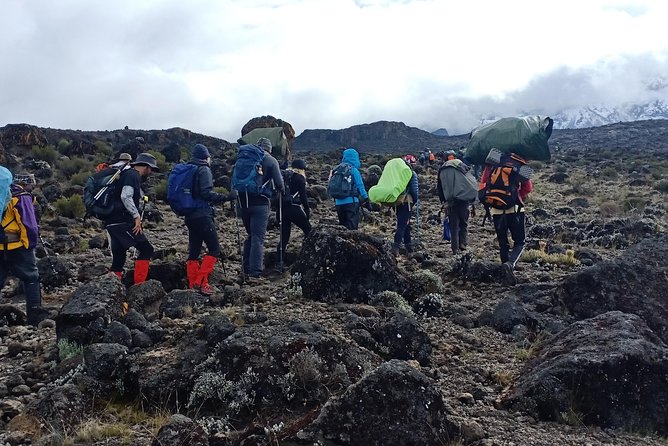
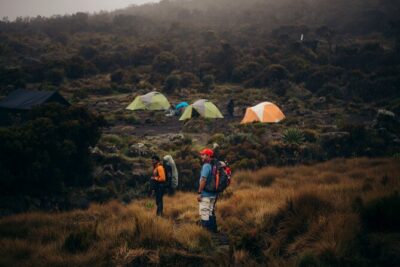
After breakfast, you leave Mandara Hut and transition away from the forest. Most of day two is through moorland, a rocky, higher-altitude zone with desert-like plants. You’re trading lush greenery for a tougher walking environment, and your pace needs to adjust.
Lunch is planned at Kambi ya Taabu, then you continue toward Horombo Hut. The route description suggests arriving around 3pm, which is a reasonable time to reduce stress before the next altitude push.
The Horombo Hut setup is often described as one of the nicer places to sleep on Kilimanjaro. The A-frame huts can accommodate up to eight people each, which can feel more manageable than big dorm-style spaces. Horombo as a whole can house up to one hundred hikers, though, so you’re not escaping the fact that this is a popular route.
If the weather is clear, you can also get views of Mawenzi and Kibo peaks. If it’s not clear, focus on your own breathing and rhythm. Your job is to arrive, hydrate, and rest.
Day 3: The acclimatization day to Mawenzi Hut, not just a rest day
Day three is an acclimatization day, and the schedule makes a smart suggestion. Rather than stopping early, you’re encouraged to hike all the way to Mawenzi Hut for maximum acclimatization. It’s designed to increase your chances on summit day, and it also gives you time to learn how your body handles higher altitudes.
You return to Horombo for a late lunch. The afternoon and evening are then set aside for relaxing. This matters because acclimatization is not only about walking, it’s also about letting your body recover.
A good takeaway here is mindset. You are not “punishing yourself” on day three. You’re giving your body a better shot at the summit by nudging it higher safely, then bringing it back down to rest.
Day 4: Toward Kibo Hut, through Saddle and the alpine desert feel
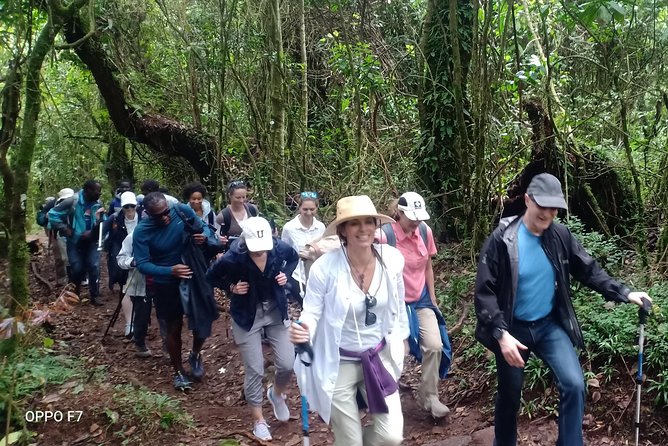
Day four is the long move into upper altitudes. After breakfast, you hike through moorland and alpine desert terrain. The description notes a first arrival point at Maua River, a small mountain stream, then the vegetation begins to disappear.
Lunch is at Middle Red Hill, then you push on up a steady incline through Kilimanjaro’s Saddle. This part is where the environment starts to feel bleak, with little vegetation and more exposure. You’re still getting stunning views of Kibo and Mawenzi peaks if conditions are clear, but don’t rely on views for motivation. The real work is endurance and pacing.
You reach Kibo Hut around 3pm and then rest and prepare for the midnight climb. That evening is mostly about getting ready for a very different kind of hiking, colder, darker, and longer.
A practical consideration: at these heights, even small mistakes like forgetting gloves or not managing your layers can make you feel miserable. Pack for cold and wind, not just for the daytime temperature.
Day 5: Midnight climb to Uhuru Peak via Gilman’s and William’s Points
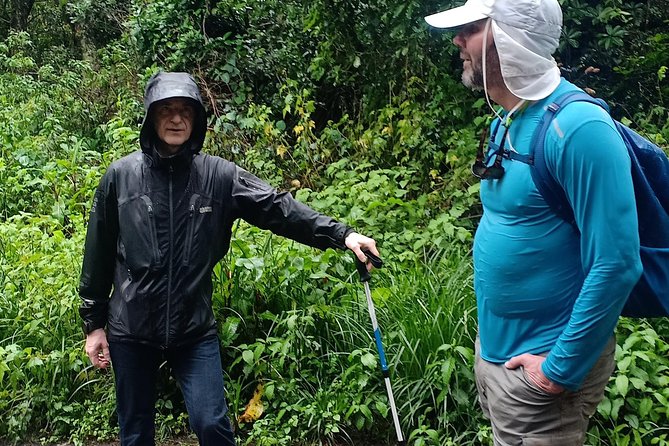
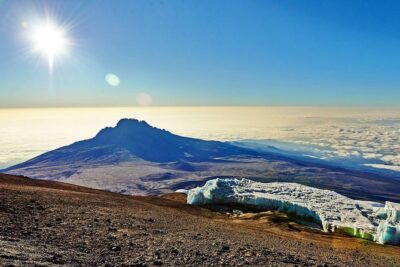
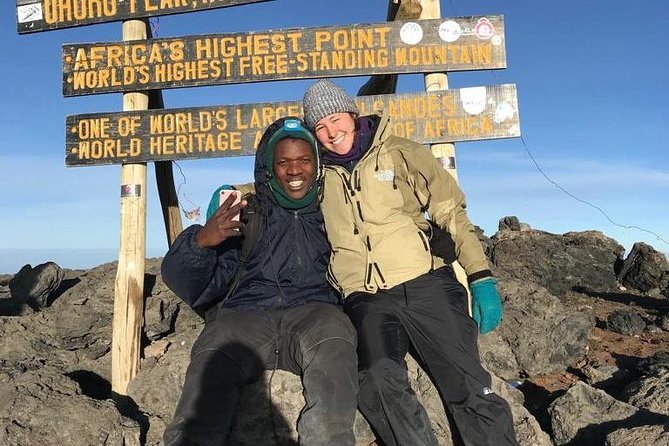
This is the day people remember forever. Around midnight, you wake for the final ascent to Uhuru Peak, the roof of Africa.
The climb starts with a demanding stretch, about five hours to Gillman’s Point on the crater rim. William’s Point is described as the first major rest stop at around 5,000 meters, roughly two hours from Kibo Hut. From there, the route continues for another thirty minutes, then you transition into rocky switchbacks to reach Gillman’s Point (5,681 meters).
Once you hit the crater rim, the hike from Gilman’s to Uhuru Peak is described as a gradual climb and not very difficult in hiking terms. The altitude is what makes it long and tiring.
Here’s the mental trick that helps most people. When altitude makes every step feel heavy, treat it like a breathing exercise. Move slowly, keep your rhythm, and let the guides and support team do what they are there for.
Also, you’ll want to keep energy for the summit push and for staying warm while waiting for the right moments on the route.
Day 6: Cloud forest descent to Marangu Gate, then back to Moshi or Arusha
You finish with a descent to Marangu Gate after breakfast. The final hiking segment is described as beautiful, passing through Kilimanjaro’s cloud forest. That means vegetation returns, the air feels different, and you get a change of pace from the stark upper zones.
Footing is something to respect on the way down. The trail can be slippery, so watch your step and keep your knees happy.
Once you reach Marangu Gate, vehicles are waiting to take you back to Moshi or Arusha. You can buy t-shirts and sodas at the gate, and you’ll likely feel like you earned every sip.
This last day matters because you’re often tired but relieved. Slow down on the descent so you end the trek feeling strong instead of wrecked.
Huts, meals, water, and the team behind the climb
The hut experience is a major part of the Marangu Route appeal. Mandara and Horombo are A-frame structures, with beds and mattresses provided on the hut nights. That kind of sleeping setup is simple, but it helps you recover because you’re not trying to sleep on hard ground.
Food is handled in a straightforward way with lots included. You get breakfast each morning, lunch during hiking days, and dinners during the multi-night trek. You’ll also have clean, purified drinking water as part of the inclusions, which takes one major uncertainty off your checklist.
In terms of the human support side, the strongest theme in feedback is organization and encouragement. Guides and teams described by name include Erick and Gewa, plus strong mentions of Victor and Stephano. The porter and chef team also gets credit, with people naming roles like the chef Elia and waiter Richard, plus porters such as Fred, Julius, Edward, and Tumarini.
That matters because on Kilimanjaro, the climb is physical, but the experience is also emotional. A guide who helps you keep a steady pace can be the difference between a summit push that feels possible and one that feels out of reach.
What you should pack and how to train for this 6-day schedule
This trek is long enough that you need to train for time on your feet, not just for a single hard workout. Focus on walking endurance, gentle strength training for legs, and practicing good pacing.
Pack for cold at night and in the early summit window. Even if daytime feels manageable, midnight climbing is a different world. Bring layers, gloves, a hat, and waterproof protection for your outer kit, since mountain weather can change fast.
Foot care is also huge. You’ll hike uphill for days, then descend on day six when ankles and knees can get cranky. Wear broken-in boots, use socks you trust, and carry blister care if you know you get hotspots.
One more practical tip: keep your hydration and snacks simple and consistent. The schedule includes meals and purified water, but your personal habits also matter. If you know what your stomach handles at altitude, stick with it.
Who this trek suits, and who should consider another plan
This Marangu experience says most travelers can participate, and the schedule is organized with acclimatization in mind. It’s a good fit if you want a structured Kilimanjaro trek with hut sleeping and a team that manages logistics like meals, guides, and support.
It’s also a good fit if you’re traveling with limited hiking experience but you can handle multi-day walking. The key is that you don’t treat it like a casual stroll. Kilimanjaro is still Kilimanjaro, and altitude does the real work on your body.
Consider another plan if you hate crowds or want total privacy. With hut capacity and a maximum group size up to 100, you should expect a busy mountain environment at times. Also, if you only hike for views and panic when clouds roll in, remember that the experience requires good weather, so clarity is not guaranteed.
Should you book this Kilinge Adventures Marangu Route trek?
I think you should book if you want a classic route, hut sleeping, and a trip that prioritizes organization and steady progress. The included meals, purified water, and mattress-in-hut sleeping make the trek feel more manageable than many alternatives. If summit success is your goal, the acclimatization style, including a Mawenzi-side hiking push on day three, is exactly the kind of planning that helps.
I’d pause before booking if you’re sensitive to busy conditions in huts or if you’re trying to lock in perfect views. Weather matters here, and this experience requires good conditions for the trek to run smoothly.
If you want a solid value package for a 6-day Kilimanjaro Marangu Route from Moshi, this one is worth serious consideration.
FAQ
What is the duration of this Kilimanjaro trek?
The trek is listed as 6 days (approximately).
What time does the tour start?
The start time is 8:30am.
Is pickup from Moshi included?
Pickup is offered.
What sleeping arrangements are included?
You stay in huts, and sleeping mattresses are included.
What meals and drinks are provided?
Dinner is included for 5 nights, and breakfast (6) and lunch (6) are included. Clean, purified drinking water is also included.
What is not included in the price?
Kilimanjaro national park fee and tax are not included. Tips and personal items are also not included.
How big are the groups?
This experience has a maximum of 100 travelers.
What happens if weather is poor?
The experience requires good weather. If it’s canceled due to poor weather, you’ll be offered a different date or a full refund.
Just posted around Moshi
- machame route★ 5.0 · 16 reviews
- Kilimanjaro Climbing Umbwe Route★ 5.0 · 3 reviews
- Wildlife Extravaganza: Manyara, Tarangire & Ngorongoro in 3 Days★ 5.0 · 3 reviews
- Mt Kilimanjaro 6 days Marangu route hike★ 5.0 · 3 reviews
- 3 Days Private E-Bike Tour in West Kilimanjaro★ 5.0 · 3 reviews
- West Kilimanjaro cycling Adventures★ 4.5 · 8 reviews
- Kilimanjaro Climb • Marangu Route ~ 9 Day★ 5.0 · 4 reviews
- Private Cycle to Kilimanjaro Bike Park Safari★ 5.0 · 6 reviews
Kilimanjaro Climbs, compared.
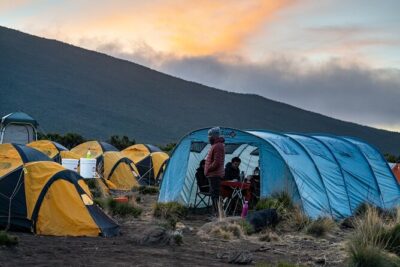
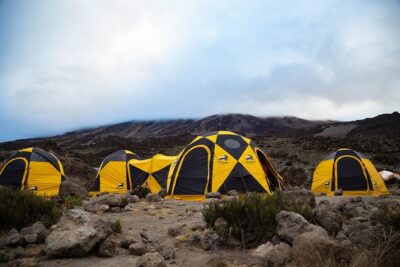
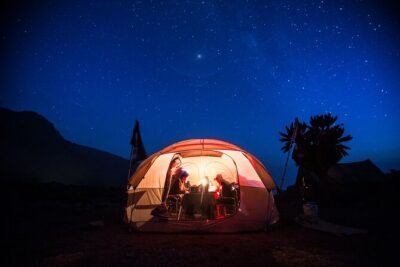
8-Day Small-group Lemosho Kilimanjaro Summit Trekking
Read our review →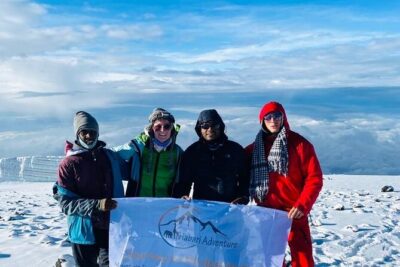
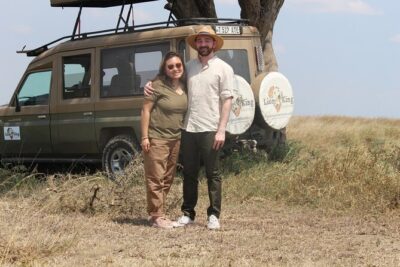
5 Days Best of Tanzania Luxury Safari Northern Circuit
Read our review →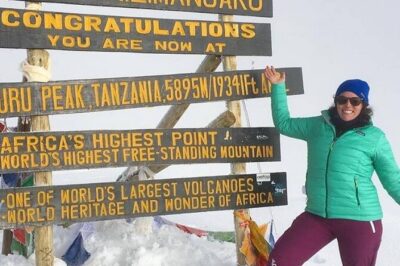
Climbing Kilimanjaro through 7 days Machame Route
Read our review →