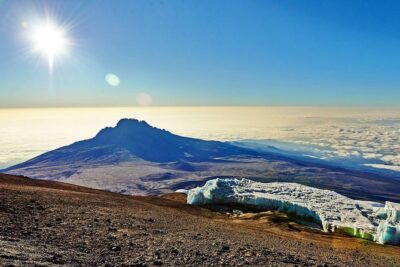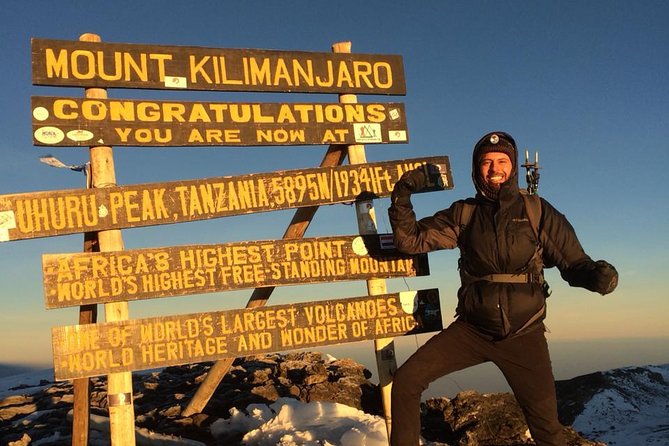
Reviewed · KILIMANJARO CLIMBS
A Definitive Guide For the 7-day Kilimanjaro’s Lemosho Route 2025
Kilimanjaro at 19,000 feet is a big dream. What makes the 7-day Lemosho plan feel smarter is the added time to adjust to altitude and move gradually through several climate zones. I also like that you get full camping and meal support, so you are not juggling logistics or gear.
Two standouts: the route’s slower start through rain forest and moorland, and the long, high-altitude approach that gives your body more chances to adapt. One consideration: this is a camping trek with long hiking days, so you still need solid stamina and a steady pace even with the extra day for acclimatization.
In This Review
- Key Things To Know Before You Go (Lemosho 2025)
- 7-Day Lemosho Route: Why This Plan Is Popular For Summit Attempts
- Price And Value: What $1,250 Covers (And What It Does Not)
- Getting To The Trail: Moshi Pickup, Gate Access, And A Realistic Timeline
- Day By Day On Lemosho: What Each Stop Feels Like (And Why It’s Placed There)
- Day 1: Londorossi Gate To Forest Camp (7,800 to 9,500 feet)
- Day 2: Forest Camp To Shira Camp (9,500 to 11,500 feet)
- Day 3: Shira Camp 1 To Shira 2 To Moir Hut (11,500 to 13,800 feet)
- Day 4: Moir Hut To Lava Tower To Barranco Camp (13,800 to 13,000 feet)
- Day 5: Barranco Camp To Karanga Camp To Barafu Camp (13,000 to 15,000 feet)
- Day 6: Barafu Camp To Summit To Mweka Hut (15,300 to 19,345 feet, then down)
- Day 7: Mweka Camp To Moshi (10,000 to 5,400 feet)
- Camping Support And Meals: The Comfort That Lets You Focus
- Guide And Service Style: Real Support Up There
- Who Should Book This Lemosho Trek (And Who Might Rethink It)
- Should You Book This 2025 7-Day Lemosho Kilimanjaro Trip?
- FAQ
- How long is the Kilimanjaro trek and where does it start and end?
- What’s included in the $1,250 per person price?
- What’s not included in this package?
- Do I have to pay Mount Kilimanjaro park fees separately?
- Is Moshi hotel pickup and drop-off included?
- What group size should I expect?
- What fitness level do I need?
- When is the best time of year to climb Kilimanjaro on this route?
- Is there free cancellation, and what happens if weather cancels the trek?
Key Things To Know Before You Go (Lemosho 2025)
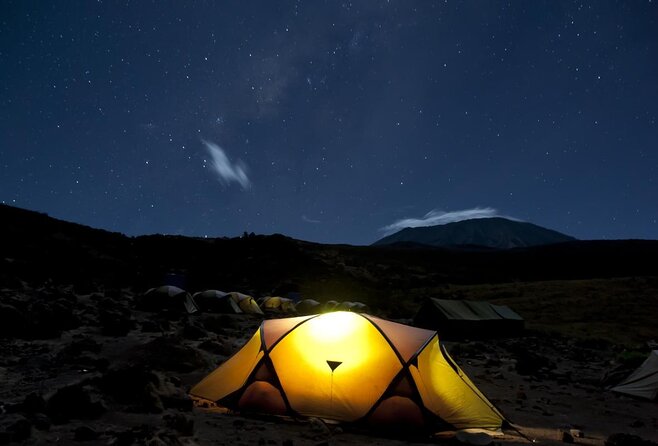
- Extra acclimatization time helps reduce altitude sickness risk by giving you more days on the mountain.
- Forest to arctic zones in just a week, with big elevation changes each day that train you for the summit night.
- Camping equipment and mattresses are included, so you can travel lighter.
- Pickup and drop-off in Moshi are included, making the start and finish easier to manage.
- Guides and support staff matter, and past hikers specifically praised guides like Edwin and Moodie for pace and on-route help.
- Max group size of 50 keeps it organized without turning into a stampede.
7-Day Lemosho Route: Why This Plan Is Popular For Summit Attempts
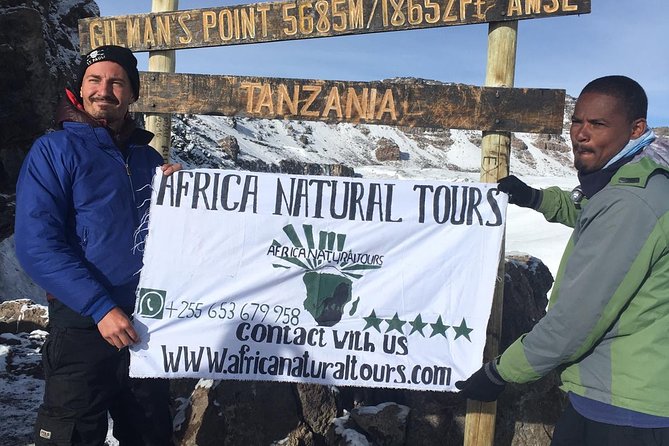
The Lemosho route is often chosen when you want a steadier path toward Uhuru Peak. The big idea is time. More days on the mountain means more gradual altitude exposure, which is exactly what your body needs to adjust.
This version is a true 7-day format. You start from Londorossi Gate and work your way upward through multiple habitats, from rain forest to moorland, semi-desert, alpine desert, and finally arctic conditions near the summit. That variety matters because Kilimanjaro is not one simple hike. It is a series of micro-climates, and each one changes how your body feels.
You’ll also notice the route is described as longer and more accessible than some alternatives. In plain terms, it is a route that gives you a better chance to settle into a rhythm instead of sprinting uphill. If you are aiming for the summit, this pacing is one of the most practical tools you have.
Is it guaranteed? No. But this schedule is built around a realistic goal: improve your acclimatization, keep you moving safely, and set up the summit push when you are ready.
More Kilimanjaro climbs:
- Kilimanjaro climb by Lemosho Route (7-day)
★ 5.0 · 651 reviews - Kilimanjaro climb, Machame Route (7-day)
★ 5.0 · 262 reviews - Kilimanjaro Climbing Lemosho Route 8 Days.
★ 5.0 · 186 reviews
Price And Value: What $1,250 Covers (And What It Does Not)
At $1,250 per person, this trek is priced like an all-in support package, not a bare-bones hike. You are paying for the core mountain infrastructure: a professional guide team, meals across the trek, and the camping system.
Here is what you should expect to be covered:
- Camping equipment, including quality tents and sleeping mattress
- Daily breakfast, lunch, and dinner during the trek
- A professional Kilimanjaro hiking guide
- Briefing and a trekking certificate
- Pickup from your Moshi hotel to Londorossi Gate
- Drop-off from Mweka gate back to your Moshi hotel
- Mobile ticket (listed feature)
What is not covered is where your true total can change:
- All Mount Kilimanjaro Park Fees
- Tips to mountain crew
- Airport pickup and drop-off
- Hotel stays before and after the trek in Moshi
- Flights (domestic and international)
- Personal hiking gear
That makes the value equation pretty clear. If you already have your own boots, backpack, and cold-weather layers, you can focus money on the trip itself. If you do not, you’ll need a gear budget on top.
Also, park fees are easy to overlook. The good news is they can be paid either directly to the park or via the operator, so you will not be stuck figuring it out last minute.
Getting To The Trail: Moshi Pickup, Gate Access, And A Realistic Timeline
Your trek centers on two gate points: Londorossi Gate at the start and Mweka gate at the finish. The operator includes pickup from your hotel in Moshi town to Londorossi Gate, then drop you back after you clear the Mweka gate.
This matters because Kilimanjaro trips can turn into time-sinks. With pickup and drop-off included, you spend less time on coordination and more time preparing your daypacks, eating well, and resting your legs.
You will also meet the provider at their office location listed on the tour: AFRICA NATURAL TOURS L.T.D, DMkwawa Avenue, Tanzania. And even if your focus is the mountain, I recommend treating the first day as a serious preparation day. Rain forest weather, altitude, and long hiking hours start quickly.
The trek is also described as near public transportation, which is handy if you want flexibility around your hotel choice in Moshi. And the group cap of 50 travelers keeps the logistics from getting chaotic.
Day By Day On Lemosho: What Each Stop Feels Like (And Why It’s Placed There)
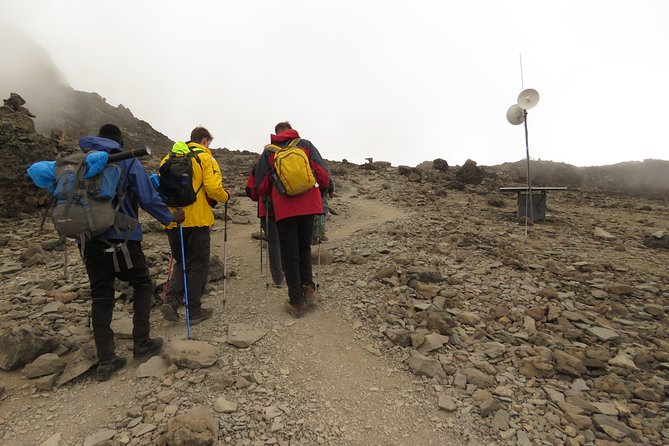
A few more Moshi trips to compare
- Safari Serengeti And Ngorongoro
★ 5.0 · 288 reviews - Climbing Kilimanjaro – Machame Route
★ 5.0 · 170 reviews - Climbing Kilimanjaro through 7 days Machame Route
★ 5.0 · 151 reviews - Kilimanjaro climb, Lemosho Route (8-day)
★ 5.0 · 148 reviews
Day 1: Londorossi Gate To Forest Camp (7,800 to 9,500 feet)
You begin with a move from rain forest conditions, hiking about 6 km for 3 to 4 hours. Elevation climbs from roughly 7,800 feet to 9,500 feet.
This day is more about warming up your body than checking off mileage. Rain forest air can make you feel warmer and sweat more than you expect. So your main job is to move consistently, drink water, and avoid going too hard.
Forest Camp is a good place to adjust to sleeping at altitude and getting used to how your breathing changes while walking.
Possible drawback to plan for: the humidity can hide how hard you are working. If you start fast, it can cost you later.
Day 2: Forest Camp To Shira Camp (9,500 to 11,500 feet)
Day 2 climbs from 9,500 feet to 11,500 feet over about 8 km and 5 to 6 hours. You shift from forest into moorland.
Moorland can feel cooler and windier. Your pace may slow slightly, and you may notice that resting feels different at higher altitude. This is one reason the route is designed the way it is, because you are gradually stepping up without a sudden vertical jump.
Shira Camp is your checkpoint for acclimatization. I like that day 2 keeps the hiking length moderate compared with later days, so you can settle in.
Day 3: Shira Camp 1 To Shira 2 To Moir Hut (11,500 to 13,800 feet)
Now you climb again, moving from around 11,500 feet to 13,800 feet. The distance is longer, about 14 km, and you’ll likely hike 5 to 7 hours through moorland.
This section is about building endurance while continuing the acclimatization climb. Since you are not yet in the summit zone, you can think of it as training for steady effort.
At this point, I’d treat your kit management seriously. Keep your layers practical and avoid overbundling, because moorland can swing in temperature as you gain elevation.
Day 4: Moir Hut To Lava Tower To Barranco Camp (13,800 to 13,000 feet)
Day 4 is interesting because it includes the Lava Tower stop and ends at Barranco Camp. You start around 13,800 feet, climb into the Lava Tower zone, then drop to about 13,000 feet at Barranco. Total distance is about 7 km for 4 to 6 hours, in semi-desert terrain.
This stop has two roles. One is scenery and terrain variety. The other is altitude management. It’s common on Kilimanjaro to mix some ups with downs, because the down portions can help your body recover slightly.
Semi-desert can feel harsh, especially if it’s windy. You’ll want to stay hydrated and keep moving smoothly, because your legs can feel stiffer after pauses.
Day 5: Barranco Camp To Karanga Camp To Barafu Camp (13,000 to 15,000 feet)
Day 5 is one of the tougher stretches. You hike about 9 km over 8 to 10 hours, ascending from around 13,000 feet to 15,000 feet across alpine desert.
This is also the day that tends to define your experience. Long hours at high altitude can drain you, but they are also part of the strategy. You are building toward the summit push while positioning yourself at Barafu Camp, which sets you up for the early start later.
Alpine desert conditions often mean colder air and drier lungs. Keep your effort controlled. If you sprint, the altitude takes its payment later.
Day 6: Barafu Camp To Summit To Mweka Hut (15,300 to 19,345 feet, then down)
This is the big day. You start from about 15,300 feet and reach around 19,345 feet at the summit, then descend all the way to about 10,000 feet at Mweka Hut. The distance is listed as 5 km ascent and 12 km descent.
Time estimates are intense: 7 to 8 hours for the ascent and 4 to 6 hours for descent. Habitat shifts to arctic conditions near the top.
This day is not about speed. It is about breath, rhythm, and keeping your team close. The reviews you shared put strong emphasis on guides helping with motivation and a demanding but workable pace. Guides like Moodie were specifically praised for helping hikers reach the peak, and that kind of steady support matters when your legs and lungs are both fighting.
Practical consideration: even if the ascent distance is listed as 5 km, it can feel much longer at that altitude. Expect cold, potential wind, and a need for layered clothing and steady hydration.
Day 7: Mweka Camp To Moshi (10,000 to 5,400 feet)
The finish day is a descent through rain forest, from about 10,000 feet to 5,400 feet over 10 km in roughly 3 to 4 hours.
This is when you finally get your legs back a bit, and it can feel almost like a relief hike. Still, descending is hard on knees. Go slowly, use your poles if you have them, and keep your steps controlled.
Once you reach Moshi, you’re done with the mountain portion and ready for a well-earned meal and real sleep.
Camping Support And Meals: The Comfort That Lets You Focus
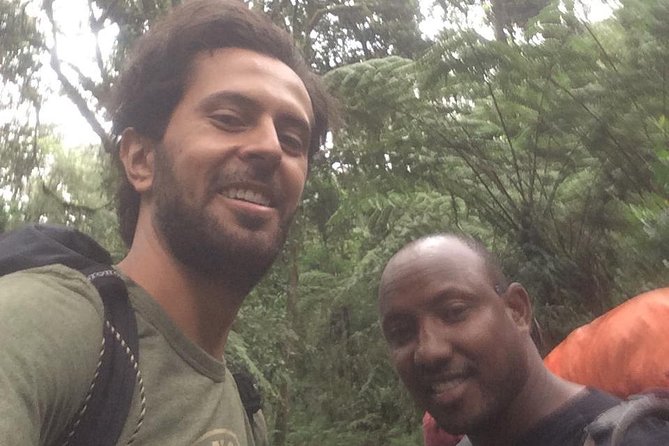
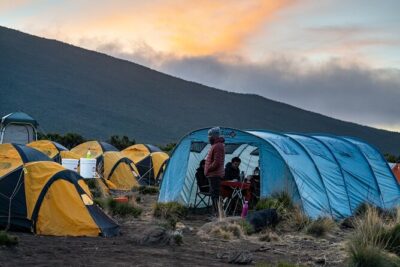
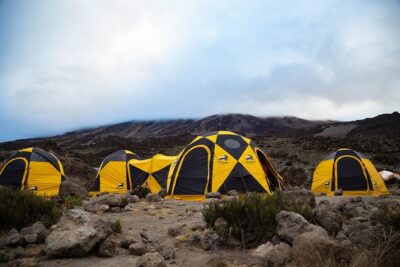
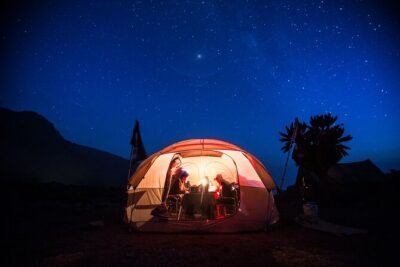
One of the most valuable parts of this trip is that it covers camping equipment and daily food. You’re not on your own for tents or sleeping setup, and that removes a lot of stress.
Camping equipment included:
- Quality tents
- Sleeping mattress
You also get breakfast, lunch, and dinner during the trek. Food on Kilimanjaro trips is not fancy dining, but it matters because it feeds your acclimatization. If your plan includes high effort days and cold nights, consistent calories can be the difference between pushing through and fading.
This is also where a guide and cook team make a real difference. In the accounts I saw, people singled out the quality and care of the food prepared during the climb.
If you like having structure, this trek’s included meals and camping system help you stay focused on the only job that matters, the next step.
Guide And Service Style: Real Support Up There
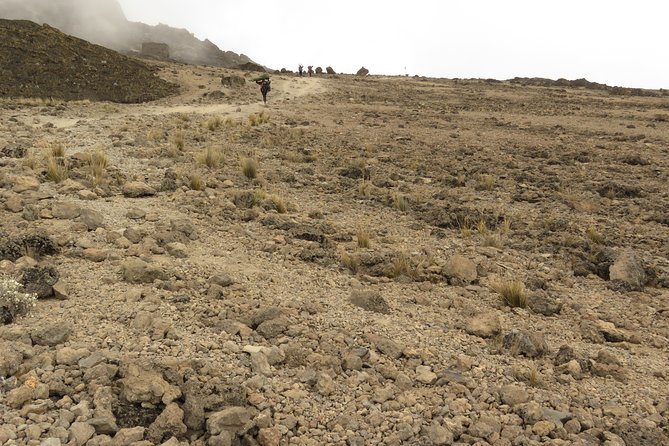
This operator provides a Kilimanjaro hiking professional guide plus a trekking briefing and certificate.
Names that came up in the shared experiences include Edwin and Moodie. Edwin was praised for knowing the Kilimanjaro area, including vegetation and animals, and for being helpful on the journey to the peak. Moodie was praised for making the hike pleasant and helping the summit without issues.
There’s also mention of Godfrey as an organizer who helped arrange everything and was central to keeping the trip smooth. I can’t promise how your guide will be assigned, but I do take these repeated patterns as a sign that they emphasize service quality and morale.
On Kilimanjaro, morale is not fluff. It is oxygen to your brain when the body is tired.
Who Should Book This Lemosho Trek (And Who Might Rethink It)
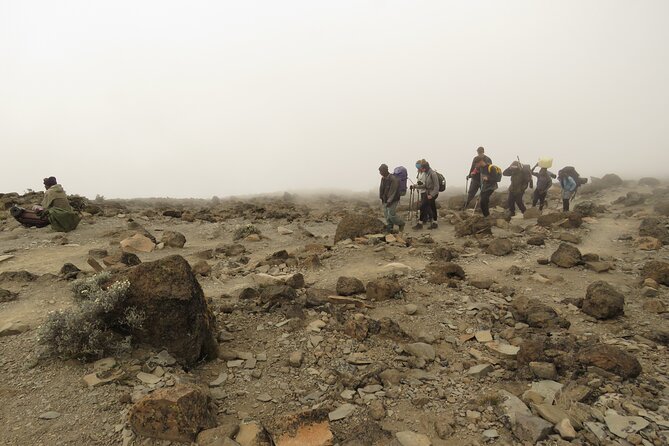
This trip is a strong match if you:
- Want the extra acclimatization time of the 7-day Lemosho route
- Prefer a guided, camping-supported format rather than managing gear and meals yourself
- Can handle hiking days that range from short and gentle to long and demanding
It’s also clearly aimed at people with moderate physical fitness. The mountain still sets the pace, but you should be ready for steep days, cold nights, and long hours.
Who might rethink it? If you are looking for a low-effort stroll, this is not it. Even with the schedule designed to help acclimatization, you will hike 6 km, then 8 km, then up to 14 km, then long high-altitude days around Barafu and the summit night.
Should You Book This 2025 7-Day Lemosho Kilimanjaro Trip?
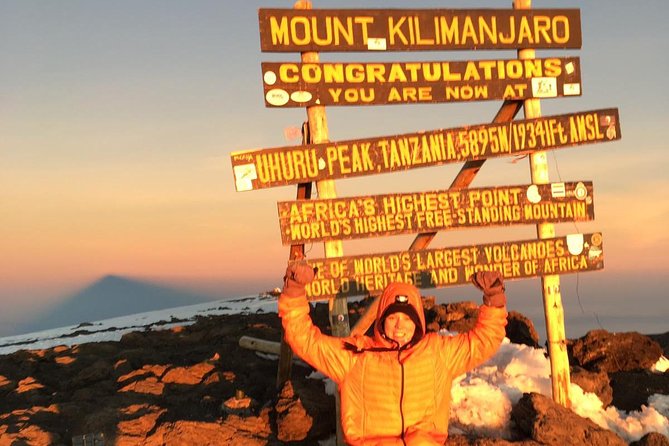
If your goal is to maximize your chance by stacking the deck for acclimatization, this plan makes sense. The combination of a 7-day timeline, included camping and meals, and organized pickup and drop-off in Moshi is a practical formula.
I would book it if you:
- Value support over DIY planning
- Want a route that moves through multiple habitats and gives time to adjust
- Are okay with the demands of a multi-day summit attempt
I would hesitate if:
- You are on the tightest budget possible and do not plan for park fees, tips, and personal gear
- You want an experience that is short, easy, or gear-light without any cold-weather prep
FAQ
How long is the Kilimanjaro trek and where does it start and end?
The trek is about 7 days. It starts at Londorossi Gate and ends at Mweka gate, with transport arranged to Moshi after the trek.
What’s included in the $1,250 per person price?
Included are camping equipment (quality tents and sleeping mattress), meals during the trek (breakfast, lunch, dinner), a trekking certificate and briefing, a professional guide, and pickup from your Moshi hotel to Londorossi Gate plus a drop-off from Mweka gate back to your Moshi hotel.
What’s not included in this package?
Not included are all Mount Kilimanjaro park fees, tips to the mountain crew, airport pickup and drop-off, hotel accommodations before and after the trek in Moshi, flights, and personal hiking gear.
Do I have to pay Mount Kilimanjaro park fees separately?
Yes. Mount Kilimanjaro park fees are not included, but the data states you can pay them directly to the park or through the tour operator.
Is Moshi hotel pickup and drop-off included?
Yes. Pickup from your hotel in Moshi town to Londorossi Gate is included, and drop-off from Mweka gate back to your hotel in Moshi town is included.
What group size should I expect?
The tour lists a maximum of 50 travelers.
What fitness level do I need?
The tour says travelers should have a moderate physical fitness level.
When is the best time of year to climb Kilimanjaro on this route?
Climbing is recommended between mid-December and March, or mid-June and October when weather conditions are better.
Is there free cancellation, and what happens if weather cancels the trek?
Free cancellation is offered. You can cancel up to 24 hours in advance for a full refund, and if the experience is canceled due to poor weather you’ll be offered a different date or a full refund.
Just posted around Moshi
- machame route★ 5.0 · 16 reviews
- Wildlife Extravaganza: Manyara, Tarangire & Ngorongoro in 3 Days★ 5.0 · 3 reviews
- Mt Kilimanjaro 6 days Marangu route hike★ 5.0 · 3 reviews
- Kilimanjaro Climbing Umbwe Route★ 5.0 · 3 reviews
- 3 Days Private E-Bike Tour in West Kilimanjaro★ 5.0 · 3 reviews
- West Kilimanjaro cycling Adventures★ 4.5 · 8 reviews
- Kilimanjaro Climb • Marangu Route ~ 9 Day★ 5.0 · 4 reviews
- Private Cycle to Kilimanjaro Bike Park Safari★ 5.0 · 6 reviews
Kilimanjaro Climbs, compared.
8-Day Small-group Lemosho Kilimanjaro Summit Trekking
Read our review →
5 Days Best of Tanzania Luxury Safari Northern Circuit
Read our review →
Climbing Kilimanjaro through 7 days Machame Route
Read our review →