Reviewed · KILIMANJARO CLIMBS
9 Days Mount Kilimanjaro Climb Machame Route
Kilimanjaro starts with a view from your lodge. This 9-day Machame Route climb out of Moshi blends real acclimatization steps with a small group setup (max 6), so you are not stuck in a huge herd on the trail. I especially like the professional guide and support crew focus, including tight safety monitoring close to summit night, and the way camp logistics reduce stress when the air gets thin. One drawback to consider is the altitude reality: you will earn every step, and the summit day involves cold, thin air and long hours.
I also like that the mountain rhythm is built around sensible pacing. You move from rainforest to moorland, stack altitude gains with planned climbs like Lava Tower and Kosovo, and still get a big send-off with certificates on the final day back at Mweka Gate. If you are the kind of person who prefers comfort, this is still rough trekking, but it is structured and handled well.
In This Review
- Key highlights I think matter
- Moshi Arrival, Stella Maris Lodge, and the Pre-Climb Reset
- Day 1: From Machame Gate (1,800 m) to Machame Camp (3,010 m)
- Day 2: Shira Camp and the First Real View Moments (3,845 m)
- Day 3: Lava Tower (4,630 m), Then Down to Barranco Camp (3,960 m)
- Day 4: Barranco Wall Early, Then Karanga for the Push Toward Barafu
- Day 5: Karanga to Barafu Summit Camp (4,673 m), Plus the Kosovo Acclimatization
- Day 6: Midnight Summit to Uhuru Peak (5,895 m), Then Down to Millennium Camp
- Day 7: Millennium Camp to Mweka Gate (1,640 m) and the Finish Into Moshi
- Price and Value: What $3,250 Buys on Machame
- Safety, Pacing, and Real Comfort Tips That Fit This Route
- Who This Machame Climb Is For
- Should You Book This 9-Day Machame Route?
- FAQ
- What route does this 9-day Kilimanjaro climb follow?
- How many days is the trek, and when do you summit?
- Where do you start and where does the tour end?
- Is airport pickup and transfer included?
- What meals and drinking water are included?
- What sleeping setup is included on the mountain?
- Are guides and porters included?
- Are tips included in the price?
- If I cancel, do I get a refund?
Key highlights I think matter
- Machame Route acclimatization beats a straight-up grind, with Lava Tower, Barranco Wall, and the Kosovo high point.
- Small-group feel with a maximum of 6 travelers, which helps on narrow sections and photo stops.
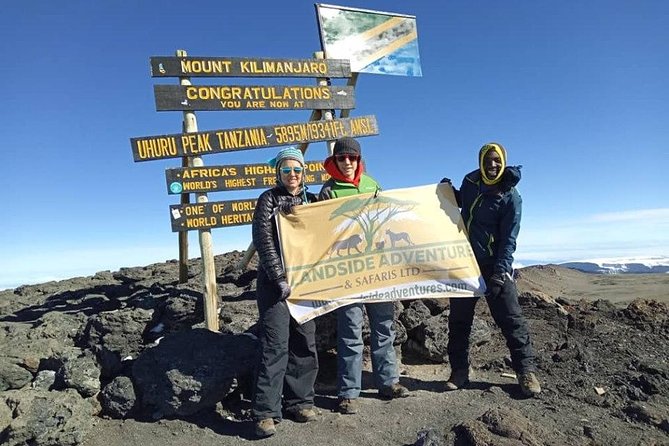
- Midnight summit plan to Uhuru Peak (5,895 m) with a guide monitoring every two climbers for safety.
- Camp setup ahead of time with tents and sleeping bags, plus treated drinking water and proper meals.
- A steep-but-doable Barranco Wall day, plus an early start that helps avoid crowd friction.
- Safety note that actually helps, especially the warning about the descent footing after summit.
Moshi Arrival, Stella Maris Lodge, and the Pre-Climb Reset
You start in Moshi, and the trip begins the easy way, with pickup after you land at Kilimanjaro Airport. From there it is a short drive, about 30 to 40 minutes, to Stella Maris Lodge, which sits before Moshi Town. The big advantage here is mental: you get a real night before you start moving uphill for days, and the lodge has comfortable beds and a hot shower.
That hot shower part is not just a luxury. After a flight, you want to feel human. It helps you sleep, and sleeping well is one of the simplest ways to set up your body for the altitude days ahead.
Another smart touch is the schedule advice to get an early night. You know what I do with advice like that. I take it seriously. The next morning is the official kick-off, and a calm start helps you avoid rushing at the very beginning.
More Kilimanjaro climbs:
- Kilimanjaro climb by Lemosho Route (7-day)
★ 5.0 · 651 reviews - Kilimanjaro climb, Machame Route (7-day)
★ 5.0 · 262 reviews - Kilimanjaro Climbing Lemosho Route 8 Days.
★ 5.0 · 186 reviews
Day 1: From Machame Gate (1,800 m) to Machame Camp (3,010 m)
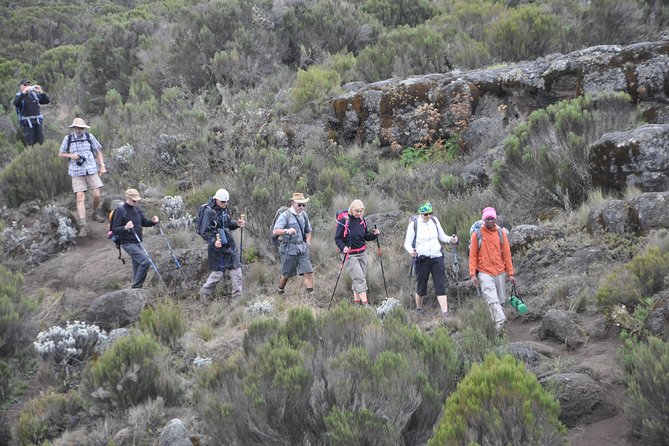
Today is the ramp-up day, and the route starts at Machame Gate, at 1,800 m. Your guide and the mountain support crew meet you in the morning for a quick briefing, then you handle the formalities: climbing permits and registration with the search and rescue service.
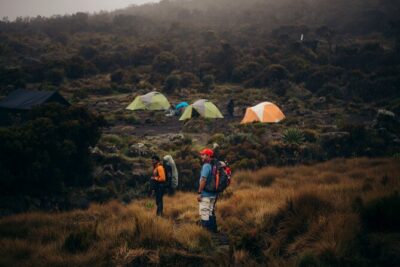
Then it is trekking to Machame Camp at 3,010 m. This part is usually about rainforest walking, and the trail can be damp. The operator specifically flags that tropical showers are highly probable. That is your clue to pack and dress like you expect wet weather, not like you hope for dry luck. Bring spare clothes for the inevitable damp cycle, and use raincoats, not just umbrellas.
Keep expectations simple. This is not a technical day. It is a day to start building your rhythm while your body switches from near-sea-level comfort into altitude work.
By the end of Day 1, you will be sleeping higher than most people ever do. That is the point. You are not just traveling up a mountain. You are training your body to function with less oxygen.
Day 2: Shira Camp and the First Real View Moments (3,845 m)
After breakfast you trek up to Shira Camp at 3,845 m. One of the biggest changes on this route is that you emerge from the rainforest during the day. That is when you can get those dramatic views across the Shira Plateau.
Physically, the walking is described as not very difficult. The altitude changes are the real challenge. I like that the trip guidance tells you to pay attention to your body and pace. On Kilimanjaro, the most common mistake is going out too fast because the trail feels friendly.
When you reach Shira Camp, you get lunch and rest, then an acclimatization hike toward Lava Tower Camp with about 300 meters of gain in altitude. After that you return to Shira Camp for a hot dinner.
This is a key pattern on Machame. You do not just gain height and hope. You gain, adjust, and then sleep higher. It is how you give your body a chance to adapt.
Day 3: Lava Tower (4,630 m), Then Down to Barranco Camp (3,960 m)
Day 3 climbs from Shira Camp to Lava Tower, rising from 3,845 m to 4,630 m. The description here is honest: the rise-and-fall nature can feel difficult. You crest higher, drop a bit, and keep moving, which is harder than a steady uphill grind.
Lava Tower itself matters for acclimatization. You take lunch there to give you extra high-altitude time before descending to Barranco Camp at 3,960 m.
Then you arrive at Barranco Camp, where the famous Barranco Wall is in view. The wall is known for its steep look, and this day is the first time you really see what is coming tomorrow.
The good news is that the route does not treat Barranco as a scary technical climb. It is a steep hike with a simple hiking trail, just intimidating at first glance.
A few more Moshi trips to compare
- Safari Serengeti And Ngorongoro
★ 5.0 · 288 reviews - Climbing Kilimanjaro – Machame Route
★ 5.0 · 170 reviews - Climbing Kilimanjaro through 7 days Machame Route
★ 5.0 · 151 reviews - Kilimanjaro climb, Lemosho Route (8-day)
★ 5.0 · 148 reviews
Day 4: Barranco Wall Early, Then Karanga for the Push Toward Barafu
This day starts with an early plan. The guidance says it is best to begin early to avoid crowding on the way up Barranco Wall. That is practical advice, and I like it because it respects reality. Sunrise on the mountain attracts people, and narrow sections feel tighter when everyone shows up at the same time.
The climb up Barranco Wall is described as merciful, around an hour or so. At the top, you get great photo opportunities with Kibo Peak as the backdrop.
After that, the day is full of ups and downs. Your guides will choose the best lines for individual climbers, which matters when everyone has different walking style and different stamina levels.
Lunch is at Karanga Camp. Then you do another acclimatization climb toward Barafu, reaching a highest point of about 4,270 m, before returning back to Karanga Camp for the night.
The altitude range here gives you a big message: your body is learning to work between camps, not just climb in a straight line. You are training for the summit night by repeatedly practicing altitude stress.
Day 5: Karanga to Barafu Summit Camp (4,673 m), Plus the Kosovo Acclimatization
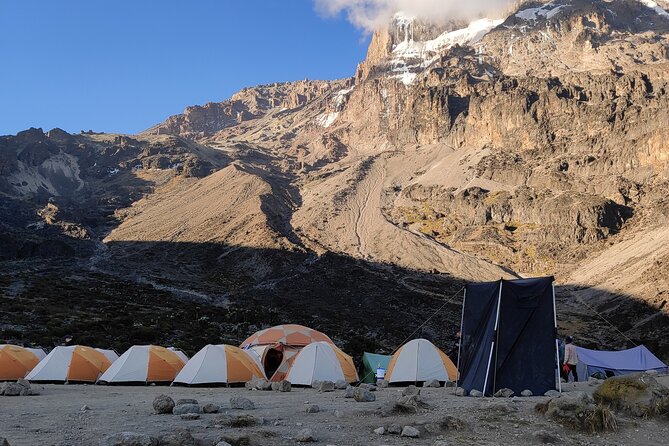
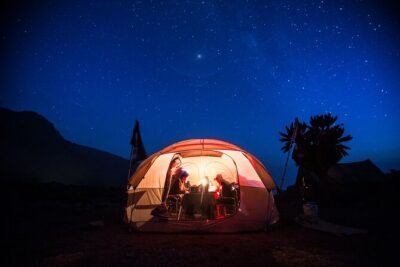
After breakfast you move to Barafu Summit Camp at 4,673 m. A big quality-of-life detail here is that the team sets up your camp ahead of time, including tents and sleeping bags. That means less scrambling when you are tired. You get to rest earlier, and you conserve energy for what comes next.
Then you do an acclimatization climb to Kosovo Summit Camp, highest point 4,800 m, and back to Barafu Camp. The hike is short, about 1 to 2 hours and around 2 km, and it is specifically placed here to help your body adjust before summit night.
After that, you rest. This is the day you want to treat like a countdown. The plan is hot dinner, then sleeping before night summiting.
This is where a good crew makes a difference. You do not need entertainment. You need a smooth routine and a chance to sleep in cold conditions.
Day 6: Midnight Summit to Uhuru Peak (5,895 m), Then Down to Millennium Camp
Summiting starts around midnight from 4,673 m, and it ends at Uhuru Peak at 5,895 m. The trek itself is described as fairly simple, but this is still the hardest psychological part. Your body is already tired. The air is thin. Cold and fatigue can make the simplest steps feel huge.
Safety is a major focus in how this climb is run. The plan includes a guide who monitors condition throughout the climb, with one guide accompanying every two climbers. That “every two” detail is what I care about. It means support is not just general. It is close.
Once you reach the summit, you get the chance to walk on the nearby glacier. That is a powerful moment because it makes Kilimanjaro feel real, not just like a hiking challenge.
Then you rest for about two hours at Barafu Camp before descending to Millennium Camp at 3,820 m.
Here is the safety warning the route highlights: descent is deceptively easy, but footing is treacherous, and it results in 90% of accidents. Your job on the way down is not to be brave. It is to be careful. Watch your step. Keep your focus on the ground.
Day 7: Millennium Camp to Mweka Gate (1,640 m) and the Finish Into Moshi
This is the recovery day on paper, but it is still long. Millennium Camp sits lower at the forest line, which means you usually get a better night’s sleep, helped by the relief of having already reached the top.
Breakfast comes first. Then you trek down to Mweka Gate at 1,640 m. It is about 13.5 km and 5 to 6 hours.
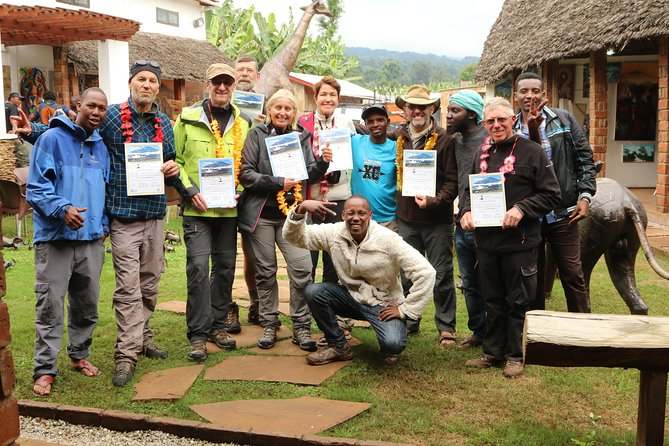
At Mweka Gate, you do a short celebration with the climb crew. Then you head to the operator offices, pick up your certificates, and drive back to your lodge in Moshi.
Certificates matter more than people think. When you climb something this demanding, it is nice to have a formal marker for the work your body did.
Price and Value: What $3,250 Buys on Machame
At $3,250 per person, this is not a casual add-on. You are paying for a full, managed mountain system.
Here is what is included, and why it adds real value:
- Roundtrip airport transfer between Kilimanjaro Airport and Moshi
- Professional guides, cook, and porters, plus treated drinking water
- Meals for vegetarian and non-vegetarian diets, with breakfasts, lunches, and dinners included
- Camp basics like sleeping mattresses, tables, and chairs
- Mountain-side setup like tents and sleeping bags, especially highlighted before summit night
- Lunch and dinner timing that supports your altitude rhythm
What is not included is tips. That is common on Kilimanjaro climbs, but it is still a real budget line you should plan for.
Also consider the max group size. A maximum of 6 travelers can mean smoother pacing, less waiting, and easier attention from guides. You still need to hike at your own pace, but you are not fighting a crowd all the time.
If you are comparing options, I would judge by the whole package, not just the route name. Machame is popular for a reason, but the cost only feels fair when the logistics are handled cleanly.
Safety, Pacing, and Real Comfort Tips That Fit This Route
This climb makes a few practical points that you can use immediately:
- Pack for wet weather in the rainforest segment, including spare clothes and raincoats.
- Follow pace advice. Altitude is the challenge, not just distance.
- Expect long summit night conditions. The plan starts around midnight, and that means cold.
- On the descent after summiting, respect the warning about 90% of accidents happening due to treacherous footing.
Comfort is also about routine. The lodge gives you hot showers at the start. On the mountain, the team sets up camp ahead of time, including tents and sleeping bags. That is not fluff. It cuts stress so you can focus on breathing and walking.
Finally, if you have moderate physical fitness, this is described as suitable for that level. Still, the altitude workload is serious. Think of this as a fitness plus altitude test, not just a hike.
Who This Machame Climb Is For
This is a strong choice if you want:
- The Machame Route and the classic rhythm of rainforest to plateau to summit night
- A tour with small-group size (max 6) and close guide attention
- A structured acclimatization plan, including Lava Tower, Barranco Wall, and Kosovo
- A system that manages meals and camp comfort instead of leaving you to guess
It may be less ideal if:
- You are looking for a budget-friendly trip
- You want a very easy climb with minimal altitude discomfort
- You are not ready for a long summit day that starts around midnight and ends high on Uhuru Peak
Should You Book This 9-Day Machame Route?
I would book it if you want the full Kilimanjaro experience with planned acclimatization steps, professional support, and a camp setup that helps you conserve energy when it counts. The combination of Machame Gate to Uhuru Peak, plus the repeated rise-and-fall strategy, is built for success, not wishful thinking.
I would hesitate if your budget is tight or if you are very altitude-sensitive and not committed to pacing. This climb rewards preparation, patience, and careful descent habits.
If you are ready to take altitude seriously and you like the idea of a small-group push toward Uhuru Peak, this Machame route is a very practical, value-focused way to do it.
FAQ
What route does this 9-day Kilimanjaro climb follow?
It follows the Machame Route, starting at Machame Gate and finishing with the descent to Mweka Gate.
How many days is the trek, and when do you summit?
The trip is about 9 days total, and summiting starts around midnight, reaching Uhuru Peak at 5,895 m on Day 7 of the trek.
Where do you start and where does the tour end?
The tour starts in Moshi after pickup at Kilimanjaro Airport. It ends back with a hotel-to-airport transfer.
Is airport pickup and transfer included?
Yes. The tour includes roundtrip airport transfer.
What meals and drinking water are included?
Meals are included, with vegetarian and non-vegetarian options. Drinking water is treated, and the tour includes breakfasts, lunches, and dinners.
What sleeping setup is included on the mountain?
You get sleeping mattress basics. The plan also notes that tents and sleeping bags are set up ahead of time for the summit-camp stage.
Are guides and porters included?
Yes. Professional mountain guides, cook, and porters are included.
Are tips included in the price?
No. Tips are not included.
If I cancel, do I get a refund?
No. The experience is non-refundable and cannot be changed for any reason.
If you want, tell me your fitness level and your planned travel dates, and I can suggest how to think about pacing for this exact Machame schedule.
Just posted around Moshi
- machame route★ 5.0 · 16 reviews
- Kilimanjaro Climbing Umbwe Route★ 5.0 · 3 reviews
- Wildlife Extravaganza: Manyara, Tarangire & Ngorongoro in 3 Days★ 5.0 · 3 reviews
- Mt Kilimanjaro 6 days Marangu route hike★ 5.0 · 3 reviews
- 3 Days Private E-Bike Tour in West Kilimanjaro★ 5.0 · 3 reviews
- West Kilimanjaro cycling Adventures★ 4.5 · 8 reviews
- Private Cycle to Kilimanjaro Bike Park Safari★ 5.0 · 6 reviews
- Kilimanjaro Climb • Marangu Route ~ 9 Day★ 5.0 · 4 reviews
Kilimanjaro Climbs, compared.
8-Day Small-group Lemosho Kilimanjaro Summit Trekking
Read our review →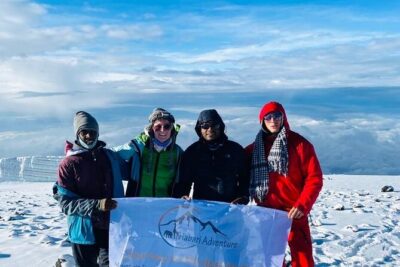
5 Days Best of Tanzania Luxury Safari Northern Circuit
Read our review →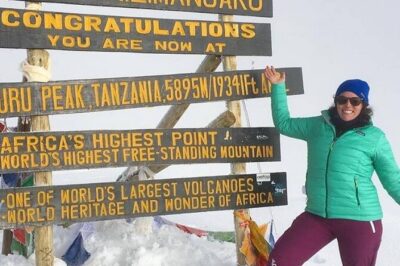
Climbing Kilimanjaro through 7 days Machame Route
Read our review →