Reviewed · KILIMANJARO CLIMBS
8 Days Climbing Mt.Kilimanjaro (Lemosho Route)
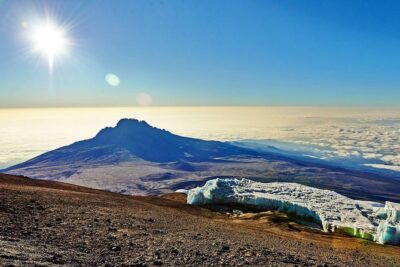
Kilimanjaro feels bigger when you plan the right way. This 8-day Lemosho route aims to ease you into altitude with gradual days, camp comforts like tents and mattresses, and a crew that keeps food and logistics moving. I especially like the small-group approach that cuts down on other climbers on the trail, and the built-in support like rescue coverage, first aid, and pulse oximeters. One thing to watch is that you are paying for a lot of included services, but tips and gear are still on you, and a few past reports mention communication or delivery issues, so confirm details clearly before you go.
What makes this trip interesting is the mix of big trekking days and purposeful acclimatization. You’ll cross forest into moorland, tackle the famous Barranco Wall and Lava Tower area, then go for the summit during the midnight to 2 am push. If you want a guided route that feels organized and not chaotic, this plan is built for that.
In This Review
- Key things to know before you book
- Lemosho Route Basics: why this 8-day pacing helps your body
- Price and value: what $2,300 covers, and what costs extra
- Small-group trekking and local gear help: the practical perks
- Day-by-day on Kilimanjaro: what each camp is doing for you
- Day 1: Lemosho Park Gate to Mti Mkubwa Camp (1830m to 2650m)
- Day 2: Mti Mkubwa Camp to Shira 1 Camp (2650m to 3500m)
- Day 3: Shira 1 Camp to Shira 2 Camp (3500m to 3850m)
- Day 4: Shira 2 Camp to Barranco Camp (3850m to 4000m)
- Day 5: Barranco Camp to Karanga Camp (4000m to 4050m)
- Day 6: Karanga Camp to Barafu Camp (4050m to 4700m)
- Day 7: Barafu Camp to Summit (Uhuru Peak) to Mweka Camp
- Day 8: Mweka Camp to Mweka Gate to Hotel (3090m to 1680m)
- Summit night, safety, and what to do with the cold
- Gear, rentals, and comfort choices that prevent misery
- How good is the operator, based on ratings and mixed feedback
- Who this Lemosho trek is best for
- Should you book this 8-day Lemosho climb?
- FAQ
- How long is the Kilimanjaro trek on the Lemosho route?
- Where does the trek start and end?
- Is pickup offered?
- What does the tour include on the mountain?
- What meals are included during the trek?
- What costs are not included?
- What are the key high points of the route?
- When do you start the summit climb?
- How do you receive your summit certificate?
- What is the cancellation policy?
Key things to know before you book
- Lemosho route pacing with acclimatization days built in on the Shira Plateau and Barranco area
- Small-group feel that helps you hike with fewer people around you
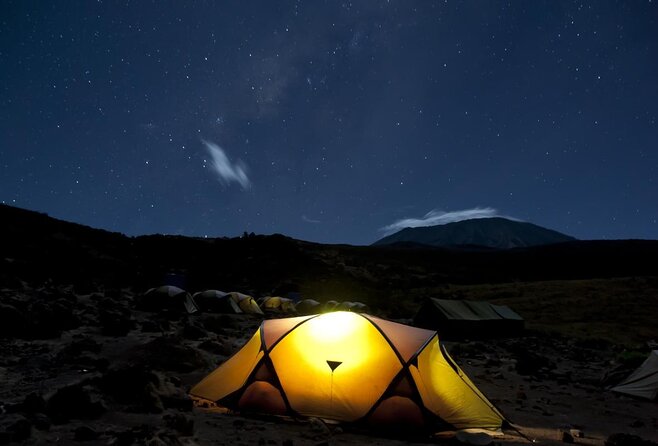
- Full camp support including tents, sleeping mattresses, boiled water, and all mountain meals
- Summit-night structure with a pre-dawn start and a route through Stella Point to Uhuru Peak
- Safety gear included like first aid coverage, rescue fees, and pulse oximeters
Lemosho Route Basics: why this 8-day pacing helps your body
Kilimanjaro is not a hike you win by speed. It’s a breathing test at altitude, and the Lemosho approach is designed to help your body adjust. Instead of jumping straight upward, you climb in steps, sleep at increasing elevations, then give yourself days where your legs move but your body has time to adapt.
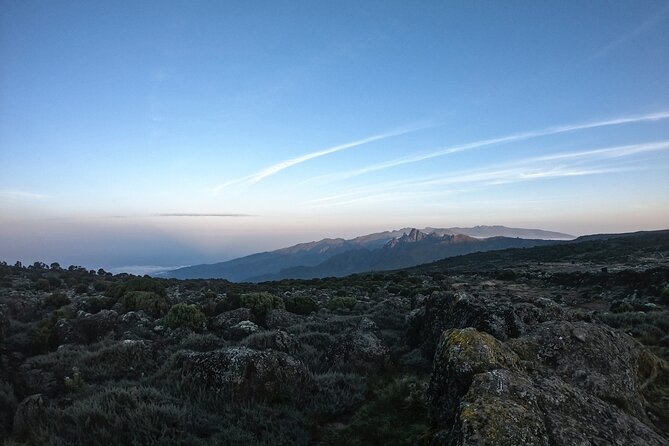
The route also gives you variety. Day 1 moves through montane forest, then you transition into giant heather moorland around the Shira Ridge area. Later you’ll walk through semi-desert and alpine desert zones before the final high camp. That change in terrain matters because it changes how you feel, how you walk, and how much effort each hour takes.
Most importantly, the schedule includes two key acclimatization moments. The Shira Plateau day is built for gentle movement and optional hikes, and the Barranco day sets you up for Barafu and summit night. You don’t just climb, you also learn how your body reacts.
More Kilimanjaro climbs:
- Kilimanjaro climb by Lemosho Route (7-day)
★ 5.0 · 651 reviews - Kilimanjaro climb, Machame Route (7-day)
★ 5.0 · 262 reviews - Kilimanjaro Climbing Lemosho Route 8 Days.
★ 5.0 · 186 reviews
Price and value: what $2,300 covers, and what costs extra
At $2,300 per person for an 8-day climb, you’re paying in large part for the mountain infrastructure. This price includes guides plus the mountain crew, national park fees, tents and sleeping mattresses, dining setup, rescue fees, first aid, and pulse oximeters. It also covers boiled water on the mountain and all meals (breakfast, lunch, and dinner) during the trek.
Here’s the value math I’d do if I were budgeting:
- If you had to source guides, park permits, camping systems, and daily meals yourself, the total cost would usually balloon fast.
- The included safety items are not just paperwork. Having first aid support and pulse oximeters means the crew is equipped to monitor people in real time.
- This is also a route where slow, steady movement matters. Having the entire camp system running smoothly helps you focus on your pace instead of logistics.
What’s not included is also important. Tips for guides and porters, your visa (if required for you), and climb gear are not included. Emergency oxygen is not included either, so you should plan as if you will be self-reliant for oxygen access if conditions change. Also, the two nights before and after the trek are listed separately at $50 at Kili Base Hotel.
Small-group trekking and local gear help: the practical perks
The trip’s own pitch is simple: turn up and let them organize the rest. In practice, that means you get taken to a local hiking store where you can compare and get rental gear at good rates. That’s a real help if you don’t want to carry heavy kit from home or you’re trying to keep your travel packing sane.
The other practical perk is the group setup. This is described as private for your group, and the route is run in small groups so you’re not stuck constantly navigating around crowds. On Kilimanjaro, crowds don’t just feel annoying. They can slow you down, block photo stops, and complicate finding your rhythm.
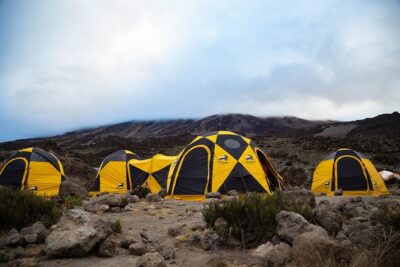
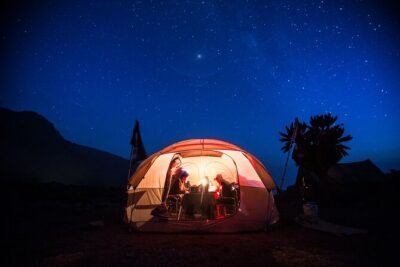
One more point from the included list: the mess tent, mini camping chairs, tables, candles, and dining setup are part of what’s provided. That won’t make altitude feel easy, but it makes downtime more manageable when you’re chilled and tired.
Day-by-day on Kilimanjaro: what each camp is doing for you
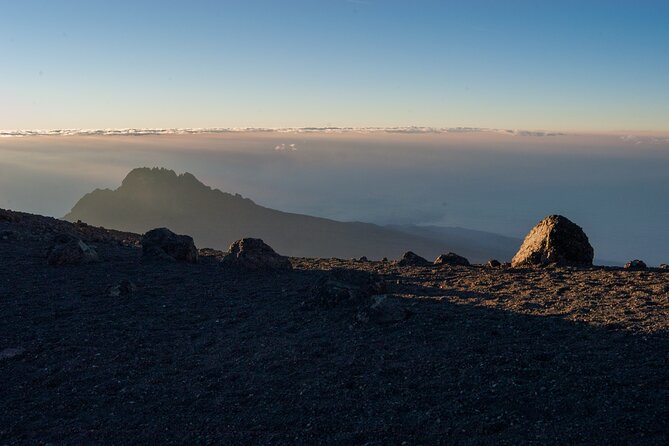
Below is how this route unfolds, with what each leg is likely to feel like and why it matters for acclimatization.
A few more Moshi trips to compare
- Safari Serengeti And Ngorongoro
★ 5.0 · 288 reviews - Climbing Kilimanjaro – Machame Route
★ 5.0 · 170 reviews - Climbing Kilimanjaro through 7 days Machame Route
★ 5.0 · 151 reviews - Kilimanjaro climb, Lemosho Route (8-day)
★ 5.0 · 148 reviews
Day 1: Lemosho Park Gate to Mti Mkubwa Camp (1830m to 2650m)
You drive to the Lemosho Park Gate, then take a forest track that needs a 4WD vehicle, continuing on to the Lemosho Glades area. The walk heads along forest trails to Mti Mkubwa, also described as big tree campsite.
This is a good start because the hiking time is relatively short at 2 to 3 hours over about 6 km. You’ll still gain elevation, but you’re moving through montane forest, which usually feels calmer underfoot than later scree zones. Meals include lunch and dinner.
Watch-outs: forest days can trick you. You may feel warm and start out too fast. Keep your pace easy anyway. Altitude is the real boss here.
Day 2: Mti Mkubwa Camp to Shira 1 Camp (2650m to 3500m)
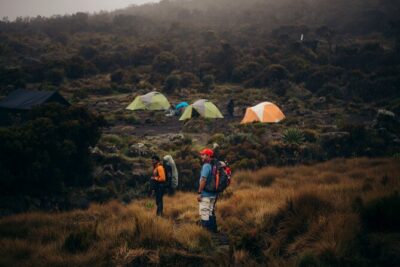
Today the trail steepens a bit as you enter giant heather moorland. You’ll cross several streams, move over the Shira Ridge, then descend gently to Shira 1 Camp on the Shira Plateau near a stream.
Hiking time is 4 to 5 hours over about 8 km. This is one of those days where your effort feels bigger because moorland terrain can be rough and exposed.
This leg is also part of the transition. Going from forest into moorland changes what your body experiences, especially if the wind comes up at higher altitude. Meals include breakfast, lunch, and dinner.
Day 3: Shira 1 Camp to Shira 2 Camp (3500m to 3850m)
A gentler plateau day. You hike across the Shira Plateau and reach Shira 2 Camp on moorland meadows near a stream. The trip notes that you can choose from a variety of hikes on the plateau, making it a classic acclimatization day.
Hiking time is 4 to 5 hours for about 8 km. If you’re feeling strong, you still don’t want to power-walk. If you’re feeling slower, that’s normal. This is the kind of day where your goal is not conquering distance, it’s giving your body time.
Day 4: Shira 2 Camp to Barranco Camp (3850m to 4000m)
This is where the route becomes more dramatic. You continue east up a ridge, passing a junction toward the Kibo area, then switch direction toward the Lava Tower, nicknamed the Shark’s Tooth at about 4650m. Shortly after, you reach the second junction toward the Arrow Glacier, then continue down to Barranco Camp.
Elevation ends at about 4000m, but the hiking time is 5 to 6 hours over around 8 km. Even with ending around a similar elevation to the start, you still climb and traverse high points, which is why this day is important for acclimatization and for training your legs.
Habitat shifts toward semi-desert. Meals include breakfast, lunch, and dinner.
Day 5: Barranco Camp to Karanga Camp (4000m to 4050m)
This day is shorter at about 3 to 4 hours over 5 km, but it’s described as a steep ridge up the Barranco Wall into the Karanga Valley. You connect toward the Mweka Trail area.
Your finish elevation is about 4050m, so you are gaining slowly again. Habitat is alpine desert, which tends to mean colder air, more exposed walking, and a gritty feel underfoot.
Meals include breakfast, lunch, and dinner.
Day 6: Karanga Camp to Barafu Camp (4050m to 4700m)
Today pushes you to your high camp. You continue up to Barafu Camp, and the plan notes that you’ve completed the South Circuit at this point. This is a rest and preparation day once you arrive.
Hiking time is 3 to 4 hours over 4 km. You’ll reach about 4700m, and the habitat is again alpine desert. Meals include breakfast, lunch, and dinner, and the day is built to get you ready for the summit push.
Drawback to consider: Barafu is high, and you don’t get much time to settle. Plan to conserve energy. Eat what you can, rest, and keep warm.
Day 7: Barafu Camp to Summit (Uhuru Peak) to Mweka Camp
This is the big one. The plan has an early start between midnight to 2 am. You ascend through heavy scree toward Stella Point on the crater rim. The route passes between the Rebmann and Ratzel glaciers.
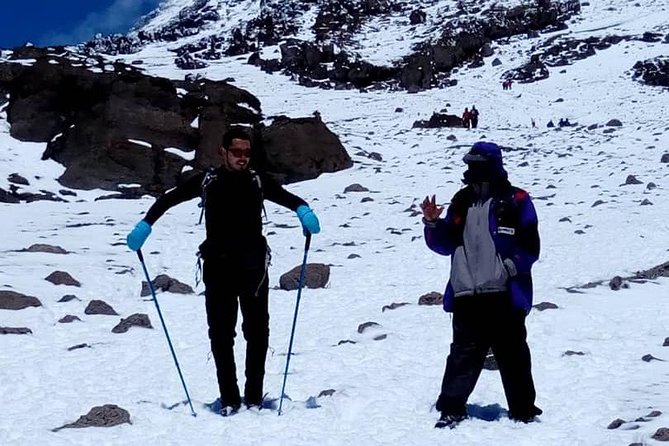
You should expect this to be the most mentally and physically challenging segment. Then, after a short stop at Stella Point, the ascent continues up to Uhuru Peak. The itinerary notes that snow might be encountered on the way up. At the peak, you’re at the top of Kilimanjaro.
The route also calls out the sunrise reward at Stella Point, and that faster hikers might see it from the summit. The final part of the day is continuing to Mweka Camp.
(If you’re the type who worries about time, don’t. This is not a day for strict pacing. It’s about consistent effort and staying calm while your body works.)
Day 8: Mweka Camp to Mweka Gate to Hotel (3090m to 1680m)
After breakfast, you descend to Mweka Park Gate to receive your summit certificates. The route warns that lower elevations can be wet and muddy, so gaiters and trekking poles help a lot.
Shorts and t-shirts may be enough at lower altitudes, but keep rain gear and warmer layers handy. You’ll have a vehicle transfer back to your hotel in Moshi, around 60 minutes.
Meals include breakfast.
Summit night, safety, and what to do with the cold
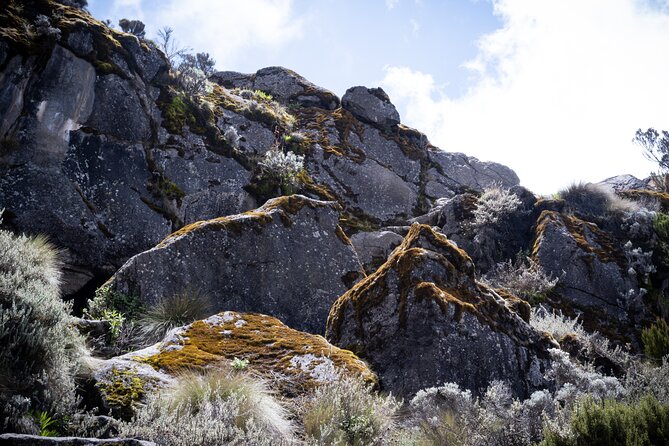
Summit night is where most people feel altitude in their bones. The climb is long, the cold can be brutal, and the terrain changes from manageable steps to constant footing challenges. This plan uses an early start and a defined path toward Stella Point and then Uhuru Peak.
What I like here is the built-in support for risk management. Rescue fees and first aid are included, and pulse oximeters are part of the camp kit list. That matters because altitude issues don’t wait for your schedule.
Your best strategy is boring and effective:
- Keep your steps small and steady.
- Don’t sprint uphill, even when you feel good early.
- Use trekking poles if you have them, especially for the scree and for the muddy descent afterward.
- If you get nauseous or dizzy, tell your guide immediately and slow down.
Even with a strong crew, you still control your effort. Kilimanjaro rewards patience more than ego.
Gear, rentals, and comfort choices that prevent misery
The tour helps with gear in a practical way. You’ll be taken to a local hiking store for rental gear options at good prices. Still, the actual climb gear is listed as not included, so you should confirm exactly what you plan to rent versus bring.
Also, camp comfort is included in key ways. Tents and sleeping mattresses are provided, along with dining equipment. That’s a big deal at altitude, where a decent sleep schedule can be the difference between feeling human and feeling wrecked.
For the descent, don’t ignore the wet-mud warning. The day 8 plan directly suggests gaiters and trekking poles. If you skip them, you might still finish fine, but your feet and knees will likely complain more.
How good is the operator, based on ratings and mixed feedback
On paper, the experience looks strong. It shows a 4.6 rating from 37 reviews and a 92% recommendation rate. Positive feedback in the provided comments centers on organized planning, responsive communication, and guides who care about safety and pacing.
You’ll also see multiple guide names tied to good outcomes and supportive experiences, including Edward, Haji, Mariki, Musa, Jonathan, Adam, Fabian, Moses, Teacher, Kaniki, Seif, and Tulzia. That suggests the company tends to use a stable bench of local staff who know the route and the rhythms of the mountain.
Now the cautious part. Some written complaints raise issues about communication, what was promised versus what was delivered, and basic lodging expectations. One comment also references deposits and frustration with timing. I’m not saying that’s your story, but I do recommend you do due diligence.
Practical move: ask for a written checklist of what’s included in your exact booking, especially around lodging before and after, the specific gear you can rent, and who your guide and crew are.
Who this Lemosho trek is best for
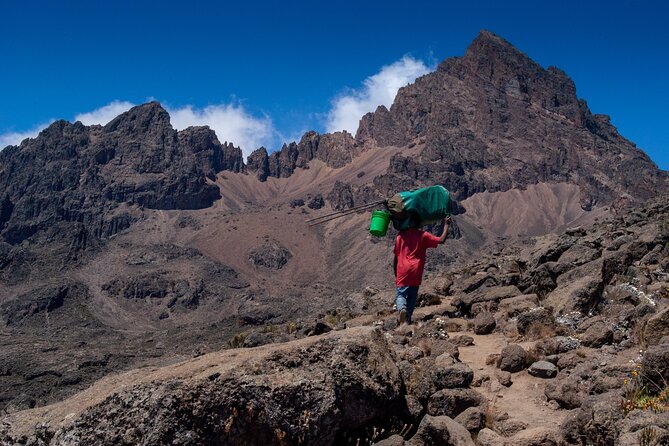
This trip fits well if you:
- Want a guided, organized climb with camps and meals handled for you.
- Like the idea of small-group trekking without constant crowds.
- Are open to a plan that includes acclimatization days where you do real hiking but don’t just grind upward every day.
You might want to rethink if you:
- Expect unlimited comfort on the mountain, since the trek still involves cold, thin air, and long days.
- Are very sensitive to pre-trek lodging quality, since two nights are listed separately and details matter.
Should you book this 8-day Lemosho climb?
If you’re aiming for a solid, structured Kilimanjaro run and you value included meals, camp setup, and safety equipment, this looks like a strong option. The Lemosho pacing is built to help your body adjust, and the route gives you the variety of terrain that makes Kilimanjaro feel like more than one long slog.
My recommendation comes with two conditions:
- Confirm the details that affect your comfort, especially pre and post trek lodging and your rental gear plan.
- If you’re comparing operators, look for one that communicates clearly and assigns a crew you trust.
If those boxes are checked, this is the kind of climb where you can focus on one thing, moving uphill at the right pace, and letting the sunrise on summit day do its job.
FAQ
How long is the Kilimanjaro trek on the Lemosho route?
It’s listed as 8 days.
Where does the trek start and end?
The start is listed as Machame, Tanzania, and the activity ends back at the meeting point.
Is pickup offered?
Yes, pickup is offered.
What does the tour include on the mountain?
The tour includes qualified guides with the mountain crew, national park fees, tents and sleeping mattresses, dining setup, rescue fees, pulse oximeters, and first aid. It also includes boiled water on the mountain and all meals on the mountain (breakfast, lunch, and dinner).
What meals are included during the trek?
All meals on the mountain are included, with breakfast, lunch, and dinner.
What costs are not included?
Tips for guides, porters, cook, and waiters are not included. Also not included are meals and drinks not specified, climb gear for the trek, visas, and emergency oxygen.
What are the key high points of the route?
The route includes Shira Plateau scenery, Lava Tower called the Shark’s Tooth area, and the summit push through Stella Point to Uhuru Peak.
When do you start the summit climb?
You start very early, between midnight and 2 am.
How do you receive your summit certificate?
On the final day you descend to the Mweka Park Gate and receive your summit certificates.
What is the cancellation policy?
Cancellation is free if you cancel up to 24 hours in advance for a full refund. If you cancel less than 24 hours before the start time, no refund is given. The experience also requires good weather, and if it’s canceled due to poor weather, you’ll be offered another date or a full refund.
Just posted around Moshi
- machame route★ 5.0 · 16 reviews
- Kilimanjaro Climbing Umbwe Route★ 5.0 · 3 reviews
- Wildlife Extravaganza: Manyara, Tarangire & Ngorongoro in 3 Days★ 5.0 · 3 reviews
- Mt Kilimanjaro 6 days Marangu route hike★ 5.0 · 3 reviews
- 3 Days Private E-Bike Tour in West Kilimanjaro★ 5.0 · 3 reviews
- West Kilimanjaro cycling Adventures★ 4.5 · 8 reviews
- Kilimanjaro Climb • Marangu Route ~ 9 Day★ 5.0 · 4 reviews
- Private Cycle to Kilimanjaro Bike Park Safari★ 5.0 · 6 reviews
Kilimanjaro Climbs, compared.
8-Day Small-group Lemosho Kilimanjaro Summit Trekking
Read our review →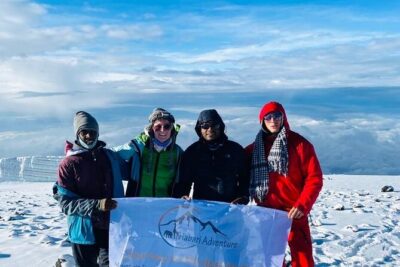
5 Days Best of Tanzania Luxury Safari Northern Circuit
Read our review →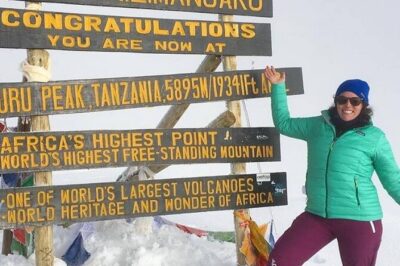
Climbing Kilimanjaro through 7 days Machame Route
Read our review →