Reviewed · KILIMANJARO CLIMBS
8 Day Climbing Kilimanjaro Via Lemosho Route
Kilimanjaro is a slow win. This 8-day Lemosho route moves from rainforest to high-alpine zones, and the Signature camping style aims to make the long days feel civilized. You get a real summit strategy too, with time built in for acclimatization and a classic sunrise finish.
One possible drawback: the summit night is cold and windy, and the altitudes leave no room for bravado. If you’re prone to altitude issues, you’ll want to listen hard to your guides and take pace seriously.
In This Review
- Key Things to Know Before You Go (Lemosho Kilimanjaro)
- Entering the Lemosho Route: Why This Side of Kilimanjaro Feels More Scenic
- Day 1: Londorossi Gate to Forest Camp, Rainforest Legs and Wildlife Chances
- Day 2: Shira Plateau Breakout to Shira 1 Camp, When Views Take Over
- Day 3: Crossing the Shira Plateau to Moir Camp, Moorland Acclimatization at Work
- Day 4: Kibo Slopes, Lava Tower, and the Barranco Valley Switchback to Beauty
- Day 5: Barranco Wall to Karanga Camp, A Short Day With Big Acclimatization Payoff
- Day 6: Barafu Camp, Rest Like It Matters (Because It Does)
- Day 7: Midnight Summit Push, Stella Point Sunrise, and Uhuru Peak
- Day 8: Down Through Montane Forest to Moshi, Then the Stuff You Actually Need
- Guides, Camping Comfort, and Group Size Limits
- Pickup, Timing, Meals, and What the Price Covers
- Who This Trek Suits Best (and Who Should Be Careful)
- Should You Book This 8-Day Kilimanjaro via Lemosho?
Key Things to Know Before You Go (Lemosho Kilimanjaro)
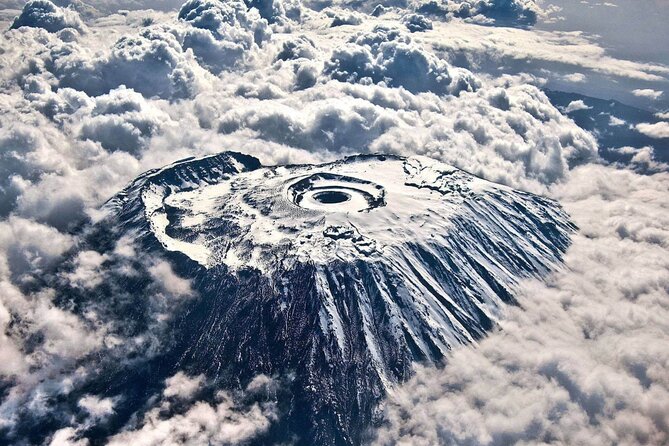
- Six ecological zones in one trip, from Afromontane rainforest to the arctic zone feel near the summit
- Barranco Valley and its wall: a dramatic climb up, then one of the prettiest sections of the route for the payoff
- Optional Lava Tower climb and the Garden of the Senecios for strange volcanic scenery and towering giant groundsel
- Barafu Camp summit setup, with an early rest and a near-midnight start for the cold ascent
- Stella Point sunrise around 18,652 feet, then a short final push to Uhuru Peak
- Meals included, plus spacious tents in the Signature camping setup, with pickup support from Moshi
Entering the Lemosho Route: Why This Side of Kilimanjaro Feels More Scenic
If you’re choosing among Kilimanjaro routes, Lemosho has a reputation for scenery that keeps improving as you go. The reason is simple: you start lower on the west side and build upward gradually, which gives your body time to adjust and gives you a steady parade of different ecosystems.
You’ll cross six ecological zones during this 8-day trek, from lush forest to harsh, cold conditions that feel like an arctic world. That matters, because Kilimanjaro is not one environment. It is layers, and this route lets you experience those layers instead of jumping straight into the cold and thin air.
You’ll also be in the hands of expert African guides who know the mountain and the local terrain. From what’s highlighted in operator stories and guide credits, teams often work with your pace and mood, not just a rigid schedule. That kind of human flexibility is a big deal when your legs are tired and your breathing gets weird.
More Kilimanjaro climbs:
- Kilimanjaro climb by Lemosho Route (7-day)
★ 5.0 · 651 reviews - Kilimanjaro climb, Machame Route (7-day)
★ 5.0 · 262 reviews - Kilimanjaro Climbing Lemosho Route 8 Days.
★ 5.0 · 186 reviews
Day 1: Londorossi Gate to Forest Camp, Rainforest Legs and Wildlife Chances
Day 1 starts with a long vehicle transfer from Arusha to the trailhead at the Londorossi Gate, and then you begin hiking in the Kilimanjaro National Park zone. You’ll start roughly at 7,742 feet and climb to about 9,498 feet, with around 3 to 4 hours on trail.
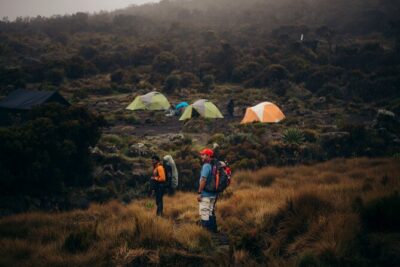
This is where Lemosho begins to earn its calm reputation. You’ll move through Afromontane Rainforest, the first ecological zone you’ll encounter. The walking is meant to be leisurely, so you can settle in, learn your rhythm, and start noticing how the air changes as you gain altitude.
Camp is reached mid-afternoon at Forest Camp. You’ll also have lunch on the trail, which keeps the day feeling like an actual outing instead of a long wait followed by a short hike.
Practical note: rainforest days can bring mist or damp trail conditions. Your best advantage is to keep layers ready, so you’re not sweating uphill and freezing while you stop.
Day 2: Shira Plateau Breakout to Shira 1 Camp, When Views Take Over
Day 2 climbs from about 9,498 feet to 11,500 feet over roughly 5 to 6 hours. You’ll transition from forest types into areas with heather and lichen-draped volcanic rock, then reach the Shira Plateau.
Here’s one of the coolest context details on this route: the Shira Plateau is an old chapter of Kilimanjaro. It used to be the mountain’s third peak before collapsing. When you’re walking across it, you can feel like you’re crossing a giant high-altitude history page, not just a flat-ish plateau.
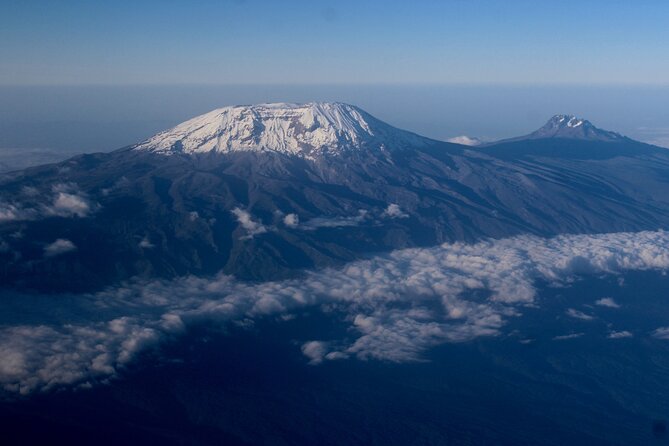
Lunch is taken on the trail, and you’ll arrive at Shira 1 Camp mid-afternoon. The big reward is the view of Kibo, Kilimanjaro’s summit area. From this vantage, Kibo can feel close enough to touch, even though you still have a lot of altitude work ahead of you.
The drawback to watch for on day 2: you’re gaining altitude and breaking out of forest into colder, rockier terrain. That can mean a quicker shift from comfortable to chilly, even if the walking pace stays steady.
Day 3: Crossing the Shira Plateau to Moir Camp, Moorland Acclimatization at Work
Day 3 ranges from about 11,500 feet to 13,800 feet, with around 5 to 7 hours walking. This is one of the most scenic days in the schedule because you cross the Shira Plateau, described as one of the highest plateaus on Earth.
Expect moorland meadows and wide, open terrain. That openness is both beautiful and honest. There’s less cover, so you feel the wind more, and you can’t hide from the fact that you’re higher than you were yesterday.
After lunch, you ascend to Moir Camp. The plan arrives mid-afternoon, and if you still have energy, there’s an optional late-afternoon hike in the Lent Hills. That’s not there for fun alone. It’s an acclimatization tool, helping your body adapt while you stay in a manageable height range.
Practical advice: if you choose the optional hike, keep it gentle. The goal is to help your body, not to prove toughness.
A few more Moshi trips to compare
- Safari Serengeti And Ngorongoro
★ 5.0 · 288 reviews - Climbing Kilimanjaro – Machame Route
★ 5.0 · 170 reviews - Climbing Kilimanjaro through 7 days Machame Route
★ 5.0 · 151 reviews - Kilimanjaro climb, Lemosho Route (8-day)
★ 5.0 · 148 reviews
Day 4: Kibo Slopes, Lava Tower, and the Barranco Valley Switchback to Beauty
Day 4 starts high, around 13,800 feet, and moves through the Kibo slopes up to the Lava Tower area at roughly 15,223 feet before descending to about 13,044 feet for Barranco Camp. You’ll hike around 4 to 6 hours, depending on your pace and whether you take the optional ascent.
This is the day where Kilimanjaro stops pretending to be a walk in the woods. The zone around Kibo is described as having relatively little flora or fauna, and the temperature swings can feel extreme. You’re walking across volcanic formations where life has to work hard just to exist.
Lunch typically happens close to Lava Tower. If you’re feeling strong, there’s an optional climb of about 300 feet up the Lava Tower before you descend again. It’s optional, so it’s also a good day to practice decision-making based on how you’re breathing and how steady your legs feel.
Then comes one of the visual highlights: passing through the Garden of the Senecios, with giant groundsel (Senecios) and giant lobelias. The “strange but beautiful” description fits because the plants look like they belong to another world, even while you’re still on planet Earth.
You’ll end at Barranco Camp, with Barranco Valley considered one of the prettiest areas on the entire trail.
Day 5: Barranco Wall to Karanga Camp, A Short Day With Big Acclimatization Payoff
Day 5 is shorter on paper, about 3 miles and 4 to 5 hours, climbing from roughly 13,044 feet to around 13,123 feet. But it’s not a stroll. You first need to conquer the intimidating Barranco Wall.
This climb is described as requiring use of all four limbs. Translation: you can’t treat it as a casual uphill, even if the total distance feels modest. Go slow, keep three points of contact when needed, and don’t fight the rock if your balance feels off.
Once you reach the top of Karanga Valley, the day continues with a path that has plenty of ups and downs. You’ll arrive late afternoon at Karanga Camp.
Why Karanga Camp matters: it’s chosen strategically for acclimatization. That extra altitude time helps you handle the higher camps coming next, and it also means you get time to settle in before the final summit push.
Karanga is also known for spectacular sunsets, with views toward the southern glacial valleys and ice fields towering above you. Even if clouds roll in, the general shift in light on this section can still make the day feel worth every step.
Day 6: Barafu Camp, Rest Like It Matters (Because It Does)
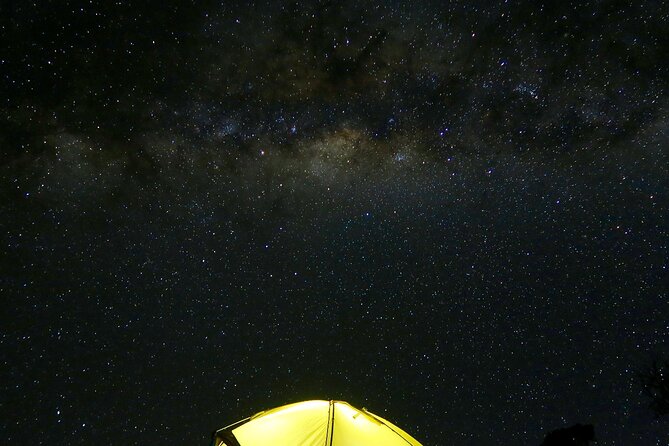
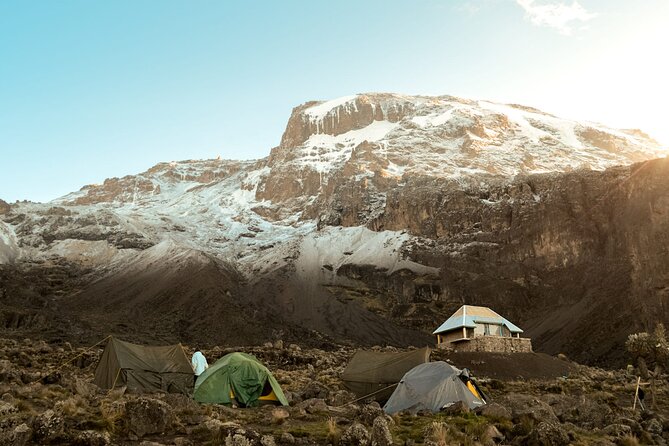
Day 6 pushes to Barafu Camp, with the day described as another half day ascending to high camp. You’ll hike long enough to feel it, then stop high for the night. The schedule notes desolate alpine desert conditions and, at times, strong winds.
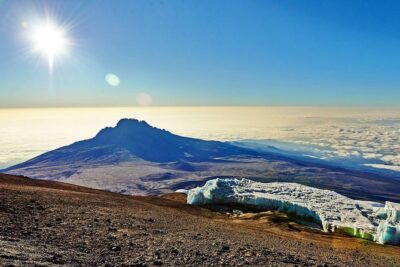
Even when it feels bleak, the upside is real: evenings often bring views of Mawenzi Peak. That contrast, stark rocks and a sharp skyline, is part of what makes the final phase feel epic instead of just exhausting.
You’ll have lunch at high camp and then relax with an early dinner. This is one of the most important days psychologically. Summit night comes fast, and Barafu is where you practice calm.
If you get anxious, channel it into basics: eat what’s offered, sip steadily, and try to sleep when you can. Your body is doing invisible work while you rest.
Day 7: Midnight Summit Push, Stella Point Sunrise, and Uhuru Peak
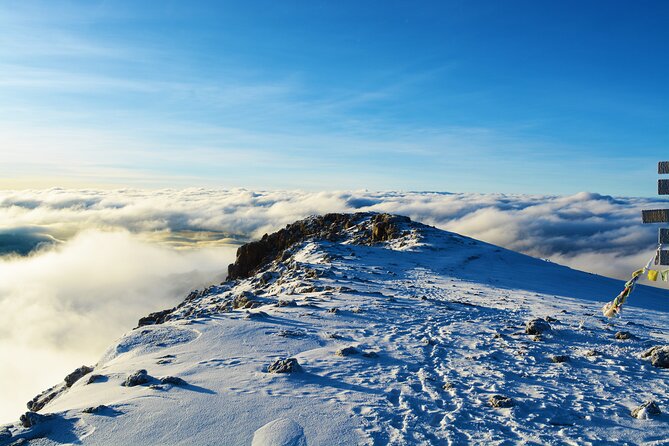
This is the big day. You depart just before midnight for the summit bid, and the trek becomes the coldest and windiest part of the adventure. The schedule suggests you most likely reach the rim area near Stella Point around dawn at about 18,652 feet.
From Stella Point you’ll get a sunrise reward. The description is very specific: sunrise appears over Mawenzi Peak. That kind of moment is why people endure the freezing start, the slow shuffling steps, and the feeling that oxygen is optional.
After the sunrise moment, you take a relatively short final climb to Uhuru Peak, the Roof of Africa. There’s a short celebration at the summit, then it’s time to descend.
This is also where you’ll benefit from guides who pay attention to pace and breathing. In past guide credits, names like Yobu Eliamani Mbwambo, Rama, and Paulo have been associated with the Lemosho experience. You might not meet the same people, but it’s a sign that the operator puts real effort into experienced leadership.
Important mindset: summiting is not only a physical task. It’s a mental one. You move by patience and persistence, and you go one step at a time even when you feel stuck.
Day 8: Down Through Montane Forest to Moshi, Then the Stuff You Actually Need
After breakfast you descend again, this time through montane forest. The day is positioned as a return to normal life, with around midday pick-up and transfer back to your hotel in Moshi.
After a week of cold air, long trekking days, and camp rhythms, that shower and real meal feeling is not a minor detail. It’s how you recover. The schedule even sets it up as saying farewell to your crew, then getting you back for a celebratory dinner.
You’ll likely be tired, but there’s a different kind of tired that comes after a summit, the one where your body feels wrecked but your mind feels clear. This day gives you space to land back on the ground.
Guides, Camping Comfort, and Group Size Limits
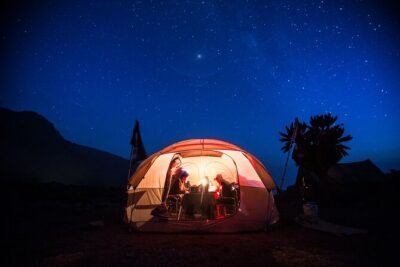
This trip is run by Spirit of Kilimanjaro, and the overall emphasis is on expert guidance plus comfortable camping. The schedule calls it Signature camping, with spacious tents and deluxe comfort, plus amazing meals.
Now, don’t expect “hotel comfort” in a place where you’re sleeping at altitude. But the key difference is whether your camp experience helps you rest and regain energy. With spacious tents and meals included (breakfast, lunch, dinner across the trek), you’re not stuck improvising or spending extra for basic sustenance.
The operator also notes a maximum of 100 travelers. In practice, Kilimanjaro treks often organize into smaller hiking parties, but you can at least use this limit as a signal that it is not designed as a cattle-call event.
Guide quality is also a big part of why this route works. The training and experience show up in how you move through steep moments like the Barranco Wall, how you handle the cold summit night, and how you make decisions if someone is feeling altitude stress.
In past trekking stories, altitude issues have happened, and sometimes a person chooses not to summit. That’s not a failure. It’s part of respecting the mountain and the limits of your body.
Pickup, Timing, Meals, and What the Price Covers
Price for this 8-day Lemosho climb is listed as $2,670 per person, and pickup is offered. The itinerary notes a start time of 8:00 am, and the schedule is structured as a full 8-day program with a day 8 transfer back to your Moshi hotel.
Here’s the value math I’d use when deciding if this is worth it for you:
- Meals are included: breakfast (8), lunch (9), and dinner (8). On Kilimanjaro, that matters because your food intake is part of your success plan.
- Camping is part of the deal with Signature tents and camp comfort.
- The itinerary repeatedly lists admission ticket free in the schedule. You can treat this as a sign you are not paying separate park entry fees during the climb.
- You’re paying for a guided, multi-day operation that moves you through big altitude changes and keeps camp logistics running.
What’s not included is straightforward: visa and international flights. If you’re coming from outside Tanzania, that means your true total cost is your trek price plus visa paperwork plus airfare.
Also, even though Moshi is the location, the trek begins with vehicle travel from Arusha on day 1. So if you’re planning other activities before the climb, give yourself buffer time.
Who This Trek Suits Best (and Who Should Be Careful)
This trek is listed for travelers with moderate physical fitness. That sounds encouraging, but Kilimanjaro is not only about fitness. It’s about altitude. The itinerary includes long days and a summit night that is cold and windy, plus steep sections like the Barranco Wall.
You’ll likely love this route if:
- You want scenery that changes by day, not just one long slog.
- You prefer a climb where acclimatization is built into the itinerary, with camps like Moir and Karanga timed for altitude safety.
- You want a summit plan that aims for sunrise at Stella Point, then a continuing climb to Uhuru Peak.
You should be careful if:
- You know you get altitude sickness easily or you’ve struggled with high elevation before.
- You tend to push through symptoms instead of listening. This is a trek where listening beats ego.
The good news is that the route structure is designed to help you. The slower pacing, high camps for acclimatization, and structured summit timing all point to a safety-minded approach.
Should You Book This 8-Day Kilimanjaro via Lemosho?
If your goal is a classic Kilimanjaro experience with real variety, this is a strong pick. The Lemosho route gives you a sense of the mountain’s layers, and the trek design includes acclimatization stops that make the final summit attempt less reckless than a shorter plan.
I’d book it if the idea of crossing rainforest, moorland, barren volcanic zones, and arctic-like conditions sounds like your kind of adventure. The combination of Signature camping comfort, included meals, and an early summit plan that targets Stella Point sunrise is a smart package.
I’d think twice if you’re not comfortable with a very cold, very windy summit night, or if your medical history suggests you might struggle at altitude. In that case, you’ll want to talk seriously with your doctor, and then follow your guides’ pace guidance closely.
If you’re ready for patience, this climb can feel like a long conversation with the mountain, and at the end, you get that sunrise over Mawenzi and the view from Uhuru Peak.
Just posted around Moshi
- machame route★ 5.0 · 16 reviews
- Kilimanjaro Climbing Umbwe Route★ 5.0 · 3 reviews
- Wildlife Extravaganza: Manyara, Tarangire & Ngorongoro in 3 Days★ 5.0 · 3 reviews
- Mt Kilimanjaro 6 days Marangu route hike★ 5.0 · 3 reviews
- 3 Days Private E-Bike Tour in West Kilimanjaro★ 5.0 · 3 reviews
- West Kilimanjaro cycling Adventures★ 4.5 · 8 reviews
- Kilimanjaro Climb • Marangu Route ~ 9 Day★ 5.0 · 4 reviews
- Private Cycle to Kilimanjaro Bike Park Safari★ 5.0 · 6 reviews
Kilimanjaro Climbs, compared.
8-Day Small-group Lemosho Kilimanjaro Summit Trekking
Read our review →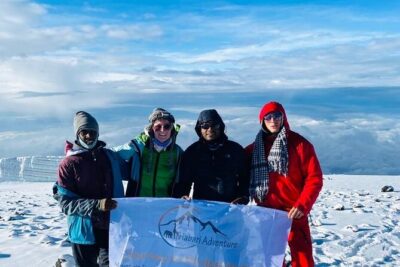
5 Days Best of Tanzania Luxury Safari Northern Circuit
Read our review →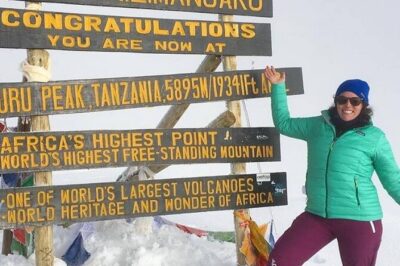
Climbing Kilimanjaro through 7 days Machame Route
Read our review →