
Reviewed · KILIMANJARO CLIMBS
7 Days Machame Route Trek Mount Kilimanjaro
Kilimanjaro on the Machame Route tests you. In seven days, you hike from rainforest scenes with large ancient trees to high, cold ridges where black-and-white colobus monkeys might show up along the trail.
What I like most is the acclimatization approach that helps your body handle the climb. You gain altitude step by step, and you keep sleep height controlled, with support from guides like Gideon and Laurent who handle the briefing and gear check early on.
One possible drawback: most nights are in tents. If you are not used to cold-weather camping, you will feel it, especially as the summit night gets closer.
In This Review
- Key things that make this Machame trek worth it
- Kilimanjaro’s Machame Route: a tough week with real variety
- Day 1, Machame Camp: rainforest walking and your first big rhythm check
- Day 2, Shira Camp: moor and heath land after the green turns off
- Day 3, Lava Tower to Barranco Camp: the acclimatization day that’s also a mental test
- Day 4, Barranco Wall and Karanga Camp: short distances, real effort
- Day 5, Barafu Camp: the dry grind with Kibo always nearby
- Day 6, Stella Point to Uhuru Peak: midnight start, sunrise reward
- Day 7, Mweka Gate and back to a real bed
- Price and value: does $2,200 make sense for a Machame week?
- Who this trek fits best, and who should reconsider
- Should you book this 7-day Machame Route trek?
- FAQ
- What time does the trek start?
- Is hotel pickup included?
- How many people are in a group?
- Where do we sleep during the trek?
- How does acclimatization work on the trek?
- What happens if there is poor weather or you need to cancel?
Key things that make this Machame trek worth it
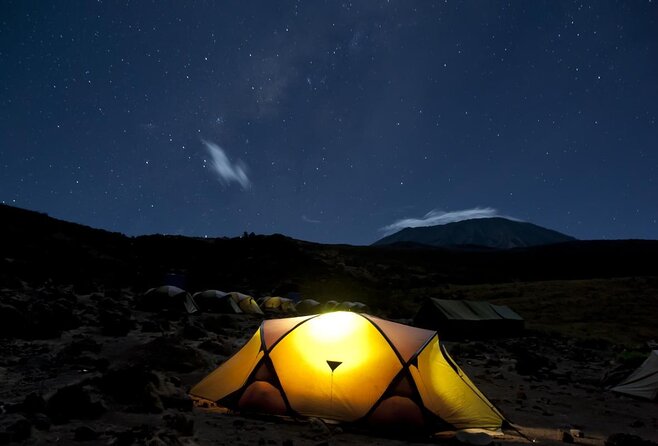
- Up to 4 hikers in the group means more attention on pacing, questions, and how you feel at altitude
- A practical acclimatization rhythm that includes climbing higher while sleeping only slightly higher
- Rainforest wildlife moments like thumbless colobus monkeys and endemic flowers such as Impatiens Kilimanjari
- Hands-on moments on Barranco Wall that are not technical climbing, with your guide right there
- A summit push that starts around midnight with headlamps, warm tea, biscuits, and a long but focused climb to Uhuru Peak
Kilimanjaro’s Machame Route: a tough week with real variety
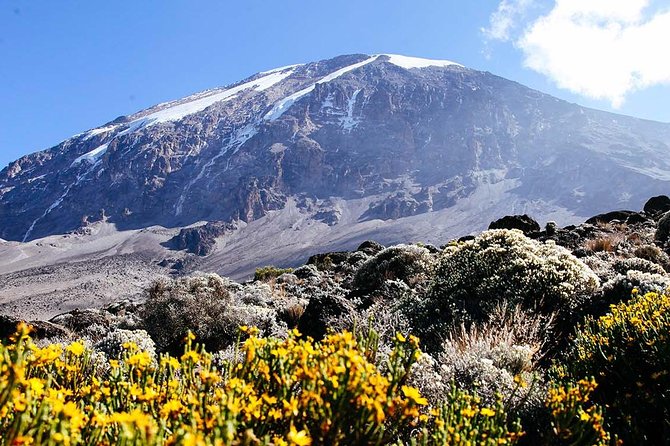
This is the Machame Route, one of the classic ways up Mount Kilimanjaro, and it earns its reputation. You do not just shuffle upward in a straight line. You move through distinct ecological zones, from lush forest to dry moor and heath, then into alpine desert conditions, and finally into the crater-rim cold that feels like a different planet.
I like that the trek is built around altitude acclimatization, not blind optimism. The plan includes days where you climb, pause, and then sleep at a sensible height. That matters because Kilimanjaro punishes you for rushing.
You also get the benefit of an expert guide team. In past experiences with this operator, names like Gideon, Laurent, Emanuel, Meshack, Frank, Julius, and Johnny come up with strong praise for how organized and encouraging the crew is. Many people also highlight excellent cooks and porters, which you will feel in the form of meals that actually help you keep moving.
This trek is also a small-group format, max 4 travelers. That tends to make a big difference on summit night, when you want your pace matched to your body, not the loudest person in the group.
More Hiking Trips in Arusha
- 8-Day Small-group Lemosho Kilimanjaro Summit Trekking
★ 5.0 · 186 reviews - Mountain Kilimanjaro Day Hike
★ 5.0 · 102 reviews - Private Full Day Hiking Experience to Marangu Route
★ 5.0 · 61 reviews
Day 1, Machame Camp: rainforest walking and your first big rhythm check
You start with a pickup from your hotel in Arusha, then transfer to Kilimanjaro National Park. After the paperwork, you begin hiking toward Machame Camp. This is a 5 to 6 hour day, mostly about getting into a steady stride.
The trail starts in the rainforest. Expect big ancient trees, primeval ferns, and flowering plants like Impatiens Kilimanjari. You will also have a chance at wildlife: black and white thumbless colobus monkeys are known to peek through the leaves.
When you reach camp, you get time to stretch out, eat a hearty meal, and settle into your tent. Day 1 sets your pace. If you start too fast, you will pay for it later, so I’m glad this day is more about rhythm than suffering to the top.
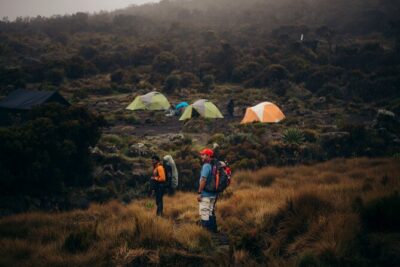
Small heads-up for your comfort: you are sleeping in tents right away. Plan your layers like you expect it to get cold, because it does.
Day 2, Shira Camp: moor and heath land after the green turns off
Day 2 begins early, not because it’s a marathon day, but because you want to reach Shira Camp around mid-afternoon. The big shift is what you’ll notice first. The vegetation changes dramatically, from lush rainforest to dry moor and heath land.
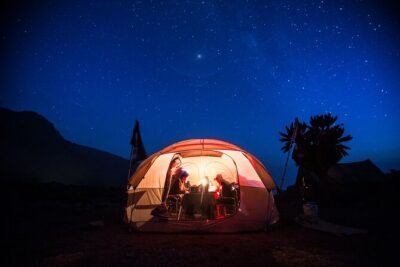
As the air feels drier, the views open up. When you arrive at camp, you get that classic Kilimanjaro feeling: wide, exposed sky, and the mountain getting bigger. At sunset, the glaciers of Kibo glisten in golden light while you eat another meal and turn in.
This is also a key acclimatization day in practice, even though the day’s effort is mainly about moving smartly. You are not just climbing. You are adjusting to higher altitude while keeping energy steady.
What to watch for: the dryness can make you feel more thirsty than you expect. Drink consistently, even when you do not feel dramatic thirst.
Day 3, Lava Tower to Barranco Camp: the acclimatization day that’s also a mental test
On Day 3, you get the clearest example of how this route tries to help you. You climb roughly 700 m during the day, but you sleep at a height not much higher than the previous night. That combination is designed to improve how your body handles the altitude.
The day starts from Shira Plateau and takes you up to Lava Tower at about 4,640 m. You rest there before continuing down through the Barranco Valley to Barranco Camp. Plan for about 6 to 7 hours of trekking.
The trail details here are part of what keeps it interesting when your legs start complaining. You might notice small lobelia plants and giant senecio along the way, and the scenery shifts into that alpine desert feel where everything looks harsher but also strangely beautiful.
You finish the day at Barranco Camp with dinner and a night in your tent. This day often feels long, but it’s also one of the most important. It’s where you prove to yourself that the “slow and steady” approach works.
More Kilimanjaro climbs:
- 5 Days Best of Tanzania Luxury Safari Northern Circuit
★ 5.0 · 174 reviews - 7-Day Machame Kilimanjaro Summit Tour from Arusha
★ 5.0 · 125 reviews - 4 days Best experience Kilimanjaro Hike, Serengeti &Ngorongoro
★ 5.0 · 54 reviews - From Arusha/Moshi: Kilimanjaro Hike Marangu Route Day Trip
★ 4.5 · 54 reviews
Day 4, Barranco Wall and Karanga Camp: short distances, real effort
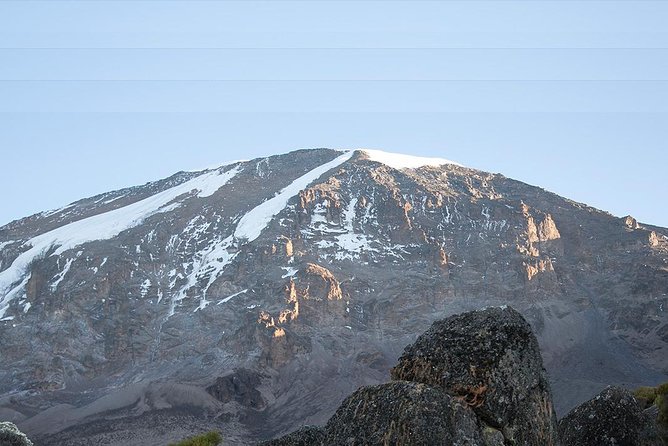
Day 4 is shorter on paper, about 3 to 4 hours of trekking, but do not treat it like an easy day. The Barranco Wall is the highlight and the test.
Some stages require you to use your hands for better grip. The good news is there is no technical climbing required, and your guide stays with you every step. This is the kind of day where small guidance matters. You want correct footing, not hero moves.
After that wall, the route lets you walk along a ridge where the contrasts are striking, with exposed terrain and pockets of vegetation. Eventually you reach Karanga Camp, described as cloudy. That’s a reminder that weather and temperature can change quickly as you gain altitude.
You get dinner and overnight at Karanga Camp, and there’s even time for a break and something normal, like playing a game such as rummy, before sleep.
Consideration: short days can still be exhausting at altitude. Rest at stops. Eat what you can. Keep your breathing calm.
Day 5, Barafu Camp: the dry grind with Kibo always nearby
Day 5 pushes into a drier, more desert-like zone. From camp to camp it is about 3 to 4 hours of walking, and you spend much of the day moving through very dry terrain with Kibo visible as a constant companion.
You reach Barafu Camp, eat early dinner, and sleep, because the summit effort is close. If you’ve ever felt how time speeds up after weeks of planning, this is that moment.
This day is less about scenery surprises and more about endurance. The altitude fatigue often starts to creep in harder here, so keep an easy pace and stop when you need to.
Tip that matters: protect your body on this day. Save your energy. Do not burn it all on fast walking or taking too long detours for photos.
Day 6, Stella Point to Uhuru Peak: midnight start, sunrise reward
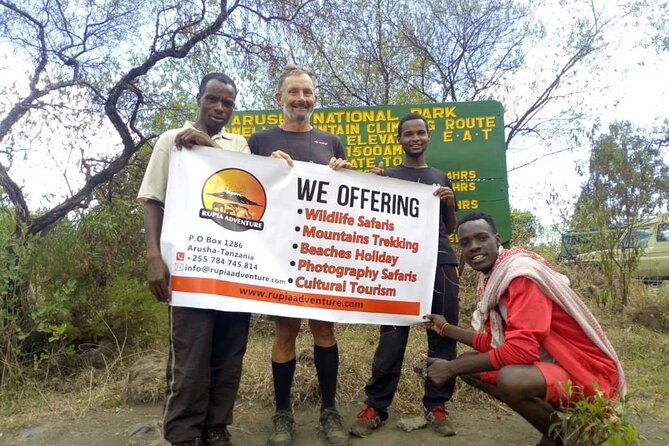
This is the big one. Around midnight, you are woken with warm tea and biscuits, then you begin the final ascent under moonlight and headlamps. Your headlamp becomes your main tool because this is a night trek with long hours.
The climb to Stella Point takes about 5 to 7 hours. After that, another 1 to 2 hours brings you to Uhuru Peak at 5,895 m.
And then comes the payoff: you get to see the sun rising over Africa, with a pink glow hitting the horizon. The view includes snowy peak areas, and the glaciers can look like they are sparkling, like diamonds around you.
Once you’ve taken in the moment and captured photos, you start the descent. The plan brings you back along the same route to Barafu Camp, where your team awaits you.
Reality check (in a kind way): summit day usually feels like two different treks. The climb up is a slow grind. The descent can feel rough too, even if you made it to the top, because your knees and legs have their own opinions.
Day 7, Mweka Gate and back to a real bed
Day 7 starts with breakfast, then a traditional farewell ceremony from your mountain crew. It’s a nice closing touch that reminds you this is teamwork, not just personal achievement.
After that, you begin your final stretch down. You trek through rainforest again, giving you another chance for those colobus monkeys you might have missed on Day 1. After about 2 to 3 hours, you reach Mweka gate.
From there, you’re met and transferred back to the hotel. Expect a long shower and a relaxed day, including pool time if you want it. Dinner and overnight are back at the hotel, which is a welcome switch after tent nights.
What I love here: the structure gives you decompression built in. You do not just finish the trek and immediately jump into travel stress.
Price and value: does $2,200 make sense for a Machame week?
At $2,200 per person, this is not a budget hike. But it also is not just a ticket to a viewpoint. In a trek like Kilimanjaro, you are paying for a whole support system: guided pacing, logistics, a mountain crew, tents for overnight stays during the hike, and the work that goes into safely managing a multi-day route.
The small group size, up to 4 travelers, is a real value point. On a route like Machame, where summit success depends on how well you manage effort over days, small groups often mean less crowding, more guidance, and better adaptability when someone needs to slow down.
You also get conveniences like pickup offered and a mobile ticket. Confirmation happens at the time of booking, and those small details reduce the stress you do not need on a climb like this.
Is the cost worth it? If you want the Machame Route specifically, value the acclimatization structure, and you care about having an attentive guide and crew, this price lines up with what a serious guided summit attempt requires.
Who this trek fits best, and who should reconsider
Most people can join this type of trek, but your real question is whether your body can handle long days at altitude. This route includes days around 3 to 7 hours hiking, plus a summit push that starts around midnight and can take 5 to 7 hours to Stella Point and 1 to 2 more to Uhuru Peak.
If you train for endurance, enjoy steady hiking, and you can follow pacing instructions, you are a strong match. If you expect luxury comfort, you might be disappointed. You are sleeping in tents and you will deal with cold nights.
One more note from the feedback you may come across: a past trekker urged people to take Diamox. I cannot tell you what your doctor should prescribe, but I do recommend discussing altitude medication options with a medical professional before you go, especially if you have any health history.
Should you book this 7-day Machame Route trek?
I would book this if you want:
- a classic Machame itinerary with rainforest, moorland, and high-altitude terrain,
- a guide-led trek with attention to acclimatization,
- a small group up to 4 travelers,
- and a route that aims for a summit through methodical pacing.
I would think twice if:
- you dislike tent camping in cold conditions,
- you want a guaranteed easy experience (this is Kilimanjaro, not a stroll),
- or you have medical concerns that you have not cleared with a professional.
If you’re prepared for the work, this trek gives you exactly what you came for: a big challenge, real altitude management, and the kind of summit morning you remember long after your legs stop aching.
FAQ
What time does the trek start?
The start time is listed as 8:30 am.
Is hotel pickup included?
Yes, pickup from your hotel is offered, and you are taken to Kilimanjaro National Park gate after breakfast.
How many people are in a group?
The maximum group size is 4 travelers.
Where do we sleep during the trek?
Overnight stays on the Machame Route use tents. On the final day, you return to the hotel for dinner and overnight.
How does acclimatization work on the trek?
On Day 3, you climb roughly 700 m and reach Lava Tower at about 4,640 m, but you sleep on a level not much higher than the previous night. This style of climb then sleep is part of the acclimatization approach.
What happens if there is poor weather or you need to cancel?
The experience requires good weather. If it is canceled due to poor weather, you are offered a different date or a full refund. You can cancel for a full refund up to 24 hours before the experience start time.
More Hiking & Trekking in Arusha
- 4 Days Mount Meru Trekking
★ 5.0 · 55 reviews - 6 Days Serengeti Safari(hiking waterfalls &coffee tour)
★ 5.0 · 48 reviews - Arusha: Napuru Waterfalls Guided Hike
★ 4.8 · 39 reviews - Mount Kilimanjaro Day Hike Through Marangu Route to Mandara Hut
★ 5.0 · 37 reviews
Just posted around Arusha
- 8 Days Serengeti Migration safari★ 5.0 · 11 reviews
- tarangire & ngorongoro 2 days tour★ 5.0 · 14 reviews
- serengeti, ngorongoro & tarangire 4 days private tour★ 5.0 · 18 reviews
- tarangire, ngorongoro & lake manyara park 3 days private tour★ 5.0 · 11 reviews
- Mt. Kilimanjaro: Shira plateau to Cathedral point 3872m Day hike★ 5.0 · 7 reviews
- serengeti & ngorongoro 3 days private tour★ 5.0 · 15 reviews
- climb the KILIMANJARO via Lemosho route★ 5.0 · 4 reviews
- Kilimanjaro Waterfalls Hike & Moshi Hot Springs Day Trip Tour★ 5.0 · 4 reviews
Kilimanjaro Climbs, compared.
8-Day Small-group Lemosho Kilimanjaro Summit Trekking
Read our review →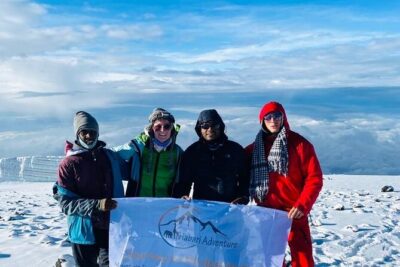
5 Days Best of Tanzania Luxury Safari Northern Circuit
Read our review →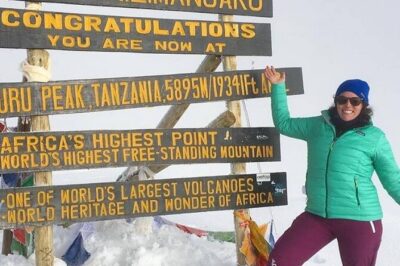
Climbing Kilimanjaro through 7 days Machame Route
Read our review →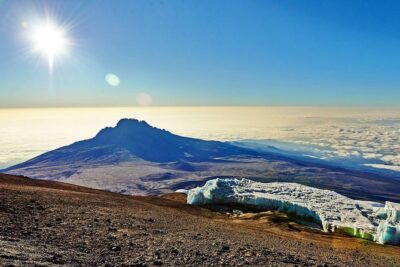
Browse the lists this tour appears in