
Reviewed · KILIMANJARO CLIMBS
7 Days Machame Route Kilimanjaro Trekking
Kilimanjaro can feel like a movie scene, but this trek stays practical. The Machame route packs big scenery changes into a smart 7-day rhythm, from montane forest to moorland, semi-desert, and alpine terrain. I especially like the way your crew keeps things moving, with porters organizing your bags at Machame Gate and your chef running meals along the way. The other win is the human side, with guides like Ombeni and Safaeli described as friendly and highly experienced, plus teams that handle the details so you can focus on breathing and walking. One drawback to plan for: you start early (4:00 am pickup in Arusha) and you’ll face cold, wind, and exposure at camps like Shira and Barafu.
This is also a route with real variety. Day 1 is rain and mud potential, Day 2 is open, cold high camp, and Day 4 includes the Great Barranco Wall as an acclimatization day. If you’re the type who likes clear structure, scheduled hiking hours, and a professional setup (tents pre-set at camp and water handled by porters), you’ll likely feel cared for. Just be ready for the summit night, which is long, demanding, and mentally heavy even when everything goes right.
In This Review
- Key highlights to expect on the Machame 7-day trek
- Why the Machame route works so well in 7 days
- Price and logistics: what $2,200.11 is really buying you
- Arusha pickup and Day 1: rainforest trekking from Machame Village
- Day 2 to Shira Camp: crossing streams and sleeping in sub-freezing cold
- Day 3 to Lava Tower and Barranco Campsite: semi-desert, altitude, and a big “turn”
- Day 4 and the Great Barranco Wall: an acclimatization day that feels like a mini-hero moment
- Day 5 to Barafu Camp: short hike, big stakes, and the last water reality
- Day 6 summit night: 23:30 wake-up, Stella Point sunrise, and the long descent
- Day 7 finish at Mweka Gate: celebration, certificates, and the last walk
- Your crew: the human reason people rate this trek so highly
- What to pack and what to rent for Machame’s cold and wet days
- Who this trek fits best, and who should think twice
- Should you book this 7-day Machame route?
- FAQ
- What time does the trek start from Arusha?
- Is pickup from Arusha included?
- What part of the trip is included in the price?
- Do I need to bring my own climbing gear and sleeping bag?
- Are park fees included?
- What certificates do you get at the end?
- Is this tour private?
Key highlights to expect on the Machame 7-day trek
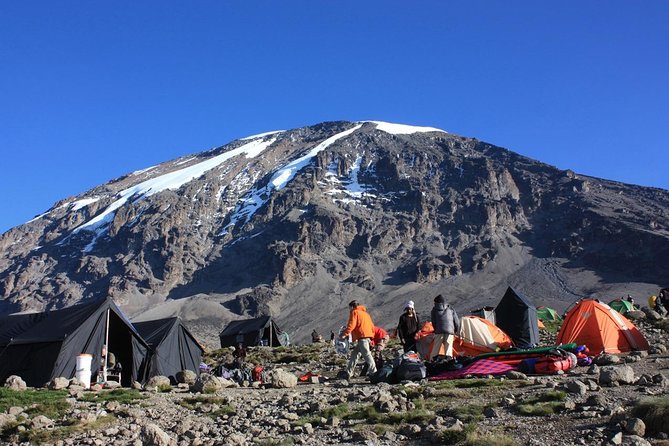
- Route variety across habitats, from rainforest to moorland, semi-desert, and alpine desert
- Shira Camp exposure at 3840m, with freezing nighttime temperatures
- Lava Tower day at 4630m, plus altitude effects that can hit even strong hikers
- Great Barranco Wall, a short but memorable acclimatization challenge
- Summit night at 23:30, with Stella Point sunrise timing and a long descent
- End-of-trek celebration and certificates, including green (Stella) and gold (Uhuru Peak)
Why the Machame route works so well in 7 days
The Machame route is one of the most popular ways up Kilimanjaro for a reason. It gives you a steady feed of different environments, so the trek never feels like one long, identical hike. You start in montane forest, transition into moorland, then slide into harsher rocky country on the way toward lava formations and high ridges.
For many hikers, variety is not just scenic. It helps you stay mentally engaged when your pace slows. You’re also better able to judge effort by how the terrain changes. In forest you can get muddy and damp, in open moorland you feel wind and cold more quickly, and in semi-desert and alpine desert you often feel the thin air working on every step.
The 7-day timing also tends to feel more forgiving than shorter itineraries because you get acclimatization days built into the plan. Day 4 is specifically designed to help you adjust before the final push. That matters because Kilimanjaro is not just a “fitness test.” It’s a time at altitude test.
More Hiking Trips in Arusha
- 8-Day Small-group Lemosho Kilimanjaro Summit Trekking
★ 5.0 · 186 reviews - Mountain Kilimanjaro Day Hike
★ 5.0 · 102 reviews - Private Full Day Hiking Experience to Marangu Route
★ 5.0 · 61 reviews
Price and logistics: what $2,200.11 is really buying you
At $2,200.11 per person, you’re paying for a full managed climb, not just a guided walk. The big value is the operational stuff that usually creates stress for independent trekkers: camping setup, meals, porterage, and park-related fees.
Here’s what’s included, based on the tour details:
- Camping equipment like mess tent, mattress, and cooking equipment
- Rescue fees and parking fees
- Accommodation during the trek (camping nights)
- A professional driver/guide, plus porterage
- All taxes/VAT
- Meals: breakfast (6), lunch (7), dinner (6)
What’s not included is also worth noting, because this is where budgets get surprised:
- Climbing gear rental (available) and a sleeping bag rental (available)
- International flights and any hotel nights before and after the trek
- Personal items, bath towels
- Tips, which are standard for this kind of climb
- Any government-imposed increase of taxes or park fees
In plain terms: you’re paying for a guided, catered, supported mountain program. If you already own proper gear and you’re confident with logistics, the cost may feel straightforward. If you need rentals and you’re booking hotels before and after, your total trip budget will rise. Still, this package helps a lot because it removes the biggest headache: getting the mountain logistics right while you’re trying to cope with altitude.
Arusha pickup and Day 1: rainforest trekking from Machame Village
Your day starts with structure. You’re picked up from Arusha (about 1400m) in time for an early departure, with the trek start time listed as 4:00 am. From there, you drive to Machame Village, where you can buy mineral water and get a packed lunch.
From the village, depending on road conditions, you’ll either drive a short distance or walk to Machame Gate (1490m). At the gate, the process is set up for you: porters organize and pack belongings for the hike, and you and your guide register with TANAPA (Tanzania National Park).
Then you step into the montane forest portion. Day 1 hiking is listed at about 7 hours over roughly 18 km. This is where you should expect rain, mud, and fog. That’s not a “maybe,” that’s a “plan for it.” If you dress like it’s going to be warm and sunny, you’ll suffer.
What I like about Day 1 is that it feels like a real transition day. You’re not sprinting toward the summit. You’re learning the rhythm: steady walking, weather changes, and letting the guides and porters handle the mountain machine while you focus on moving.
Potential drawback: if you hate wet conditions, this first day can feel like a wet boot camp.
Day 2 to Shira Camp: crossing streams and sleeping in sub-freezing cold
Day 2 is about leaving the rainforest and climbing into moorland. The listed hike is about 6 hours over roughly 9 km, and you’ll cross streams and a rocky ridge.
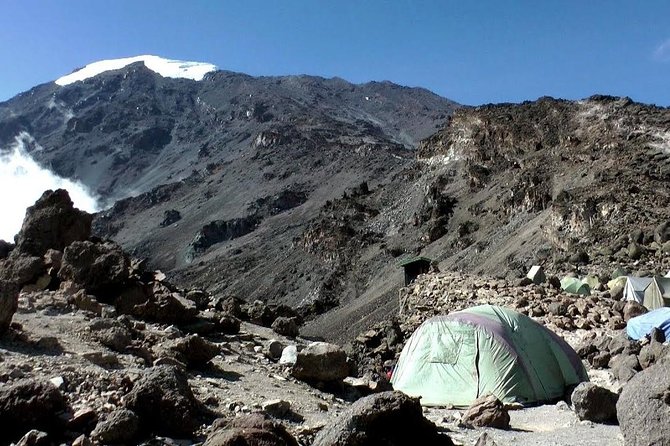
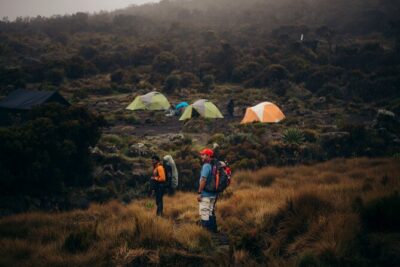
Eventually you reach the Shira plateau area and arrive at Shira Camp (3840m). You’ll sleep next to a stream, and the views can be dramatic, including the Western Breach and glaciers in the east. That kind of scenery is a nice payoff after a damp forest start.
The camp setup is also practical. Your tents are set up before you arrive, and porters prepare drinking and washing water. You’ll get evening snacks and then dinner prepared by the chef.
One warning that’s not “doom talk,” it’s logistics: Shira Camp is described as exposed, and temperatures can drop below freezing. If you expect comfort, you’ll be surprised. If you expect cold and you’re dressed and layered for it, you’ll sleep better.
More Kilimanjaro climbs:
- 5 Days Best of Tanzania Luxury Safari Northern Circuit
★ 5.0 · 174 reviews - 7-Day Machame Kilimanjaro Summit Tour from Arusha
★ 5.0 · 125 reviews - 4 days Best experience Kilimanjaro Hike, Serengeti &Ngorongoro
★ 5.0 · 54 reviews - From Arusha/Moshi: Kilimanjaro Hike Marangu Route Day Trip
★ 4.5 · 54 reviews
Day 3 to Lava Tower and Barranco Campsite: semi-desert, altitude, and a big “turn”
Day 3 is where the trek starts to feel more serious. You leave the moorland environment for semi-desert and rocky terrain. The hike is about 7 hours over roughly 15 km.
After around 5 hours of walking east, you’ll reach Lava Tower (4630m). Lunch happens here, and you have the option of climbing the tower if weather allows. This is also a key altitude moment. It’s normal for hikers to start feeling altitude effects like headaches and shortness of breath.
Then comes the classic Kilimanjaro rhythm: walk, lunch, and then descend. You’ll descend from Lava Tower down to Barranco Campsite (3950m). That drop is not random. It helps you acclimatize for what’s next.
What I appreciate here is that the day has two emotional phases. The first is anticipation at altitude, the second is relief and reset when you descend. If you keep your expectations flexible, you’ll handle it better.
Day 4 and the Great Barranco Wall: an acclimatization day that feels like a mini-hero moment
Day 4 is shorter on paper, but it has a reputation for being memorable. You’ll hike about 4 to 5 hours over roughly 5 km in alpine desert.
The big feature is the Great Barranco Wall, a class 2 hike described as usually easier than it looks. Still, it’s intimidating at first glance, especially if you’re already feeling the altitude. At the top, you get views including Heim Glacier, and you’re above the clouds.
After the wall, the trail winds up and down in the Karanga Valley. This kind of back-and-forth walking is great acclimatization. You get elevation without the full grind of the summit push.
Practical advice: treat this day as a temperature and pacing check. If your breathing is calm on the wall, your body is adapting. If you struggle, slow down early and save energy for later days.
Day 5 to Barafu Camp: short hike, big stakes, and the last water reality
Day 5 is a shorter hiking day: about 2 to 3 hours over roughly 4 km. You’re moving from Karanga Camp (3959m) toward Barafu Hut, and the trail intersects with the Mweka Route, the descent path used during the final two days.
After about an hour, you reach Barafu Hut. This is the last water stop for porters, because there’s no accessible water at Barafu Camp (4550m). That’s important. It means the camp runs on supplies and planning, not on improvising.
You’ll spend time at a rocky, exposed ridge, with tents facing wind and rock. The word “barafu” is described as ice in Swahili, which is a clue for how cold this ridge can feel.
You get an early dinner and then rest, because the summit attempt starts overnight.
This is the day to be mentally ready for the next morning. Don’t treat it like a casual hike day. It’s more like a staging day.
Day 6 summit night: 23:30 wake-up, Stella Point sunrise, and the long descent
Summit day is the reason most people come. You wake around 23:30 with tea and biscuits, then start the ascent over stone scree. The route heads northwest, and the climb is described as the most mentally and physically challenging part for many hikers.
The plan lists roughly 7 km ascent, then a 23 km descent, which tells you a lot about what this day really is: not one climb, but a long effort and then recovery work on tired legs.
After about 6 hours, you reach Stella Point (5685m), located on the crater rim. This is the spot for sunrise, and it’s also a classic morale moment because the light makes the effort feel worth it.
Then you continue ascending about 2 hours on a snow-covered trail to Uhuru Peak (5895m). From there, it’s back down, and the day becomes endurance again.
If you’re a first-time summit climber, focus on steady steps and let the guide control pacing. Don’t race the first hour just because your legs feel good. Most people don’t struggle because they lack courage. They struggle because they spend too much energy too early.
Day 7 finish at Mweka Gate: celebration, certificates, and the last walk
After a well-deserved breakfast, your staff holds a celebration with dancing and singing. This is where the trek turns from hardship into community. You also present tips here to the guide, assistant guides, chef(s), and porters.
Then you descend about 3 hours back to Mweka Gate. After certificates, you descend into the Mweka village for about 1 hour (roughly 3 km).
The park requires hikers to sign their names to receive completion certificates. The type of certificate depends on your high point:
- Green certificates for those reaching Stella Point (5685m)
- Gold certificates for those reaching Uhuru Peak (5895m)
One of the best parts of Day 7 is that you get closure with structure. You’re not guessing if you’re done. You know where the finish line is.
Your crew: the human reason people rate this trek so highly
Kilimanjaro is hard, but the emotional load gets lighter when your team is strong. In the feedback you provided, the consistent theme is professionalism paired with kindness.
Guides named in the reviews include Ombeni and Safaeli, both described as friendly, professional, and highly experienced, with combined knowledge of the mountain. Other names you may meet include Oliver and Godlove, plus references to Mathew in support roles. The coordinator-style presence of Erastus also appears, including smooth communication before booking.
What matters for you: this isn’t just “someone walks with you.” Porters handle bag organization at the gate, tents are set up before you arrive at camp, and water and meals are managed by the crew and chef. That’s the kind of support that keeps your mind on the hike instead of on logistics and small worries.
What to pack and what to rent for Machame’s cold and wet days
The tour notes that climbing gear and a sleeping bag are available for rent, which is helpful if you want to travel light. Bath towels are not included, so plan for that too.
Based on the trek realities described, you should assume:
- Rain and mud are possible on Day 1 in the rainforest
- Freezing conditions can happen at Shira Camp
- Wind and exposure can be harsh at Barafu Camp
- Summit night is cold, and you’ll be moving over scree and snow-covered sections
So while you can rent gear, you still need to bring a smart layering plan and keep your clothing dry when you can. If your rental selection doesn’t include items that handle cold, ask early and adjust before you start. The trek is not the time to discover your gloves are too thin.
Also, remember: you’ll want personal items like snacks or comfort gear, but these are not included.
Who this trek fits best, and who should think twice
This Machame 7-day climb is a great fit if you want:
- A well-structured schedule with camps, meals, and porterage handled
- A route with many habitat changes rather than one long sameness
- A realistic chance at acclimatization before the final push
It’s likely best for people who can handle long walking days and accept that the summit requires effort, not luck. Most travelers can participate, but you still need to be prepared for altitude effects like headaches and shortness of breath, which are specifically mentioned during Day 3.
Who should think twice:
- If you dislike freezing nights or you can’t dress for cold exposure, the Shira and Barafu conditions could be miserable
- If you want a cushy hike with minimal discomfort, this is the wrong kind of trip
Should you book this 7-day Machame route?
I’d book this trek if you want a classic Kilimanjaro route with strong support, clear pacing, and the kind of crew that makes the mountain run smoothly. The value is in what’s included: camping setup, meals, porterage, and fees that reduce stress. At $2,200.11, you’re not just paying for a guide. You’re paying for a functioning climb plan that carries the heavy logistics.
I would hesitate if cold exposure (below freezing nights) and rainy, muddy walking on Day 1 sound like your personal nightmare. You can still have a great experience if you prepare for it, but preparation matters.
If you’re ready for a serious hike with a big finish, this Machame 7-day itinerary is a solid choice.
FAQ
What time does the trek start from Arusha?
The meeting point lists a start time of 4:00 am in Arusha, Tanzania.
Is pickup from Arusha included?
Pickup is offered, and you’re driven from Arusha to Machame Village on the way to the trek start.
What part of the trip is included in the price?
The included items cover camping equipment, rescue fees, parking fees, accommodation during the trek, a professional driver/guide, all taxes/VAT, porterage, and meals including breakfasts, lunches, and dinners.
Do I need to bring my own climbing gear and sleeping bag?
Climbing gear and a sleeping bag are not included, but they are available for rent.
Are park fees included?
Rescue fees and parking fees are included, and the itinerary lists admission tickets as free on the days of trekking.
What certificates do you get at the end?
You sign for certificates at Mweka Gate. Reaching Stella Point earns a green certificate, and reaching Uhuru Peak earns a gold certificate.
Is this tour private?
Yes, this is a private tour or activity, meaning only your group participates.
More Hiking & Trekking in Arusha
- 4 Days Mount Meru Trekking
★ 5.0 · 55 reviews - 6 Days Serengeti Safari(hiking waterfalls &coffee tour)
★ 5.0 · 48 reviews - Arusha: Napuru Waterfalls Guided Hike
★ 4.8 · 39 reviews - Mount Kilimanjaro Day Hike Through Marangu Route to Mandara Hut
★ 5.0 · 37 reviews
Just posted around Arusha
- 8 Days Serengeti Migration safari★ 5.0 · 11 reviews
- tarangire & ngorongoro 2 days tour★ 5.0 · 14 reviews
- tarangire, ngorongoro & lake manyara park 3 days private tour★ 5.0 · 11 reviews
- serengeti, ngorongoro & tarangire 4 days private tour★ 5.0 · 18 reviews
- serengeti & ngorongoro 3 days private tour★ 5.0 · 15 reviews
- climb the KILIMANJARO via Lemosho route★ 5.0 · 4 reviews
- Mt. Kilimanjaro: Shira plateau to Cathedral point 3872m Day hike★ 5.0 · 7 reviews
- Kilimanjaro Waterfalls Hike & Moshi Hot Springs Day Trip Tour★ 5.0 · 4 reviews
Kilimanjaro Climbs, compared.
8-Day Small-group Lemosho Kilimanjaro Summit Trekking
Read our review →
5 Days Best of Tanzania Luxury Safari Northern Circuit
Read our review →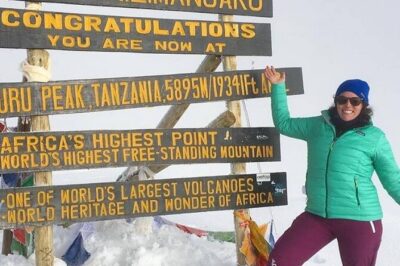
Climbing Kilimanjaro through 7 days Machame Route
Read our review →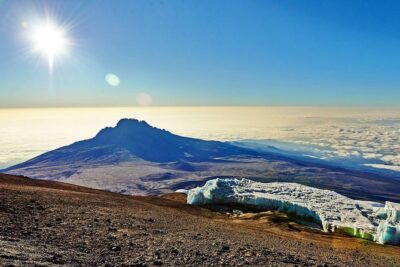
Browse the lists this tour appears in