Reviewed · KILIMANJARO CLIMBS
7 Days Machame Route Climbing Mt. Kilimanjaro
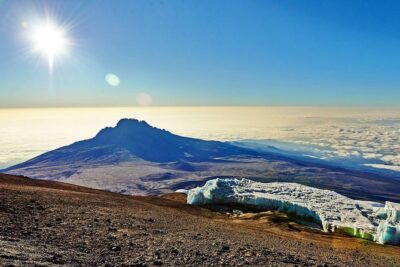
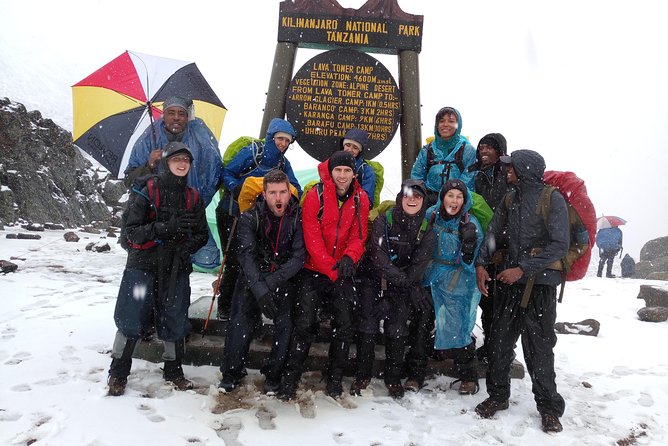
Kilimanjaro is serious business, and this trek treats it that way. This 7-day Machame Route plan is built for acclimatization through changing ecosystems, from rain forest to alpine desert, with an early summit start designed for realistic conditions. What I like most is the clear, step-by-step pacing, and the way the itinerary uses shorter days at key moments to give your body a fighting chance.
Two big wins for me: included oxygen support (tanks plus an ox meter) and a team setup that emphasizes safety and steady movement. The one consideration is also the obvious one, this is still a tough climb at altitude, so you’ll want strong fitness and a willingness to go slowly, especially on summit night.
In This Review
- Key things I’d prioritize before you go
- Machame Route timing: why this itinerary works for altitude
- Day 1, Moshi to Machame Camp: rain forest hiking and the “don’t rush” phase
- Day 2, Machame Camp to Shira Camp: from glades to rocky ridge
- Day 3, Shira to Lava Tower to Barranco Camp: the “Shark’s Tooth” and big acclimatization value
- Day 4, Barranco to Karanga Camp: a shorter acclimatization day that pays off
- Day 5, Karanga to Barafu: completing the South Circuit and resting for the summit night
- Day 6, summit night to Uhuru Peak and descent to Mweka Hut
- Day 7, Mweka Camp to Moshi: certificates, muddy trails, and real food at the end
- What’s included with Kilisa Tours that actually matters on Kilimanjaro
- Guides, pacing, and safety culture you can feel on the trail
- Gear checklist: what to pack for rain, mud, and summit cold
- Value check: is $2,750 a fair deal for a 7-day Machame climb?
- Who should book this climb, and who should slow down
- Should you book this 7-day Machame Route with Kilisa Tours?
- FAQ
- What route is this, and how long is it?
- Where does the trek start, and what time does it begin?
- How many meals are included while you are on the mountain?
- Is airport transport included?
- Are oxygen and monitoring equipment included?
- What is the maximum group size?
- What is not included in the price?
- Is free cancellation available?
Key things I’d prioritize before you go
- Machame’s variety from rain forest to moorland to semi desert, so the route stays interesting even when your legs complain
- Acclimatization timing with a recovery-style stop at Barranco Camp and a short day at Karanga Camp
- Stella Point sunrise potential after a very demanding push on heavy scree near the crater rim
- Oxygen and monitoring included, plus emergency first-aid kit and Team Kilimanjaro Rescue fees
- Small group cap of 15, which often makes the experience feel easier to manage on-trail
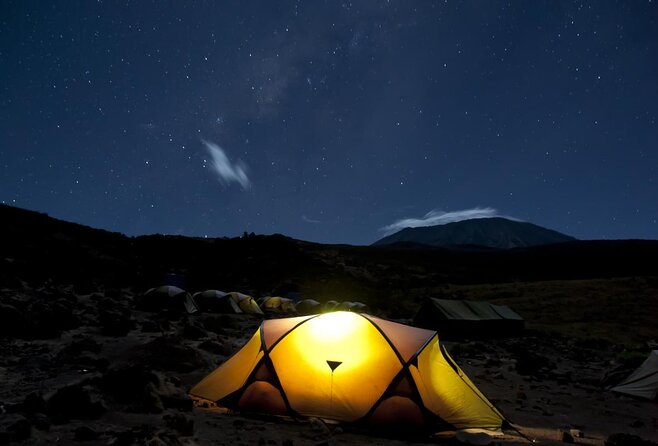
- Practical camp logistics, including enough treated drinking water and 3 hot meals daily on the mountain
Machame Route timing: why this itinerary works for altitude
The Machame Route is popular for a reason: it gives you gradual climbing with enough altitude exposure to trigger acclimatization, but it doesn’t simply hammer you upward day after day. What stands out in this 7-day plan is the rhythm. You climb, you adjust, you climb again, and you add shorter “setup” days before the summit push.
You’ll also notice how the habitats change as the elevation rises. That’s not just scenery. Different zones usually mean different trail textures and weather behavior. Rain forest starts cooler and often damp. Higher zones trend drier and colder. By the time you’re in arctic-like conditions on summit day, it’s a whole different world, and the trek slowly prepares you for that transition.
This itinerary also uses the classic Kilimanjaro logic: a challenging day, then a day that helps your body adapt. The specific stops are designed around this, especially around Barranco and Karanga, and later Barafu where you rest and prepare for an all-nighter effort.
More Kilimanjaro climbs:
- Kilimanjaro climb by Lemosho Route (7-day)
★ 5.0 · 651 reviews - Kilimanjaro climb, Machame Route (7-day)
★ 5.0 · 262 reviews - Kilimanjaro Climbing Lemosho Route 8 Days.
★ 5.0 · 186 reviews
Day 1, Moshi to Machame Camp: rain forest hiking and the “don’t rush” phase
You start with a drive from Moshi to Kilimanjaro National Park Gate, about 50 minutes. Then it’s off to the trail, winding up a ridge through rain forest, with the walk from Machame Gate to Machame Camp covering about 11 km and roughly 5 to 7 hours.
This first day is where people often make the mistake of going too fast. Your body is still low enough to feel strong, but you’re already climbing. Lower down, the trail can be muddy and slippery. That’s why gaiters and trekking poles aren’t optional fluff here. They help you keep control early, when you still think your boots are invincible.
By the time you reach Machame Camp, the elevation is listed as roughly 5,400 ft to 9,400 ft. That’s a big jump over a single day, but it’s tempered by the steady forest trail and your normal camp schedule.
What you should aim for: easy effort. You’ll save your real energy for later, when the air gets thin and your muscles work harder for the same steps.
Day 2, Machame Camp to Shira Camp: from glades to rocky ridge
Day 2 takes you from Machame Camp to Shira Camp, about 5 km with around 4 to 6 hours of hiking. The elevation climbs from about 9,400 ft to 12,500 ft, and the habitat shifts into moorland.
After breakfast, you leave the rain forest glades and start ascending. The trail crosses a small valley and follows a steep rocky ridge. Heather can show up along the way, and the terrain can feel more exposed than Day 1. Even if the distance is shorter, this day can still tax you because it’s a steady uphill.
A key detail: the plan includes rest, dinner, and overnight at Shira campsite. That matters because Day 3 continues into higher, more technical terrain and you don’t want to start it already fried.
My advice for Day 2: keep your breathing calm. If you find yourself straining, slow down. Pole pole energy is not a slogan, it’s altitude math.
Day 3, Shira to Lava Tower to Barranco Camp: the “Shark’s Tooth” and big acclimatization value
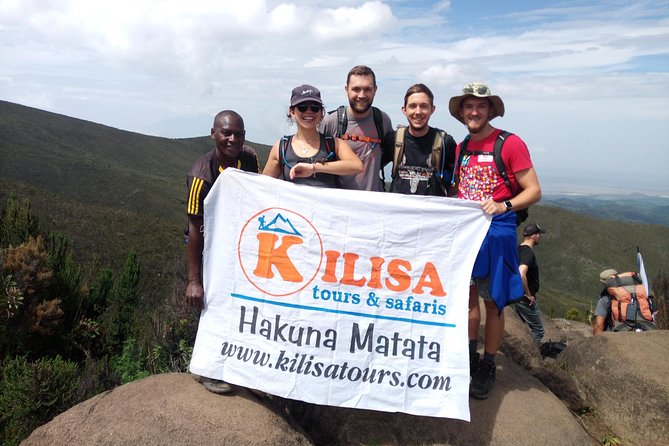
Day 3 is one of the most interesting days in the itinerary. You go from Shira Camp to Lava Tower and then down to Barranco Camp. The distance is about 10 km and the hiking time is around 6 to 8 hours. Elevation goes from about 12,500 ft to around 13,000 ft by the time you land at Barranco, so it’s not just up, it’s up and then back down.
The habitat is listed as semi desert, which is a good hint that the air is thinner and the ground can feel harsher than the earlier forests.
On the way, you’ll head east up a ridge, and you pass a junction associated with the peak of Kibo. Then the route turns southeast toward Lava Tower, called the “Shark’s Tooth.” That nickname makes sense once you see the tower form rising in the distance.
Shortly after Lava Tower, the itinerary references a second junction leading toward the Arrow Glacier area at around 16,000 ft. Then you continue down to Barranco Hut at about 13,000 ft.
Even though the elevation you finish at is about the same as you started, this day is still very important for acclimatization. It trains your body for higher altitudes while still giving you a chance to rest at Barranco.
What to expect: a longer day with changing terrain, and a sense that you’re climbing into a more severe environment.
A few more Moshi trips to compare
- Safari Serengeti And Ngorongoro
★ 5.0 · 288 reviews - Climbing Kilimanjaro – Machame Route
★ 5.0 · 170 reviews - Climbing Kilimanjaro through 7 days Machame Route
★ 5.0 · 151 reviews - Kilimanjaro climb, Lemosho Route (8-day)
★ 5.0 · 148 reviews
Day 4, Barranco to Karanga Camp: a shorter acclimatization day that pays off
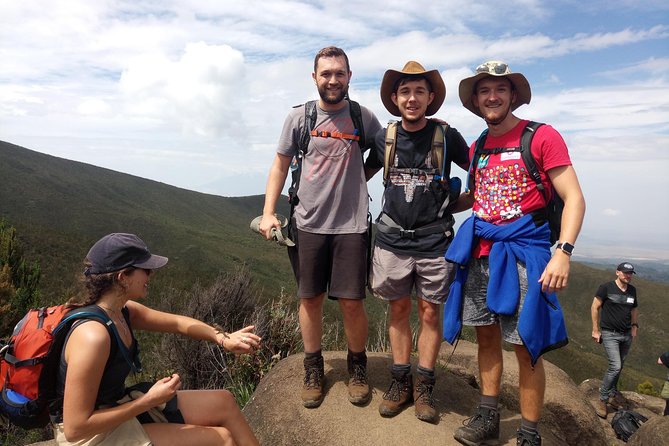
Day 4 is the kind of day that makes sense when you’re thinking ahead. It’s listed as 5 km with about 4 to 5 hours. Elevation goes from roughly 13,000 ft to 13,100 ft, so it’s essentially stable.
You leave Barranco and continue over a steep ridge, passing the Barranco Wall, then descend or angle into the Karanga Valley campsite.
This is labeled as alpine desert habitat. Don’t expect jungle vibes today. Expect wind exposure and colder temperatures as the air gets drier and thinner.
The best part of a short day like this is psychological. You can feel the difference between “I’m suffering because I’m climbing” and “I’m suffering because I’m adjusting.” Karanga is the adjustment day.
Day 5, Karanga to Barafu: completing the South Circuit and resting for the summit night
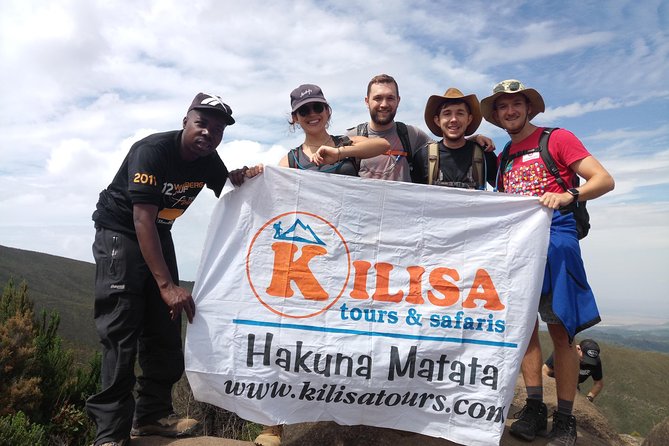
Day 5 runs 4 km in about 4 to 5 hours, moving from around 13,100 ft up to Barafu Hut at roughly 15,300 ft. The habitat remains alpine desert.
After breakfast, you connect with the Mweka Trail junction and continue up to Barafu. The plan notes that by this point, you’ve completed the South Circuit. What that means for you is you’ve done the groundwork and now you’re staging for the final push.
At Barafu you’ll camp, rest, eat dinner, and prep for summit day. This is not a day to be casually browsing your phone. Summit night starts around midnight to 2am. Your body needs time to recover before you’re working against cold air and steep ascent.
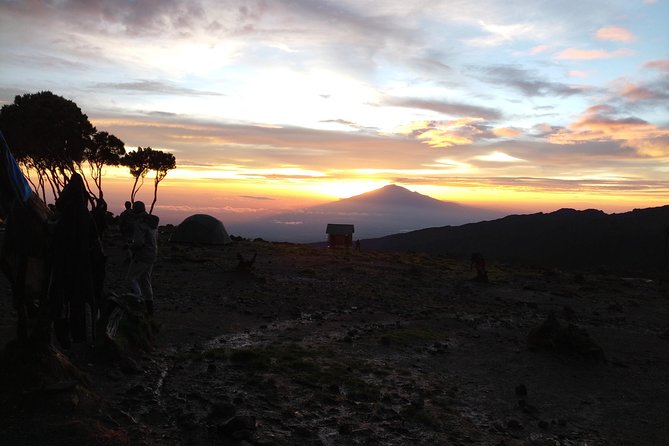
The itinerary also mentions that Mawenzi and Kibo are visible from this position. Even if you can only catch quick views through headlamp beams or clouds, it’s a reminder that you’re not guessing anymore. The end is now close enough to see.
Day 6, summit night to Uhuru Peak and descent to Mweka Hut
This is the big one. Day 6 is split into ascent to the summit, then a faster descent to Mweka Hut.
You’ll start very early, between midnight and 2am. The route ascends between the Rebmann and Ratzel glaciers, heading northwesterly. The key technical description here is heavy scree toward Stella Point on the crater rim. Expect a mentally demanding climb. Your legs will want to slip and your breath will feel like it has fewer options.
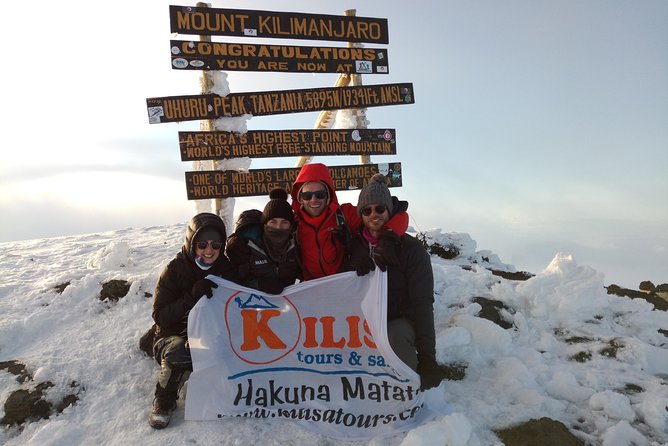
From Stella Point (listed at about 18,600 ft), you get a short rest. The itinerary calls out the potential for a magnificent sunrise there, weather permitting. Then it’s about a one-hour ascent to Uhuru Peak.
Even if the conditions are not perfect, the structure of this day matters. You’re given the hard segment, then a high-rim pause, then the final summit push.
After Uhuru Peak, you descend to Mweka Hut, dropping down to about 10,000 ft. The distance is listed as about 5 km ascent and 12 km descent, with total hiking time around 7 to 8 hours up and 4 to 6 hours down.
Practical reality: summit success is only half the deal. Your legs need to survive the descent too. This day is long, cold, and relentless.
Day 7, Mweka Camp to Moshi: certificates, muddy trails, and real food at the end
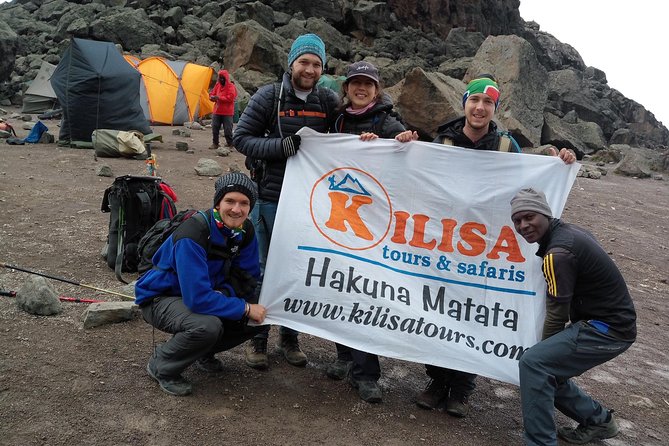
Day 7 is listed as Mweka Camp to Moshi. You descend from around 10,000 ft down to about 5,400 ft, roughly 10 km over 3 to 4 hours, in rain forest habitat again.
After breakfast, you continue down to the Mweka Park Gate to receive your summit certificates. Lower elevations can be wet and muddy, so the same advice you heard on Day 1 comes back again. Gaiters and trekking poles help. Shorts and t-shirts might be enough for comfort at that point, but keep rain gear and warmer layers handy, because Kilimanjaro weather loves to change fast.
From the gate, you continue about an hour to Mweka Village, where a vehicle meets you to drive back to your hotel in Moshi.
This day is where you get to breathe. It’s not a party day for everyone, but it’s a relief day.
What’s included with Kilisa Tours that actually matters on Kilimanjaro
When you’re paying for a climb like this, the best value is not just “meals and a guide.” It’s safety, logistics, and the small things that reduce your stress load at altitude.
Here’s what’s included that’s especially meaningful:
- 3 hot meals daily while on the mountain (breakfast, lunch, dinner)
- Treated and filtered drinking water throughout the trek
- Portable oxygen tanks and an ox meter for monitoring and support
- Emergency first-aid kit
- Team Kilimanjaro Rescue fees
- Friendly and professional mountain guides, cook, and porters
- Camping fees and park entry fees
- 2 nights of accommodation in Moshi
- Private transport to and from Kilimanjaro International Airport
- 18% VAT on tour fees and services
You’ll also notice they mention portable flush toilet rental is optional. If you choose it, it’s listed at US $100 for the entire trip and shared in a group.
My takeaway: this kind of inclusion reduces uncertainty. At 18,600 ft, you really do not want to be thinking about whether you remembered the right water plan or whether oxygen is available.
Guides, pacing, and safety culture you can feel on the trail
The most repeated theme in the supplied trip experiences is support. People describe feeling guided, motivated, and reassured, with lead guides pushing steady pace using a calm rhythm that many climbers summarize as pole pole.
Names that appear in the history of these climbs include Abraham, Alfonse, Bacarri, Bakari, Bryson, and Livingston, and the operator also appears as Naick in multiple accounts. While you can’t plan on exact staffing, these names give you a sense of who you might encounter from this Moshi-based team.
Also built into the package is a formal safety layer: rescue fees, an emergency kit, and oxygen gear. This doesn’t mean you’re protected from every risk. But it does mean the operator is planning for high-altitude needs rather than treating the climb like a casual hike.
How to use this as a smart traveler: choose a guide who gets you moving steadily and listens to how you feel. If your body is struggling, you want the team to respond with pacing and support, not bravado.
Gear checklist: what to pack for rain, mud, and summit cold
The itinerary itself points you to a few items that save comfort and safety:
- Gaiters and trekking poles for muddy, slippery lower sections, and again at the end
- Trekking layers because you’ll move from rain forest to arctic-like conditions
- Rain gear and warmer clothing kept accessible, even if you think you’re only doing sunny hiking
- Shorts and t-shirts might be fine at lower elevation later, but don’t pack only summer clothes
The big gear mistake on Kilimanjaro is dressing as if the temperature stays one thing all day. It doesn’t. The route climbs you into colder air, then drops you back down into wet trail zones. Plan for both.
If you need one practical approach: pack for early cold at night, and for wet and muddy footing after.
Value check: is $2,750 a fair deal for a 7-day Machame climb?
At $2,750 per person, you’re paying for a lot more than the trail itself. This price bundles in park and camping fees, guides and porters, hot meals, treated drinking water, oxygen support tools, and a formal emergency and rescue fee layer.
What makes that value calculation cleaner is what’s included:
- You’re not separately budgeting for major baseline costs like park entry and camping fees
- You’re covered on meals and water while on the mountain
- You get oxygen tanks and monitoring, which is a meaningful safety cost
- You get private airport transport and additional hotel nights in Moshi
- You’re limited to a maximum of 15 travelers, which usually helps with smoother coordination
What you still need to budget outside the package:
- Travel insurance
- Tips for guides, porters, and cooks
- Flights
- Optional toilet rental (US $100)
- Personal items and toiletries
For me, the key is the ratio of included services to hidden costs. If you’re the type who likes knowing what’s handled, this package structure is likely to feel reasonable.
Who should book this climb, and who should slow down
This trek is clearly meant for people with a strong physical fitness level. That’s not gatekeeping. It’s altitude reality. You’re climbing to extreme elevation, including a summit push with heavy scree and early morning departure.
This is a great fit if:
- You’re prepared for slow uphill hiking and long days
- You want a route that focuses on acclimatization and includes support tools
- You prefer a guided, camp-based trek with 3 hot meals daily and clear day-by-day structure
- You like traveling from Moshi and using a local operator
You might rethink if:
- You’re unsure about your ability to sustain long hikes on consecutive days
- You hate cold starts and steep, rocky footing under time pressure
- You want a very lightweight, no-planning adventure
Should you book this 7-day Machame Route with Kilisa Tours?
I’d recommend booking this if you want a structured climb with acclimatization days, included oxygen and monitoring, and a safety-minded operator that runs the mountain portion with real logistics. The Machame route is demanding, but the itinerary pacing and camp support make it feel more manageable.
I’d hesitate only if you’re not confident in your fitness, because the summit day is both physically hard and mentally taxing. If you do train, and you pack smart for mud, cold, and weather shifts, this is the kind of plan that can turn a scary idea into a controlled, step-by-step goal.
FAQ
What route is this, and how long is it?
This is a 7-day Machame Route trek on Mount Kilimanjaro, with the climb taking about 7 days including the hike and camping nights.
Where does the trek start, and what time does it begin?
The meeting/start time is 8:30 am. The itinerary includes driving from Moshi to Kilimanjaro National Park Gate on Day 1.
How many meals are included while you are on the mountain?
You get 3 hot meals daily while on the mountain. The package lists breakfast (7), lunch (6), and dinner (6).
Is airport transport included?
Yes. You get private transport to and from Kilimanjaro International Airport.
Are oxygen and monitoring equipment included?
Yes. The package includes portable oxygen tanks and an ox meter, plus an emergency first-aid kit.
What is the maximum group size?
The tour lists a maximum of 15 travelers.
What is not included in the price?
Not included: travel insurance, tips for guides/porters/cook, flights, tented portable flush toilet rental (optional, listed at US $100 for the trip shared in a group), and personal items and toiletries.
Is free cancellation available?
Yes. You can cancel up to 24 hours in advance for a full refund, and if it’s canceled due to poor weather, you’ll be offered a different date or a full refund.
Just posted around Moshi
- machame route★ 5.0 · 16 reviews
- Kilimanjaro Climbing Umbwe Route★ 5.0 · 3 reviews
- Wildlife Extravaganza: Manyara, Tarangire & Ngorongoro in 3 Days★ 5.0 · 3 reviews
- Mt Kilimanjaro 6 days Marangu route hike★ 5.0 · 3 reviews
- 3 Days Private E-Bike Tour in West Kilimanjaro★ 5.0 · 3 reviews
- West Kilimanjaro cycling Adventures★ 4.5 · 8 reviews
- Kilimanjaro Climb • Marangu Route ~ 9 Day★ 5.0 · 4 reviews
- Private Cycle to Kilimanjaro Bike Park Safari★ 5.0 · 6 reviews
Kilimanjaro Climbs, compared.
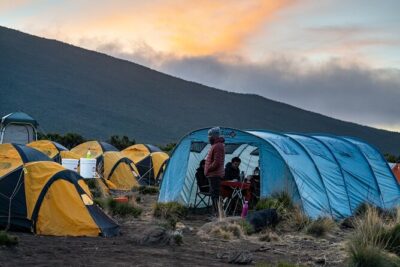
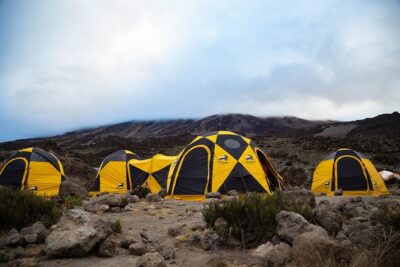
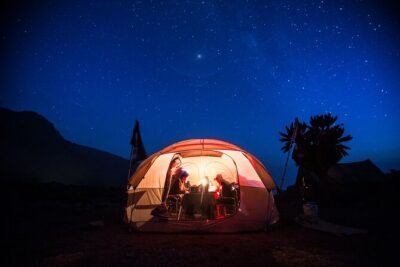
8-Day Small-group Lemosho Kilimanjaro Summit Trekking
Read our review →
5 Days Best of Tanzania Luxury Safari Northern Circuit
Read our review →
Climbing Kilimanjaro through 7 days Machame Route
Read our review →