Reviewed · KILIMANJARO CLIMBS
7 days Lemosho route Climbing Mt.Kilimanjaro
Kilimanjaro never feels like a normal hike. This 7-day Lemosho route mixes rainforest, moorland, and semi-desert, so your body gets time to adjust before the summit push. I like that Kilisa pairs that pacing with a full support team and practical day-by-day planning.
Two things stand out fast. First, the itinerary is built around acclimatization moments, like spending time up on the Shira plateau and doing the Barranco to Barranco Wall day before you go higher. Second, you get a calmer start to the climb, with a drive from Moshi to Londorossi Gate and a forest walk that eases you into altitude.
One thing to consider up front: this is a serious physical challenge, and the summit night starts around 2am. If your fitness is not strong, or you hate cold, early starts, this route will feel heavy.
In This Review
- Quick reasons this 7-day Lemosho climb works
- Why the Lemosho route is a smart way up Kilimanjaro
- Day 1: Moshi to Londorossi Gate, then the forest start
- Day 2: Shira Ridge and that first big Kibo view
- Day 3: Shira plateau day, plus Moir Hut and Lent Hills acclimatization
- Day 4: Lava Tower to Arrow Glacier, then down to Barranco Hut
- Day 5: Barranco to Barafu, completing the South Circuit
- Day 6: Summit night at 2am, Stella Point sunrise, Uhuru Peak
- Day 7: Mweka Park Gate certificates, muddy descent, then back to Moshi
- Price and logistics: what $2,850 buys you, and what it doesn’t
- The human side: why the crew repeatedly gets praised
- What to pack, based on what actually matters on the route
- Who this trek suits best
- Should you book this 7-day Lemosho route with Kilisa Tours?
- FAQ
- What is the start time for this Kilimanjaro climb?
- What route is this, and how long is the trek on the mountain?
- Is airport transport from Moshi included?
- Are meals included during the trek?
- What is not included in the price?
- What happens if weather is poor on summit day?
Quick reasons this 7-day Lemosho climb works
- Londorossi Gate to Lemosho trailhead flow: a long, organized day-one handoff from Moshi into the trek
- Route variety for gradual altitude: rainforest, savannah, moorland, and alpine desert in sequence
- Acclimatization built into the plan: Shira plateau time plus the Barranco to Barranco Wall section
- Stella Point sunrise window: a planned stop at about 18,600 ft for weather-permitted magic
- Camping experience with solid logistics: guides, cook, porters, treated drinking water, and an emergency first-aid kit
- Small group size: a maximum of 15 travelers helps keep the experience controlled and personal
Why the Lemosho route is a smart way up Kilimanjaro
The Lemosho route is popular for a reason: it spreads the climb out, not just on paper, but in how the terrain changes. You start in rainforest, then work through savannah and moorland before you reach the harsher, rocky zones near the summit. That variety matters because it breaks up the monotony of the climb and gives you a more gradual feel for altitude.
What I appreciate is the way the route supports acclimatization through movement and timing. You are not only climbing higher each day. You spend meaningful time up on the Shira plateau, then you do a “down and up” rhythm later at Barranco, which helps your body prepare for the big push.
This is also a route where your summit day plan has structure. You climb toward the crater rim, stop at Stella Point, and then continue to Uhuru Peak. When something as intense as Kilimanjaro feels scary, having a clear sequence usually helps.
More Kilimanjaro climbs:
- Kilimanjaro climb by Lemosho Route (7-day)
★ 5.0 · 651 reviews - Kilimanjaro climb, Machame Route (7-day)
★ 5.0 · 262 reviews - Kilimanjaro Climbing Lemosho Route 8 Days.
★ 5.0 · 186 reviews
Day 1: Moshi to Londorossi Gate, then the forest start
Day one is your transition day from normal life into mountain life. You leave Moshi and drive to Londorossi Gate in about four hours, then complete entry formalities. After that, you drive again for about an hour to reach the Lemosho trailhead.
Once you arrive, you eat lunch and start hiking through undisturbed forest. This first stretch is about getting your legs moving without immediately throwing you into the highest zones. The day sits roughly between 7,800 ft and 9,500 ft, with a moderate hiking window of about 3 to 4 hours over around 6 km.
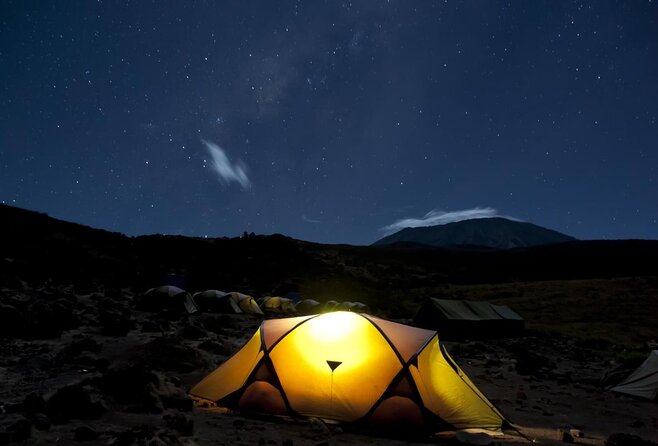
A camping night on day one means you’ll acclimatize in real time. You’ll sleep in the rhythm of the mountain, not back in a hotel, and that’s important for your summit-day readiness. Meals are simple and consistent, with lunch and dinner included.
Practical thought: if you tend to get motion-sick during drives, consider how you’ll feel after the entry process and the first hike. Day one is not just travel, it’s travel plus a start into the climb.
Day 2: Shira Ridge and that first big Kibo view
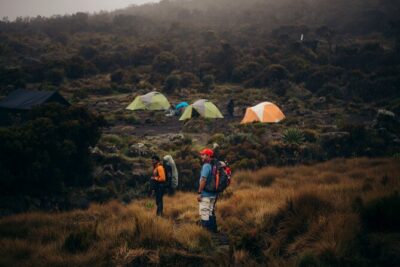
Day two is when the mountain starts looking more dramatic. You leave the forest and move into savannah with tall grasses, heather, and volcanic rock covered in lichen beards. It’s the kind of detail you’ll remember later, because it’s not the same scenery you get on every other trail.
The hike climbs from about 9,500 ft to 11,500 ft over roughly 8 km in 5 to 6 hours. You’ll cross several streams along the way, which can be helpful, psychologically and physically. Water crossings break up your pace and remind you this is a living ecosystem, not just a rock pile.
A standout moment is reaching Shira Ridge. From there, you get an amazing view of Kibo across the plateau. Then the day shifts downward gently to Shira 1 camp.
This is also a day where “slow and steady” helps. You may feel like you want to push, but your job is to keep breathing calm while the altitude starts to add up. You’ll sleep at Shira 1 camp on moordland terrain, with breakfast, lunch, and dinner included.
Day 3: Shira plateau day, plus Moir Hut and Lent Hills acclimatization
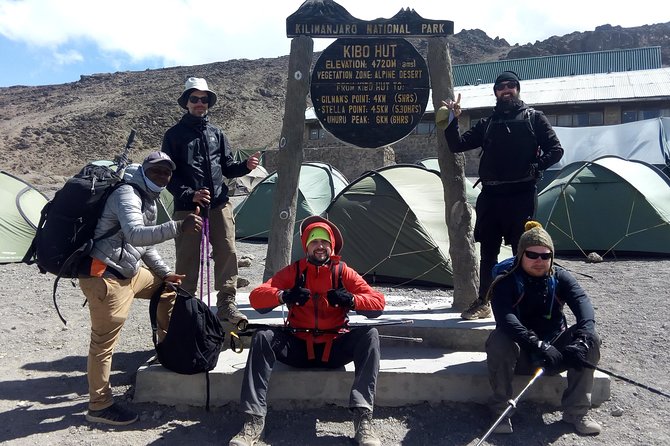
Day three is a full acclimatization block. You spend time exploring the Shira plateau on foot, with a gentle walk east toward Kibo’s glaciered peak. You’re not just climbing, you’re learning the mountain’s rhythm.
The day runs from about 11,500 ft to 13,800 ft, covering around 14 km over 5 to 7 hours. That distance sounds big, but the emphasis is on staying steady through open moorland meadows and stream country.
You’ll reach Shira 2 camp and then continue on to Moir Hut, a lesser-used site at the base of the Lent Hills. The benefit here is that you get choices for shorter walks around the area, which helps you adjust without committing to a brutal extra climb.
It’s one of the best days to focus on your attitude. Cold air, higher altitude, and changing wind can make you feel off. But the plan gives you time to get your footing and your breathing under control before you go higher toward the summit corridor.
A few more Moshi trips to compare
- Safari Serengeti And Ngorongoro
★ 5.0 · 288 reviews - Climbing Kilimanjaro – Machame Route
★ 5.0 · 170 reviews - Climbing Kilimanjaro through 7 days Machame Route
★ 5.0 · 151 reviews - Kilimanjaro climb, Lemosho Route (8-day)
★ 5.0 · 148 reviews
Day 4: Lava Tower to Arrow Glacier, then down to Barranco Hut
Day four is one of those days that feels like a roller coaster, which is exactly why it matters. You begin at the Shira Plateau and continue east up a ridge. There’s a junction you pass that relates to the peak of Kibo, and then your direction shifts south east toward the Lava Tower, also called Shark’s Tooth.
Shortly after the tower, you move toward the second junction to reach the Arrow Glacier around 16,000 ft. From there, the plan takes you down to Barranco Hut at around 13,000 ft.
Total distance is about 7 km, and hiking time is around 4 to 6 hours. Habitat shifts toward semi-desert, so expect more exposed, colder-feeling ground underfoot.
Even though this day ends near roughly the altitude you started, it is not a “light day.” The climbing and the high point work your system, then the descent gives you recovery. That combination is part of the acclimatization logic for summit readiness.
Meals are breakfast, lunch, and dinner, and it’s camping again. This is also a good day for mindful rest, because the next day starts shaping into the summit ring.
Day 5: Barranco to Barafu, completing the South Circuit
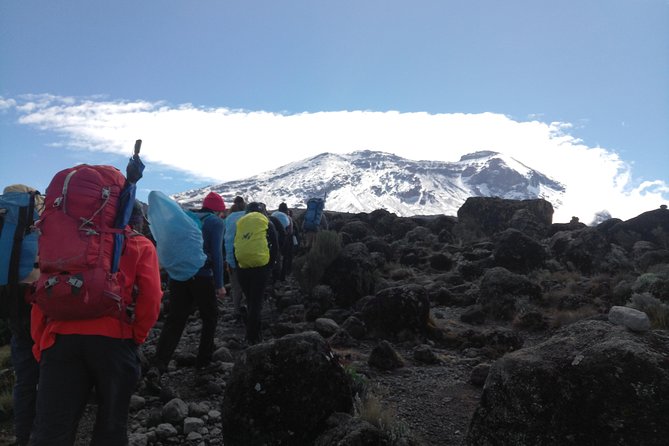
Day five is where Kilimanjaro begins to look and feel more alpine. After breakfast, you leave Barranco and go up a steep ridge, passing the Barranco Wall. You then continue to Karanga Valley campsite, and from there you connect toward the Mweka Trail.
The day ends at Barafu Hut, roughly 15,000 ft. Elevation gain goes from around 13,000 ft to 15,000 ft, with about 9 km and 8 to 10 hours of hiking time. Habitat is described as alpine desert, so think rocky ground, wind exposure, and less vegetation to soften the feel of walking.
This is also the day that completes the South Circuit, and that phrase matters. It’s often when people start to realize the summit is not just a concept. From Barafu, you get views of the summit from multiple angles, and you can see Mawenzi as well as Kibo.
You camp at Barafu with dinner and time to prepare mentally and physically for the summit night. The crew usually plays a big role here, because you’ll be tired and you’ll need calm, consistent instructions.
Day 6: Summit night at 2am, Stella Point sunrise, Uhuru Peak
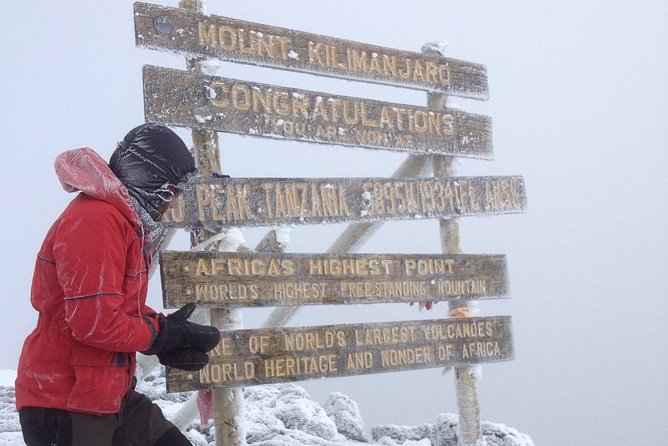
This is the day most people remember, for good reason. You start around 2am, heading toward the summit between the Rebmann and Ratzel glaciers. The route goes northwesterly and ascends through heavy scree toward Stella Point on the crater rim.
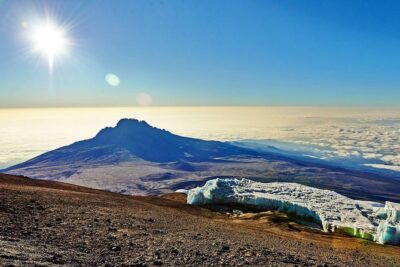
At Stella Point (about 18,600 ft), you stop briefly. Then, weather permitting, you get the planned sunrise experience. It’s the kind of moment where you understand why people plan their whole lives around this mountain.
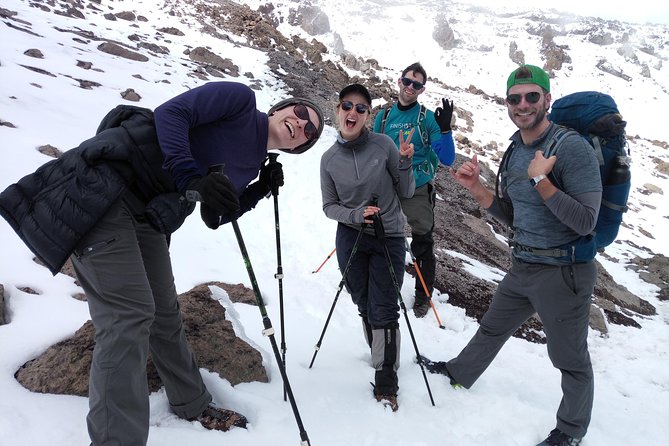
From Stella Point, you may see snow even all the way up, and the final stretch to Uhuru Peak is about one hour. Uhuru Peak sits at 19,345 ft, the highest point on Kilimanjaro and the highest point on the African continent.
Then comes the equally important part: descent. You continue down straight toward Mweka Hut, stopping at Barafu for lunch. Your legs will feel like they are learning new physics. In practice, the earlier you move carefully, the easier it gets.
Your lodging is camping again, with breakfast and meals included across the day as outlined. If you tend to stress about weather, remember the schedule is built around conditions, and the operator includes a specific rescue fee line item, which is reassuring in a place where plans must adapt.
Day 7: Mweka Park Gate certificates, muddy descent, then back to Moshi
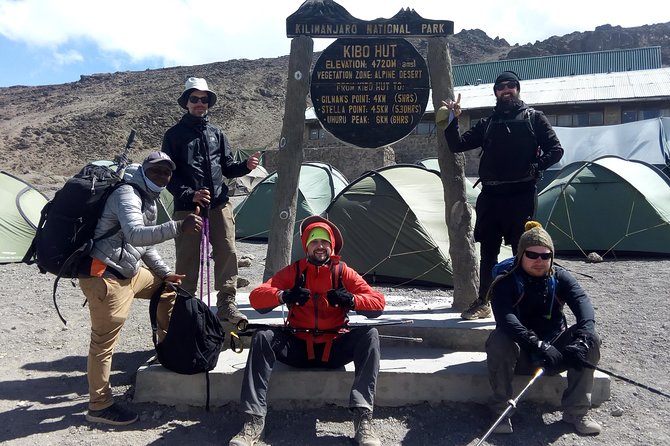
Day seven starts after breakfast with a descent to the Mweka Park Gate to collect your summit certificates. This is the formal end to the climb, and it’s a nice moment to feel the emotional payoff.
The walk is shorter, around 10 km total, and hiking time is roughly 3 to 4 hours. You descend from about 10,000 ft to 5,400 ft and return through rainforest.
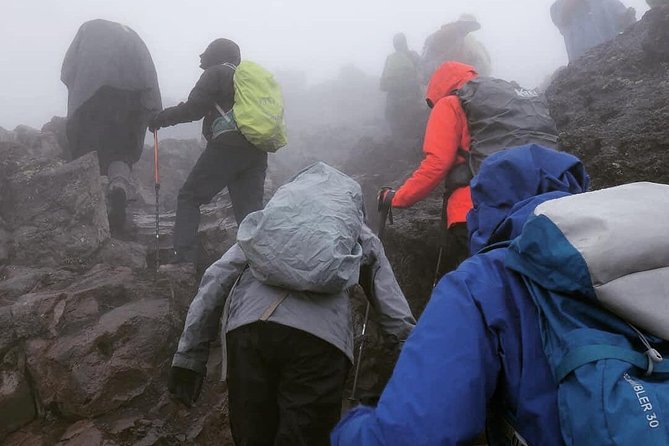
Lower elevations can be wet and muddy, so pack your footwear and habits for slipping risk. The trek guide notes that gaiters and trekking poles help. You’ll likely be in shorts and a t-shirt, but keep rain gear and warmer clothing accessible.
After reaching Mweka Village, a vehicle meets you for the ride back to your hotel in Moshi. Then the trip can connect to your next days in Tanzania, whether that’s safari or a beach stop.
Price and logistics: what $2,850 buys you, and what it doesn’t
At $2,850 per person, this is not a bargain-bin hike. But you’re also not buying just a trail map. Your price includes a lot of the hard-to-organize parts.
Included basics you should care about:
- Private transport to and from Kilimanjaro International Airport to your Moshi accommodations
- 2 nights in Moshi
- Park entry fees
- Team Kilimanjaro Rescue fees
- Guides, cook, and porters
- Treated and filtered drinking water
- Emergency first-aid kit
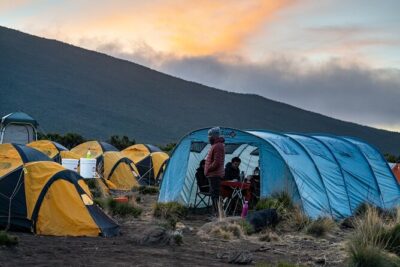
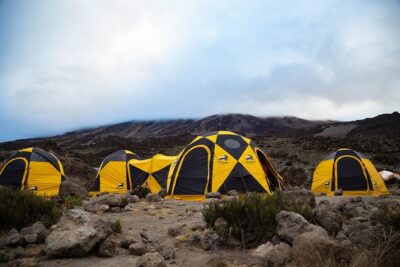
- Camping accommodation on the route
- Meals: breakfast 7, lunch 6, dinner 6
What’s not included:
- Travel insurance
- Flights
- Tips for guides, porters, and cook
Value-wise, the strongest argument is the structure. A summit climb is where logistics become life support. Having private airport transfers, a local office setup through a named contact in the experience, and a rescue fee included means you are paying for systems that matter when the weather changes.
The maximum group size of 15 also affects value. Smaller groups often mean better coordination, less waiting, and a crew that can watch you more closely.
The human side: why the crew repeatedly gets praised
The reviews you can read on this climb share a pattern: people feel safe, cared for, and encouraged. That might sound like marketing language, but the names and roles make it concrete.
You’ll often see lead guide and host references like Naick, described as the person organizing details quickly before departure. On the mountain side, guides like Bakari, Nickson, Goodluck Mwanga, Abraham, Joseph, FC, Matthew, and Tammy show up in different accounts. Drivers like Nixon get mentioned, and you’ll also see cooks and porters named, including Yahaya and others.
The big theme is support from start to finish. People highlight encouragement during tough parts, plus a sense of being treated like family rather than a random booking number. On summit-day style terrain, that matters because your mind is as much a factor as your legs.
Food and morale also come up. One account talks about games on the hike, which is a clever trick because it turns time into something you can manage. Another highlights that meals felt plentiful, not stingy. For a climb where you’re burning calories for days, that practical comfort counts.
If you pick a company for Kilimanjaro, you are not just buying permits and routes. You are buying how people handle stress. In this case, the crew is repeatedly described as professional and supportive, which is exactly what you want when you’re shivering at 18,600 ft and chasing sunrise.
What to pack, based on what actually matters on the route
This route includes big altitude swings and changes in ground condition. Your most actionable packing list is tied to the days when conditions get wet and cold.
Based on the trip guidance:
- Gaiters and trekking poles are recommended for the muddy, wet lower elevation descent after the summit
- Bring rain gear that you can access fast
- Pack warmer layers for the colder crater rim and summit night conditions
- Shorts and a t-shirt will likely be fine for lower elevation walking, once you’re back from the cold zones
- Start thinking early about charging your devices, since one account specifically notes the value of keeping your camera and phone batteries powered in Tanzania
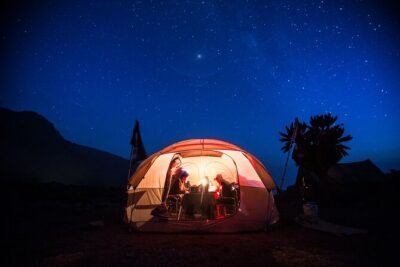
Also, you’ll be camping throughout the climb. That means you should be comfortable with a basic outdoor routine. If you want hotel-style comfort, this is not that type of itinerary.
Who this trek suits best
This climb fits you if:
- You have strong physical fitness, as the operator states
- You want a classic multi-day acclimatization plan rather than a rushed ascent
- You’re okay with camping, long hiking days, and a summit night that starts around 2am
- You value a crew that provides calm support, including guides plus cook and porters
It may not be ideal if:
- You struggle with early morning starts and cold conditions
- You want a very lightweight hiking experience with minimal effort
- You need a fully accessible, no-challenge option, because this is designed for serious trekking
Should you book this 7-day Lemosho route with Kilisa Tours?
If your goal is to climb Kilimanjaro with a structured route, strong crew support, and a plan that takes acclimatization seriously, I think this is a solid option. The biggest strengths are the variety of terrain, the presence of acclimatization days, and the crew reputation for professional care.
Before you book, be honest with yourself about the work. The distances and time on days four through six are demanding, and summit night is not optional. If you train for stairs, hills, and long effort weeks, you’ll feel more in control.
Finally, if you’re the type who wants your logistics handled, this package leans that way. Private Moshi airport transfers, park entry and rescue fees included, treated water, and full meal service are the practical details that make the climb easier to manage. If that’s what you want, book it, then focus on training and packing for cold, wet sections.
FAQ
What is the start time for this Kilimanjaro climb?
The tour start time is listed as 8:30 am.
What route is this, and how long is the trek on the mountain?
This is a 7-day Kilimanjaro trek using the Lemosho route, with hiking days on the mountain and a final descent ending in Mweka Village.
Is airport transport from Moshi included?
Yes. Private transport is included to and from Kilimanjaro International Airport and your accommodations in Moshi.
Are meals included during the trek?
Yes. Meals are included throughout the climb, including breakfast, lunch, and dinner as specified in the tour summary.
What is not included in the price?
Travel insurance, flights, and tips for guides, porters, and cook are not included.
What happens if weather is poor on summit day?
The experience requires good weather. If it is canceled due to poor weather, you will be offered a different date or a full refund.
Just posted around Moshi
- machame route★ 5.0 · 16 reviews
- Wildlife Extravaganza: Manyara, Tarangire & Ngorongoro in 3 Days★ 5.0 · 3 reviews
- Mt Kilimanjaro 6 days Marangu route hike★ 5.0 · 3 reviews
- Kilimanjaro Climbing Umbwe Route★ 5.0 · 3 reviews
- 3 Days Private E-Bike Tour in West Kilimanjaro★ 5.0 · 3 reviews
- West Kilimanjaro cycling Adventures★ 4.5 · 8 reviews
- Kilimanjaro Climb • Marangu Route ~ 9 Day★ 5.0 · 4 reviews
- Private Cycle to Kilimanjaro Bike Park Safari★ 5.0 · 6 reviews
Kilimanjaro Climbs, compared.
8-Day Small-group Lemosho Kilimanjaro Summit Trekking
Read our review →
5 Days Best of Tanzania Luxury Safari Northern Circuit
Read our review →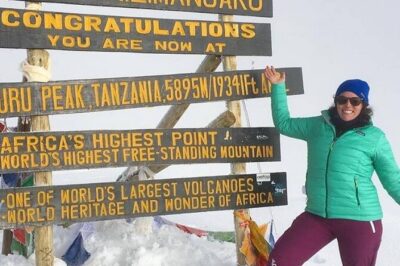
Climbing Kilimanjaro through 7 days Machame Route
Read our review →