
Reviewed · KILIMANJARO CLIMBS
7-Day Mt. Kilimanjaro Hiking: Machame Route
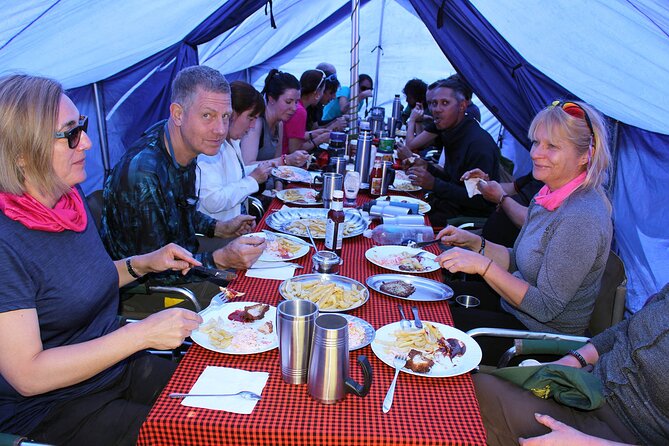
Kilimanjaro starts with rain-soaked jungle steps. On this Machame route, you climb through distinct altitude zones, then tackle the big night push toward Stella Point for a sunrise reward, weather permitting. I like that the itinerary is packed with scenic moments, but I also want you to know the tradeoff: it is a steep, difficult climb with a shorter acclimatization window than some routes.
The best part is the people. In the past climbs I’ve learned from, guides like Samuel, Justin, and Edgar kept hikers calm and moving, with a caring, supportive vibe led by head guide Abouh. One possible drawback is that you still need your own discipline on pace and breathing, because altitude can hit anyone.
In This Review
- Key highlights to pay attention to
- Machame route, also called the Whiskey route: the kind of Kilimanjaro hike you’re choosing
- Arusha to Machame Village: your day one is about weather and mud
- Day 2 to Shira Plateau: the moorland walk plus a glacier view cue
- Day 3 toward Lava Tower and Barranco: the toughest day, followed by an important acclimatization drop
- Day 4 Great Barranco Wall: an acclimatization day that still feels like a win
- Day 5 Barafu ridge: the day you’ll feel the cold and the water limits
- Day 6 summit night: Stella Point to Uhuru Peak, sunrise, and the mental grind
- Day 7 celebration, certificates, and the final descent to Mweka Gate and village
- Price and value: what $2,500 covers, and what you need to plan for
- Who should book this Machame climb, and who should think twice
- Should you book this Machame route with Makanjanja Safaris?
- FAQ
- What route is this, and how long is it?
- Where does the trek start, and what time?
- Is pickup included?
- What group size should I expect?
- Are meals and water included?
- Is camping equipment and portage included?
- How does the route handle water on summit week?
- What are the key high points on the route?
- Do I receive a certificate?
- Is cancellation refundable?
Key highlights to pay attention to
- Machame’s rain-forest day one can turn muddy and slippery fast, so proper footwear matters.
- Shira Plateau at 3,840m brings a glacier view in the distance and a clear sense of progress.
- Lava Tower day feels hardest, but the steep drop afterward is part of the acclimatization pattern.
- Great Barranco Wall (Class 2) is scary-looking, usually manageable, and timed well for acclimatization.
- Barafu has no accessible water, so you’ll feel the logistics on the ridge at 4,550m.
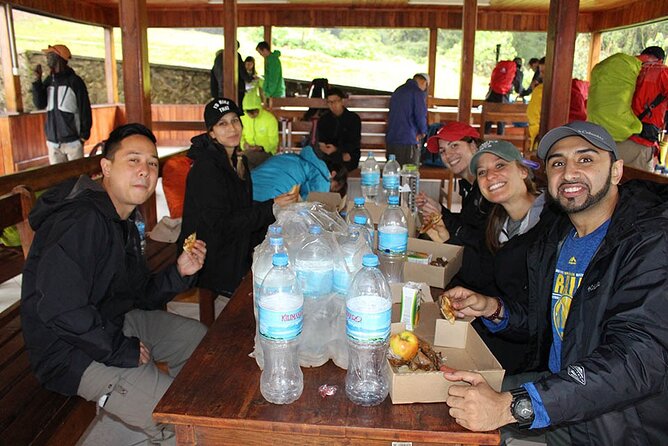
- Small group size (max 15) plus an English-speaking guide team and cooker helps things run smoothly.
Machame route, also called the Whiskey route: the kind of Kilimanjaro hike you’re choosing
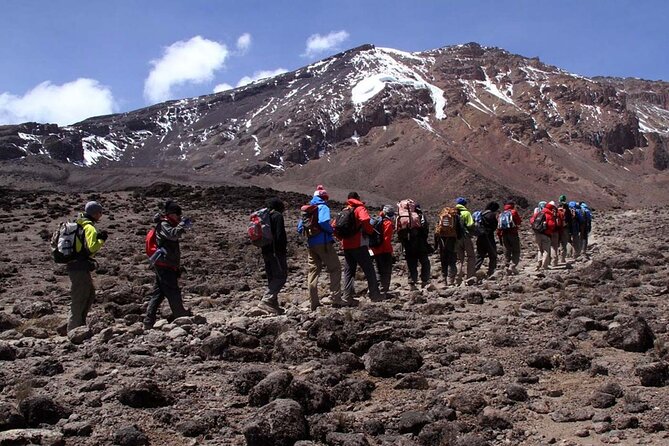
The Machame route is one of the most popular ways up Mount Kilimanjaro, and for good reason. It moves you through multiple altitude zones over 7 days, so you’re not stuck with the same kind of trail every day. You’ll see the forest, then moorland, then semi-desert and alpine desert, and finally the crater-rim country where everything feels colder and sharper.
This route is also known for being demanding. The itinerary can feel steep and fast, especially on the higher days. If you’re the type who likes a challenge and you already have some hiking legs, Machame fits well. If you’re new to serious altitude hiking, you’ll need to be extra honest with yourself about training, pace, and how you handle discomfort.
More Hiking Trips in Arusha
- 8-Day Small-group Lemosho Kilimanjaro Summit Trekking
★ 5.0 · 186 reviews - Mountain Kilimanjaro Day Hike
★ 5.0 · 102 reviews - Private Full Day Hiking Experience to Marangu Route
★ 5.0 · 61 reviews
Arusha to Machame Village: your day one is about weather and mud
You’ll start from Arusha, around 1,400m, with pickup offered. After an early breakfast, you drive toward Machame Village, with a chance to buy mineral water there and grab a packed lunch. If the road conditions don’t allow full vehicle access, expect a muddy 3 km walk that can take about an hour, which is a good preview of what the trail can feel like once it’s wet.
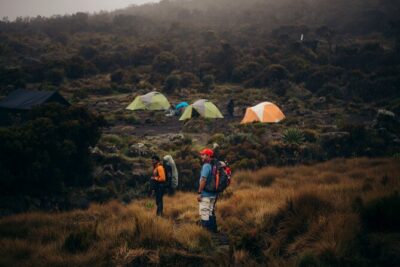
Once you register at the gate office, you enter the rain forest almost immediately. This is a real sensory day: expect damp air, slippery footing, and the very real possibility of rain. I like that this is not sugar-coated, because it helps you pack and plan correctly. Bring grippy shoes, waterproof layers, and accept that you might spend a night with wet stuff.
As you ascend, there’s a welcome lunch stop about halfway. Day one is long in hiking time, so you’ll want to keep your effort steady rather than heroic. Slow and consistent uphill beats quick spurts at altitude.
Day 2 to Shira Plateau: the moorland walk plus a glacier view cue
After sleeping at camp, you rise early and climb for about an hour through the forest top, then shift into moorland where the gradient eases. This is where your body starts to understand the rhythm of the hike. You’ll hike around 6 hours and cover about 9 km, which is a manageable workload on paper, but the altitude is the real factor.
After a short lunch and rest, you continue up a rocky ridge toward the Shira area. One of the best parts of the day is the first proper sense of scale: you can see the Western Breach with glaciers off to the east. Even if clouds steal the view sometimes, the moment you get even partial sight of the ice fields is the kind of “okay, this is real” Kilimanjaro feeling you can’t manufacture.
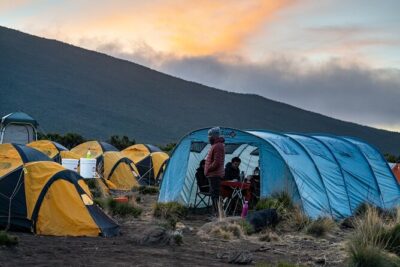
You reach Shira campsite at 3,840m. Porters boil drinking and washing water before dinner, which is a comfort you’ll appreciate when temperatures drop. Nights here are exposed, and you should expect cold that can go below freezing, even when the previous day felt steady.
Day 3 toward Lava Tower and Barranco: the toughest day, followed by an important acclimatization drop
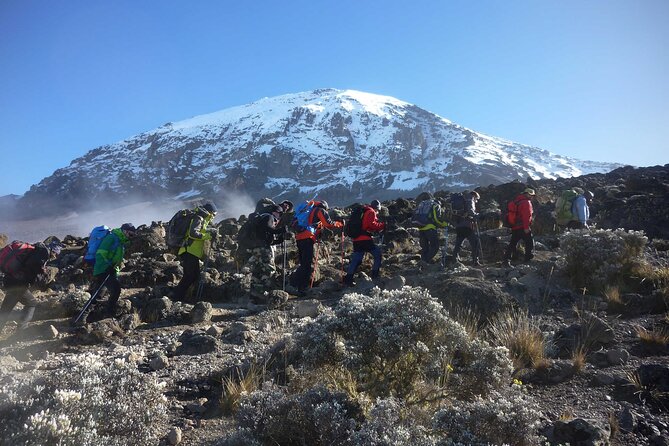
Day three is where the Machame route asks the most from you. You turn east into a rocky semi-desert area around Lava Tower, reaching 4,630m after about 5 hours. The trail around this zone has a harsher feel underfoot, and you’ll likely notice it in your breathing and energy.
Lunch happens in a designated area, then you push up toward Lava Tower at 4,630m after a rocky scree approach. This is typically the toughest day so far, and that toughness is not just physical. It’s common to feel symptoms like breathlessness, irritability, and headaches. The key is that these symptoms are a signal to slow down and stay focused on steady breathing.
After lunch, you descend almost 680m to the Barranco camping area. This drop is where the acclimatization benefit shows up, because the mountain finally gives you some relief after asking you to work hard. If you’re the type who worries about “losing altitude,” this is the day to trust the plan. Controlled downhill helps your body adjust for the bigger challenges ahead.
More Kilimanjaro climbs:
- 5 Days Best of Tanzania Luxury Safari Northern Circuit
★ 5.0 · 174 reviews - 7-Day Machame Kilimanjaro Summit Tour from Arusha
★ 5.0 · 125 reviews - 4 days Best experience Kilimanjaro Hike, Serengeti &Ngorongoro
★ 5.0 · 54 reviews - From Arusha/Moshi: Kilimanjaro Hike Marangu Route Day Trip
★ 4.5 · 54 reviews
Day 4 Great Barranco Wall: an acclimatization day that still feels like a win
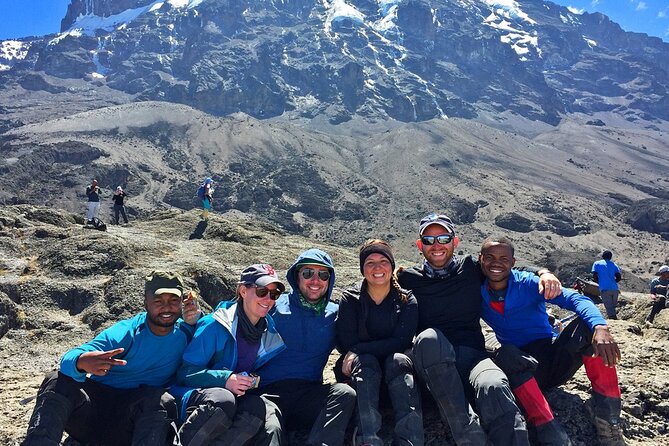
You’ll have an early breakfast, then go after the Great Barranco Wall. It may look intimidating at first glance, but it’s rated as a Class 2 hike and hikers often find it easier than they expected. I like days like this on Kilimanjaro, because they blend effort with payoff without adding more altitude pressure than necessary.
At the top, the view can include Heim Glacier, and you may be above the clouds. That “above it all” feeling is one of the reasons people keep coming back to Kilimanjaro routes like Machame. The trail then winds up and down through the Karanga Valley, which is a smart setup for the next day.
This day is also ideal for acclimatization, which means you get to build confidence on the terrain while giving your body time to adapt. If you’re feeling flat, it’s still a day that can make you feel capable.
Day 5 Barafu ridge: the day you’ll feel the cold and the water limits
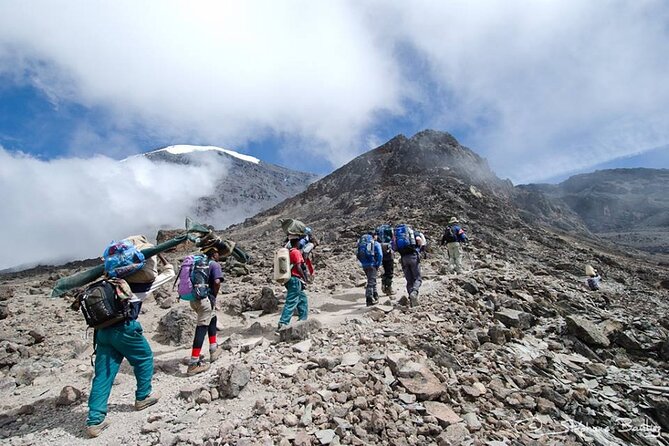
After breakfast at about 3,959m in the Karanga area, you hike to where the trail intersects the Mweka Route, the route used for descent in the last two days. That intersection is a psychological shift: the summit push is closer, and you can feel the route converging.
You continue for about an hour to Barafu Hut, around 4,550m. This is important: it’s the last water stop for the porters, and there is no accessible water at Barafu Camp. Even if you’re not thinking about logistics much on summit week, this is one of those facts that changes how you should treat the day. You’ll want to drink enough before you hit the ridge, and keep any water management strict.
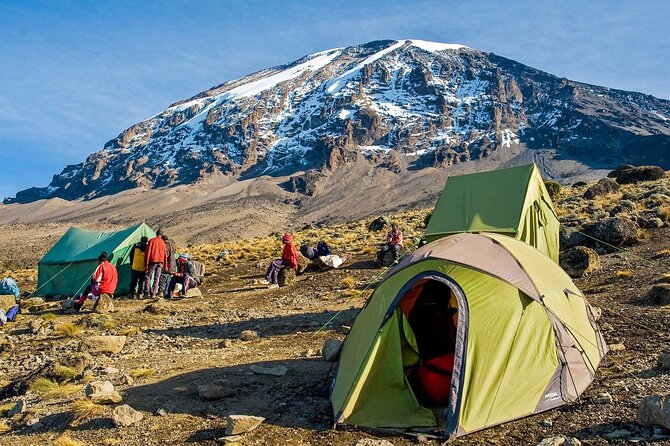
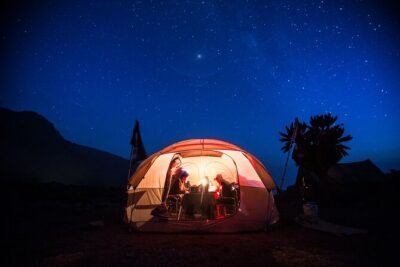
Barafu means ice in Swahili, and the camp sits on a rocky, exposed ridge. Expect wind. Expect rocks. Expect colder temperatures. You’ll also want to familiarize yourself with the campsite before dark, because you’ll lose your patience faster when it’s windy and visibility is low. Dinner comes early so you can rest, because the night ahead will be long.
Day 6 summit night: Stella Point to Uhuru Peak, sunrise, and the mental grind
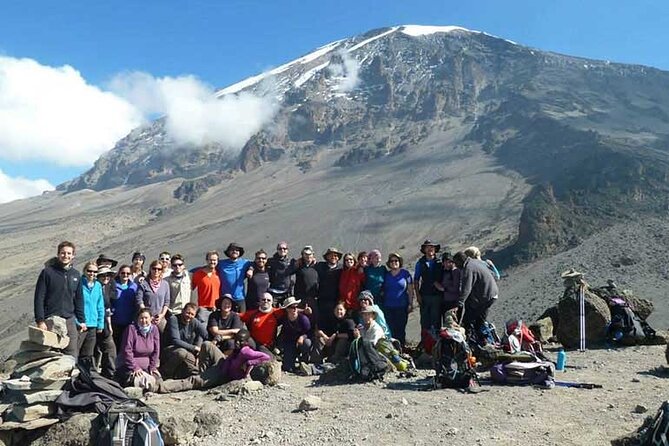
This is the night that makes Kilimanjaro unforgettable. You’ll rise around 23:30, then head out with tea and biscuits. The start is in darkness, moving north-westerly, ascending through heavy scree toward Stella Point on the crater rim.
This walk, roughly 6 hours to Stella, is often the most mentally and physically challenging part of the route. It’s not just steep. It’s also slow, repetitive, and cold enough to make you hyper-aware of every breath. The goal is not speed. The goal is survival with focus.
At Stella Point (5,685m), you rest briefly and get the sunrise payoff, weather permitting. When the light finally breaks, it can feel like the mountain flips a switch. From Stella, the route continues with snow possible all the way for about 2 hours to Uhuru Peak (5,895m). Summit time depends on weather conditions, and you should treat the timing as flexible rather than fixed.
The biggest value of this day is not only standing on a peak. It’s how the team manages you when you feel close to your limit. In the climbs tied to this route, the guide support seems to be a major reason hikers keep going. People described guides like Samuel, Justin, and Edgar as motivating and reassuring throughout, which can matter more than any shortcut.
Day 7 celebration, certificates, and the final descent to Mweka Gate and village
After a well-deserved breakfast, you get a celebration with dancing and singing. Then comes one of the most meaningful logistics points on Kilimanjaro: this is when you present your tips to the guide, assistant guides, chef(s), and porters. It’s a reminder that your summit is a team effort, not just a solo achievement.
When you finish the descent to Mweka Gate, you’ll also go through the National Park certificate process. You must sign your name to receive certificates of completion. If you reached Stella Point, you receive a green certificate. If you reached Uhuru Peak, you get a gold certificate.
After certificates, you descend into Mweka village for about 1 hour, covering about 3 km. The day ends in a more normal-feeling setting, but you’ll still want to watch your footing. Your legs may feel weird after so much time on altitude trails.
Price and value: what $2,500 covers, and what you need to plan for
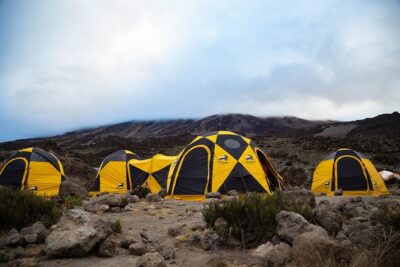
At $2,500 per person, this Machame trip sits in the range you’d expect for a supported Kilimanjaro climb with a full guide team and gear. What helps the value is what’s included: you get meals and water, all fees and taxes, use of camping equipment, portage, and professional English mountain guidance plus a cooker.
Water is a standout inclusion. You get bottled water listed as 3 liters or more a day, plus porters boil water for drinking and washing as part of the camp rhythm. That reduces the guesswork and helps you stay hydrated in cold, dry conditions.
You’ll also get structured meals: 5 breakfasts, 6 lunches, and 6 dinners. That matters because on summit week, hunger can make altitude feel worse. Pre-planned food also helps your budget.
What’s not included is also clear. Budget for tips (and expect to hand them over on day seven), plus flights, visa fees, and mountain gear. If you don’t already own real hiking boots, a warm sleeping setup, and basic cold-weather layers, the gear costs can add up fast. Factor that in before you judge the price.
Who should book this Machame climb, and who should think twice
This trek fits you best if you have moderate fitness, you enjoy steady uphill days, and you’re ready for a serious hiking challenge. It’s also a good match if you already have high-altitude hiking or backpacking experience, because the route is difficult and steep.
It may be the wrong choice if you want an easy pace, or if you need lots of slow acclimatization days. Machame can be demanding partly because the itinerary is shorter than some alternatives, so your altitude management skills need to be strong.
The group size cap of 15 travelers also helps. Smaller groups usually mean more attention to pacing and safety, especially when weather or trail conditions turn sloppy.
Should you book this Machame route with Makanjanja Safaris?
If you want one of the most scenic and popular Kilimanjaro routes, Machame is a strong bet. The strongest reason to book here is the support style shown in the team stories, including head guide Abouh and guides Samuel, Justin, and Edgar, described as caring, cheerful, and attentive. That kind of guide energy can make the difference between pushing through discomfort and quitting early.
Book if you can handle cold nights, muddy starts, steep climbs, and the fact that the summit night is a grind. Skip it if you need a slower altitude plan, or if you are not ready to invest in proper gear.
FAQ
What route is this, and how long is it?
This is a 7-day hike on the Machame route (also called the Whiskey route), with duration listed as approximately 7 days.
Where does the trek start, and what time?
The start point is Arusha Airport, Arusha Tanzania, with a start time of 7:00 am.
Is pickup included?
Pickup is offered.
What group size should I expect?
The tour lists a maximum of 15 travelers.
Are meals and water included?
Yes. Meals include 5 breakfasts, 6 lunches, and 6 dinners, plus bottled water listed as 3 liters or more a day.
Is camping equipment and portage included?
Yes. The price includes use of camping equipment and portage.
How does the route handle water on summit week?
You reach Barafu Camp (4,550m) after the last water stop for porters, and there is no accessible water at Barafu Camp.
What are the key high points on the route?
You reach Shira campsite (3,840m), Lava Tower (4,630m), Stella Point (5,685m), and Uhuru Peak (5,895m).
Do I receive a certificate?
Yes. You sign at Mweka Gate, and you receive a green certificate for reaching Stella Point or a gold certificate for reaching Uhuru Peak.
Is cancellation refundable?
Yes. There is free cancellation, with full refund if you cancel up to 24 hours before the experience start time.
More Hiking & Trekking in Arusha
- 4 Days Mount Meru Trekking
★ 5.0 · 55 reviews - 6 Days Serengeti Safari(hiking waterfalls &coffee tour)
★ 5.0 · 48 reviews - Arusha: Napuru Waterfalls Guided Hike
★ 4.8 · 39 reviews - Mount Kilimanjaro Day Hike Through Marangu Route to Mandara Hut
★ 5.0 · 37 reviews
Just posted around Arusha
- 8 Days Serengeti Migration safari★ 5.0 · 11 reviews
- tarangire & ngorongoro 2 days tour★ 5.0 · 14 reviews
- serengeti, ngorongoro & tarangire 4 days private tour★ 5.0 · 18 reviews
- tarangire, ngorongoro & lake manyara park 3 days private tour★ 5.0 · 11 reviews
- serengeti & ngorongoro 3 days private tour★ 5.0 · 15 reviews
- climb the KILIMANJARO via Lemosho route★ 5.0 · 4 reviews
- Mt. Kilimanjaro: Shira plateau to Cathedral point 3872m Day hike★ 5.0 · 7 reviews
- 2 Days Tanzania Midrange Group Join Safari★ 5.0 · 7 reviews
Kilimanjaro Climbs, compared.
8-Day Small-group Lemosho Kilimanjaro Summit Trekking
Read our review →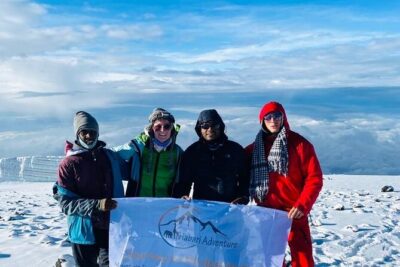
5 Days Best of Tanzania Luxury Safari Northern Circuit
Read our review →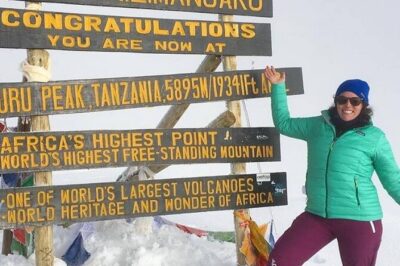
Climbing Kilimanjaro through 7 days Machame Route
Read our review →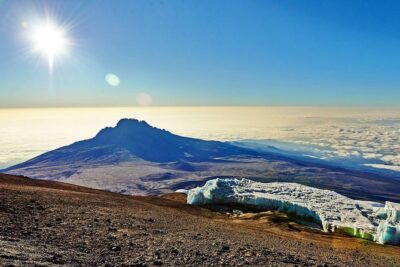
Browse the lists this tour appears in