Reviewed · KILIMANJARO CLIMBS
7 Day Kilimanjaro Climbing Via Lemosho Route
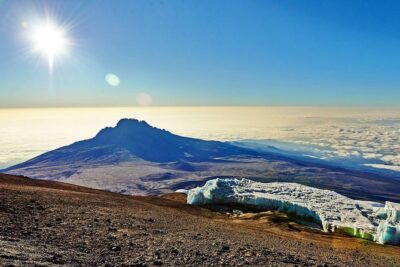
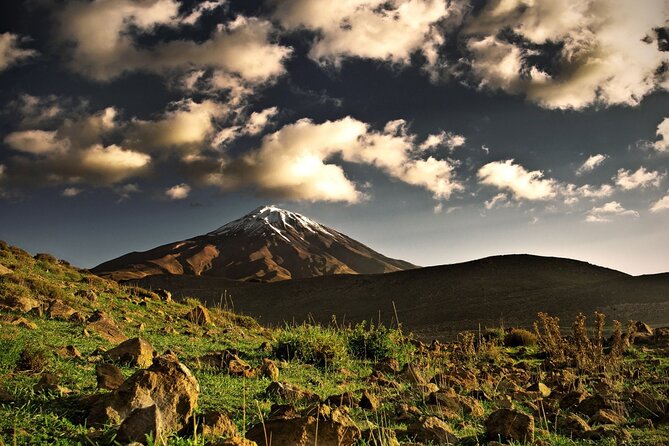
That first step into the rainforest sets the tone. This 7-day Kilimanjaro climb via the Lemosho Route blends big scenery with a steady altitude plan, starting around the Londorossi Gate and working upward across multiple ecological zones. I especially like the way the route gives you time to acclimatize before the summit push, and I love the camping setup and food, which help make the long days feel manageable. One possible drawback: the summit night is brutally cold and windy, so if you are not ready for a midnight departure and thin-air effort, this will feel like a bigger challenge than you expect.
You also get a real sense of teamwork on the mountain. From the trek pace to how camps are run, it is designed to keep you moving consistently while still having those small moments for views, rest, and photos. And with a maximum group size listed at up to 100 travelers, you should still expect a lively, busy operation rather than a quiet private hike.
If you want a straightforward, scenic climb that takes you from lush forest zones into the stark alpine and arctic conditions near the summit, the Lemosho itinerary fits that goal well. Just plan your gear and conditioning for a long effort, not a casual walk.
In This Review
- Key highlights worth your attention
- Why the Lemosho Route Feels Like the Scenic Slow-Burn
- Moshi Start: The Drive to Londorossi Gate and Day 1 in the Rainforest
- Shira Plateau and Lava Tower: Chasing Big Views, Staying Patient
- Barranco Wall to Karanga Camp: The Acclimatization Sweet Spot
- Barafu Camp and the Summit Night to Stella Point
- Down to Montane Forest in Day 7: Finishing Strong
- Camping Comfort, Food, and the Crew Dynamic
- Price and Logistics: Is $2,566 Good Value?
- Gear and Fitness Reality Check for a 7-Day Climb
- Should You Book This Kilimanjaro Lemosho 7-Day Route?
- FAQ
- What route is this, and where does it start?
- How long is the trek on average each day?
- Is pickup included?
- Are meals included?
- What accommodation style is used?
- Do you have to handle a visa yourself?
- What time does the experience start?
- Are dietary needs accommodated?
- What physical level do you need?
- What is the cancellation rule?
- What group size should I expect?
Key highlights worth your attention
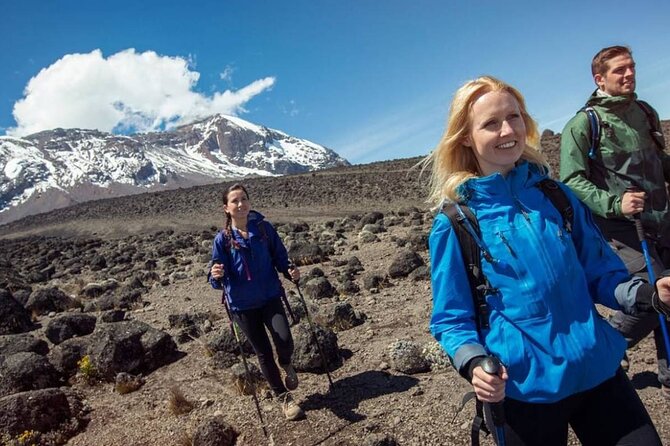
- Lemosho starts in rainforest, so the early days feel alive and green before the rocks take over
- Kibo terrain and Lava Tower area add dramatic high-altitude walking and unique volcanic sights
- Barranco Wall to Karanga Camp is a classic Kilimanjaro segment, and Karanga is strategically timed for acclimatization
- Barafu Camp + summit night timing means a pre-dawn finish with the usual sunrise view game-plan
- Signature camping comfort and meals help you recover well between trekking days
- Expert African guides and safety focus show up in how the pace and camps are managed
Why the Lemosho Route Feels Like the Scenic Slow-Burn
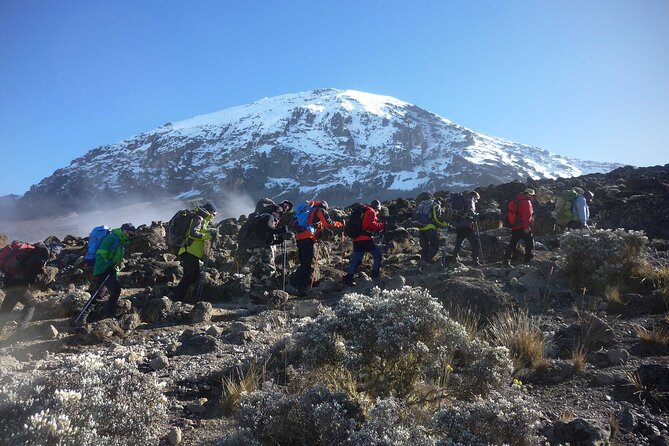
I like routes that feel like they have a purpose, not just a checklist of camps. Lemosho does that by easing you into altitude through a gradual climb across different Kilimanjaro zones, starting with the rainforest approach from the west. You are not thrown immediately into the high, exposed zones. Instead, you spend time in the lush lower sections, then move upward into heather and lichen-draped rock, and later into the stark Kibo slopes where life is sparse.
The practical benefit is how it supports acclimatization. Your body does better when it gets several days to adjust, rather than only getting a short window before the summit bid. That matters on Kilimanjaro, where the biggest danger is altitude itself, not lack of effort.
There is also a genuine emotional payoff. The views shift in a way that feels earned, especially as Kibo becomes more obvious in the middle stretch. When you finally reach the high camp zones, you are not just climbing because you must. You are climbing because you know what comes next.
More Kilimanjaro climbs:
- Kilimanjaro climb by Lemosho Route (7-day)
★ 5.0 · 651 reviews - Kilimanjaro climb, Machame Route (7-day)
★ 5.0 · 262 reviews - Kilimanjaro Climbing Lemosho Route 8 Days.
★ 5.0 · 186 reviews
Moshi Start: The Drive to Londorossi Gate and Day 1 in the Rainforest
Most days start with a vehicle transfer, and this one begins with the long drive out of Arusha toward the mountain’s western starting point at the Londorossi Gate. Expect a full day feel before the first trekking steps, because you are building logistics into your travel day.
Day 1 itself is all about transition and meeting your crew. You start at roughly 7,742 ft, move up to around 9,498 ft over about 4 miles, and finish after a 3-4 hour walk. The setting is an Afromontane Rainforest zone, where you can still spot wildlife and enjoy a more comfortable temperature range than later on.
This first day is not about suffering. It is about getting your legs used to walking uphill with a pack, learning how your group moves, and letting your breathing settle in. I like that the lunch is taken on the trail, so you are not wasting time waiting for the camp routine to begin.
The downside, if you are prone to getting anxious, is that Day 1 can feel almost too easy. Do not treat it like a warm-up you can skip. Use it to settle into pace, hydration, and an early sleep rhythm.
Shira Plateau and Lava Tower: Chasing Big Views, Staying Patient
By Day 2, you climb from about 9,498 ft to around 11,500 ft over roughly 5 miles in 5-6 hours. You leave the heavier forested slopes for a zone with podocarpus and juniper, then break out onto heather and lichen-draped volcanic rock. This is also where you connect with the Shira Plateau area, tied to the mountain’s older volcanic history.
The main reward is the view toward Kibo, which is described as breathtaking from this vantage point. That is a big deal because early high views are what keep morale high on Kilimanjaro. They remind you you are on the right track and that the tough days are not random punishment.
Day 3 pushes into the Kibo slopes. You gain to about 15,223 ft at the Lava Tower area, then descend to around 13,044 ft by the time you reach camp. It is listed as about 7 km in 4-6 hours, and this is where the trek starts feeling more extreme. Flora and fauna thin out, and temperatures swing more than you will feel at lower elevations.
Lava Tower is a standout moment because it is both a landmark and a mood shift. Lunch is usually taken near the formation, and there is sometimes an optional ascent of the tower if you feel strong. Either way, the walk through the “Garden of the Senecios,” with giant groundsel and giant lobelias, gives the day a weird, beautiful edge right before you drop into Barranco country.
Barranco Wall to Karanga Camp: The Acclimatization Sweet Spot
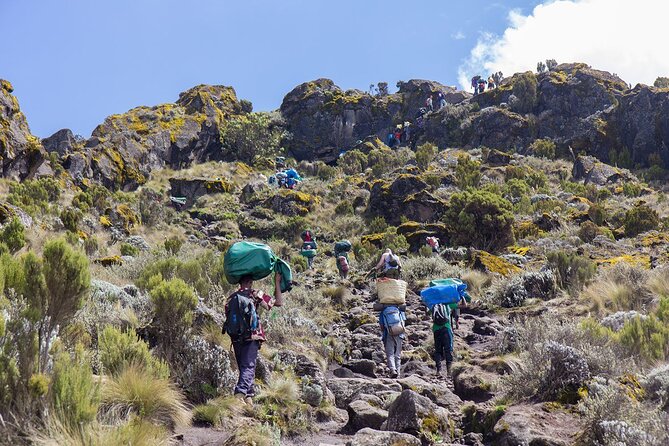
Day 3 ends with a descent to Barranco Camp, and Day 4 is where the route gets famous. You start around 13,044 ft and climb to roughly 13,123 ft, only about 3 miles and 4-5 hours. But the short distance is not the story. The story is the Barranco Wall.
This is the “use all four limbs” type of obstacle mentioned in the route notes. You can expect rock scrambling and steep steps that feel intimidating if you rush. The practical move is to go slow, place your hands confidently, and avoid the urge to move faster than your footing allows. If you have a fear of heights, this is still doable for many people, but you must respect the steps.
Then you follow a path into the Karanga Valley area, which is chosen for strategic acclimatization time. That is not a marketing line. On Kilimanjaro, a “short day” is often short on paper but important for your breathing, sleep, and recovery before the summit push.
Karanga Camp also gets attention for sunsets. You can see southern glacial valleys and ice fields towering above, which is a huge mental boost after a day that asks more from your body.
A few more Moshi trips to compare
- Safari Serengeti And Ngorongoro
★ 5.0 · 288 reviews - Climbing Kilimanjaro – Machame Route
★ 5.0 · 170 reviews - Climbing Kilimanjaro through 7 days Machame Route
★ 5.0 · 151 reviews - Kilimanjaro climb, Lemosho Route (8-day)
★ 5.0 · 148 reviews
Barafu Camp and the Summit Night to Stella Point
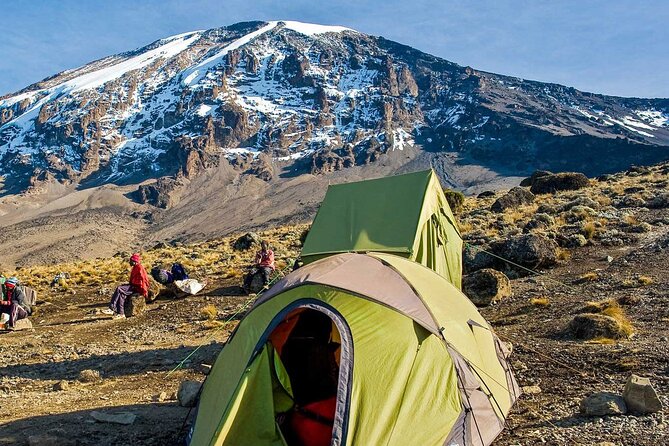
Day 5 is a turning point. You climb from around 15,288 ft to about 19,341 ft, then descend to around 12,467 ft. The totals listed include a shorter ascent and a longer descent, with a timing range of 7-8 hours for the day’s climbing and walking rhythm. It is built for a half-day ascent to Barafu Camp, giving you time to rest before the summit night.
Barafu Camp is described as desolate and windy at times, with views of Mawenzi Peak in the evenings. This camp phase matters because you are prepping for a summit bid, not just crossing terrain. Expect cold hands, dry air, and a need to stay focused on getting sleep and managing your energy.
Then comes Day 6, the summit night. You depart just before midnight for the final push. This is the coldest and windiest section, and it is not meant to be comfortable. The goal is patience and persistence, step by step, not speed.
By dawn, you are expected near the rim at Stella Point around 18,652 ft. The reward is a sunrise that appears over Mawenzi Peak, plus the usual rush of realizing the summit is close. From Stella Point, the route to Uhuru Peak is a relatively short final section, which makes it easier mentally even though you will still feel the altitude.
After a short celebration at the top, the plan is to start descending. The altitude is the reason, not your motivation. Descending safely is part of reaching the finish line.
Down to Montane Forest in Day 7: Finishing Strong
Day 7 is all about recovery and relief. After breakfast, you descend through the montane forest, with pickup around midday and a return to your hotel for shower time and a celebratory dinner.
Even though the listing gives trekking hours in the 4-7 range for the day, the overall feeling is similar for most people. You are relieved, but you still need to respect your legs on the descent. Kilimanjaro can be hard on knees, and the dry altitude air can leave you dehydrated. Go slow and drink steadily.
The best part is that the last day closes the loop. You started in rainforest, and you finish in forest again. It is a full-circle feeling, especially if you are the type who likes to connect the dots between effort and reward.
Camping Comfort, Food, and the Crew Dynamic
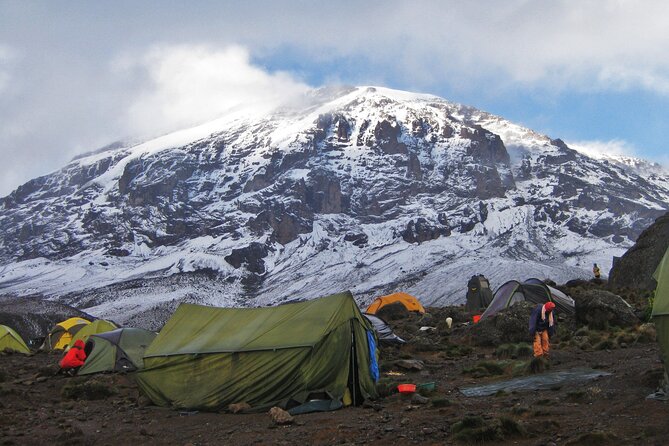
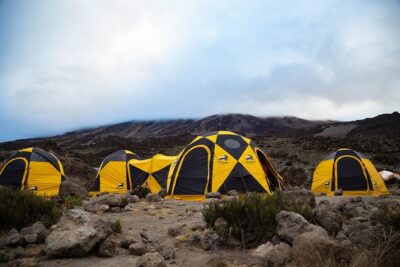
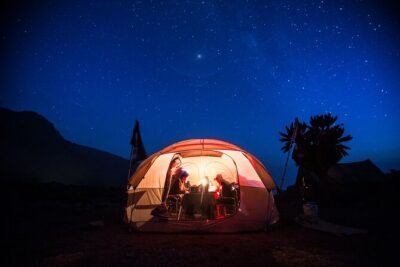
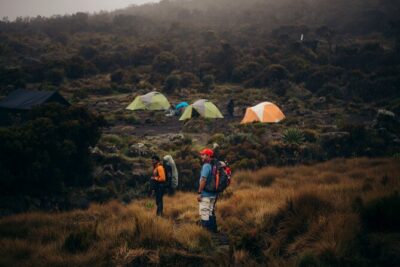
This route is built around signature camping, with spacious tents and deluxe comfort mentioned in the trip notes. That matters more than it sounds when you are climbing in cold and fatigue. A camp that is set up efficiently, and a tent that gives you a real place to recover, can change how you feel about the next day.
Food is also a repeated highlight. The camps run dining tents, and multiple accounts praise tasty meals and good laughs around the tent setup. That social comfort is not fluff on Kilimanjaro. It helps you eat well, settle down, and stay positive when the weather gets moody.
Guide quality shows up strongly in the feedback you provided. People mention guides including Emanuel Hoblen, Emanuel Mkumbo, William Eliamini, and Rama, with porters and the chef team also singled out for warmth and professionalism. I cannot promise which guide you will have, but the pattern is clear: the company leans hard on a crew that keeps you safe and supported, not just moving you uphill.
If you want one simple trick, it is this: treat camp like part of the climb. The way you hydrate, eat, and rest will influence your summit-night experience more than people expect.
Price and Logistics: Is $2,566 Good Value?
At $2,566 per person, this is not a budget trek. You are paying for a 7-day operational package that includes breakfast, lunch, and dinner across the trip, plus camping accommodations. The notes also say pickup is offered, and the group size is listed up to 100 travelers.
So is it value? In my view, it is only a good deal if you care about the things that reduce risk and improve consistency: time for acclimatization, expert guide support, and camp comfort that helps you recover. For Kilimanjaro, the cost difference often comes down to how much care goes into logistics and pacing. If the route keeps you safe and helps you reach the summit, the price becomes less about dollars and more about the chance you return with your goal achieved.
Two more value signals:
- Meals are catered for vegetarian, vegan, and gluten-free needs, which makes it easier to stick with eating and hydration.
- You do not see visa included in the package, which is normal, but you should budget for that separately.
The main caution is to compare apples to apples. If you are evaluating other operators, check what is included in the total price, especially crew size, camp setup quality, and whether your itinerary truly supports acclimatization timing like Karanga Camp.
Gear and Fitness Reality Check for a 7-Day Climb
The notes say you should have moderate physical fitness, and that is realistic for many people, but Kilimanjaro is still serious. Your schedule includes several long walking days, including a Day 5 that totals a lot of climbing and hiking time, plus the summit night that starts before midnight.
Be ready for:
- Cold, especially on the summit section near Stella Point and Uhuru Peak
- Wind exposure at higher camps like Barafu
- Altitude effects that can slow you down even if you feel strong at sea level
- A day with scrambling on Barranco Wall
If you want the best odds, focus on stamina and steady hiking. Train for hours on your feet, practice walking uphill, and do not ignore altitude prep. On summit night, your job is simply to keep moving at a pace you can sustain.
Also, camping is real camping. Even with deluxe comfort, you will not get a hotel bed and hot shower. Plan for the outdoors, and you will feel calmer about what to expect.
Should You Book This Kilimanjaro Lemosho 7-Day Route?
I would book this if you want a classic Kilimanjaro approach that gives you time to acclimatize, includes a scenic build from rainforest up toward Kibo, and leans into supportive guiding plus comfortable camping. The route’s rhythm, including Barranco Wall, a strategic acclimatization stop at Karanga Camp, and a summit night designed for a pre-dawn finish, fits well with how most people succeed on Kilimanjaro.
I would pause before booking if you know you struggle with cold, you cannot handle late-night starts, or you want a more relaxed, low-effort trek. The summit day is not negotiable, and the wind plus altitude can make the simplest steps feel hard.
If you do book, do it with a gear plan and a realistic mindset. Hydrate, eat what they offer, and trust the pace your guides set, especially in the days leading up to the summit.
FAQ
What route is this, and where does it start?
This is a 7 day Kilimanjaro climb via the Lemosho Route. It starts at the Londorossi Gate near Kilimanjaro National Park and is based out of Moshi.
How long is the trek on average each day?
The trek time varies by day. The provided schedule ranges from about 3-4 hours on the easier days to longer efforts like 7-8 hours for the Barafu approach day.
Is pickup included?
Yes, pickup is offered.
Are meals included?
Yes. Breakfast, lunch, and dinner are included across the 7 days.
What accommodation style is used?
You camp during the trek, with accommodations listed under Kilimanjaro Camping and a signature camping setup.
Do you have to handle a visa yourself?
Yes. Visa is listed as not included.
What time does the experience start?
The start time is listed as 9:00 am.
Are dietary needs accommodated?
Yes. Meals are catered into vegetarian, vegan, gluten-free, and other dietary needs.
What physical level do you need?
The notes say travelers should have moderate physical fitness level.
What is the cancellation rule?
Free cancellation is offered if you cancel up to 24 hours in advance for a full refund.
What group size should I expect?
The maximum is listed as 100 travelers.
Just posted around Moshi
- machame route★ 5.0 · 16 reviews
- Kilimanjaro Climbing Umbwe Route★ 5.0 · 3 reviews
- Wildlife Extravaganza: Manyara, Tarangire & Ngorongoro in 3 Days★ 5.0 · 3 reviews
- Mt Kilimanjaro 6 days Marangu route hike★ 5.0 · 3 reviews
- 3 Days Private E-Bike Tour in West Kilimanjaro★ 5.0 · 3 reviews
- West Kilimanjaro cycling Adventures★ 4.5 · 8 reviews
- Kilimanjaro Climb • Marangu Route ~ 9 Day★ 5.0 · 4 reviews
- Private Cycle to Kilimanjaro Bike Park Safari★ 5.0 · 6 reviews
Kilimanjaro Climbs, compared.
8-Day Small-group Lemosho Kilimanjaro Summit Trekking
Read our review →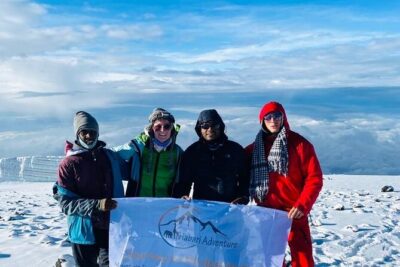
5 Days Best of Tanzania Luxury Safari Northern Circuit
Read our review →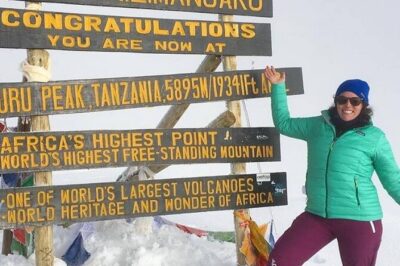
Climbing Kilimanjaro through 7 days Machame Route
Read our review →