Reviewed · KILIMANJARO CLIMBS
7-Day Kilimanjaro Climb Machame Route
Kilimanjaro rewards patience. This Machame Route takes its time with altitude adjustment and wraps you around the mountain for huge scenery changes. I also like how the trek is paced to help you keep moving steadily, while still saving energy for the big night climb.
The main thing to plan for is the tough timing. You’ll do a midnight summit push, and nights can feel long even when you’re well prepared. If you only have a light fitness level, this route will likely feel punishing fast.
In This Review
- Key Highlights You’ll Feel on the Trail
- Moshi Arrival, Keys Hotel Briefing, and Your First Look at the Team
- The Machame Plan: Why This Route Is Built for Altitude Adjustment
- Day 2 Into the Park: Rainforest Steps to Machame Camp
- Shira Plateau Day: Moor, Heathland, and Kibo Turning Gold at Sunset
- The “Help Your Body” Day: Shira to Lava Tower to Barranco Camp
- Barranco Wall Day: Grip, Short Climb Sections, and Kibo Always in View
- Barafu Camp: The Moon-Like Alpine Desert and an Early Night
- Summit Night Details: Midnight Start, Stella Point, and Uhuru Peak Sunrise
- Mweka Gate Finish: Farewell Ceremony, Rainforest Walk, and Your Certificate
- Price and Value: What $3,100 Gets You, and What It Doesn’t
- Who This Machame Climb Fits Best, and Who Might Want Another Plan
- Should You Book This 7-Day Machame Route With Kilimanjaro Heroes Adventures?
- FAQ
- Where does the trip start in Moshi?
- What time does the experience start?
- Is pickup included?
- Is this a private climb?
- How does the summit push work?
- What kind of landscapes do you pass through?
- What fitness level is required?
- Can I get a full refund if I cancel?
Key Highlights You’ll Feel on the Trail
- Gradual ascent with altitude-minded camp choices, so you’re not rushing your body
- Rainforest to moor to alpine desert, with strong day-to-day scenery shifts
- Barranco Wall crossing with hands-on grip, but no climbing tricks required
- Stella Point to Uhuru Peak at 5,895 m, including sunrise on the crater rim
- A full support team focus, with many groups praising guides, porters, and cooking
Moshi Arrival, Keys Hotel Briefing, and Your First Look at the Team
Your trip starts in Moshi. After you arrive at Kilimanjaro International Airport, you’re driven to Keys Hotel, where the group meets for a briefing and an overnight stay before the climb begins. It’s a good setup because you get your bearings, paperwork gets sorted, and everyone is on the same page.
A nice touch here is the sense of team logistics from day one. When you move toward the park, you get to see the mountain crew prepare and load gear for the expedition. That might sound like filler, but it helps you understand how the mountain is actually supported, not just climbed.
If you’re the kind of person who likes clear instructions, this start helps. There’s time to ask questions before you’re dealing with altitude.
More Kilimanjaro climbs:
- Kilimanjaro climb by Lemosho Route (7-day)
★ 5.0 · 651 reviews - Kilimanjaro climb, Machame Route (7-day)
★ 5.0 · 262 reviews - Kilimanjaro Climbing Lemosho Route 8 Days.
★ 5.0 · 186 reviews
The Machame Plan: Why This Route Is Built for Altitude Adjustment
The Machame Route is known for a gradual ascend, and that matters. You’re given more time to adjust to altitude compared with faster schedules, and that usually makes your pacing more realistic. The route also circles around Kilimanjaro, so you’re not staring at one view for seven days straight. You get changing terrain, changing weather, and changing light.
You’ll also feel the rhythm of acclimatization built into the days. Some days climb, some days sleep at a similar level, and that balance is what helps your body handle the height. On a mountain like Kilimanjaro, the smart win is usually steady breathing and controlled effort, not pushing harder just because you can.
Your success on this mountain is often about how well you follow the guide’s plan. That’s not motivational talk, it’s practical: your route choices and pace are what keep the summit push possible.
Day 2 Into the Park: Rainforest Steps to Machame Camp
On your first trekking morning, you head from the area of Stella Maris Lodge toward the Kilimanjaro National Park gate, a drive of about one hour. After the entrance formalities are handled, you begin the walk to Machame Camp, which takes about 5 to 6 hours.
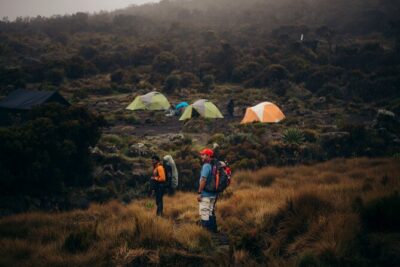
Today is a rainforest day, and that’s one of the best parts of the whole route. It means softer footing, cooler air, and a totally different feel under your feet compared to later alpine terrain. You’re also moving without yet needing to think like it’s a summit attempt.
Reaching camp typically happens before evening is fully settled. That matters because the earlier days set your comfort with camp routines, dinner timing, and how quickly you might get tired as altitude rises.
Shira Plateau Day: Moor, Heathland, and Kibo Turning Gold at Sunset
The next day keeps things shorter at about 6 hours, with an early start so you arrive mid-afternoon. The terrain shifts dramatically away from rainforest into moor and heathland. That change can hit you mentally as much as physically, because your environment stops being lush and starts feeling high and exposed.
You’ll walk to your campsite on the Shira Plateau, where the glacier of Kibo can light up when the sun sets. That detail is more than a nice photo moment. It’s also a reminder that you’re close enough to the big mountain system that the summit goal is truly visible in the sky.
This is also a good day to practice calm movement. You’ll be tired enough to need discipline, but you’re not yet in the final steep climbs. Staying steady now makes later days easier.
A few more Moshi trips to compare
- Safari Serengeti And Ngorongoro
★ 5.0 · 288 reviews - Climbing Kilimanjaro – Machame Route
★ 5.0 · 170 reviews - Climbing Kilimanjaro through 7 days Machame Route
★ 5.0 · 151 reviews - Kilimanjaro climb, Lemosho Route (8-day)
★ 5.0 · 148 reviews
The “Help Your Body” Day: Shira to Lava Tower to Barranco Camp
Today is designed for acclimatization. You climb roughly 700 m, but you sleep at a level that’s not much higher than the night before. That contrast, climb more, sleep about the same, is the core idea behind altitude adaptation.
You start from Shira Plateau and move up toward Lava Tower, around 4,640 m, then rest before continuing through the Barranco Valley. You’ll reach Barranco Camp after about 6 to 7 hours.
This is one of the most interesting biologically themed days. You may notice lobelia plants and giant Senecio plants, especially in the Barranco Valley area. It’s a reminder that Kilimanjaro is not just rocks and cold. Life has carved out a niche at altitude, right alongside your footprints.
One practical point for you: after a day like this, dinner feels important because you’re building energy for the next challenge. Ask your guide how your day’s pacing should feel, and then aim to keep it controlled.
Barranco Wall Day: Grip, Short Climb Sections, and Kibo Always in View
After breakfast, you continue toward the famous Barranco Wall. This is where the route asks for a little upper-body effort because you might need your hands for grip. The walk is not described as climbing passages, but your footing matters and the guides will manage safety carefully.
Expect multiple ascents and descents today, plus a ridge walk that gives you big visual reward. Walking time is about 3 to 4 hours, and the Kibo summit stays on your left for much of the route. That constant reference can help your brain, because you’re never fully losing the goal.
This day feels like a hinge between earlier acclimatization and the final push. You should treat it like that: keep moving, don’t burn your legs early, and trust that tomorrow is built around getting you to the higher base camp for summit night.
Barafu Camp: The Moon-Like Alpine Desert and an Early Night
Today’s destination is Barafu Camp, reached in about 3 to 4 hours. Most of the time you’ll walk through a moon-like alpine desert, which can feel stark and exposed compared to the softer rainforest start.
After you arrive, you’ll have dinner and then aim for an early night. This is not a normal vacation schedule day. You’re setting yourself up for a very unusual wake-up and an all-night climb.
If you’re sensitive to sleeping in new places, this is worth planning mentally. You might not fall asleep instantly, but getting rest in any way you can will pay off when the midnight alarms hit.
Summit Night Details: Midnight Start, Stella Point, and Uhuru Peak Sunrise
The summit day is the headline, and it has a very specific rhythm. The climb starts at midnight, and you’ll be woken just before that for tea and biscuits. Around 5 to 7 hours later, you reach Stella Point on the crater rim.
From Stella Point, you continue another 1 to 2 hours to reach Uhuru Peak at 5,895 m. The description emphasizes the sunrise moment from the top, and that’s often the emotional payoff for all the earlier effort.
Here’s what matters practically: you’re not just climbing altitude, you’re climbing in the dark, with cold conditions implied by the crater rim and early hour timing. The guide pacing and your own breathing control are what keep you moving efficiently.
After reaching Uhuru Peak, you descend along the same way back to Barafu Camp, which you’ll reach after about 1 to 2 hours. Your mountain team will be waiting with snacks, which helps you reset without needing to jump straight back into heavy effort.
Mweka Gate Finish: Farewell Ceremony, Rainforest Walk, and Your Certificate
After breakfast on the final trek day, you’ll take part in a traditional farewell ceremony from your mountain crew. That’s a meaningful moment because you’ve seen the team’s work every day, from porters and cooks to guides keeping you safe.
Then you walk for about 2 to 3 hours through the rainforest, and your driver meets you at the Mweka gate. From there, you’re transferred back to Keys Hotel for a well-deserved shower, a cold drink, a debrief, and the awarding of your certificate of achievement. The rest of the day is for relaxing and reflecting on what you finished.
One caution I’d give you is that the end of the trip can feel emotionally sharper than you expect. One note from past climbs points to the ending feeling less satisfying than the actual mountain experience. So plan for your last day to be about transitions, not just celebration.
Price and Value: What $3,100 Gets You, and What It Doesn’t
At $3,100 per person, this is not a casual hike, but it also doesn’t feel overpriced for what you’re buying: multiple days on a high-altitude route with park gate access, experienced guides, and a full mountain support system.
A key value signal is the park admission being included on the main climb days, plus a structured start in Moshi with transfers into the trekking program. You also have pickup offered, and the trip is run as a private group experience, which usually helps with timing and attention.
Where the price feels most justified is in the human support. Many climbers highlight guides and porters, and the cooking team gets praise too. Names that come up include Ngoko and Emmanuel, plus Siza and Anthony, and teams connected with Mwinyi and Gloria. Cooks like Saloum and Prosper, and meal support mentioned with Juma, are repeatedly credited with keeping people fueled. That kind of day-to-day care is hard to replicate on your own.
What you should factor in beyond the listing price is how much you want the comfort of having things handled. If you prefer total independence, you’ll likely find a guided expedition more structured than you expected. If you want someone to manage your pace, safety, and camp flow, this is the right style.
Who This Machame Climb Fits Best, and Who Might Want Another Plan
This climb is best for people with moderate physical fitness. The route is paced across multiple days, but you still face long hours, big altitude changes, and a midnight summit push. If you can hike steadily and stay mentally calm on tired days, the gradual climb plan becomes your friend.
If you’re newer to altitude trekking, you might like the fact that there’s an acclimatization focus built into camp choices. Still, you should be ready for cold early hours, and you should accept that the summit night is the hardest day regardless of fitness level.
This is also a good match for people who value a strong team. Past groups mention guides who were funny, patient, and helpful, and they repeatedly connect good summit outcomes with good support. For solo climbers or small groups, the private format can feel less chaotic, since it’s only your group moving through the process.
Should You Book This 7-Day Machame Route With Kilimanjaro Heroes Adventures?
If your top priorities are solid guidance, a support-focused crew, and a Machame schedule that respects altitude adjustment, this route makes sense. The strongest signals are the repeated praise for guides and porters, plus the consistency of good meals during the climb. You also get a clear summit structure with Stella Point and Uhuru Peak, and you finish with a proper wrap-up in Moshi at Keys Hotel.
I’d book if you’re comfortable committing to the summit-night schedule and you can hike at a moderate level for multiple consecutive days. I’d think twice if you know you’re likely to panic in cold darkness or if you have limited endurance for early starts and long trekking hours.
If you do book, take one simple action: ask what guide team you’ll have when you confirm. Names that show up with strong feedback include Ngoko, Emmanuel, Siza, Anthony, Mwinyi, Gloria, Tammy, Mussa, Shani, and Gasper. Having the right people guiding your pace can make the whole mountain feel calmer, even when it’s hard.
FAQ
Where does the trip start in Moshi?
You’re met upon arrival at Kilimanjaro International Airport and driven to Keys Hotel in Moshi, where you meet for briefing and an overnight stay prior to starting the climb.
What time does the experience start?
The start time listed is 8:00 am.
Is pickup included?
Yes, pickup is offered.
Is this a private climb?
Yes. It is described as a private tour or activity, with only your group participating.
How does the summit push work?
You start the climb at midnight, reach Stella Point after about 5 to 7 hours, then continue 1 to 2 hours to Uhuru Peak at 5,895 m. You descend back to Barafu Camp after reaching Uhuru Peak.
What kind of landscapes do you pass through?
The route includes rainforest, moor and heathland, the Shira Plateau, the Barranco Valley, and an alpine desert area. You also do a short rainforest walk after finishing at the Mweka gate.
What fitness level is required?
The tour notes that travelers should have a moderate physical fitness level.
Can I get a full refund if I cancel?
Free cancellation is available up to 24 hours in advance of the experience start time for a full refund. If you cancel less than 24 hours before, you do not receive a refund.
Just posted around Moshi
- machame route★ 5.0 · 16 reviews
- Kilimanjaro Climbing Umbwe Route★ 5.0 · 3 reviews
- Wildlife Extravaganza: Manyara, Tarangire & Ngorongoro in 3 Days★ 5.0 · 3 reviews
- Mt Kilimanjaro 6 days Marangu route hike★ 5.0 · 3 reviews
- 3 Days Private E-Bike Tour in West Kilimanjaro★ 5.0 · 3 reviews
- West Kilimanjaro cycling Adventures★ 4.5 · 8 reviews
- Kilimanjaro Climb • Marangu Route ~ 9 Day★ 5.0 · 4 reviews
- Private Cycle to Kilimanjaro Bike Park Safari★ 5.0 · 6 reviews
Kilimanjaro Climbs, compared.
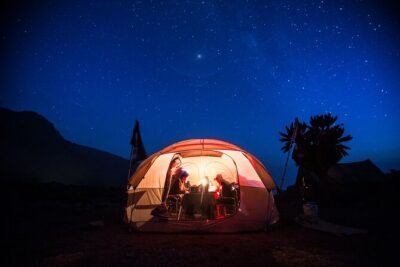
8-Day Small-group Lemosho Kilimanjaro Summit Trekking
Read our review →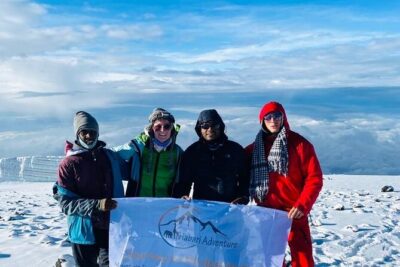
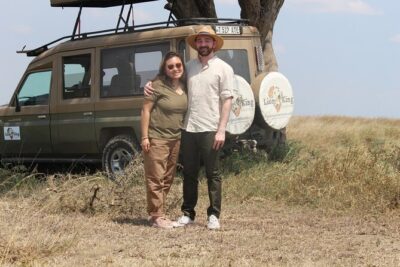
5 Days Best of Tanzania Luxury Safari Northern Circuit
Read our review →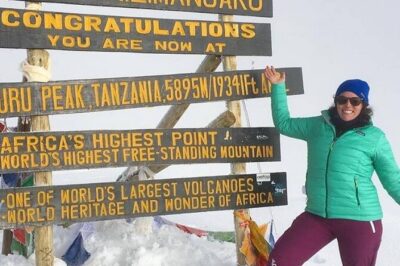
Climbing Kilimanjaro through 7 days Machame Route
Read our review →