Reviewed · KILIMANJARO CLIMBS
7-Day Kilimanjaro Climb Machame Route–The Best Path to Uhuru Peak
Kilimanjaro starts with a warm Moshi welcome. This 7-day Machame Route follows a classic line toward Uhuru Peak, moving from rainforest trail to the Shira Plateau, then across the high country via Baranco and Barafu. I like that the schedule is built around acclimatization, not just nonstop hiking.
What you’ll appreciate most is how much is handled for you before and during the climb. Your package covers return transfers, qualified guides and porters, camping equipment, daily hot water for washing, plus emergency oxygen for use only in emergencies.
The main consideration is simple: the summit push is long and starts just after midnight, so you need a steady pace and realistic expectations for the time on your feet.
In This Review
- Key highlights to know before you go
- The Machame Route’s edge toward Uhuru Peak
- Moshi base time: transfers, guides, and camp setup
- Day 1: Machame Gate to Machame Camp through rainforest
- Day 2: Shira Plateau vibes on the way to Shira Cave Camp
- Day 3: Lava Tower acclimatization at 4,600m and descent to Baranco
- Day 4: Karanga Camp and the Barranco Wall scramble
- Day 5: Barafu Camp, gradual ascent, and your early night
- Day 6: Midnight to Uhuru Peak (5,895m) then down to Mweka Camp
- Day 7: Mweka Trail through rainforest, summit certificate, and the ride back
- Meals, water, and hot wash time that actually help
- Gear and what you still need to bring
- Price and value: what $2,812 covers, and what it does not
- Who this trek suits best
- Practical tips for your Machame week
- Should you book this Machame Route?
- FAQ
- Where does the trek start and where does it end?
- Is pickup offered?
- How long is the Machame Route climb?
- What is included in the price?
- What is not included?
- Is emergency oxygen included, and is it for summit use?
- What kind of fitness level do I need?
- Is a Yellow fever vaccination required?
Key highlights to know before you go
- Machame’s step-by-step acclimatization plan helps you gain altitude in a controlled way before the summit night
- Lava Tower at 4,600m builds your readiness, then you descend to recover before continuing upward
- Barranco Wall adds an exciting scramble that’s described as thrilling but safe
- Midnight summit timing gives you the moonlight approach to Uhuru Peak at 5,895m
- Included hot water and camp support keeps you cleaner and calmer when the day is exhausting
- A named leadership group shows up in feedback, with guides like Frazier, Justin, and Abraham often singled out for care and safety
The Machame Route’s edge toward Uhuru Peak
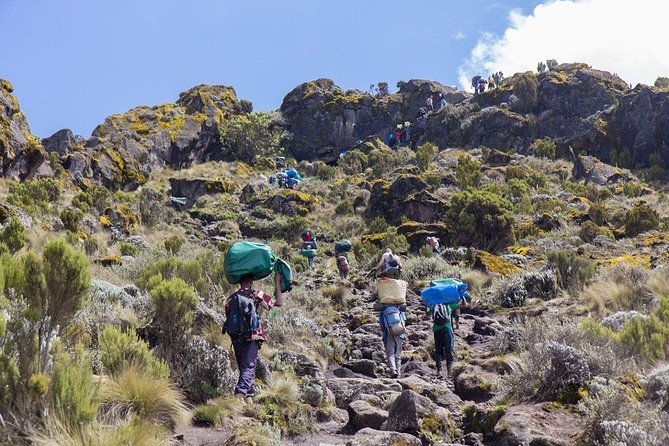
If your goal is Uhuru Peak, you’re looking at one of Kilimanjaro’s best-known roads up. The Machame Route is popular because it mixes environments as you gain altitude: lush rainforest at the start, then heath and moorland on the way to higher camps, then alpine desert scenery around the Baranco and Lava Tower area. That variety matters because it keeps the days interesting, but it also helps you judge how your body is handling the climb.
You’ll also notice the itinerary does not rush you from one camp to the next. The pacing builds in recovery through alternating climbs and descents, especially around Lava Tower and Baranco. In plain terms, that kind of rhythm is what you want for a summit attempt.
There’s also a big emotional payoff here. You’re hiking through different “worlds” of Kilimanjaro, and the final approach to Uhuru Peak is its own thing entirely, because you’ll be moving in the dark just after midnight and then reaching Africa’s highest point at 5,895m.
More Kilimanjaro climbs:
- Kilimanjaro climb by Lemosho Route (7-day)
★ 5.0 · 651 reviews - Kilimanjaro climb, Machame Route (7-day)
★ 5.0 · 262 reviews - Kilimanjaro Climbing Lemosho Route 8 Days.
★ 5.0 · 186 reviews
Moshi base time: transfers, guides, and camp setup
This trek runs out of Moshi, Tanzania, and the experience starts at Moshi Urban, with pickup offered. You get return transfers between Kilimanjaro airport and Moshi, and back again, so you’re not trying to figure out logistics with tired legs on arrival day.
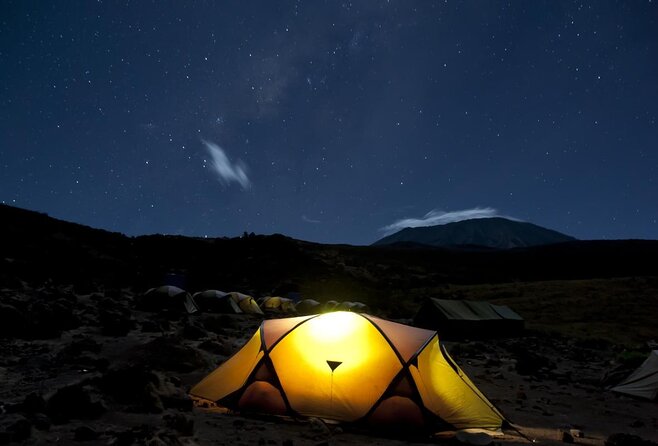
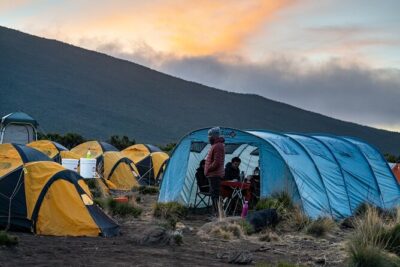
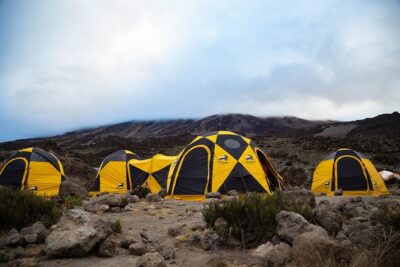
On the mountain, you’re not traveling light. The package includes camping gear: tents, camp chairs, tables, and sleeping mattresses. You also get qualified mountain guiding support, plus porters and a cook with their wages included. That affects your experience more than people expect. When you’re not carrying heavy stuff for long stretches, you can focus on pacing and staying warm.
Two practical extras worth calling out:
- You get fresh water for drinking and hot water for a wash daily, which helps morale on cold days.
- You also get emergency oxygen and a basic first aid kit. The oxygen is for emergencies only, not summit aid, which is exactly how you want it treated.
Day 1: Machame Gate to Machame Camp through rainforest
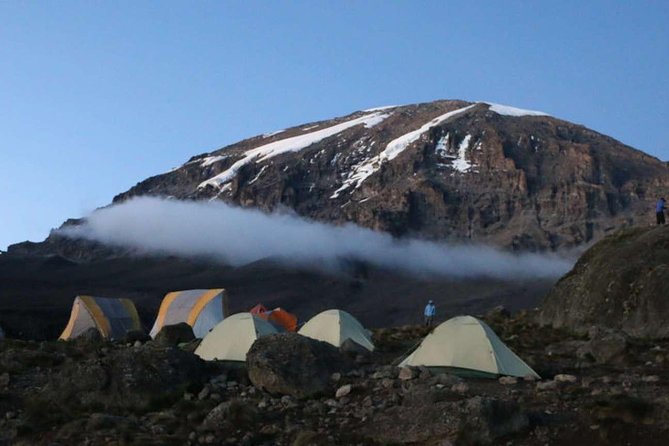
Your trek starts at Machame Gate, then you hike through lush rainforest. This is the part of the climb where you settle into the rhythm: steady walking, watching for the small things in the woods, and getting your body used to moving uphill for hours.
Elevation goes from about 1,800m to 2,835m, with trekking time listed at 5 to 7 hours. You’ll likely arrive at Machame Camp after a full walking day, so keep your first-day goal simple: get into a routine, eat when food is served, and sleep as early as you can.
A realistic drawback on day one is that the rainforest hiking can feel long even when the altitude is lower than later days. So if you’re the type who wants to “go hard” immediately, resist it. Starting slower can pay off later when the air gets thinner.
Day 2: Shira Plateau vibes on the way to Shira Cave Camp
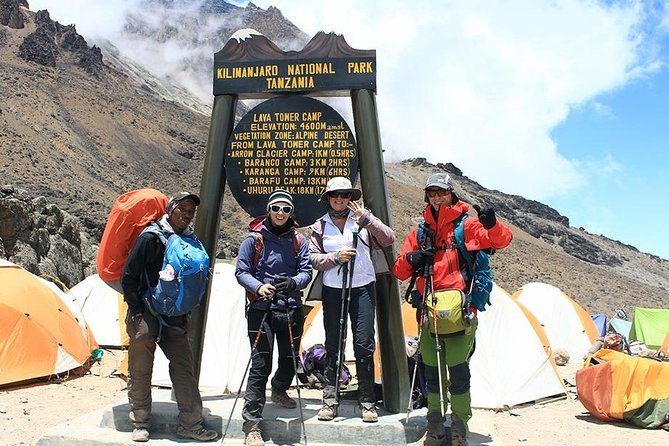
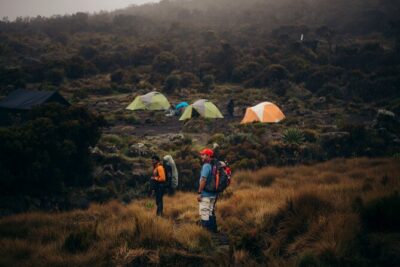
Day two transitions you upward into heath and moorland terrain. You’ll also be treated to panoramic views of Kibo Peak and the surrounding valleys as you reach the Shira Plateau area.
Your elevation range is listed at 2,835m to 3,750m, and the walk time is 4 to 6 hours. This is a good day for pacing because you’re not doing a super long grind, and the scenery helps you keep focus.
Shira Cave Camp is also a reminder that Kilimanjaro is not just one type of hiking. You’ll feel the character shift. If you’re prone to impatience on the trail, use the views as your timer. Let the day move at the pace your body can handle.
A few more Moshi trips to compare
- Safari Serengeti And Ngorongoro
★ 5.0 · 288 reviews - Climbing Kilimanjaro – Machame Route
★ 5.0 · 170 reviews - Climbing Kilimanjaro through 7 days Machame Route
★ 5.0 · 151 reviews - Kilimanjaro climb, Lemosho Route (8-day)
★ 5.0 · 148 reviews
Day 3: Lava Tower acclimatization at 4,600m and descent to Baranco
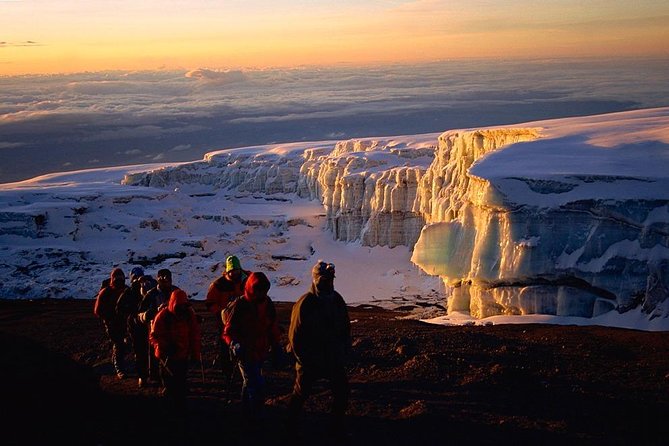
This is one of the most important “mind games” of the whole trek. You’ll hike up to Lava Tower for acclimatization at around 4,600m, then descend to Baranco Camp.
Elevation is shown as 3,750m to 4,600m, then down to 3,900m, with trekking time at 6 to 8 hours. That climb, peak-your-head moment, and descent sequence is a key part of the plan. It helps you gain altitude while still giving you a lower camp afterward, which can make the following days more manageable.
The scenery is also described as some of the most stunning on the trek, especially as you pass through alpine desert zones. That matters for morale. When the air is thinner and everything feels harder, good views can keep you moving without feeling like you’re suffering for no reason.
Day 4: Karanga Camp and the Barranco Wall scramble
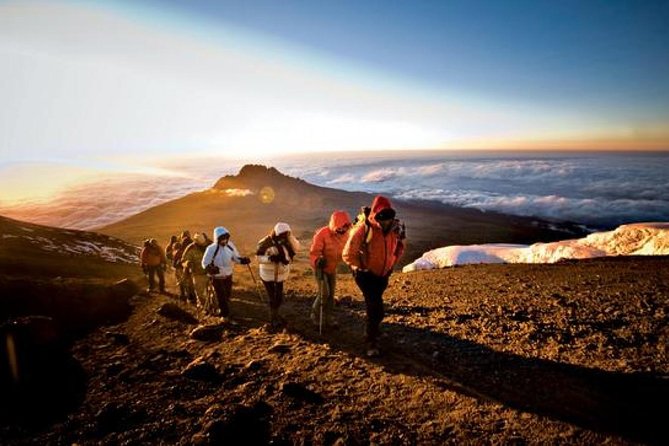
If day three is about acclimatization, day four is about confidence and controlled effort. You’ll climb the Barranco Wall, described as a thrilling yet safe scramble, then trek through valleys to Karanga Camp.
Your elevation range is about 3,900m to 4,035m, with trekking time at 4 to 5 hours. That time estimate hints that the day is more technique and terrain than endless walking. For many people, the scramble is the first moment they feel they are “really” climbing.
This day is labeled as crucial for acclimatization and preparation for the summit push. That’s your clue not to burn energy unnecessarily. If the climb feels great, enjoy it, but stay disciplined on pace and rest.
Day 5: Barafu Camp, gradual ascent, and your early night
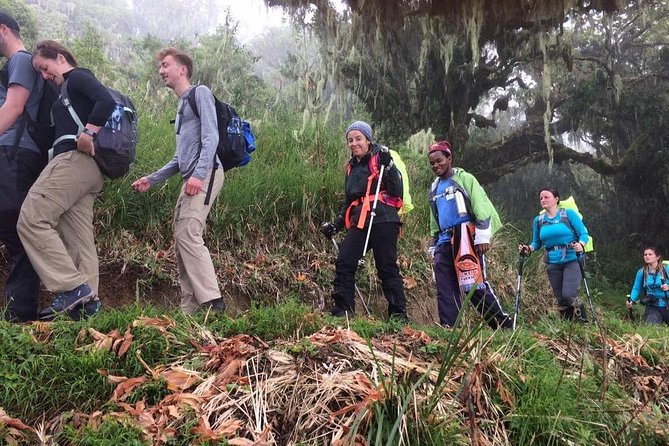
On day five, you gradually ascend to Barafu Camp, the base for your final summit effort. The altitude range is 4,035m to 4,640m, with trekking time 4 to 5 hours.
Then comes the tough part: you rest early because you’ll begin your final ascent at midnight. This is where good logistics and a calm team make a big difference. You’re not just resting in the normal sense, you’re preparing your body for a very long day starting in the dark.
If you’re deciding what to pack, prioritize comfort and warmth. The day is shorter than the summit day, but the start time matters.
Day 6: Midnight to Uhuru Peak (5,895m) then down to Mweka Camp
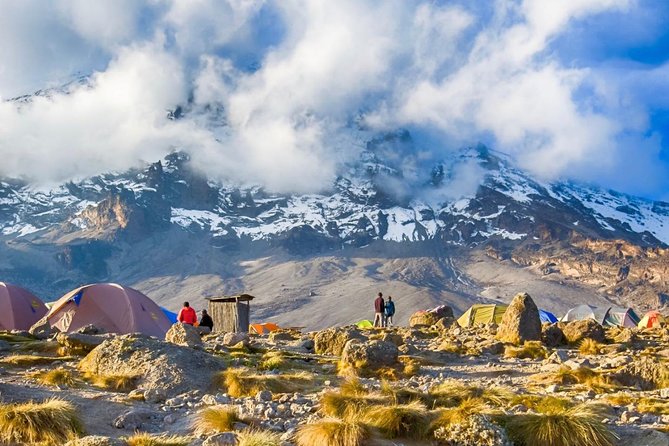
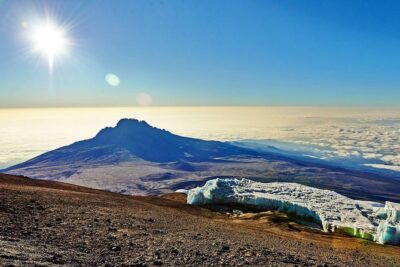
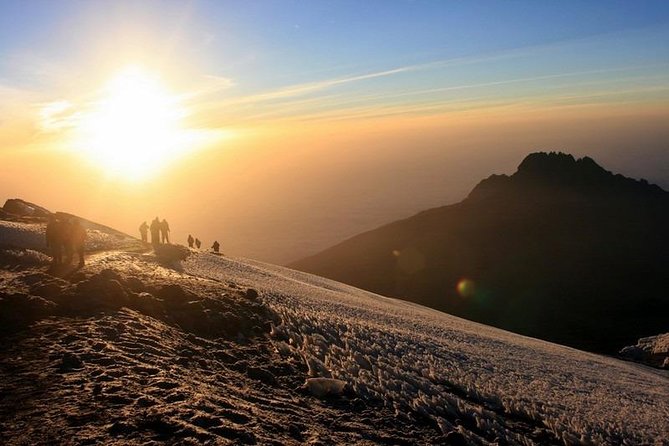
This is the day you came for, and it’s also the day that forces patience. You start just after midnight, trekking in moonlight to reach Uhuru Peak at 5,895m. After celebrating your achievement, you descend to Mweka Camp.
The elevation profile is 4,640m to 5,895m, then down to 3,080m, and trekking time is listed at 10 to 12 hours. That’s a long, serious commitment, so treat it like a steady work shift rather than a sprint.
Two practical points based on how this plan is laid out:
- Because the summit attempt starts at midnight, you’ll want to be ready early, both physically and mentally.
- Because you descend all the way to Mweka Camp, the day ends with recovery, not just accomplishment.
In the spirit of what people share about strong leadership on Kilimanjaro, named guides such as Frazier, Justin, and Abraham are often credited with keeping the group safe and cared for. On summit night, that kind of attention becomes more than nice to have.
Day 7: Mweka Trail through rainforest, summit certificate, and the ride back
After breakfast, you descend via the Mweka Trail to Mweka Gate and then return to Moshi. This day drops elevation from about 3,080m down to 1,640m, with trekking time listed at 3 to 4 hours.
The rainforest return is a relief. The air feels easier, your legs are still tired, and you’re watching the slope change under you. When you reach Mweka Gate, you receive your summit certificate, which is a satisfying final “proof” after days of effort.
Then the day ends with the ride back to Moshi. That transfer matters because you’ll feel the altitude hangover and the general mountain exhaustion.
Meals, water, and hot wash time that actually help
Food is included across the climb: breakfast (6), lunch (7), and dinner (7), plus snacks and drinks not specified. You’ll also have fresh water for drinking and hot water for a wash daily.
I like this arrangement because it removes a common stress point. When you’re at altitude, hunger and hydration are not optional, and the plan is designed to keep you fed. Hot wash time also gives you a small dignity boost when you’ve been living in layers and sweat.
At the same time, remember that personal medicine and water purifying tablets are not included. If you bring tablets and plan hydration ahead of time, you’ll feel more in control.
Gear and what you still need to bring
Your package includes camping equipment, but personal hiking and trekking gear is not included, and you’ll need to rent gear from equipment stores in Moshi if you don’t already have it. This is normal for Kilimanjaro, but it’s worth treating like a checklist item early.
You can also add a portable toilet even though it’s not included. It’s described as optional but highly recommended. On a mountain trek, comfort and sanitation are not small things. They affect sleep, hygiene, and overall patience.
Other items not included that you should plan for:
- Personal medicine
- Water purifying tablets
- Personal nature items
- Meals and drinks not specified and snacks
If you’re the kind of person who packs late, start now. A week on Kilimanjaro makes you value the right small items more than usual.
Price and value: what $2,812 covers, and what it does not
At $2,812 per person for a 7-day climb, the biggest value is what you’re not paying separately for. This price includes all fees and taxes, return transfers to and from Kilimanjaro airport, emergency oxygen for emergencies, and a trained team of guides, assistant guides, porters, and a cook with their wages.
It also includes the mountain logistics that usually cost extra when you book poorly: camping equipment and daily water support, plus meals (breakfast, lunch, dinner as listed). When you compare this kind of package to building it piece by piece, you’re often paying for staff time, food planning, and equipment handling.
What you should account for outside the package:
- Flights and visas
- Travel and health insurance (and Yellow fever vaccination is compulsory)
- Personal gear rentals
- Personal medicine and water purifying tablets
- Optional portable toilet
So, is it good value? For many hikers, yes, because Kilimanjaro is not a place to gamble on missing basics. Having the team, oxygen for emergencies, camp gear, and transfers baked in lets you focus on the hike itself.
Who this trek suits best
This trek is described as a good match for both seasoned adventurers and first-time climbers, and it’s recommended for people with moderate physical fitness.
I think it also fits well if you want a clear structure. The daily elevation changes and the specific acclimatization stops reduce uncertainty. You’re not guessing what comes next.
If you have health constraints, this is where you should be cautious. The data here only says moderate physical fitness, and day six alone is 10 to 12 hours at extreme altitude. If you have any medical concerns, discuss them with your clinician before you commit, and make sure you have the required vaccination.
Practical tips for your Machame week
A few things to do that line up directly with what this trek provides and what you’ll need to add:
- Rent personal hiking and trekking gear in Moshi if you’re not already equipped.
- Plan for warmth and comfort for the midnight summit start.
- Bring water purifying tablets and personal medicine, since those aren’t included.
- Consider adding a portable toilet since it’s optional but highly recommended.
- Make sure you have Yellow fever vaccination sorted since it’s compulsory.
- Expect a full team structure with guides, assistant guides, porters, and a cook, and lean on them for pacing and safety.
And if you’re a first-time summit climber, don’t underestimate how much attitude matters in the high stakes moments. In the feedback associated with this climb, the leadership style described by named guides like Frazier and Justin focuses on keeping people safe, comfortable, and well fed. That kind of calm presence goes a long way when the trail gets brutally long.
Should you book this Machame Route?
I’d book this 7-day Machame Route if you want a structured acclimatization profile, reliable mountain support, and a package that covers the mountain basics end-to-end. The strongest reasons are the plan itself: acclimatization days built around Lava Tower and the rhythm of climb then recovery, plus the clear summit workflow that starts just after midnight.
I would hesitate if you’re not ready for a long summit day, or if you’re missing key items like personal gear, medicine, or purification support. This climb is challenging, and the data makes that clear with the 10 to 12 hour summit day timing.
If you line up your health prep, bring the missing personal items, and commit to pacing, this route has a solid chance of making Uhuru Peak feel like a real goal, not a gamble.
FAQ
Where does the trek start and where does it end?
The experience starts in Moshi Urban, Tanzania, and it ends back at the same meeting point.
Is pickup offered?
Yes. Pickup is offered.
How long is the Machame Route climb?
It is a 7-day trek (approx.).
What is included in the price?
Included items are all fees and taxes, return transfers between Kilimanjaro airport and Moshi, emergency oxygen for emergencies only, a basic first aid kit, qualified guides plus porters and a cook with their wages, camping equipment, fresh water for drinking, hot water for a wash daily, and meals (lunch 7, dinner 7, breakfast 6).
What is not included?
Flights and visas, travel and health insurance, items of personal nature, personal hiking gear (you rent in Moshi if needed), meals and drinks not specified and snacks, personal medicine, and water purifying tablets are not included. A portable toilet is optional but highly recommended.
Is emergency oxygen included, and is it for summit use?
Emergency oxygen is included for use in emergencies only, not as summit aid.
What kind of fitness level do I need?
The trek is for travelers with a moderate physical fitness level.
Is a Yellow fever vaccination required?
Yes. Yellow fever vaccination is compulsory.
Just posted around Moshi
- machame route★ 5.0 · 16 reviews
- Kilimanjaro Climbing Umbwe Route★ 5.0 · 3 reviews
- Wildlife Extravaganza: Manyara, Tarangire & Ngorongoro in 3 Days★ 5.0 · 3 reviews
- Mt Kilimanjaro 6 days Marangu route hike★ 5.0 · 3 reviews
- 3 Days Private E-Bike Tour in West Kilimanjaro★ 5.0 · 3 reviews
- West Kilimanjaro cycling Adventures★ 4.5 · 8 reviews
- Kilimanjaro Climb • Marangu Route ~ 9 Day★ 5.0 · 4 reviews
- Private Cycle to Kilimanjaro Bike Park Safari★ 5.0 · 6 reviews
Kilimanjaro Climbs, compared.
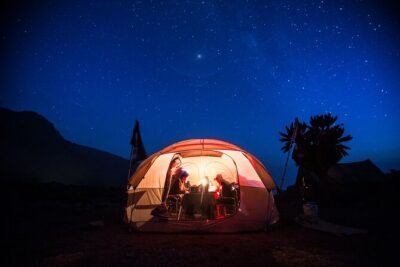
8-Day Small-group Lemosho Kilimanjaro Summit Trekking
Read our review →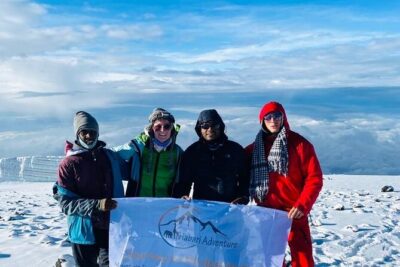
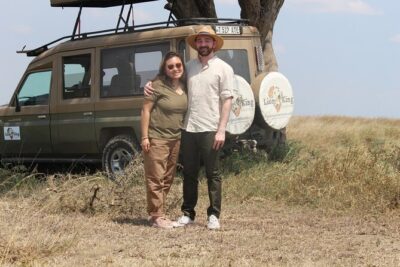
5 Days Best of Tanzania Luxury Safari Northern Circuit
Read our review →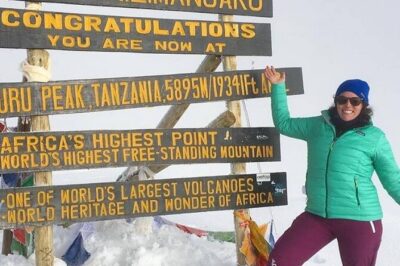
Climbing Kilimanjaro through 7 days Machame Route
Read our review →