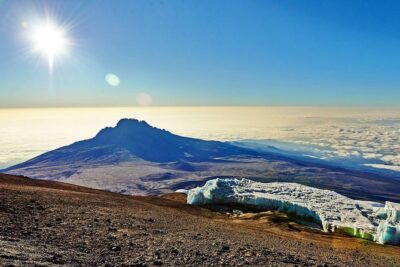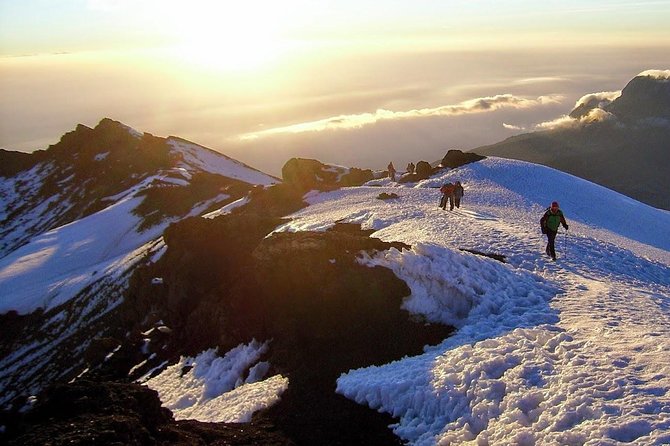
Reviewed · KILIMANJARO CLIMBS
7-Day Kilimanjaro Climb–Lemosho R. Scenic Adventure to the summit
Kilimanjaro tests you, and this plan helps. I love the Lemosho route’s quieter feel and the way the trek eases you through rainforest, moorland, semi-desert, and alpine zones. I also like the practical support built into the days, like tents set up before you arrive and hot water for a daily wash. The main drawback to consider is that cold can hit hard, especially at Shira Camp Two and again on summit night.
This is a 7-day summit itinerary based out of Moshi, Tanzania, with pickup offered and return transfers from the airport. The big idea is acclimatization plus variety: each day changes your altitude and terrain so your body gets a chance to adjust before the final push. You can aim for Uhuru Peak, with a plan that also recognizes the crater rim milestone at Stella Point.
If you are sensitive to altitude, this climb is still a serious commitment. You’ll feel it starting around the Lava Tower area and you should be ready for a demanding summit day that runs long, with an early wake-up at 23:30.
In This Review
- Key things that make this Lemosho climb work
- Lemosho Route, quiet trail, varied terrain, and why acclimatization matters
- Day 1: Moshi and Londorossi Park Gate, then straight into the rainforest
- Day 2: Shira Camp Two at 3,840m, heather moorland, and the cold reality check
- Day 3: Semi-desert walking to Lava Tower (4,630m), then down to Barranco (3,950m)
- Day 4: Great Barranco Wall to Karanga Camp, a short day with a big view
- Day 5: Barafu Camp at 4,550m, wind, rock, and the last water stop
- Day 6: 23:30 wake-up, Stella Point sunrise at 5,685m, and the push to Uhuru Peak
- Day 7: Descent on the Mweka Trail, celebrations, and green or gold certificates
- Price and value: what $2,676.39 buys you, and what you still must plan
- Who this 7-day Lemosho climb suits best
- Should you book this Lemosho 7-day Kilimanjaro climb?
- FAQ
- What is included in the tour price?
- How do you get from Moshi to the start of the trek?
- What altitude zones does the route cover?
- Is emergency oxygen included, and is it used for summit help?
- What meals and washing options are provided?
- Do I need to rent trekking gear in Moshi?
- When does the summit attempt start on Day 6?
- How do certificates work at the end of the climb?
- Are visas, travel insurance, and vaccinations included? What about cancellation refunds?
Key things that make this Lemosho climb work
- Start at Londorossi Gate (2,100m) and transition fast from rainforest with a real jungle feel in Day 1
- Shira 2 at 3,840m gives big western breach glacier views, plus the kind of cold that forces you to take night gear seriously
- Lava Tower (4,630m) sets the altitude tone and makes it normal to feel headaches and shortness of breath
- Great Barranco Wall on Day 4 is a classic acclimatization day with a Heim Glacier view above the clouds
- Barafu Camp (4,550m) is exposed with no accessible water, so the routine matters
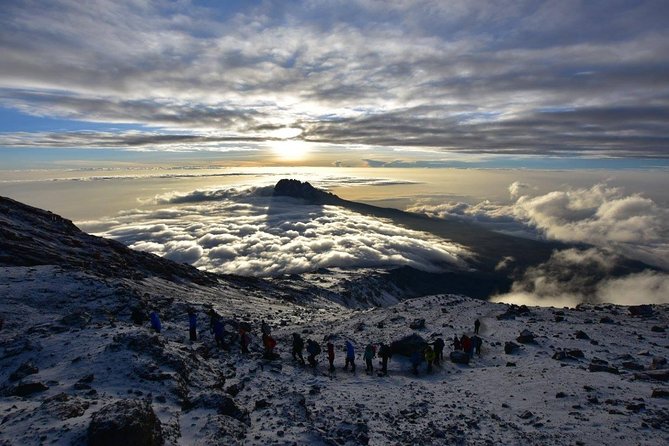
- Summit night begins at 23:30, with Stella Point sunrise (5,685m) before the final stretch to Uhuru Peak
Lemosho Route, quiet trail, varied terrain, and why acclimatization matters
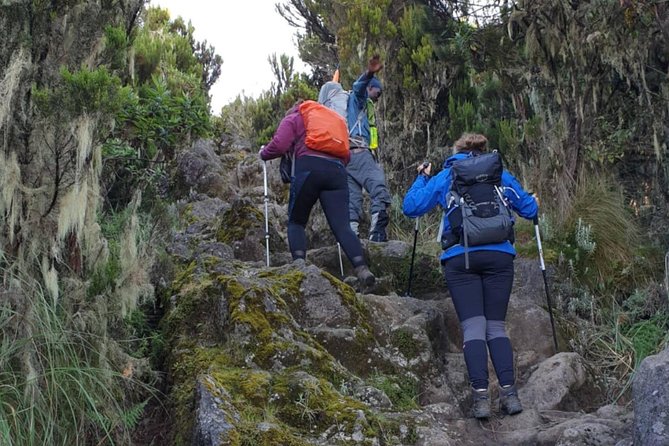
The Lemosho Route is known for a calmer pace than some shorter options, and that matters on Kilimanjaro. When you stay on the mountain long enough, you can spend time in different zones without your body being shocked by each altitude jump.
This itinerary leans into that approach. You begin in montane forest, climb into moorland, then move into semi-desert and alpine terrain. You also get a true acclimatization day built around the Great Barranco Wall and then a short Day 5 that is mostly about setting up for the summit attempt.
One more detail I like: the plan includes time-consuming terrain changes like stream crossings, rocky sections near Lava Tower, and stone scree in the summit push. That variation is not just scenery, it is also how you break the monotony while giving your body repeated chances to adapt.
More Kilimanjaro climbs:
- Kilimanjaro climb by Lemosho Route (7-day)
★ 5.0 · 651 reviews - Kilimanjaro climb, Machame Route (7-day)
★ 5.0 · 262 reviews - Kilimanjaro Climbing Lemosho Route 8 Days.
★ 5.0 · 186 reviews
Day 1: Moshi and Londorossi Park Gate, then straight into the rainforest
You’ll leave Moshi or Arusha and drive about two hours to Londorossi Park Gate at 2,100m. The last 45 minutes of the approach are on a bumpy forest track that requires 4WD, so expect a rougher ride before you get to the quiet part of the hike.
Once you reach the gate, you register with TANAPA and supplies are distributed by guides and porters. Then you start a roughly 3-hour hike into montane forest. If you like wildlife moments, this is where you might spot Colobus monkeys along the trail.
Why this day is valuable: it is not yet the altitude hammer, so you can focus on rhythm, breathing, and walking technique. And because the day is shorter, you also get time to settle in after the transfer without turning it into an instant grind.
Day 2: Shira Camp Two at 3,840m, heather moorland, and the cold reality check
After early breakfast, you move out of rainforest and into heather moorland. You’ll cross many streams and then follow a plateau to Shira Camp Two at 3,840m, where the Western Breach and its glaciers can show up dramatically in the east.
This is also an exposed-camp day. The plan is clear that nights at Shira 2 can drop below freezing, so your clothing strategy matters early. It is not just comfort, it is sleep and recovery, and your summit plan depends on both.
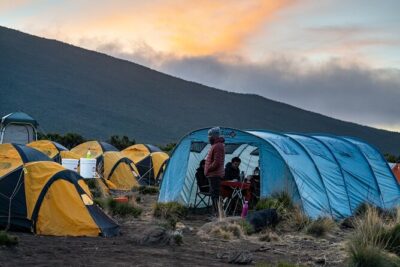
Another practical win: tents are set up prior to arrival at camp, and porters prepare drinking and washing water. That means you’re not spending your limited energy on camp setup after a long day. Evening snacks and dinner are handled by the chef, which helps keep you on schedule.
Day 3: Semi-desert walking to Lava Tower (4,630m), then down to Barranco (3,950m)
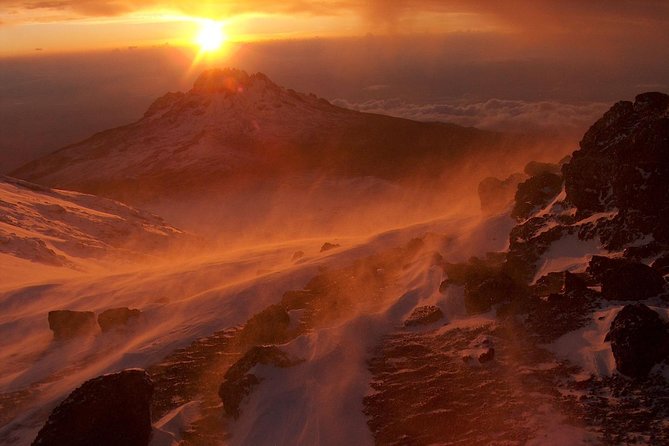
Day 3 shifts you into semi-desert and rocky terrain. You walk east for about five hours and eventually reach Lava Tower at 4,630m, which feels like a real milestone because you come face to face with it.
Lunch is served at the Tower. You may even have the option to climb it if weather allows, but don’t count on it, because conditions can change.
Here is where altitude typically starts to press. The itinerary specifically notes that headaches and shortness of breath can show up at this stage, so treat it as a normal signal, not a personal failure. After lunch, you descend to Barranco Campsite at 3,950m. That downhill helps your acclimatization because you get relief while still keeping you high enough to adapt.
The big drawback to consider on Day 3 is mental, not just physical. When you feel the altitude, you may want to rush, but this plan keeps you moving in a structured way that includes descent, which is exactly what helps for later days.
A few more Moshi trips to compare
- Safari Serengeti And Ngorongoro
★ 5.0 · 288 reviews - Climbing Kilimanjaro – Machame Route
★ 5.0 · 170 reviews - Climbing Kilimanjaro through 7 days Machame Route
★ 5.0 · 151 reviews - Kilimanjaro climb, Lemosho Route (8-day)
★ 5.0 · 148 reviews
Day 4: Great Barranco Wall to Karanga Camp, a short day with a big view
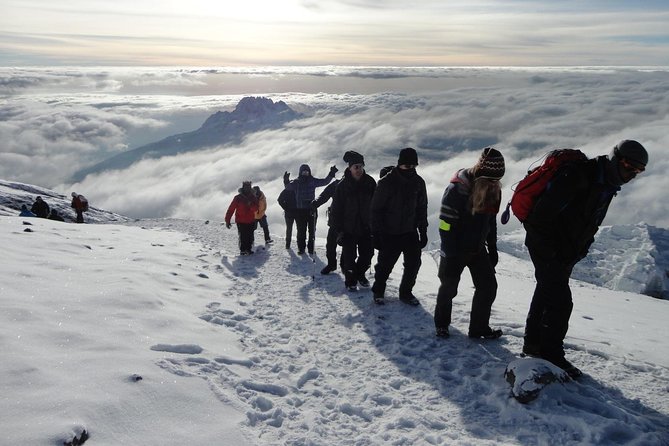
Day 4 is intentionally shorter, aimed at acclimatization rather than distance. Breakfast comes first, then you work on the Great Barranco Wall, which is described as a Class 2 hike. Even if it looks intimidating from below, the expectation in the plan is that it is usually easier than people think once you start climbing.
At the top, you’re rewarded with a view of Heim Glacier and you may end up above the clouds. After that, the trail winds up and down through Karanga Valley to Karanga Camp at about 3,950m.
This day matters because it helps you practice the kind of climbing you’ll face later, but without burning your legs for a full long trek. And since you get dinner and washing at camp, you can actually recover instead of just surviving the night.
Day 5: Barafu Camp at 4,550m, wind, rock, and the last water stop
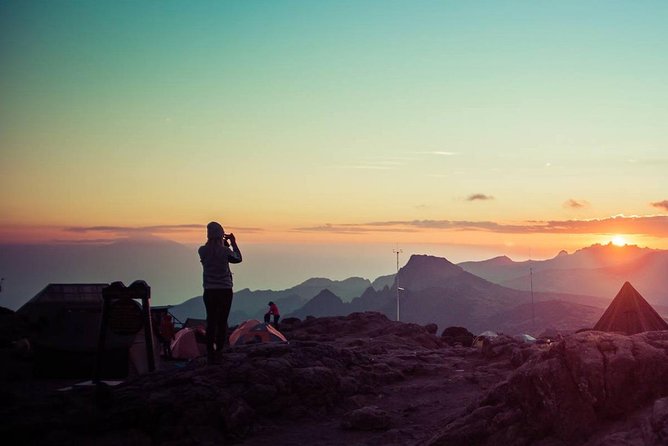
This day looks short on paper, but it has a purpose. After breakfast, you start your ascent toward Barafu Hut and follow terrain that intersects with the Mweka Route, the trail used for descent during the final two days.
About an hour into the hike, you reach Barafu Hut. From there you continue to Barafu Camp at roughly 4,550m, and this is the last water stop for the porters because there is no accessible water at the camp.
Barafu in Swahili means ice, and the camp location is rocky and exposed. The itinerary is blunt that tents can face wind and rocks, so you should plan on a tougher environment once you arrive. The practical upside is that you get an early dinner so you can rest before the summit attempt.
The main consideration here: if you hate cold air moving through exposed places, you will feel it on Barafu. If you love structured routines, you will appreciate that your team’s job is to keep logistics handled while you focus on staying warm, calm, and rested.
Day 6: 23:30 wake-up, Stella Point sunrise at 5,685m, and the push to Uhuru Peak
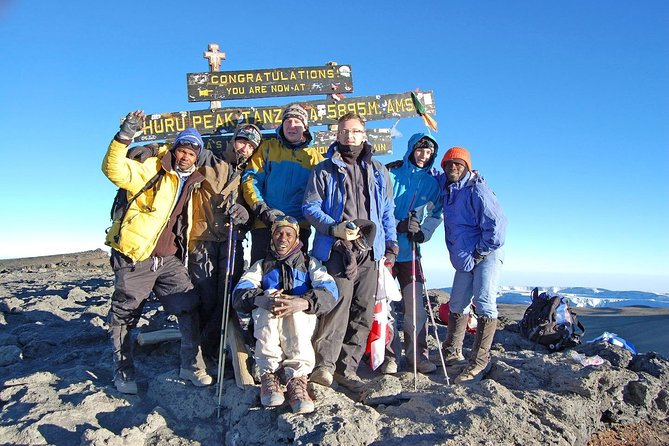
Summit night starts with a wake-up around 23:30 for tea and biscuits. Then you begin the summit attempt heading northwest over stone scree. The plan says this is often the most mentally and physically challenging part of the climb, and that fits how Kilimanjaro feels once the final altitude game begins.
In about six hours, you reach Stella Point at 5,685m on the crater rim. You then enjoy sunrise, and that is one of the big emotional checkpoints on the day. After that, the route continues for about two more hours on a snow-covered trail to Uhuru Peak.
One practical thing I’m glad is stated clearly: emergency oxygen is included for emergencies only, not as summit aid. That means you are still expected to rely on your own pace, breathing, and team support during the hardest hours.
Also, this is a long day. The hike time listed covers roughly 8 hours to reach Uhuru Peak and then about 7 to 8 hours to descend to Mweka. If you want to be confident, treat Day 6 like a marathon with a short break for sunrise, not like a casual hike.
Day 7: Descent on the Mweka Trail, celebrations, and green or gold certificates
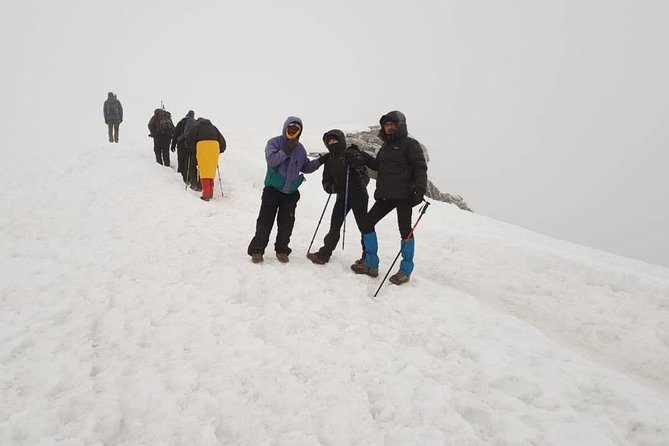
You start Day 7 with a well-deserved breakfast. Then your staff organizes a celebration with dancing and singing, and you present tips to the guide, assistant guides, chef(s), and porters on the mountain.
After that, you descend for about three hours back to Mweka Gate. The park also requires each hiker to sign names to receive completion certificates, and the color system is clear. If you reached Stella Point at 5,685m, you receive green certificates, and if you reached Uhuru Peak at 5,895m, you receive gold certificates.
This day is about closure and recovery. You still spend time walking downhill, but the rhythm changes from climbing to steady descent through forest terrain. And you get that final checkpoint moment where the entire effort becomes official.
Price and value: what $2,676.39 buys you, and what you still must plan
At $2,676.39 per person, the value question is really about what is handled for you. This package includes all fees and taxes, return transfers between the Kilimanjaro airport and Moshi, and Moshi back to the airport. You also get qualified mountain guides, assistant guides, porters, and a cook with wages covered.
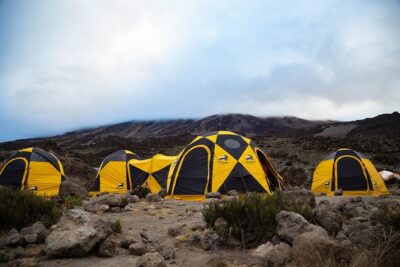
On the mountain, it includes camping equipment like tents, camp chairs, tables, and sleeping mattresses. It also includes fresh water for drinking and hot water for washing each day, plus emergency oxygen and a basic first aid kit for emergencies.
Meals are another big part of the deal. Breakfast is listed for 6 mornings, lunch for 7 days, and dinner for 6 nights. That matters because Kilimanjaro is not a place where you want to spend energy tracking food when you should be sleeping and hydrating.
What is not included is equally important. Visas and flights are not included, travel and health insurance are not included, and personal hiking gear is your responsibility, though the plan says you can rent gear in Moshi. Portable toilets are optional but highly recommended, and you should have personal medicine and water purifying tablets.
My take on value: if you want a complete, staffed, full-service trek where the mountain logistics are handled and you are not improvising supplies, this price fits that kind of package. If you want to self-organize gear and meals, you could probably spend less elsewhere, but you would also take on more responsibility.
Who this 7-day Lemosho climb suits best
This trek suits you if you want a structured acclimatization plan and a route known for varied terrain rather than nonstop climbing. It is also a good fit if you appreciate quiet time in the mountains, because Lemosho is described as one of the quieter routes.
It is especially relevant if you like the idea of summit day support and clear checkpoints. The summit push has a defined start time around 23:30, and Stella Point and Uhuru Peak milestones are built into the plan with certificate rewards.
It may not be ideal if you are easily overwhelmed by cold nights or long summit hours. Shira 2 can drop below freezing, Barafu is exposed with wind and rock, and Day 6 runs very long.
One more angle from the provided experience feedback: the company’s staff is praised for being professional and friendly, with medical checks mentioned in at least one climb experience. I also saw references to guides Isa and Baraka, and the overall message is that teamwork and safety are central to how the trip runs.
Should you book this Lemosho 7-day Kilimanjaro climb?
I would book this if you want a full-service route with realistic acclimatization steps, daily meals, and camp support that keeps you focused on walking and recovery. The Lemosho pacing plus the built-in acclimatization days are the reason this itinerary feels doable, even when Kilimanjaro is still Kilimanjaro.
I would think twice if cold and summit-night intensity would stress you out. This plan expects freezing nights and a long Day 6, so it rewards good preparation and a calm mindset more than it rewards bravado.
If you are aiming for Uhuru Peak and want the journey to feel guided, organized, and supportive from gate to certificates, this is a strong match.
FAQ
What is included in the tour price?
The price includes all fees and taxes, return transfers between Kilimanjaro airport and Moshi, and Moshi and the airport again. It also includes emergency oxygen (for emergencies only), a basic first aid kit, qualified guides, assistant guides, porters, and a cook, plus camping equipment, hot water for a wash daily, and fresh drinking water. Meals are included as breakfast (6), lunch (7), and dinner (6).
How do you get from Moshi to the start of the trek?
You drive from Moshi or Arusha to Londorossi Park Gate, which takes about two hours. The last 45 minutes are on a bumpy forest track that requires 4WD vehicles.
What altitude zones does the route cover?
You start at Londorossi Park Gate at about 2,100m and hike into montane forest. You then reach Shira Camp Two at 3,840m, Lava Tower at 4,630m, Barranco Campsite at 3,950m, Karanga Camp at 3,950m, Barafu Camp at 4,550m, and finally the summit area including Stella Point at 5,685m and Uhuru Peak at 5,895m.
Is emergency oxygen included, and is it used for summit help?
Yes. Emergency oxygen and a basic first aid kit are included, but the plan specifies oxygen is for use in emergencies only, not as summit aid.
What meals and washing options are provided?
You get breakfast on 6 mornings, lunch on 7 days, and dinner on 6 nights. The itinerary also includes fresh water for drinking and hot water for a wash daily.
Do I need to rent trekking gear in Moshi?
Personal hiking and trekking gear is not included, but the plan says you opt to rent gear from equipment stores in Moshi. A portable toilet is optional but highly recommended.
When does the summit attempt start on Day 6?
Your guide wakes you around 23:30 with tea and biscuits. The summit attempt is described as roughly 8 hours to reach Uhuru Peak, followed by 7 to 8 hours to descend to Mweka.
How do certificates work at the end of the climb?
On Day 7, after the descent to Mweka Gate, you sign your name to receive a completion certificate. Reaching Stella Point (5,685m) earns a green certificate, and reaching Uhuru Peak (5,895m) earns a gold certificate.
Are visas, travel insurance, and vaccinations included? What about cancellation refunds?
Visas and travel and health insurance are not included. Yellow fever vaccination is compulsory if traveling to Tanzania. For a full refund, you can cancel up to 3 days in advance, as long as you cancel at least 3 full days before the experience start time. If you cancel less than 3 full days before the start time, the amount paid is not refunded.
Just posted around Moshi
- machame route★ 5.0 · 16 reviews
- Kilimanjaro Climbing Umbwe Route★ 5.0 · 3 reviews
- Wildlife Extravaganza: Manyara, Tarangire & Ngorongoro in 3 Days★ 5.0 · 3 reviews
- Mt Kilimanjaro 6 days Marangu route hike★ 5.0 · 3 reviews
- 3 Days Private E-Bike Tour in West Kilimanjaro★ 5.0 · 3 reviews
- West Kilimanjaro cycling Adventures★ 4.5 · 8 reviews
- Kilimanjaro Climb • Marangu Route ~ 9 Day★ 5.0 · 4 reviews
- Private Cycle to Kilimanjaro Bike Park Safari★ 5.0 · 6 reviews
Kilimanjaro Climbs, compared.
8-Day Small-group Lemosho Kilimanjaro Summit Trekking
Read our review →
5 Days Best of Tanzania Luxury Safari Northern Circuit
Read our review →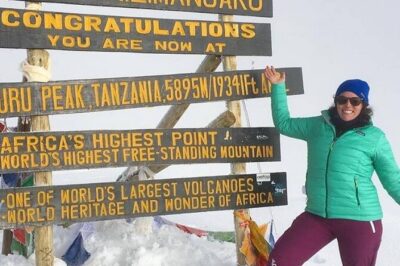
Climbing Kilimanjaro through 7 days Machame Route
Read our review →