
Reviewed · KILIMANJARO CLIMBS
6 Days Trekking Marangu Route Mount Kilimanjaro
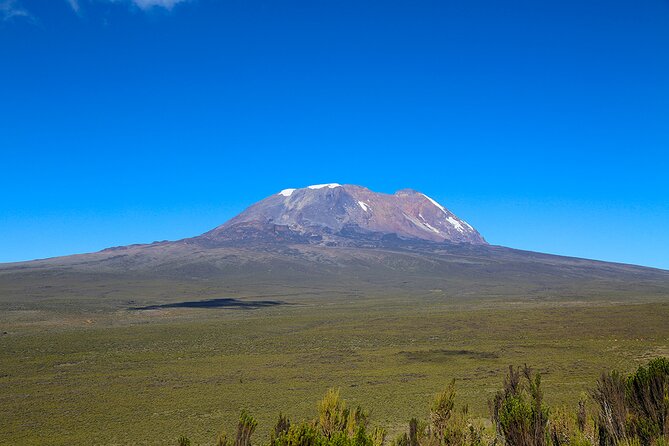
Huts, rainforest, then the roof of Africa. The 6 day Marangu Route up Mount Kilimanjaro is the classic “more comfortable” climb, with well-developed paths, mountain hut sleep, and a route that builds steadily toward the big summit night. I like how the days are structured around rainforest walking, moorland cruising, and acclimatization, so you are not just white-knuckling the whole way.
Two things I’d highlight right away are the professional guiding and organization (including guides like Michael and Yano, with strong communication) and the fact that you sleep in simple mountain huts instead of camping every night. The huts also make the trek feel more like a guided mountain trip and less like gear gymnastics.
One drawback to consider is the final push: once you wake at around 23:30, the climb gets physically tough, steep, and rocky up toward Hans Meyer point and Gillman’s point.
In This Review
- Key highlights to know before you go
- Marangu Route in plain terms: why it feels like the easy Kilimanjaro
- Price and what you really get for $1,900
- The day-by-day route, explained like a friend would walk you through it
- Day 1: Marangu Gate into the rainforest, then Mandara Hut
- Day 2: Mandara Hut to Horombo Hut through moorland
- Day 3: The acclimatization day at Horombo, plus the Zebra Rocks hike
- Day 4: Alpine desert, the last water point, and the early sleep before summit night
- Day 5: Wake around 23:30, then Hans Meyer point and Gillman’s point
- Day 6: Descent to Marangu Gate through cloud forest and certificates
- Why the Horombo acclimatization day is the smartest part of this whole plan
- Water strategy on Day 4: a small detail that can make or break your comfort
- The summit night reality check: Hans Meyer point and Gillman’s point
- Food, huts, and the comfort level you can actually expect
- Guides and communication: why it matters on Kilimanjaro
- Who should pick the Marangu Route, and who should think twice
- Should you book this 6-day Marangu trek with Meru Slopes?
Key highlights to know before you go
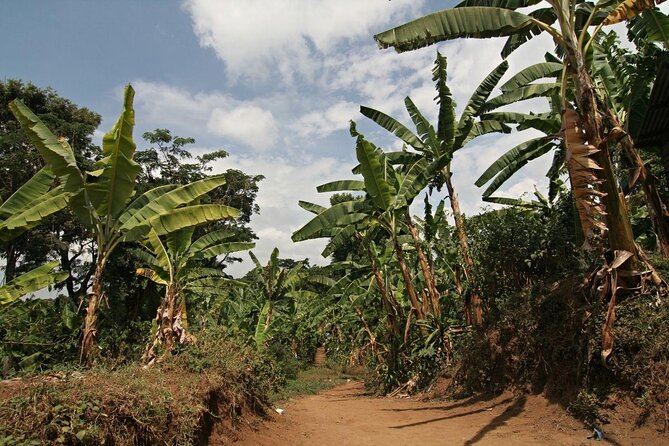
- Marangu Route is built for steady progress, with rainforest on Day 1 and moorland on Day 2.
- A real acclimatization day at Horombo (Day 3) helps your body adjust.
- A tough summit night starts around 23:30, with a steep rocky section on stone screed.
- Simple mountain huts mean fewer camping logistics than many other Kilimanjaro routes.
- Summit certificates are awarded based on the point you reach, including silver for Gillman’s point and gold for Uhuru Peak.
Marangu Route in plain terms: why it feels like the easy Kilimanjaro
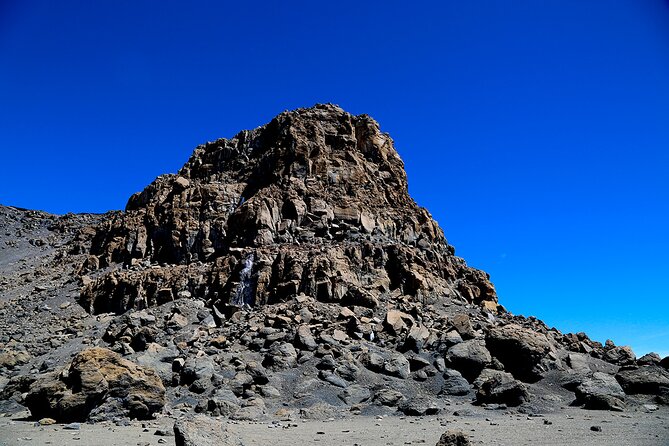
People call Marangu the easier option for good reason. The trail is established, the walking is generally constant and moderate, and you spend most of your days moving through zones that make sense: rainforest, then moorland, then higher alpine terrain. That steady rhythm helps you manage your energy and keeps the hike from feeling chaotic.
You also get the “comfortable” side of Kilimanjaro logistics: you stay in mountain huts. That is a big deal if you want the challenge of the mountain without the added strain of tent life. You are still on a high-altitude climb, but the daily routine is simpler.
The one place where Marangu stops being “easy” is the approach to the summit. The final ascent night is steep and demanding, so even if you are having a smooth time earlier, you still need to respect that hard section.
More Hiking Trips in Arusha
- 8-Day Small-group Lemosho Kilimanjaro Summit Trekking
★ 5.0 · 186 reviews - Mountain Kilimanjaro Day Hike
★ 5.0 · 102 reviews - Private Full Day Hiking Experience to Marangu Route
★ 5.0 · 61 reviews
Price and what you really get for $1,900
At $1,900 per person, this trek is not cheap, but it is trying to be a complete, supported climbing package. Your price covers all fees and taxes, park fees, and the working costs of your team, including guides, porters, and the cook. It also includes private transportation plus arrival and departure transfers, not just a generic group shuttle.
You also get meals every day (7 breakfasts, 7 lunches, 7 dinners). Food support matters on Kilimanjaro because you are feeding your body when you are already burning energy. Having it handled means you spend less mental energy on what to eat and when.
Finally, you get nights accommodation before climbing. That is useful if you want to arrive in Tanzania, settle in, and avoid doing the climb planning shuffle right before your first hike day.
What is not included matters too: international and domestic flights, visa fees, tips, alcoholic beverages, and mountaineering insurance are separate. If you are pricing your total trip, include those now, so you do not get surprised later.
The day-by-day route, explained like a friend would walk you through it
Kilimanjaro success is partly planning and partly timing. This route uses that idea: early days build, mid-days adjust, and then you hit the summit push when your schedule and your body line up.
Day 1: Marangu Gate into the rainforest, then Mandara Hut
You start with morning drive from Arusha or Moshi, heading toward Marangu Gate for climb registration. Then you walk along a narrow trail through Kilimanjaro rainforest for most of the hike.
A highlight here is the picnic lunch at Kisambioni, roughly the halfway point. Lunch on the mountain is not just about food. It is also a chance to reset your pace and mentally break the day into two clear chunks.
After lunch, you keep going through the rainforest until you reach Mandara Hut. From there, you can rest or take a short walk to Mahundi Crater. If the sky is clear, the crater hike pays off with views east over Taveta and northwest toward Mawenzi Peak. That kind of first-day payoff helps you feel like you are really climbing something, not just marching.
More Kilimanjaro climbs:
- 5 Days Best of Tanzania Luxury Safari Northern Circuit
★ 5.0 · 174 reviews - 7-Day Machame Kilimanjaro Summit Tour from Arusha
★ 5.0 · 125 reviews - 4 days Best experience Kilimanjaro Hike, Serengeti &Ngorongoro
★ 5.0 · 54 reviews - From Arusha/Moshi: Kilimanjaro Hike Marangu Route Day Trip
★ 4.5 · 54 reviews
Day 2: Mandara Hut to Horombo Hut through moorland
After breakfast, you continue from Mandara Hut toward Horombo Hut. Most of this day moves through Kilimanjaro moorland, a rocky high area with desert-like plants. It can feel more exposed than Day 1 because the rainforest cover disappears.
Your picnic lunch is at Kambi ya Taabu, and if the weather cooperates, you can enjoy views of Mawenzi and Kibo peaks. Arriving at Horombo Hut around 15:00 gives you enough daylight to settle in, not just stumble into camp.
The rest of the afternoon is mainly recovery. On a route like this, the goal is to finish the day upright, calm, and ready for acclimatization.
Day 3: The acclimatization day at Horombo, plus the Zebra Rocks hike
This extra day and night at Horombo is not a random “bonus.” It is a built-in altitude strategy. You will hike upward briefly and then come back down, which helps your body adjust.
A strong move here is a hike toward Mawenzi passing Zebra Rocks. The round trip is about 3 hours up and 1.5 hours down. The time commitment is manageable, and the benefit is that it gives your body another adjustment window before the route begins its harder stages.
If you tend to rush, this day is a reminder to slow down. Accclimatization days reward patience.
Day 4: Alpine desert, the last water point, and the early sleep before summit night
Day 4 is where the climb starts turning serious. After breakfast you ascend into the alpine desert, passing the last water point at 13,550 ft / 4,130 m.
This is the part many people underestimate. After that last point, you have to fill your water bottles with everything you will need until you return to Horombo in two nights time, unless you are willing to buy mineral water at Kibo hut. Plan your water use early and listen to your guide on how you are carrying it and how you are drinking. This is not a place to run half-prepared.
The climb gains elevation quickly after that. The summit is now another 3,921 ft / 1,195 m up, and you make your final ascent the same night. You go to bed around 18:30 and focus on sleep as much as possible, because the next step starts at night.
Day 5: Wake around 23:30, then Hans Meyer point and Gillman’s point
Around 23:30, you wake up for tea and biscuits, then shuffle into the night. This is where the going really gets tough.
The trail starts with a rocky path up to Hans Meyer point at 17,225 ft / 5,250 m. It is also a good resting spot. That is smart design because it gives you a milestone when your body is working hard.
Then the route zigzags up to Gillman’s point at 18,639 ft / 5,681 m, which sits on the crater rim. This section is very steep with stone screed, meaning the surface feels like broken rock. Expect it to be physically demanding and mentally grindy.
You do not need drama to summit day feel intense. Just keep your rhythm, use the rests when you are offered them, and stay focused on one step at a time.
Day 6: Descent to Marangu Gate through cloud forest and certificates
After breakfast, you finish with a descent back to Marangu Gate. The last trekking stretch is described as passing through Kilimanjaro cloud forest, which is a welcome change after the harsh sections earlier in the climb.
During descent, watch your step. The trail can be slippery, and on a descent you are using your knees in a different way than you used them on the way up.
At Marangu Gate, you sign for departure. This is also where successful climbers receive summit certificates. If you reached Gillman’s point (18,652 ft / 5,685 m) you receive a silver certificate. If you reached Uhuru Peak (19,341 ft / 5,895 m) you receive a gold certificate. That means you get an official record of what you achieved, not just a story you tell later.
Vehicles are waiting at Marangu Gate to take you back to Arusha.
Why the Horombo acclimatization day is the smartest part of this whole plan
Many climbs try to cram you uphill without enough pause. Here, the Horombo Day 3 is the route’s insurance policy for your body.
That day gives you:
- a chance to hike upward briefly,
- a chance to come back down,
- and enough time to rest before the summit attempt.
If you have ever felt fine early in an altitude hike and then suddenly got slammed later, this kind of acclimatization structure can be the difference between a steady climb and a stress spiral.
It also changes your mindset. You are not only thinking about reaching the next hut. You are also thinking about adjusting and preparing, which makes the whole mountain feel more controllable.
Water strategy on Day 4: a small detail that can make or break your comfort
The route includes a clear water planning point: the last water point is at 13,550 ft / 4,130 m. From there you fill your bottles for the period until you return to Horombo in two nights time.
Unless you buy mineral water at Kibo hut, you need to carry what you need forward. This is one of the few places where the climb requires smart self-management, not just endurance.
So how do you handle it?
- Drink steadily rather than chugging.
- Keep track of what you think you will need across the night.
- Use the guidance you are given on refilling and conserving.
This is also a good time to remember you are in a remote mountain setting. The more you treat water as a mission instead of an afterthought, the better your hike usually feels.
The summit night reality check: Hans Meyer point and Gillman’s point
The summit approach starts around 23:30. That timing means you are hiking in the dark for the steep section, after resting and eating something light.
The climbing route goes:
- rocky path to Hans Meyer point,
- then zigzags to Gillman’s point on the crater rim.
The surface and steepness here are described as intense, with a lot of stone screed. That is not the place to test your limits with ego. This is where a steady pace and a calm head work better than speed.
If you are the type who wants to count every minute, you might find it easier to focus on shorter goals like reaching the next resting spot.
Food, huts, and the comfort level you can actually expect
This climb stays in simple mountain huts. Compared to camping routes, that matters. It reduces the time you spend setting up or worrying about rain gear logistics at altitude. It also helps keep your routine predictable.
Meals are handled for you:
- 7 breakfasts
- 7 lunches
- 7 dinners
Having meals included is a practical value add because altitude hiking can mess with your appetite. You need regular fuel, not just snacks when you feel like eating.
Accommodation also includes nights before climbing, so you are not thrown into the mountain schedule the moment you arrive in Tanzania. That is one of those quiet benefits that makes the trek feel smoother from Day 1.
Guides and communication: why it matters on Kilimanjaro
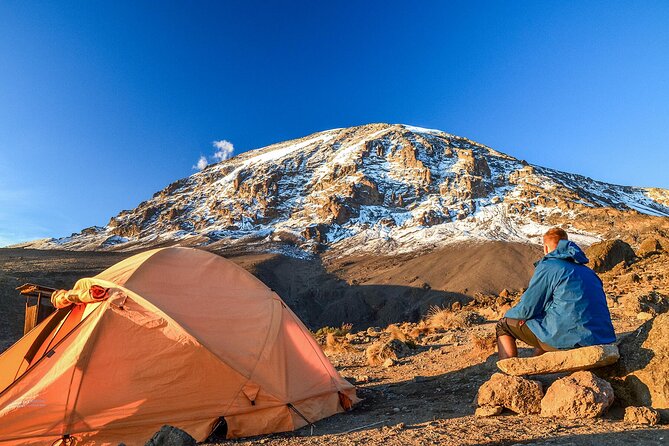
Kilimanjaro is equal parts hiking and decision-making. Who tells you when to slow down, where to focus, and how to handle the steep sections can change your experience.
The guides linked to this operator, including Michael and Yano, are specifically mentioned as looking after trekkers really well, with good communication throughout. That combination is huge. On a mountain with altitude stress, you want clear, calm instructions, not vague directions.
You also have a team structure that includes porters and a cook. That means your job is hiking, not carrying everything and cooking meals yourself. Less burden usually helps you stay focused on pacing.
Who should pick the Marangu Route, and who should think twice
This trek fits you best if:
- you want the easier-feeling route structure on Kilimanjaro,
- you prefer mountain huts over camping,
- and you like a guided schedule that mixes hiking with acclimatization.
You might think twice if:
- you know you struggle with very steep, rocky sections late in the program,
- you dislike early starts and night hiking,
- or you have trouble with careful descent steps on a potentially slippery trail.
Even on the “easier” route, Kilimanjaro is still Kilimanjaro. The difference is how the challenge is staged.
Should you book this 6-day Marangu trek with Meru Slopes?
I think you should strongly consider booking if you want a well-organized Marangu Route 6 day trek with mountain huts, meals included, and a team that prioritizes communication. The price can feel steep, but you are paying for the infrastructure: guides, porters, cook support, and the fees that make this climb official and safe.
Before you commit, do two quick checks:
- Are you comfortable with the summit night schedule and the steep, rocky section afterward?
- Can you handle the water planning on Day 4 once you pass the last water point?
If you can say yes to both, this is a solid match for a classic Kilimanjaro climb with a smoother day-to-day routine than many alternatives.
More Hiking & Trekking in Arusha
- 4 Days Mount Meru Trekking
★ 5.0 · 55 reviews - 6 Days Serengeti Safari(hiking waterfalls &coffee tour)
★ 5.0 · 48 reviews - Arusha: Napuru Waterfalls Guided Hike
★ 4.8 · 39 reviews - Mount Kilimanjaro Day Hike Through Marangu Route to Mandara Hut
★ 5.0 · 37 reviews
Just posted around Arusha
- 8 Days Serengeti Migration safari★ 5.0 · 11 reviews
- tarangire & ngorongoro 2 days tour★ 5.0 · 14 reviews
- serengeti, ngorongoro & tarangire 4 days private tour★ 5.0 · 18 reviews
- tarangire, ngorongoro & lake manyara park 3 days private tour★ 5.0 · 11 reviews
- serengeti & ngorongoro 3 days private tour★ 5.0 · 15 reviews
- climb the KILIMANJARO via Lemosho route★ 5.0 · 4 reviews
- Mt. Kilimanjaro: Shira plateau to Cathedral point 3872m Day hike★ 5.0 · 7 reviews
- 2 Days Tanzania Midrange Group Join Safari★ 5.0 · 7 reviews
Kilimanjaro Climbs, compared.
8-Day Small-group Lemosho Kilimanjaro Summit Trekking
Read our review →
5 Days Best of Tanzania Luxury Safari Northern Circuit
Read our review →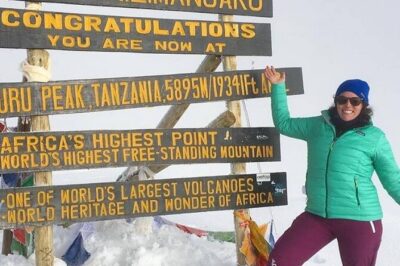
Climbing Kilimanjaro through 7 days Machame Route
Read our review →
Browse the lists this tour appears in