Reviewed · KILIMANJARO CLIMBS
6 Days Mount Kilimanjaro Climbing via Rongai Route
Rongai feels calmer than the usual Kilimanjaro scramble. This 6-day climb from Moshi is a solid choice if you want a more remote route and a schedule built for acclimatization, not just check-the-box hiking. I especially like how the plan is paced across moorland, semi-desert, and alpine desert, and how your guide keeps altitude risk in mind. One reality check though, the summit day starts between midnight and 2 a.m., and the final push over scree and cold air is mentally and physically demanding.
What makes this experience feel practical on the ground is the ride into the park, the permit process at the gate, and the clear day-by-day rhythm you follow. You’ll get a first long look at Kibo and the eastern ice fields early on, then later you merge onto the Marangu Route for the final approach, which helps reduce guesswork when it matters. A possible drawback: if you get cold easily, you’ll want to be ready for temperatures dropping as you go higher, plus the wet, muddy descent at the end.
If you’re traveling with a smaller mindset, you’ll also appreciate that this is a private tour, so your group moves together with pickup from your hotel or residence in Moshi. The route is recommended for people with less backpacking experience, but you still need moderate fitness and the willingness to take altitude seriously.
In This Review
- Key highlights worth planning around
- Rongai route on Kilimanjaro, the quieter north-side climb
- Moshi pickup and the park gate start, getting organized early
- Day 1 to Simba Camp: moorland air, caves nearby, and views toward Kenya
- Day 2 to the Second Cave: first Kibo impressions and colder air
- Day 3 to semi-desert terrain: shorter day, bigger altitude awareness
- Day 4 into the alpine desert and Kibo Huts: gear prep and early rest
- Day 5 summit attempt, midnight start to Stella Point sunrise
- Day 6 descent with Mandara Huts lunch, steep wet terrain and certificates
- What $2,200 buys you, and how the value holds up on Kilimanjaro
- Safety and organization, Dominic’s role and the day-by-day update feel
- Weather shifts you should plan for, from cold nights to muddy Day 6
- Who this Rongai climb fits best
- Should you book Kentau Safaris for a 6-day Rongai Kilimanjaro climb?
- FAQ
- What route is this Kilimanjaro climb using?
- How long is the climb and when does it start?
- Is pickup and drop-off included?
- What’s included during the hike?
- Do I need to tip the team or bring my own gear?
- Is free cancellation available?
Key highlights worth planning around
- Rongai’s north-side approach can mean less rain than the popular southern routes during wet seasons
- Smart pacing for acclimatization, with temperature shifts and terrain changes built into each day
- First ice-field views early, plus a big focus on listening to your body for altitude symptoms
- Summit sunrise at Stella Point, after a midnight-to-early-morning start over heavy scree
- Day 4 setup and early rest at Kibo Huts, including battery checks for headlamps and cameras
- Wet, steep descent on Day 6, where gaiters and trekking poles can make a real difference
Rongai route on Kilimanjaro, the quieter north-side climb
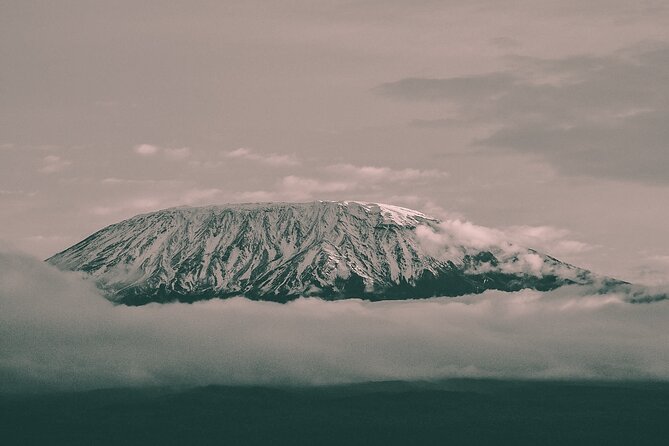
Rongai is often described as a moderate slope route, and that detail matters because it shapes how the climb feels. Instead of feeling like constant vertical punishment, you get a steady ascent that works with your time at altitude. It’s also a good alternative if you’re trying to avoid the busier feel of the more famous Marangu route.
Another reason people pick Rongai is weather. Kilimanjaro can be rainy, and the north side tends to receive less precipitation. That doesn’t mean you get dry weather, but the odds of clearer walking conditions can improve, especially compared to routes with heavier rainfall exposure.
What I like most about Rongai is the mix of scenery and “terrain lessons.” You’re not just climbing in a line. You pass through moorland, then semi-desert, then alpine desert. Each zone changes how your body feels, how the temperature behaves, and what your feet are dealing with. It’s also where the whole experience earns its reputation as an achievable challenge, especially for less experienced hikers who still want the real deal.
More Kilimanjaro climbs:
- Kilimanjaro climb by Lemosho Route (7-day)
★ 5.0 · 651 reviews - Kilimanjaro climb, Machame Route (7-day)
★ 5.0 · 262 reviews - Kilimanjaro Climbing Lemosho Route 8 Days.
★ 5.0 · 186 reviews
Moshi pickup and the park gate start, getting organized early
The day begins in Moshi, with a 7:00 am start time. You’re picked up from your hotel or residence, so you don’t lose energy figuring out local transport before you even get to the climb.
From Moshi, it’s a 4 to 5 hour drive through coffee plantations and the village of Nale Muru to the Kilimanjaro National Park gate. Then comes a small but important moment: you wait for permits to be issued. That delay is part of the process, and it helps you transition into the trip with less stress.
Along the way, you see wooded scenery and windy trails, and your guide shares what you might notice in the local flora and fauna. This is one of those “small” parts that pays off later, because you’ll feel more grounded when the terrain starts pushing back.
Day 1 to Simba Camp: moorland air, caves nearby, and views toward Kenya
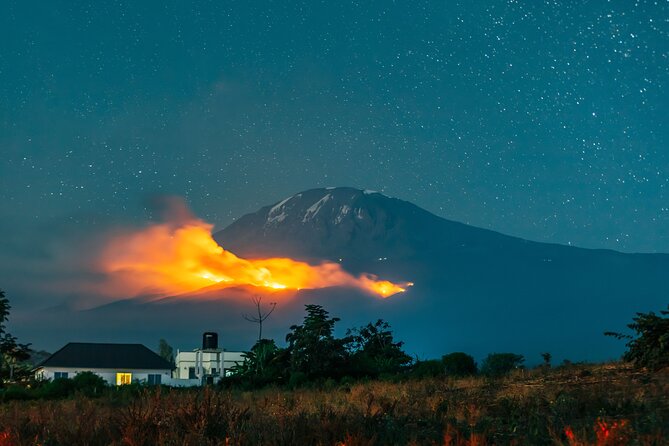
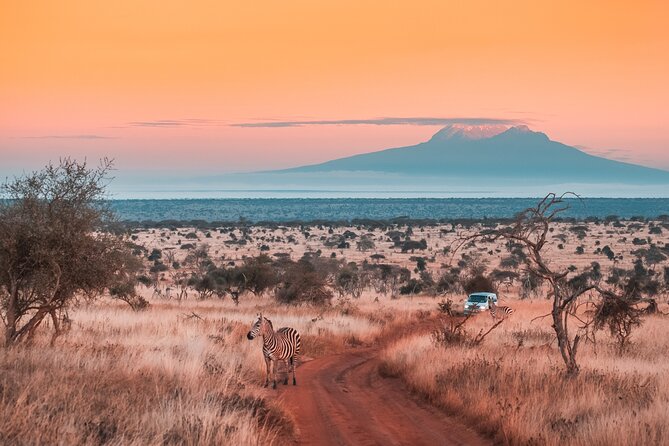
On Day 1 you leave the main road world and step into moorland. The route reaches Simba Camp near the first cave, close to the edge of the moorland zone. You also get spectacular views over the plains of Kenya, which is a memorable way to mark that you’re not just walking, you’re climbing into a high-altitude world with a wider horizon.
The hike itself is about 7 hours. It’s long enough to take you seriously, but not so long that you start summit plans in the wrong body state. The goal is to settle your pacing and get familiar with your boots, pack weight, and how your breathing changes on uphill ground.
If you’re even slightly new to altitude hiking, Day 1 is where you learn to move steadily, not fast. The guide’s job is to keep that balance, and your job is to listen to the plan and not rush because the views are good.
Day 2 to the Second Cave: first Kibo impressions and colder air
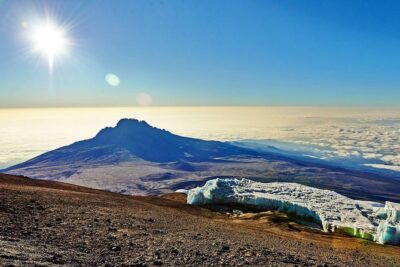
Day 2 keeps you moving along moorland terrain on a consistent ascending path. This is where you start seeing Kibo more clearly and you catch your first glimpse of the ice fields on the eastern crater rim.
The hike runs around 7 hours. As you near the Second Cave, the small shrubs thin out, and the air starts to feel sharper. Temperatures drop, and that’s not just discomfort. It’s a signal that your clothing plan needs to be thoughtful: layers you can manage without getting sweaty, plus something warm for when you stop.
This day is a great example of why schedule matters. It’s not only about distance. It’s about walking in a way that helps you stay comfortable enough to keep going, and calm enough to focus on your rhythm.
A few more Moshi trips to compare
- Safari Serengeti And Ngorongoro
★ 5.0 · 288 reviews - Climbing Kilimanjaro – Machame Route
★ 5.0 · 170 reviews - Climbing Kilimanjaro through 7 days Machame Route
★ 5.0 · 151 reviews - Kilimanjaro climb, Lemosho Route (8-day)
★ 5.0 · 148 reviews
Day 3 to semi-desert terrain: shorter day, bigger altitude awareness
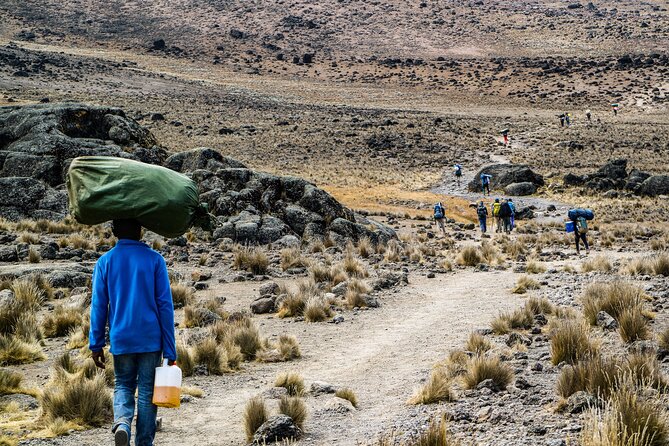
Day 3 shifts into semi-desert. The hiking time is about 6 hours, which can feel like a breather, but it’s not a day to ignore altitude.
You continue a steady ascent after breakfast and packing, moving closer to the eastern ice fields. The views pull your attention upward, but your real work is internal. Pay attention to how your body responds. The plan explicitly encourages you to tell your guide about any signs of altitude sickness, because the earlier you act, the better your chances.
The “shorter” feeling on Day 3 is actually useful. It gives you time to focus on how you’re coping, rather than speeding up because the day is shorter. In real high-altitude climbs, that self-awareness can be the difference between discomfort and a real problem.
Day 4 into the alpine desert and Kibo Huts: gear prep and early rest
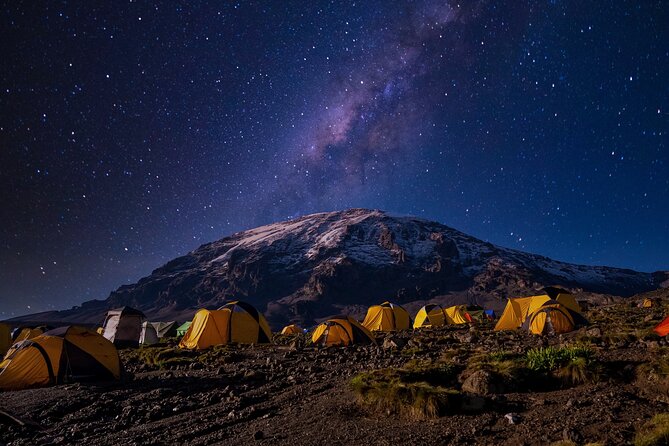
Day 4 starts early, leaving the semi-desert zone and heading into alpine desert for the rest of the climb. You trek to just below the Kibo crater wall and then reach Kibo Huts.
Hike time is about 6 hours, and you’ll notice a change in how the air feels, plus the terrain underfoot. This is also the day where you merge with the Marangu Route for the summit approach. That can be reassuring because there’s a clearer shared path for the high section of the climb.
Before bed, you do the practical stuff that can save headaches later. The plan includes time to prepare your clothing and equipment and to replace batteries for your headlamp and camera. Even if you think your gear is fine, doing it before the summit attempt is smart. Cold drains batteries faster, and you don’t want to discover that at 1 a.m.
Then you rest with an early bedtime, aiming to get sleep by around 7 p.m. The guide helps you treat sleep as part of the climb, not a bonus.
Day 5 summit attempt, midnight start to Stella Point sunrise
Day 5 is the heart of Kilimanjaro. You start between midnight and 2 a.m., and that time window sets the tone: you’re climbing in the dark, in cold air, with limited energy reserves. This is the most mentally and physically challenging portion of the trek.
The route continues between the Rebmann and Ratzel glaciers, then ascends through heavy scree with switchbacks in a northwesterly direction toward Stella Point on the crater rim. Expect that the trail can feel slow even when you’re moving. Scree means every step needs control.
Stella Point is also where the plan leans into reward. You get a magnificent sunrise during your rest there. Faster hikers may view sunrise from the summit, but most of the emotional payoff happens at Stella Point because you can pause and see the light change across the crater world.
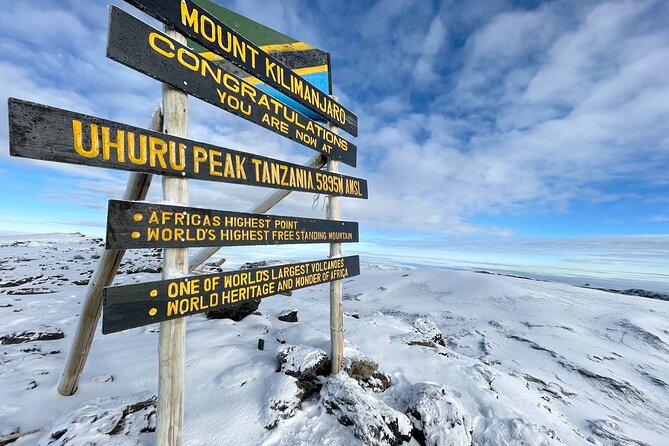
From Stella Point, you have about 1 more hour ascent to reach Uhuru Peak, the highest point. The summit itself is short in time, but huge in effort. This is where the schedule’s earlier acclimatization steps pay off, because you’re not just surviving the climb, you’re making it to the top with your head intact.
Day 6 descent with Mandara Huts lunch, steep wet terrain and certificates
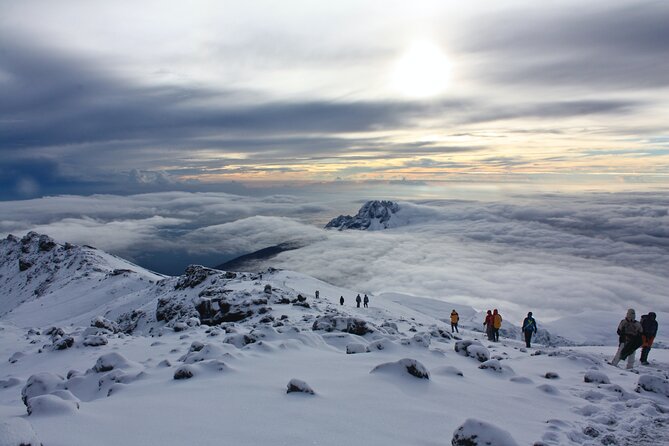
Day 6 starts with breakfast and a team bonding moment, including a heartfelt ceremony of appreciation with your crew. Then it’s time to say goodbye, which feels emotional for many people because you rely on these professionals for safety and logistics through the hardest days.
The descent stops at Mandara Huts for lunch. Then you continue down to the Marangu Park Gate for your summit certificates. After that, you drive back to your hotel in Moshi, about 45 minutes.
This day can be underestimated. The plan notes that after the summit, the weather is drastically warmer, and the terrain is wet, muddy, and steep. That means your feet and knees will work. The tour recommends gaiters and trekking poles, and I agree with that logic. Poles help on steeper sections and can reduce knee strain. Gaiters can help keep mud and grit from chewing up your socks and boots.
Also, don’t forget tipping. The plan calls out tipping your guides, cooks, and porters since you’ll be leaving them at the huts. If you’re unsure how much to budget, you’ll want to plan ahead so it doesn’t become a last-minute scramble.
What $2,200 buys you, and how the value holds up on Kilimanjaro
At $2,200 per person for an approx. 6-day climb, Kilimanjaro is not a casual purchase. But this trip includes several things that usually add up quickly if you were to piece them together yourself.
You’re covered with accommodation during the hike, and all fees and taxes. Meals are also included, with breakfasts, lunches, and dinners during the trekking days. You also get pickup and drop-off from your hotel or residence in Moshi. That reduces friction before and after the climb.
There’s also a practical advantage in how the schedule is set up for success. The Rongai route is moderate and often recommended for less backpacking experience, but altitude doesn’t care about confidence. A structured plan with acclimatization focus can reduce the likelihood of avoidable problems, and that is real value. Not every operator treats acclimatization like it matters.
What’s not included is also clear: tips for the climbing team, air tickets, travel insurance, and personal gear, plus entry visa. That transparency helps you budget properly and avoid the common “surprise costs” feeling.
Safety and organization, Dominic’s role and the day-by-day update feel
Organization is a big deal on Kilimanjaro, because even small mistakes can become big issues at altitude. The standout theme from the team’s reputation is professionalism, especially around safety and staying cooperative from planning to the end.
The owner, Dominic, is specifically noted as being exceptionally cooperative, guiding people from the planning stage to the conclusion of a 5-day hike. Even if your trip runs a little differently by schedule, that kind of involvement tends to show up in how smoothly logistics work and how calmly you’re handled when the mountain gets demanding.
I also like the idea of being kept updated step by step. On summit day, you don’t want confusing calls or vague instructions. You want simple, repeated clarity: when you start, how you move, what you watch for, and how you plan rest. When the team is organized, you spend your energy climbing, not worrying.
Weather shifts you should plan for, from cold nights to muddy Day 6
Temperature changes are part of this climb, not an exception. Day 2 notes temperatures dropping as you near the Second Cave. By Day 5, you’re dealing with early cold hours. Then Day 6 flips again with warmer, muddy conditions.
That means your clothing strategy matters. Even if you’re packing smart, you should still expect to adjust layers on the move. If you stop too long without warming up, you’ll feel it. If you overheat, you’ll also feel it. The win is moving at a pace where you can keep airflow steady and avoid excessive sweating.
The trek plan also includes battery checks on Day 4 for your headlamp and camera. That’s a reminder that nights are long and daylight comes late on summit day.
Who this Rongai climb fits best
This is a good match if you want a remote, less typical route than Marangu, and you appreciate a moderate slope approach. It’s also a solid option if you’re climbing during rainy season and want to take advantage of the north side’s tendency for less precipitation.
It’s recommended for hikers with less backpacking experience, and the trip notes moderate physical fitness level. That doesn’t mean it’s easy. It means the route design and pacing are more forgiving than some other options, as long as you listen to the guide and watch for altitude symptoms.
If you love structured travel with clear steps, this kind of private tour tends to feel better than joining a larger, looser group. You can concentrate on your own pace without constantly negotiating logistics.
Should you book Kentau Safaris for a 6-day Rongai Kilimanjaro climb?
I’d consider booking if you want three things: a Rongai-based plan that’s designed for acclimatization, a team with a strong reputation for safety and organization, and a trip that builds in practical prep like battery checks before summit night.
I would pause and think harder if you know you struggle with extreme early mornings or if you’re not confident dealing with wet, steep, muddy descent conditions. This climb can be tough in exactly the ways that matter most: cold early hours, scree footwork, and then knee-friendly technique on the way down.
If you can handle those realities and you plan your gear and mindset, this is the kind of Kilimanjaro climb that helps you focus on the mountain instead of the chaos.
FAQ
What route is this Kilimanjaro climb using?
This climb is done via the Rongai Route, which is described as having a relatively moderate slope. It is often chosen as an alternative to the Marangu route and can be a good option during rainy season because the north side receives less precipitation.
How long is the climb and when does it start?
The experience is about 6 days. The start time in Moshi is 7:00 am.
Is pickup and drop-off included?
Yes. Pickup from and drop-off at your hotel or residence in Moshi are included.
What’s included during the hike?
Accommodation during the hike is included, along with all fees and taxes. Meals are included too, including breakfasts, lunches, and dinners during the trekking days.
Do I need to tip the team or bring my own gear?
Tips for the climbing team are not included, so you’ll want to budget for tipping guides, cooks, and porters. Personal gear is also not included, though the plan covers key preparation items like battery checks for your headlamp and camera.
Is free cancellation available?
Yes. You can cancel for a full refund up to 24 hours in advance of the experience start time. If you cancel less than 24 hours before, the amount you paid will not be refunded.
Just posted around Moshi
- machame route★ 5.0 · 16 reviews
- Kilimanjaro Climbing Umbwe Route★ 5.0 · 3 reviews
- Wildlife Extravaganza: Manyara, Tarangire & Ngorongoro in 3 Days★ 5.0 · 3 reviews
- Mt Kilimanjaro 6 days Marangu route hike★ 5.0 · 3 reviews
- 3 Days Private E-Bike Tour in West Kilimanjaro★ 5.0 · 3 reviews
- West Kilimanjaro cycling Adventures★ 4.5 · 8 reviews
- Kilimanjaro Climb • Marangu Route ~ 9 Day★ 5.0 · 4 reviews
- Private Cycle to Kilimanjaro Bike Park Safari★ 5.0 · 6 reviews
Kilimanjaro Climbs, compared.
8-Day Small-group Lemosho Kilimanjaro Summit Trekking
Read our review →
5 Days Best of Tanzania Luxury Safari Northern Circuit
Read our review →
Climbing Kilimanjaro through 7 days Machame Route
Read our review →