Reviewed · KILIMANJARO CLIMBS
6 Days MARANGU ROUTE (Kilimanjaro Trekk)
Kilimanjaro is a long day, in good ways. This 6-day Marangu route pairs classic rainforest-and-desert trekking with signature camping comfort, plus a sunrise summit attempt that aims for Uhuru Peak. I especially like how the plan builds in altitude adjustment before the big push, and how the organization puts real attention on your health, not just your pace. One possible drawback: the summit night is still demanding, so you’ll want to be prepared for a slow, steady climb and not treat it like a casual hike.
What makes this trip interesting is the mix of ecosystems across the mountain, from lush rainforest early on to the harsher, higher zones later. I also like that meals, accommodation, park fees, and camping gear are built into the price, so you’re not juggling a bunch of add-ons mid-trip. If you’re expecting a fully hands-off experience, keep your expectations grounded: personal gear and travel insurance are not included, and tipping is on you.
In This Review
- Key things to know before you go
- From Moshi to Marangu Gate, the start that sets the tone
- Practical take
- The Marangu route path, rainforest to alpine desert
- Why this matters for you
- Day by day: what each camp day is really for
- Day 1: Mandara Hut in the rainforest (about 2,700 m)
- Day 2: Heathland and Mawenzi views to Horombo Hut (about 3,700 m)
- Day 3: Acclimatization day at Horombo, optional Zebra Rocks
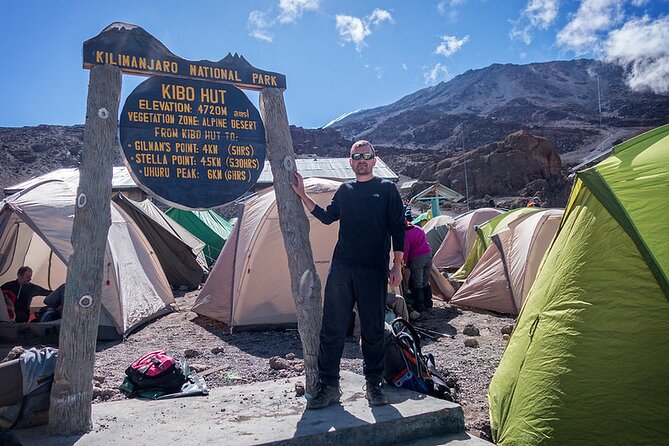
- Day 4: Into alpine desert to Kibo Hut (about 4,700 m)
- Summit night to Uhuru Peak: early hours, big payoff
- My advice for summit night, based on how this trek is staged
- Day 6: back down to Marangu Gate and your certificates
- Signature camping comfort that affects how you recover
- The value angle
- Guides and support: praise you can actually use
- What to look for when you meet your team
- Price and what you still need to budget for
- Is it good value?
- The smart budget move
- Who should choose this Marangu trek, and who should pause
- Should you book Spirit of Kilimanjaro’s 6-day Marangu route?
- FAQ
- Where does the trek start and what time does it begin?
- How long is the Marangu Route trek?
- What is included in the $1,980 price?
- What is not included?
- Is pickup available?
- What is the maximum group size?
- What is the cancellation policy?
Key things to know before you go
- Marangu route basics, clear altitude progression from about 2,700 m to 4,700 m and back down
- Acclimatization day built in with an optional hike to Zebra Rocks
- Sunrise summit bid for Uhuru Peak followed by a long descent plan
- Camping experience is part of the value with spacious tents and included equipment
- Expert guides get specific praise including Rama, Sanke, and William for support and organization
- Group size can run up to 100 travelers, so it is not a tiny private trek
From Moshi to Marangu Gate, the start that sets the tone
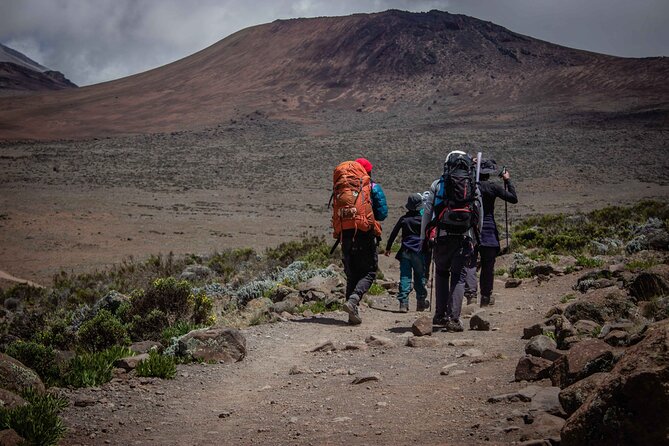
Most Kilimanjaro trips start with nerves, then quickly turn into routine. This one begins in Moshi, and you start at Marangu Gate with a planned 9:00 am start time. Pickup is offered, and the meeting area is near public transportation, which helps if you’re already in town and sorting logistics.
The first day matters because it’s where you switch from everyday life to mountain life. Park formalities and meeting your team happen right at the gate, then you’re straight into rainforest trekking. Your first overnight is at Mandara Hut at about 2,700 meters. The trek itself is roughly 8 kilometers and described as relatively easy, which is exactly what you want on day one.
More Kilimanjaro climbs:
- Kilimanjaro climb by Lemosho Route (7-day)
★ 5.0 · 651 reviews - Kilimanjaro climb, Machame Route (7-day)
★ 5.0 · 262 reviews - Kilimanjaro Climbing Lemosho Route 8 Days.
★ 5.0 · 186 reviews
Practical take
If you’re a planner, great. If you’re not, it still helps to show up early, hydrate, and keep your energy calm. Day one is not about going fast. It’s about getting your legs used to walking uphill and your lungs used to thinner air.
The Marangu route path, rainforest to alpine desert
The heart of this experience is the way the mountain changes as you go. Kilimanjaro’s six ecological zones roll past in a readable order, so you don’t just get a view, you get a story told by temperature, plant life, and air.
Here’s the progression you’ll feel:
- Lush rainforest early on, where the air feels heavier and greener
- Heathland as you keep climbing, with more open terrain
- A move into higher terrain toward the alpine desert zone
- Late-stage conditions that feel closer to the arctic zone, where things get stark and cold
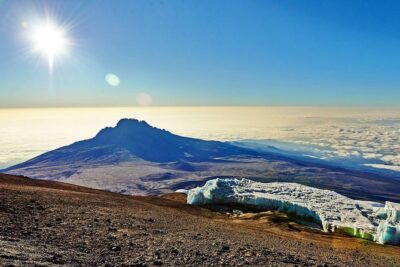
You’ll also get glimpses of major mountain features along the way, including Mawenzi Peak. On day two, the view is described as a highlight, and it’s the kind of landmark that makes the route feel real. Then later, when you reach Kibo Hut, you get a first strong look at the saddle between Mawenzi and Kibo. That saddle view is where the summit attempt starts feeling like something you can actually picture.
Why this matters for you
Kilimanjaro is mostly a mountain-body experience, not a checklist experience. Seeing the zones in sequence helps you understand what altitude does to the environment around you. It also helps you mentally, because each day has a clear “new chapter” instead of repeating the same kind of trekking.
A few more Moshi trips to compare
- Safari Serengeti And Ngorongoro
★ 5.0 · 288 reviews - Climbing Kilimanjaro – Machame Route
★ 5.0 · 170 reviews - Climbing Kilimanjaro through 7 days Machame Route
★ 5.0 · 151 reviews - Kilimanjaro climb, Lemosho Route (8-day)
★ 5.0 · 148 reviews
Day by day: what each camp day is really for
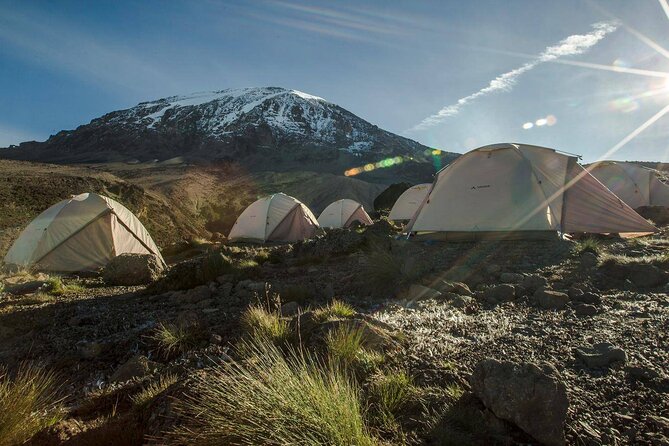
This schedule is built around acclimatization and staging. Each day has a job. Your job is to listen to your body and match the pace.
Day 1: Mandara Hut in the rainforest (about 2,700 m)
After the gate formalities, you hike through rainforest with vibrant flora and wildlife. The distance is about 8 kilometers and the day runs around 8 hours. By the time you reach Mandara Hut, you’re settling in at roughly 2,700 meters.
This is the “warm-up to the mountain” day. You’re not supposed to sprint. You’re establishing a rhythm and getting used to the feel of trekking at altitude without the big discomfort yet.
Day 2: Heathland and Mawenzi views to Horombo Hut (about 3,700 m)
Day two continues your ascent, with the rainforest giving way as you enter the heathland zone. You’ll see glimpses of Mawenzi Peak, and the hike is about 12 kilometers. You’ll end at Horombo Hut around 3,700 meters, with a trek time of roughly 8 hours.
This is often where people start to feel the altitude more clearly. The upside is that the terrain changes enough to keep your attention. If you tend to worry, focus on small things: steady steps, quiet breathing, and staying consistent with water intake.
Day 3: Acclimatization day at Horombo, optional Zebra Rocks
Day three is the “give your body time” day. Proper acclimatization is called out as essential, and you’ll spend the day at Horombo Hut at about 3,700 meters. You have a choice: a short hike to Zebra Rocks for views, or simply rest.
This day can make or break your summit odds, because the summit push is unforgiving. If you feel good, the short hike can be a nice reset. If you feel tired, rest is not laziness on Kilimanjaro. It’s strategy.
Day 4: Into alpine desert to Kibo Hut (about 4,700 m)
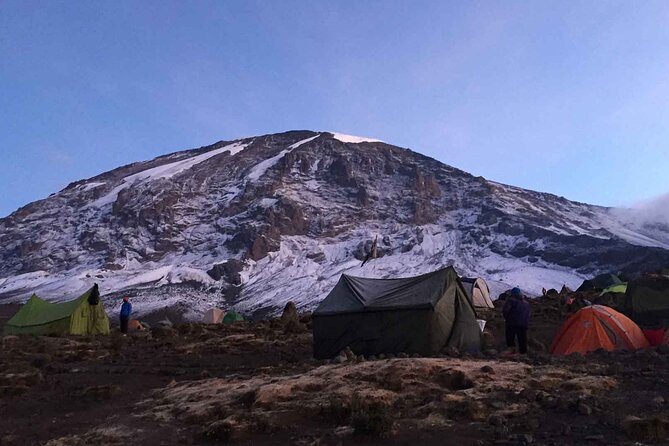
On day four, you rise to Kibo Hut at around 4,700 meters. The route is described as moving into the alpine desert zone, and you’ll catch that earlier mentioned view of the saddle between Mawenzi and Kibo.
This day is challenging because altitude is higher and your body has less margin for error. The plan emphasizes pacing and hydration. You’ll trek around 8 hours, and the terrain tends to feel more exposed. Expect a more “moon-like” feel as you gain height.
Summit night to Uhuru Peak: early hours, big payoff
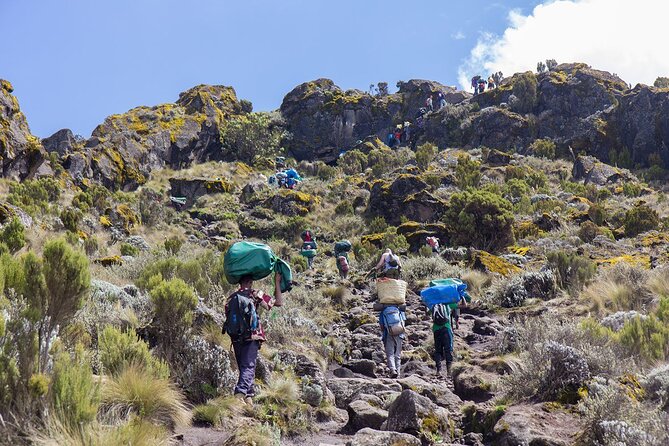
Day five is the most intense and exhilarating day. The summit push starts in the early hours so you can reach Uhuru Peak just before sunrise. Uhuru Peak is listed as the highest point in Africa at 19,340 feet.
Then you do the hardest part, emotionally speaking, right after the summit. You celebrate, sure, but you don’t get to relax. The plan is to descend from Uhuru Peak back to Kibo Hut, and then continue down to Horombo Hut for rest.
This is a long day, and the schedule clocks it at about 8 hours. Whether you feel strong or run out of steam, the important thing is that the route gives you a structured descent plan afterward. That matters because the descent is what closes the loop on the summit attempt, and it’s where people can get careless when they are tired.
My advice for summit night, based on how this trek is staged
Keep your goals simple. Go slow. Don’t try to “win” the climb against other people. If your breathing changes or your mood drops, your best move is to adjust your pace, not your expectations.
Also, accept that summit success is not about bravado. It’s about managing discomfort for hours and still moving safely.
Day 6: back down to Marangu Gate and your certificates
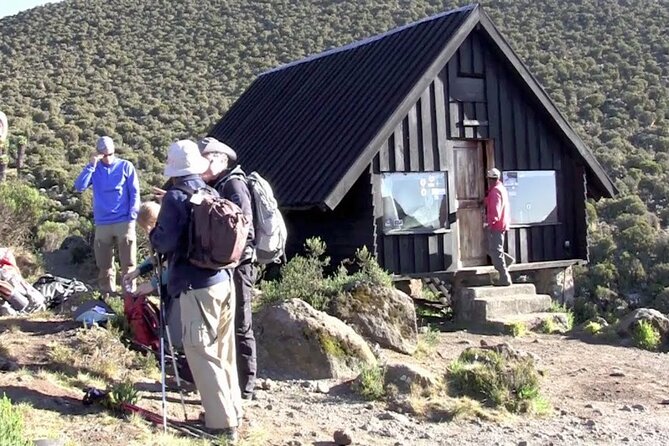
The final day takes you from Horombo Hut back to Marangu Gate. You’ll pass through the heath and rainforest zones on the way down, with chances to spot wildlife like colobus monkeys and birds.
After you reach the gate, you receive your summit certificates, and you say farewell to the guides and porters. That moment is a real emotional bookend. You’ve spent days adapting to altitude, and then you get proof that your effort matched the plan.
The trek time listed for day six is about 5 hours, which helps psychologically. It’s still downhill walking, but you’re not doing another altitude ascent. You’re closing out.
Signature camping comfort that affects how you recover
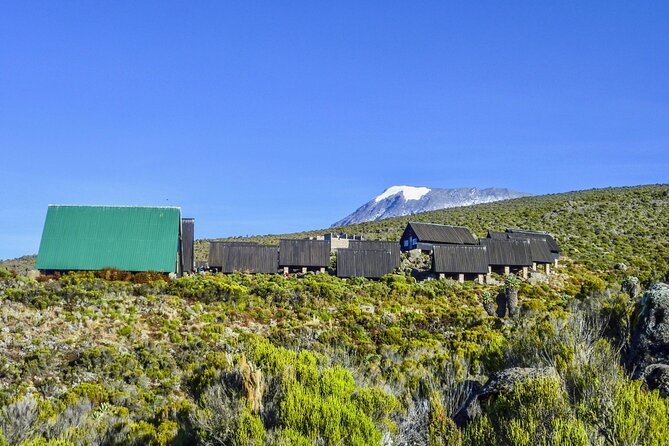
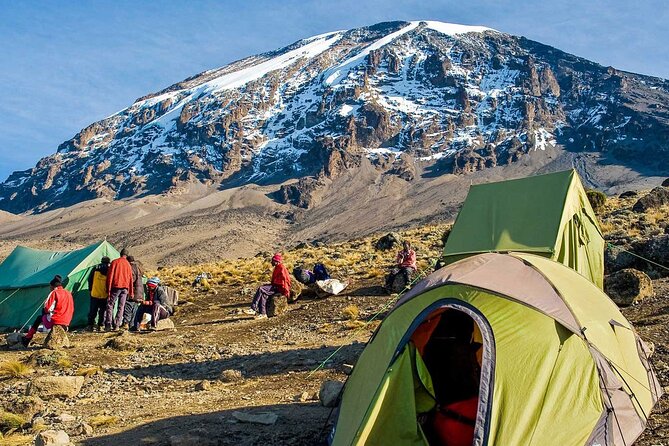
A lot of people think trekking comfort is about luxury. On Kilimanjaro, comfort is mostly about recovery. This trip includes signature camping with spacious tents and deluxe comfort, plus included meals.
You also get included camping equipment and all accommodation, which reduces the stress of figuring out gear at the last minute. Meals are listed as included too, so you’re not paying for food each day while you’re already managing a lot of exertion.
The value angle
At $1,980 per person, what you’re paying for is not only the climb. It’s also the infrastructure that keeps the trek running: park fees, equipment, meals, guides, and places to sleep. When those are included, you spend more mental energy on pacing and acclimatization, and less energy chasing missing items.
Guides and support: praise you can actually use
The strongest theme in the feedback is support that is hands-on and practical. In particular, guides from Spirit of Kilimanjaro show up in stories like these:
- Rama, a chief guide, is highlighted for support during an Uhuru Peak attack, especially for someone doing it as a first experience
- Sanke, a guide from Spirit of Kilimanjaro, is praised for checking health and mood during the trek
- William, mentioned as part of a team, is credited with helping a group feel confident about completing a 6-day plan, plus organizing everything so the climb and descent worked smoothly
I like that these names point to behavior, not just compliments. Health checks, mood awareness, and clear organization are exactly what you want in the late stages of a summit attempt, when small issues can turn into big problems.
What to look for when you meet your team
Even if the itinerary is well planned, your experience still depends on your guide’s day-to-day judgment. Ask basic questions early. Pay attention to whether they explain pacing, altitude, and what to do if you feel off.
Price and what you still need to budget for
Let’s talk money in a real way. The price is $1,980 per person. Included items are extensive: park fees, safety equipment, meals, all fees and taxes, camping equipment, a professional guide, and all accommodation.
Not included: visa, travel insurance, personal gear, and tipping.
Is it good value?
It can be, especially because Kilimanjaro costs pile up quickly when guides, park fees, and equipment are treated as separate line items. Here, the included list is long enough that you’re budgeting once, not constantly. The parts you still manage on your side are the standard ones: paperwork, insurance, your own gear, and tipping.
The smart budget move
Before you commit, make sure you have room in your budget for visa costs, a travel insurance policy, and tipping. Also plan for personal gear since it is not included.
Who should choose this Marangu trek, and who should pause
The experience is described as suitable for most travelers, and it includes expert African guides plus structured acclimatization. You’ll also cross different ecological zones, so it appeals to people who like travel with a storyline, not just a single goal.
This trek is a good fit if you:
- want a classic route with a clear plan and staged acclimatization
- like the idea of camping comfort and included meals
- are motivated by sunrise summit timing and the sense of finishing strong with descent support
It may not be the best fit if you:
- dislike long physical days or have a hard time with altitude discomfort
- want everything provided end-to-end, since personal gear, insurance, and tipping are not included
If altitude is a concern for you, talk to a medical professional before you go. Your goal is to arrive informed, not surprised.
Should you book Spirit of Kilimanjaro’s 6-day Marangu route?
I’d lean yes if you want a well-structured Kilimanjaro attempt with strong organization and a camping setup that supports recovery. The best part is the pacing logic: rainforest start, heathland climb, a dedicated acclimatization day, then a higher move to Kibo Hut before the summit night.
The biggest reason to hesitate is the obvious one, summit day is still tough. The trek sets you up to do it safely and effectively, but it can’t remove altitude physics.
If your priority is comfort, support, and a plan that treats acclimatization as non-negotiable, this is a solid choice. If your priority is a lightweight, minimalist hike, you may want a different style of route and setup.
FAQ
Where does the trek start and what time does it begin?
The trek starts at Kilimanjaro National Park, at Marangu Gate. The start time is listed as 9:00 am.
How long is the Marangu Route trek?
It’s a 6-day trek (approximately).
What is included in the $1,980 price?
The price includes park fees, safety equipment, meals, all fees and taxes, camping equipment, a professional guide, and all accommodation.
What is not included?
Not included are visa, travel insurance, personal gear, and tipping.
Is pickup available?
Yes, pickup is offered. The meeting area is also described as being near public transportation.
What is the maximum group size?
The group has a maximum of 100 travelers.
What is the cancellation policy?
You can cancel for free up to 24 hours in advance of the experience start time for a full refund. If you cancel less than 24 hours before, you do not get a refund.
Just posted around Moshi
- machame route★ 5.0 · 16 reviews
- Kilimanjaro Climbing Umbwe Route★ 5.0 · 3 reviews
- Wildlife Extravaganza: Manyara, Tarangire & Ngorongoro in 3 Days★ 5.0 · 3 reviews
- Mt Kilimanjaro 6 days Marangu route hike★ 5.0 · 3 reviews
- 3 Days Private E-Bike Tour in West Kilimanjaro★ 5.0 · 3 reviews
- West Kilimanjaro cycling Adventures★ 4.5 · 8 reviews
- Kilimanjaro Climb • Marangu Route ~ 9 Day★ 5.0 · 4 reviews
- Private Cycle to Kilimanjaro Bike Park Safari★ 5.0 · 6 reviews
Kilimanjaro Climbs, compared.
8-Day Small-group Lemosho Kilimanjaro Summit Trekking
Read our review →
5 Days Best of Tanzania Luxury Safari Northern Circuit
Read our review →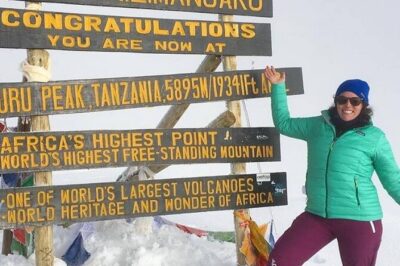
Climbing Kilimanjaro through 7 days Machame Route
Read our review →