
Reviewed · KILIMANJARO CLIMBS
6 Days: Hiking Kilimanjaro via Machame Route
Six days to Africa’s roof. This Kilimanjaro hike via the Machame Route is famous for its changing ecosystems, big summit-night effort, and the kind of views that make the struggle feel worth it. You start in rainforest with colobus monkeys, then move up through heather ridges, Shira Plateau terrain, and into alpine desert before you tackle the final push toward Uhuru Peak.
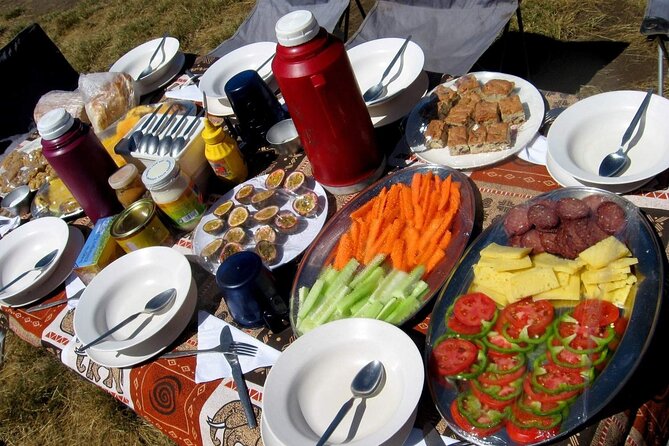
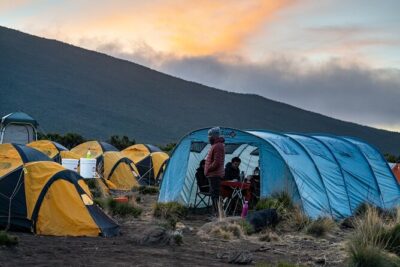
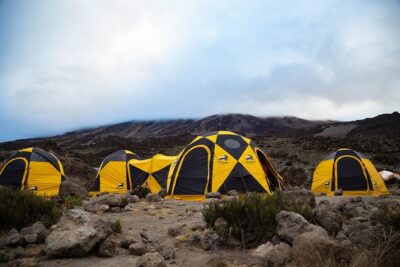
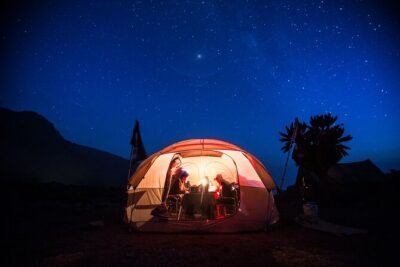
Two things I really like about this trip are the human support and the practical comfort. The guide team, led by Gasto in many groups, is repeatedly praised for encouragement on summit night and keeping people calm when the air gets thin and the hours get dark. I also like that you’re sleeping in quality waterproof private tents with proper mess tents (tables and chairs) and clean purified drinking water, so you’re not living in pure chaos between hikes.
One possible drawback to plan for: this is a steep, higher-altitude route done in about 6 days, so you should go in with solid fitness and realistic expectations. The itinerary includes a midnight start for the summit attempt, and the climb involves rocky scree and big altitude swings, meaning you’ll feel it in your legs and lungs.
In This Review
- Key things to know before you climb Machame
- Why the Machame Route feels like Kilimanjaro’s real deal
- Day 1: Into Kilimanjaro National Park, Shira Cathedral, and Machame Camp (3,010 m)
- Day 2: Rainforest leaves, Shira Hut (3,845 m), and the ridge walk at 3,658 m
- Day 3: Lava Tower approach, Barranco Valley, and Barranco Camp (the favorite stop for many)
- Day 4: Barranco Wall, Karanga Valley lunch, then Barafu Camp (4,640 m)
- Day 5: Midnight summit push to Uhuru Peak, Stella Point, then down to Mweka Camp (3,080 m)
- Day 6: Rainforest descent to Mweka Gate, then back to your hotel
- What you get for the $1,950 price, and where value really shows
- Guide support and the “crew energy” that matters on summit day
- How fit should you be, and what gear do you still need
- Who should book this 6-day Machame climb
- Should you book this Kilimanjaro Machame Route tour?
- FAQ
- How long is the Kilimanjaro climb on the Machame Route?
- Where does the trek start from in Tanzania?
- What time does the trek start each day?
- Is this tour private?
- What is included in the price?
- Are park entrance fees included?
- What is not included?
- How many meals are provided?
- What kind of camps and sleeping setup do you get?
- What is the cancellation policy?
Key things to know before you climb Machame
- Classic Machame route feel: rainforest to alpine desert to summit ridge, with lots of scene changes
- A summit-night focus: an early start, headlight climb, and structured support on the way up
- Comfort between days: private, waterproof tents, plus mess tents with table and chairs
- Good camp placement: stops like Machame Camp (3,010 m), Shira Hut (3,845 m), Barranco Camp, Barafu Camp (4,640 m), and Mweka Camp (3,080 m)
- Park fees handled: all park and rescue fees included, so you are not paying at the gate
- Strong guide energy: Gasto and team are repeatedly described as energetic, supportive, and safety-minded
Why the Machame Route feels like Kilimanjaro’s real deal
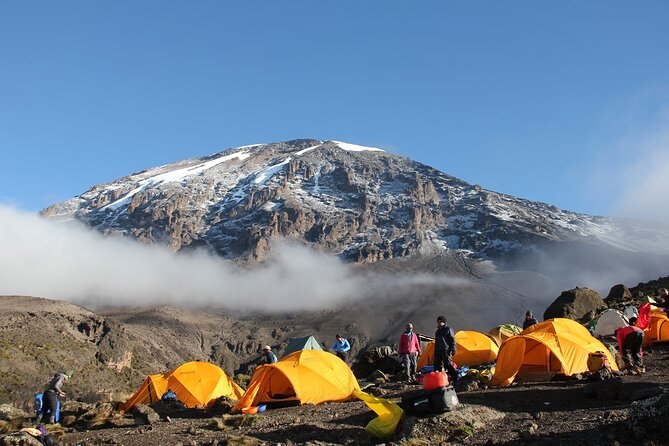
The Machame Route is popular for a reason. It moves you through distinct climate zones in a way that feels like you’re “climbing through the map of Africa” rather than just walking uphill. Early on, you’re surrounded by rainforest where you might spot black-and-white colobus monkeys watching from the trees. As you gain altitude, vegetation thins out, and the terrain shifts into heather, rocky sections, and then alpine desert.
That variety matters because it keeps your brain awake while your body works. On Kilimanjaro, that is not a small thing. You’ll be pushing through steep passages, but you also get changing scenery and frequent points where you can look toward other peaks like Meru and the Kibo area (timing and visibility vary, but the route is known for those glimpses).
This trek is also a mental test, not just a physical one. The itinerary includes a high, long summit push that starts in the dark. If you want a straightforward walk with no “moment of drama,” Machame may not match your idea of fun. If you want a route that feels earned, with big payoffs, this is that route.
More Hiking Trips in Arusha
- 8-Day Small-group Lemosho Kilimanjaro Summit Trekking
★ 5.0 · 186 reviews - Mountain Kilimanjaro Day Hike
★ 5.0 · 102 reviews - Private Full Day Hiking Experience to Marangu Route
★ 5.0 · 61 reviews
Day 1: Into Kilimanjaro National Park, Shira Cathedral, and Machame Camp (3,010 m)
Your day starts with pickup in the Arusha area and a drive to the Kilimanjaro National Park entrance, about an hour. Then you’re moving. The first part of the trek aims toward Shira Cathedral, and it’s designed to get you into the rhythm of altitude and effort.
Expect roughly 5 to 6 hours of hiking on day one. Along the way, it’s common to see wildlife like colobus monkeys, especially when you’re walking through forest edges. The final stretch puts you at Machame Camp, around 3,010 meters above the tree line. That elevation is early enough to feel the altitude, but not so extreme that you start suffering immediately.
What I like here is the balance. You get a real start in rainforest conditions, then you end the day at a campsite that sets you up for the next ascent. If you pace well on day one, you’ll likely feel more human when you wake up.
Practical note: day one is often where people “overcharge” their pace because the rainforest feels easy. Don’t. Save energy. Kilimanjaro is not a race. It’s a long conversation with your breathing.
Day 2: Rainforest leaves, Shira Hut (3,845 m), and the ridge walk at 3,658 m
After breakfast, the route begins the transition away from glades of rainforest. This is when hiking starts to feel sharper. You’ll ascend along a path that includes crossing a little valley and moving along a steep rocky ridge covered with heather.
Then you turn into a river gorge area around 3,658 meters. From there, the day continues for about 5 to 7 hours total, ending at Shira Hut Campsite at 3,845 m.
This is a key acclimatization day in the Machame logic. You’re gaining altitude, but you’re also learning how your body handles it. The ridge-and-gorge combination tends to make you focus, because your footing is constantly in play. And with heather and rocky sections, you’ll feel every incorrect step.
One thing to be ready for: this is where some hikers first feel that “slower than expected” breath. It doesn’t mean you’re failing. It means you need to slow down and let the altitude catch up to your effort level.
Day 3: Lava Tower approach, Barranco Valley, and Barranco Camp (the favorite stop for many)
Day three is the start of the classic Machame climb above the Shira Plateau, heading toward Lava Tower at about 4,640 m. The vegetation becomes more sporadic, and the environment shifts toward alpine desert. This part of the trip has a different vibe. Fewer trees, more sky, more exposure.
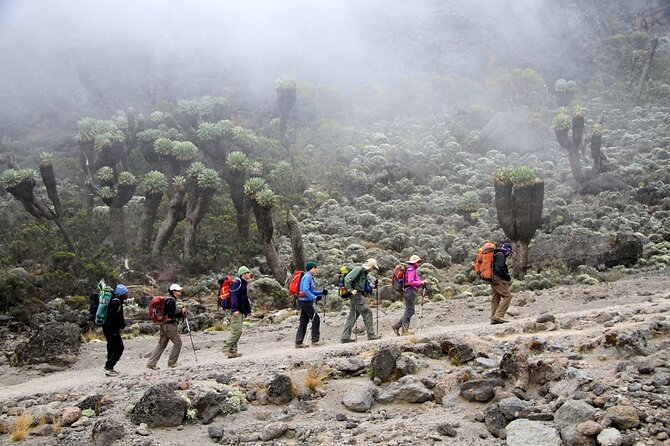
After that, you walk through the sweeping Barranco Valley with plants like lobelia and giant senecio. It’s the kind of section where your eyes keep moving because there’s a lot to take in. In about 6 to 7 hours, you reach Barranco Camp, described by many climbers as one of the most beautiful camps on the mountain.
This day is also psychologically important. You get to the point where the mountain starts to feel like it belongs to you, not the other way around. The scenery makes you forget the last few hours of hiking for a moment, which is handy.
Drawback to keep in mind: as the air thins and the environment gets more open, you can also feel cold faster, even when the sun is out. Bring a layering system that works for wind and quick temperature changes.
More Kilimanjaro climbs:
- 5 Days Best of Tanzania Luxury Safari Northern Circuit
★ 5.0 · 174 reviews - 7-Day Machame Kilimanjaro Summit Tour from Arusha
★ 5.0 · 125 reviews - 4 days Best experience Kilimanjaro Hike, Serengeti &Ngorongoro
★ 5.0 · 54 reviews - From Arusha/Moshi: Kilimanjaro Hike Marangu Route Day Trip
★ 4.5 · 54 reviews
Day 4: Barranco Wall, Karanga Valley lunch, then Barafu Camp (4,640 m)
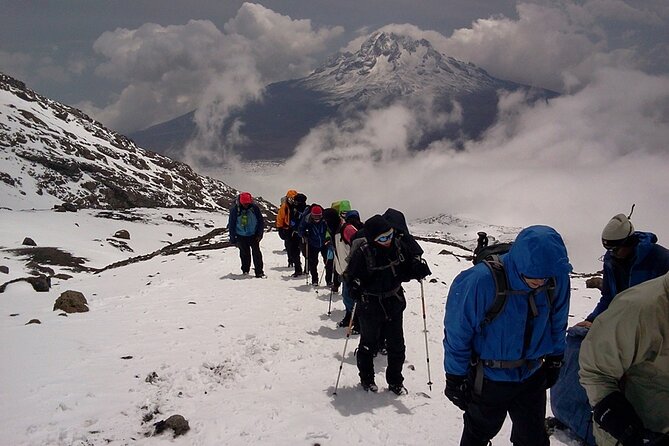
Day four is where legs start sending messages. You climb the “Barranco Wall,” and the route calls for steady handholds. The good news is that guides assist wherever necessary, so this is not just brute strength. You’re learning a technique-based climb as much as you’re doing a fitness workout.
After the wall, you descend through Karanga Valley for lunch. Then you climb again, for another 2 to 3 hours, to reach Barafu Camp at around 4,640 m. Total hiking time is listed around 6 hours.
Barafu is a turning point. You’re going high enough now that your body will likely feel the day more than the scenery does. The schedule also sets you up for an early night, because you need rest for summit day. At camp, you’ll have your meal and you’ll go to bed earlier than usual.
What I like about this setup is that it respects how summit-day fatigue works. You’re not asked to sprint through everything. You’re asked to work steadily, then recover hard.
Possible consideration: Barafu Camp is high, and the air is thin. If you tend to feel nauseous or restless in cold conditions, treat this like a serious planning day. Keep moving less between activities, drink water in small amounts, and get sleep.
Day 5: Midnight summit push to Uhuru Peak, Stella Point, then down to Mweka Camp (3,080 m)
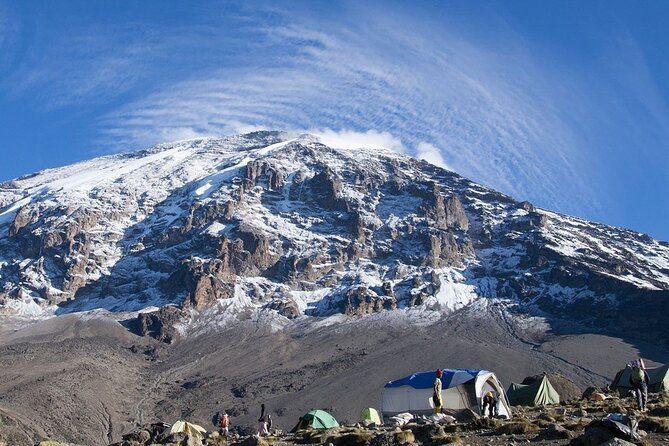
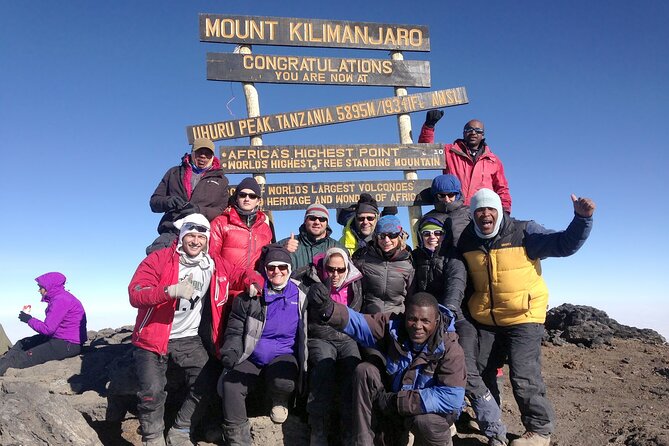
This is the day people remember. You start around midnight with hot tea and light snacks, then begin your climb in darkness using a headlight. The route climbs screes of Kibo and reaches Stella Point in about 5 to 7 hours. From there, you walk along the crater ridge to reach Uhuru Peak at 5,895 m.
At the summit, you’re promised a 360-degree view, which is exactly what you want after that long climb. Then you descend the same route back down toward Barafu, eat a warm meal, and continue to Mweka Camp at 3,080 m, with the journey taking about 5 hours after Barafu.
In the reviews you provided, the guide support on summit night is one of the most praised parts. Climbers consistently describe summit night as bitter cold, and credit the team for encouragement that helps you keep going when motivation drops. That matters because the summit push is not just physical. It’s also emotional endurance in cold darkness.
One more practical detail: your headlight is your lifeline up there. Keep fresh batteries, and avoid wasting battery power with constant checking.
Day 6: Rainforest descent to Mweka Gate, then back to your hotel
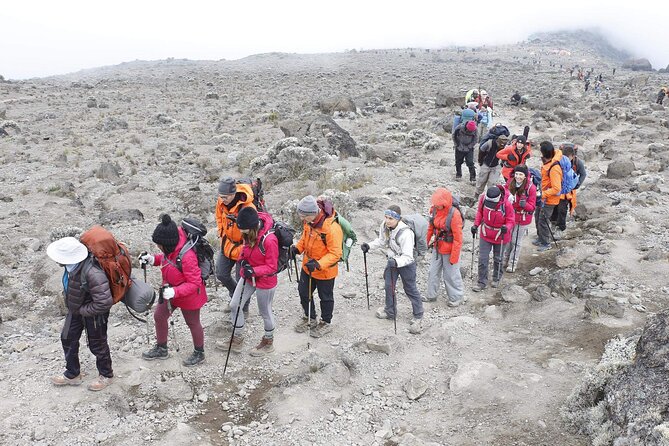
Day six is about letting your body recover while still finishing safely. You gently descend through rainforest to Mweka Gate. After the group gathers for congratulations and a chance to sign the guest book and receive a certificate, the driver returns you to your hotel.
The total hike time is listed around 6 hours. Even though it’s a descent day, your knees still work. Stone steps and uneven ground can be tough after five days of altitude changes.
I like that the day ends with closure, not just a transfer. You get a moment to recognize what you did, then you’re done. That keeps the experience from turning into a checklist.
What you get for the $1,950 price, and where value really shows
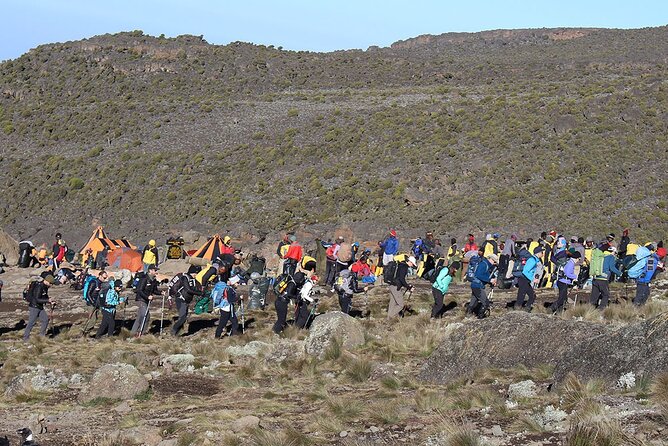
At $1,950 per person for a 6-day Kilimanjaro hike, the value depends on what’s included versus what’s not. In this package, you get the things that usually make or break a trek:
Included:
- Professional, experienced guides
- All park fees and rescue fees
- All meals while on the mountain (breakfast 6, lunch 6, dinner 5)
- Quality, waterproof private mountain sleeping tents
- Mess tents with table and chairs
- Clean, purified drinking water
- Airport transfers
- A mobile ticket
- Pickup offered and the group is private (only your group)
Not included:
- Tanzania visa
- Tips
- Person climbing gear
Here’s how I think about the money. Kilimanjaro costs a lot for a reason. Park fees, guide teams, porters or support systems, and the logistics of high-altitude camps add up fast. This price covers major land costs (park and rescue fees) and gives you real camp comfort (waterproof tents plus mess tents). That can save you money compared to piecing together your own comforts, but it’s also about reducing frustration on the mountain.
The biggest “hidden value” is the guide quality and the way the day plan supports summit success. Summit day is structured, with tea and light snacks at midnight and support through the climb. You’re paying for people who know how to run this mountain day to day.
Guide support and the “crew energy” that matters on summit day
This trip is strongly associated with guide leadership by Gasto and a broader support crew. The praised pattern in your provided feedback is consistent: lively encouragement, knowledge shared in ways people can understand, and strong morale when conditions turn cold and slow.
You also get evidence of a team vibe. Multiple comments highlight comradery and a sense of family. That doesn’t mean it’s all hugs. It means the guides and helpers actively work to keep everyone functioning together, even when the mountain is doing its best to slow you down.
If you’re someone who needs motivation, this kind of crew energy is not a small bonus. It can be the difference between giving up at the wrong moment and finishing with pride.
How fit should you be, and what gear do you still need
The trip states travelers should have moderate physical fitness. That sounds reassuring, but Kilimanjaro is still serious. Your itinerary includes multiple long days and steep sections, including the Barranco Wall and scree climbing on Kibo.
So here’s what you should do before you go:
- Train for steady hiking, not just gym strength
- Practice using trekking poles if you use them, especially for rocky descents
- Plan for cold night conditions on summit day, because the itinerary includes a climb starting in the dark and many reports call it bitter cold
Gear-wise, person climbing gear is not included, so you’ll need to bring what you need for a high-altitude hike. The package includes shelter and meal support, but not the physical gear you carry.
If you have dietary requirements, you should share them early. One of the provided feedback snippets mentions dietary requirements, which is a useful hint that the team can work with certain needs, as long as you communicate ahead of time.
Who should book this 6-day Machame climb
This tour fits best if you:
- Want the classic Machame route feel with big ecosystem changes
- Are excited by a structured summit attempt that starts in the midnight window
- Value guide leadership and encouragement, especially during cold, hard hours
- Prefer camp comfort like private waterproof tents and proper mess tents
It might not be ideal if you:
- Want minimal steep climbing
- Are hoping for a short and easy trek
- Struggle with altitude and long days without a lot of recovery time
Should you book this Kilimanjaro Machame Route tour?
I’d tell you to book if your goal is a real Kilimanjaro challenge with the right level of support. The route gives you the famous story arc, from rainforest and wildlife sightings up through high camps and the midnight summit push to Uhuru Peak. The package also covers the big operational costs like park and rescue fees, and it gives you camp comfort that helps you stay focused instead of worrying about basics.
I’d hesitate if you know you struggle with steep, rocky climbs or if you’re not ready for a high-altitude schedule in about 6 days. In that case, consider whether you need more time for acclimatization, or whether a different itinerary might match your body better.
FAQ
How long is the Kilimanjaro climb on the Machame Route?
It’s listed as 6 days (approx.), with hiking each day and an early start on summit day.
Where does the trek start from in Tanzania?
The tour is based in the Arusha area and includes pickup, then a drive to the Kilimanjaro National Park entrance gate (about an hour).
What time does the trek start each day?
The meeting point start time is listed as 7:30 am.
Is this tour private?
Yes. It’s a private tour/activity, only your group participates.
What is included in the price?
Park fees and rescue fees are included, plus professional mountain guides, all meals while on the mountain, private waterproof tents, mess tents with table and chairs, clean purified drinking water, and airport transfers.
Are park entrance fees included?
Yes. All park fees are included, and the itinerary indicates admission ticket free each day.
What is not included?
The Tanzania visa, tips, and person climbing gear are not included.
How many meals are provided?
Breakfast is listed for 6 days, lunch for 6, and dinner for 5 while you are on the mountain.
What kind of camps and sleeping setup do you get?
The tour includes quality waterproof private mountain sleeping tents. You also get mess tents with table and chairs.
What is the cancellation policy?
Free cancellation is offered. You can cancel up to 24 hours in advance for a full refund. If you cancel less than 24 hours before the experience start time, the amount paid will not be refunded.
More Hiking & Trekking in Arusha
- 4 Days Mount Meru Trekking
★ 5.0 · 55 reviews - 6 Days Serengeti Safari(hiking waterfalls &coffee tour)
★ 5.0 · 48 reviews - Arusha: Napuru Waterfalls Guided Hike
★ 4.8 · 39 reviews - Mount Kilimanjaro Day Hike Through Marangu Route to Mandara Hut
★ 5.0 · 37 reviews
Just posted around Arusha
- 8 Days Serengeti Migration safari★ 5.0 · 11 reviews
- tarangire & ngorongoro 2 days tour★ 5.0 · 14 reviews
- serengeti, ngorongoro & tarangire 4 days private tour★ 5.0 · 18 reviews
- tarangire, ngorongoro & lake manyara park 3 days private tour★ 5.0 · 11 reviews
- climb the KILIMANJARO via Lemosho route★ 5.0 · 4 reviews
- Mt. Kilimanjaro: Shira plateau to Cathedral point 3872m Day hike★ 5.0 · 7 reviews
- serengeti & ngorongoro 3 days private tour★ 5.0 · 15 reviews
- Kilimanjaro Waterfalls Hike & Moshi Hot Springs Day Trip Tour★ 5.0 · 4 reviews
Kilimanjaro Climbs, compared.
8-Day Small-group Lemosho Kilimanjaro Summit Trekking
Read our review →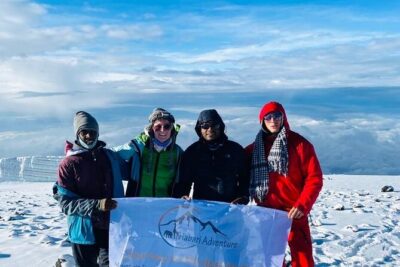
5 Days Best of Tanzania Luxury Safari Northern Circuit
Read our review →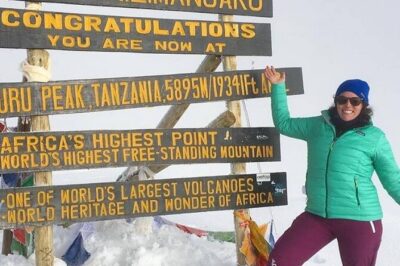
Climbing Kilimanjaro through 7 days Machame Route
Read our review →
Browse the lists this tour appears in