Reviewed · KILIMANJARO CLIMBS
6 Days Climb Private Tour in Mount Kilimanjaro
Six days up Kilimanjaro is a real test. This private climb from Moshi pairs the classic Machame route scenery with a safety-first setup: first-aid and mountain-rescue trained guides, regular health checks, and rescue oxygen on every climb. I love the day-by-day rhythm that builds acclimatization (and gets you sunrise on summit day), and I also like the comfort details like warm, waterproof camping tents and thick foam sleeping pads. The one consideration is that summit day is long, often 12-15 hours, so you need solid stamina and a calm attitude.
Your base in Moshi matters too. You get pickup, plus two nights in a hotel before and after the trek, which helps you avoid the usual chaos of arriving, scrambling, then starting the hike half-tired. If you’re coming for authenticity, this is also a very local experience, from Chagga coffee and banana plantations on the drive to the team of porters, cooks, and guides who run the mountain side of your trip.
Quick highlights
- Rescue oxygen included every day: helps the team act quickly if altitude symptoms show up
- First-aid and mountain-rescue trained guides: plus regular health checks during the trek
- Mountain Hardware-style camping comfort: warm, waterproof, roomy tents, thick foam pads, sleeping bags
- Treated water through the trek: less stress for you, and fewer headaches about refills
- Sunrise summit plan: Stella Point at 5756m first light, then Uhuru Peak at 5895m
- Private tour setup: only your group, with guides focused on your pace
In This Review
- Entering Kilimanjaro From Moshi: what the pickup gets right
- The Day 1 Forest Hike to Machame Camp: rainforest walking and blue monkeys
- Day 2 to Shira Plateau: moorland gradients and big glacier views
- Day 3 to Lava Tower and Baranco Camp: acclimatization that pays off
- Day 4 Barranco Wall to Barafu Camp: long effort, last water prep
- Day 5 Stella Point to Uhuru Peak at sunrise: the big day plan
- Day 6 Millennium Camp to Mweka Gate: certificates and the return to Moshi comfort
- Safety, oxygen, and medical readiness that matter on Kilimanjaro
- Camping gear comfort, food, and why it affects your summit chances
- Price and value: what $1,980 covers and how to judge it
- Who this Kilimanjaro climb fits best (and who should think twice)
- The human side: guides and crew you can hear in the details
- Should you book this 6-day private Kilimanjaro climb with Nafika Tours?
Entering Kilimanjaro From Moshi: what the pickup gets right
You start in Moshi, and you’ll be picked up at your hotel around 8:00 am on Day 1. The drive to Machame Gate is not just logistics, it’s a gentle warm-up: you’ll pass Chagga-grown coffee and banana plantations as you move through the cultivation zone. It’s a nice reminder that you’re climbing a working mountain, lived on for generations, not just a big rock that appears on a postcard.
This private format is also practical. You’re not dodging schedules made for a mixed crowd, and your guide team can brief you cleanly and keep everyone together. If you do any prep walking before the climb, you’ll feel less awkward about the “start line” when it’s time to hike.
The Day 1 Forest Hike to Machame Camp: rainforest walking and blue monkeys
Day 1 is about easing in. After the pre-hike formalities at Machame Gate, you hike about 7 hours and cover around 11 km through montane forest, reaching Machame Camp at 2835 m. This is the kind of day where you can get your breathing under control and learn your rhythm, because the terrain is demanding but not yet the brutal altitude math.
You’ll likely notice how quickly the forest changes the temperature and air feel, even if you’re not thinking in meters yet. Keep an eye out for the blue monkey mentioned for this zone, especially when the canopy opens and you can scan higher up.
The meal plan is full service: breakfast, lunch, and dinner are included. That matters more on Day 1 than you might think, because the better you eat and the less you worry about planning, the easier it is to settle into the overnight routine.
More Kilimanjaro climbs:
- Kilimanjaro climb by Lemosho Route (7-day)
★ 5.0 · 651 reviews - Kilimanjaro climb, Machame Route (7-day)
★ 5.0 · 262 reviews - Kilimanjaro Climbing Lemosho Route 8 Days.
★ 5.0 · 186 reviews
Day 2 to Shira Plateau: moorland gradients and big glacier views
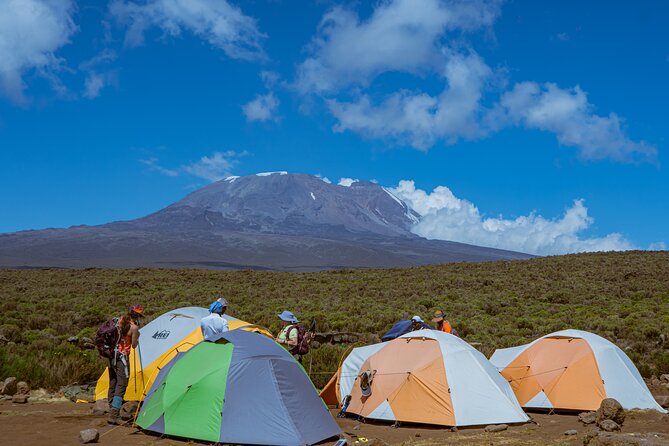
On Day 2 you wake early and start around 8:00 am, covering about 6 km in roughly 5 hours. You’ll move from the forest edge into the moorland zone, then climb a rocky ridge toward the Shira plateau, overnighting at Shira Campsite around 3750 m.
This is where the air starts to feel different. The hike description focuses on a climb into forest, then a gentler gradient through moorland, which is exactly what you want early on: you’re gaining altitude without turning the day into a constant sprint.
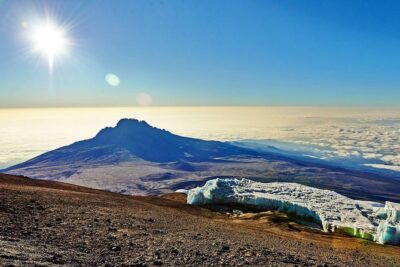
The payoff is visual. You get views of the western breach with its glacier, and those first big “wow” glimpses help you mentally connect the meters on your GPS to something real. After a short lunch and breaks, you keep going steadily, then settle in for the night at Shira.
Day 3 to Lava Tower and Baranco Camp: acclimatization that pays off
Day 3 is built for acclimatization. You hike up to a higher altitude, then descend back down to sleep, a strategy that helps your body adapt instead of simply absorbing altitude shock. You’ll walk about 10 km over around 6 hours, moving into alpine desert and reaching Lava Tower at 4600 m, then dropping to Baranco Camp at about 3900 m.
The highlight is not just Lava Tower itself, it’s the contrast: you’ll go from stark alpine desert conditions, then descend through terrain that opens up views. The descent is said to take about 3 hours and offers great photo opportunities for the Western Breach and the Baranco wall. If you like sunsets, the campsite is in a valley below the Barranco wall, which can set you up for a memorable evening before dinner.
This day also reinforces a key rule for Kilimanjaro: the goal is not to “win” the hike. The goal is to get your body used to altitude while still keeping energy for later, especially the long Day 5 push.
Day 4 Barranco Wall to Barafu Camp: long effort, last water prep
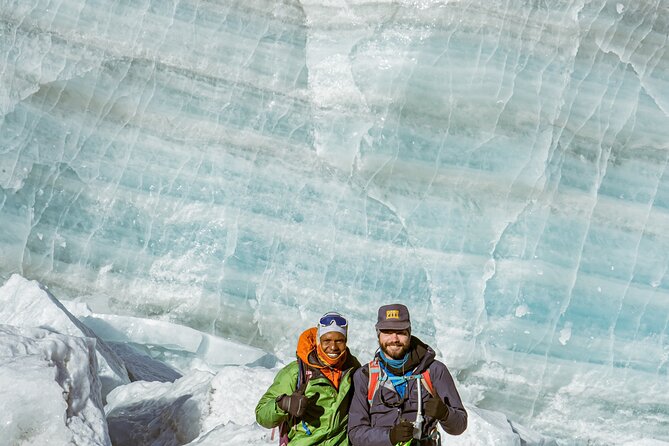
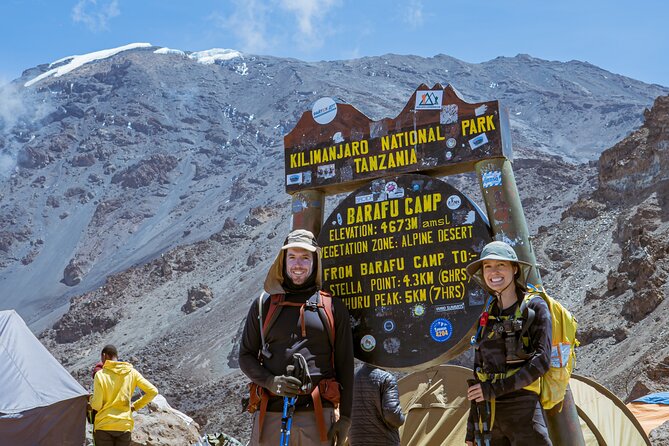
Day 4 is a full hiking day, about 8 hours and roughly 8 km, from Barranco Camp at 3900 m to Barafu Camp at 4640 m. You’ll tackle the Barranco wall, famous for its giant groundsels. The climb is not technical, but it is long and tiring, so think of it as endurance work rather than rock-climbing.
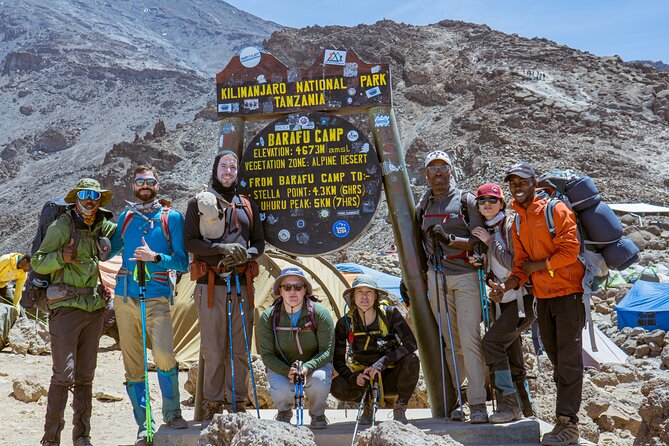
After you reach Karanga Camp, you stop for lunch. Then comes a crucial detail: the staff collects water for the next day, described as the last stop for water before the summit attempt. That’s a real moment to understand your priorities. By the time you’re preparing for the summit schedule, you’re working with what’s been carried and staged, and you want to follow your guide’s instructions about drinking, layering, and pacing.
Once you leave Karanga, you continue through alpine desert toward Barafu Base Camp. This section tends to feel tougher in the legs because the terrain is more exposed. It’s also usually a good time to mentally shift into “summit mode,” meaning you stop experimenting with your clothing and walking speed and start doing what works.
A few more Moshi trips to compare
- Safari Serengeti And Ngorongoro
★ 5.0 · 288 reviews - Climbing Kilimanjaro – Machame Route
★ 5.0 · 170 reviews - Climbing Kilimanjaro through 7 days Machame Route
★ 5.0 · 151 reviews - Kilimanjaro climb, Lemosho Route (8-day)
★ 5.0 · 148 reviews
Day 5 Stella Point to Uhuru Peak at sunrise: the big day plan
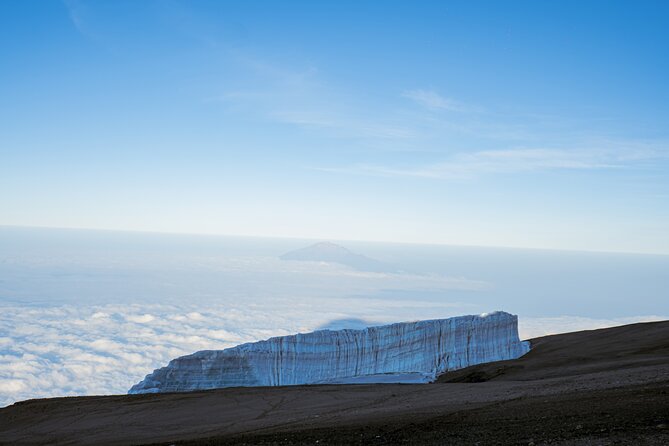
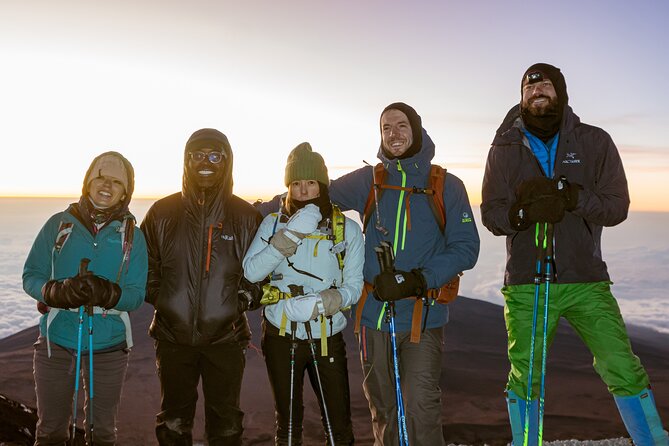
Day 5 is the reason many people choose this route and this schedule. You’ll be awoken at midnight with light tea and breakfast, then begin a 4 to 5 hour climb gaining a lot of height over a short distance. The description is clear about the payoff: you should be on the crater rim at Stella Point (5756 m) as the first rays hit the mountain.
From Stella Point, it’s about 1 hour to Uhuru Peak at 5895 m. Reaching Uhuru is the moment most climbers plan for, but the most important part is how you get there. You’ll want slow, consistent steps, steady breathing, and minimal stops unless your guide asks you to adjust pace for safety.
After you stand on Uhuru Peak, there’s time for celebrating and photos with the group. Then you start the descent. Even though the itinerary segment doesn’t list the exact line-by-line route back down, you do end Day 5 with a night at Millennium Camp at 3950 m, since Day 6 begins there.
Practical tip: sunrise summit attempts can feel cold even if your earlier days felt mild. Don’t wait until you’re shivering to fix your layering. Your team will likely guide that, but it’s smart to be ready from the start.
Day 6 Millennium Camp to Mweka Gate: certificates and the return to Moshi comfort
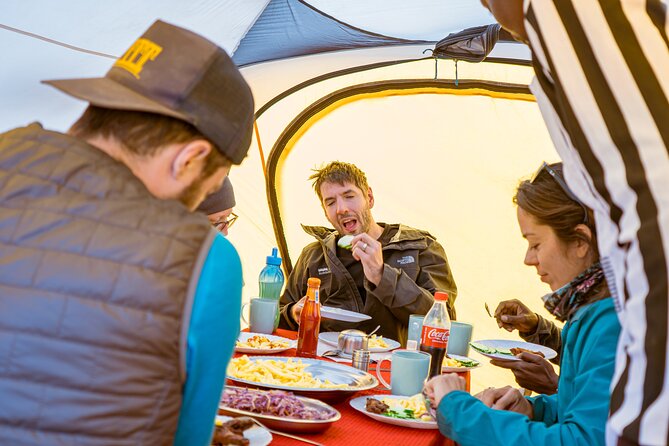
Day 6 is a big relief day, but it’s still time on your feet. After breakfast, you descend from Millennium Camp (3950 m) to Mweka Gate (1630 m) in about 5 hours, covering around 14 km. The description notes moorland and tropical rain forest along the way, so the terrain and vegetation can change as you drop in altitude.
When you reach Mweka Gate, you collect your certificate. The day also includes the emotional reset: you say goodbye to your mountain guides, then take a private car back to your hotel in Moshi so you can finally enjoy the warm shower you’ve been thinking about since day one.
Safety, oxygen, and medical readiness that matter on Kilimanjaro
This operator puts safety front and center, and the practical details are not vague. Guides are described as receiving extensive training in first aid and mountain rescue, and they conduct regular health checks on climbers during the trek. That’s important because altitude illness can show up in ways that look like “just tired” at first.
Even more concrete: rescue oxygen is included on every climb, plus evacuation plans are stated in the package. I like that this isn’t treated as an optional add-on. When altitude gets serious, speed matters, and having oxygen ready reduces delays.
The trek also includes a first aid kit, rescue fees, and treated water through the route. Treated water is not glamorous, but it’s one of the biggest comfort factors on long treks. If you’re worried about stomach issues from untreated water, you can keep your focus where it belongs: hydration, breathing, and pacing.
Camping gear comfort, food, and why it affects your summit chances
Comfort on Kilimanjaro is not about being fancy. It’s about getting sleep so your body can recover and your mind can keep moving through the next day.
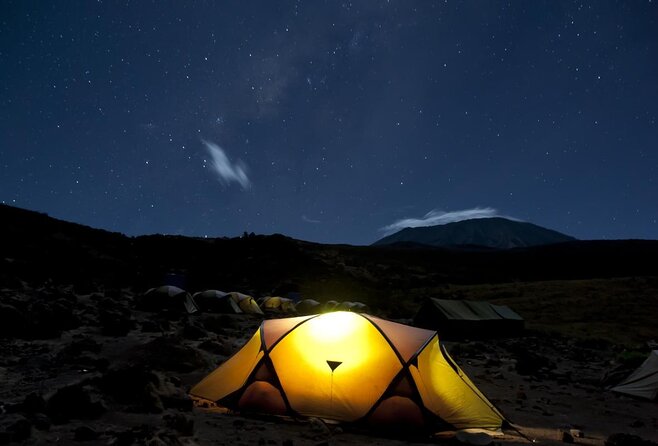
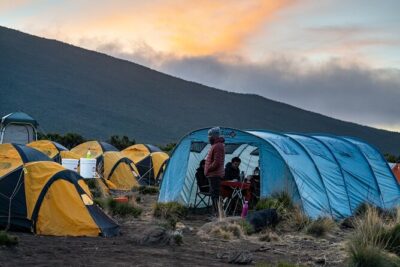
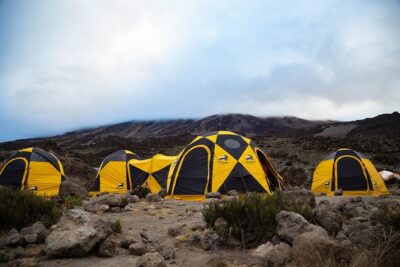
The camping setup is described as high-quality and specifically suited for Kilimanjaro conditions: Mountain Hardware tents that are warm, waterproof, and roomy. You also get thick foam sleeping pads and sleeping bags, plus tables and chairs. That combination reduces the typical “I barely slept” problem that can slow you down later.
Food is included throughout the trek. The itinerary lists breakfast, lunch, and dinner for multiple days, with Day 6 including breakfast and lunch. You’ll also have early nutrition like tea and breakfast during the midnight wake for summit day.
One more practical comfort point: this trip includes two night hotel accommodation in Moshi on arrival and after the hike. That helps you recover before the mountain and then land safely on the other side.
Price and value: what $1,980 covers and how to judge it
At $1,980 per person for a 6-day private climb, the first question is usually, is it too expensive or just correctly priced for what’s included? Here’s what you get, based on the included list:
- Private transportation, including pickup from your hotel
- Full camping gear: tents, sleeping pads, sleeping bags, tables, chairs
- Treated water through the trek
- Emergence oxygen (listed as emergency oxygen) plus a first aid kit
- Rescue fees
- Fair wages for porters and guides
- Two night hotels in Moshi on arrival and after the climb
- Meals across the trek (breakfast, lunch, dinner, with the final day as breakfast and lunch)
Compared with cheaper deals, the biggest value difference tends to be in what’s quietly expensive: trained guides, oxygen readiness, and solid tents and pads that let you sleep. Cheaper climbs often cut those costs and leave you to improvise.
Also, this is a private experience, meaning only your group participates. That usually costs more than group departures, but it can be worth it if you want consistent pacing, fewer cross-group delays, and more guide attention.
Visa is not included, listed at $50 per person. Plan for that so it doesn’t distract you at the last minute.
Who this Kilimanjaro climb fits best (and who should think twice)
This trek is recommended for travelers with moderate physical fitness. If you train your legs, get comfortable hiking uphill for long hours, and you can handle a cold night and a very early wake, you’ll be in a better position than someone who shows up hoping adrenaline will do the work.
I’d especially recommend this for you if you care about safety systems and want a team that has thought through altitude risk. The combination of rescue oxygen, evacuation plans, health checks, and first aid training is a strong match for first-time Kilimanjaro climbers who want guidance beyond just “go slow.”
You might think twice if you know you struggle with long days. Day 5, the summit push, is described as 12-15 hours total hiking time. If you get cranky from discomfort or you feel panic when your body slows, bring patience and a plan.
The human side: guides and crew you can hear in the details
What consistently comes through in the names shared by climbers is that the team matters. You might encounter guides like Karrimor and Mr. Dixon, who are mentioned in connection with reaching the summit. Godchance is also named as an exceptional guide, along with a chef and waiter team that kept the group fed and comfortable.
Elias shows up as someone who is responsive before the trip, answering questions in detail. That pre-trip support matters because it helps you arrive less confused about what to pack and how the days will feel.
Even if you never meet the exact same people as someone else, the pattern is useful: the operator builds its reputation around real guiding and real mountain work, not just a check-in desk.
Should you book this 6-day private Kilimanjaro climb with Nafika Tours?
Yes, if you want a safety-first Kilimanjaro climb with rescue oxygen built in, a private group setup, and camping gear designed for real mountain nights. The itinerary also makes sense for acclimatization: you go higher, then sleep lower on Day 3, you pace into altitude on Days 1 and 2, and you save the big summit effort for Day 5 with a midnight start.
Before you book, be honest about the effort level. Summit day is long, and the route includes long walking days like Day 4 up toward Barafu. Train, pack smart for cold mornings, and plan to follow your guide’s pace even when you feel tempted to push.
If that sounds like your kind of challenge, this is a strong choice for a 6-day Machame-route style climb out of Moshi.
Just posted around Moshi
- machame route★ 5.0 · 16 reviews
- Wildlife Extravaganza: Manyara, Tarangire & Ngorongoro in 3 Days★ 5.0 · 3 reviews
- Mt Kilimanjaro 6 days Marangu route hike★ 5.0 · 3 reviews
- Kilimanjaro Climbing Umbwe Route★ 5.0 · 3 reviews
- 3 Days Private E-Bike Tour in West Kilimanjaro★ 5.0 · 3 reviews
- West Kilimanjaro cycling Adventures★ 4.5 · 8 reviews
- Kilimanjaro Climb • Marangu Route ~ 9 Day★ 5.0 · 4 reviews
- Private Cycle to Kilimanjaro Bike Park Safari★ 5.0 · 6 reviews
Kilimanjaro Climbs, compared.
8-Day Small-group Lemosho Kilimanjaro Summit Trekking
Read our review →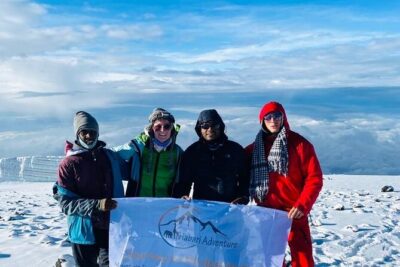
5 Days Best of Tanzania Luxury Safari Northern Circuit
Read our review →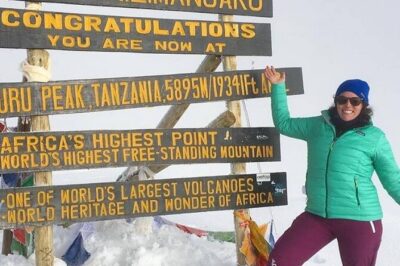
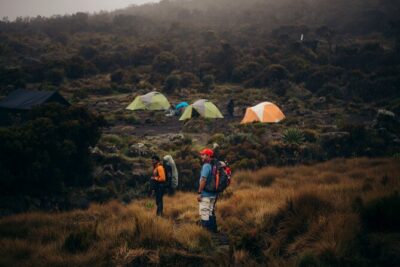
Climbing Kilimanjaro through 7 days Machame Route
Read our review →