Reviewed · KILIMANJARO CLIMBS
6 Days Climb Kilimanjaro Through Marangu Route
Kilimanjaro rewards slow steps and good support. This 6-day Marangu route is a tidy, guided way to reach the peak, with meals on the mountain and a crew that handles a lot of the logistics. I especially like the built-in support, including qualified guides, porters, and mountain crew plus the practical comfort of tents with sleeping mattresses and hut options at different stops. One thing to consider is the timetable is demanding, with altitude starting to show by Day 2 and the summit push beginning around midnight to 2 am.
You also get more than just a “walk up a mountain” plan. The trip includes national park fees, rescue fees, boiled water on the mountain, and even pulse oximeters plus first aid kits for the climb. It is private, so your group runs as one unit, not a busy cattle line.
In This Review
- Key things that make this climb work
- Marangu route start: Moshi to the Kilimanjaro gate and the rainforest tone
- Mandara Hut to Horombo Hut: big views and the first altitude reality
- Horombo rest day at 3,700m: optional Mawenzi hike, real recovery time
- Horombo to Kibo Hut: the last watering point and the moonscape shift
- Summit night from Kibo: scree and snow to Gilman’s Point and Uhuru Peak
- Day 6 descent to Moshi: muddy forest near Marangu gate
- Price and value: what $1,899 really buys you
- Guide crew quality: what I’d watch, based on real climb patterns
- Sleep and comfort on a 6-day Marangu climb
- What this climb is like day by day, in plain terms
- Who should pick the Marangu 6-day option?
- Should you book this Kilimanjaro Marangu climb?
- FAQ
- How many days is this Kilimanjaro climb?
- Where does the trip start and end?
- Does this route use the Marangu trail?
- Is pickup or return transportation from Moshi included?
- Are national park fees included?
- What meals are included during the climb?
- Do you sleep in tents or huts?
- When does the summit attempt start?
- Is guide and porter support included?
- Is trekking gear included in the price?
Key things that make this climb work
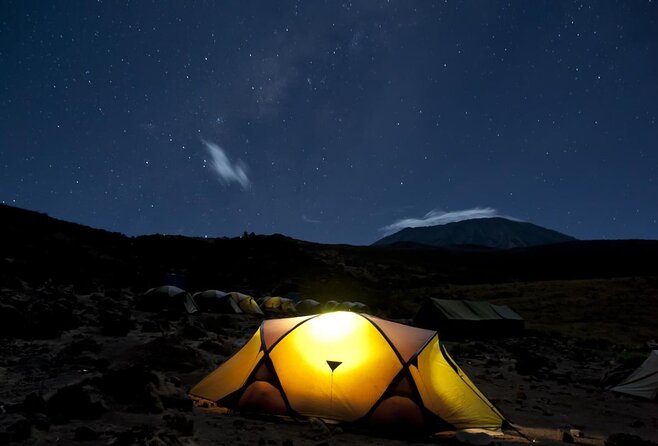
- Marangu huts plus tent nights with mattresses, so you are not living out of your backpack every step of the way
- Qualified guides and mountain crew, including cooks and waiter salaries, plus porters to carry the load
- Altitude-friendly pacing built into the schedule, including a full rest day at Horombo
- A very early summit window, typically midnight to 2 am, for the best chance at a workable summit weather window
- Meals on the mountain and boiled water, which matters more than it sounds at 4,700m
- Return transport from Moshi via the Marangu gate, so you finish the hike and still get a proper ride
Marangu route start: Moshi to the Kilimanjaro gate and the rainforest tone
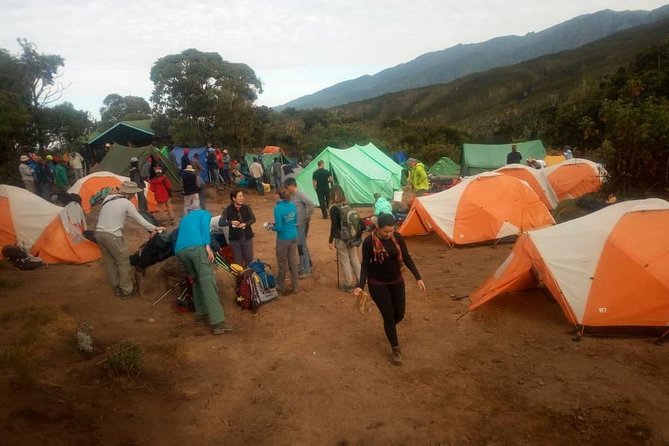
You begin in Moshi, then drive to the Kilimanjaro National Park gate, about an hour. After registering at the gate, you start the climb through the montane rainforest toward Mandara Hut. This first day is about settling in, moving at a sustainable pace, and letting your body adjust to higher air and changing temperature.
I like that Day 1 includes a side trip to Maundi Crater. Even if you keep it short, it helps you get oriented fast, with wide views of Northern Tanzania and Kenya when conditions are clear. The rainforest walk has its own rewards too: towering eucalyptus trees, lots of bird life, and the chance to spot colobus monkeys.
Practical heads up: the rainforest portion can feel heavy and humid. Pack to stay comfortable, not just to look like a mountaineer in a brochure.
More Kilimanjaro climbs:
- Kilimanjaro climb by Lemosho Route (7-day)
★ 5.0 · 651 reviews - Kilimanjaro climb, Machame Route (7-day)
★ 5.0 · 262 reviews - Kilimanjaro Climbing Lemosho Route 8 Days.
★ 5.0 · 186 reviews
Mandara Hut to Horombo Hut: big views and the first altitude reality
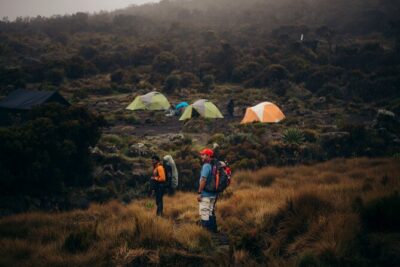
On Day 2, you leave the rainforest’s glades and head into open moorlands. The hike is longer, roughly 5 to 6 hours over about 12 km, climbing from around 2,700m to 3,700m. You start seeing the mountain’s architecture in a new way, with strong views of Mawenzi and the summit of Kibo.
This is also where altitude can start to feel real. The schedule even notes that you may begin to feel the effects of altitude on Day 2. That does not mean you are in trouble, but it does mean you should be ready for slower breathing, reduced appetite, and a need to stick to a steady pace.
I also like the ecology on this day. You are on the hunt for giant lobelias and groundsels. It is not just scenery for photos, these plants help mark how the mountain changes as elevation rises.
Horombo rest day at 3,700m: optional Mawenzi hike, real recovery time
Day 3 is a rest day at Horombo Hut, with breakfast, lunch, and dinner provided. The big win here is simple: you do not keep ratcheting upward every day. That pause gives your body time to adjust, which matters because Kilimanjaro is not just a strength test, it is an oxygen test.
If you want more, there is an optional hike by Mawenzi Peak. The itinerary keeps it open, so you can choose a lighter outing or take a full recovery day if you feel off. Either way, this rest day gives you a mental reset too, which is honestly underrated on a climb that ends with a midnight start.
If you tend to feel anxious in downtime, do a short walk, take in the views, then go back to fueling up. You’ll be glad you did when summit night comes.
Horombo to Kibo Hut: the last watering point and the moonscape shift
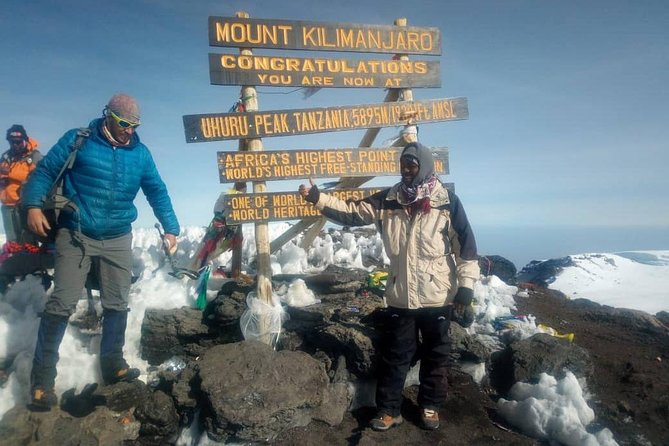
Day 4 takes you from Horombo Hut to Kibo Hut, climbing from about 3,700m to roughly 4,700m. The hike is around 5 to 6 hours and covers about 9 km. One key detail is that you pass the last watering point, then walk onto the saddle between the peaks of Kibo and Mawenzi.
This is where the environment changes fast. The itinerary describes upper heathland giving way to an area that feels like a moonscape. It is a stark, high-altitude world. You will notice less greenery and more bare terrain as you get closer to the crater zone.
I like this day because it is where you start preparing, not just for the summit physically, but also mentally. You end at Kibo Hut for dinner and rest, with the understanding that the next night will be steep, cold, and long.
A few more Moshi trips to compare
- Safari Serengeti And Ngorongoro
★ 5.0 · 288 reviews - Climbing Kilimanjaro – Machame Route
★ 5.0 · 170 reviews - Climbing Kilimanjaro through 7 days Machame Route
★ 5.0 · 151 reviews - Kilimanjaro climb, Lemosho Route (8-day)
★ 5.0 · 148 reviews
Summit night from Kibo: scree and snow to Gilman’s Point and Uhuru Peak
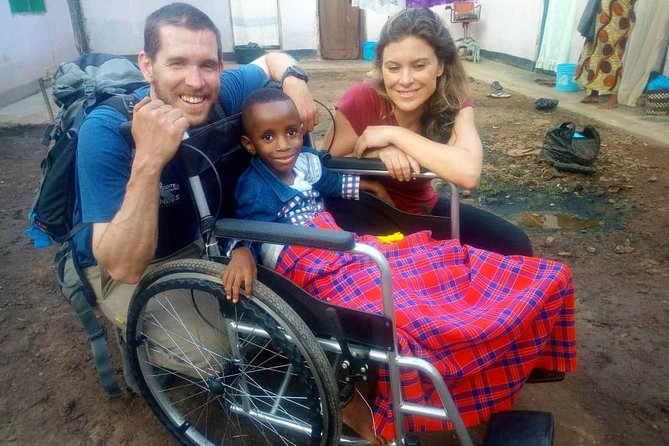
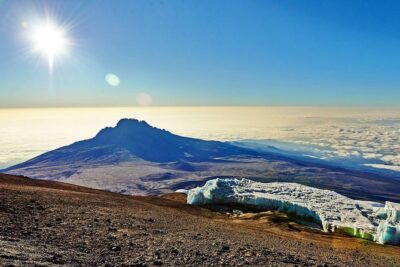
Day 5 is the big one. You start very early, typically between midnight and 2 am, to hike steep and heavy scree or snow up to Gilman’s Point on the crater rim. From there, you continue to Uhuru Peak, the highest point in Africa.
The itinerary notes unbelievable views at every turn. You should plan for a moving, changing panorama rather than one single wow moment. It is also a day where timing matters. You’ll likely feel the cold more than you expect, because you are high and moving into nighttime conditions.
Distance and effort are straightforward but serious: about 6 km up and around 15 km down, with roughly 6 to 8 hours up and about 15 km worth of downhill work afterward. You stop for lunch and rest back at Kibo before continuing down to Horombo for the night.
This is also where the guide style matters. In the climb stories I’ve read for this operator, “pole pole” pacing comes up, basically slow and steady rather than sprinting the mountain. That approach helps you keep going when your head starts bargaining for shortcuts.
Day 6 descent to Moshi: muddy forest near Marangu gate
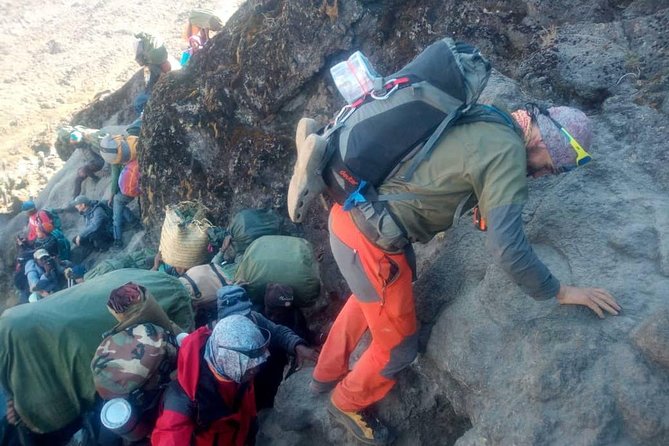
After breakfast on Day 6, you descend steadily. The route takes you down through moorland to Mandara Hut, then continues down through a lush forest path to the Marangu gate. Lower on the mountain, it can be wet and muddy, and the itinerary explicitly notes that. This is the day where your legs can feel heavy, even if the slope is gentler.
Gaiters and trekking poles are recommended for mud. Shorts and t-shirts are likely fine for lower elevations, but you’ll want rain gear and warmer clothing handy too. Temperatures at the top do not stay there on the way down, so layering helps you avoid sweating yourself miserable.
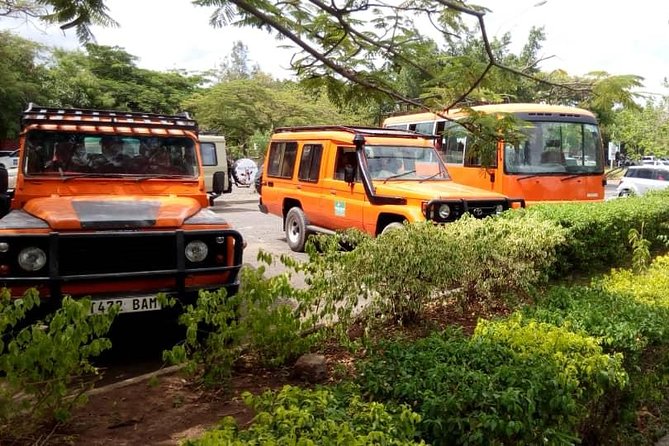
Once you hit the Marangu gate, there is a vehicle waiting to drive you back to your hotel in Moshi, about an hour. That last transport piece is not glamorous, but it is practical. It keeps your final day from turning into a logistics scavenger hunt.
Price and value: what $1,899 really buys you
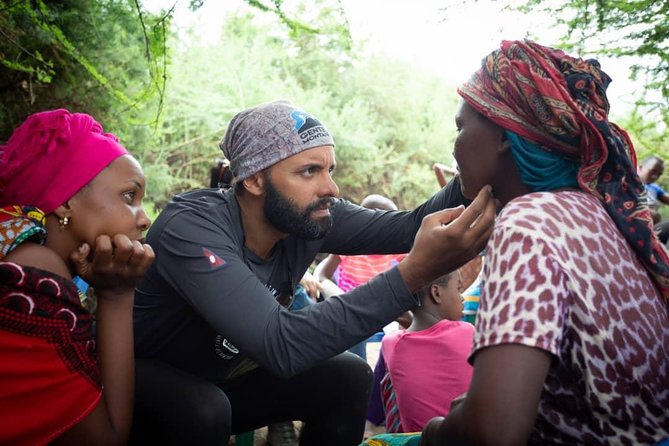
At $1,899 per person for about 6 days, this trip is not cheap. The upside is that the price is structured around the hard-to-source costs of Kilimanjaro: national park fees, guide and porter operations, and mountain staff support.
What you should feel good about in the included list:
- Qualified guides and mountain crew
- Porters, cook, and waiter salaries
- Tents and sleeping mattresses, plus hut options at different stops
- All meals on the mountain (breakfast, lunch, dinner)
- First aid kit and pulse oximeters
- Rescue fees
- Cutlery, mess tent, and mini camping chairs
- Boiled water on the mountain
- Return transport from Moshi to the starting area and back from the Marangu gate
What you should expect to pay separately:
- Tips for guides and porters, since tips are not included
- Gear for your climb, since it is not included
- Personal items and nature items
- Visa costs and emergency oxygen
The balance I like here is that you are buying a full mountain system, not just a guide walking next to you. Still, it is smart to budget for tips and make a gear checklist early, because those are the common “surprise” line items.
One more reality check: this experience requires good weather, and if it is canceled due to poor weather, you are offered a different date or a full refund. That’s the mountain doing what the mountain does.
Guide crew quality: what I’d watch, based on real climb patterns
A Kilimanjaro climb is only as smooth as the crew running it. This operator’s climb stories often praise specific leaders and team members, including Edward, known as Teacher, plus guides such as Tuliza and Temba, and support staff like Joseph and Goodluck. The common thread in the positive experiences is that the team stays engaged, handles needs quickly, and keeps people moving safely.
I also see value in the way some groups mention the crew pushing a pole pole pace and using encouragement as a tool. That matters on summit night, when the mountain gets steep and your body stops negotiating.
Now the balanced note: there is at least one unhappy story citing poor organization and lack of communication, including concerns about guide experience and subpar accommodation and transport. You cannot control everything on a mountain, but you can reduce risk. Before you go, ask clear questions:
- Who is your guide, and how do they handle pacing on summit night?
- How will altitude be monitored, and who uses the pulse oximeters?
- What should you expect for sleeping, tents versus huts, for each night?
If the answers feel vague or rushed, that is your cue to press again.
Sleep and comfort on a 6-day Marangu climb
Comfort on Kilimanjaro is relative. Even with good systems, you will sleep at altitude, often in cold conditions, and the summit night schedule is brutal on rest.
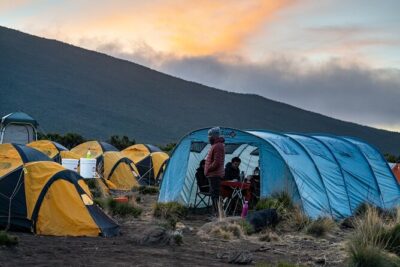
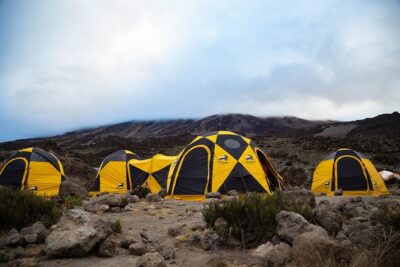
The good part is that you are not stuck with bare floors. Tents come with sleeping mattresses, and you can also stay in provided huts at different stops. Meals are set, dining is organized with the mess tent and utensils, and the crew provides camping equipment and mini camping chairs.
Still, your sleep quality depends on details like wind, cold, group noise, and how early you are waking. In one set of climb experiences linked to this operator, people recommend practical sleep aids like eye shades and earplugs, because naps can be interrupted. That is a small thing, but it can make the difference between arriving tired and arriving wrecked.
What this climb is like day by day, in plain terms
Here’s how the rhythm works in your body, not just on paper.
Day 1 is rainforest walking to Mandara Hut, around 3 to 4 hours over about 8 km, starting around 1,860m and reaching about 2,700m. Expect humidity and a steady warm-up.
Day 2 is longer and higher, 5 to 6 hours over about 12 km, to Horombo Hut around 3,700m. This is the day where altitude may start to affect you, so pace matters.
Day 3 is recovery at Horombo, plus optional Mawenzi Peak. This is your buffer day before the higher, drier climbs.
Day 4 is the move to Kibo Hut at about 4,700m, with the “moonscape” feel beginning. Plan to be mentally ready, not just physically ready.
Day 5 is the summit day, midnight to 2 am start. You climb to Gilman’s Point and then Uhuru Peak, then descend back down to Horombo, all in one long, serious push.
Day 6 is descent back toward Marangu gate, with possible mud and wet sections, then a vehicle ride back to Moshi.
Who should pick the Marangu 6-day option?
You’ll likely be happiest with this trip if you want:
- Structured support, including guides, porters, meals, and mountain staff handling camp needs
- A route with huts at key points, rather than all tent living
- A schedule that includes a rest day at Horombo
- A summit plan that starts very early and follows established timing
You should think twice if:
- You are extremely sensitive to cold or hate early wakeups, because summit night begins between midnight and 2 am
- You dislike muddy trail sections on the final descent
- You want more gradual acclimatization than what a 6-day plan allows
Also, this is described as private, meaning your group stays together, which can feel calmer. But you should still expect the mountain to be physically demanding.
Should you book this Kilimanjaro Marangu climb?
My take: this is a strong value purchase when you want the mountain package handled for you, especially with national park fees, mountain meals, tents with mattresses, and altitude support tools included. The Marangu route’s hut options also reduce some of the stress that many first-time summit candidates feel.
I would book if you:
- Want a guided, well-run climb structure
- Are okay with a summit start at night
- Will do your homework on packing and altitude response
I would be cautious if you:
- Have a history of altitude issues and need extra flexibility in pacing
- Rely on clear communication from your operator and would not handle last-minute changes well
If you decide to go, do this one smart thing: email or ask ahead of time for your guide’s name, confirm the sleeping plan by night, and clarify what you need to bring for summit cold. Then you can focus on the real work, slow steps upward, and getting to Uhuru Peak.
FAQ
How many days is this Kilimanjaro climb?
It is approximately 6 days, with the schedule taking you from the Kilimanjaro area up through the Marangu route and back down to Moshi.
Where does the trip start and end?
The trip starts at the Mount Kilimanjaro meeting point in Tanzania and ends back at the same meeting point area.
Does this route use the Marangu trail?
Yes, it climbs Kilimanjaro through the Marangu route and finishes via Marangu.
Is pickup or return transportation from Moshi included?
Yes. Return transportation from Moshi to/from the starting and finishing point on the mountain is included, with about a 1-hour drive back to Moshi after you reach the Marangu gate.
Are national park fees included?
Yes. National park fees are included.
What meals are included during the climb?
All meals on the mountain are included, including breakfast, lunch, and dinner.
Do you sleep in tents or huts?
Both are part of the plan. You can camp in the camping area or stay in provided huts at different stops, and tents include comfortable sleeping mattresses.
When does the summit attempt start?
The summit climb starts very early, typically between midnight and 2 am, from Kibo.
Is guide and porter support included?
Yes. Qualified guides, porters, and the mountain crew are included, along with cook and waiter support during the climb.
Is trekking gear included in the price?
No. Gear for your climb is not included, so you should plan to bring your own.
Just posted around Moshi
- machame route★ 5.0 · 16 reviews
- Mt Kilimanjaro 6 days Marangu route hike★ 5.0 · 3 reviews
- Kilimanjaro Climbing Umbwe Route★ 5.0 · 3 reviews
- Wildlife Extravaganza: Manyara, Tarangire & Ngorongoro in 3 Days★ 5.0 · 3 reviews
- 3 Days Private E-Bike Tour in West Kilimanjaro★ 5.0 · 3 reviews
- West Kilimanjaro cycling Adventures★ 4.5 · 8 reviews
- Kilimanjaro Climb • Marangu Route ~ 9 Day★ 5.0 · 4 reviews
- Private Cycle to Kilimanjaro Bike Park Safari★ 5.0 · 6 reviews
Kilimanjaro Climbs, compared.
8-Day Small-group Lemosho Kilimanjaro Summit Trekking
Read our review →
5 Days Best of Tanzania Luxury Safari Northern Circuit
Read our review →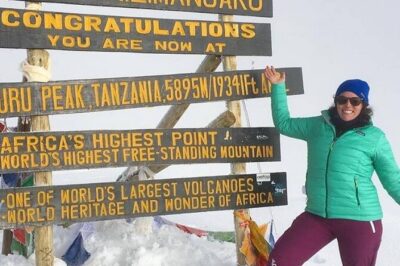
Climbing Kilimanjaro through 7 days Machame Route
Read our review →