Reviewed · KILIMANJARO CLIMBS
6-Day Kilimanjaro Umbwe Route–Steep,Adventurous, Challenging Path
Steep climbs, big payoffs on Kilimanjaro. The Kilimanjaro Umbwe Route is for hikers who want a faster, more rugged line to Uhuru Peak, with days moving through rainforest, moorland, semi-desert, and the ice-capped crater zone. I like that the trip feels tightly run from the start, with porters and staff doing the heavy logistics so you can focus on steady climbing.
I also like the practical support package, including transfers, meals, camp equipment, and emergency oxygen for real emergencies only. The main drawback to think about is the effort level: this is a steep, challenging route with class 2 scrambling sections and altitude effects that can show up as you move toward higher camps.
In This Review
- Key highlights worth knowing before you go
- Why the Kilimanjaro Umbwe Route is a high-adrenaline choice
- Moshi pickup and Umbwe Gate reality checks
- Day 2 through the moorland to Barranco Camp
- Lava Tower at 4,630 meters and the first real altitude conversation
- Crater Camp at 5,700 meters, ice steps, and the Ash Pit option
- Uhuru Peak at 5,895 meters: the 4:00 am mental grind
- Final day at Mweka: dancing, certificates, and the paperwork moment
- What the $2,310 price really buys you (and what it doesn’t)
- Who should choose this trek, and who should pause
- Pinnacle Adventures, from airport pickup to summit day care
- Should you book the 6-Day Umbwe Route trek with Pinnacle?
- FAQ
- What is the duration and route of this Kilimanjaro trek?
- What’s included in the price for the 6-Day Umbwe Route?
- What gear do I need to bring, and can I rent it in Moshi?
- When does the summit attempt for Uhuru Peak start?
- How do Kilimanjaro certificates work on the final day?
- Do they provide oxygen and medical support?
Key highlights worth knowing before you go
- Umbwe Route pace and feel: steep ascent, direct path, and fewer people compared with gentler options.
- Real weather and trail conditions: rain, mud, and fog early on, then rocky, cold, and icy terrain later.
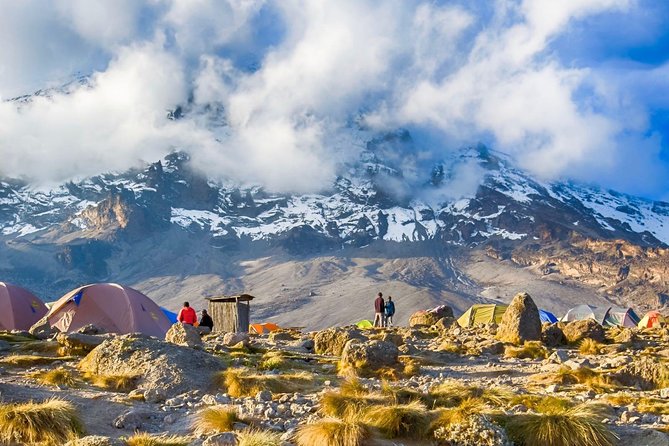
- In-camp comfort basics: tents set up before you arrive, plus hot water for a daily wash.
- Summit timing: the Uhuru Peak attempt starts around 4:00 am with tea and biscuits.
- Support that covers the grind: qualified guides, assistant guides, porters, and a cook, all included in the price.
Why the Kilimanjaro Umbwe Route is a high-adrenaline choice
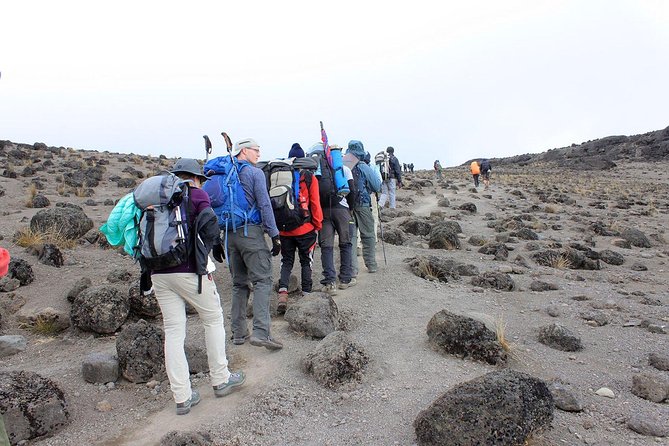
If you’re craving a Kilimanjaro climb that feels more like an expedition than a long hike with lots of waiting around, the Umbwe Route is a strong match. It’s known for its steep ascent and a more direct approach toward Uhuru Peak. That means you trade the comfort of a slower pace for the buzz of moving with purpose.
You’ll also get a lot of environmental change in a short time. Day one climbs into rainforest, then you shift into moorland with distinctive plants, later you move into semi-desert and rocky ground, and by the middle days you’re in the crater zone near ice fields. It’s a “change-of-scene” trek, where the mountain keeps rewriting the rules as you gain altitude.
The other thing I appreciate about this route is how straightforward the goal is. You aren’t just chasing a view, you’re chasing a summit. When the trail turns icy and the crater gets close, you’ll feel it in your legs and your head.
More Kilimanjaro climbs:
- Kilimanjaro climb by Lemosho Route (7-day)
★ 5.0 · 651 reviews - Kilimanjaro climb, Machame Route (7-day)
★ 5.0 · 262 reviews - Kilimanjaro Climbing Lemosho Route 8 Days.
★ 5.0 · 186 reviews
Moshi pickup and Umbwe Gate reality checks
Your trek starts in Moshi, with early breakfast at your hotel and pickup arranged from town. You’ll drive to the Umbwe Gate where you can buy mineral water and receive a packed lunch. Then comes the official side of the climb, as you register with Tanzania National Park.
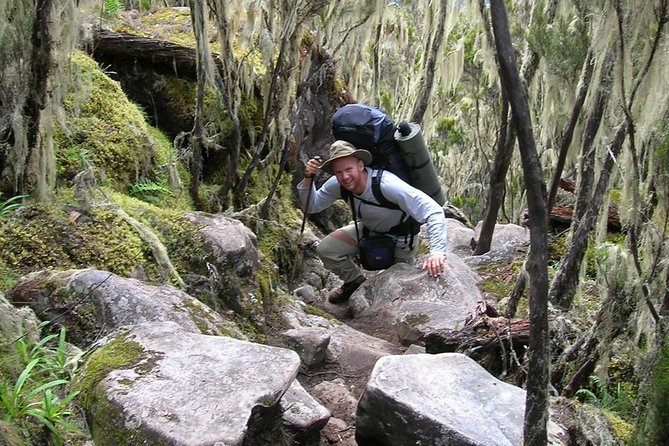
After that, you start the ascent into the rainforest. This is not the part of the trip to expect dry and sunny. Rain, mud, and fog are part of the picture, and wildlife can show up, including Colobus monkeys. If you’ve only hiked on well-groomed trails back home, this is where you learn how quickly Kilimanjaro can switch the conditions.
About halfway, you stop for lunch. Later in the day, you reach Bivouac Camp at 2,940 meters. The plan is built so your camp setup is handled for you. Porters and the chef take care of packing and camp arrangements, so you arrive, get organized, and recover.
Day 2 through the moorland to Barranco Camp
Day two continues on the Umbwe Trail, and the hike length is listed at about 6 hours. You’re leaving the rainforest behind and stepping into heathland moorland. This zone is known for unusual plants, and you might spot things like giant lobelia and groundsel. It’s a neat reminder that this trek is not just altitude and exhaustion, it’s also a living textbook of ecosystems.
The trail also starts giving you clearer views of Mount Kilimanjaro as you gain height. Then the route changes again, flattening and descending into the Barranco Valley.
You’ll finish at Barranco Camp. The camp sits near a stream, and you get a spectacular view of the Western Breach with the Great Barranco Wall off to the east. That view matters because it gives you a visual line of what you’re working toward as you move closer to the crater.
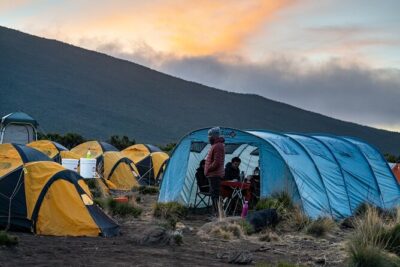
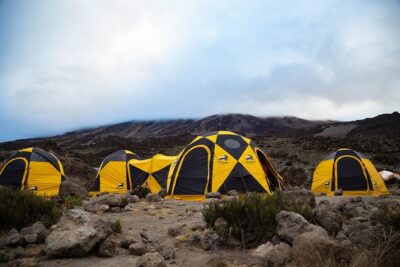
Another practical perk: tents are set up before you arrive, and porters prepare drinking and washing water. That matters more than people think. When you’re tired, having that routine handled can keep the day from feeling like one more chore.
Lava Tower at 4,630 meters and the first real altitude conversation
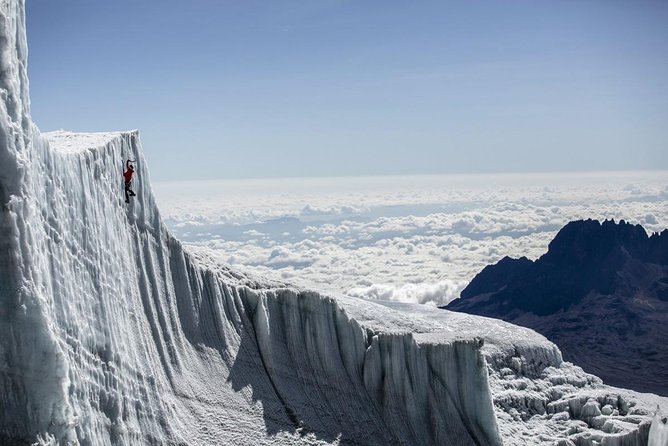
On day three, you wake up early and move out of the moorland into semi-desert and rocky terrain. The hike is about 5 hours toward Lava Tower at 4,630 meters, heading east along a route that becomes tougher underfoot. This is where many hikers start feeling altitude in a noticeable way, including headaches and shortness of breath.
At Lava Tower, you’ll have lunch in a dramatic setting. There’s also an option to climb the Lava Tower itself, weather permitting. Even if you skip the extra scramble, just being at that altitude zone changes how you breathe.
After lunch, you scramble up a steep class 2 trail to Arrow Glacier Camp at 4,800 meters. Vegetation is sparse here, and the air feels different. Your work starts shifting from just walking uphill to finding a rhythm that you can repeat, even when your body slows down.
A few more Moshi trips to compare
- Safari Serengeti And Ngorongoro
★ 5.0 · 288 reviews - Climbing Kilimanjaro – Machame Route
★ 5.0 · 170 reviews - Climbing Kilimanjaro through 7 days Machame Route
★ 5.0 · 151 reviews - Kilimanjaro climb, Lemosho Route (8-day)
★ 5.0 · 148 reviews
Crater Camp at 5,700 meters, ice steps, and the Ash Pit option
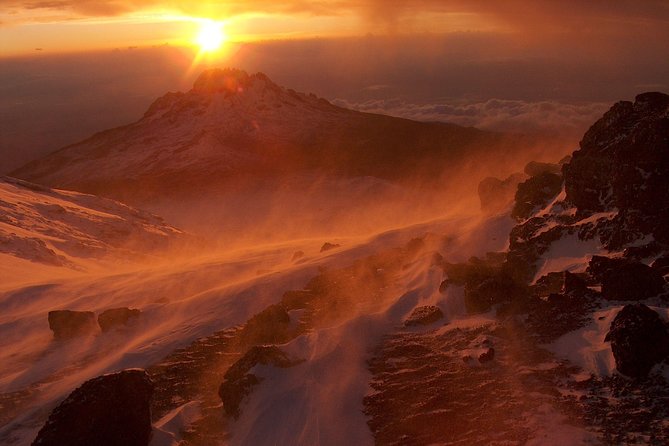
Day four is where the mountain starts feeling serious. You continue on steep class 2 scrambling, and the terrain trends toward stone scree with a glacier influence. In rain season conditions, the itinerary notes that ice axe and crampons are required due to icy ground. That’s not a casual suggestion. If you’re going at a time when ice is expected, you’ll want to make sure you’re prepared to use the right gear safely.
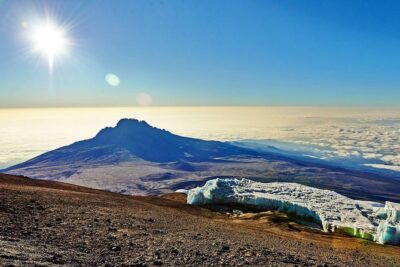
You’ll work your way up the Western Breach to the Crater at 5,700 meters. The reward at the top is the view into the Northern ice fields, with Furtwangler Glacier directly in front of you. This is the point where Kilimanjaro looks like a different planet than the one that started your trek.
At Crater Camp, there’s an option for a day hike to the Ash Pit, around 1.5 hours. The ash pit is described as 340 meters across and 120 meters deep, which gives you a real sense of how big that crater feature is.
Then it’s warm dinner and camp in the inner, snow-covered crater of Mount Kilimanjaro. Staying inside the crater zone is one of those experiences that stays in your memory, even if the day itself is tough. You’re tired, cold, and focused, but the setting is unforgettable.
Uhuru Peak at 5,895 meters: the 4:00 am mental grind
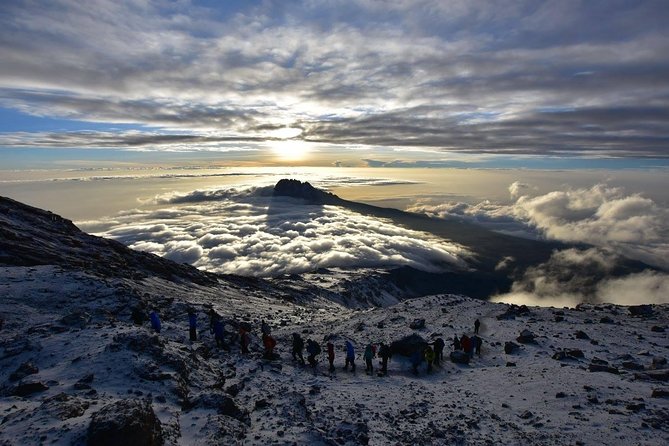
Your summit attempt starts early on day five, around 4:00 am, with tea and biscuits. Then you begin the ascent on a snow-covered trail to Uhuru Peak at 5,895 meters. The itinerary lists about 2 hours to reach the summit.
This is widely described as the most mentally and physically challenging part of the climb, and the structure supports that. You’re going from a long, cold night into a slow, determined climb where the “minutes” feel long. The best way to handle this is simple: keep your pace steady, focus on your next step, and accept that you’ll work hard just to stay moving.
Once you reach Uhuru Peak, you’ll have a short time for photos and a warm drink. Then you shift immediately into descent, which is just as demanding in its own way. The itinerary notes 7 to 8 hours down to Mweka at 3,100 meters, with about a 7-kilometer ascent and a 23-kilometer descent.
A summit is a finish line, not a victory lap. The descent is where ankles, knees, and motivation get tested. Plan to treat the downhills like a careful workout, not a sprint.
Final day at Mweka: dancing, certificates, and the paperwork moment
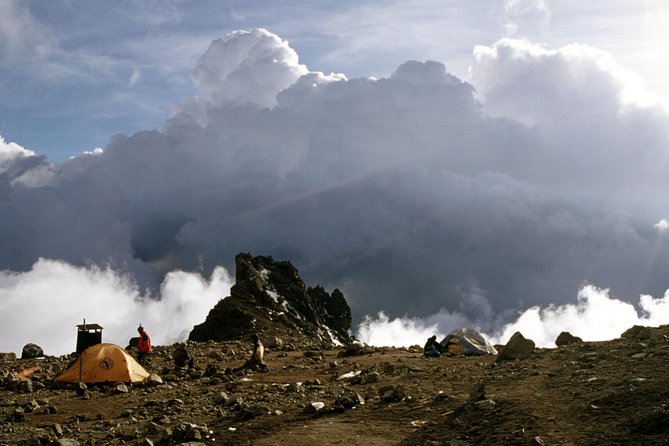
Day six starts with breakfast and a celebration run by your trekking staff. There’s dancing and singing, and it’s also the moment you present tips to your guide, assistant guides, chef(s), and porters.
Then you descend to Mweka Gate in about 3 hours. The national park requires hikers to sign their names to receive completion certificates. Here’s an important detail for your expectations: if you reached Stella Point at 5,685 meters, you get green certificates. If you reached Uhuru Peak at 5,895 meters, you get gold certificates.
After the certificates, you descend into Mweka village for about 1 hour, with an indicated distance of around 3 kilometers. It’s a nice finish to the trek arc: you move from altitude and exhaustion into something more grounded and human-scale.
What the $2,310 price really buys you (and what it doesn’t)
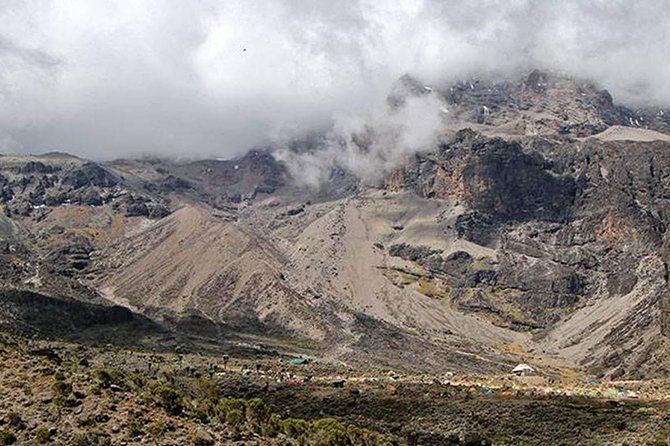
At $2,310 per person for about 6 days, you’re paying for a fully supported climb, not just transportation. The included items are extensive, and that’s the real value. In plain terms, this price covers the operational costs that can quickly snowball on a self-arranged climb.
Included in the package:
- All fees and taxes
- Return transfers between Kilimanjaro airport and Moshi
- Qualified mountain guide, assistant guides, porters, and cook, including their wages
- Camping equipment like tents, camp chairs, tables, and sleeping mattress
- Fresh water for drinking, plus hot water for washing each day
- Meals (breakfast 5, lunch 6, dinner 5)
- Emergency oxygen for emergencies only, and a basic first aid kit
- All required park-related admissions within the trek flow
Not included, so you’ll need to plan for these:
- Visa and flights
- Travel and health insurance
- Personal hiking and trekking gear, with the option to rent gear from equipment stores in Moshi
- Portable toilet, though it’s described as optional but highly recommended
- Personal medicine and water purifying tablets
- Extra meals and drinks not specified, and general personal items
One more value point I like: emergency oxygen is listed, but only for emergencies, not as summit support. That distinction matters because it signals the trip’s safety posture is not built around making the summit “easier” with gear. It’s built around trained staff, planning, and emergency readiness.
If you’re comparing prices, don’t only look at the total dollar amount. Compare what’s covered: meals count, hot water counts, and included camping gear counts. Those are the things you feel every day.
Who should choose this trek, and who should pause
The itinerary is blunt about who it’s for. You should have strong physical fitness. You should also be comfortable with a challenging route and rough conditions. The Umbwe Route includes steep ascent, class 2 scrambling, and a crater day where icy conditions may call for crampons and an ice axe.
This is also a good fit if you want a climb with a direct summit line and less time spent waiting around. You might enjoy the tighter rhythm of moving through rainforest, moorland, and high alpine terrain on a schedule that keeps the experience active.
This is not the right match if you want an easy pace or if you’re new to altitude and uncertain about your ability to handle steep, rocky climbing. Altitude effects are noted as normal around higher sections like Lava Tower, including headaches and shortness of breath. If you’re worried about coping with that, you should think carefully before committing.
Pinnacle Adventures, from airport pickup to summit day care
The experience is delivered by PINNACLE ADVENTURES & SAFARIS LTD., and the operational side seems to be where they shine. In the feedback I’ve seen, people repeatedly praise smooth logistics, good food, and guides and porters who take safety seriously and keep you from going hungry.
One name that comes up clearly is Frazier, who helped with last-minute arrangements like transportation and lodging, starting from the first airport pickup. Another name that stands out is Godfrey as a head guide, mentioned alongside an excellent experience on the climb.
You’ll also have local support before you start. A local rep helped organize a town tour in Moshi right before the trek. That’s more than a nice add-on, it can help you settle in, handle logistics while you’re fresh, and reduce the pre-climb stress.
Finally, the trip is listed as private, meaning it’s your group, not a mixed crowd. For many people, that makes the pacing feel more consistent and the communication easier.
Should you book the 6-Day Umbwe Route trek with Pinnacle?
You should book if you want:
- A steep, adventurous Kilimanjaro climb aimed at Uhuru Peak
- A route with big scenery changes, from rainforest to crater ice fields
- A package that includes transfers, meals, camp equipment, and daily washing hot water
- Professional mountain staffing, with emergency oxygen and first aid on board
You might want to think twice if:
- You’re not confident in steep hiking or class 2 scrambling
- You’re going during a period with icy conditions and you’re not ready for the gear expectations
- You’re hoping for a relaxed pace or lots of buffering days
If you do book, plan early around what’s not included, especially personal gear, medicine, and water treatment. And if you’re even slightly unsure about your fitness, take that seriously now, not once you’re already climbing.
FAQ
What is the duration and route of this Kilimanjaro trek?
This trek runs for about 6 days. It starts in Moshi, climbs via the Umbwe Trail toward Uhuru Peak, and then descends to Mweka and finishes back at the meeting point in Moshi.
What’s included in the price for the 6-Day Umbwe Route?
The price includes all fees and taxes, return transfers between Kilimanjaro airport and Moshi, emergency oxygen (for emergencies only) and a basic first aid kit, qualified guides plus porters and cook wages, camping equipment, fresh drinking water, hot water for daily washing, and the listed meals (breakfast, lunch, and dinner).
What gear do I need to bring, and can I rent it in Moshi?
Camping equipment is included. Your personal hiking or trekking gear is not included, but the option is given to rent it from equipment stores in Moshi. A portable toilet is optional but highly recommended.
When does the summit attempt for Uhuru Peak start?
Your guide will take you around 4:00 am for tea and biscuits, then you begin the summit attempt.
How do Kilimanjaro certificates work on the final day?
On the final day at Mweka Gate, you sign for certificates of completion. Green certificates are for hikers who reached Stella Point (5,685 m). Gold certificates are for hikers who reached Uhuru Peak (5,895 m).
Do they provide oxygen and medical support?
Yes. Emergency oxygen is included for emergencies only, along with a basic first aid kit.
Just posted around Moshi
- machame route★ 5.0 · 16 reviews
- Kilimanjaro Climbing Umbwe Route★ 5.0 · 3 reviews
- Wildlife Extravaganza: Manyara, Tarangire & Ngorongoro in 3 Days★ 5.0 · 3 reviews
- Mt Kilimanjaro 6 days Marangu route hike★ 5.0 · 3 reviews
- 3 Days Private E-Bike Tour in West Kilimanjaro★ 5.0 · 3 reviews
- West Kilimanjaro cycling Adventures★ 4.5 · 8 reviews
- Kilimanjaro Climb • Marangu Route ~ 9 Day★ 5.0 · 4 reviews
- Private Cycle to Kilimanjaro Bike Park Safari★ 5.0 · 6 reviews
Kilimanjaro Climbs, compared.
8-Day Small-group Lemosho Kilimanjaro Summit Trekking
Read our review →
5 Days Best of Tanzania Luxury Safari Northern Circuit
Read our review →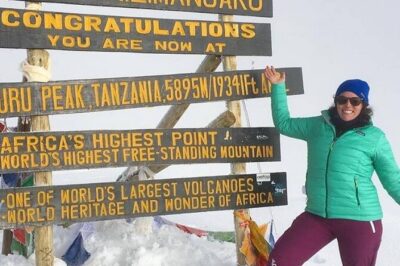
Climbing Kilimanjaro through 7 days Machame Route
Read our review →