Reviewed · KILIMANJARO CLIMBS
5 days Marangu Route
Kilimanjaro is close when you sleep in huts. This 5-day Marangu Route from Moshi focuses on a quick, well-marked path up, with overnight stops in mountain huts and a summit push that starts around midnight. I like the practical rhythm here, because you spend more time moving forward and less time figuring things out, and you get real built-in support from guides, porters, and cooks.
I also like that the trip includes the stuff that usually costs extra or becomes a hassle: airport to Moshi transfers, your hotel nights with meals, emergency oxygen, and fresh water plus hot water each day for washing. The big drawback to consider is the one everyone respects on Marangu: it is fast, so the success rate can be lower than on slower routes that give you more time to acclimatize.
In This Review
- Key things that make this Marangu trek worth your attention
- Entering the Kilimanjaro “Coca-Cola” Route Through Marangu
- The Real Value in the $2,150 Price Tag
- Moshi Pickup to Marangu Gate: The Start You Want
- Day 1: Mandara Hut in the Rainforest, with Maundi Crater Views
- Day 2: Horombo Hut and the Shift to Heath, Moorlands, and Mawenzi Views
- Day 3: The Last Water Point, the Saddle, and Kibo Hut
- Day 4: Midnight Ascent to Uhuru Peak, Hans Meyer Cave, and Gillman’s Point
- Day 5: Descent Through Heath, Moor, and Rainforest Back to Moshi
- The Human Side: Guides, Porters, Cooks, and Organizers Who Matter
- Altitude Reality Check for the Quick Marangu Ascent
- Packing and Gear: What’s Included vs What You Must Bring
- Who This 5-Day Marangu Trek Suits Best
- Should You Book This 5 Days Marangu Route?
- FAQ
- How long is the 5-day Marangu route?
- Where does the trek start and how do you get there from Moshi?
- Do you stay in huts or camp?
- What is included in the price?
- Is oxygen provided for the summit attempt?
- What personal gear do I need to bring?
- Is a portable toilet recommended?
Key things that make this Marangu trek worth your attention
- Hut overnights keep things organized and predictable, especially compared with fully tent-based treks
- Fast ascent helps you stick to a tight schedule, but you’ll want to take altitude seriously
- Sunrise on the crater rim happens before the final leg to Uhuru Peak, which feels like a payoff you can see coming
- Strong support team including organizers and senior guides is a recurring highlight, with porters and cooks doing real morale work
- Meals and water included take one big planning stress off your plate
- Emergency oxygen is part of the package, but it’s for emergencies only, not as summit strategy
Entering the Kilimanjaro “Coca-Cola” Route Through Marangu
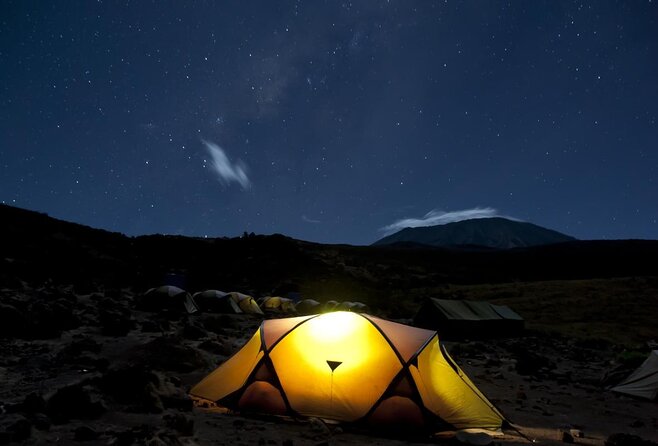
Marangu is nicknamed the Coca-Cola Route because it is popular and well used. The practical meaning for you: you’re hiking on a trail that’s maintained and straightforward to follow, so the day-to-day experience feels more like a focused climb than a navigation puzzle.
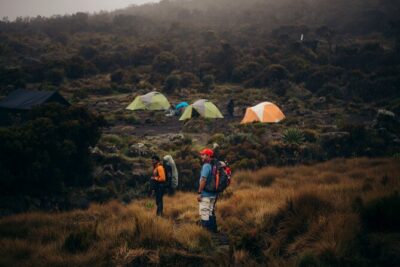
You’ll start from Moshi and head to the Marangu gate, then spend Day 1 working your way through dense rainforest. That matters, because rainforest trekking is cooler and greener, and it can make the early hours feel less brutal than you might expect at Kilimanjaro’s lower altitudes.
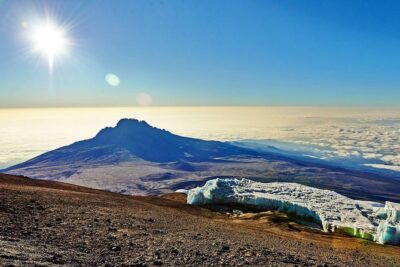
One more thing I like about this route is the mix of environments. You move from rainforest to heath and moor zones, then to the “Saddle,” a high-altitude area that feels much drier and more exposed. It gives your hike variety without adding extra complexity.
More Kilimanjaro climbs:
- Kilimanjaro climb by Lemosho Route (7-day)
★ 5.0 · 651 reviews - Kilimanjaro climb, Machame Route (7-day)
★ 5.0 · 262 reviews - Kilimanjaro Climbing Lemosho Route 8 Days.
★ 5.0 · 186 reviews
The Real Value in the $2,150 Price Tag
At $2,150 per person, this is not a budget bargain. But it can still feel like good value if you look at what’s included and what it saves you from arranging yourself.
Here’s what the price covers that actually reduces risk and friction:
- Return transfers between Kilimanjaro airport and Moshi
- Hotel the night before and the night after the climb, with dinner and breakfast included
- Guides, assistant guides, porters, and cooks, plus their wages
- Emergency oxygen (for emergencies only)
- Fresh drinking water and hot water for washing each day
- Meals: breakfast, lunch, and dinners as scheduled
- Camping equipment listed in the package
- All fees and taxes
The note I’d underline for your planning: personal gear is not included, but you can rent some gear locally in Tanzania. Also, meals and drinks outside what is specified are on you.
My practical take: if you’d otherwise be paying separately for hotel nights, airport transfers, a full support team, and admission fees, this price stops looking shocking fast. The only way it becomes poor value is if you’re someone who already has the gear and logistics fully handled.
Moshi Pickup to Marangu Gate: The Start You Want
This trip starts with a pickup from your lodge in Moshi. After paperwork at the gate, you begin hiking soon after. That’s helpful for first-day nerves, because you aren’t trying to organize your day at the last minute.
In one of the standout experiences from the team side, Mr Wence was highlighted as an organizer who met guests at Hotel Lux Palace for a smooth start and a friendly welcome. That sort of meet-and-greet matters more than people think, because it sets the tone before you ever start breathing thinner air.
Also, it’s good to know this is a private experience. If you like having your group together and your support team focused, private format can make communication easier on busy summit-day schedules.
Day 1: Mandara Hut in the Rainforest, with Maundi Crater Views
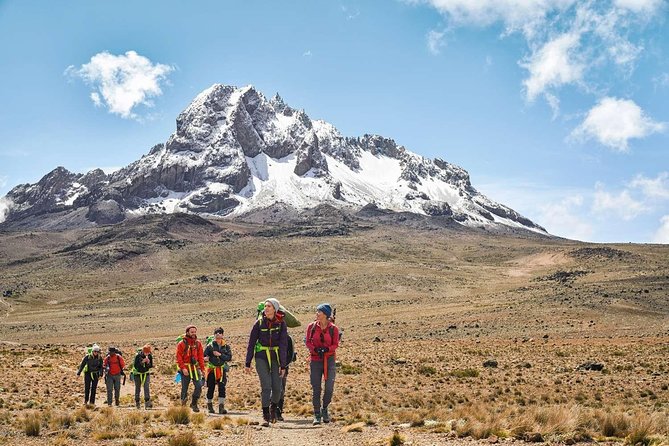
You cover about 8.3 km and hike around 5 hours on Day 1, starting after breakfast. The trail goes through dense rainforest, and you have a chance to spot primates along the way.
The big goal is reaching Mandara Hut and settling in. Then, with your guide, you can head to the Maundi Crater for views toward the Kenyan interior. It’s a great day to learn how the team works for you, because you’ll see how your guide sets expectations and keeps you moving at a steady pace.
If you’re sensitive to cold, bring layers even on the first day. Rainforest mornings can be humid and cool, and you’ll feel the temperature shift as you climb.
A few more Moshi trips to compare
- Safari Serengeti And Ngorongoro
★ 5.0 · 288 reviews - Climbing Kilimanjaro – Machame Route
★ 5.0 · 170 reviews - Climbing Kilimanjaro through 7 days Machame Route
★ 5.0 · 151 reviews - Kilimanjaro climb, Lemosho Route (8-day)
★ 5.0 · 148 reviews
Day 2: Horombo Hut and the Shift to Heath, Moorlands, and Mawenzi Views
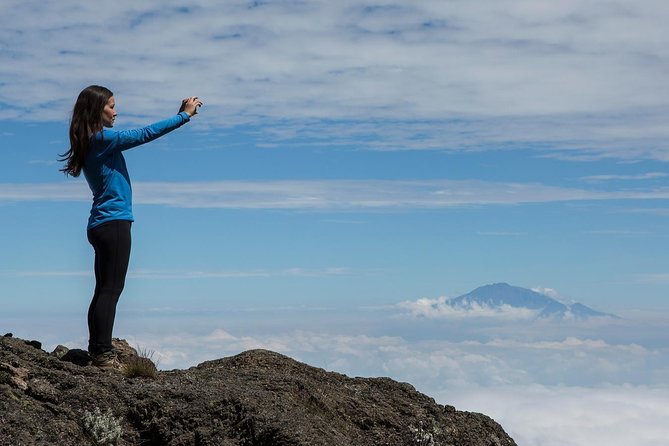
Day 2 is longer on paper, around 12.5 km and about 9 hours total. You leave Mandara Hut and climb toward timberline, then enter heath and moor zones.
After about 4 to 6 hours, Horombo Hut comes into view at roughly 3,700 m. The reward here is the scenery: you get views over Mawenzi, Kibo, and the wide plain of the Masai steppe.
This is one of the days where you can feel the route’s “quick” nature. You are moving into higher altitude faster than many travelers expect from a hut route. If you start this day feeling fine, that’s normal, but don’t let that trick you into going too fast.
Think of Day 2 as your acclimatization work that still lets you enjoy the view. Pace matters more than speed here.
Day 3: The Last Water Point, the Saddle, and Kibo Hut
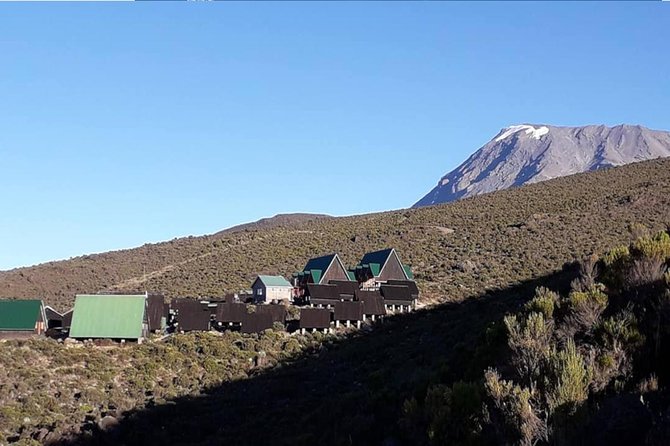
Day 3 covers about 9.5 km and takes around 7 hours, and it is described as the long, tough day. The trail is well built, and you’ll pass the Last Water point, then head into the Saddle area, a near-vegetation-less plateau connecting Kibo and Mawenzi.
This is a transition day, emotionally as much as physically. The environment gets harsher, the air gets thinner, and you start feeling the summit schedule more clearly. The plan ends at Kibo Hut, typically around 6 to 7 hours for the hike portion, with an early evening meal and an early night.
I like that the schedule here is realistic. When you’re waking up for a midnight ascent, “early night” isn’t just a suggestion, it’s the difference between feeling sharp and feeling wrecked.
Day 4: Midnight Ascent to Uhuru Peak, Hans Meyer Cave, and Gillman’s Point
Summit day is the centerpiece: about 22 km and 12 to 15 hours total, with the final ascent starting around midnight. It is long, strenuous hiking where the terrain goes up and the cold can bite hard, especially before sunrise.
As you climb, you pass Hans Meyer Cave at about 5,220 m. The route description says the climb goes upwards slowly, and in practice that slower rhythm is your best friend on a summit push.
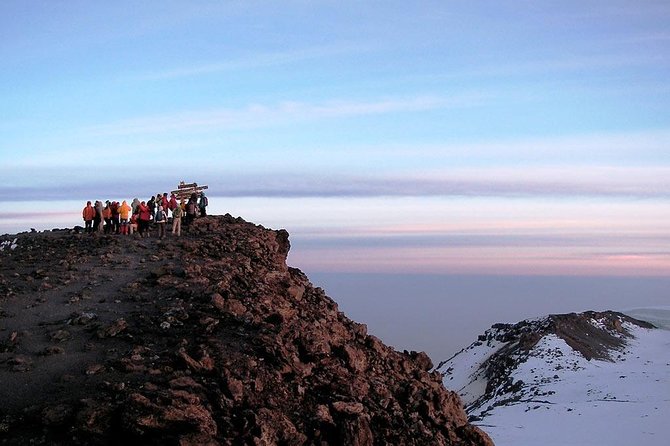
Around sunrise you reach Gillman’s Point at about 5,681 m, the crater rim area where warmth starts to return. After that, it’s another 1 to 2 hours to reach Uhuru Peak at 5,895 m.
Then comes the part many people don’t plan for mentally: you’re not done when you step on the peak. You return to Kibo Hut for a warm meal, then you take a 1 to 2 hour break before continuing downhill toward Horombo Hut.
This is where the support team earns their keep. When your body is tired and your schedule is tight, guides and porters help keep the pace steady and the logistics running. From the feedback you provided, that kind of care showed up again and again through the staff, not just the summit goal.
Day 5: Descent Through Heath, Moor, and Rainforest Back to Moshi
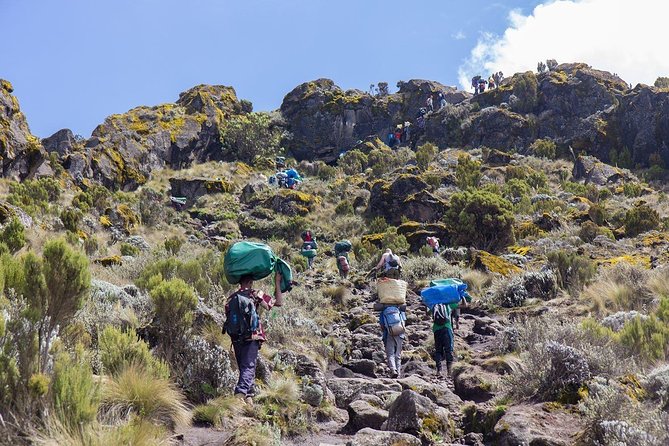
You start Day 5 by hiking through heath and moor zones back toward Mandara Hut at 2,700 m. A warm lunch is waiting there, which is a real morale boost on a travel day.
From Mandara Hut, you continue through rainforest again and reach the Kilimanjaro National Park gate around 1,860 m after about 6 hours of total trekking time on the schedule. After saying goodbye to your mountain guides, you transfer back to your hotel in Moshi.
The itinerary frames it as a warm shower and then time to celebrate your summit. Even if you feel exhausted, that shower and a proper meal off the mountain are part of what makes this trip feel like an adventure, not just a marathon in the dark.
The Human Side: Guides, Porters, Cooks, and Organizers Who Matter
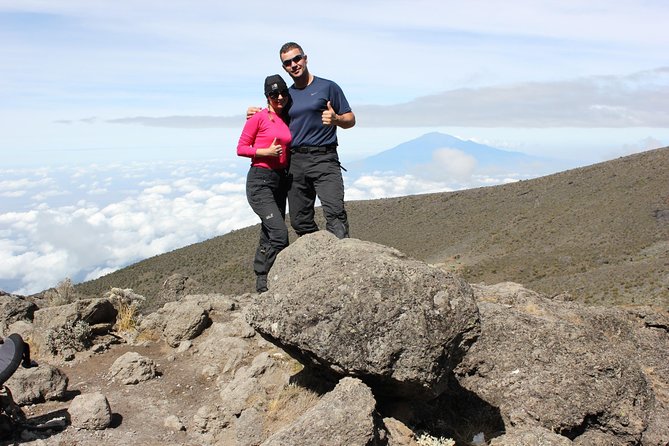
A big reason this experience works is the way the support team shows up. In the feedback you shared, people repeatedly highlighted friendliness and teamwork across porters, cooks, guides, and the organizer.
Specific names came through clearly: Mr Wence was described as an organizer who met guests and smoothed the start. Senior guides named included Mr Msafiri, Rama, and Allan. That sort of identifiable team gives you confidence that you aren’t just buying a product, you’re joining a coordinated crew.
Also, porters and cooks do more than carry and cook. On summit days, they help the whole group stay on schedule with water, meals, and steady teamwork. And in the emotional moments, that kind of encouragement matters too, because altitude can make everything feel louder and harder than it is.
If you’re the type who appreciates people, this trek is especially likely to feel good to you.
Altitude Reality Check for the Quick Marangu Ascent
Here’s the honest altitude note. The route description points out a tradeoff: because Marangu is one of the quickest routes, the success rate is not as high as other routes.
That doesn’t mean it is unsafe for everyone, and it doesn’t mean you cannot summit. It means you should take acclimatization behaviors seriously even if the trail is maintained and hut nights are comfortable.
So what should you do in practical terms?
- Stick to a steady pace, especially early
- Follow the guide’s guidance for rest and hydration
- Treat cold and fatigue as real factors on summit night, not just inconveniences
You also have emergency oxygen included, which is reassuring. Just keep expectations clear: the oxygen is for emergencies only and not as summit aid. In other words, you don’t plan your climb around it, you plan around your body and your pacing.
Packing and Gear: What’s Included vs What You Must Bring
The package covers a lot, but not your personal hiking gear. It also lists camping equipment in the inclusions, while the route itself uses mountain huts for overnight stops. Because of that mix, I recommend you confirm what you personally will use each night.
From the information you provided, here’s what you should plan for:
- Personal hiking or trekking gear is not included, but you can rent some in Tanzania
- Portable toilet is optional but highly recommended
- Snacks, personal medicine, and water purifying tablets are not included
- Meals and drinks outside what’s specified are not included
My practical suggestion: pack for cold summit night conditions and for wet or humid rainforest conditions early on. Even if your route feels “well organized,” weather can still surprise you on Kilimanjaro.
And if you’re bringing trekking poles, that can help with the long downhill, especially on Days 4 and 5 when your legs might feel like they belong to someone else.
Who This 5-Day Marangu Trek Suits Best
This is a good fit if you want:
- A well-maintained route with hut-based overnights
- A schedule that compresses the climb into about 5 days
- A structured support team with guides, porters, and cooks included
- A trip that includes hotel nights, transfers, and many operational details
You might hesitate if you:
- Want a slower acclimatization profile and more gradual altitude recovery
- Prefer to plan your own meals and logistics from scratch
- Are uncomfortable with a summit day that can run 12 to 15 hours starting around midnight
In plain terms, Marangu is a strong choice for travelers who like structure and want to move efficiently, with clear support and predictable hut stops.
Should You Book This 5 Days Marangu Route?
I’d consider booking this Marangu route if you want a clear, organized Kilimanjaro plan that handles the heavy lifting, literally and logistically. The included transfers, meals, emergency oxygen, and hut-based overnight style mean less to arrange and less to worry about once you’re on the mountain.
I would think twice before booking if you are worried about fast acclimatization. Since the route is quick, you’ll need to be disciplined about pacing and taking altitude seriously. Summit day is also long, even with support.
If you want a practical takeaway: this trek is built for travelers who want a straightforward path up, a sunrise summit moment, and a team that keeps the experience human and manageable.
FAQ
How long is the 5-day Marangu route?
It’s scheduled for about 5 days total, with each day’s hiking time varying from roughly 5 hours to 12 to 15 hours on summit day.
Where does the trek start and how do you get there from Moshi?
You are collected from your lodge in Moshi and taken to Marangu gate to begin the hike.
Do you stay in huts or camp?
The itinerary is planned around mountain huts for the overnights, including Mandara Hut, Horombo Hut, and Kibo Hut.
What is included in the price?
The package includes all fees and taxes, return transfers between Kilimanjaro airport and Moshi, hotel nights before and after the climb with dinner and breakfast, qualified guide and support team wages, emergency oxygen, water (fresh for drinking and hot for washing), meals (breakfast, lunch, dinner as scheduled), and camping equipment listed in the inclusions.
Is oxygen provided for the summit attempt?
Emergency oxygen is included, but it is for use in emergencies only and not as summit aid.
What personal gear do I need to bring?
Personal hiking or trekking gear is not included, but you can rent some gear in Tanzania. Snacks, personal medicine, and water purifying tablets are also not included.
Is a portable toilet recommended?
Yes. A portable toilet is optional in the listing, but it is highly recommended.
Just posted around Moshi
- machame route★ 5.0 · 16 reviews
- Kilimanjaro Climbing Umbwe Route★ 5.0 · 3 reviews
- Wildlife Extravaganza: Manyara, Tarangire & Ngorongoro in 3 Days★ 5.0 · 3 reviews
- Mt Kilimanjaro 6 days Marangu route hike★ 5.0 · 3 reviews
- West Kilimanjaro cycling Adventures★ 4.5 · 8 reviews
- 3 Days Private E-Bike Tour in West Kilimanjaro★ 5.0 · 3 reviews
- Kilimanjaro Climb • Marangu Route ~ 9 Day★ 5.0 · 4 reviews
- Private Cycle to Kilimanjaro Bike Park Safari★ 5.0 · 6 reviews
Kilimanjaro Climbs, compared.
8-Day Small-group Lemosho Kilimanjaro Summit Trekking
Read our review →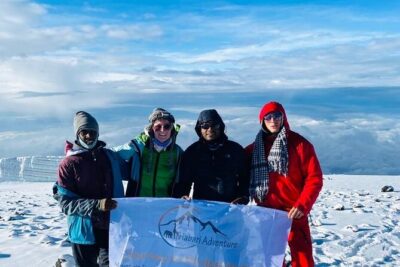
5 Days Best of Tanzania Luxury Safari Northern Circuit
Read our review →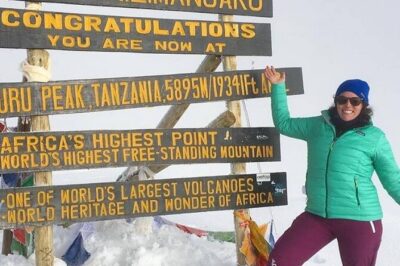
Climbing Kilimanjaro through 7 days Machame Route
Read our review →