
Reviewed · KILIMANJARO CLIMBS
5 Days Marangu Route Kilimanjaro Trekking
Kilimanjaro feels closer on the hut route. This 5 day Marangu Trek from Arusha and Moshi is the popular “Tourist Route,” known for sleeping huts and a steady rhythm of warm meals on the way up. You’ll move from rainforest into moor and heath, then into the big summit push where the world turns thin and cold.
What I like most is how much the package covers before you even start walking. Meals and key trek support are built in, plus you get porterage and a professional driver guide through the whole plan. I also like the human factor, a solo climber review about a guide named Walter called out his patience, and that kind of calm matters when the air gets serious.
One drawback to plan for: this route is popular, so the “touristy” label is real. And summit day begins very early, with the final ascent starting around midnight and you needing to be ready for a tough schedule.
In This Review
- Key Things That Make This 5-Day Marangu Trek Worth Your Attention
- Marangu Route on Kilimanjaro: Hut Nights, the “Tourist” Feel, and Real Pros
- Price and Value: What $1,800.16 Per Person Really Buys You
- Meeting Point Reality: Arusha Timing, Moshi Pickup, and the Early Start Stress Test
- Day 1: Marangu Gate to Mandara Hut, Rainforest Steps and the Maundi Crater View
- Day 2: Mandara Hut to Horombo Hut, Timberline to Heath and Moor
- Day 3: Last Water Point, the Saddle, and the Push to Kibo Hut
- Day 4: Summit Night From Midnight to Uhuru Peak, Gillman’s Point at Sunrise
- Day 5: Horombo Down to Mandara, Then Rainforest Back to the Gate
- Guides, Porters, Food, and the Support That Makes or Breaks the Trek
- What to Pack: Rentals You Might Need and Comfort Choices That Matter at Altitude
- Who Should Choose the 5-Day Marangu Route (and Who Might Prefer Another Plan)
- Should You Book This 5-Day Marangu Trek With Mafie Adventures?
- FAQ
- How long is the Marangu Route Kilimanjaro trek on this plan?
- Where does the tour start and end?
- What time does the tour start?
- Is pickup offered?
- What are the main stops during the trek?
- Are park fees and rescue fees included?
- What meals are included?
- Is climbing gear or a sleeping bag included?
- Is international flights included?
- Can the booking be refunded or changed?
Key Things That Make This 5-Day Marangu Trek Worth Your Attention
- Hut nights on the Marangu Route instead of full camping life, plus warm stopovers like Mandara, Horombo, and Kibo
- Real summit timing, including a midnight ascent and sunrise at Gillman’s Point before Uhuru Peak
- Bundled logistics, including taxes, parking, rescue fees, and the mountain support that keeps the trek moving
- Big views across different zones, from Mandara rainforest to moor and heath, then the crater rim
- Operator support you can feel, with past Mafie Adventure reviews highlighting responsiveness and safe, comfortable trekking
Marangu Route on Kilimanjaro: Hut Nights, the “Tourist” Feel, and Real Pros
The Marangu Route is famous for one practical reason. It’s the main option that offers sleeping huts, so you’re not living full-time in a tent ecosystem. That’s a big deal on Kilimanjaro, where weather can flip fast and you need to conserve energy for the climb.
It also gets called the Tourist Route and the Coca-Cola Route for a simple reason. Hut stops are part of the experience, and on the way you can find hut services, including beverages like Coca-Cola. That means fewer “survival logistics” moments and more time focused on your steps and your breathing.
Is it less wild than quieter routes? Sure. But you’re trading some solitude for smoother planning, and for many people that trade feels smart, especially if you’re working around a schedule or climbing with family.
More Hiking Trips in Arusha
- 8-Day Small-group Lemosho Kilimanjaro Summit Trekking
★ 5.0 · 186 reviews - Mountain Kilimanjaro Day Hike
★ 5.0 · 102 reviews - Private Full Day Hiking Experience to Marangu Route
★ 5.0 · 61 reviews
Price and Value: What $1,800.16 Per Person Really Buys You
At $1,800.16 per person for about five days, this trek isn’t cheap. But the value is in what’s included, not just the walking.
Here’s what you’re getting as part of the package:
- Accommodation throughout the trek
- All taxes and VAT, plus parking fees and rescue fees
- A professional driver guide
- Porterage, so you’re not hauling everything on your back
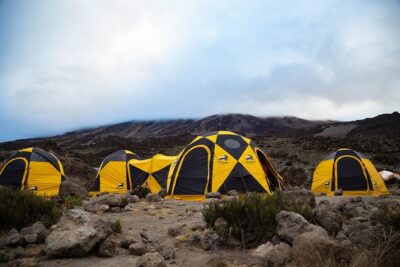
- Camping equipment listed in the inclusions (tents, mess tent, mattress, cooking equipment), plus the structure to run meals on the trail
- Meals included: 4 breakfasts, 5 lunches, and 4 dinners
- A schedule that has set distances and estimated hours each day
That matters because the cost of a climb can quietly balloon. Park-related fees, operational taxes, and rescue-related costs are exactly the kind of line items people forget until they’re already booked. Having them bundled into the trek price makes planning easier and tends to reduce surprises.
Meeting Point Reality: Arusha Timing, Moshi Pickup, and the Early Start Stress Test
The trip is based around Arusha, Tanzania. You start from the Arusha meeting point area, and the trek plan also mentions being collected from your lodge in Moshi to reach the Marangu gate.
Your start time is listed as 1:30 am, and that is a clue about the summit-day rhythm. Even if your first day starts after breakfast, you should treat that early timing as a sign of what’s coming. Summit night usually means short sleep, cold hands, and the kind of tired that makes you suddenly care about snacks.
This is a private tour, so it’s only your group. That can feel calmer than big mixed groups. It also means your guide can pace you without guessing how fast other people are.
Day 1: Marangu Gate to Mandara Hut, Rainforest Steps and the Maundi Crater View
Day 1 covers about 8.3 km and takes roughly 5 hours. After breakfast, you’ll be taken to the Marangu gate, handle the paper work, and start hiking through dense rainforest.
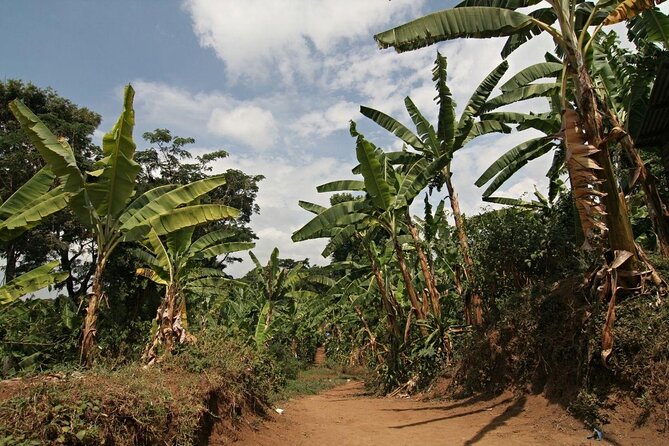
This first day is about getting your legs moving and getting a sense of altitude direction. You’ll hike alongside impressive vegetation, and you might even spot primates. Then you reach Mandara Hut for a well-earned rest.
After resting, your guide can take you to Maundi Crater. The reward here is a view back toward the Kenyan interior. It’s the kind of panorama that makes the “why are we doing this?” feeling turn into “okay, I get it.”
Practical note: rainforest days can be damp, even when the trail looks manageable. Wear shoes you can trust and expect mud on the ground.
More Kilimanjaro climbs:
- 5 Days Best of Tanzania Luxury Safari Northern Circuit
★ 5.0 · 174 reviews - 7-Day Machame Kilimanjaro Summit Tour from Arusha
★ 5.0 · 125 reviews - 4 days Best experience Kilimanjaro Hike, Serengeti &Ngorongoro
★ 5.0 · 54 reviews - From Arusha/Moshi: Kilimanjaro Hike Marangu Route Day Trip
★ 4.5 · 54 reviews
Day 2: Mandara Hut to Horombo Hut, Timberline to Heath and Moor
Day 2 is longer, about 12.5 km and around 9 hours. You’ll start early and leave Mandara Hut behind.
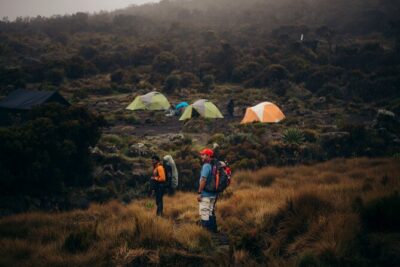
You’ll reach the timberline, then transition into the heath and moor zone. That shift is more than scenery. It often changes how the air feels on your skin and how the trail sounds underfoot. The walk is steady, but it takes time.
Around 4 to 6 hours after leaving, Horombo Hut comes into view at roughly 3,700 m. From the hut, you get fantastic views over Mawenzi, Kibo, and the wide plain connected to the Masai steppe. It’s one of those days where you start to see the summit as a shape, not just a far-away idea.
This is also the day where your pacing matters. Don’t try to “win” the walk. You want energy for the next day’s saddle crossing and the long summit push.
Day 3: Last Water Point, the Saddle, and the Push to Kibo Hut
Day 3 covers about 9.5 km and takes around 7 hours, but it’s described as long and tough. The trail is well built, and you’ll pass the Last Water point.
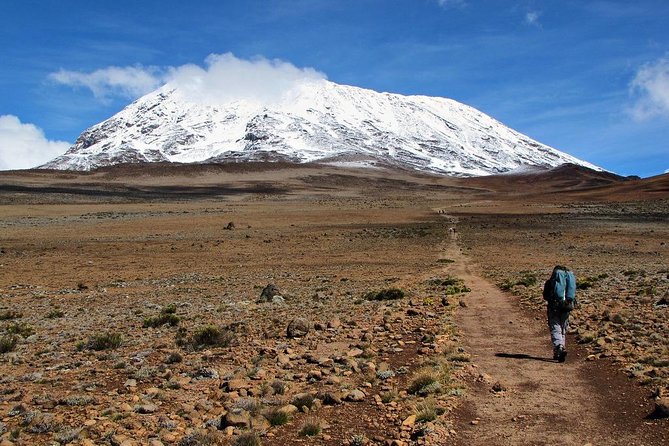
Then comes the saddle, a near-vegetation-less plateau connecting the main summit area Kibo with Mawenzi. This section can feel emotionally strange. The terrain looks more bare, and it reminds you that you’re no longer in lush comfort. You’re moving through a zone that feels harsher, drier, and more exposed.
Your destination is Kibo Hut, usually reached in about 5 to 6 hours. Once you arrive, you’ll have an early evening meal and an early night since the night is short. That part is smart planning. If you can sleep early here, you’ll be in better shape for the summit schedule.
Day 4: Summit Night From Midnight to Uhuru Peak, Gillman’s Point at Sunrise
Day 4 is the big day, about 22 km and 12 to 15 hours total. You begin your final ascent around midnight, which makes this the most demanding part of the trek in both effort and mental focus.
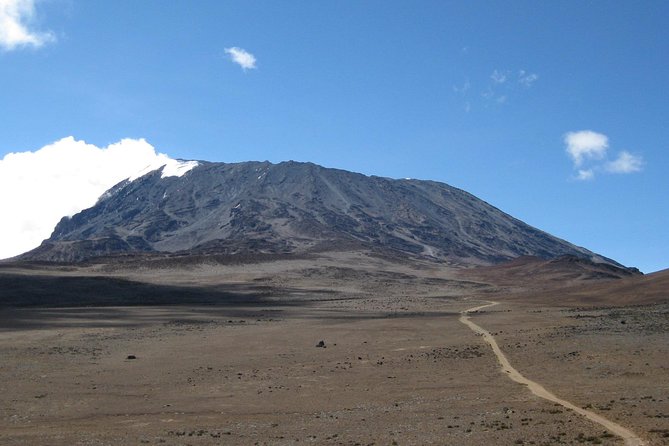
You’ll pass Hans Meyer Cave at around 5,220 m. Then the climb slowly but surely rises. Near sunrise you’ll reach Gillman’s Point at 5,681 m, the crater rim, and you’ll feel the sun start warming the land.
After that, there’s typically 1 to 2 hours more hiking to Uhuru Peak at 5,895 m. That stretch can feel like it takes both forever and no time at all, depending on weather and how steady you’ve stayed.
After reaching the summit, you’ll head back down to Kibo Hut for a warm meal, then take a 1 to 2 hour break before continuing down to Horombo Hut.
This is where your guide matters. A patient, organized guide is the difference between pushing through discomfort and pushing through poor decisions. In one past review tied to Mafie Adventures, a climber praised a guide named Walter for being patient and making them comfortable. For summit day, that kind of calm is a genuine asset.
Day 5: Horombo Down to Mandara, Then Rainforest Back to the Gate
Day 5 is about 20.8 km and roughly 8 hours. You’ll pass back through the heath and moor zone toward Mandara Hut at around 2,700 m.
A warm lunch is waiting there, which is exactly the kind of morale boost you’ll be grateful for. After that, you’ll once again move through tropical rainforest. Then you’ll walk out to the Kilimanjaro National Park Gate at about 1,860 m.
Once you reach the gate, you say goodbye to your guides and do a short transfer back to your hotel in Moshi. Then, yes, a warm shower and a celebration feels mandatory. This is the day your body finally believes you.
Guides, Porters, Food, and the Support That Makes or Breaks the Trek
This trek includes porterage. That means you carry what you need for the day, while porters help manage loads. It’s not just comfort. It often affects how steady your pace stays across multiple days.
Food is included across the days, with breakfasts, lunches, and dinners stated in the package. On Kilimanjaro, regular meals are fuel, and they also help you keep your head clear. Summit night is when that discipline pays off.
In past reviews tied to Mafie Adventures, people specifically called out food quality and adaptation, including a family climb where the operator was responsive and the food was adjusted throughout the trek. That tells me the plan isn’t only about logistics. It’s also about responding to real body needs on a mountain.
Finally, because this is private, your group likely follows your guide’s pace more directly. That can help with decision-making around rest breaks, layers, and hydration.
What to Pack: Rentals You Might Need and Comfort Choices That Matter at Altitude
Your package does not include climbing gear or a sleeping bag, but it notes those are available for rent. That matters because altitude comfort is not optional.
Here’s how I’d think about your packing with only the provided facts:
- Bring or rent climbing gear if you don’t already have it.
- Plan for a sleeping bag rental since it’s listed as not included.
- Plan to rent or bring any small essentials not covered as personal items, like socks and day comfort gear.
Also note: bath towels are not included. That’s a small thing until you’re wiped out and want to feel human again at the end of the trek.
And yes, tips are not included. If tipping is part of your travel style, set aside a budget so it’s not an afterthought.
Who Should Choose the 5-Day Marangu Route (and Who Might Prefer Another Plan)
This trek suits most travelers, and it’s described as accessible for most people. The reason is practical. The Marangu Route uses huts, which usually means less friction from cold tent setup and fewer wet-night hassles.
It also fits families and groups when you want structure and strong responsiveness. One review described a family ascent as very well organized with excellent responsiveness for a last minute decision.
You might want to reconsider if you:
- Want a quieter, less popular experience, because Marangu is the most popular route.
- Are sensitive to the time pressure of summit night, since the final ascent starts around midnight and the schedule is long on Day 4.
Should You Book This 5-Day Marangu Trek With Mafie Adventures?
If you want a well supported Kilimanjaro climb with hut nights, bundled operational costs, and a clear plan, I think this is a solid match. The price includes the kind of mountain basics that can otherwise turn into stress, and the itinerary is built around strong stopovers like Mandara, Horombo, and Kibo.
But if you hate crowds and want maximum solitude, Marangu’s reputation as the Tourist Route is a warning. Also, be honest with yourself about summit day timing. This climb demands energy, and the schedule is not gentle.
My advice: if you’re booking because you want the hike to feel structured, you’re likely to be happy. If you’re booking to escape everything and go off the grid, you’ll feel the tradeoffs fast.
FAQ
How long is the Marangu Route Kilimanjaro trek on this plan?
The itinerary is planned for 5 days.
Where does the tour start and end?
It starts in Arusha, Tanzania, and the experience ends back at the meeting point.
What time does the tour start?
The listed start time is 1:30 am.
Is pickup offered?
Yes, pickup is offered, including being collected from your lodge in Moshi to reach the Marangu gate.
What are the main stops during the trek?
The itinerary includes Kilimanjaro National Park entry at the Marangu gate, then hut stops at Mandara Hut, Horombo Hut, and Kibo Hut, plus the summit stage to Uhuru Peak and a final descent back to Mandara Hut and the Kilimanjaro National Park Gate.
Are park fees and rescue fees included?
Yes. The package includes parking fees and rescue fees.
What meals are included?
The inclusions list 4 breakfasts, 5 lunches, and 4 dinners.
Is climbing gear or a sleeping bag included?
No. Climbing gear and a sleeping bag are listed as available for rent.
Is international flights included?
No, international flights are not included.
Can the booking be refunded or changed?
No. This experience is non-refundable and cannot be changed for any reason.
More Hiking & Trekking in Arusha
- 4 Days Mount Meru Trekking
★ 5.0 · 55 reviews - 6 Days Serengeti Safari(hiking waterfalls &coffee tour)
★ 5.0 · 48 reviews - Arusha: Napuru Waterfalls Guided Hike
★ 4.8 · 39 reviews - Mount Kilimanjaro Day Hike Through Marangu Route to Mandara Hut
★ 5.0 · 37 reviews
Just posted around Arusha
- 8 Days Serengeti Migration safari★ 5.0 · 11 reviews
- tarangire & ngorongoro 2 days tour★ 5.0 · 14 reviews
- serengeti, ngorongoro & tarangire 4 days private tour★ 5.0 · 18 reviews
- tarangire, ngorongoro & lake manyara park 3 days private tour★ 5.0 · 11 reviews
- Mt. Kilimanjaro: Shira plateau to Cathedral point 3872m Day hike★ 5.0 · 7 reviews
- serengeti & ngorongoro 3 days private tour★ 5.0 · 15 reviews
- climb the KILIMANJARO via Lemosho route★ 5.0 · 4 reviews
- Kilimanjaro Waterfalls Hike & Moshi Hot Springs Day Trip Tour★ 5.0 · 4 reviews
Kilimanjaro Climbs, compared.
8-Day Small-group Lemosho Kilimanjaro Summit Trekking
Read our review →
5 Days Best of Tanzania Luxury Safari Northern Circuit
Read our review →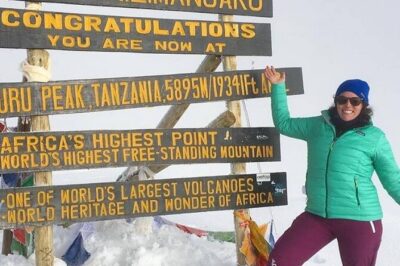
Climbing Kilimanjaro through 7 days Machame Route
Read our review →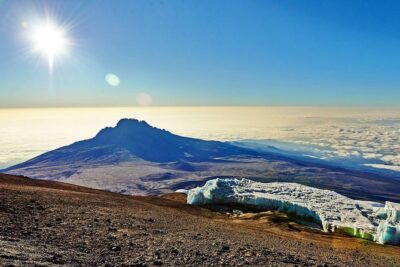
Browse the lists this tour appears in