Reviewed · KILIMANJARO CLIMBS
5 Days Marangu route Climbing Mt. Kilimanjaro
Kilimanjaro tests your will, then rewards you big. This 5-day Marangu route is set up in clear day-by-day chunks, from rainforest walking to high-alpine moon terrain and a midnight-to-dawn summit push. Two things I really like here: the safety-and-comfort focus (including rescue fees plus oxygen equipment) and the way the schedule builds altitude step by step instead of rushing. One possible drawback to weigh up is the cold and the early start on summit night, so you need serious layering and a calm, slow pace mindset.
What makes this climb feel practical is the amount of real support baked into the package. You get professional mountain staff, hot meals each day on the mountain, treated drinking water, and hot water for washing, which matters when the air is dry and temperatures drop fast. In a few of the positive experiences I read closely, guides like Bakari and Rama were praised as professional, patient, and good at explaining what to expect, and I think that kind of coaching is often the difference between panicking and pacing. Still, the trek requires strong physical fitness, and altitude can hit even fit hikers, so plan to go slow.
From Moshi, the logistics are also handled for you, which helps you focus on the climb. You get pickup support and private transport to and from the park gate, plus registration and hut access covered. If you are traveling with the mindset that this is a tough hiking job, not a casual stroll, this is a solid way to do it.
In This Review
- Key points to know before you climb Marangu
- Moshi start, park gate day one, and the rainforest pacing
- Day two: from montane forest edges to high moorlands at 3,700m
- Day three: the saddle to alpine desert, and the quiet prep before summit night
- Day four: midnight-to-dawn summit push, headlamp time, and the Uhuru Peak win
- Day five: descent through moorland to Mandara Hut and a return to Moshi
- Why the inclusions feel like real value, not fluff
- Guides, teamwork, and that calm voice when you feel altitude
- What you should pack for this Marangu 5-day rhythm
- Who this climb fits best, and who should think twice
- Should you book this Kilisa Tours and Safaris 5-day Marangu climb?
- FAQ
- Where does the climb start and end?
- What time does the tour start?
- How long is the hike?
- Is pickup or transport included?
- What is included for safety at altitude?
- What kind of meals and water do you get?
- What should I bring for the summit day?
- What is not included in the price?
Key points to know before you climb Marangu
- Rescue readiness is included, with Team Kilimanjaro Rescue fees added to the cost.
- Oxygen tanks and an ox meter are included, which is a comforting extra at altitude.
- Meals and water are planned tightly, with 3 hot meals daily on the mountain and treated drinking water throughout.
- Small group size (maximum 15 travelers) can make the whole experience feel more controlled and personal.
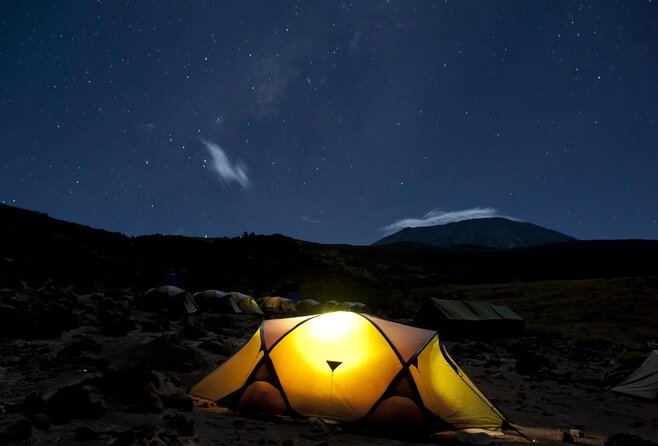
- Cold-weather summit reality starts very early, so headlamps and warm layers are not optional.
- Hot water for washing is included, which you will appreciate on multiple days in huts.
Moshi start, park gate day one, and the rainforest pacing
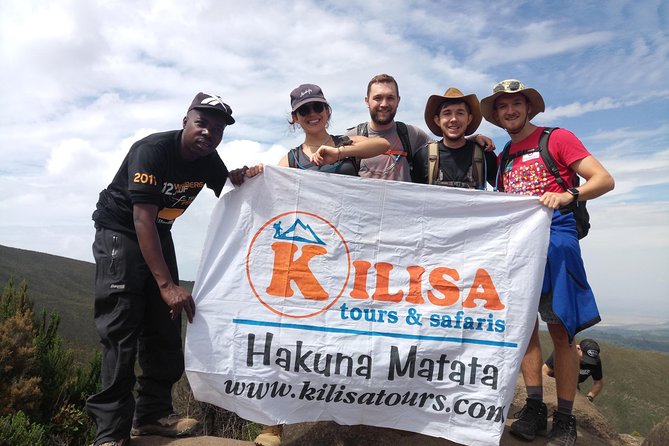
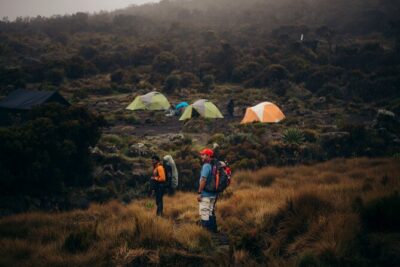
You begin in Moshi and drive to the Kilimanjaro National Park gate, about one hour away. After breakfast and a briefing, you register and step into the climb. Day one is a rainforest approach, which is a gift early on: you warm up gradually, you move through shady green, and you still get the Kilimanjaro experience without being hit immediately by extreme altitude.
The hike goes from around 1,860m to 2,700m. It is listed as about 8 km and 3 to 4 hours, walking through montane forest. This is the time to get your rhythm, check your boots, and dial in clothing so you do not sweat yourself into exhaustion. You also get a memorable side moment: a Maundi Crater side trip that can give you broad views over northern Tanzania and Kenya on a clear day.
What I like about this part of the plan is that it is not only scenic, it is functional. Rainforest walking tends to feel easier on the body because the altitude is still moderate. That makes day one ideal for settling in and letting your breathing adapt. Expect the usual wildlife and forest character, like eucalyptus trees, bird life, and colobus monkeys, and stay alert for animals on the trail.
Practical caution: rainforest days can be humid and muddy, even if you are not seeing constant rain. If you hate dealing with wet socks later, bring a dry spare layer for camp time.
More Kilimanjaro climbs:
- Kilimanjaro climb by Lemosho Route (7-day)
★ 5.0 · 651 reviews - Kilimanjaro climb, Machame Route (7-day)
★ 5.0 · 262 reviews - Kilimanjaro Climbing Lemosho Route 8 Days.
★ 5.0 · 186 reviews
Day two: from montane forest edges to high moorlands at 3,700m
Day two is where Kilimanjaro starts doing what it does best, altitude. You leave the glades of the rainforest and move into ascending paths across open moorlands to Horombo encampment. The route is about 12 km with 5 to 6 hours of walking, rising from about 2,700m to 3,700m.
This is the day for two types of motivation. First, you get strong visual reward with views of Mawenzi and the summit of Kibo. Second, you get a real physical clue that altitude is in play. The schedule even notes that you may begin to feel the effects of altitude here, which is exactly why day two is so important: your body should learn early, not panic late.
Vegetation changes too, with highlights like giant lobelias and groundsels. That shift matters because it signals you are moving into a different ecosystem where temperatures and wind can change quickly. I recommend you treat day two as a “slow down and listen” day. If you feel unusually out of breath, that is a signal to ease pace rather than push harder.
Food is also part of altitude success. Day two includes breakfast, lunch, and dinner while on the mountain. Eat what you can, drink steadily, and do not wait until you feel thirsty.
Day three: the saddle to alpine desert, and the quiet prep before summit night
Day three is about transition. You pass the last watering point and walk onto the saddle between the peaks of Kibo and Mawenzi. The elevation climbs from about 3,700m to 4,700m, with roughly 9 km and 5 to 6 hours. Vegetation starts as upper heathland and then fades into what the plan describes as a moonscape, an alpine desert feel with stark, dry ground.
Why this day matters: it sets you up for summit night. You are going high, but you are not still climbing toward the top all day like day four. Dinner is served, you rest, and you prepare. That preparation is not fluff. The more steady and organized you are before midnight, the more likely you are to keep your pace calm when the cold hits.
You can expect the environment to feel harsher. At these elevations, even small effort can take more breath than you expect. If you feel headaches, nausea, or unusual fatigue, do not play tough. The right move is to report it early to your guide team so they can support pacing and monitoring.
Tip that fits the reality of day three: pack your summit gear in a way you can access quickly. Gloves, hat, extra warm layer, and any headlamp batteries should be easy to grab. You will be tired before you even start the real climb.
Day four: midnight-to-dawn summit push, headlamp time, and the Uhuru Peak win
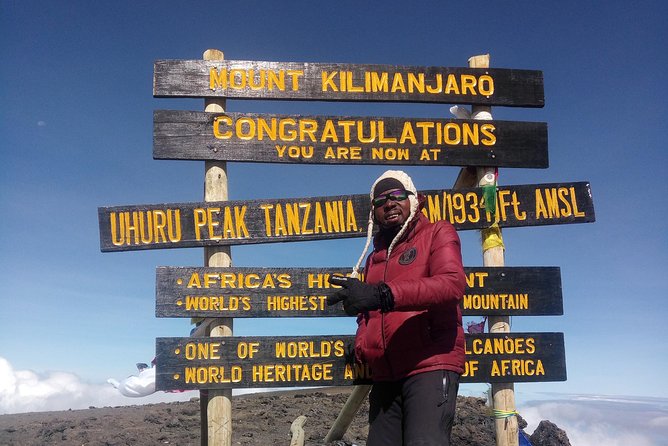
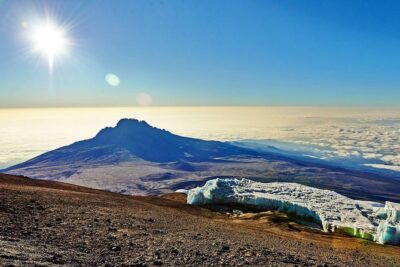
This is the big day. You start very early in the morning, between midnight and 2 am, climbing up steep terrain with heavy scree or snow toward Gilman’s point on the crater rim. Then the plan continues onward to Uhuru Peak, the highest point in Africa.
This is also why the tour explicitly calls out gear and pace. The beginning of the summit climb is done in the dark, so headlamps or flashlights are essential. It will be brutally cold until you start descending, so you need all your warm layers ready from the start. This day is described as the most difficult, with many switchbacks, so your best strategy is slow and steady, pole pole, and a positive attitude.
If you are new to altitude trekking, here is the part to take seriously: your legs will feel like they are moving through gravel, but the key is cadence. You will not win Kilimanjaro by sprinting. You win by staying patient and letting your breathing do the work.
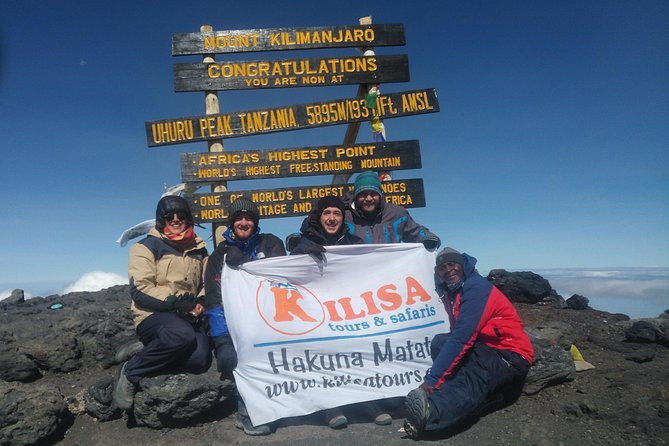
Views are described as unbelievable at every turn. That is not marketing language, it is physics. When you are so high, the air is thin and the horizon opens up. You also get a chance to have photos taken at the summit, which is the moment you will remember when the rest of the climb feels like hard work.
Then comes the recovery half of the day. You descend, stop for lunch and rest at Kibo, and continue down to Horombo encampment. You will feel relief when the cold starts easing, but do not relax too early. Descents still tax your body, especially if you are tired.
A few more Moshi trips to compare
- Safari Serengeti And Ngorongoro
★ 5.0 · 288 reviews - Climbing Kilimanjaro – Machame Route
★ 5.0 · 170 reviews - Climbing Kilimanjaro through 7 days Machame Route
★ 5.0 · 151 reviews - Kilimanjaro climb, Lemosho Route (8-day)
★ 5.0 · 148 reviews
Day five: descent through moorland to Mandara Hut and a return to Moshi
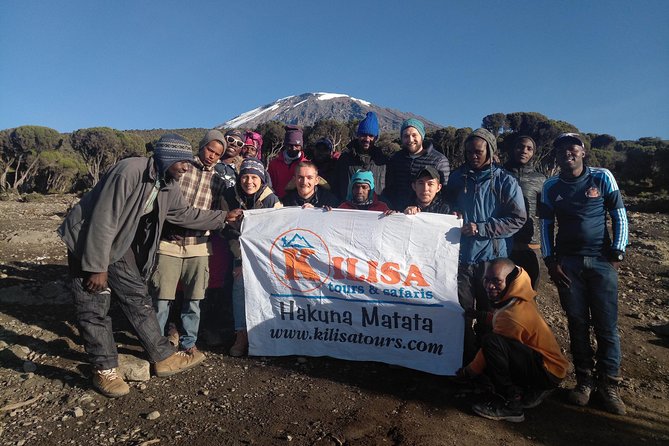
After breakfast, you start a steady descent down through moorland to Mandara Hut. Then you continue descending through lush forest path toward the national park gate at Marangu. The day’s plan also warns you about wet conditions at lower elevations, including muddy ground. Gaiters and trekking poles help a lot here, and it makes sense: you are lowering altitude, but your legs are still under pressure.
Day five is about 20 km with 4 to 5 hours of hiking time, dropping from around 3,700m to 1,700m. Shorts and t-shirts might be enough for part of the day, but keep rain gear and warmer clothing handy, because weather can shift even when you are descending.
Once you hit the Marangu gate, a vehicle waits to drive you back to your hotel in Moshi, about one hour. This matters because your focus shifts quickly from surviving the trail to recovering. You will want a clean shower, a decent meal, and sleep that does not get interrupted by sore muscles.
Why the inclusions feel like real value, not fluff
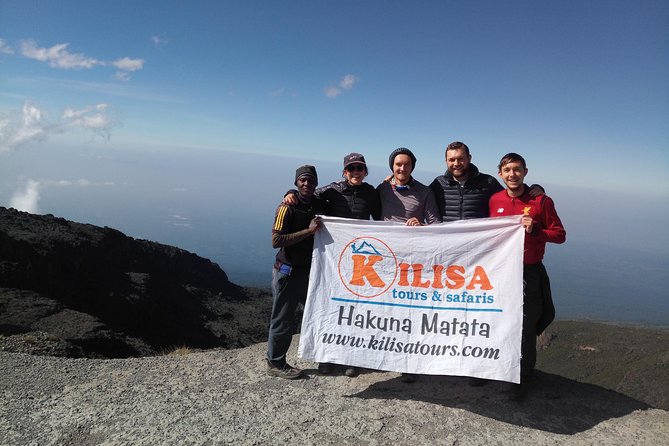
The price is $2,330 per person for this 5-day climb. A lot of climbs advertise cheap, but then hit you later with oxygen, meals, rescue, or park fees. Here, the package includes a set of items that actually change your daily experience.
Here are the standouts:
- 3 hot meals daily while on the mountain plus breakfast and the listed lunches and dinners. That means you are not trying to make your own food plan while breathing thin air.
- Enough treated and filtered drinking water throughout the trek. Dehydration is a silent altitude problem.
- Hot water for washing, so you are not living in full-day sweat and dust for five straight days.
- Portable oxygen tanks and an ox meter, plus the team Kilimanjaro Rescue fees. Even if you never use oxygen, the inclusion signals serious readiness.
- Park entry fees and hut fees so you do not have to chase receipts and add costs.
Also included are friendly and professional guides, cook and porters. In the positive feedback I saw, people specifically praised guide behavior, professionalism, patience, and the way guidance made the climb easier. That lines up with what you want most on a summit push, someone steady who helps you slow down and keep moving.
What is not included is also important to know up front. Travel insurance and flights are not included, and tips for guides, porters, and cook are not included. So in your budget, add a buffer for those human pieces and for travel logistics.
Guides, teamwork, and that calm voice when you feel altitude
One theme in the strong feedback is guide temperament. Names like Bakari and Rama show up in the best accounts, and the praise is consistent: professional, kind, patient, cheerful, and good at explaining what is happening. I also saw mentions of Naick providing lots of information ahead of time.
Why that matters: Kilimanjaro is not only a physical climb, it is a decision-making environment. You need to know how to respond to symptoms, how to pace, and when to keep moving versus when to communicate. A guide who can break things down and keep the group calm helps you avoid the common trap of going too fast early.
The group size cap of 15 travelers also helps. Fewer people means less crowding and easier coordination in camp routines like meal times, gear checks, and breaks.
What you should pack for this Marangu 5-day rhythm
The data you have here is practical, and it points to what to bring:
- Summit night needs headlamp or flashlight because you start between midnight and 2 am.
- Cold is a real factor until you begin descending on summit day. Plan for layers. The trek explicitly calls out warm layers.
- For day five, you might face wet and muddy ground at lower elevations, so gaiters and trekking poles help.
- Bring a mix of clothing you can adjust as the day goes from rainforest to high alpine conditions.
- Keep rain gear and some warmer clothing handy even when you are descending.
If you are deciding between comfort and light packing, I would choose comfort. On Kilimanjaro, you are carrying and wearing your choices for days at a time.
Who this climb fits best, and who should think twice
This is best for hikers with strong physical fitness and the willingness to move slowly. If you like structured days, clear goals, and a team environment where you trust guides and follow pacing, you will likely enjoy this.
It is also a good fit if you value included support like treated water, hot meals, and oxygen equipment. Those are not “nice extras” at altitude, they are part of how a safe plan feels real.
Who might struggle: if you are looking for a short, easy hike, this is not it. Summit night is demanding. Even with support, you still need mental stamina.
Should you book this Kilisa Tours and Safaris 5-day Marangu climb?
I would book it if your priorities are safety readiness, a structured hut trekking schedule, and an operator that includes oxygen and rescue readiness in the package. The inclusion list is strong for value because it covers many items that tend to create stress or hidden costs on mountains.
I would pause and think carefully if cold-weather hiking is a deal breaker for you, or if you are not sure you can handle steep, switchback terrain in near-freezing conditions early in the morning. If that is you, talk with the operator before committing, and be honest about your fitness level.
If you want a Kilimanjaro climb that feels planned, supported, and team-driven, this one makes a lot of sense.
FAQ
Where does the climb start and end?
The experience starts at Kilimanjaro Airport and ends back at the meeting point. It also includes driving you to and from the Kilimanjaro gate during the trek.
What time does the tour start?
The start time listed is 8:30 am.
How long is the hike?
It is listed as 5 days (approx.).
Is pickup or transport included?
Yes. Private transport is included to and from Kilimanjaro International Airport to your accommodations in Moshi, plus transportation to and from the Kilimanjaro gate.
What is included for safety at altitude?
The package includes Team Kilimanjaro Rescue fees, portable oxygen tanks, and an ox meter, along with an emergency first-aid kit.
What kind of meals and water do you get?
You get enough treated and filtered drinking water throughout the trek, plus 3 hot meals daily while on the mountain. Breakfast (5) and lunches and dinners are also listed.
What should I bring for the summit day?
The climb to the summit begins in the dark between midnight and 2 am, so you need headlamps or flashlights. The day is described as very cold until you start descending, so warm layers are necessary.
What is not included in the price?
Travel insurance, flights, and tips for guides, porters, and cook are not included.
Just posted around Moshi
- machame route★ 5.0 · 16 reviews
- Kilimanjaro Climbing Umbwe Route★ 5.0 · 3 reviews
- Wildlife Extravaganza: Manyara, Tarangire & Ngorongoro in 3 Days★ 5.0 · 3 reviews
- Mt Kilimanjaro 6 days Marangu route hike★ 5.0 · 3 reviews
- 3 Days Private E-Bike Tour in West Kilimanjaro★ 5.0 · 3 reviews
- West Kilimanjaro cycling Adventures★ 4.5 · 8 reviews
- Kilimanjaro Climb • Marangu Route ~ 9 Day★ 5.0 · 4 reviews
- Private Cycle to Kilimanjaro Bike Park Safari★ 5.0 · 6 reviews
Kilimanjaro Climbs, compared.
8-Day Small-group Lemosho Kilimanjaro Summit Trekking
Read our review →
5 Days Best of Tanzania Luxury Safari Northern Circuit
Read our review →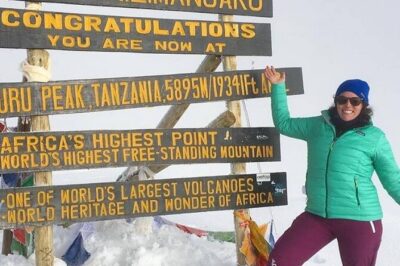
Climbing Kilimanjaro through 7 days Machame Route
Read our review →