Reviewed · KILIMANJARO CLIMBS
5 Days Climbing Mount Kilimanjaro Marangu Route
Five days, huts every night, summit next. This Marangu Route climb is the easiest, shortest path many people choose for Kilimanjaro, and it helps you get to Uhuru Peak without changing routes midstream. I like the clear, “tourist route” structure, plus the nightly comfort of sleeping huts at each camp site with solar lights and cushy bunks.
What really makes this trip feel manageable is the combination of included meals and a steady guide-led pace, so you are not constantly guessing. You will also get a certified, English-speaking guide, plus hotel pickup and drop-off from Moshi. One thing to consider is that the hut sleeping is communal, so you are trading privacy for convenience, and summit night still means slow, steep effort.
In This Review
- Key things to know before you go
- Marangu Route: the most beginner-friendly way to Uhuru Peak
- Price and value at $1,650 per person in Moshi
- Day 1: Marangu Gate to Mandara Hut through rainforest
- Day 2: steep forest climb, then high moorland and early views
- Day 3: the Saddle crossing and a camp at the Kibo crater wall
- Day 4: summit night to Gilman’s Point, then Uhuru Peak and down to Horombo
- Day 5: the descent through moorland and lush forest to Marangu village
- Sleep comfort and daily rhythm in communal huts
- Guides, porters, and the pace you should expect
- Who this Marangu 5-day climb is best for
- Should you book this 5-day Marangu climb with Transkibo Travels Ltd?
- FAQ
- What time does the Kilimanjaro Marangu Route tour start?
- How long is the climb?
- Where is the tour based?
- Does the price include hotel pickup and drop-off?
- Are meals included?
- Is mineral water included?
- Are park and rescue fees included?
- Do I need to bring my own gear?
- What is the cancellation policy?
Key things to know before you go
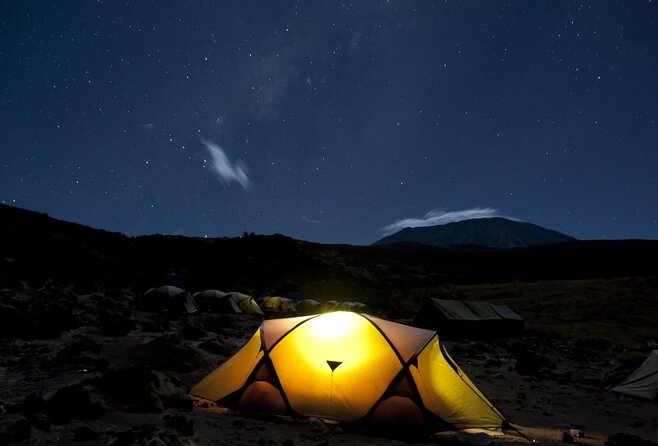
- Hut sleeping each night: solar lights, communal huts, sponge mattress, and a pillow
- A simple route logic: shortest, easiest way to reach Uhuru Peak and come back the same corridor
- All meals and water handled: breakfast, lunch, dinner, and unlimited mineral water are included
- Fees you do not have to hunt down: park gate fees, rescue fees, and porter and camping costs are covered
- One main summit day: long summit push at night, then a long descent back to camp
Marangu Route: the most beginner-friendly way to Uhuru Peak
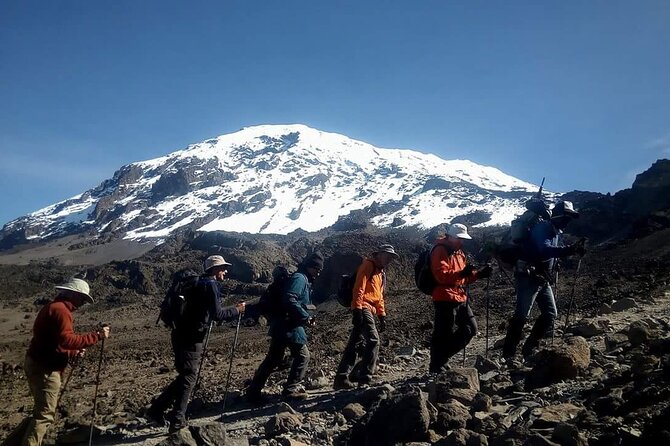
The Marangu Route is often called the tourist route or Coca-Cola route, and it earns those labels because it is the most straightforward way up. The big practical benefit is that the trek is designed around a short itinerary that stays on one route style from gate to summit and back.
I especially like the hut setup because it changes the feel of the climb. Instead of thinking about tent logistics, you are planning your daypacks, water, and layers, then turning in at a camp with solar lighting and proper bedding. That means less friction when you are tired, which matters on a mountain like Kilimanjaro.
The main trade-off is social sleeping. These huts are communal, with bunks rather than private rooms, so snoring, early wakeups, and narrow space are part of the deal. If you hate shared spaces, you might find that annoying even if the beds are comfortable for altitude trekking.
More Kilimanjaro climbs:
- Kilimanjaro climb by Lemosho Route (7-day)
★ 5.0 · 651 reviews - Kilimanjaro climb, Machame Route (7-day)
★ 5.0 · 262 reviews - Kilimanjaro Climbing Lemosho Route 8 Days.
★ 5.0 · 186 reviews
Price and value at $1,650 per person in Moshi
At $1,650 per person, you are not just buying “time on the trail.” You are paying for a package that covers the essentials that often add up fast on Kilimanjaro: guide service, meals, fees, and staff costs.
Here is what is included that usually protects your budget:
- All meals (breakfast, lunch, and dinner)
- Certified, experienced, English-speaking guide
- Transportation with hotel pickup and drop-off in Moshi
- Rescue fees required by the national park
- National Park gate fees
- Porters salaries and camping fees
- Unlimited mineral water
- A mobile ticket
What is not included is just as important: you bring your own personal equipment and gear. That is normal for Kilimanjaro, but it can catch people off guard if you assume the pack is fully covered. If you are traveling light, it is worth checking what you already own and what you will need to rent or buy before you arrive.
Is the price fair? For the Marangu Route, yes, especially because many key costs are bundled. If you would otherwise pay for separate guides, park fees, and meals, this format saves you time and stress.
Day 1: Marangu Gate to Mandara Hut through rainforest
Your climb starts with formalities at Marangu Gate, then you move into a tropical rainforest setting along the upper edge of the forest line. Expect a trail that initially feels green and active, with chances to spot playful blue monkeys if conditions are right.
The hike to Mandara Hut takes about 5 hours, and that is a nice way to ease in. You are not yet at the part where everything turns into step-by-step survival, so Day 1 is mostly about getting into rhythm, testing your footwear, and learning how you naturally pace.
Mandara Hut is your first overnight on the route, and this is where the hut comfort starts to matter. You will settle into a communal sleeping space with sponge mattress bedding, and the solar lighting helps you manage basics like organizing gear and moving safely after dark.
A drawback on Day 1 is that rainforest sections can feel damp and slightly unpredictable. The best approach is to pack for comfort rather than performance, meaning waterproof outer layers or rain gear you can actually tolerate wearing.
Day 2: steep forest climb, then high moorland and early views
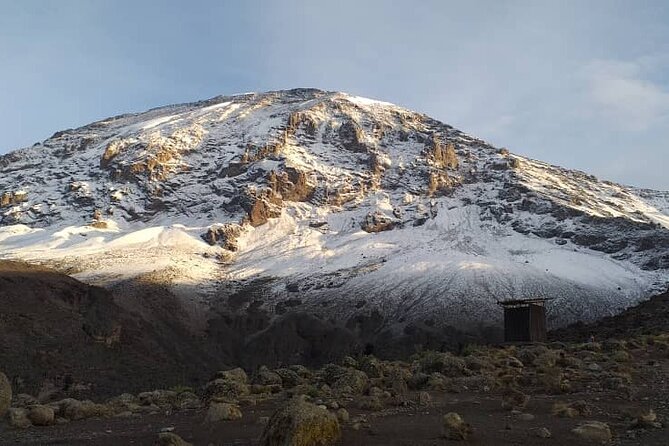
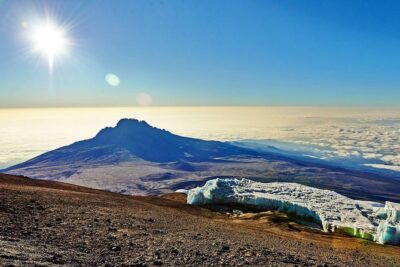
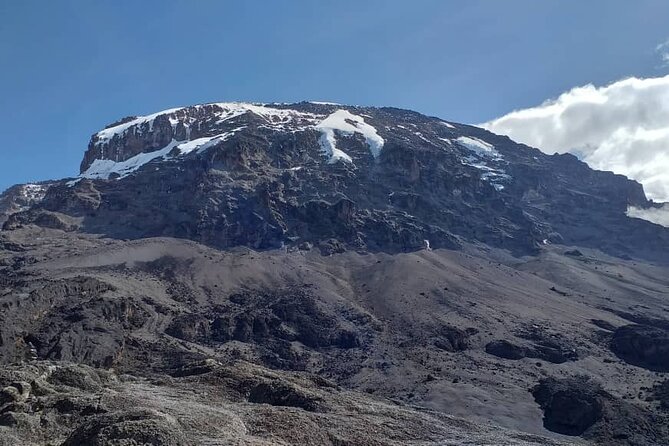
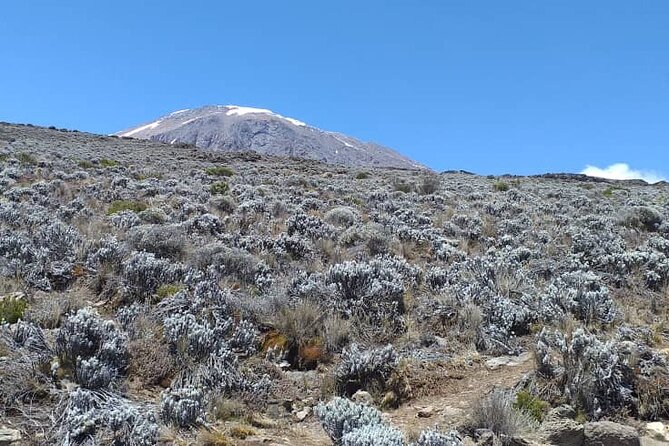
Day 2 begins with a steep ascent through the forest, then transitions into high moorland. If the sky is clear, this is when you may get your first views of Kibo and Mawenzi, the two main peaks you will focus on for the summit story.
This day is longer at about 8 hours, and it can feel like a “start-up day” for altitude. Not because you are maxing out right away, but because you are warming up your breathing and testing your mental patience.
When you hit the moorland, your senses shift. The air can feel cooler, the terrain can look more exposed, and your view of Kilimanjaro’s volcanic structure starts to become real instead of a faraway shape on the horizon. That is motivating when you are later staring at the crater rim and deciding how you want to handle summit night.
The consideration here is weather. Clear skies can give you those first peak views, but if visibility drops, you will still be hiking through the same steep effort. Pack layers you can adjust quickly, so you do not waste energy overheating.
A few more Moshi trips to compare
- Safari Serengeti And Ngorongoro
★ 5.0 · 288 reviews - Climbing Kilimanjaro – Machame Route
★ 5.0 · 170 reviews - Climbing Kilimanjaro through 7 days Machame Route
★ 5.0 · 151 reviews - Kilimanjaro climb, Lemosho Route (8-day)
★ 5.0 · 148 reviews
Day 3: the Saddle crossing and a camp at the Kibo crater wall
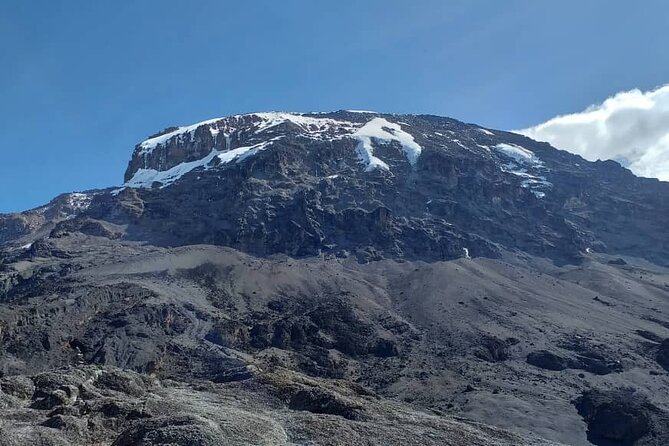
Day 3 is where the mountain starts to feel less like a hike and more like a mission. You climb gradually, then cross the lunar desert of the Saddle between Mawenzi and Kibo, heading toward your campsite at the bottom of the Kibo crater wall.
The route on Day 3 is about position. You are moving into the part of Kilimanjaro that sets up your summit night. Once you reach camp, you rest, eat early dinner, and prepare for the next day’s push.
This is also the day you should treat like a planning day. Even if you are exhausted, you want your summit gear sorted: the layers you want at night, your headlamp or light plan, and everything you will access quickly without rummaging. With hut sleeping, you can often organize calmly, but you still need to move efficiently.
The biggest drawback to watch for is mental fatigue. The Saddle can feel stark and long, so if you are the type who gets discouraged easily when the terrain changes, remind yourself that this is normal staging for the summit. You are not failing, you are just entering the part of the climb that feels different.
Day 4: summit night to Gilman’s Point, then Uhuru Peak and down to Horombo
This is the day with the classic Kilimanjaro rhythm: you wake up in the middle of the night, then start the final push toward the Roof of Africa.
From Gilman’s Point, the trail becomes a traverse along the crater rim to Uhuru Peak. That crater rim section is why people talk about the summit experience with such intensity. You are not only climbing altitude, you are also feeling the scale of the volcanic bowl around you.
You stay at Uhuru Peak for a short time to take photos and enjoy the views, then you turn back and descend all the way to Horombo Hut. This long descent is not a quick victory lap. It is still hours of careful walking, and it tests your knees and your ability to stay focused after adrenaline fades.
One practical note from the timing: because you wake in the night and summit by long effort, your day planning matters. Eat well at camp, hydrate consistently, and try to keep your summit-day expectations realistic. Slow and steady is not a slogan here, it is the only way most people finish feeling human.
If you are lucky with conditions, you get clearer views. One climber celebrating their birthday month in August described near-perfect trekking weather with clear skies and cool, crisp air, making each day feel especially scenic. That is not a guarantee, but it is a good reminder that timing in the calendar can change how the mountain looks.
Day 5: the descent through moorland and lush forest to Marangu village
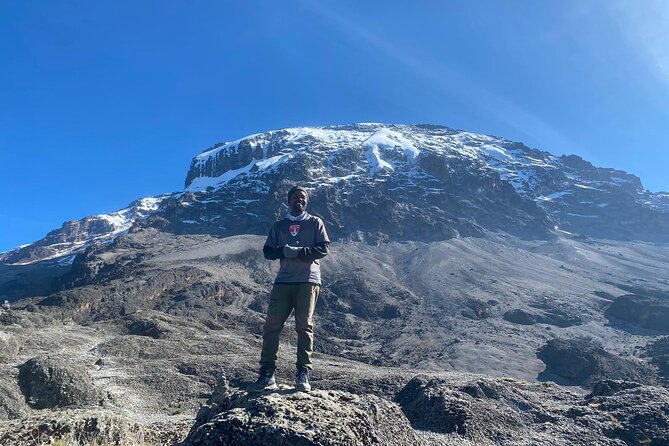
After breakfast, you start a steady descent down through moorland to Mandara Hut, the first stopping place on the Marangu route. From there, you continue descending through lush forest on a good path toward the National Park gate at Marangu.
At lower elevations, it can be wet and muddy. That is not a reason to panic, it is a reason to be prepared with gaiters and trekking poles if you have them. The guidance here is simple: you will move more confidently with traction support, and poles help protect your legs on uneven ground.
Clothing-wise, shorts and t-shirts will probably be enough, but keep rain gear and warmer clothing handy. Kilimanjaro can change its mood quickly, and on your last day you will appreciate the ability to adjust fast.
Once you reach Marangu village, a vehicle meets you and drives you back to your hotel in Moshi. That is a real comfort after five days of walking, especially if you plan to relax before flying or taking a safari afterward.
Sleep comfort and daily rhythm in communal huts
The hut system is a major reason this route appeals to many first-time Kilimanjaro climbers. Each camp site offers huts with solar lights, and the bunks come with sponge mattress and a pillow. That combination matters because it helps you recover properly for the next day’s climb.
Because huts are communal, expect shared space and shared schedules. Your comfort will depend on basic conditions like crowding and how early you need to get up. Still, compared to tent camping, you usually spend less time setting up and packing each day.
Meals are another part of the rhythm. With breakfast, lunch, and dinner included, you are not trying to locate food at altitude or managing meals on your own. Unlimited mineral water is also a plus, because hydration is not optional on summit night.
The trade-off is that you still need to bring personal gear. If you do not have the right gloves, rain layers, or insulating layers, hut comfort will not save you from cold or wet conditions. Think of the huts as support, not protection.
Guides, porters, and the pace you should expect
This trip includes a certified, experienced, English-speaking guide, plus porters whose salaries are covered in the price. That matters for safety and for smooth logistics like park gate formalities and timing between camps.
On a route like Marangu, your progress depends on pacing. Day 4 in particular is steep and slow, and the itinerary is built around that reality, not around a fast pace fantasy. If you have ever worried that you might feel left behind, the structure here is one reason many people feel more confident.
That said, not every trip runs the same. One past experience highlighted that communication after payment could slow down, and there were concerns about porter readiness. I cannot control how staffing works on your exact date, but you can protect yourself by asking the operator how they staff porters for your specific group size and dates, and by keeping expectations clear early.
Who this Marangu 5-day climb is best for
This Marangu Route package suits you if you want a clear plan, shorter time on the mountain, and the comfort of huts. It is also a good fit if you prefer a supported climb where meals, fees, and water are handled, and you want someone else managing the schedule.
It is less ideal if you strongly prefer private sleeping arrangements or if you know you get stressed by shared spaces and early wakeups. Also, if you have never hiked at altitude before, you still need to respect the summit day. Hut comfort does not remove the challenge of the final push.
If you are celebrating a milestone, it can be a powerful option. One climber tied the climb to a birthday in August, describing unforgettable days when the weather cooperated.
Should you book this 5-day Marangu climb with Transkibo Travels Ltd?
If you want a Kilimanjaro route that is practical, structured, and built around sleeping huts, I would take this seriously. The value comes from what is included, especially meals, mineral water, rescue and park fees, and the guide and transportation support.
Before you commit, do three things:
- Check that you already have your personal gear sorted, because equipment is not included
- Plan for communal hut conditions, especially on summit night logistics and sleep
- Ask for clarity on staffing and communication expectations closer to departure
If your goal is reaching Uhuru Peak with the easiest Marangu route setup, this itinerary is designed for that exact mission. You will still work hard, but you will do it with fewer unknowns, more comfort at camp, and a plan that keeps you moving toward the same summit story from start to finish.
FAQ
What time does the Kilimanjaro Marangu Route tour start?
The start time is 7:00 am.
How long is the climb?
It is a 5-day tour, approximately.
Where is the tour based?
The tour is in Moshi, Tanzania.
Does the price include hotel pickup and drop-off?
Yes, transportation with hotel pickup and drop-off is included.
Are meals included?
Yes, all meals are included, including breakfast, lunch, and dinner.
Is mineral water included?
Yes, unlimited mineral water is included.
Are park and rescue fees included?
Yes, rescue fees and National Park gate fees are included.
Do I need to bring my own gear?
Yes, travelers must bring their own personal equipment and gear.
What is the cancellation policy?
Free cancellation is available. You can cancel up to 24 hours in advance for a full refund. If you cancel less than 24 hours before the experience start time, the amount paid will not be refunded.
Just posted around Moshi
- machame route★ 5.0 · 16 reviews
- Wildlife Extravaganza: Manyara, Tarangire & Ngorongoro in 3 Days★ 5.0 · 3 reviews
- Mt Kilimanjaro 6 days Marangu route hike★ 5.0 · 3 reviews
- Kilimanjaro Climbing Umbwe Route★ 5.0 · 3 reviews
- 3 Days Private E-Bike Tour in West Kilimanjaro★ 5.0 · 3 reviews
- West Kilimanjaro cycling Adventures★ 4.5 · 8 reviews
- Kilimanjaro Climb • Marangu Route ~ 9 Day★ 5.0 · 4 reviews
- Private Cycle to Kilimanjaro Bike Park Safari★ 5.0 · 6 reviews
Kilimanjaro Climbs, compared.
8-Day Small-group Lemosho Kilimanjaro Summit Trekking
Read our review →
5 Days Best of Tanzania Luxury Safari Northern Circuit
Read our review →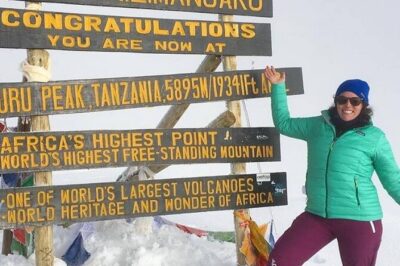
Climbing Kilimanjaro through 7 days Machame Route
Read our review →