Reviewed · 7-DAY EXPERIENCES
Tanzania Classic Safari – 7 Days
Six days on safari hit hard.
This Tanzania classic safari has the right ingredients: multiple Serengeti days focused on the Great Migration, plus Tarangire elephants and the Ngorongoro Crater for Big Five chances. I like that it uses smart pacing, with early starts on the hunt for the animal-action moments and time to settle into camp between drives. One thing to keep in mind is that the migration routing depends on the season, so this trip is not a year-round guaranteed migration plan.
Two standout wins for me are the long Serengeti stretch, and the way the itinerary tries to position you as close as possible to where the herds are moving. In the field, I also like that you get a professional guide and private transport, which tends to make game drives run smoother and more flexible. The main drawback is timing, if you go at the wrong time of year you may miss the most famous migration drama, and you cannot count on it.
In This Review
- Key things that make this safari work
- Arusha start: a calm landing before the big drives
- Tarangire National Park for elephants and ancient baobabs
- Serengeti days built around Great Migration odds
- Sunrise safaris in Serengeti: why you go early
- Ngorongoro Crater: Big Five chances from the crater floor
- Mto wa Mbu reset day: keep it easy or add something local
- Price and value: what $8,900 covers, and what it does not
- Timing matters: not all months are equal for the Great Migration
- Guides and planning: the human factor you feel immediately
- Who should book this safari, and who should adjust expectations
- Should you book this Tanzania Classic Safari?
- FAQ
- How many days is the Tanzania Classic Safari?
- Where does the safari start and end?
- What is included in the price?
- What is not included?
- Do you get pickup and transportation?
- Is this a private tour?
- Does the safari include park entry fees?
- Is this safari available every month?
- Do I get any digital ticket?
- What happens if I cancel or need changes?
Key things that make this safari work
- Serengeti stays longer, giving you repeated chances at sightings instead of rushing past the prime zones
- Great Migration focus, with routing that changes by season and herd location inside the park
- Tarangire elephants and baobabs, a nice change of pace from the Serengeti plains
- Ngorongoro Crater Big Five odds, plus a strong shot at seeing rhino in the right season
- Early morning drives, when animals are active and visibility is often best
- Tented camp in central Serengeti, which helps you feel like you are part of the action, not just visiting it
Arusha start: a calm landing before the big drives
Day one is built to reduce stress. You fly into Kilimanjaro Airport, then a driver meets you just outside, with their logo, and transfers you to your lodge in Arusha. On the way, you get your first look at Tanzania’s highland views, and if conditions line up, you may even spot Kilimanjaro in the distance.
This is the day for logistics without the overplanning pressure. You get a warm welcome at the lodge, and there is a short briefing about tomorrow while you enjoy a local drink. If you enjoy travel smoothness, this kind of reset matters, because safaris run on early starts.
More Safaris in Arusha
- Balloon Safari & Bush Breakfast in Serengeti – Miracle Experience
★ 5.0 · 1,646 reviews - 4 Days Group Camping Safari
★ 5.0 · 1,101 reviews - 5 Days Group Camping Safari
★ 5.0 · 730 reviews
Tarangire National Park for elephants and ancient baobabs
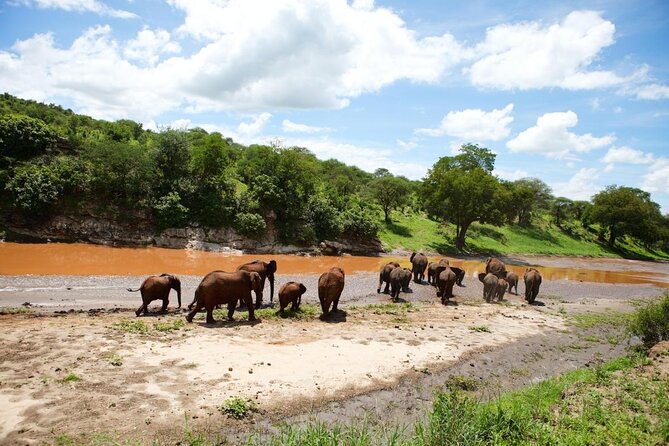
Next comes Tarangire National Park, famous for large elephant herds and those huge, old baobab trees that look like they belong in a different time zone. Tarangire sits in the Manyara region, and the park is named after the Tarangire River that flows through it, which helps keep food available year-round.
Practically, this day tends to feel different from the Serengeti. Tarangire has its own rhythm, and the elephant focus gives you a chance to see big behavior and close-up textures, not just general herd movement. If you love photography, it’s also the kind of place where the landscape details matter, because the baobabs create natural photo anchors.
One consideration: you are still on safari schedules, so expect a long day on the move. Tarangire is worth it, but it helps to be ready for that rhythm after your arrival.
Serengeti days built around Great Migration odds
The Serengeti is where this safari aims to earn its reputation. You start early in the morning, eat breakfast, and head out for game drives in the country’s best-known big-cat playground. The park is huge and offers different terrain, but the famous plains are the headline act, where lions, cheetahs, leopards, hyenas, and many other animals are well positioned to hunt and be seen.
The real value here is not just that you visit Serengeti. You spend multiple days there. After the first Serengeti drive, you stay at a tented camp in central Serengeti, which helps cut down on constant moving and gives you time to do another round of driving with fresh eyes.
This is also where the Great Migration strategy shows up. Depending on the time of year and where the migration is, you can be in several areas of the park. The idea is simple: more days in the Serengeti equals more chances to overlap with the herds’ path, and that overlap is what creates the famous animal-action moments people chase.
Sunrise safaris in Serengeti: why you go early
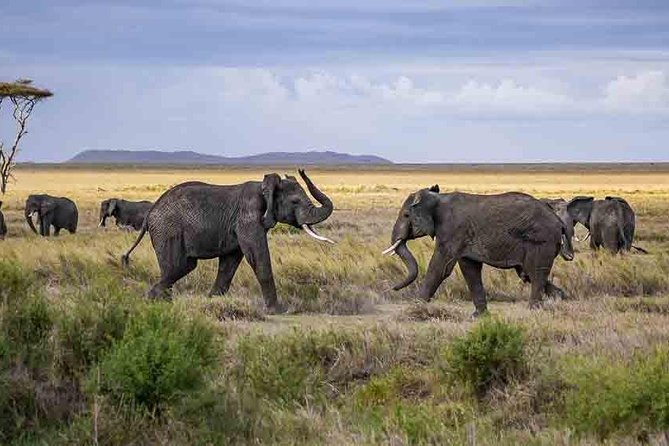
The next Serengeti morning is typically geared for a sunrise safari. That timing matters because animals are often most active around dawn, and visibility can be better before heat and dust build up. If you want the highest odds of seeing lively behavior, this is the part of the day to take seriously.
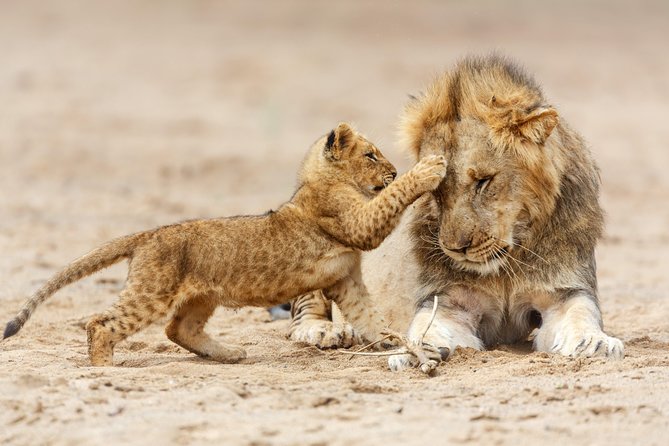
During these game drives, you are likely to run into the carnivores that own the plains. Lions are the headline for many people, but cheetahs and leopards can steal the show too, especially when your guide reads tracks and movement patterns. Even hyenas and smaller predators add to the feeling that the ecosystem is working like a machine.
After that sunrise run, the rest of the day is about covering different areas of the park to maximize wildlife encounters. You should expect a full day rather than a quick tour. If you like seeing fewer things but in more detail, this pacing will feel right.
More safaris from Arusha:
- 3 Days Serengeti & Ngorongoro Group Camping Safari
★ 5.0 · 574 reviews - 7-Day Premium Luxury Tanzania Safari All-Inclusive
★ 5.0 · 426 reviews - 3-Day Classic Serengeti Safari
★ 5.0 · 263 reviews - 8 Days Great Wildebeest Calving Migration Safari from Arusha
★ 5.0 · 254 reviews
Ngorongoro Crater: Big Five chances from the crater floor
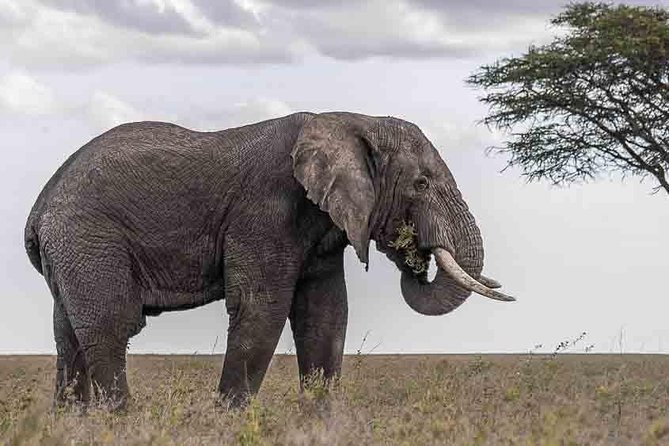
Then you head for Ngorongoro Crater, and yes, the road down is part of the experience. It is steep and narrow, with a bumpy drive that can feel like an adventure. The slopes start forested, then change into savannah as you go, which gives you a quick education in how quickly ecosystems can shift in this region.
Inside the crater, you get a different kind of safari viewing. You can spot animals from a distance due to the crater’s bowl-like layout, and that view can be a gift for both patience and photography. This is also described as your best chance for the full Big Five lineup: lion, elephant, buffalo, rhino, and if you are lucky, leopard.
If seeing rhino is a priority, this stop is especially important. The crater area is where the chances are highest for the endangered rhino, depending on the season and on-the-day conditions. You also have time to drive on to the next lodge later in the day, arriving late afternoon or early evening.
Mto wa Mbu reset day: keep it easy or add something local
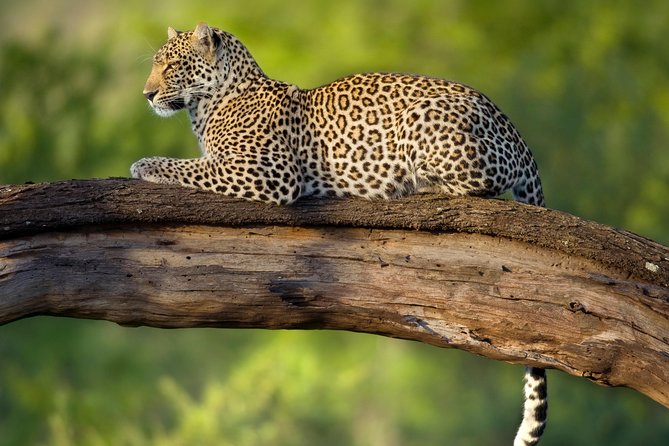
After Ngorongoro, the safari portion winds down. You wake up full of memories, then spend the day around Mto wa Mbu, which is a helpful buffer day after big drives and crater viewing. The plan is flexible: you can relax at the lodge, or you can choose an extra activity to add a bit more Tanzania beyond the wildlife focus.
This is also the day to think about your next step home. The tour ends back at the meeting point, and you take your flight. Some people connect this kind of safari with Zanzibar, and the way day six is described makes it clear there is room to extend if your schedule allows.
Price and value: what $8,900 covers, and what it does not
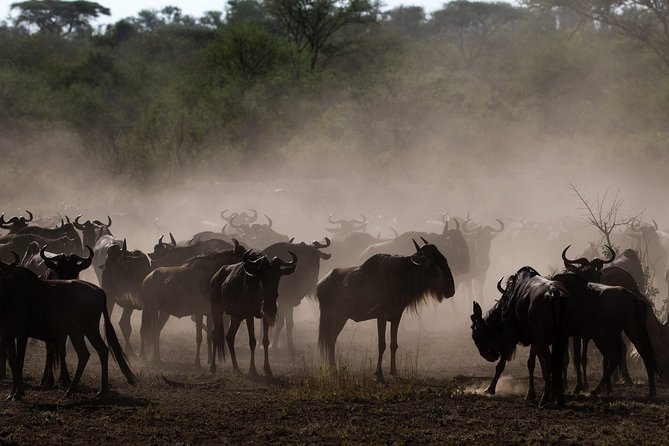
At $8,900 per person, this is not a budget safari. But it also includes a lot of the big-ticket items that usually drive costs up: park fees and taxes, accommodations, a professional safari guide, and private transportation. Meals are included too, with breakfast listed for six days, lunch for five, and dinner for five.
That matters because safari pricing often surprises people in the small print, once you add park entry, guide fees, and in-park transport. Here, those core costs are bundled. You are paying for time in prime areas, and for the work of a guide who can help you turn your sightings into something more meaningful than random spotting.
What is not included is also clear. You’ll need to cover visa and travel insurance separately. If you are the type who likes full control and peace of mind, get insurance that covers safari conditions, not just standard travel.
Timing matters: not all months are equal for the Great Migration
This trip is not available year-round. The key reason is that the Great Migration moves, and the routing inside the Serengeti changes based on where the herds are at that time. If you book without checking seasonality, you risk doing everything right and still missing the main spectacle you planned for.
So treat the month selection like part of the itinerary. Ask when the best time to attempt a Great Migration safari is, and align your dates with that answer. If you care about catching river crossings or the most dramatic herd moments, the season choice becomes the whole game.
Guides and planning: the human factor you feel immediately
Safari success is not just animals and roads. It’s also reading the day, keeping schedules realistic, and communicating clearly when plans shift. In the experiences shared, the planning side gets strong marks, including names like Lex, and guides like Isaac, Izaak, Innocent, and Daniël.
What I take from that is simple. You want a team that can adjust and stay calm. You also want a guide who is experienced and friendly, because a long day in a vehicle is easier when your guide makes it feel purposeful, not stressful.
Since you have private transportation and a professional guide, you are less likely to feel like a passenger in a cattle line. You can settle into the pace, and you can focus on spotting behavior, not just parking at a viewpoint and hoping for the best.
Who should book this safari, and who should adjust expectations
This safari fits well if you want a classic Northern Circuit-style experience with a real focus on the Serengeti. It’s a smart pick for wildlife lovers who understand that one perfect day does not make a safari. Multiple Serengeti drives increase the odds of seeing more than just the iconic animals, and the combination with Tarangire plus Ngorongoro gives you variety.
It is also a good match for couples. Some of the best feedback around the Tanzania experience involves honeymoon planning and special lodge stays, and this kind of private setup tends to feel more personal than a big group itinerary.
If you are a high-comfort-only traveler, you should still ask what type of accommodations you will use, because the tour confirms accommodations are included but does not describe the comfort level in detail. If you only care about guaranteed Great Migration action regardless of month, you may need a different approach, since the migration overlap depends on season.
Should you book this Tanzania Classic Safari?
Book it if Great Migration odds and a full Serengeti time block are at the center of your trip. The structure is built to give repeat chances, not just one drive through the highlights. I also think it is good value in the sense that major costs like park fees, guide service, transport, and meals are included, which makes your planning simpler.
Hold off or ask a lot of questions if your dates are fixed and outside the best migration window for that year. Because the trip is not available year-round, and routing depends on herd location, your timing needs to match the plan.
Finally, go in with the right mindset: safari days move fast, you will wake up early, and you will spend long hours searching for animals. If you enjoy that work, the payoff is huge, especially when the Serengeti starts delivering those big-cat and herd moments people talk about all year.
FAQ
How many days is the Tanzania Classic Safari?
The safari is described as 7 days, with the on-the-ground program running about 6 days approximately, starting in Arusha and ending back at the meeting point.
Where does the safari start and end?
It starts in Arusha, Tanzania, and ends back at the meeting point in Arusha.
What is included in the price?
Included are park fees and taxes, accommodations, a professional safari guide, private transportation, and meals (breakfast 6 times, lunch 5 times, dinner 5 times).
What is not included?
Travel insurance and visa are not included.
Do you get pickup and transportation?
Pickup is offered, and you have private transportation arranged for the safari driving days.
Is this a private tour?
Yes. It is a private tour/activity, meaning only your group participates.
Does the safari include park entry fees?
Yes. All park fees and taxes are included.
Is this safari available every month?
No. It is not available year-round, and the Great Migration timing depends on the season and herd location.
Do I get any digital ticket?
A mobile ticket is included.
What happens if I cancel or need changes?
The experience is non-refundable and cannot be changed for any reason, so the amount paid will not be refunded if you cancel or ask for an amendment.
Just posted around Arusha
- 8 Days Serengeti Migration safari★ 5.0 · 11 reviews
- tarangire & ngorongoro 2 days tour★ 5.0 · 14 reviews
- serengeti, ngorongoro & tarangire 4 days private tour★ 5.0 · 18 reviews
- tarangire, ngorongoro & lake manyara park 3 days private tour★ 5.0 · 11 reviews
- Mt. Kilimanjaro: Shira plateau to Cathedral point 3872m Day hike★ 5.0 · 7 reviews
- serengeti & ngorongoro 3 days private tour★ 5.0 · 15 reviews
- climb the KILIMANJARO via Lemosho route★ 5.0 · 4 reviews
- Kilimanjaro Waterfalls Hike & Moshi Hot Springs Day Trip Tour★ 5.0 · 4 reviews
7-Day Experiences, compared.
7-Day Premium Luxury Tanzania Safari All-Inclusive
Read our review →
Group Safari 7 Days in Tanzania’s Main Parks
Read our review →
Climbing Kilimanjaro through 7 days Machame Route
Read our review →
7-Day Machame Kilimanjaro Summit Tour from Arusha
Read our review →