
Reviewed · WORKSHOPS
Private Market Tour and Tanzanian Cooking Class in Moshi
Cornmeal, coconut, and a real family welcome. This private class in Moshi pairs a private market tour with hands-on cooking led by William and his family, including Shida. I especially liked watching how they turn fresh ingredients into everyday comfort food, then learning to make ugali over a wood fire at their home.
You get pickup from your Moshi hotel, then a walk or tuk-tuk ride to Shida’s mud house for a one-hour cooking session and a shared meal outside. You’ll taste homemade additions like peanut brittle and homemade alcohol. One thing to consider is that the cooking is real work, especially grating coconut and cooking ugali, so bring a practical attitude and expect some effort.
In This Review
- Key things that make this Moshi class worth your time
- Why this Moshi home cooking class starts at the market
- Hotel pickup and the walk or tuk-tuk to Shida’s mud house
- Inside the class: making coconut milk with a buzi and wood fire
- Ugali on the wood fire: the cornmeal staple, minus the shortcuts
- The family meal: benches outside, peanut brittle, and homemade alcohol
- Price and timing: is $86 per person good value?
- Who this Moshi cooking class is best for
- Practical tips for getting the most from the cooking day
- Should you book this private market tour and Tanzanian cooking class in Moshi?
- FAQ
- How long is the private market tour and cooking class in Moshi?
- Is pickup included?
- Is this a private tour or a group tour?
- What happens first, the market or the cooking class?
- What will I learn to cook?
- Is food and drink included?
- Is a mobile ticket used?
- Can I cancel for a full refund?
Key things that make this Moshi class worth your time
- Market tasting with William so you understand ingredients before the pot starts cooking
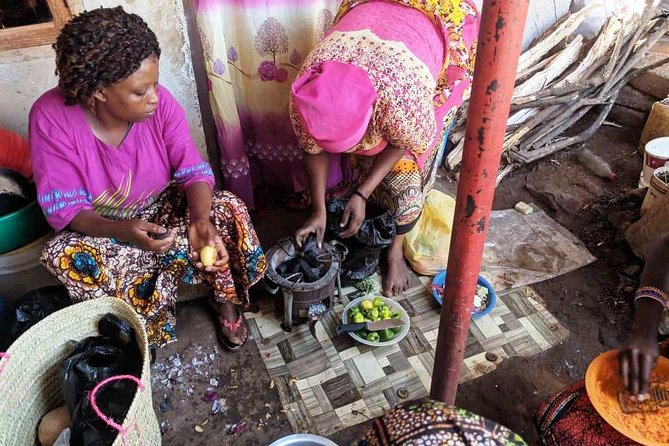
- Coconut milk the traditional way using a buzi to shave coconut meat
- Wood-fire ugali practice with step-by-step guidance and plenty of family pride
- Eating like a household on benches outside the mud house, not in a restaurant setting
- Private group experience so your questions and pace actually matter
Why this Moshi home cooking class starts at the market
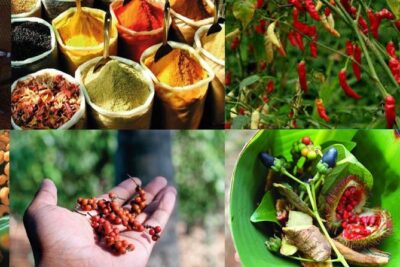
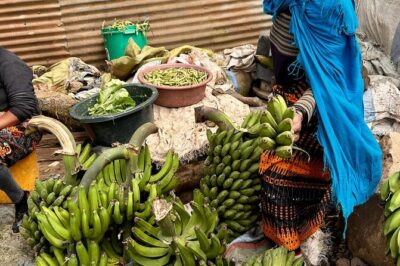
The best cooking classes do one smart thing first: they show you what goes into the food. Here, the day begins at the market with William and his family, Shida and Marissa. You walk the stalls, learn what ingredients matter in Tanzanian cooking, and stop by favorite vendors to pick up what you’ll use later.
This matters because ugali and coconut-based dishes are simple on paper, but the ingredients decide everything. When you see how cornmeal and vegetables are chosen, and when you taste smaller items along the way, the meal you cook at home feels less like following steps and more like understanding a kitchen system.
You also get a rare benefit: conversation. A market stop is where locals talk about food in everyday terms. That turns into real context for your cooking class, not just a photo-op before you start chopping.
A few more Moshi trips to compare
- Zanzibar Cooking Class & Spice Tour
★ 4.5 · 77 reviews - Zanzibar: Spice Farm Tour with Traditional Cooking Lesson
★ 4.8 · 77 reviews - Half-Day Kuza Cave Swimming Adventure and Cooking Class
★ 4.5 · 44 reviews
Hotel pickup and the walk or tuk-tuk to Shida’s mud house
You’ll get pickup at your Moshi hotel, which keeps the day stress-free. William handles the driving and makes the whole thing feel straightforward, especially if you want to spend your energy on food instead of navigating.
After the market, you move to Shida’s home, about 20 minutes away, either by walk or tuk-tuk ride. I like this timing because it gives you a gentle transition. You’re not rushing straight from shopping into cooking without context. And the short travel time helps keep the overall experience near the planned 5 hours 30 minutes.
In a private setting, that convenience is a big deal. You avoid the awkward shuffle of joining strangers, waiting for late arrivals, and trying to ask questions while everyone is still regrouping. This one is built around your group only.
Inside the class: making coconut milk with a buzi and wood fire
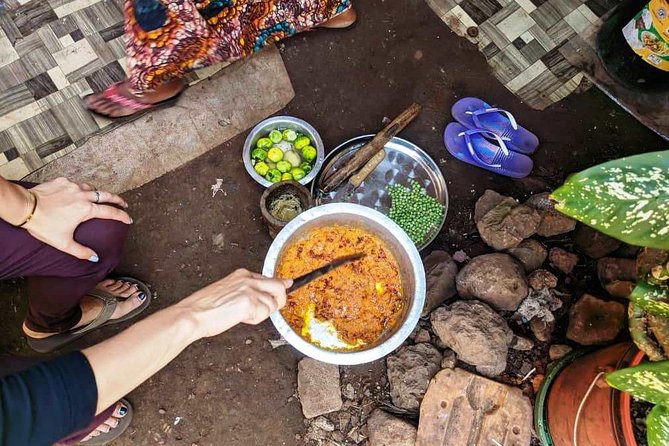
The heart of the cooking class happens at Shida’s home. You join the family and get a hands-on session, about one hour of cooking instruction, focused on two key skills: coconut milk and ugali.
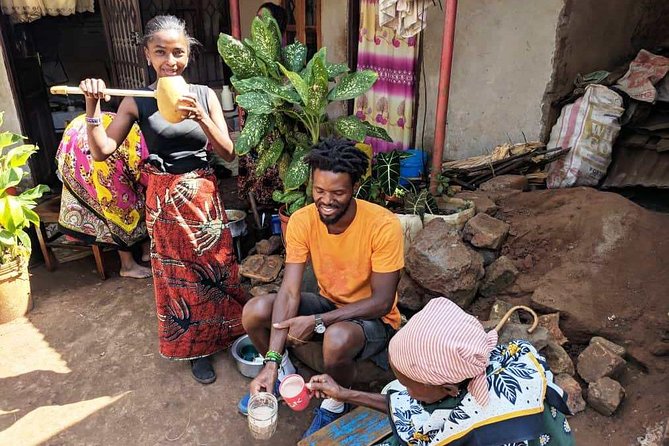
Coconut milk here is not treated like a shortcut. You learn how to make it traditionally, using a buzi, a small wooden seat with a grinder where you shave coconut meat. It’s the kind of detail that makes you respect the process. The grinder and the seat setup are part of how the work is done locally, so you’re not just learning a recipe, you’re learning how a kitchen runs.
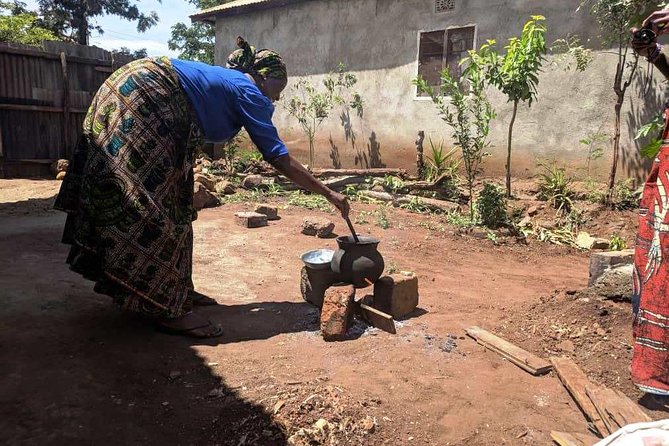
Then the wood fire comes into play. Using fire like this changes your pace and your attention. You learn to watch heat, adjust as needed, and work with the rhythms of a household kitchen. It’s very different from a stove that gives you instant control.
You’ll also see how coconut milk becomes the base for vegetable and stew dishes. That helps connect the first skill you learn to the rest of the meal you’ll eat. If you like cooking classes that teach you the why, this one does that.
Ugali on the wood fire: the cornmeal staple, minus the shortcuts
After coconut milk, you tackle ugali, a cornmeal staple. The class is designed so you don’t just taste it at the end. You learn to make it, with guidance on the labor-intensive part that people often skip in simplified cooking demos.
Ugali is described as simple but labor-intensive, and that rings true in practice. It takes attention and steady technique. Even if the ingredients are few, the process demands effort, and Shida takes pride in sharing the family method. That pride matters. When the teacher cares, you get clearer instruction and more patient correction.
You’ll be cooking a dish meant to hold its own with vegetables. In this experience, ugali is served with sautéed vegetables, which gives you the full picture of how the plate comes together. You don’t learn ugali as an isolated item. You learn how it becomes the base for the rest of the meal.
Same base in Moshi, a completely different day:
- Kilimanjaro climb by Lemosho Route (7-day)
★ 5.0 · 651 reviews - Safari Serengeti And Ngorongoro
★ 5.0 · 288 reviews - Kilimanjaro climb, Machame Route (7-day)
★ 5.0 · 262 reviews - Kilimanjaro Climbing Lemosho Route 8 Days.
★ 5.0 · 186 reviews
The family meal: benches outside, peanut brittle, and homemade alcohol
Once cooking wraps up, you sit down to eat as part of the household. The meal is served outside on benches, which feels more like daily life than a staged event. This is where the experience becomes more than cooking skills.
You’ll eat ugali along with peanut brittle and homemade alcohol. The peanut brittle adds a crunchy, sweet contrast to the cornmeal and vegetable side. And the homemade alcohol, while included in the experience, is also a reminder that this is a real household meal. If you prefer to avoid alcohol, plan accordingly and be clear in the moment.
I also like that the class includes the whole family. You’re not stuck in a one-on-one lesson with no atmosphere. Instead, you see how hosting works and how food brings everyone together.
Price and timing: is $86 per person good value?
At $86.00 per person for about 5 hours 30 minutes, this isn’t a bargain-basement activity, but it does have value built in. You’re paying for three things that cost time and effort on the ground:
- A private experience for only your group
- Market time plus a home cooking session (not just a restaurant meal)
- Hands-on instruction tied directly to the ingredients you buy and cook
Also, it’s priced in a way that makes sense for a private guide and family-hosted class. If you’re comparing to big-group tours that cover the same region, private cooking often costs more because it’s labor-intensive for the hosts and more personalized for you.
One more practical factor: this activity is booked on average 16 days in advance. If your dates are fixed, don’t wait too long. Popular experiences around Mount Kilimanjaro tend to fill, especially the ones with hotel pickup and a limited-time local kitchen setup.
Who this Moshi cooking class is best for
This tour is a great fit if you want more than a meal.
You’ll like it if:
- You’re planning a Kilimanjaro trip or you’re already in Moshi and want a calm, food-focused day
- You enjoy markets and ingredient education, not just cooking
- You want a family-hosted experience where you can ask questions and move at a human pace
- You prefer a private setting, so your group gets real attention
You might want to rethink it if you dislike hands-on cooking or know you’ll struggle with labor tasks like coconut grating and learning ugali technique. It’s not extreme, but it is active.
Practical tips for getting the most from the cooking day
You’ll get the best experience if you show up ready to participate, not just observe.
- Wear clothes you don’t mind getting warm and a little messy. Wood-fire kitchens and coconut work are not “keep it pristine” environments.
- Bring a water bottle. You’re outside part of the day and cooking takes energy.
- Go with curiosity on the ingredient side. Ask why cornmeal behaves the way it does, and how coconut milk changes dishes.
- If you have food restrictions, you should raise them before the class. The experience includes a specific meal structure, so it’s best to clarify early.
- Expect conversation. William and the family spend time explaining ingredients and kitchen steps, and questions make it better.
One more tip: arrive with a relaxed schedule. This is a 5.5-hour block that feels like a small day trip, not a quick activity you can tack onto a tight itinerary.
Should you book this private market tour and Tanzanian cooking class in Moshi?
If your idea of a great trip includes a local market, a family kitchen, and a meal you helped make, I’d book it. This stands out for practical reasons: you get ingredient context first, then you learn two core cooking skills, coconut milk and ugali, then you eat together outside like a household.
The best part is the human detail. William’s role in the market and the home cooking setup, plus Shida and Marissa’s family-led teaching, creates an experience that feels personal instead of performative. And the private format means you can actually connect.
Book it if you’re in Moshi and want one memorable “kitchen day” that gives you more than photos. Skip it only if you want zero physical effort in the cooking process or if you strongly avoid wood-fire cooking environments.
FAQ
How long is the private market tour and cooking class in Moshi?
It runs for about 5 hours 30 minutes.
Is pickup included?
Yes, pickup is offered from your Moshi hotel, with drop-off after the experience.
Is this a private tour or a group tour?
It’s a private tour. Only your group participates.
What happens first, the market or the cooking class?
You start at the local market to see and choose fresh ingredients, then you go to the home for the cooking class.
What will I learn to cook?
You’ll learn to make fresh coconut milk the traditional way and then make ugali using cornmeal.
Is food and drink included?
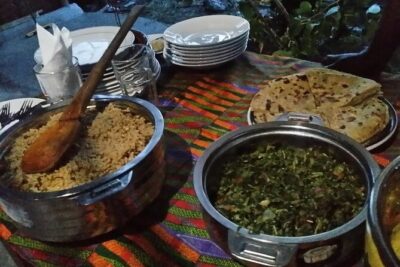
Yes. You’ll enjoy the meal with ugali, peanut brittle, and homemade alcohol.
Is a mobile ticket used?
Yes, the experience uses a mobile ticket.
Can I cancel for a full refund?
Yes. You can cancel for a full refund up to 24 hours in advance of the experience’s start time.
More Shopping Tours in Moshi
- Tanzanite experience tour – Tanzanite shopping in Arusha
★ 5.0 · 12 reviews - Arusha: Traditional Tanzania Cooking class& Food Market Tour
★ 4.9 · 12 reviews - Zanzibar:Stone town Street food market walking tour,transfer
★ 4.5 · 9 reviews - 24 Hours in Arusha—Arusha Museum, Cultural Heritage, Maasai Market, Shanga
★ 5.0 · 4 reviews
More Markets in Moshi
- Full-Day Moshi Private Forest Walk and Local Market Tour
★ 5.0 · 4 reviews - Stone Town Guided Tour: Culture, Slave Market & Spice Market
★ 4.8 · 44 reviews - Arusha: Traditional Tanzania Cooking Class & Food Market Tour
★ 5.0 · 34 reviews - Spice , Prison Island ,Stone Town and Slave Market Site Tour
★ 5.0 · 24 reviews
Just posted around Moshi
- machame route★ 5.0 · 16 reviews
- Kilimanjaro Climbing Umbwe Route★ 5.0 · 3 reviews
- Wildlife Extravaganza: Manyara, Tarangire & Ngorongoro in 3 Days★ 5.0 · 3 reviews
- Mt Kilimanjaro 6 days Marangu route hike★ 5.0 · 3 reviews
- West Kilimanjaro cycling Adventures★ 4.5 · 8 reviews
- 3 Days Private E-Bike Tour in West Kilimanjaro★ 5.0 · 3 reviews
- Kilimanjaro Climb • Marangu Route ~ 9 Day★ 5.0 · 4 reviews
- Private Cycle to Kilimanjaro Bike Park Safari★ 5.0 · 6 reviews
Workshops, compared.
Half-Day Kuza Cave Swimming Adventure and Cooking Class
Read our review →
NGO Lifted Strong – Traditional Tanzanian Cooking Class
Read our review →
Traditional Tanzania Cooking Class & Food Market Tour
Read our review →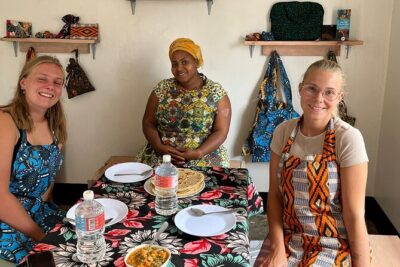
Cooking and Sewing & Jewelry Workshops in Arusha
Read our review →
Mnemba Dolphin Tour, Clear Kayak, Cooking Class, Horse Riding
Read our review →Browse the lists this tour appears in