

Reviewed · WALKING TOURS
Moshi Town: Walking Tour: Theme Urban lifestyle
Moshi street scenes teach faster than guidebooks. In this 2-hour urban lifestyle walk, you get a practical look at how people eat, buy, move around, and organize, all with convenient pickup in Moshi. I especially like the Moshi food market tastings and the chance to browse and shop handmade art at the artist co-op stop. The main consideration is pacing: it’s around 2 hours of walking, so you’ll want a moderate fitness level and solid sun protection.
The best part is how much ground you cover without turning it into a speed run. You’ll meet locals at several stops, and the guide keeps explaining what you’re seeing, from the bus system to the cooperative story behind KNCU. If your guide is James, the welcome style you get is warm and easy, which matters when you’re walking through busy town streets.
One small “plan it right” note: the tour runs on local timing and street flow. If you’re tight on schedules or counting on every minute, build in a little buffer and keep an eye on where you’re meeting and being dropped off.
In This Review
- Key points that make this tour worth your time
- Moshi in 2 hours, the street-level way
- Pickup and pacing, what the walking tour feels like
- Tinga Tinga Artist Cooperative, the art stop that teaches you how to buy
- Mbuyuni Market, fruit, snacks, and how locals shop
- Train Station time, old space turned into a moving part of town
- Moshi Bus Stand, understanding routes without feeling lost
- KNCU break and cooperative life you can actually feel
- Food tastings and traditional Moshi drinks, what to watch for
- Price and value, is $20 fair for what you get
- Who should book this walk, and who should skip it
- One reliability tip before you head out
- Should you book this Moshi Town walking tour?
- FAQ
- Where are the pickup and drop-off locations?
- How long is the walking tour?
- How many people are in the group?
- What stops are included during the walk?
- What is included in the tour price?
- What language is the guide speaking?
- Is this tour wheelchair accessible?
- What should I bring, and what fitness level do I need?
- Should I bring a child?
Key points that make this tour worth your time

- Market tastings that help you understand what locals actually snack on, not just what tourists photograph
- Tinga Tinga and local art shopping time, where you can look, ask questions, and buy if it fits your budget
- Train station storytelling that explains why the old station matters in Moshi today
- Moshi bus stand orientation, with clear talk about local routes and regional connections
- KNCU cooperative context, so you see how people power affects everyday life beyond the town center
- Small group size (up to 10) plus pickup, which makes the walk feel personal rather than rushed
Moshi in 2 hours, the street-level way
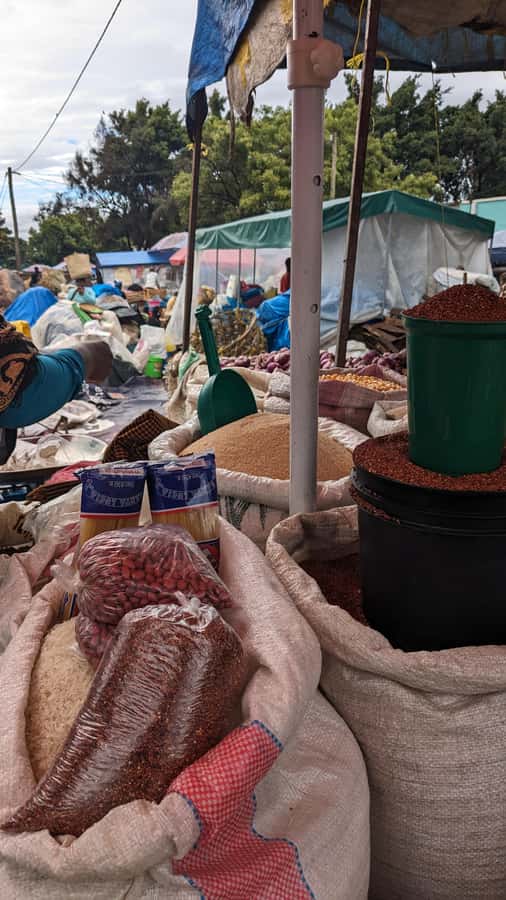
This tour is designed for people who want Moshi to make sense fast. Instead of only pointing at sights, you connect the dots between daily life and the systems that support it. You’ll see food trading up close, art being made and sold, and the transport hub that helps people get to work, school, and regional travel.
I like that the theme is practical. You come away with mental maps, like which areas feel busiest, where people gather for buses, and how a cooperative can shape jobs and community needs. It’s the kind of walk that helps you get your bearings fast, so the rest of your trip stops feeling like guessing.
The other win is the human side. You’re not stuck listening the entire time. The plan includes interactive time with locals at stops, and that changes the tone from sightseeing to real town understanding.
A few more Moshi trips to compare
- Kilimanjaro: Village Walk, Coffee Tour, Waterfall, and Lunch
★ 4.5 · 56 reviews - 9 Days 8 Nights Walking Safari
★ 5.0 · 11 reviews - Walking Day Tour to Safari in Arusha National Park
★ 5.0 · 5 reviews
Pickup and pacing, what the walking tour feels like
You can be picked up from either Coffee Union Cafe or KNCU, and the guide can meet you at your hotel or hostel if you’re staying in the right area. The walk is guided the whole time, and you’ll also get a drop off back at KNCU or Coffee Union Cafe when you finish.
Duration is about 2 hours. That includes short walking stretches between stops and the time you spend browsing and looking around. You should plan for 2 hours or more of hiking-style walking, which means you’ll feel it in your legs even if nothing is physically extreme.
For comfort:
- wear breathable shoes you can walk in on uneven pavement
- bring sunglasses and sunscreen because Moshi sun can be loud
- keep water handy, even if tastings are included
Wheelchair accessibility is listed, and the group is small (limited to 10), which usually helps with pacing. Still, you’ll be moving through real streets and market spaces, so go in expecting a town-walk, not a museum path.
Tinga Tinga Artist Cooperative, the art stop that teaches you how to buy

One of the most fun parts is the artist co-op visit. You’ll head to the Tinga Tinga Artist Cooperative for about 30 minutes of visit, sightseeing, and walking around the space. This is where you get a sense of how artwork is produced and how artists explain their work in plain language.
What to expect: you’ll see handmade pieces tied to local visual traditions, with plenty of time to ask questions. The tour also emphasizes shopping for paintings, carvings, and souvenirs during the art market portion, so you’re not just viewing art, you’re learning how to choose it.
How to make this part worth your money:
- look for something you’d actually pack and display, not just something that catches your eye for 30 seconds
- ask what materials and techniques are used (you’ll usually get better answers when you ask simple questions)
- keep your spending calm, because markets move fast and sellers are used to quick decisions
If you’re the type who usually skips shopping in other places, this stop can still work. Even if you don’t buy, the interaction helps you understand value, effort, and the relationship between artists and town customers.
Mbuyuni Market, fruit, snacks, and how locals shop
Next up is the market stop, about 30 minutes of sightseeing and walking. The tour is built around Moshi’s local food and produce commerce, and you’ll get the sampling part here, including local fruits and snacks.
Markets in East Africa aren’t like a tidy grocery store. They are social spaces. People compare sizes and freshness, check prices in conversation, and move in ways that match what they need for the day. The guide’s job is to translate that world into something you can understand, so you know what you’re tasting and why it’s popular.
What I like about this stop is the realism. A fruit you might never pick at home suddenly tastes obvious when you try it fresh on the spot. And the snacks give you a quick read on everyday eating habits, not just formal meals.
Small drawback: markets can be intense. It’s busy and full of motion, so keep your phone secure and be ready for sensory overload. If you hate crowds, this is still manageable because the group stays small and you have a guide keeping the pace.
Same base in Moshi, a completely different day:
- Kilimanjaro climb by Lemosho Route (7-day)
★ 5.0 · 651 reviews - Safari Serengeti And Ngorongoro
★ 5.0 · 288 reviews - Kilimanjaro climb, Machame Route (7-day)
★ 5.0 · 262 reviews - Kilimanjaro Climbing Lemosho Route 8 Days.
★ 5.0 · 186 reviews
Train Station time, old space turned into a moving part of town
You’ll spend about 20 minutes at the train station area for sightseeing and walking. The tour focuses on the transformation of the old station, once quiet and inactive, now with activity that reflects Moshi’s growth.
Here’s why this stop matters. Stations are where a town’s future gets sketched in real time. Even if you’re not taking a train, watching how people gather, wait, and connect tells you a lot about local travel patterns and how infrastructure affects daily routines.
The guide also shares stories and historical context tied to the station, so it’s not just visual. You get explanations that help you see why people still care about that old space, and what it represents in Moshi’s ongoing development.
Tip for getting the most out of this stop: look around before you ask questions. Notice what people are doing, where they cluster, and how long they wait. Then your guide’s stories click faster.
Moshi Bus Stand, understanding routes without feeling lost
Another major highlight is the Moshi bus stand stop, around 30 minutes of sightseeing and walking. This is where the tour shifts from “town atmosphere” into “how you actually move through Moshi.”
You’ll get an explanation of the bus system, including local routes and regional connections. That’s a big deal if you plan to travel outside town at all. Knowing which station areas matter and how buses function can save you both confusion and wasted time later.
Why I think this is one of the best uses of your money: many walking tours show you pretty streets. This one gives you the practical knowledge that helps you navigate on your own right after.
How to use what you learn:
- pay attention to what the guide points out about how buses connect locally vs regionally
- ask your guide what makes one route different from another, even if it’s a simple answer
- take mental notes on where you’d go for a return trip
The only consideration is timing. Bus stand activity is driven by departures, so you may need to accept that watching and waiting is part of the learning.
KNCU break and cooperative life you can actually feel
You’ll finish with a stop at KNCU, with a short break time of about 10 minutes. The tour provides a detailed overview of KNCU’s history and why it’s significant, tied to Tanzania’s cooperative movement and its impact on Moshi and beyond.
This is the “how the town works” portion that a lot of visitors miss. Instead of treating cooperatives as abstract policy, you see how that structure affects real economic and social life. When a guide explains it well, KNCU stops being a name on a sign and becomes a story about people organizing for shared benefit.
This is also a smart point in the tour to slow down. After market and transit stops, a brief break helps you reset, compare notes, and keep your energy for the final walk back to the drop-off.
Food tastings and traditional Moshi drinks, what to watch for
Food is part of the experience in two ways. First, you’ll sample fruits and snacks at the food market. Second, the tour includes tastings of traditional Moshi dishes and beverages.
If you have dietary restrictions, you should ask before you commit. The data doesn’t list allergen handling or vegetarian specifics, so assume you’ll need to clarify what’s safe for you. Also, because you’re tasting multiple items, pace yourself. Don’t force it all at once, even if everything smells good.
I appreciate tastings done in small bites, because it lets you try a range without turning the walk into a food marathon. It also helps you understand Moshi flavor choices in context, like what people pair with daily routines.
Price and value, is $20 fair for what you get
At $20 per person for a 2-hour guided walk, the value comes from three things: coverage, guidance, and included food time.
1) Coverage: You hit markets, an art co-op area, the train station, the bus stand, and KNCU. That is a lot of Moshi in one compact timeframe.
2) Guidance: Explanations are part of the experience, especially for the bus system and cooperative story. That turns “seeing” into “understanding.”
3) Included tastings: You get fruit, snacks, and traditional dish and beverage tastings. Those alone help justify the price if you’d otherwise pay for market samples and a light meal.
Where value can shift for you is if you dislike crowds or markets. If you want quiet sights only, you might feel the time is too focused on everyday commercial life. But if you’re here for the real Moshi, this is a practical spend.
My advice for maximizing value: go in curious. Ask simple questions about what you’re tasting and what you’re seeing. The guide’s job is to make it click, and your engagement directly affects how useful the explanations feel.
Who should book this walk, and who should skip it
This tour fits best if you:
- want a small group town introduction (limited to 10)
- like walking, markets, and street-level culture
- want practical orientation for local transport and town flow
- enjoy learning how community structures like cooperatives shape daily life
It may not be your best fit if:
- you have mobility limits that make market and bus-stand walking hard, even with wheelchair accessibility listed
- you are traveling with children under 5, since it’s not suitable for that age group
- you need a very structured, low-variation schedule, because the walk follows real town timing
It also helps to have a moderate fitness level. You’re looking at 2 hours or more of walking, so wear shoes you trust.
One reliability tip before you head out
The tour depends on a guide showing up to pick you up and moving through town at the right pace. If you’re an anxious planner (in a good way), do a quick confirmation the day before: double-check the pickup location you selected, and have your meeting point ready in case streets around hotels get confusing.
It’s also smart to be ready to adapt. If your day includes another timed activity right after, give yourself a buffer.
Should you book this Moshi Town walking tour?
Book it if you want an honest intro to Moshi that goes beyond photos. The market tastings, the art co-op shopping time, the train station context, and the bus stand explanation combine into a trip that helps you understand how the town works, not just what it looks like.
Skip it if you prefer quiet landmarks only, or if you hate crowds and busy transport hubs. Also, if you’re very schedule-sensitive, build in extra time for real-world street pacing.
If you do book, bring sunscreen, wear comfy walking shoes, and come ready to ask questions. That’s how you turn a simple 2-hour walk into something that sticks with you for the rest of your Tanzania days.
FAQ
Where are the pickup and drop-off locations?
Pickup is available from Coffee Union Cafe or KNCU, and the guide can pick you up at your hotel or hostel area as well. Drop-off is at KNCU or Coffee Union Cafe.
How long is the walking tour?
The tour runs for about 2 hours.
How many people are in the group?
The group is limited to 10 participants.
What stops are included during the walk?
You’ll visit the Tinga Tinga Artist Cooperative, the Train Station, Mbuyuni Market, the Moshi Bus Stand, and KNCU.
What is included in the tour price?
Included items are a guided tour with local experts, interactive experiences with locals at each stop, fruit and snack sampling at the food market, art market shopping time, historical insights at the train station, bus system explanations at local and regional stations, KNCU history overview, and tastings of traditional Moshi dishes and beverages.
What language is the guide speaking?
The live tour guide speaks English and Swahili.
Is this tour wheelchair accessible?
Yes, wheelchair accessibility is listed.
What should I bring, and what fitness level do I need?
Bring sunglasses and sunscreen. You should have a moderate level of fitness, since the tour involves 2 hours or more of walking.
Should I bring a child?
The tour is not suitable for children under 5.
Just posted around Moshi
- machame route★ 5.0 · 16 reviews
- Kilimanjaro Climbing Umbwe Route★ 5.0 · 3 reviews
- Wildlife Extravaganza: Manyara, Tarangire & Ngorongoro in 3 Days★ 5.0 · 3 reviews
- Mt Kilimanjaro 6 days Marangu route hike★ 5.0 · 3 reviews
- 3 Days Private E-Bike Tour in West Kilimanjaro★ 5.0 · 3 reviews
- West Kilimanjaro cycling Adventures★ 4.5 · 8 reviews
- Kilimanjaro Climb • Marangu Route ~ 9 Day★ 5.0 · 4 reviews
- Private Cycle to Kilimanjaro Bike Park Safari★ 5.0 · 6 reviews
Walking Tours, compared.

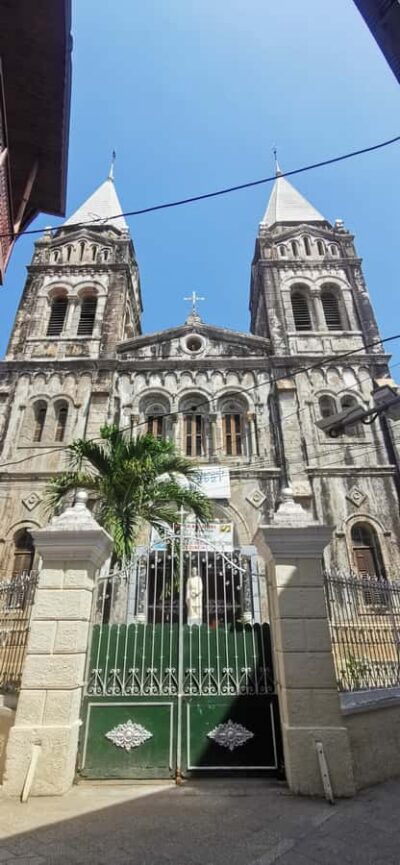
3 Hours Private Stone Town walking Tour with Guide
Read our review →
Stone Town Historical Cultural Walking Guided Tour
Read our review →
Arusha Guided Walking City Tour, Culture, Lifestyle & History
Read our review →


Browse the lists this tour appears in