
Reviewed · WALKING TOURS
9 Days 8 Nights Walking Safari
Lake craters, feet on the ground.
This 9-day walking safari from Moshi mixes game viewing with close-up cultural time, from Maasai village encounters to crater rim walks with flamingos. You also get the classic northern Tanzania arc of wildlife and geology, with the trip framed around places like Ngorongoro Crater, Olduvai Gorge, and Serengeti.
I especially like two things about this itinerary. First, the value is strong because entrance fees are included along with daily meals (breakfast and dinner are covered). Second, the trip leans into hands-on, local guiding, including Maasai guides and donkeys as part of the walking days.
One consideration: this is a walking safari, and the tour asks for moderate physical fitness. If your ideal safari is mostly seated, you may find the crater walks and village treks more demanding than a traditional drive-heavy plan.
In This Review
- Key reasons this walking safari works so well
- Moshi as your base for crater country and culture
- Price and what you truly get for $2,688 per person
- Your day-by-day walking route: Moshi to Maasai villages
- Day 1: Springlands Hotel Moshi, briefings and a clear start
- Day 2: A crater drive where Big Five may still be possible
- Day 3: Preparing Maasai donkeys and trekking toward Embulmbul village
- Day 4: Empakaai Crater walk for flamingos, then crater rim dinner
- Day 5: Culture day with a native community encounter
- Day 6: Old Doinyo Lengai, the mountain of god
- Day 7: Lake Natron plus an authentic Maasai village visit
- Day 8: Maasai central market and street-life stops
- Day 9: Return to Springlands Hotel Moshi and departure prep
- Wildlife expectations: what to hope for, and how to be realistic
- Who the guides help you become on this trip
- What to pack and how to pace yourself for a walking safari
- Should you book this 9-day walking safari?
- FAQ
- What is included in the tour price?
- Are park entrance fees included?
- Is pickup available?
- Is this safari good for people who want minimal walking?
- What meals are included?
- Is vegetarian food available?
- How big is the group?
- What is the cancellation policy?
Key reasons this walking safari works so well
- Crater time with real walking, including a hike down for flamingos at Empakaai
- Maasai-led moments, like preparing donkeys with local guides before a trek
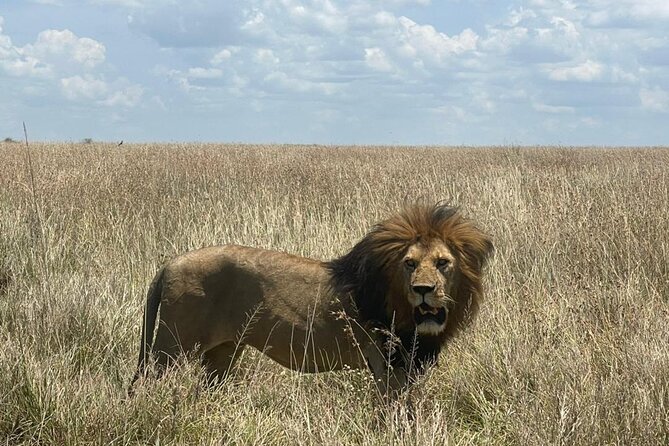
- Big Five country potential during a crater drive, where black rhinos, elephants, lions, buffalo, and leopards may be possible
- Small-group feel, with up to 12 travelers and a maximum of 4 pax per 4×4 vehicle with viewing roofs
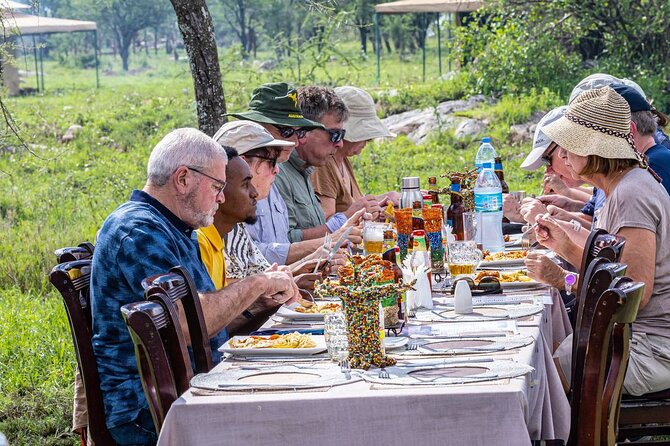
- Full-board meals included, so you are not hunting food between stops all day
Moshi as your base for crater country and culture
Moshi is a smart launch point for this kind of safari because it puts you close to the action without feeling like you are constantly sprinting between far-flung bases. You start at Springlands Hotel Moshi, where you get a welcome, plus mountain and safari briefings. That matters more than people think. When you understand what the days aim to do, and how the walking parts work, the trip feels smoother and less stressful.
You should also expect the rhythm to be part drive, part walk, part culture. Some days are about getting eyes on wildlife from the vehicle. Other days shift into legs-on-the-ground time, where you get closer views and more chance to talk with local guides.
And since the itinerary includes market time and village visits, you are not only chasing animals. You are getting the human side of Tanzania built into the schedule, including learning daily life, norms, and traditions through local encounters.
More Safaris in Moshi
- Safari Serengeti And Ngorongoro
★ 5.0 · 288 reviews - Big Five Safari In Tanzania
★ 5.0 · 99 reviews - Unforgettable Tanzania Safari And Zanzibar Beach
★ 5.0 · 97 reviews
Price and what you truly get for $2,688 per person
At $2,688 per person for about 9 days, this is not a budget safari. But the inclusions are where it starts to make sense for many travelers.
Here is what is covered based on the tour details:
- National park gate fees
- Breakfast, lunch, and dinner across the trip (9 breakfasts and 9 dinners listed, plus lunch)
- Transportation with driver-guide(s)
- All camping equipment
- Accommodation full board, double occupancy (noted as lodge safari)
- Maasai guide & donkeys
- Max 4 people per vehicle, using 4×4 vehicles with viewing roofs
That mix is key. Many cheaper safaris leave you to pay separately for park entry, lose you time to logistics, or pack you into larger vehicles. Here, the small vehicle group size and included park fees reduce the day-to-day surprises.
Still, factor in what is not included: tips for the driver-guide, transfers to/from the airport, and visa fees plus travel insurance. If you plan ahead for those, you will feel the trip’s value more clearly once you are on the ground.
Your day-by-day walking route: Moshi to Maasai villages
Below is what each day is built around, and what to look for as you go.
Day 1: Springlands Hotel Moshi, briefings and a clear start
Day 1 is all about reset and orientation. You arrive at Springlands Hotel Moshi, get welcomed, and receive mountain and safari briefings before settling into your room. Meals are available at the hotel.
This first day can feel quiet compared to the wilderness days that follow, but it is a good thing. You get your bearings fast, and you are not trying to figure out the pace of the trip while also doing the hardest walking.
Practical note: plan for an early evening. The next days include walking and crater terrain, and sleep matters.
A few more Moshi trips to compare
- Kilimanjaro: Village Walk, Coffee Tour, Waterfall, and Lunch
★ 4.5 · 56 reviews - Walking Day Tour to Safari in Arusha National Park
★ 5.0 · 5 reviews - Full-Day Moshi Private Forest Walk and Local Market Tour
★ 5.0 · 4 reviews - Private Day Trip to Arusha National Park with a Walking Safari
★ 5.0 · 4 reviews
Day 2: A crater drive where Big Five may still be possible
Day 2 is game-viewing heavy. You are driven through a crater area, and the itinerary notes that you may come across the Big Five. The list is specific: black rhinos, elephants, lions, buffalos, and leopards.
Crater country can create natural funnels for animals, and it is one reason these areas are so famous. Even when sightings do not line up exactly as hoped, this day is still about positioning, timing, and staying out long enough to catch wildlife activity.
What I’d watch for:
- how early you start inside the day
- whether your guide keeps moving when an animal signal comes up
- how often you get stops for different viewpoints
Day 3: Preparing Maasai donkeys and trekking toward Embulmbul village
Day 3 is where the walking safari identity shows up. You get a chance to prepare Maasai donkeys with native Maasais, using the equipment before trekking toward Embulmbul village.
This is one of those experiences that feels simple once you are doing it, but it is actually a real cultural skill moment. Donkeys are not just scenic props here. They are part of how equipment and daily movement can work in these landscapes. When you help set up, you learn more than you would from a lecture.
Also, this is your first big “feet-on-the-ground” transition. If you are prone to blister trouble, this is where you want your footwear and pacing dialed in.
Day 4: Empakaai Crater walk for flamingos, then crater rim dinner
After lunch, you walk down Empakaai Crater to view the flamingo population. Then you walk back up to the camp on the crater rim for dinner and an overnight.
This is a strong day because it is not just a drive-by view. Walking down changes what you notice: the angle of the light, how the ground feels underfoot, and how animals and birds react to your presence. Flamingos are also one of those sightings where timing matters, and spending time in the crater area improves your odds.
The drawback of crater walking is obvious: the terrain can feel steep and uneven. Go slow, keep a steady pace, and remember that the goal is to enjoy the walk as much as the photos.
Day 5: Culture day with a native community encounter
Day 5 shifts into meeting and learning. You engage with the native people of this ward, with time to learn their way of life, culture, norms, and traditions.
This is where the safari becomes more than wildlife watching. It gives you context for what you are seeing in the region and helps you avoid the “look but do not understand” trap.
If you like respectful questions and patient listening, this day is likely to be one of your favorites. If you prefer strictly wildlife time, you may feel it is a slower pace than you expected, but it is a valuable balance.
Day 6: Old Doinyo Lengai, the mountain of god
Day 6 centers on Old Doinyo Lengai. The tour description calls it famous for unique low temperature carbonatitic lava. It also notes it is the only active volcano known to emit natrocarbonatites. Locals call it the mountain of god.
Even without turning this into a geology class, you can feel why this place is treated with special meaning. Active volcanic features change the ground textures and the atmosphere around viewpoints.
This day is also a reminder that Tanzania’s safari experiences are not only about animals. The Earth itself is part of the show.
What to bring mentally: expect awe, and expect that you might want a few moments just to look, not rush for the next stop.
Day 7: Lake Natron plus an authentic Maasai village visit
Day 7 ties together Oldoinyo Lengai and Lake Natron. You will also visit an authentic Maasai village and spend time with the lake itself.
This is a classic pairing in northern Tanzania because the region’s drama comes from both the volcanic influence and the local life that grew around it. Lake Natron’s appeal is partly scenic, but it is also tied to how the landscape supports birds and other wildlife.
The Maasai village component adds the human layer again. If you enjoyed Day 5, Day 7 usually lands well because it keeps shifting you from animals to people and back.
Day 8: Maasai central market and street-life stops
Day 8 is market-focused. You visit the Maasai central market, plus flea and street markets and other street African lifestyles.
Market days can be surprisingly fun because they break the “tourist bubble.” You get to see how people buy, sell, chat, and move through everyday life. It is also a great day to slow down and pick up small souvenirs responsibly, if you choose to.
One thing I’d recommend: keep some cash aside for market spending, and avoid rushing. The best moments usually come when you take time to ask, watch, and learn.
Day 9: Return to Springlands Hotel Moshi and departure prep
Day 9 brings you back to Springlands Hotel Moshi, where you are welcomed back, get a room, and can prepare for departure.
After 8 nights and multiple walking days, this “landing” day matters. It gives you a clean break before travel.
If you have time, do a quick recap, check gear, and set aside anything you might need for your onward journey.
Wildlife expectations: what to hope for, and how to be realistic
The itinerary is bold about wildlife potential. Day 2 specifically calls out Big Five possibilities in crater country, including black rhinos, elephants, lions, buffalos, and leopards. In practice, no safari can guarantee all of that.
What you can control is how you show up:
- bring patience for animal timing
- stay attentive to guide calls
- understand that walking days prioritize closer experiences even if big sightings are more about the drive sections
The rest of the itinerary also supports wildlife viewing in its own way. Empakaai Crater is aimed at flamingos, and the Lake Natron day connects to the region’s birdlife potential as well.
And one thing I like about the way this trip is built is that it does not rely on one single “big moment.” You have multiple chances to be impressed.
Who the guides help you become on this trip
ZARA TOURS has consistently received top marks for guide support in the review snippets provided, with names like Tarimo, Yesse, Hamisi, Musa, Bright, and Isdory showing up across different safari experiences. The themes repeat: guides with strong park and wildlife spotting skills, plus a friendly, easy-to-get-along personality.
For your trip, that matters because good guiding is not just animal spotting. It is also:
- making crater walking safer and less tiring
- explaining what you see and why
- keeping the day on schedule without feeling rushed
So even if your specific guide is different, you can reasonably expect the operator to assign experienced people for wildlife, driving, and cultural encounters.
What to pack and how to pace yourself for a walking safari
The tour details emphasize moderate physical fitness, and that is your cue to plan like you will walk. A crater walk, a trek toward Embulmbul village, and additional walking components mean you should think in terms of comfort and stamina, not just style.
Since the tour includes camping equipment and full board meals, your packing focus is mostly about personal comfort and mobility. Wear shoes suited to uneven terrain and plan for weather changes because walking days often mean you are outside for long stretches.
Pacing tip: treat the walking days like you are earning your viewpoint. If you sprint at the start, you will pay for it on the return.
Should you book this 9-day walking safari?
If you want a safari with both wildlife and culture, and you are comfortable doing real walking, I think this is a strong choice. The park fees and meals included piece makes the value easier to justify, and the small vehicle group size helps you keep a good sense of space.
I would skip or reconsider if you:
- prefer mostly seated game drives and little walking
- have low tolerance for uneven crater terrain
- want a very tightly scheduled, drive-only itinerary
A smart “yes” profile looks like this: you love animals, but you also enjoy meeting people and learning how daily life and wildlife coexist in northern Tanzania. If that is you, this route gives you a well-rounded, feet-on-the-ground experience.
FAQ
What is included in the tour price?
The tour includes national park gate fees, transportation with driver-guide(s), all camping equipment, Maasai guide and donkeys, and accommodation full board (double occupancy). It also includes breakfast, lunch, and dinner.
Are park entrance fees included?
Yes. National park gate fees are included in the tour.
Is pickup available?
Pickup is listed as offered, and the meeting point is Kilimanjaro Airport, Tanzania. Transfer to/from the airport is listed as not included, so confirm how they plan pickup for your specific arrival and departure.
Is this safari good for people who want minimal walking?
No. It is a walking safari and lists a moderate physical fitness requirement, plus crater walks and trekking days.
What meals are included?
Breakfast, lunch, and dinner are included, with breakfast and dinner listed for 9 days.
Is vegetarian food available?
A vegetarian option is available. You should advise the provider at the time of booking if you want it.
How big is the group?
The tour notes a maximum of 12 travelers, and vehicles are limited to a maximum of 4 passengers, using 4×4 vehicles with viewing roofs.
What is the cancellation policy?
Cancellation is free up to 24 hours in advance of the experience start time for a full refund. If you cancel less than 24 hours before, the amount paid will not be refunded.
More Safaris from Moshi
- 8-Day Essence of Tanzania Safari – Luxury
★ 5.0 · 72 reviews - Great Migration Safari In Tanzania
★ 5.0 · 71 reviews - 6 Days 5 Night Safari
★ 5.0 · 57 reviews - 4-day Tanzania Safari
★ 5.0 · 53 reviews
Just posted around Moshi
- machame route★ 5.0 · 16 reviews
- Kilimanjaro Climbing Umbwe Route★ 5.0 · 3 reviews
- Wildlife Extravaganza: Manyara, Tarangire & Ngorongoro in 3 Days★ 5.0 · 3 reviews
- Mt Kilimanjaro 6 days Marangu route hike★ 5.0 · 3 reviews
- 3 Days Private E-Bike Tour in West Kilimanjaro★ 5.0 · 3 reviews
- West Kilimanjaro cycling Adventures★ 4.5 · 8 reviews
- Kilimanjaro Climb • Marangu Route ~ 9 Day★ 5.0 · 4 reviews
- Private Cycle to Kilimanjaro Bike Park Safari★ 5.0 · 6 reviews
Walking Tours, compared.

3 Hours Private Stone Town walking Tour with Guide
Read our review →
Stone Town Historical Cultural Walking Guided Tour
Read our review →
Arusha Guided Walking City Tour, Culture, Lifestyle & History
Read our review →

Browse the lists this tour appears in