
Reviewed · HISTORICAL TOURS
Arusha: Cultural Heritage, Tanzanite Tour
Arusha teaches you to see differently. This guided day pairs African art galleries at the Cultural Heritage Centre with a Tanzanite specialist lesson, then wraps up with a visit to a foundation where people make handcrafted items from recycled materials. I love the African art you can take your time with, and I love how the Tanzanite session connects mining and processing to the jewelry people wear. One consideration: it is mostly indoor learning and workshops, so plan for a calm, structured pace more than wide-open exploring.
What makes it feel worth your time is the human side. You get a friendly local guide, hotel pickup and drop-off in Arusha, and you end the day meeting artists with real stories behind the crafts. It is also a smart way to pick up gifts that feel personal, not generic.
In This Review
- Key points to know before you go
- Cultural Heritage Centre: African Art You Can Actually Look At
- Tanzanite in Arusha: From Tanzania Mining to Jewelry
- The Foundation Visit: Recycled Crafts and Real Community
- What Your $29 Covers, and What You Might Pay Extra
- The Flow of the Day: How Each Stop Fits Together
- Practical Tips: Camera, Language, and a Calm Pace
- Who Should Book This Tour (and Who Might Skip It)
- Should You Book Arusha: Cultural Heritage, Tanzanite Tour?
- FAQ
- What is included in the Arusha Cultural Heritage, Tanzanite Tour?
- Do I get hotel pickup and drop-off?
- What should I bring?
- What languages is the tour offered in?
- How much does the tour cost?
- What is the cancellation policy?
Key points to know before you go
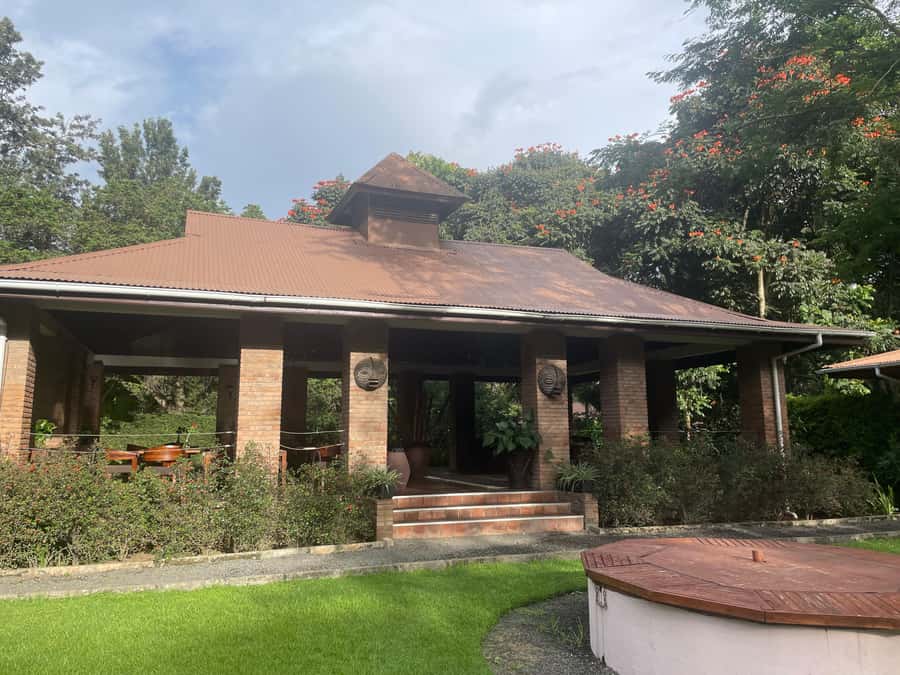
- Cultural Heritage Centre galleries filled with both contemporary and traditional African art
- Tanzanite specialist guidance on mining, processing, and how it becomes jewelry
- African art you can slow down with like sculptures, masks, paintings, and artifacts
- A foundation visit with purpose, where handcrafted items are made using recycled materials
- Meet the makers, including people creating jewelry, blankets, and household items
- Simple essentials included, with hotel pickup, entry fees, and refreshments
Cultural Heritage Centre: African Art You Can Actually Look At
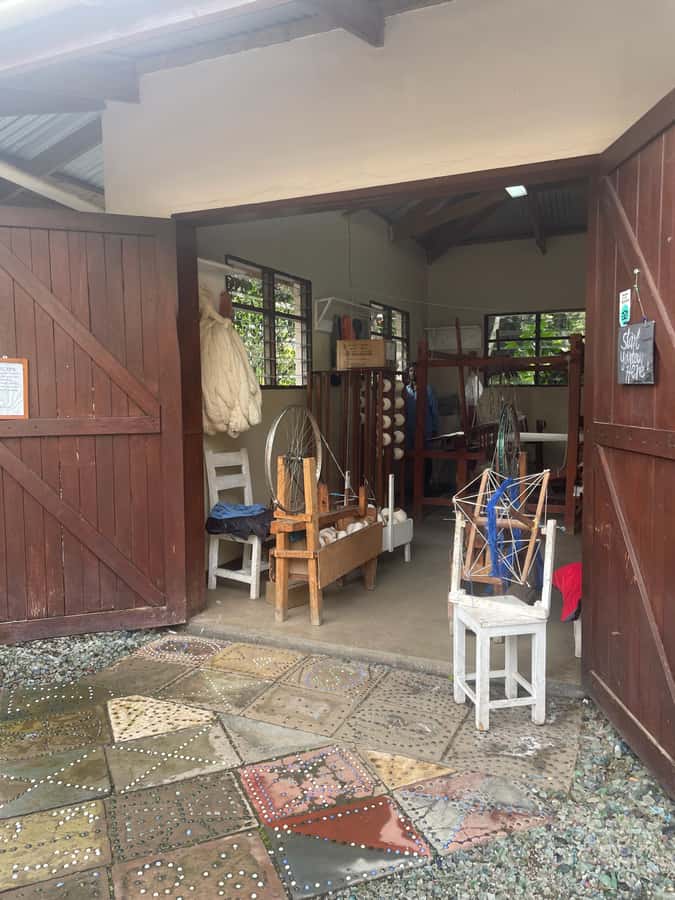
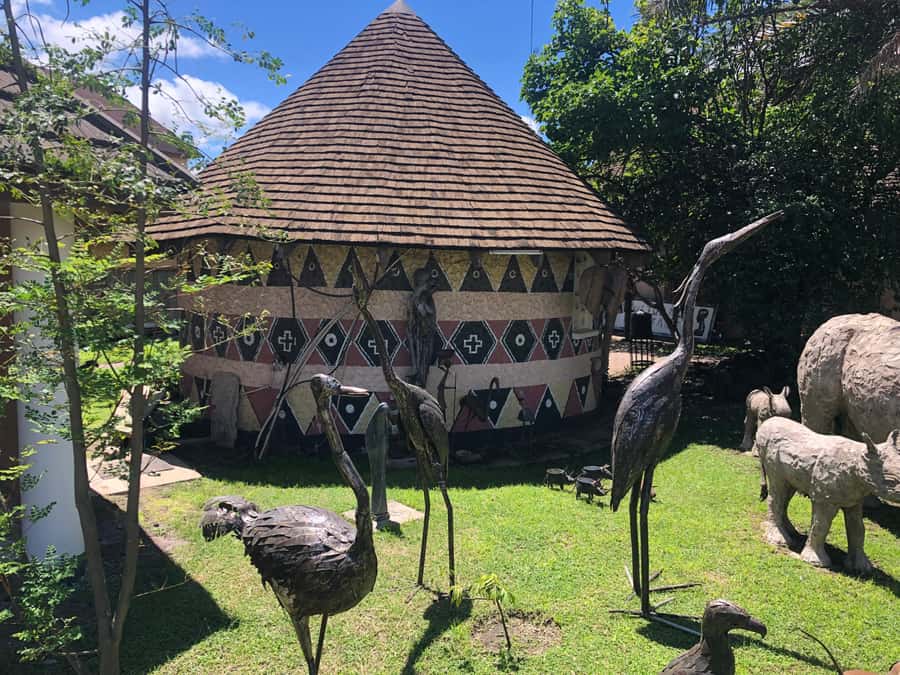
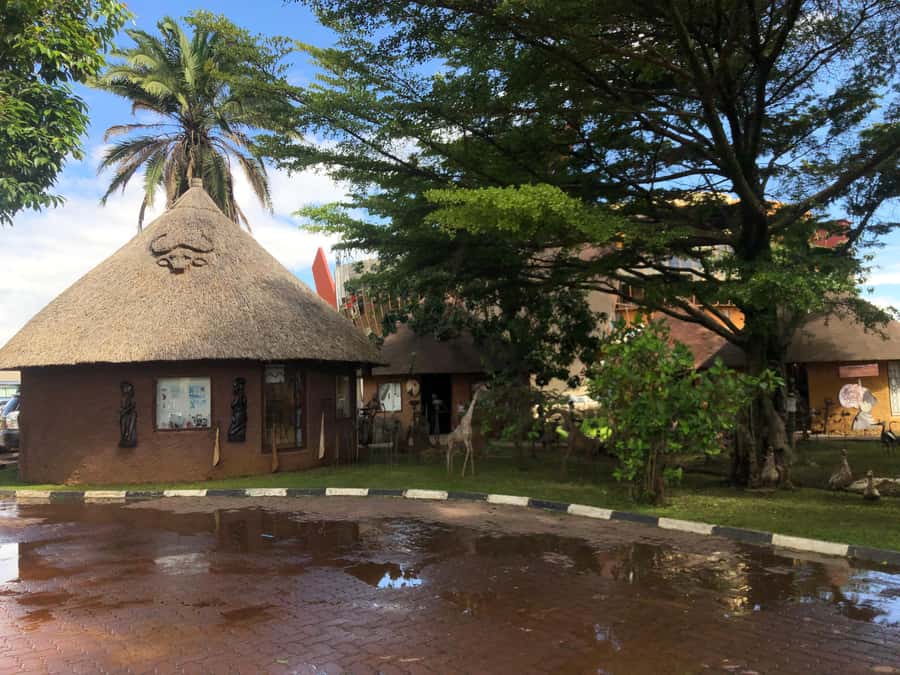
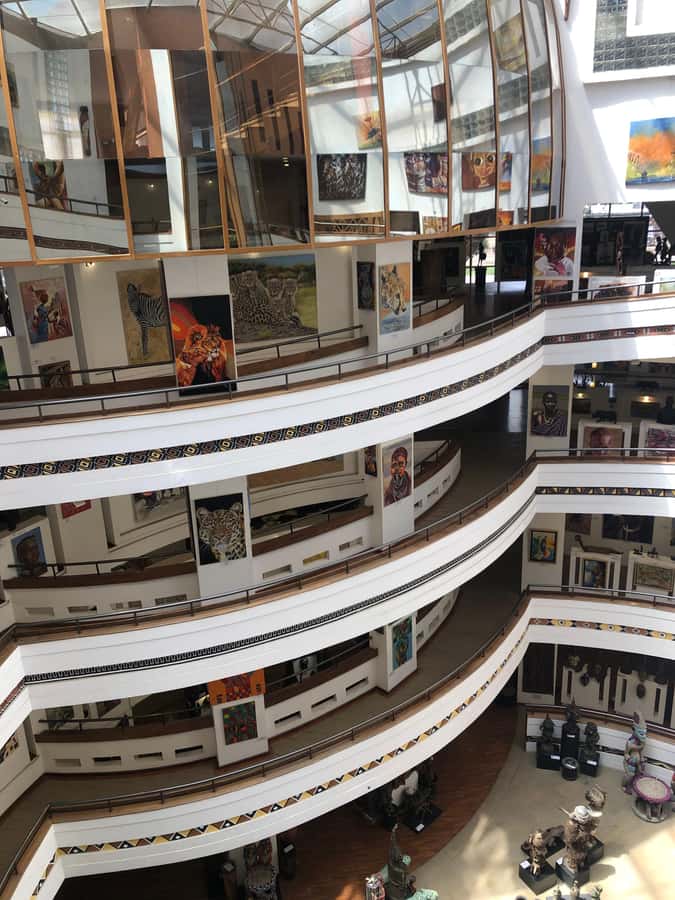
The Cultural Heritage Centre is the heart of this tour. It is designed for browsing, so you are not rushing through a quick photo stop. You get to see galleries that mix contemporary and traditional African art, pulled together from across the continent.
Expect to move through rooms with lots of different media. You might see sculptures and masks, paintings, and smaller artifacts that give you a fuller sense of what artists are thinking and making. The best part is that the space makes it easy to slow down and compare pieces, instead of sprinting past them.
If you are the type who loves art but hates confusing museum explanations, you are in luck here. The tour is structured with a guide, and that helps you translate what you are seeing into something you can carry home. Take your time at the works that grab you. If you have a camera, use it, but also look first. It is one of those tours where your eyes get better as you go.
A few more Arusha trips to compare
- Arusha Guided Walking City Tour, Culture, Lifestyle & History
★ 5.0 · 150 reviews - Materuni Waterfalls & Coffee making Cultural Tour | BURIGI CHATO SAFARIS LTD
★ 5.0 · 15 reviews - Marangu waterfall & Coffee making Cultural Tour | BURIGI CHATO SAFARIS CO LTD
★ 5.0 · 12 reviews
Tanzanite in Arusha: From Tanzania Mining to Jewelry
Then you shift from art rooms to gemstone storytelling. Tanzanite is discussed with real focus because it is one of the world’s rarest gemstones, and it is found only in Tanzania. A specialist guides you through the journey, from how it is mined to how it is processed and eventually turned into jewelry.
I like this part because it gives context. Tanzanite is not just a pretty stone you might buy. It has a supply chain, and it has scientific and cultural meaning. During the talk, you learn what makes it unique both in the way it works as a gemstone and in the way Tanzanite connects to local identity and craftsmanship.
You will also get a sense of why this stone matters as an object of trade and art. Even if you do not plan to buy anything, it helps you read Tanzanite differently. Jewelry stops being a simple accessory and becomes the endpoint of a long process, shaped by human hands.
Practical tip: if you are interested in purchasing, ask questions about what you are looking at before you decide. You might find small pieces or gifts in the broader experience, and clarity helps you spend confidently.
The Foundation Visit: Recycled Crafts and Real Community
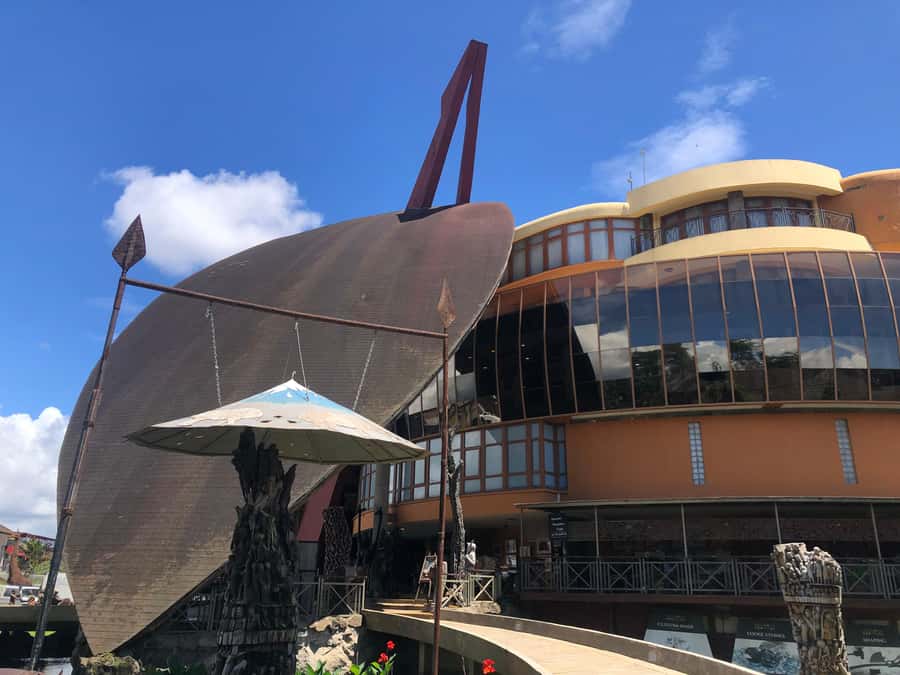
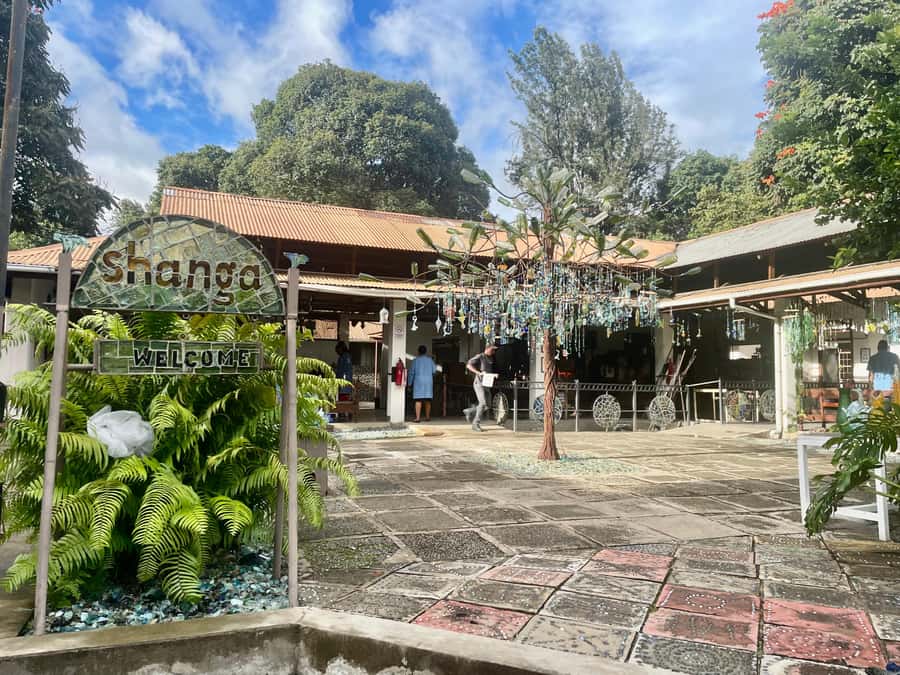
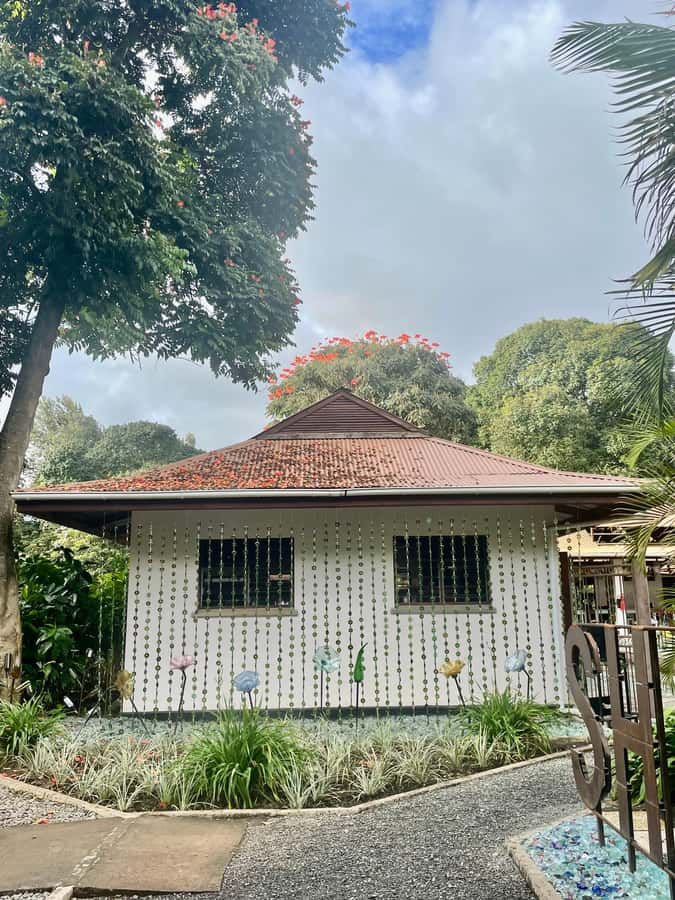
The tour ends with a visit to a local foundation, and this is where it turns from educational to personal. The foundation supports individuals with disabilities who create handcrafted items using recycled materials.
Here, creativity and sustainability show up in practical ways. You can see items made from recycled inputs, from jewelry to blankets and household pieces. You also meet the artists and hear their stories, which changes the feel of the day. Suddenly this is not just a culture tour. It is a direct look at community work happening right in Arusha.
This is also a great moment for respectful curiosity. If you want to take photos, do it thoughtfully and only when it feels appropriate. And if something catches your eye, consider buying a small piece. The tour is already priced to be reasonable, so when you choose to support the makers directly, it is a feel-good add-on that matters.
If you love meaningful shopping, this is the stop that makes the shopping feel justified. These items are not just souvenirs, they are outcomes of skills, time, and inclusion.
What Your $29 Covers, and What You Might Pay Extra
At $29 per person, this tour is priced to be accessible, especially because it bundles several costs that often add up. Your hotel pickup and drop-off in Arusha take care of the biggest logistical headache. You also get all entry fees and refreshments, so you are not trying to budget for tickets while you are on the move.
That bundled value matters. When you travel on a tighter schedule, you want fewer unknowns. This tour gives you a clear structure: art centre, Tanzanite lesson, then the foundation. Fewer separate stops to organize often means you spend less time coordinating and more time actually enjoying what you came for.
What might cost extra is your own shopping decisions. Since the experience includes a foundation where people sell or make items, you may be tempted to buy crafts. Also, your camera needs to be ready to go, so bring what you need to capture the day, like charged phone or an actual camera with battery.
In other words, the base price covers the essentials. The rest is about your personal taste and whether you want to bring home a Tanzanite-related gift or a recycled-crafts item.
Same base in Arusha, a completely different day:
- Balloon Safari & Bush Breakfast in Serengeti – Miracle Experience
★ 5.0 · 1,646 reviews - Tanzania Classic – 7 Days
★ 5.0 · 1,151 reviews - 4 Days Group Camping Safari
★ 5.0 · 1,101 reviews - 5 Days Group Camping Safari
★ 5.0 · 730 reviews
The Flow of the Day: How Each Stop Fits Together
This is not a random set of stops. The order makes sense, and you feel it as the day moves.
You start with art at the Cultural Heritage Centre. That first stop helps you build a mindset for cultural detail, because art is a way of seeing symbols, materials, and meaning. Then you move into Tanzanite, where you carry that same attention into something scientific and cultural at the same time. You end at the foundation, where the final meaning becomes human. You see how creativity works as a livelihood and how sustainability works as an everyday practice.
If you like tours that have a theme and a clear through-line, you will probably appreciate this structure. It is one day, but it tells a story: culture as expression, gems as transformation, and crafts as community output.
It is also a solid choice if you want something focused but not exhausting. You are getting guided interpretation, but you also have space to look and ask questions.
Practical Tips: Camera, Language, and a Calm Pace

Bring a camera. Seriously. The art centre and the craft-focused foundation both offer lots of visual moments. If you use your phone, make sure it is charged and set up with enough storage.
The tour runs in English and Swahili, which is helpful if you are comfortable in English or you want a guide who can switch to Swahili during explanations. Either way, you are not left guessing what you are looking at.
Wear comfortable shoes. Even when you are indoors, galleries and workshops mean you will do some walking and standing. And because the tour includes refreshments, you can take a breath instead of hunting down snacks between places.
One more planning note: it is designed to be straightforward for booking, with reserve-and-pay-later flexibility and cancellation up to 24 hours in advance for a full refund. That kind of flexibility is useful in Arusha, where weather, timing, and other plans can shift.
Who Should Book This Tour (and Who Might Skip It)
This tour is a great match for:
- Art lovers who want to see African art thoughtfully, not just glance and move on
- People curious about Tanzanite and how it becomes jewelry
- Anyone who likes gifts with story and purpose, especially crafts made from recycled materials
- Travelers who want a guided day in Arusha that mixes culture, materials, and community
You might consider skipping if you are looking for a long outdoor adventure day with lots of driving and big scenic stops. This experience is mostly about learning, viewing, and meeting people in dedicated spaces.
Also, if gemstones shopping is not your thing, do not worry. The Tanzanite lesson is still valuable even when you do not buy. It gives you context you can use later when you see Tanzanite in jewelry stores or markets.
Should You Book Arusha: Cultural Heritage, Tanzanite Tour?
If you want a meaningful Arusha day that feels organized and human, I would book it. The combination of the Cultural Heritage Centre, a specialist-led Tanzanite explanation, and a foundation visit where people create items from recycled materials is a strong mix. You get both learning and real-world connection, and the price feels fair because pickup, entry fees, and refreshments are already included.
Book this if you like structured culture, thoughtful looking, and gifts with a story. Pass on it only if you are craving nonstop outdoor action. For most visitors who want depth without drama, this is a smart pick.
FAQ
What is included in the Arusha Cultural Heritage, Tanzanite Tour?
Hotel pick-up and drop-off in Arusha, all entry fees, and refreshments are included.
Do I get hotel pickup and drop-off?
Yes, the tour includes hotel pick-up and drop-off in Arusha.
What should I bring?
Bring a camera.
What languages is the tour offered in?
The tour is offered in English and Swahili.
How much does the tour cost?
The price is $29 per person.
What is the cancellation policy?
You can cancel up to 24 hours in advance for a full refund.
Just posted around Arusha
- 8 Days Serengeti Migration safari★ 5.0 · 11 reviews
- tarangire & ngorongoro 2 days tour★ 5.0 · 14 reviews
- serengeti, ngorongoro & tarangire 4 days private tour★ 5.0 · 18 reviews
- tarangire, ngorongoro & lake manyara park 3 days private tour★ 5.0 · 11 reviews
- Mt. Kilimanjaro: Shira plateau to Cathedral point 3872m Day hike★ 5.0 · 7 reviews
- serengeti & ngorongoro 3 days private tour★ 5.0 · 15 reviews
- climb the KILIMANJARO via Lemosho route★ 5.0 · 4 reviews
- Kilimanjaro Waterfalls Hike & Moshi Hot Springs Day Trip Tour★ 5.0 · 4 reviews
Historical Tours, compared.
Stone Town Historical Cultural Walking Guided Tour
Read our review →
Arusha Guided Walking City Tour, Culture, Lifestyle & History
Read our review →
Stone Town’s Hidden History: Private Guided Walking Tour
Read our review →

Browse the lists this tour appears in