Reviewed · VIP
9 Days Great Migration Safaris with Kojuu Safaris Africa-Luxury.
Safari magic happens on schedule and on luck. This 9-day Great Migration safari from Moshi pairs local-born guides with classic northern circuit stops, so you can aim for the wildebeest and zebra moments that made the region famous (Great Migration and Mara River focus). It also includes airport transfers, most park and conservancy fees, and a private 4WD setup built for long game drives.
I especially like two things about this trip. First, the itinerary gives you repeated time in Serengeti, including a dedicated stretch around the Mara River, so you are not depending on a single sighting window. Second, Kojuu’s custom open-roof 4WD Land Cruiser is stocked for comfort, with bottled water, snacks, and even a fridge and inverter for the long days.
One consideration: wildlife is wildlife. Even with early starts and great planning, river crossings and big predator sightings are never guaranteed, and weather can affect conditions.
In This Review
- Key highlights I’d circle on your planning list
- Where it all starts: Kilimanjaro Airport to Arusha city, with a human handoff
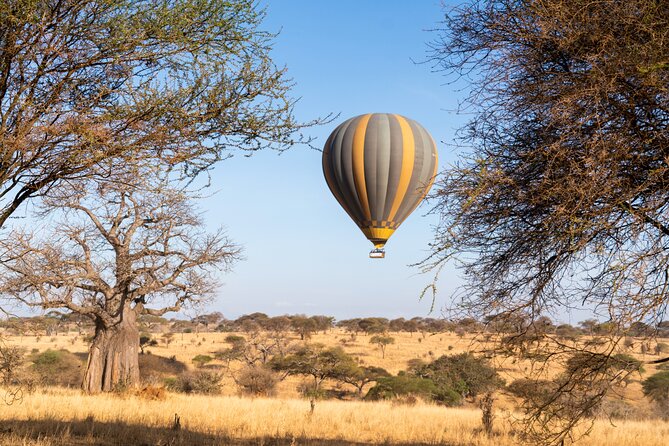
- Tarangire National Park: elephants, baobabs, and dry-season action
- Serengeti first taste: getting to the endless plains via Ngorongoro conservation area
- Mara River focus begins: aiming for the river crossing on Day 4
- A full day by the Mara River: your patience plan for Day 5
- Sunrise and a second look: finishing northern Serengeti before heading toward central
- Last game drive in Serengeti, then Karatu downtime
- Ngorongoro Crater: a full-day big-mammal focus in a volcanic caldera
- Arusha pool time and onward flight on Day 9
- The Kojuu Safaris Africa-Luxury details that affect your daily comfort
- Price and value: what $4,110.96 really buys
- Who this safari fits best, and who should reconsider
- Should you book this Great Migration safari?
- FAQ
- What parks and areas does this safari include?
- Where do you meet the group and how are airport transfers handled?
- Is the tour private?
- Does the price include game park and conservancy fees?
- Are meals included during the safari?
- What vehicle is used for the safari drives?
- What else is included besides park fees and transport?
- What is the cancellation policy and what happens if weather is poor?
Key highlights I’d circle on your planning list
- Local-guided Great Migration focus with multiple Serengeti days aimed at the Mara River timing
- Private safari feel in a custom-built open-roof Land Cruiser, extended for comfort on long drives
- Tarangire adds variety with elephant herds and baobabs, plus dry-season wildlife around permanent water
- Ngorongoro Crater is your big-mammal reset in a high-density, enclosed caldera ecosystem
- Logistics are taken care of with airport transfers, park fees, safari briefing, and most meals included
Where it all starts: Kilimanjaro Airport to Arusha city, with a human handoff
Your trip starts at Kilimanjaro International Airport. After you check in and go through security/document checks, a Kojuu driver guide meets you at the exit door with a signboard showing your name. That matters more than it sounds, because the first day in Tanzania is often about avoiding confusion, not collecting it.
You will transfer to Arusha city, then the driver guide helps with hotel check-in. A porter takes your luggage up, and after a full day of flying, you can reset with dinner and some downtime. The real win here is that Day 1 is not packed with tours. It is built for sleep recovery, which makes the safari days later feel easier.
A few more Moshi trips to compare
- Kilimanjaro climb by Lemosho Route (7-day)
★ 5.0 · 651 reviews - Safari Serengeti And Ngorongoro
★ 5.0 · 288 reviews - Kilimanjaro climb, Machame Route (7-day)
★ 5.0 · 262 reviews
Tarangire National Park: elephants, baobabs, and dry-season action
Day 2 heads to Tarangire National Park, about 120 km from Arusha and roughly a 2-hour drive. Tarangire is sometimes described as underrated for its size, but that is the point. It offers a different look than the typical “endless plain” feel, with a strong concentration of animals drawn to available water in the dry season.
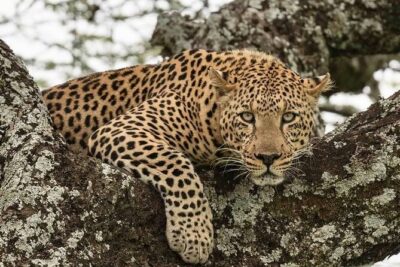
You are set up for a full day game drive, and the park’s calling card is wildlife around permanent water sources. You should expect elephant herds, along with buffalo, and a mix of predators and big grazers like lion and giraffe. Leopard can show up, too. The baobab trees also help you understand the scenery in a practical way: you are not just looking at open ground, you are also watching how animals move between shade, feeding areas, and watering zones.
Practical tip: for this park and the rest of the route, keep your camera ready, but also give your eyes time. Tarangire rewards patient scanning near water and along game-drive lines.
Serengeti first taste: getting to the endless plains via Ngorongoro conservation area
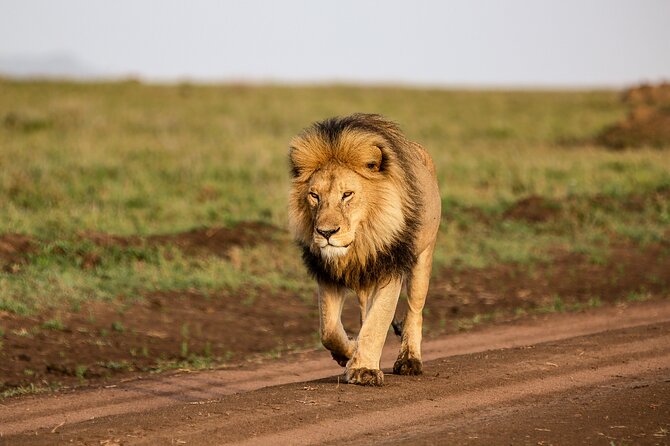
Day 3 brings the big shift to Serengeti National Park. You leave early, then drive toward Serengeti via the Ngorongoro conservation area for game viewing along the way. Serengeti is extremely large, and the goal is to understand why people call it the endless plains. When you see the scale, it makes the Great Migration stories feel real, not just cinematic.
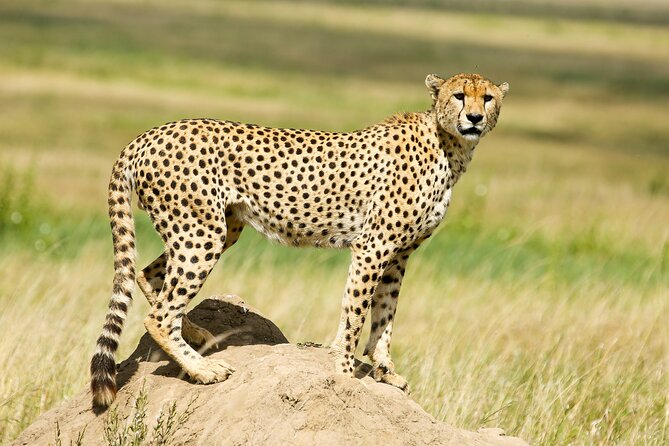
This is also the day that sets expectations for what you are likely to see. Serengeti is listed here for the big five: lion, leopard, bush elephant, African buffalo, and black rhino. Even if you never get every species, you are in a park where “different” is common. Expect giraffe, zebra, and cheetah among many others as your driver guide works the sightings.
Also, note how the day structure works. You start early, you move through interesting areas on the way, then you transition into your time in northern Serengeti. It is designed to keep you from feeling stuck in transit at the expense of actual viewing.
Mara River focus begins: aiming for the river crossing on Day 4
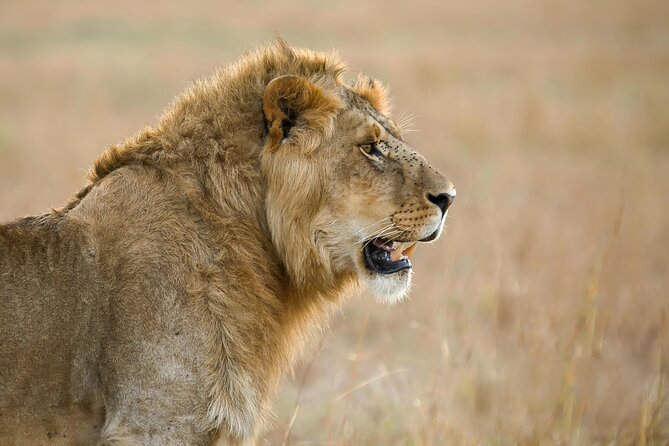
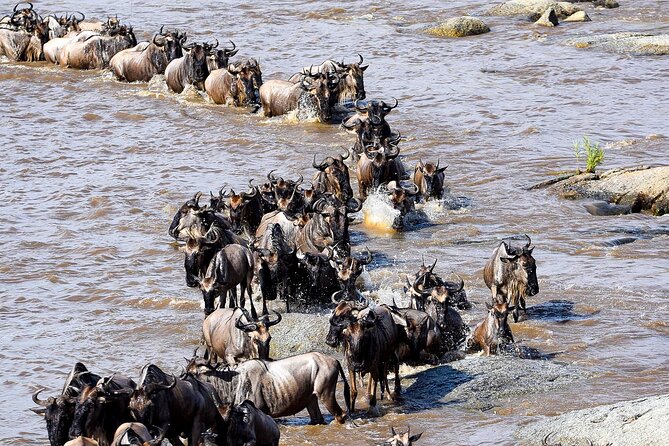
Day 4 is where the trip leans hard into the migration storyline. After breakfast, you set off for a game drive heading north, with stops along the way for animals you can spot en route. In the afternoon, the plan shifts toward the Mara River to witness the famous annual migration crossing.
The itinerary frames it as the kind of moment people remember for years, and the key detail for you is this: the crossing is not random. It is part of a recurring cycle where wildebeest and zebra move in search of grass and water, crossing between Serengeti and Kenya’s Masai Mara region.
Real talk: the exact time and intensity of crossings can vary. But by building the trip with multiple Serengeti days, you reduce the odds that one missed moment ruins your trip. You are not paying for a single swing. You are paying for repeated chances.
Same base in Moshi, a completely different day:
- Kilimanjaro Climbing Lemosho Route 8 Days.
★ 5.0 · 186 reviews - Climbing Kilimanjaro – Machame Route
★ 5.0 · 170 reviews - Climbing Kilimanjaro through 7 days Machame Route
★ 5.0 · 151 reviews - Kilimanjaro climb, Lemosho Route (8-day)
★ 5.0 · 148 reviews
A full day by the Mara River: your patience plan for Day 5
Day 5 is a full day game drive in Northern Serengeti, centered on the Mara River. If yesterday didn’t give you the crossing moment you hoped for, today is the “try again” day. This is also one reason this itinerary feels like value: it spends actual time where the action is described, instead of constantly rushing to new checklists.
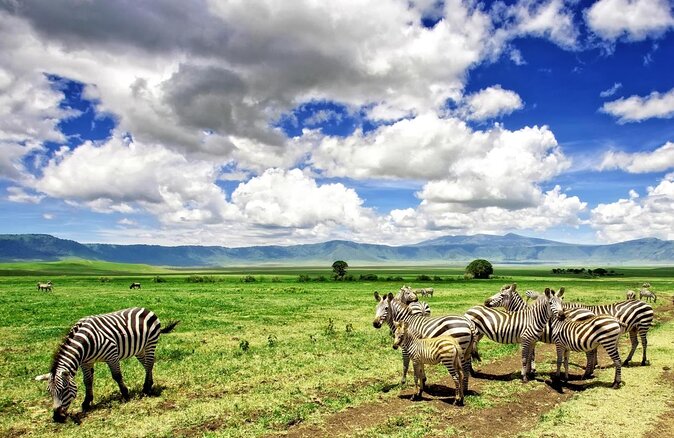
The Mara River area is presented as the setting for the migration cycle, and the itinerary gives a scale marker you can hold onto: it references over 1.2 million wildebeest and zebra moving through the ecosystem with gazelle and topi as part of the movement. That means you are watching a massive, living pattern, not one isolated animal event.
The practical reality is that a day by a river can feel long, especially if you are the type who wants nonstop motion. But that is also why it works. River-crossing viewing is often about waiting for the right wave of movement, not sprinting from sighting to sighting.
Sunrise and a second look: finishing northern Serengeti before heading toward central
Day 6 starts early, with a sunrise drive. You head out to observe the natural wonder at the Mara River again, then return for breakfast. This structure is smart. It gives you that early light and the animal activity that comes with it, and then it stops for food so you can stay sharp.
The itinerary also points out that northern Serengeti has more than just wildebeest. You can expect the driver guide to look for giraffe, impala, hartebeest, and waterbuck, along with birds that have been seen in the area. Then in the afternoon, you return to central Serengeti, arriving late evening for dinner with views of the park.
That shift matters. Serengeti’s animal behavior can feel different by zone. Even if you do not get the same river action twice, you are not just repeating a loop. You are changing where you watch from.
Last game drive in Serengeti, then Karatu downtime
Day 7 starts with breakfast and a final game drive in Serengeti. Later in the afternoon, you drive to Karatu for relaxation, dinner, and overnight. The name Karatu might not ring a bell before your trip, but the purpose is clear. It is a softer landing after long days in the vehicle.
This is one of the underrated parts of a safari itinerary. You need recovery time. Your body might think it is ready after Day 3 or Day 4, but Day 6 and Day 7 tend to reveal the truth. Having a planned “buffer evening” makes the next stop in Ngorongoro feel less like punishment and more like a fresh chapter.
Ngorongoro Crater: a full-day big-mammal focus in a volcanic caldera
Day 8 drives to the Ngorongoro Crater for a full-day game drive. The itinerary calls it Africa’s Garden of Eden, and it also gives you the practical reason people love it: it is a well-preserved natural phenomenon formed as a volcanic caldera. Inside, there is grassland, forest, and swamp, and the crater floor has permanent water.
That combination is why wildlife density matters here. The program lists resident populations of more than 25,000 large mammals, including leopard, lion, black rhino, hyena, wallowing zebra, waterbuck, baboons, and more. For your planning brain, the big takeaway is that Ngorongoro is not just another day of driving. It is a concentrated ecosystem, built to give you more chances to see multiple big animals in one area.
Also, note the pace. You are told it is 190 km from Arusha town, so this day includes real travel time too. Still, because it is built around a full day on-site, you are not rushed through the crater like a quick add-on.
Arusha pool time and onward flight on Day 9
Day 9 is calmer, and that is a good thing. Breakfast starts the day, then you relax by the pool area and even have time to swim. In the afternoon you are provided lunch and then transferred back to Kilimanjaro International Airport for your onward flight.
This final day does two jobs. It helps you decompress after crater viewing, and it keeps your departure timeline manageable. If you are planning any post-safari travel, this “soft ending” is the best place to put it, not during the middle of the migration chase.
The Kojuu Safaris Africa-Luxury details that affect your daily comfort
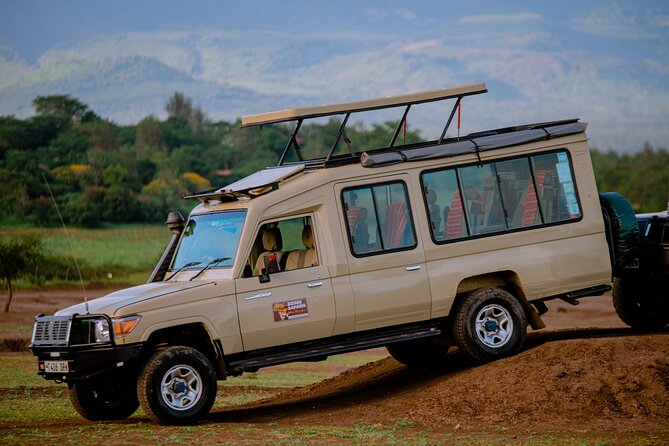
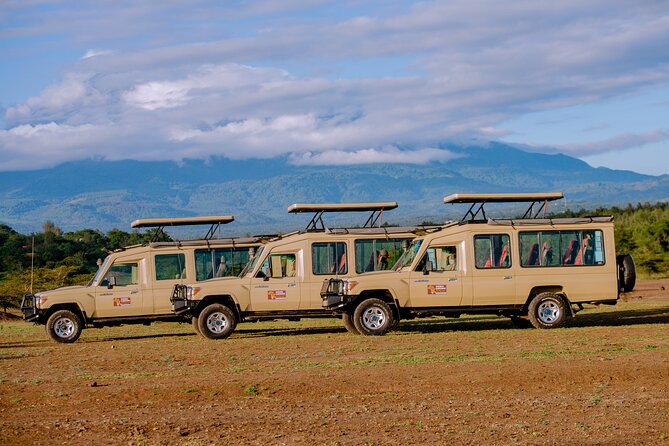
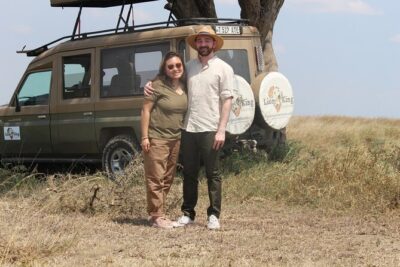
What makes this package feel like more than a budget safari is the vehicle and the included extras. You travel in a custom-built extended open-roof 4WD Land Cruiser with a fridge and inverter. That means you can handle long, warm days without everything feeling uncomfortable and dry.
The vehicle is stocked with soft drinks, regional wine, snacks, fruits, and bottled water. Those items matter on a safari because you want to keep energy up between drives. It is also easier to stay relaxed when you are not constantly asking where to get water or when food will appear.
You also get a safari briefing at the beginning by a travel specialist. That is the kind of thing that improves your odds of enjoying the trip. When you understand what to watch for and how the day flows, you spend less time guessing and more time seeing.
Finally, there is Flying Doctor Insurance cover included. Medical coverage is not something you want to think about every day, but it is a real safety net for a remote safari region.
One more item to note: a Masai Village Visit is included. The itinerary does not spell out which day it happens, but it is part of the overall program and helps you balance wildlife time with local culture.
Price and value: what $4,110.96 really buys
At $4,110.96 per person for about 9 days, this is not the cheapest way to do Tanzania. But it can represent strong value because so many of the cost drivers are packaged in.
Included in the trip cost are all airport transfers, national park and conservancy fees, and admission tickets tied to the included areas. The package also includes accommodation as specified, most meals (9 breakfasts, 8 dinners, 8 lunches), and the dedicated vehicle with unlimited mileage. On top of that, you get safari swag like bush hats and Kojuu duffels.
Here is how to think about value: safari costs add up fast when you buy them separately, especially park fees, conservancy access, and private transport. By bundling them with a private 4WD and meals, you trade a chunk of planning stress for a smoother experience. It is a “pay more, worry less” style of trip.
Private tours can also be a value win if you are traveling as a couple or small group. The vehicle and guide effort is still yours. You are not sharing the day with random strangers at every turn.
Who this safari fits best, and who should reconsider
This tour is built for people who want a serious Great Migration experience, not just a quick Serengeti stop. If you love the idea of watching wildebeest movement and you are okay with long days in the vehicle, the multi-day Serengeti plan works well.
It is also a good fit if you want comfort built into the ride. The open-roof 4WD and in-vehicle snacks and drinks help keep you comfortable on the long stretches.
On the flip side, you might want to think twice if you hate waiting. A Mara River day is about patience. It may include long periods of scanning and not every hour will feel like a dramatic payoff.
Also, while the program says most travelers can participate, safaris involve early mornings and bumpy road time. If you have specific mobility or health needs, you will want to ask Kojuu directly how the route and vehicle fit your situation.
Should you book this Great Migration safari?
If you want a structured, wildlife-forward Tanzania trip with a clear migration focus, I think this itinerary is a strong match. The reason is simple: it does not treat the Great Migration as a one-day gamble. You get multiple Serengeti days, including dedicated Mara River time, then you add Tarangire and Ngorongoro for variety and big-animal chances.
Before you book, check two things in your own travel style. First, confirm your travel dates line up with your expectations for migration viewing, because timing affects what you will see. Second, decide whether you like the rhythm of early starts and full game-drive days, balanced by a calmer final day in Arusha.
If that sounds like your kind of trip, Kojuu Safaris looks like a practical way to do it, with the logistics handled and the driving comfort taken seriously.
FAQ
What parks and areas does this safari include?
The program includes Tarangire National Park, Serengeti National Park (including Mara River viewing in northern Serengeti and time in central Serengeti), Ngorongoro Crater, and an Arusha area day at the end. A Masai village visit is also included.
Where do you meet the group and how are airport transfers handled?
You start at Kilimanjaro International Airport. A Kojuu driver guide meets you there after document checks and transfers you to Arusha for hotel check-in. On the final day, you are transferred back to Kilimanjaro International Airport for your onward flight.
Is the tour private?
Yes. It is described as a private tour/activity, meaning only your group participates.
Does the price include game park and conservancy fees?
Yes. The package states that all game park, national park, and conservancy fees are included.
Are meals included during the safari?
Yes. The inclusions list 9 breakfasts, 8 dinners, and 8 lunches.
What vehicle is used for the safari drives?
You travel in a custom built, extended, open-roof 4WD safari Land Cruiser with a fridge and inverter.
What else is included besides park fees and transport?
Included items list a safari briefing at the beginning, Flying Doctor Insurance cover, safari swag (including bush hats and Kojuu duffels), unlimited mileage, and in-vehicle snacks, fruits, soft drinks, regional wine, and bottled water.
What is the cancellation policy and what happens if weather is poor?
The policy is free cancellation up to 24 hours in advance for a full refund. If it is canceled due to poor weather, you are offered a different date or a full refund.
Just posted around Moshi
- machame route★ 5.0 · 16 reviews
- Kilimanjaro Climbing Umbwe Route★ 5.0 · 3 reviews
- Wildlife Extravaganza: Manyara, Tarangire & Ngorongoro in 3 Days★ 5.0 · 3 reviews
- Mt Kilimanjaro 6 days Marangu route hike★ 5.0 · 3 reviews
- 3 Days Private E-Bike Tour in West Kilimanjaro★ 5.0 · 3 reviews
- West Kilimanjaro cycling Adventures★ 4.5 · 8 reviews
- Kilimanjaro Climb • Marangu Route ~ 9 Day★ 5.0 · 4 reviews
- Private Cycle to Kilimanjaro Bike Park Safari★ 5.0 · 6 reviews
VIP, compared.
7-Day Premium Luxury Tanzania Safari All-Inclusive
Read our review →
5 Days Best of Tanzania Luxury Safari Northern Circuit
Read our review →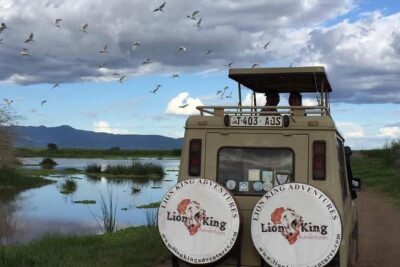
12 days Luxury Tanzania Honeymoon Safari and Zanzibar
Read our review →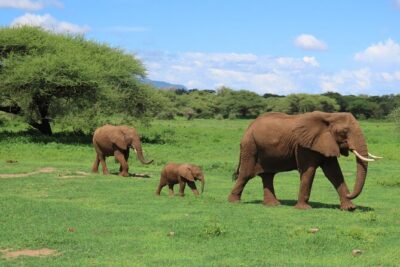
Top Best 5 Days Tanzania Luxury Safari to Serengeti
Read our review →