Reviewed · 7-DAY EXPERIENCES
7 days safaris to see great migration
You can’t fake a Great Migration safari.
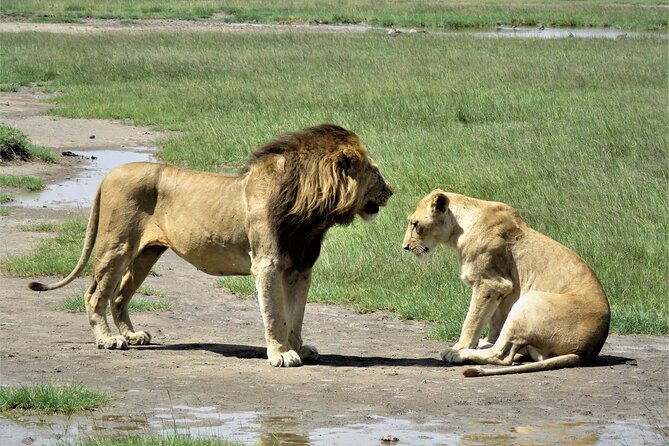
This one is built as a practical circuit through Tarangire, Serengeti, Ndutu, and Ngorongoro, with enough time in the right places to chase changing herds and big predator moments.
I like that it is private, so your driver guide can focus on your sightings instead of herding a crowd. I also like the meal plan, with multiple breakfasts, lunches, and dinners included, so you spend less time hunting for food and more time watching animals. One consideration: the schedule is long driving days between parks, so if you get antsy in a vehicle, you will want to pack for comfort.
In This Review
- Key highlights worth planning around
- The Great Migration route: why this order makes sense
- Day 1 in Tarangire: your first game drive from Arusha
- Serengeti days: long drives, expert guidance, and the comfort of repeat time
- Ndutu area for the migration: two tries where it matters most
- Ngorongoro Crater Rim: the classic finale with an early start
- Where the $3,461.54 price fits: what you are paying for
- Practical logistics that make or break the trip
- Who this safari fits best
- Tips to maximize your sightings on a migration trip
- Should you book this Great Migration safari?
- FAQ
- Where does the safari start, and what time is pickup?
- Is this a private safari or shared group?
- Which parks and areas are included on the trip?
- Are park fees included?
- What meals are included?
- What is not included in the price?
- How does cancellation work?
Key highlights worth planning around
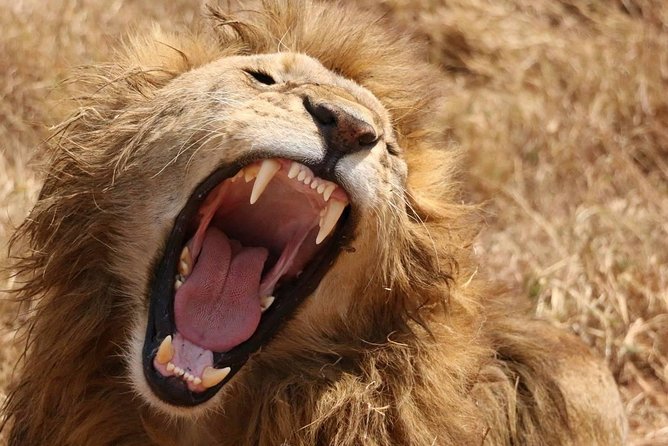
- Great Migration focus with Ndutu time twice, giving you a second chance when the herds shift.
- Tarangire to Serengeti progression, starting with lush game viewing and moving into the wider Serengeti action.
- Ngorongoro Crater Rim finale, with early driving and a finish toward the USA River area.
- Private vehicle plus professional driver, which usually means better use of early starts and finding animals.
- Meals included every day on safari, including lunch boxes for long game drives.
- Real staff strengths show up in reviews, including drivers and chefs like Simba and Dennis.
The Great Migration route: why this order makes sense
If your main goal is the Great Migration, your biggest challenge is timing. The herds do not hold still, so the winning strategy is to be based where migration activity is possible, then go out early and stay out late.
This safari’s routing does that in a clean way. You start in Tarangire for an immediate safari hit, then move into Serengeti where you get full game drives over multiple days. After that, you go to the Ndutu area, which is the trip’s migration target, and you do it for more than one day. Then you end with Ngorongoro Crater Rim, which is a classic capstone for variety, density, and drama.
That combination matters because it reduces the all-or-nothing feeling. Instead of betting everything on one day, you build in time for re-checks, and you can better match your mood to the sightings on the day.
A few more Arusha trips to compare
- Balloon Safari & Bush Breakfast in Serengeti – Miracle Experience
★ 5.0 · 1,646 reviews - Tanzania Classic – 7 Days
★ 5.0 · 1,151 reviews - 4 Days Group Camping Safari
★ 5.0 · 1,101 reviews
Day 1 in Tarangire: your first game drive from Arusha
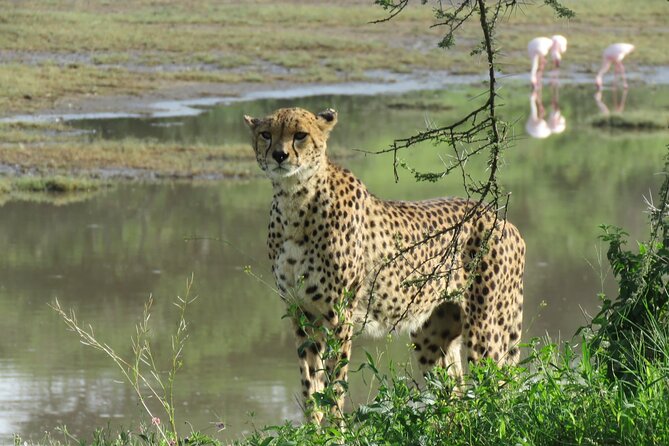
You start with pickup in Arusha (at the Arusha Condo Hotel meeting point) with a 8:30 am start. Then you head to Tarangire National Park, which is a solid opener because it often delivers wildlife quickly and keeps the pace fun.
You get a game drive after arrival, plus lunch, then a late afternoon viewing session before you check in for the night. That flow is practical. Late afternoon can be great for activity, and it breaks up the long travel day so you do not burn daylight only on the road.
What I like here for value: you begin the safari the same day you leave Arusha, and you do not lose your first half-day to admin. The park entry is handled as part of the package for non-residents, and admission is listed as free in the day-by-day details, which typically means you are not juggling extra cash at the gate.
Where to be realistic: the trip includes a lot of driving across regions. Tarangire is worth it, but you will feel the transfer time, so plan to hydrate and give yourself a motion-sickness fallback.
Serengeti days: long drives, expert guidance, and the comfort of repeat time
After Tarangire, you shift into Serengeti National Park, where the game viewing tends to be more expansive. This part is designed around classic safari rhythms: early starts, midday meals, and late drives.
In the first Serengeti day, you leave Arusha-area lodging in the morning, arrive for game drives with lunch en route, and then continue with an afternoon drive in the park. The next day gives you another full cycle of morning drives and afternoon drives until sunset, with a lunch option in the middle. The goal is simple: you see more of the day, not just a slice.
One small detail I appreciate: there is mention of a lunch box for longer drives. That signals that the day is planned around staying out, not returning to camp every time you want food. You get dinner and an overnight at an intimate, luxury-style camp.
The reviews back up why this structure works. Guides and drivers like Simba are praised for knowing where animals and park patterns show up, and that kind of real-time spotting is what turns a generic “drive around” into a hunt with purpose. Chef Dennis gets specific praise too, which matters more than people think, especially when you are eating on safari at the pace of game drives.
A realistic drawback: when the schedule is this full, you cannot always predict what time you will have perfect breaks. If you dislike tight timing, you might want to mentally treat this as a safari sprint rather than a relaxed vacation.
Ndutu area for the migration: two tries where it matters most
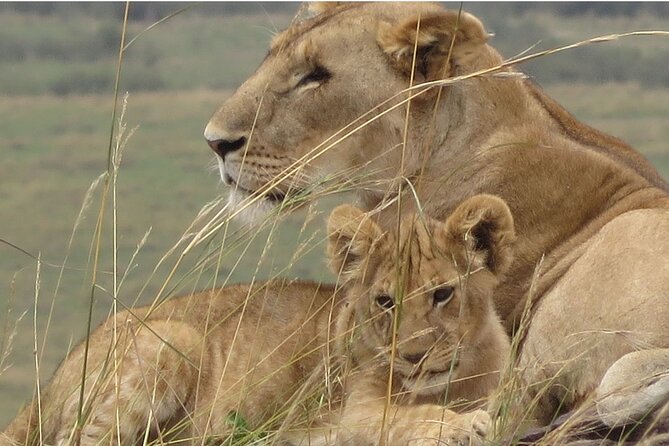
This is the trip’s key migration segment. You head into the Ndutu area, which is described as the southern Serengeti and northern Ngorongoro migration zone within the package details. The big idea is that you do not just pass through.
You get an early start, you head out for a full game drive, and you pack a lunch box for time in the field. Then you stop for lunch in the bush and continue the evening drive until sunset before returning for dinner.
You do this again the next day. Two days in the same migration zone does not guarantee the same view twice, but it gives you a better chance to catch activity at different times of day and different herd positions. Migration moments can be short and change fast. Two shots at Ndutu is usually a better deal than one long day and a hopeful heart.
Also, this is where the vehicle comfort and driver instincts start paying off. When herds are moving, the best sightings often come from the guide deciding where to position you and when to move on. That is why I value a private safari driver for this portion. In a group, you can lose time to coordination. In a private setup, your driver can adjust to what you are seeing.
One more practical note: the itinerary indicates “early morning game drives” and extended evening time. That means you should dress for both warm sun and cooler dusk conditions, and bring a layer that actually works when the light drops.
Same base in Arusha, a completely different day:
- 5 Days Group Camping Safari
★ 5.0 · 730 reviews - Materuni Waterfalls, coffee tour & Kikuletwa Hot Springs
★ 5.0 · 643 reviews - 3 Days Serengeti & Ngorongoro Group Camping Safari
★ 5.0 · 574 reviews - 7-Day Premium Luxury Tanzania Safari All-Inclusive
★ 5.0 · 426 reviews
Ngorongoro Crater Rim: the classic finale with an early start
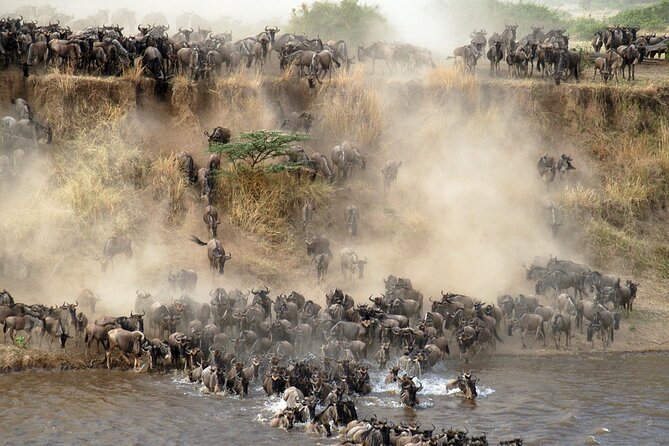
Your last day shifts to the Ngorongoro Conservation Area, with a route that includes the Crater Rim and a drive toward the USA River area afterward.
The schedule starts with a morning plan tied to the early hours. You travel from the Ndutu area, wake up for early game viewing, return for lunch, then check out and continue for crater viewing and game time en route. The package ends back at the meeting point area.
Why this finale is a smart move: you finish the trip with a place that is often visually and biologically intense, so you end on a high note after the long migration chase. Even when sightings vary, Ngorongoro often delivers a different kind of safari than open plains.
Also, because this is a handoff from one region to another, the final day usually feels like a transition. You will want to use your last morning carefully, not mentally rushing through it.
Where the $3,461.54 price fits: what you are paying for
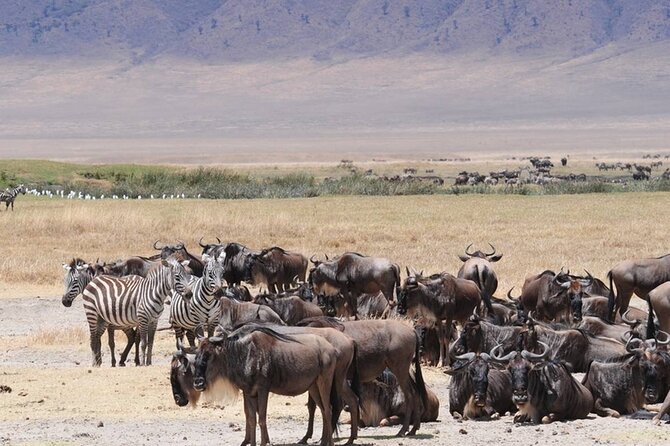
At $3,461.54 per person, this is not a “cheap safari.” But it is also not pretending to be a budget hop. So the value question is: does it buy you the right inputs for a migration trip?
Based on what is included, you are paying for a package that covers:
- Park fees for non-residents
- All accommodation while on safari
- A professional driver and private transportation
- Meals: 5 breakfasts, 6 lunches, and 5 dinners listed in the package details
You are not paying for:
- International flights
- Tips
That meal and accommodation coverage is a huge hidden saver. Safaris often get expensive through the back door with repeated restaurant stops and added transfers. Here, your day is structured so the meals match the drives, including lunch boxes for long sessions.
Private transport is another big value lever. For a Great Migration safari, your best sightings can depend on repositioning quickly. A private setup can mean less wasted time than a shared tour, and it can mean more flexibility if your driver wants to chase a signal on the road.
The only real “watch it” cost is tips and anything not listed, plus your international flights. If you are trying to budget tightly, do not forget those, and plan for the guide and driver to be compensated appropriately.
Practical logistics that make or break the trip
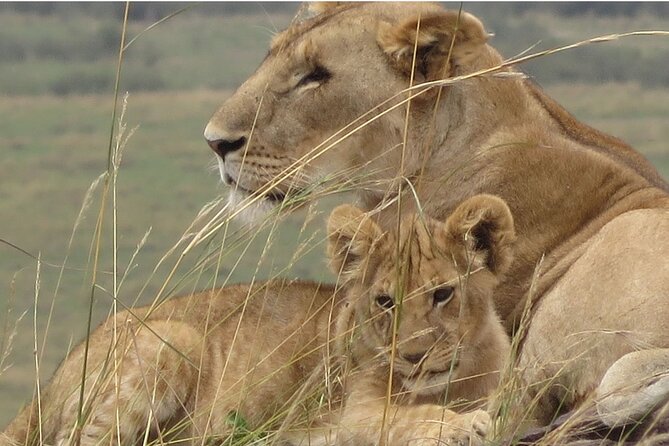
This tour is listed as a private tour/activity, meaning only your group participates. That matters for two reasons: you avoid the frustration of waiting for strangers, and you can get a more personal experience from the driver guide.
It also includes pickup offered and uses a mobile ticket. For many travelers, that reduces pre-safari stress. When you are juggling time zones, phone numbers, and paperwork, “simple” is underrated.
The meeting point is the Arusha Condo Hotel on Levolosi Rd, and the experience ends back at the meeting point. Start time is 8:30 am. Those specifics are useful because they help you plan your first day in Arusha. You can time your arrival flight, hotel check-in, and any rest you might want.
As for staff: the reviews highlight trust and smooth communication with people like David and Ernest, and praise driver personalities like Salim/Simon for energy and spotting. Those details suggest the company invests in relationships, which often improves day-to-day flow.
Finally, one caution from a less-than-perfect review: the disappointment there was not about animal sightings. That does not mean this trip fails, but it does point to a useful mindset. Make sure you understand service details like timing, included meals, and what is expected from you each day, so nothing is a surprise.
Who this safari fits best
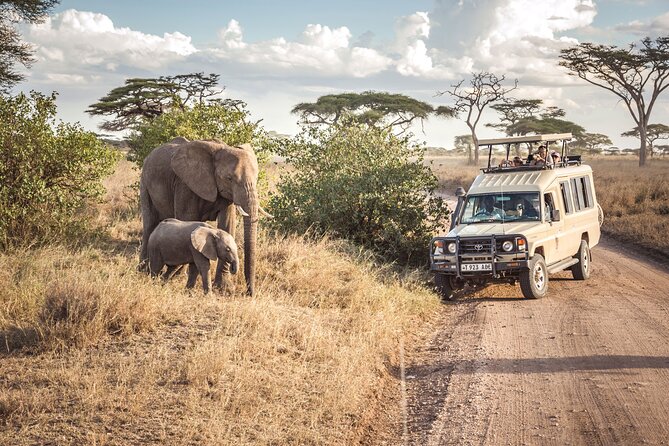
I think this trip suits you if:
- You are laser-focused on Great Migration chances, especially with the Ndutu time built in twice.
- You prefer private guiding over a shared group vibe.
- You want the comfort of meals and lodging included, so your only job is to be ready for early drives.
It may be less ideal if you want a very relaxed pace. The days are long, the driving is real, and the schedule is built around extended time in the field from morning through sunset.
If you are a solo traveler, this can also work well because the driver and vehicle are dedicated to you. Reviews from solo travelers in this company’s orbit mention unforgettable moments and strong guidance, including moments like river crossings on other departures, which is exactly what you hope for when you choose a migration-focused safari.
Tips to maximize your sightings on a migration trip
You cannot control herds, but you can control how well you catch what they do. Here are practical things that matter on this kind of route.
Bring layers and be ready for early hours. The plan repeatedly includes early morning drives and late sunset time, and temperatures can swing during the day.
Respect the guide’s positioning. On migration days, the best viewpoint might be a moving target. Give your driver time to set up, and stay patient when you are told to wait a few minutes.
Aim to be present mentally at both ends of the day. A lot of big action happens at the light edges, not only mid-morning.
And because this is private, ask clear questions. Good guides like Simba are praised for animal and park knowledge, so use that. Ask what they think you are likely to see next, and where the animals might shift as the day warms up.
Should you book this Great Migration safari?
Book it if you want a focused, migration-driven circuit with private transport, meals and lodging covered, and built-in time in the Ndutu area where migration activity is expected. The routing gives you multiple chances across Serengeti plus targeted Ndutu time, then finishes with Ngorongoro for a memorable close.
Skip or reconsider if you are highly sensitive to long driving days or you want a mostly hands-off, low-effort vacation. This is structured. You will be doing safari, not spa time.
If you can, align your visit with your personal migration priorities and make sure you are comfortable committing to a full safari schedule. Done right, this kind of trip turns wildlife watching into a real story, not just a checklist.
FAQ
Where does the safari start, and what time is pickup?
The safari starts at the Arusha Condo Hotel (Court rdTZ, Levolosi Rd, Arusha) and the start time is listed as 8:30 am.
Is this a private safari or shared group?
It is a private tour/activity, meaning only your group participates.
Which parks and areas are included on the trip?
The package includes visits to Tarangire National Park, Serengeti National Park, the Ndutu area, and the Ngorongoro Crater area.
Are park fees included?
Park fees for non-residents are included in the package.
What meals are included?
The package includes 5 breakfasts, 6 lunches, and 5 dinners during the safari days.
What is not included in the price?
International flights and tips are not included.
How does cancellation work?
Free cancellation is available if you cancel up to 24 hours in advance of the experience start time for a full refund.
Just posted around Arusha
- 8 Days Serengeti Migration safari★ 5.0 · 11 reviews
- tarangire & ngorongoro 2 days tour★ 5.0 · 14 reviews
- serengeti, ngorongoro & tarangire 4 days private tour★ 5.0 · 18 reviews
- tarangire, ngorongoro & lake manyara park 3 days private tour★ 5.0 · 11 reviews
- climb the KILIMANJARO via Lemosho route★ 5.0 · 4 reviews
- Mt. Kilimanjaro: Shira plateau to Cathedral point 3872m Day hike★ 5.0 · 7 reviews
- serengeti & ngorongoro 3 days private tour★ 5.0 · 15 reviews
- Kilimanjaro Waterfalls Hike & Moshi Hot Springs Day Trip Tour★ 5.0 · 4 reviews
7-Day Experiences, compared.
7-Day Premium Luxury Tanzania Safari All-Inclusive
Read our review →
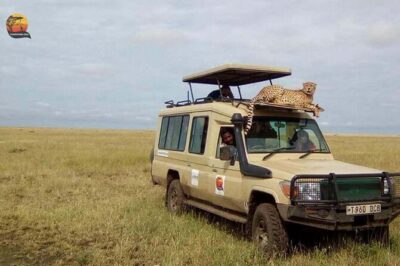
Group Safari 7 Days in Tanzania’s Main Parks
Read our review →
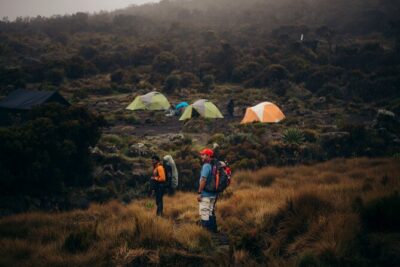
Climbing Kilimanjaro through 7 days Machame Route
Read our review →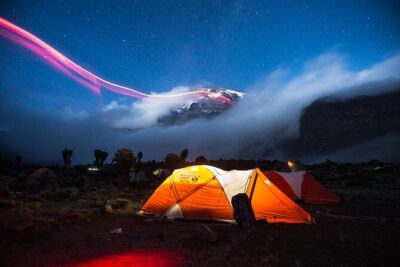
7-Day Machame Kilimanjaro Summit Tour from Arusha
Read our review →