Reviewed · 7-DAY EXPERIENCES
7 days great migration safari
Flamingos on soda pink, then big cat drama. This 7-day private Great Migration route links Lake Natron with Northern and Central Serengeti, the Ngorongoro Crater, and a Lake Eyasi culture stop. You also start with an off-the-beaten-path Rift Valley day that many safaris skip.
I like the way the schedule keeps you moving without rushing. Early starts matter here, because game viewing gets better the moment the plains wake up, and you get less time sitting in the lodge. I also like the guide factor, with strong mentions for guides like Estomih, Isaac, Christian, and Simon (Safari Monster) for spotting animals and keeping the drives smooth.
One drawback to consider is timing and cost. The Great Migration rhythm changes by season, so you should match expectations to the months when herds are most likely in the areas you’ll be driving. At $4,514 per person, this is a big-ticket safari, so it pays to double-check what migration phase you are traveling for.
In This Review
- Key things that make this safari work
- Price and logistics: what $4,514 buys you
- From Arusha to the Rift Valley: setting up the week
- Lake Natron and Ol’doinyo Lengai: pink shores and soda-lake reality
- Northern Serengeti by Kleins Gate: getting your first real game drive right
- Central Serengeti Seronera Valley: the predator day with real learning moments
- Ngorongoro Conservation Area and the crater rim: the big Five odds
- Lake Eyasi and the Hadzabe and Datoga communities: safari beyond wildlife
- How to get the best sightings: timing, comfort, and the guide hunt
- Should you book this 7-day Great Migration safari from Arusha?
- FAQ
- How long is the Great Migration safari?
- Where does the safari start?
- Is airport pickup and roundtrip transfer included?
- What places does the safari visit?
- Are meals included in the price?
- What accommodation is included?
- Are binoculars and other safari gear included?
- Is this tour private or shared?
- Is there a restroom on the vehicle?
- What happens with cancellation or poor weather?
Key things that make this safari work
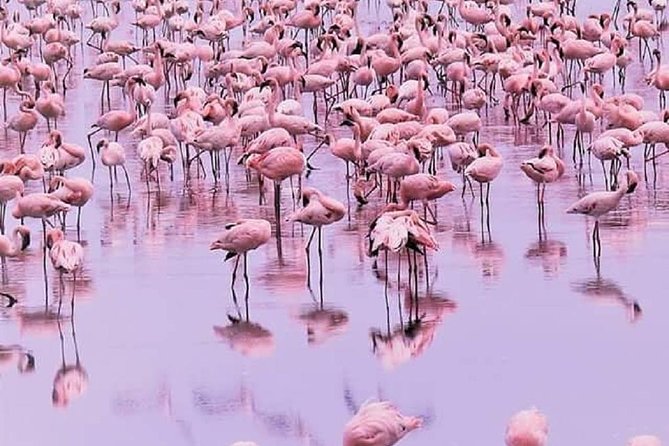
- Lake Natron flamingo breeding shores: a pink shoreline, guided bush walk, and a chance to swim at a nearby waterfall
- Northern Serengeti access at Kleins Gate: early entry by midday with first drives around Lobo’s permanent springs
- Seronera Valley focus in Central Serengeti: a full day built for resident predators plus classic plains animals
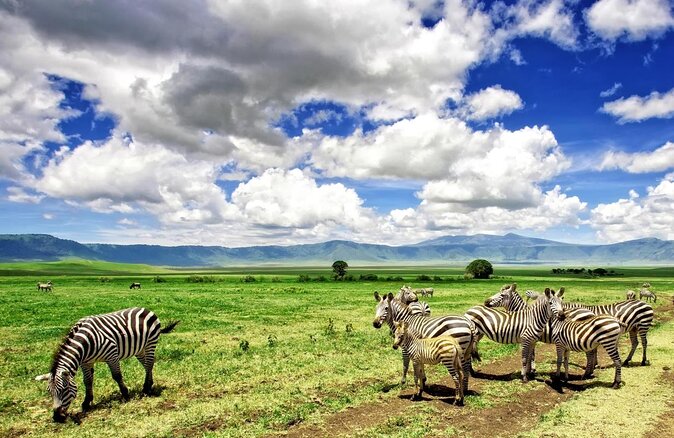
- Ngorongoro Crater game drive: rim lodging plus a crater descent where water keeps animals moving
- Lake Eyasi village time: a different safari flavor with Hadzabe and Datoga community visits
Price and logistics: what $4,514 buys you
At $4,514 per person for about 7 days, you are paying for more than “seeing animals.” You’re buying a private, guided route with roundtrip airport transfer, dedicated transport, and meals built into most days. The value is strongest if you care about comfort plus time on the road at the right moments.
The package includes all accommodation mentioned, breakfast every day listed, lunches, and dinners (with dinners shown for 6 days). It also includes the use of binoculars and camping equipment, which fits this route’s tented-camp night at Lake Natron. Add in “all fees and taxes,” and you are not stuck doing last-minute math once you arrive.
If you’re the kind of traveler who enjoys a tight plan, you’ll like this. If you’re the type who wants lots of free time and spontaneity, the daily structure might feel a bit busy. Still, the pacing is the point here: it’s designed to hit multiple wildlife zones in one week.
More Safaris in Arusha
- Balloon Safari & Bush Breakfast in Serengeti – Miracle Experience
★ 5.0 · 1,646 reviews - 4 Days Group Camping Safari
★ 5.0 · 1,101 reviews - 5 Days Group Camping Safari
★ 5.0 · 730 reviews
From Arusha to the Rift Valley: setting up the week
Your safari runs from Arusha, with a start time of 7:30 am. Day 1 is built around picking you up from your hotel or lodge, or meeting you at the airport on day 1 (or even the day before). That means you don’t lose precious daylight figuring out local transport.
The long drive isn’t filler. You’ll head north along the Rift Valley Escarpment, passing through Masai land as the route climbs toward the Lake Natron area. You’ll even see Ol’doinyo Lengai, the holy mountain known to the Masai, in the distance before you reach the Ngare Sero area.
A practical note: drives in this part of Tanzania can feel long and a little bumpy. The upside is you’re getting deeper off the main safari circuit early, which sets a different tone for the week.
Lake Natron and Ol’doinyo Lengai: pink shores and soda-lake reality
Day 1 is where this safari shows its personality. After breakfast, you head for Lake Natron, following the Rift Valley Escarpment northwards. The destination is often called the Mountain of God, and the scenery around it looks unlike classic savanna views.
Your time here mixes walking with birdlife. You’ll take a guided bush walk to the lake shores, where they can shimmer pink as flamingos gather for breeding. The lake is hyper-alkaline, so you’re seeing flamingo behavior in the kind of conditions they need to thrive.
You also get an optional feel-good break: you can wander to a nearby waterfall and refresh with a bath. That’s a nice contrast to later days that are mostly about sunrise-to-sunset wildlife tracking.
Where this stop can be tricky is logistics of expectations. Lake Natron is remote. That means you’ll likely feel the travel effort more than on a short park transfer day. If you’re prone to motion sickness or dislike early drives, plan for it.
Value tip: pack for dust and sun for the bush walk day, then shift your brain into flamingo-watch mode. This is not a “big cat” day, and that’s the point.
Northern Serengeti by Kleins Gate: getting your first real game drive right
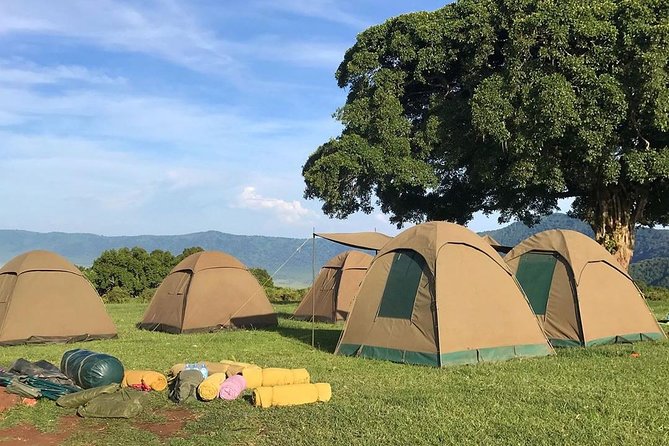
Days 2 and 3 focus on Northern Serengeti, which is often where the Great Migration story feels most dramatic in the dry season. You start early and work your way north, with the vehicle slowly climbing along winding turns. You leave the Rift Valley behind and enter Serengeti through Kleins Gate around midday.
Your first game drive happens around Lobo. Lobo is described as supporting lots of resident wildlife thanks to permanent springs plus open plains scattered with kopjes. That matters because it means you aren’t only chasing one animal story. You’re watching a whole community of species, including elephants, giraffes, zebras, lions, leopards, and buffaloes.
Day 3 keeps the focus on the dry-season migration pattern, highlighting massive herds of wildebeest and zebra moving through the Northern Serengeti. You’ll also see resident animals like hippo, crocodile, and oribi antelope, which is a nice bonus if migration isn’t exactly where you wish it were.
A balanced expectation check: Great Migration viewing is never guaranteed in a simple, predictable way. Herd movement changes by week and even by day. This route improves your chances by targeting Northern Serengeti at the right time of year, but you still have to go with the flow during the drives.
Guide factor tip: when your guide is good at reading tracks and water points, you get more “meaningful stops” and fewer wasted hours. This is exactly the kind of safari where strong guide names like Isaac and Estomih show up in feedback, because they’re the ones calling where to go next.
More safaris from Arusha:
- 3 Days Serengeti & Ngorongoro Group Camping Safari
★ 5.0 · 574 reviews - 7-Day Premium Luxury Tanzania Safari All-Inclusive
★ 5.0 · 426 reviews - 3-Day Classic Serengeti Safari
★ 5.0 · 263 reviews - 8 Days Great Wildebeest Calving Migration Safari from Arusha
★ 5.0 · 254 reviews
Central Serengeti Seronera Valley: the predator day with real learning moments
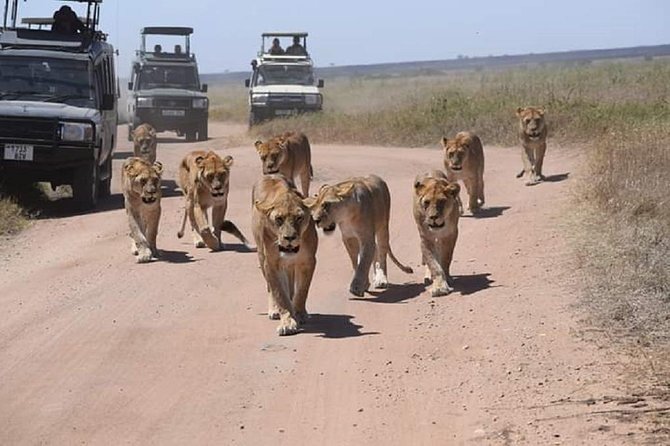
Day 4 shifts to Central Serengeti, with a relaxed morning drive toward the Seronera Valley. This is a key change in the safari feel. Instead of chasing only the migration big scene, you get a valley that holds wildlife more consistently through the year.
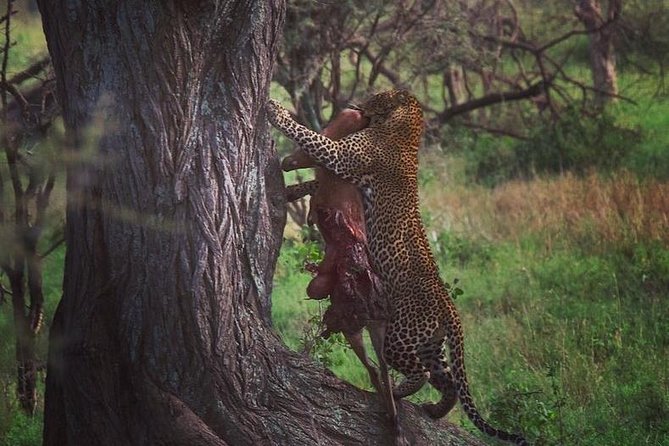
Seronera Valley is described as a place with carnivores like cheetahs, hyenas, leopards, and lions, plus plenty of ungulates such as buffaloes, giraffes, hippopotami, impalas, topi, warthogs, and zebras. That combination is why this day can feel like a “best-of Serengeti” sampler even if the migration is quieter here.
You also get a small but useful wildlife learning moment: you can practice spotting differences between Grant’s gazelle and Thomson’s gazelle. The guide share includes rump details, with the Thomson’s tail also described as entirely black, and the rump band having a thin black horizontal stripe. It’s the kind of trivia that turns a long drive into something you actively notice.
This is where you’ll likely feel the benefit of binoculars. Included binoculars help you spot eye-shine and movement before your guide calls it out, and that makes it easier to get your camera framed fast.
Watch-out: the Seronera day is still a full game drive schedule. If you love stretching legs and doing long walks, know that this route is primarily vehicle-based inside the parks.
Ngorongoro Conservation Area and the crater rim: the big Five odds
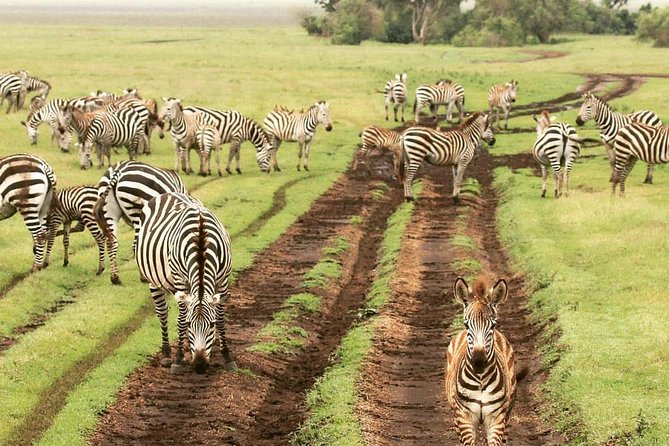
Day 5 transitions into the Ngorongoro Conservation Area, with a drive that comes after another Serengeti game drive. The area was separated from Serengeti in 1959, and it is home to Maasai communities that were relocated from Serengeti and still live in the conservation area.
Ngorongoro is known for variety, and the route emphasizes the scale: the conservation area covers 8,292 square kilometers and includes nine different craters within its boundaries. Then comes the real showpiece, the crater itself.
You’ll proceed to accommodation on top of the crater rim, which is a smart way to start. You get wide views down into the crater early, and you don’t feel like you’re rushing every moment. After that, the schedule sets you up for crater driving with a full game-drive day on Day 6.
This route also calls out the crater as a place where animals concentrate because of reliable water. That’s one reason Ngorongoro is such a repeat star for classic Africa safari checklists.
Value tip: if you care most about the classic “Big Five” style safari, this is the part of the itinerary where your odds jump. The crater’s predictable water points keep animals moving in and out, which makes sightings more consistent than in some open-plains scenarios.
Lake Eyasi and the Hadzabe and Datoga communities: safari beyond wildlife
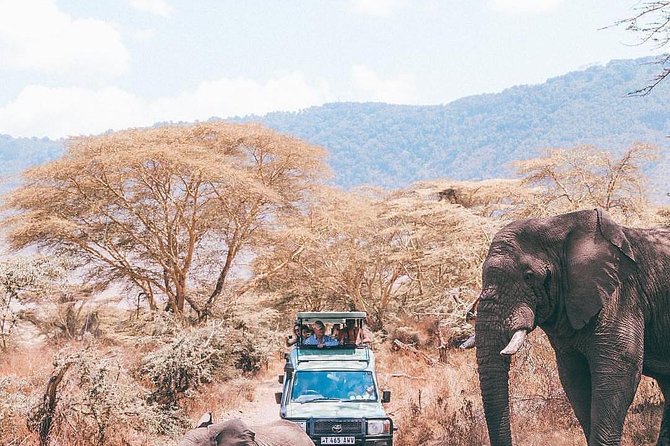
Day 6 starts with a drive along the crater rim to Seneto Gate, then a descent into the crater floor. The crater provides a home for many animals because water stays more reliable here. The route explicitly notes that animals shift seasonally, including wildebeest and zebra numbers rising in the dry season and elands, elephants, and water-bucks increasing in wetter periods.
You search for the classic set: buffalo, elephant, leopard, lion, and black rhinoceros. The itinerary also points out that Ngorongoro is one of only two places in Tanzania where you can still observe the highly threatened black rhinoceros. Even when you do not see every animal, the crater experience is about density and behavior, not only boxes on a list.
Later that day, the trip moves to Lake Eyasi. This soda lake setting is different in feel from Serengeti and Ngorongoro. It’s described as being fed by the Sibiti and Baray Rivers, and it gives you a wider view of the region’s human side.
Day 7 continues with the Eyasi region and brings in a community visit. The area is home to the Hadzabe and Datoga communities. The itinerary describes them as continuing traditional lifestyles of hunting-gathering and pastoralism, with village visits that can include learning about family structures, traditional dances, and possibly being invited into homes.
Because the details are phrased as you may be invited, treat it as flexible. Your guide handles the timing and respectful distance. That flexibility is part of what makes Eyasi feel real.
This stop is where many “wildlife first” travelers find they enjoy the pace most. You’re not only watching animals. You’re learning how people live with the same earth you’re driving through.
How to get the best sightings: timing, comfort, and the guide hunt
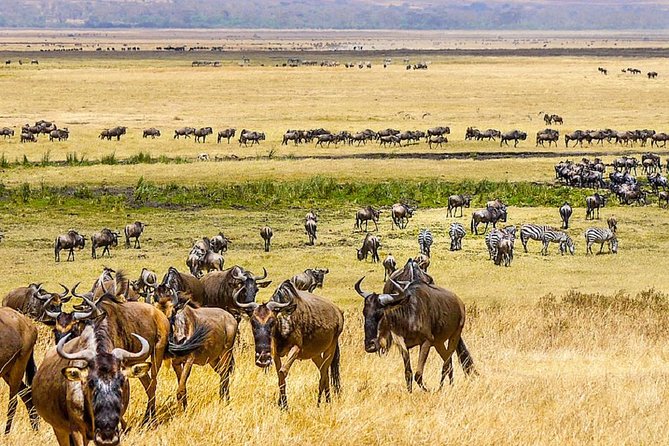
This safari is private, so your guide can shape the day. That’s the quiet advantage over group tours, where you have to move in sync with everyone else. Here, you can push early and spend more time at the points your guide chooses.
Your days are designed around early visibility, starting at 7:30 am. On safari, that translates into cooler mornings, better animal movement, and fewer distractions. Your guides are also key to safety and timing. Feedback names like Simon (Safari Monster) and Christian show up for keeping the group safe, finding animals, and even helping with camera angles.
A practical comfort note: the package lists restroom on board as not included. So you’ll want to plan to use stops when they happen and keep water intake reasonable.
You’ll also rely on vehicle time. Game viewing here is mostly from the vehicle, with one walking element at Lake Natron. Bring a light layer for early starts and keep your sun protection easy to grab.
Camera tip that works here: don’t wait for the perfect scene. Use binoculars to find action first, then ask your guide for the best viewing side, especially around kopjes and crater slopes where sightlines change fast.
Finally, think about what “success” means for you. If you want migration drama, Northern Serengeti is your anchor. If you want density and classic checklists, Ngorongoro is the centerpiece. If you want something different, Lake Eyasi is your human and cultural reset.
Should you book this 7-day Great Migration safari from Arusha?
Book this safari if you want a single-week route that covers multiple Tanzania highlights: Lake Natron’s flamingos, Northern and Central Serengeti wildlife, Ngorongoro’s crater concentration, and Lake Eyasi community visits. The included basics also help: airport transfers, transport, meals, binoculars, and accommodations.
I’d lean yes if you care about guide-led animal finding. Names like Estomih, Isaac, Christian, and Simon show up for a reason, and this is the sort of itinerary where your guide’s judgment changes your sightings.
Hold off or ask more questions before booking if migration timing is your one obsession and you are traveling during a shoulder month. Great Migration viewing depends on seasonal movement, so you’ll want to align your travel dates with what the itinerary targets.
If you want a safari that feels like more than one park, and you like learning small wildlife details while still chasing the dramatic moments, this one fits your style.
FAQ
How long is the Great Migration safari?
The tour is listed as 7 days (approx.).
Where does the safari start?
It’s based in Arusha, Tanzania, with the tour starting at 7:30 am.
Is airport pickup and roundtrip transfer included?
Yes. Roundtrip airport transfer is included, and pickup on day 1 of the tour or a day prior is noted.
What places does the safari visit?
You will visit Lake Natron, Serengeti National Park (including Northern and Central areas), the Ngorongoro Crater/Ngorongoro Conservation Area, and Lake Eyasi.
Are meals included in the price?
Yes. Breakfast is included for 7 days, lunch for 7 days, and dinner is included for 6 days.
What accommodation is included?
The package includes the accommodations mentioned in the plan, including Lake Natron Tented Camp (Day 1) and Lobo Wildlife Lodge (days in the Serengeti), unless an upgrade is clearly labeled as optional.
Are binoculars and other safari gear included?
Yes. The tour includes the use of binoculars and camping equipment.
Is this tour private or shared?
This is a private tour/activity, meaning only your group participates.
Is there a restroom on the vehicle?
No. Restroom on board is listed as not included.
What happens with cancellation or poor weather?
Cancellation is free up to 24 hours in advance for a full refund. The experience requires good weather, and if it is canceled due to poor weather you’ll be offered a different date or a full refund. It also requires a minimum number of travelers, and if that minimum is not met you’ll be offered a different experience or a full refund.
Just posted around Arusha
- 8 Days Serengeti Migration safari★ 5.0 · 11 reviews
- tarangire & ngorongoro 2 days tour★ 5.0 · 14 reviews
- serengeti, ngorongoro & tarangire 4 days private tour★ 5.0 · 18 reviews
- tarangire, ngorongoro & lake manyara park 3 days private tour★ 5.0 · 11 reviews
- Mt. Kilimanjaro: Shira plateau to Cathedral point 3872m Day hike★ 5.0 · 7 reviews
- serengeti & ngorongoro 3 days private tour★ 5.0 · 15 reviews
- climb the KILIMANJARO via Lemosho route★ 5.0 · 4 reviews
- Kilimanjaro Waterfalls Hike & Moshi Hot Springs Day Trip Tour★ 5.0 · 4 reviews
7-Day Experiences, compared.
7-Day Premium Luxury Tanzania Safari All-Inclusive
Read our review →
Group Safari 7 Days in Tanzania’s Main Parks
Read our review →
Climbing Kilimanjaro through 7 days Machame Route
Read our review →
7-Day Machame Kilimanjaro Summit Tour from Arusha
Read our review →