Reviewed · 7-DAY EXPERIENCES
7-Day North Tanzania Classic Safari
Safari days start fast in northern Tanzania. What I like about this classic loop is how it stitches together big wildlife parks with crater-country scenery, then adds culture stops on the way into Ngorongoro. You get private guiding through long game-drive days, starting with an airport transfer and ending with a drop back in Arusha or at Kilimanjaro.
I also like the planning style: lunch boxes on drive days, early starts on the most scenic routes, and a route that aims for high-probability wildlife zones like Tarangire for elephant country. One thing to keep in mind is the road reality, because some days run long and involve sandy, bumpy sections, so you should be ready for rougher rides.
In This Review
- Key highlights worth getting excited about
- Entering Tanzania: airport transfer, Arusha lodge time, and an easy start
- Tarangire National Park: elephants, Larmaku Swamp, and acacia-shaded river edges
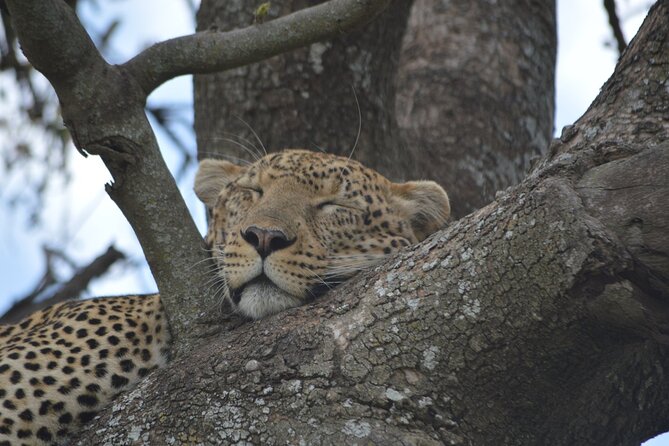
- Lake Manyara: flamingoes, lions that hang in trees, and a full day with lunch boxes
- Serengeti via Ngorongoro Conservation Area: crater viewpoints before the plains
- Serengeti Hippo Pool and the river-and-plains grind: crossings, crocodiles, and predator timing
- Ngorongoro Crater day: Olduvai Gorge, Maasai boma, and that long descent into caldera wildlife
- Returning to Arusha or flying out: last transfer, optional late checkout, and time savers
- Price and value at $2,980 per person: what you’re really buying
- The guide matters: why Christopher and Warren show up in the best reviews
- Who this safari fits best, and who should reconsider
- Should you book this 7-Day North Tanzania Classic Safari?
- FAQ
- Where does the tour start and what airport is used?
- Is this a private safari or shared group tour?
- What is included in the price for this 7-day safari?
- What is not included?
- How long is the safari, roughly?
- What wildlife spots are emphasized during the week?
- Are there cultural stops during the safari?
- Is the trip physically demanding?
- What is the cancellation window for a full refund?
Key highlights worth getting excited about
- Tarangire elephant odds are front and center, including time around Larmaku Swamp and acacia shade.
- Lake Manyara’s mix of flamingoes and tree lions makes for a day that can feel like two different safari worlds.
- Serengeti game driving along river edges gives you more chances at predators near water.
- Ngorongoro crater day planning pairs crater descents with Olduvai Gorge and a Maasai boma stop.
- A Serengeti full day focused on crossings and predators keeps the pace active, not just scenic.
Entering Tanzania: airport transfer, Arusha lodge time, and an easy start
The trip begins with a guide waiting at Kilimanjaro International Airport, then a transfer into Arusha taking about 45 to 60 minutes. When you arrive matters here. If your flight lands early enough, you may get time to settle in, get your bearings, and let your guide explain how the week will flow.
This first evening is useful for two reasons. First, you avoid the common travel problem where you land, stress, and then jump straight into a full park day. Second, you can ask for a wish list right away, like you want more time at a river, more predator focus, or extra birding. The tour is built around you having a guide who can adjust priorities while still keeping the route efficient.
Tip for you: if you have strong preferences (elephants, cats, birds, or big-sky crater viewpoints), say them on day one while your guide can still shape the flow. That’s when small changes can matter.
More Safaris in Arusha
- Balloon Safari & Bush Breakfast in Serengeti – Miracle Experience
★ 5.0 · 1,646 reviews - 4 Days Group Camping Safari
★ 5.0 · 1,101 reviews - 5 Days Group Camping Safari
★ 5.0 · 730 reviews
Tarangire National Park: elephants, Larmaku Swamp, and acacia-shaded river edges
Day 2 is built around Tarangire National Park, and the timing is designed to get you game driving rather than just passing through. The drive from Arusha to Tarangire is about 170 km, around 3 hours, so you’re not spending your whole day stuck in a vehicle before the fun starts.
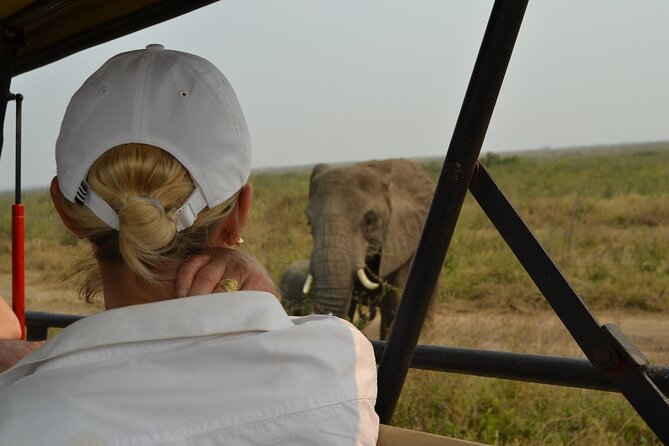
Tarangire’s big draw is elephant country, and this itinerary leans into it. You’ll look for herds and spend time near the river area where elephants can be seen close to the camps. Then you head to Larmaku Swamp, a strong spot for animals cooling down in water and sheltering under acacias.
The tour description also gives a clear probability mindset: it states a very high chance of seeing large herds of elephants in this park. Just keep the safari rule in your pocket, no one can guarantee wildlife on any day. Still, Tarangire is one of those parks where the chances are often good, and this route is aimed at maximizing them.
A practical note: even when you see elephants, you’ll still want patience. Wildlife can move, and the best viewing can be brief. If you want photos, plan on quick adjustments, and keep your camera ready before the action starts.
Lake Manyara: flamingoes, lions that hang in trees, and a full day with lunch boxes
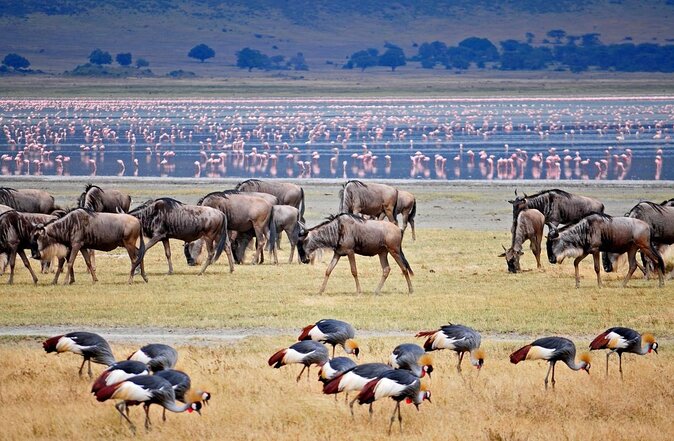
Lake Manyara is next, and it’s one of the more visually rewarding parts of northern Tanzania. After breakfast, you leave with lunch boxes for a full game-drive day inside the park. The itinerary mentions the park’s classic highlights: flamingoes when conditions align, plus the chance of seeing lions close by, including the famous idea of lions in trees.
Here’s why this day feels good for real travelers. It’s not just about one species or one photo moment. It’s a full-day rhythm where you can watch animals move toward water, then pivot as sightings change. The description points out that many animals make their way toward the river for a drink, so the day naturally has a “waterfront” theme even when you’re driving.
The drive inside the park is also quick to say out loud, about 40 minutes on paved road at least for that stretch. But your actual time in the park will feel longer because game drives move at wildlife speed, not highway speed.
What to watch for if you care about variety:
- Flamingo areas can change day to day, so don’t assume they will be everywhere.
- If you’re hoping for predators, your best moments may come when you slow down and let your guide position the Land Rover.
Serengeti via Ngorongoro Conservation Area: crater viewpoints before the plains
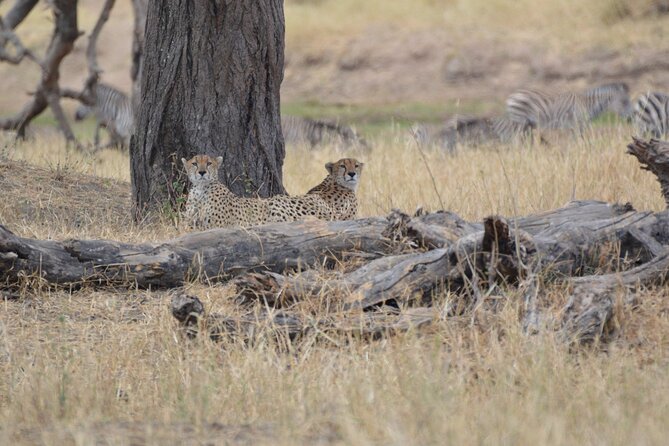
Day 4 is one of those “this is why you travel” days, at least on paper. You leave early and take the route through Ngorongoro Conservation Area with panoramic crater views. The itinerary says you’ll have crater views hundreds of meters below, which is the kind of scale that makes you stop talking mid-sentence.
Then you head toward Serengeti, and this part of the route is described as partly paved and then mostly sandy and bumpy. Translation for you: expect more jostling and a slightly slower pace. It’s worth it for two reasons. One, the views are the emotional payoff before the wildlife work begins. Two, the road pattern helps explain why the trip focuses on planning and timing, not just ticking boxes.
Your Serengeti day is set around the Seronera River area, meaning you’re driving through country where animals often funnel toward water and where predators can hunt near movement corridors. That river-edge strategy matters, because in the Serengeti you can see “space,” but you typically find action near resources.
If you’re sensitive to motion, pack your patience along with the snacks. The goal here is not speed. The goal is positioning.
More safaris from Arusha:
- 3 Days Serengeti & Ngorongoro Group Camping Safari
★ 5.0 · 574 reviews - 7-Day Premium Luxury Tanzania Safari All-Inclusive
★ 5.0 · 426 reviews - 3-Day Classic Serengeti Safari
★ 5.0 · 263 reviews - 8 Days Great Wildebeest Calving Migration Safari from Arusha
★ 5.0 · 254 reviews
Serengeti Hippo Pool and the river-and-plains grind: crossings, crocodiles, and predator timing
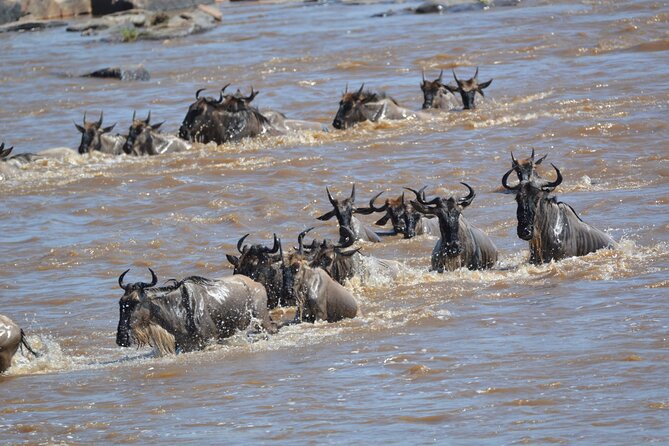
Day 5 is a full Serengeti day with a focus on river life and predator chances. The itinerary specifically calls out the Serengeti Hippo Pool area, and your driving route follows the Seronera River and the Mara River. This matters because hippos, crocodiles, and big grazers all share the same “water gravity,” which often concentrates activity.
This is also the day described as good for classic Serengeti moments:
- Possible wildebeest crossings
- The chance of seeing predators like cheetahs and lions
- Nile crocodiles waiting for animals to drink or cross
One detail I like in this plan is the emphasis on areas not known to the greater public, described as more off the beaten path. You still need the guide to put you in the right place, but when a route avoids the most crowded viewing zones, the experience can feel more like you’re watching nature work instead of watching people watch nature.
Now the honest consideration: this is one of the longer days on the schedule, listed at around 12 hours. That means you’ll want to think about comfort, not just excitement. Hydrate, wear sun protection, and keep layers handy for early morning chill and later heat.
Ngorongoro Crater day: Olduvai Gorge, Maasai boma, and that long descent into caldera wildlife
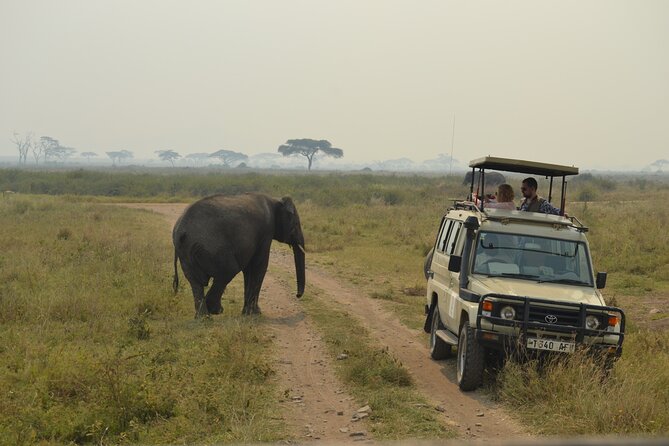
Day 6 is where the trip earns its reputation for classic North Tanzania safari storytelling. You start early and head toward Ngorongoro Conservation Area. On the way, you visit Olduvai Gorge and a Maasai boma. Those stops add context so the wildlife isn’t floating in a vacuum. Even if you’re not a history expert, you’ll likely appreciate seeing how people and survival strategies have shaped this region over time.
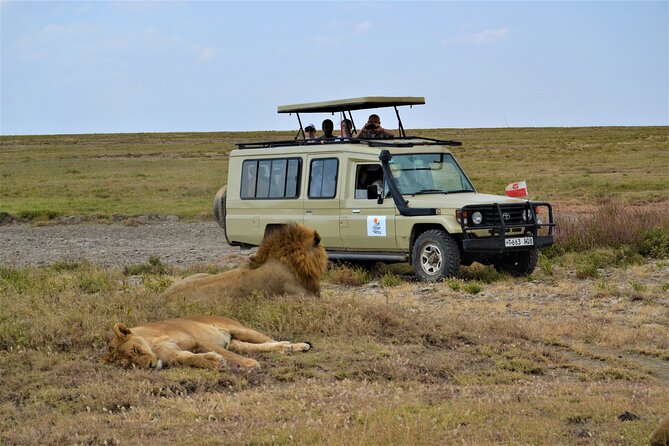
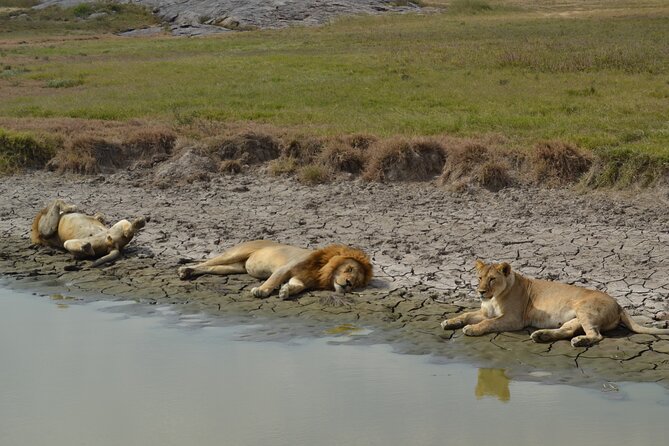
Then you wind down into the crater caldera for a game drive. The description points out the “most breathtaking views” along the way, and it also mentions that your guide may spot rhino. The chance of close sightings of an active pride of lions is also listed as high on the possibilities.
Inside the crater, the itinerary highlights the Hippo Pool, where you can enjoy the soundscape of hippos wallowing and moving in the water. Even if you’ve seen hippos before, crater hippo country can feel different because of the enclosed terrain and the way animals tend to cluster around water.
A practical takeaway: crater days can feel physically demanding not because of steep hiking, but because you’re in a long drive day plus wildlife scanning plus sun and wind. Dress for it. Bring something to protect your eyes and keep your focus on the horizon line your guide is working.
Returning to Arusha or flying out: last transfer, optional late checkout, and time savers
Day 7 is about the exit, and it’s handled in a way that gives you options. Depending on your itinerary, you’ll be driven to a lodge in Arusha, to Arusha Airport for domestic flights (like to Zanzibar), or back to Kilimanjaro International Airport for your return home flight.
The trip estimates about 3 hours to Arusha (about 120 km) and about 4 hours to Kilimanjaro (160 km). That buffer is important. Tanzania traffic and road conditions can vary, so it’s smart to treat these times as planning guidance and not guaranteed formulas.
Late checkout is described as optional for additional charges. That’s a small detail, but it matters if your flight is later and you want to avoid scrambling. Even without booking extras, you’ll appreciate having a clear plan for the final day rather than a vague “we’ll figure it out” approach.
Price and value at $2,980 per person: what you’re really buying
At $2,980 per person, this is not a bargain-basement safari. The value lives in what’s included. The package lists all fees and taxes, plus breakfast, lunch, and dinner on 6 days each. That meal coverage matters because park days are long and in-park food can be expensive or limited.
It also includes admission tickets, which is the biggest hidden cost on most safaris. You’re paying for park entry access across multiple major areas, not just “transport plus vibes.” Pickup is offered and you’ll have a mobile ticket, so your admin load is lighter than on some older-style tours.
What’s not included is equally important for your budgeting. You’ll still need to plan for:
- International flights
- Tips
- Additional accommodation before and at the end of the tour
If you add up the typical costs of park fees, guided driving days, and in-trip meals, you can see why the number is what it is. This style of pricing is usually the difference between a safari that feels like logistics and a safari that feels like a guided experience.
The guide matters: why Christopher and Warren show up in the best reviews
One of the clearest threads from the feedback is the guide experience. Reviews mention Chris/Christopher as a guide who knows flora and fauna well, and who can spot animals from long distance. One review also credits him with being able to predict where animals would move, then positioning the Land Rover for the best viewing angles.
Another common theme is warmth and organization. Reviews mention airport pick-up and smooth handoffs around Arusha, including being greeted and saying goodbye in Arusha. A second guide name shows up too, Warren, described as part of a guide team.
Even if your guide is not the same person, the lesson is universal. In Tanzania, your “safari superpower” is spotting and positioning. A good guide is doing far more than driving. They’re scanning constantly, reading animal movement cues, and adjusting the route so you spend time where the chances are real.
So when you book, don’t be shy about asking your provider how guides handle spotting and route adjustments. This tour is the kind of itinerary where that skill makes a noticeable difference.
Who this safari fits best, and who should reconsider
This is a strong match if you want a classic North Tanzania circuit with big parks, long drive days, and a mix of wildlife and culture. You’ll likely enjoy it if you like the idea of seeing multiple ecosystems: elephant river country, lake drama with flamingoes, Serengeti plains action, then crater life concentrated in a natural amphitheater.
It also fits a moderate fitness level. The itinerary asks for moderate physical fitness, and while you’re not doing strenuous hikes in the data provided, you will be in a vehicle for long stretches and spending hours outdoors scanning.
Consider reconsidering if:
- You hate bumpy roads and long days. Parts of the route are described as sandy and bumpy.
- You need a more relaxed pace with fewer hours per day. Many days are listed at around 12 hours.
- You want a high guaranteed wildlife outcome. The plan gives strong odds in certain parks, but the safari world never promises 100 percent sightings.
If you can handle early starts, sun, and a lot of time in search mode, this itinerary is built for you.
Should you book this 7-Day North Tanzania Classic Safari?
I’d book it if you want a guided, efficient route through Tarangire, Lake Manyara, Serengeti, and Ngorongoro, without having to stitch together park days and logistics yourself. The meal inclusions and admission-focused structure help keep your spending predictable once you’re in Tanzania.
I would hesitate only if your idea of a great vacation is low driving time and minimal rough-road exposure. This itinerary is designed for animal time, not comfort-only touring.
If you do book, I’d plan around one key strategy: tell your guide what you care about most on day one, then be flexible when the sightings shift. That’s how you turn a standard classic safari into a trip that feels personal.
FAQ
Where does the tour start and what airport is used?
The start location is Arusha Airport in Arusha, Tanzania. Day 1 also includes a guide meeting you at Kilimanjaro International Airport and driving you to a lodge in Arusha.
Is this a private safari or shared group tour?
This is a private tour/activity. Only your group will participate.
What is included in the price for this 7-day safari?
The package includes all fees and taxes, admission ticket coverage, and meals: 6 breakfasts, 6 lunches, and 6 dinners.
What is not included?
International flights, tips, and additional accommodation before and at the end of the tour are not included.
How long is the safari, roughly?
It runs for 7 days, approximately.
What wildlife spots are emphasized during the week?
The itinerary highlights Tarangire for elephants, Lake Manyara for flamingoes and the chance of lions (including tree lions), Serengeti for river-edge predator and crossing chances, and Ngorongoro Crater for big game viewing, including the Hippo Pool area.
Are there cultural stops during the safari?
Yes. On the way to Ngorongoro Crater, you visit Olduvai Gorge and a Maasai Boma.
Is the trip physically demanding?
The guidance says travelers should have a moderate physical fitness level.
What is the cancellation window for a full refund?
You can cancel up to 3 days in advance for a full refund. If you cancel less than 3 full days before the experience’s start time, the amount paid is not refunded.
Just posted around Arusha
- 8 Days Serengeti Migration safari★ 5.0 · 11 reviews
- tarangire & ngorongoro 2 days tour★ 5.0 · 14 reviews
- serengeti, ngorongoro & tarangire 4 days private tour★ 5.0 · 18 reviews
- tarangire, ngorongoro & lake manyara park 3 days private tour★ 5.0 · 11 reviews
- serengeti & ngorongoro 3 days private tour★ 5.0 · 15 reviews
- climb the KILIMANJARO via Lemosho route★ 5.0 · 4 reviews
- Mt. Kilimanjaro: Shira plateau to Cathedral point 3872m Day hike★ 5.0 · 7 reviews
- Kilimanjaro Waterfalls Hike & Moshi Hot Springs Day Trip Tour★ 5.0 · 4 reviews
7-Day Experiences, compared.
7-Day Premium Luxury Tanzania Safari All-Inclusive
Read our review →
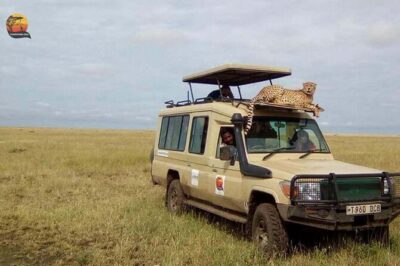
Group Safari 7 Days in Tanzania’s Main Parks
Read our review →
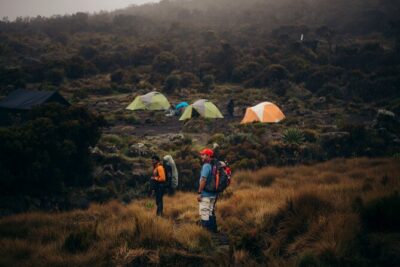
Climbing Kilimanjaro through 7 days Machame Route
Read our review →
7-Day Machame Kilimanjaro Summit Tour from Arusha
Read our review →